
Indigenous Women in Public Health: Blending Traditional Healing with Modern Epidemiology

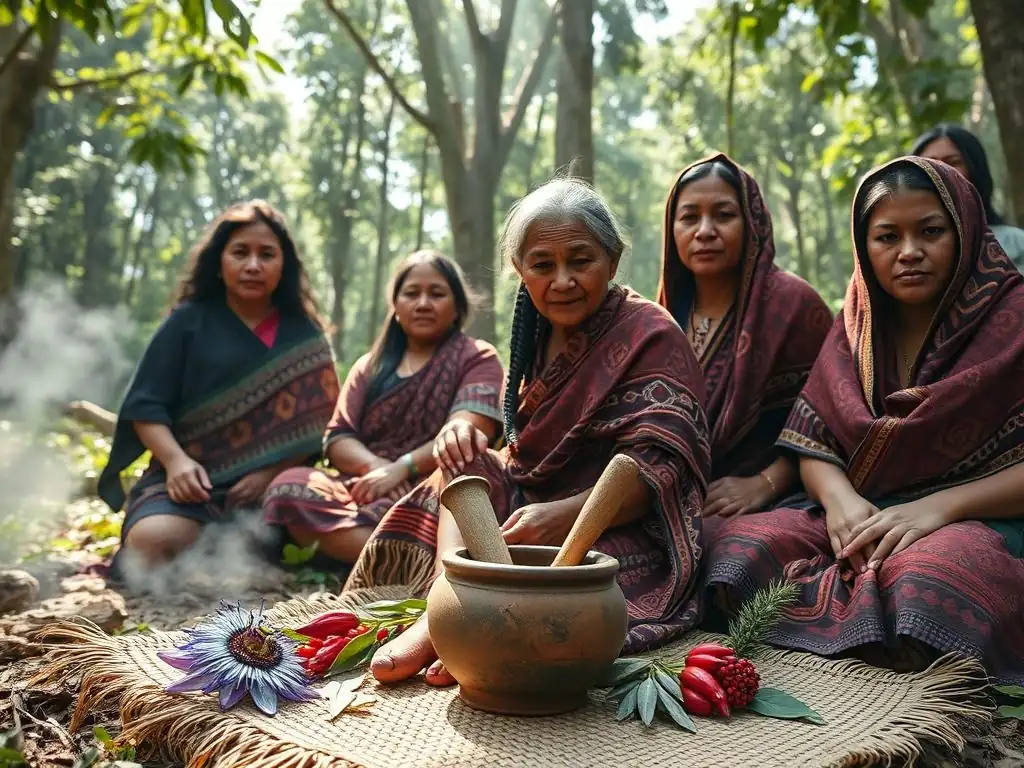
Welcome to WomenInScienceHistory.com, where we illuminate the remarkable legacies of women who shaped the world of science.
Delve into the fascinating world of Indigenous public health practices benefits as we explore how Indigenous women are revolutionizing healthcare by blending traditional healing knowledge with modern epidemiological approaches. Discover their vital contributions to biology and medicine, and the powerful impact they have on communities worldwide. Intrigued? The journey of these trailblazing women starts here.
- Introduction: Honoring Indigenous Women's Contributions to Public Health
- The Historical Context of Indigenous Women's Role in Healthcare
- Indigenous Public Health Practices Benefits: A Holistic Approach
- Bridging the Gap: Integrating Traditional and Western Medicine
- Key Figures: Indigenous Women Leaders in Public Health
- Case Studies: Examples of Indigenous-Led Public Health Initiatives
- The Importance of Cultural Competency in Public Health Research and Practice
- Challenges and Opportunities for Indigenous Women in Public Health Today
- The Future of Indigenous Public Health: A Vision for Health Equity
- Conclusion: Celebrating the Enduring Legacy of Indigenous Women in Public Health
-
Frequently Asked Questions
- What are some examples of traditional healing methods employed by Indigenous women in public health?
- How do Indigenous women blend traditional healing with modern epidemiological approaches in public health?
- What are some of the challenges faced by Indigenous women working in public health within their communities?
- What are some of the benefits of incorporating Indigenous public health practices into broader healthcare systems?
- How does WomenInScienceHistory.com highlight the contributions of Indigenous women in public health?
- Final Reflection: Weaving Wisdom for Wellness
- Empower Change: Champion Indigenous Health!
Introduction: Honoring Indigenous Women's Contributions to Public Health
Recognizing the Unsung Heroines of Indigenous Public Health
Throughout history, Indigenous women have served as vital custodians of health and well-being within their communities, often without widespread recognition in conventional historical narratives. These matriarchs, healers, and knowledge keepers developed sophisticated systems of medicine, public sanitation, and community care that predated Western medical intervention. Their contributions range from intricate herbal pharmacopeias and traditional birthing practices to complex understandings of mental health and spiritual well-being, forming the bedrock of Indigenous public health practices benefits that sustained generations.
For instance, among many First Nations, women were often the primary practitioners of traditional medicine, holding extensive knowledge of local flora and fauna for medicinal purposes. They were also responsible for community hygiene, food preservation, and the overall health education of families, ensuring that the collective well-being was prioritized. Despite systemic efforts to erase or diminish these roles, their resilience ensured the survival of invaluable health wisdom, which continues to offer profound Indigenous public health practices benefits today.
The Intersection of Traditional Knowledge and Modern Epidemiology
The convergence of ancestral Indigenous knowledge and contemporary epidemiological methods offers a powerful new paradigm for public health. Traditional Indigenous health perspectives are inherently holistic, recognizing the interconnectedness of physical, mental, emotional, and spiritual health, as well as the profound link between human well-being and the environment. This contrasts with a more reductionist Western approach that often isolates disease from its broader social and ecological determinants.
Modern epidemiology, with its tools for data analysis, disease surveillance, and population-level intervention, can gain immense depth by integrating these holistic insights. For example, understanding the social determinants of health from an Indigenous worldview – such as historical trauma, cultural dislocation, and environmental injustices – provides critical context for designing effective public health interventions. This synergy allows for the development of culturally resonant strategies that truly address the unique health challenges faced by Indigenous populations, unlocking new avenues for Indigenous public health practices benefits.
The Historical Context of Indigenous Women's Role in Healthcare
Traditional Healing Practices Passed Down Through Generations
For millennia, Indigenous women have been the primary conduits for the transmission of traditional healing practices, embedding health knowledge deeply within the cultural fabric of their communities. This intergenerational transfer of wisdom encompassed not only specific remedies and techniques but also a comprehensive philosophy of health centered on balance, community harmony, and respect for the natural world. From the careful cultivation of medicinal plants to the intricate rituals for spiritual healing, their practices were integral to sustaining vibrant and healthy societies.
Consider the extensive knowledge of herbal medicine held by women across North America. For instance, Cherokee women traditionally utilized over 500 species of plants for medicinal purposes, ranging from remedies for pain and inflammation to treatments for infections. Similarly, women in various Plains Indigenous nations were skilled in setting bones and providing palliative care, often relying on a deep understanding of anatomy and physiology gleaned through observation and practice. These traditional Indigenous public health practices benefits extended beyond individual treatment to encompass community-wide health promotion and disease prevention.
The Impact of Colonialism on Indigenous Health Systems
The arrival of European colonizers profoundly disrupted and often dismantled Indigenous health systems, leading to devastating consequences. The introduction of novel diseases, for which Indigenous populations had no immunity, caused widespread epidemics that decimated communities. For example, smallpox alone is estimated to have reduced some Indigenous populations by as much as 90% in certain regions, fundamentally altering social structures and traditional healthcare networks.
Beyond disease, colonial policies actively suppressed traditional healing practices, demonized Indigenous healers, and imposed Western medical models, often without cultural sensitivity or efficacy. Residential schools, for instance, forcibly removed children from their families, severing the intergenerational transmission of health knowledge and creating cycles of trauma that continue to impact Indigenous health outcomes today. This systemic suppression hindered the natural evolution and widespread application of Indigenous public health practices benefits, creating enduring health disparities.
Resilience and Adaptation: Indigenous Women's Response to Healthcare Challenges
Despite the immense pressures of colonialism, Indigenous women demonstrated remarkable resilience and adaptation, continuing to practice and preserve traditional healing in secret or through subtle means. They became silent guardians of ancestral knowledge, adapting practices to new realities while maintaining their core principles. This perseverance was crucial for the cultural survival and ongoing health of their communities.
In many instances, when Western medical services were inaccessible or culturally inappropriate, Indigenous women stepped forward to fill critical healthcare gaps. They continued to serve as traditional midwives, herbalists, and spiritual healers, often at great personal risk. Their efforts ensured that essential health services, rooted in cultural understanding, remained available, embodying the enduring power and adaptability of Indigenous public health practices benefits even under duress.
Indigenous Public Health Practices Benefits: A Holistic Approach
Understanding the Benefits of Traditional Medicine in Public Health
Traditional Indigenous medicine offers a profound holistic approach to health that extends far beyond the physical body, providing significant Indigenous public health practices benefits. It recognizes that well-being is intricately linked to spiritual, emotional, and mental health, as well as to the health of the community and the environment. This comprehensive view means that interventions are not just about treating symptoms but about restoring balance to the individual and their surroundings.
For example, many traditional healing ceremonies focus on communal participation, fostering social cohesion and spiritual renewal, which are critical components of mental health and resilience. The use of plant-based medicines often comes with a deep understanding of sustainable harvesting and ecological balance, promoting environmental health alongside human health. This integrated perspective, where all aspects of life are seen as interconnected, contributes to a more sustainable and culturally relevant approach to public health, yielding tangible Indigenous public health practices benefits.
Addressing Health Disparities Through Culturally Sensitive Interventions
Culturally sensitive interventions, informed by Indigenous public health practices benefits, are crucial for effectively addressing persistent health disparities faced by Indigenous populations. Standard Western medical approaches often fail to account for the unique historical, social, and cultural contexts that shape Indigenous health outcomes, leading to lower engagement and less effective results. By contrast, interventions designed with Indigenous worldviews in mind are more likely to be embraced by communities.
Consider the disproportionately high rates of chronic diseases like type 2 diabetes among many Indigenous communities. Culturally sensitive programs might incorporate traditional foods, ceremonies, and physical activities that resonate with community members, rather than solely relying on Western dietary guidelines or exercise regimens. This approach acknowledges the importance of cultural identity in health promotion, leading to better adherence and long-term health improvements, demonstrating the clear Indigenous public health practices benefits.
The Role of Indigenous Midwives in Maternal and Child Health
Indigenous midwives have historically played, and continue to play, an indispensable role in maternal and child health, providing a model of care rich in Indigenous public health practices benefits. Their expertise goes beyond clinical skills, encompassing spiritual support, cultural knowledge, and continuous community presence. They often serve as primary healthcare providers for expecting mothers, offering prenatal care, labor and delivery support, and postpartum care within a culturally familiar context.
In many remote Indigenous communities, traditional midwives were the sole healthcare providers for birthing families, ensuring safe passage for both mother and child through generations. Their practices often include specific ceremonies, traditional remedies for discomfort, and extensive breastfeeding support, all tailored to the cultural norms and beliefs of the community. Research has shown that culturally congruent midwifery care can lead to improved birth outcomes, higher rates of breastfeeding, and stronger maternal-infant bonding, showcasing the profound Indigenous public health practices benefits in this critical area.
Bridging the Gap: Integrating Traditional and Western Medicine

Successful Models of Integrated Healthcare Delivery
Successful integration of traditional Indigenous healing and Western medicine offers a powerful pathway to improved health outcomes, highlighting the synergistic Indigenous public health practices benefits. One notable model involves healthcare facilities that co-locate traditional healers and Western medical practitioners, allowing for seamless referrals and collaborative care plans. Patients can choose to receive care from either or both systems, based on their preference and needs.
For example, the First Nations Health Authority (FNHA) in British Columbia, Canada, has actively promoted the integration of traditional wellness practices into its healthcare services. This includes funding for traditional healers, cultural safety training for healthcare staff, and the incorporation of Indigenous ceremonies into clinical settings. This approach has led to increased patient trust, improved access to care, and better health engagement among First Nations communities, demonstrating tangible Indigenous public health practices benefits through integration.
Collaborations Between Indigenous Healers and Modern Healthcare Professionals
Meaningful collaboration between Indigenous healers and modern healthcare professionals is essential for effective integrated care, unlocking further Indigenous public health practices benefits. Such partnerships require mutual respect, open communication, and a willingness to learn from different knowledge systems. These collaborations can take many forms, from informal consultations to formal co-management of patient care.
An example is the partnership between a traditional Elder and a medical team at a hospital, where the Elder provides spiritual guidance and traditional remedies alongside conventional medical treatment for patients facing serious illness. This collaboration acknowledges the spiritual dimension of healing that is central to many Indigenous worldviews, complementing the biomedical focus of Western medicine. These partnerships not only enhance patient care but also foster a deeper understanding and appreciation of Indigenous knowledge among healthcare providers.
Overcoming Barriers to Integration: Addressing Trust and Systemic Bias
Despite the clear advantages, integrating traditional and Western medicine faces significant barriers, primarily rooted in historical trauma, systemic bias, and a lack of trust. Centuries of colonial policies and the marginalization of Indigenous healing have created deep-seated mistrust in Western healthcare institutions among many Indigenous communities. This historical context must be acknowledged and actively addressed for successful integration.
Overcoming these barriers requires sustained efforts to build trust through respectful engagement, cultural humility training for healthcare professionals, and the creation of safe spaces for Indigenous patients. It also involves dismantling systemic biases within healthcare systems that devalue traditional knowledge or perpetuate discriminatory practices. True integration means empowering Indigenous communities to define what health means to them and how their traditional Indigenous public health practices benefits can best be utilized within a modern healthcare context.
Key Figures: Indigenous Women Leaders in Public Health
Dr. Lori Arviso Alvord, a Diné (Navajo) surgeon, stands as a remarkable figure in the intersection of Indigenous knowledge and Western medicine, pioneering reforms that highlight the Indigenous public health practices benefits. As the first Navajo woman board-certified in surgery, she brought a unique perspective to healthcare, advocating for the integration of traditional Navajo healing principles into modern medical practice. Her work has focused on creating a healthcare environment that is culturally sensitive and holistic, recognizing the interconnectedness of physical, mental, and spiritual well-being.
Dr. Alvord served as the Associate Dean of Student and Multicultural Affairs at Dartmouth Medical School and has written extensively about her experiences, including her memoir "The Scalpel and the Silver Bear." Her advocacy centers on the idea that healing is not just about treating disease but about restoring harmony, a concept deeply rooted in Navajo philosophy. She champions the inclusion of traditional healers and ceremonies within clinical settings, demonstrating how Indigenous public health practices benefits can be realized within mainstream healthcare.
Patricia Locke: Championing Indigenous Education and Sovereignty
Patricia Locke (Lakota/Anishinaabe) was a visionary leader whose work profoundly impacted Indigenous education and self-determination, indirectly strengthening Indigenous public health practices benefits by fostering cultural revitalization. Although not a public health professional in the conventional sense, her relentless advocacy for culturally relevant education and tribal sovereignty laid crucial groundwork for Indigenous communities to address their own health needs. She understood that self-determination was foundational to community well-being.
Locke was instrumental in the establishment of tribal colleges and universities, which became vital institutions for training Indigenous professionals, including those in health fields. Her work in promoting Indigenous languages and cultures helped to restore a sense of identity and pride, which are critical protective factors against the negative impacts of historical trauma on health. Through her efforts, Indigenous communities gained greater capacity to define and pursue their own paths to wellness, recognizing the inherent Indigenous public health practices benefits of cultural strength.
Dr. Evan Adams: Combining Traditional Knowledge with Public Health Policy
Dr. Evan Adams, a Tla'amin (Sliammon) First Nation physician and actor, has made significant contributions to public health by skillfully combining traditional knowledge with modern public health policy. As the Chief Medical Officer of the First Nations Health Authority (FNHA) in British Columbia, he has been a leading voice in advancing culturally safe and trauma-informed healthcare for Indigenous peoples. His leadership exemplifies how deep understanding of Indigenous perspectives can inform and transform public health systems.
Dr. Adams has championed initiatives that recognize the importance of traditional wellness, cultural practices, and community-led solutions in addressing health disparities. He has been a key advocate for services that are designed by and for First Nations communities, moving away from a top-down approach. His work at the FNHA has demonstrated how integrating Indigenous worldviews into policy and practice can lead to more equitable and effective health outcomes, showcasing the tangible Indigenous public health practices benefits of this approach.
Case Studies: Examples of Indigenous-Led Public Health Initiatives
Native American Community Boards: Addressing Health Disparities in Urban Areas
Native American Community Boards (NACBs) and urban Indigenous health centers across North America serve as powerful examples of Indigenous-led public health initiatives addressing significant health disparities in urban settings. These organizations are typically governed and operated by Indigenous peoples, ensuring that services are culturally relevant and responsive to the unique needs of urban Indigenous populations, who often face distinct challenges compared to those living on reserves or in rural areas.
For instance, the Seattle Indian Health Board, founded in 1970, provides comprehensive primary care, dental care, behavioral health services, and traditional healing programs to urban American Indians and Alaska Natives. Their approach integrates Western medicine with traditional practices, offering talking circles, spiritual guidance, and ceremonies alongside conventional medical treatments. This holistic model directly addresses the complex social determinants of health, including historical trauma, poverty, and systemic discrimination, demonstrating profound Indigenous public health practices benefits in an urban context.
The Zuni Diabetes Project: Community-Based Participatory Research in Zuni Pueblo
The Zuni Diabetes Project, initiated in the early 1990s in Zuni Pueblo, New Mexico, stands as a seminal example of successful community-based participatory research (CBPR) in public health, illustrating critical Indigenous public health practices benefits. Faced with alarmingly high rates of type 2 diabetes, the Zuni community collaborated with researchers from the University of New Mexico to design and implement culturally appropriate interventions. The project prioritized Zuni self-determination and incorporated traditional Zuni values and practices throughout its phases.
Key to its success was the active involvement of Zuni community members in all aspects of the research, from identifying health priorities to designing interventions. This included promoting traditional Zuni foods, physical activities like traditional dances, and educational materials developed in the Zuni language. The project not only led to significant improvements in diabetes management and prevention but also strengthened community capacity and fostered trust between the community and external researchers, showcasing the profound Indigenous public health practices benefits of community-led approaches.
Analyzing the Success Factors and Challenges of These Initiatives
The success of initiatives like the Native American Community Boards and the Zuni Diabetes Project can be attributed to several key factors. Foremost is community ownership and leadership, ensuring that programs are culturally relevant and address felt needs. The integration of traditional healing practices alongside Western medicine provides holistic care that resonates with Indigenous worldviews. Furthermore, a focus on addressing social determinants of health, rather than just individual behaviors, contributes to more sustainable improvements.
However, these initiatives also face significant challenges. Chronic underfunding compared to mainstream health services is a persistent issue, limiting their reach and capacity. Systemic racism and a lack of cultural competency within broader healthcare systems can hinder referrals and collaborative efforts. Additionally, the burden of historical trauma continues to impact community health and requires ongoing, specialized support. Despite these hurdles, the demonstrated Indigenous public health practices benefits of these models provide a clear pathway for future health equity.
The Importance of Cultural Competency in Public Health Research and Practice
Developing Culturally Appropriate Health Education Materials
Developing culturally appropriate health education materials is paramount for effective public health interventions within Indigenous communities, ensuring that Indigenous public health practices benefits are maximized. Generic health information, often designed for mainstream populations, frequently fails to resonate with Indigenous audiences due to differences in language, worldview, and cultural values. Materials must be developed in collaboration with community members, incorporating their perspectives, traditional narratives, and visual aesthetics.
For example, health messages about diabetes prevention might be more impactful if they feature traditional foods, incorporate storytelling from Elders, or use imagery that reflects the community's landscapes and cultural practices. This ensures that the information is not only understood but also trusted and acted upon. Such collaborative efforts move beyond mere translation to true cultural adaptation, fostering greater engagement and promoting better health outcomes by leveraging Indigenous public health practices benefits.
Training Healthcare Professionals on Indigenous Cultural Awareness
Comprehensive training for healthcare professionals on Indigenous cultural awareness and humility is a critical step towards improving health outcomes and fostering trust. Many healthcare providers lack a foundational understanding of Indigenous histories, cultures, and the profound impact of colonialism and historical trauma on health. This knowledge gap can lead to unintentional cultural insensitivity, miscommunication, and a perpetuation of health disparities.
Effective training goes beyond simply listing cultural facts; it cultivates cultural humility, which is a lifelong commitment to self-reflection and learning about one's own biases, and recognizing the power imbalances inherent in healthcare interactions. It emphasizes respectful communication, understanding the role of traditional healers, and acknowledging the importance of family and community in decision-making. By equipping professionals with this awareness, healthcare encounters become more respectful and effective, allowing the Indigenous public health practices benefits to flourish.
Ethical Considerations in Research with Indigenous Communities
Engaging in research with Indigenous communities requires rigorous ethical considerations, particularly emphasizing principles of self-determination, respect, and reciprocity. Historically, Indigenous communities have been subjected to exploitative research practices that have extracted data without providing meaningful benefit or respecting community protocols. This history necessitates a fundamental shift in research paradigms to ensure ethical and mutually beneficial partnerships.
Key ethical principles include obtaining free, prior, and informed consent from communities, not just individuals; ensuring Indigenous leadership and ownership over research processes and data; and committing to sharing research findings in a culturally appropriate and accessible manner. The concept of OCAP® (Ownership, Control, Access, and Possession) developed by the First Nations Information Governance Centre in Canada, serves as a gold standard for data governance, ensuring that First Nations control their own data. Adhering to these principles is crucial for building trust and ensuring that research truly contributes to Indigenous public health practices benefits.
Challenges and Opportunities for Indigenous Women in Public Health Today
Addressing Systemic Barriers and Discrimination
Indigenous women in public health today continue to face significant systemic barriers and discrimination, reflecting broader societal inequities. These challenges include underrepresentation in leadership positions, a lack of culturally safe workplaces, and the persistent impact of historical trauma on their communities and personal lives. Systemic racism within healthcare and academic institutions can hinder career progression and limit opportunities for Indigenous women to fully contribute their invaluable perspectives and expertise.
Furthermore, Indigenous women often navigate complex professional landscapes where their traditional knowledge may be undervalued or dismissed by mainstream institutions. Addressing these barriers requires comprehensive policy changes that promote diversity and inclusion, implement anti-racism training, and create mentorship programs specifically for Indigenous women. Creating pathways for their leadership is essential to harness the full potential of Indigenous public health practices benefits.
Promoting Leadership and Empowerment of Indigenous Women
Promoting the leadership and empowerment of Indigenous women in public health is not merely a matter of equity; it is a strategic imperative for improving health outcomes. Indigenous women possess unique insights derived from their lived experiences, cultural knowledge, and roles within their communities. Their leadership can drive the development of more effective, culturally relevant, and sustainable public health initiatives.
Opportunities for promoting their leadership include investing in educational pathways, establishing formal mentorship programs with senior Indigenous health leaders, and ensuring representation on health policy-making bodies. Supporting Indigenous women in roles such as tribal health directors, community health representatives, researchers, and policymakers allows for the integration of traditional knowledge directly into public health strategy, thereby maximizing the Indigenous public health practices benefits for their communities and beyond.
Fostering Collaboration and Knowledge Sharing
Fostering robust collaboration and knowledge sharing among Indigenous women in public health, as well as with non-Indigenous allies, presents a significant opportunity for collective impact. Networks and partnerships can facilitate the exchange of best practices, innovative solutions, and research findings, strengthening the collective capacity to address complex health challenges.
This includes creating platforms for Indigenous women to share their experiences, research, and program successes with a wider audience. Collaborative research initiatives that are led by or co-led with Indigenous women can generate evidence that is directly relevant to community needs. By breaking down silos and promoting inter-community and inter-organizational learning, the collective power of Indigenous public health practices benefits can be amplified, leading to more widespread and equitable health improvements.
The Future of Indigenous Public Health: A Vision for Health Equity
Empowering Future Generations of Indigenous Healthcare Professionals
Empowering future generations of Indigenous healthcare professionals is fundamental to achieving health equity and ensuring the long-term sustainability of Indigenous public health practices benefits. This involves creating accessible and supportive educational pathways from early childhood through post-secondary and professional training. It means cultivating environments where Indigenous youth see themselves reflected in the healthcare professions and are encouraged to pursue these critical roles.
Initiatives such as scholarships, mentorship programs, and culturally relevant curriculum development are vital. For example, some universities are developing Indigenous-focused health programs that integrate traditional healing alongside Western medical education, providing a holistic and culturally grounded learning experience. By investing in the next generation of Indigenous doctors, nurses, public health practitioners, and traditional healers, communities will gain the capacity to lead their own health futures, harnessing the enduring Indigenous public health practices benefits.
The Role of Technology in Supporting Indigenous Health Initiatives
Technology offers significant opportunities to support and enhance Indigenous health initiatives, particularly in bridging geographical distances and facilitating knowledge exchange. Telehealth services can improve access to specialized medical care in remote communities, reducing the need for costly and burdensome travel. Digital platforms can also be used to disseminate culturally appropriate health education materials and connect community members with vital resources.
Furthermore, technology can empower Indigenous communities to document, preserve, and revitalize traditional health knowledge in new and accessible ways. For instance, digital archives of medicinal plant knowledge, traditional ceremonies, or oral histories related to health can ensure that this invaluable wisdom is passed down to future generations. However, the implementation of technology must be done ethically, respecting data sovereignty and ensuring that digital solutions are culturally appropriate and community-driven to truly realize Indigenous public health practices benefits.
Reclaiming and Revitalizing Traditional Healing Practices
A crucial element of the future of Indigenous public health involves the ongoing process of reclaiming and revitalizing traditional healing practices. This revitalization is not merely about preserving the past; it is about actively integrating these practices into contemporary health systems as a source of strength, identity, and healing. It recognizes that Indigenous ways of knowing hold profound solutions to modern health challenges.
This involves supporting traditional healers, ensuring access to sacred lands and medicinal plants, and creating spaces within healthcare institutions where traditional ceremonies and practices can occur. Many communities are actively working to re-establish traditional birthing practices, language-based health education, and land-based healing programs. By fostering an environment where traditional Indigenous public health practices benefits are honored and integrated, Indigenous communities can achieve a more holistic and culturally resonant vision of health and well-being.
Conclusion: Celebrating the Enduring Legacy of Indigenous Women in Public Health
Recognizing the Vital Role of Indigenous Knowledge in Global Health
The enduring legacy of Indigenous women in public health underscores the vital, yet often overlooked, role of Indigenous knowledge systems in global health. Their contributions, spanning millennia, have provided sophisticated approaches to well-being that are inherently holistic, preventive, and deeply connected to environmental health. Recognizing the profound Indigenous public health practices benefits that stem from these knowledge systems is not just an act of historical correction but a crucial step towards building more equitable and effective health solutions worldwide.
From traditional midwifery and herbal medicine to complex social structures that fostered community health, Indigenous women have consistently demonstrated innovative and sustainable paths to wellness. Their wisdom offers critical insights for addressing contemporary global health challenges, including chronic diseases, mental health crises, and climate-related health impacts. Integrating Indigenous knowledge into global health frameworks can lead to more resilient, culturally relevant, and sustainable health systems for all.
Inspiring Future Generations of Women in Science and Public Health
The stories of Indigenous women in public health serve as powerful sources of inspiration for future generations of women in science and public health. Their resilience, intellectual prowess, and unwavering commitment to their communities in the face of immense adversity offer compelling examples of leadership and innovation. By highlighting their achievements, we not only honor their contributions but also illuminate diverse pathways into scientific and health professions for young women today.
Encouraging young Indigenous women to pursue careers in public health, medicine, and scientific research is essential. Their unique perspectives, rooted in cultural knowledge and lived experience, are invaluable for shaping health policies and practices that truly serve all populations. Celebrating the profound Indigenous public health practices benefits championed by their foremothers can ignite a passion for healing and discovery, ensuring that the legacy of Indigenous women continues to enrich the landscape of global health for centuries to come.
Frequently Asked Questions
What are some examples of traditional healing methods employed by Indigenous women in public health?
Indigenous women often utilize a range of traditional healing methods, including herbal medicine, spiritual practices, and community-based wellness programs. These holistic approaches address the interconnectedness of physical, mental, and spiritual well-being.
How do Indigenous women blend traditional healing with modern epidemiological approaches in public health?
Indigenous women integrate traditional healing with modern epidemiology by using data to identify health disparities and then developing culturally appropriate interventions. They combine scientific evidence with traditional knowledge to improve health outcomes.
What are some of the challenges faced by Indigenous women working in public health within their communities?
Indigenous women in public health often face challenges like limited resources, historical trauma, and systemic biases within the healthcare system. Overcoming these barriers requires cultural sensitivity and community collaboration.
What are some of the benefits of incorporating Indigenous public health practices into broader healthcare systems?
Integrating Indigenous public health practices can lead to more holistic and culturally relevant healthcare. This can result in improved health outcomes, increased trust, and better access to care for Indigenous communities.
How does WomenInScienceHistory.com highlight the contributions of Indigenous women in public health?
WomenInScienceHistory.com showcases the biographies and achievements of Indigenous women who have made significant contributions to public health. The site amplifies their voices and recognizes their pioneering work in bridging traditional and modern healthcare approaches.
Final Reflection: Weaving Wisdom for Wellness
The journey through understanding Indigenous public health practices benefits reveals a powerful truth: the integration of traditional healing with modern epidemiology is not just a possibility, but a necessity. As we grapple with persistent health disparities within Indigenous communities, the recognition of ancestral knowledge as a vital component of healthcare becomes increasingly critical. The insights shared throughout this article underscore the urgent need to dismantle systemic barriers and champion culturally responsive approaches to public health.
This exploration has profoundly impacted my understanding of the interconnectedness between cultural heritage and well-being. Witnessing the resilience and wisdom embedded within Indigenous healing practices has reinforced the importance of listening to and learning from diverse perspectives. We do not inherit the earth from our ancestors; we borrow it from our children.
This timeless Indigenous proverb reminds us that our actions today directly impact the health and future of generations to come, urging us to prioritize holistic and sustainable approaches to public health.
Now, consider the profound lessons we've uncovered. How can you, in your own sphere of influence, advocate for the inclusion of Indigenous voices and practices in public health initiatives? Let us all commit to fostering a future where traditional wisdom and modern science work in harmony, creating healthier and more equitable communities for all. Embrace the opportunity to learn, to listen, and to act, ensuring that the benefits of Indigenous public health practices are realized and celebrated for generations to come.
Empower Change: Champion Indigenous Health!
Thank you for exploring the incredible contributions of Indigenous women to public health. We hope this article has illuminated the vital role they play in bridging traditional wisdom with modern science. Now, let's turn knowledge into action!
Here are a few ways you can continue to support and learn from Indigenous women in public health:
- Share this article with your network to raise awareness about the invaluable work and knowledge of Indigenous women in science.
- Learn more about Indigenous healing practices by attending a workshop or lecture in your community or online.
- Support organizations and initiatives led by Indigenous women working to improve health outcomes in their communities – consider volunteering your time or donating to their cause.
What specific actions will you take to uplift Indigenous voices and promote equitable healthcare for all?