
Judith Resnik: Aerospace Engineer and Astronaut Who Reached for the Stars


Welcome to WomenInScienceHistory.com!
Delve into the remarkable story of Judith Resnik, a brilliant aerospace engineer and astronaut whose relentless pursuit of the stars left an indelible mark on history. But her journey wasn't without its challenges. This biography explores Resnik's groundbreaking contributions and the obstacles she overcame in a field where women were often underrepresented. Discover how her passion and intellect propelled her to become a pioneer in aerospace engineering and what we can learn from her extraordinary life. Are you ready to explore the legacy of this extraordinary woman?
- Judith Resnik: Aerospace Engineer and Astronaut
- Introduction: A Legacy in Space Exploration
- Early Life and Education: Building a Foundation
- Early Career: Engineering Roles Before NASA
- Becoming an Astronaut: Selection and Training
- Spaceflight: Missions and Contributions
- The Challenger Disaster: A Loss for Space Exploration
- Impact and Legacy: Inspiring Future Generations
- Further Exploration: Resources and Information
-
Frequently Asked Questions
- What was Judith Resnik most known for?
- What field of engineering did Judith Resnik specialize in?
- What were some of the challenges Judith Resnik faced as a woman in science?
- Where can I find a detailed biography of Judith Resnik's life and work?
- What is Judith Resnik's lasting impact on women in science?
- Final Reflection: The Enduring Spark of Inspiration
- Ignite Your Own Spark: Honor Resnik's Legacy!
Judith Resnik: Aerospace Engineer and Astronaut
Introduction: A Legacy in Space Exploration
From Electrical Engineer to Astronaut: Judith Resnik's Journey
Judith Arlene Resnik stands as a monumental figure in the annals of space exploration, carving a unique path from a distinguished career in electrical engineering to becoming one of America's pioneering female astronauts. Her journey embodies intellectual rigor and an unwavering commitment to pushing the boundaries of human endeavor. As a key subject for any comprehensive Judith Resnik aerospace engineering biography, her narrative illuminates the remarkable transition from complex circuit design to the complexities of orbital mechanics and spaceflight operations.
Born in Akron, Ohio, in 1949, Resnik's academic brilliance was evident from an early age, setting the stage for a career that would transcend traditional engineering roles. She was not merely an astronaut but an engineer who brought a profound technical understanding to the challenges of space. Her selection into NASA's astronaut corps in 1978, as part of the first class to include American women, marked a pivotal moment, challenging prevailing norms and demonstrating the invaluable contributions women could make to the male-dominated field of aerospace.
Contributions to Science and Spaceflight
Judith Resnik's contributions to science and spaceflight extended far beyond her presence aboard the Space Shuttle. Her expertise as an electrical engineer was directly applied to the technical aspects of her missions, particularly in the deployment of satellites and the operation of sophisticated scientific instruments. On her first spaceflight, STS-41-D aboard the Space Shuttle Discovery, she played a crucial role in deploying several communication satellites, demonstrating the practical application of her engineering background in an orbital environment.
Her work contributed significantly to the advancement of satellite communication and remote sensing technologies, which were vital for both scientific research and national infrastructure. Resnik’s dedication to precision and her analytical approach, honed through years of rigorous engineering study and practice, ensured the successful execution of complex mission objectives. Her commitment to the scientific payload and the integrity of the space shuttle systems underscored her deep understanding of the intricate relationship between engineering principles and successful space operations.
Early Life and Education: Building a Foundation
Academic Achievements: A Focus on Mathematics and Engineering
Judith Resnik’s formidable intellect was apparent early in her life, particularly her exceptional aptitude for mathematics and science. Growing up in Akron, Ohio, she excelled academically, graduating as valedictorian from Firestone High School in 1966. Her early achievements laid a strong foundation for her future pursuits in highly technical fields, signaling a burgeoning talent for problem-solving and analytical thinking.
She pursued her passion for engineering at Carnegie Mellon University, a prestigious institution known for its strong technical programs. In 1970, Resnik earned a Bachelor of Science degree in Electrical Engineering. This rigorous undergraduate curriculum provided her with a comprehensive understanding of electrical systems, circuit design, and fundamental engineering principles, which would prove indispensable throughout her diverse career, particularly in her later transition to the complexities of Judith Resnik aerospace engineering biography.
Doctoral Studies: Research in Electrical Engineering
Following her undergraduate success, Judith Resnik continued her academic journey, demonstrating a profound commitment to advanced research and specialized knowledge. She enrolled at the University of Maryland, where she pursued and ultimately earned a Ph.D. in Electrical Engineering in 1977. This doctoral work further solidified her expertise and positioned her as a highly qualified professional in a demanding scientific discipline.
Her doctoral research focused on biomedical engineering, specifically exploring the physiology of the visual system. This interdisciplinary study showcased her ability to apply complex electrical engineering principles to biological systems, highlighting her versatility and innovative approach to scientific inquiry. Her dissertation, which delved into the intricacies of neural systems, underscored her capacity for original research and laid a strong theoretical groundwork that complemented her practical engineering experience.
Early Career: Engineering Roles Before NASA
Contributions to Engineering Innovation
Before embarking on her historic journey with NASA, Judith Resnik made significant contributions in various engineering roles, showcasing her diverse technical skills and innovative mindset. After completing her undergraduate studies, she joined RCA as a design engineer, where she was instrumental in developing special-purpose integrated circuits. This work involved intricate design and analysis of electronic components for advanced radar systems, demonstrating her proficiency in applying theoretical knowledge to practical, high-stakes applications.
Her tenure at RCA was marked by her meticulous attention to detail and her ability to troubleshoot complex electrical systems, contributing directly to the enhancement of sophisticated defense technologies. This early experience in circuit design and system integration provided her with invaluable hands-on expertise in the field, preparing her for the even greater technical challenges she would encounter in spaceflight. Her work at RCA highlighted her capabilities as a forward-thinking engineer, setting a strong precedent for her later achievements.
Becoming an Astronaut: Selection and Training
Joining NASA: A Pioneer for Women in Space
Judith Resnik’s transition to becoming an astronaut marked a monumental chapter in her Judith Resnik aerospace engineering biography and for women in space exploration. In January 1978, she was selected by NASA as a mission specialist, becoming part of the first class of astronauts to include American women. This groundbreaking selection was a testament to her exceptional qualifications, as she was one of only six women chosen from an applicant pool of over 8,000 highly competitive candidates.
Her inclusion in the 1978 astronaut class, affectionately known as the "Thirty-Five New Guys," shattered long-standing barriers and signaled a new era for diversity within NASA. Resnik's acceptance into this elite group was not merely symbolic; it was a recognition of her profound intellectual capabilities, her extensive engineering background, and her unwavering determination. She stood shoulder-to-shoulder with her male counterparts, ready to embark on the rigorous journey of astronaut training and contribute her unique perspective to the challenges of spaceflight.
Preparing for Space Missions: Rigorous Training
Once selected, Judith Resnik embarked on an intensive and rigorous training program designed to prepare her for the complexities of space missions. This comprehensive regimen included extensive instruction in Space Shuttle orbiter systems, familiarization with emergency procedures, and hands-on training with scientific instruments and payloads. Her strong foundation in electrical engineering proved invaluable during these technical sessions, allowing her to quickly grasp the intricate workings of the spacecraft.
A significant part of her training involved mastering the operation of the Space Shuttle's robotic arm, known as the Canadarm. Resnik spent countless hours in simulators, practicing the precise maneuvers required to deploy and retrieve satellites, a critical skill for her upcoming missions. Her dedication to mastering every aspect of her role, combined with her innate engineering acumen, ensured she was thoroughly prepared for the demanding environment of space, ready to contribute effectively to NASA's ambitious scientific and exploratory objectives.
Spaceflight: Missions and Contributions
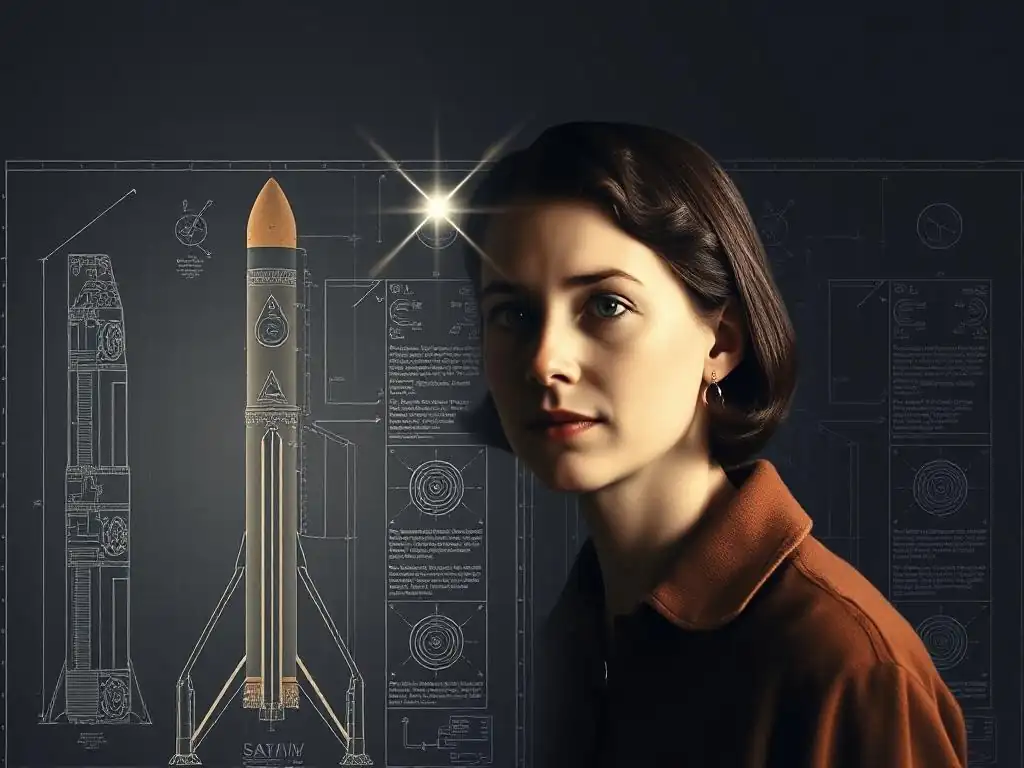
STS-41-D: Resnik's First Spaceflight
Judith Resnik made history with her first spaceflight aboard STS-41-D, the maiden voyage of the Space Shuttle Discovery. Launched on August 30, 1984, this mission solidified her place as the second American woman to journey into space, following Sally Ride. The launch itself was significant, as it marked the first successful deployment of a new Space Shuttle orbiter, a testament to the meticulous engineering and preparation by NASA teams.
During the six-day mission, Resnik served as a mission specialist, playing a critical role in the deployment of three vital communications satellites: SBS-D, SYNCOM IV-2, and Telstar 301. Her primary responsibility involved operating the Space Shuttle's robotic arm, the Canadarm, with remarkable precision. This task required significant technical skill and steady control, showcasing her proficiency in operating complex mechanical systems in a zero-gravity environment.
Scientific Experiments and Mission Objectives
Beyond satellite deployment, STS-41-D was packed with various scientific experiments and mission objectives, all contributing to a deeper understanding of space and technology. The mission orbited Earth 96 times, covering approximately 2.5 million miles, allowing for extensive data collection and observation. A key experiment was the deployment and testing of a large solar array, which unfolded to a length of 102 feet, demonstrating the feasibility of large-scale power generation in space.
Resnik’s engineering background was instrumental in the successful execution of these technical objectives. She meticulously monitored and operated various systems, ensuring the integrity of the experiments and the overall health of the spacecraft. Her contributions to STS-41-D were not just about her presence in space, but about her active and skilled participation in advancing the practical applications of space technology and scientific research, cementing her role as a capable and essential member of the crew.
The Challenger Disaster: A Loss for Space Exploration
STS-51-L: The Final Mission
Tragically, Judith Resnik’s second spaceflight, STS-51-L, became a somber chapter in the history of space exploration. This mission, the tenth flight of the Space Shuttle Challenger, was launched on January 28, 1986. Resnik was once again serving as a mission specialist, part of a crew poised to conduct significant research and deploy a tracking and data relay satellite.
The mission ended in catastrophe just 73 seconds after liftoff. A catastrophic structural failure, later determined to be caused by a faulty O-ring seal in the right solid rocket booster, led to the disintegration of the vehicle. This devastating event resulted in the loss of all seven crew members, shocking the world and bringing a temporary halt to NASA's Space Shuttle program while extensive investigations and safety reforms were implemented.
Remembering the Crew of the Challenger
The loss of STS-51-L was a profound blow to NASA and the nation, marking one of the darkest days in space history. The crew of the Challenger included Commander Francis R. "Dick" Scobee, Pilot Michael J. Smith, Mission Specialists Ronald McNair and Ellison Onizuka, Payload Specialist Gregory Jarvis, and Christa McAuliffe, who was to be the first teacher in space. Each member brought unique skills and aspirations to the mission, and their collective loss was deeply felt.
Judith Resnik, with her brilliant mind and pioneering spirit, was mourned alongside her colleagues as heroes who pushed the boundaries of human endeavor. The Challenger disaster prompted a nationwide period of reflection on the risks and rewards of space exploration, leading to a renewed focus on safety protocols and engineering integrity. The memory of the Challenger crew continues to inspire awe and sorrow, serving as a powerful reminder of the sacrifices made in the pursuit of scientific advancement.
Impact and Legacy: Inspiring Future Generations
Contributions to Aerospace Engineering
Judith Resnik's comprehensive Judith Resnik aerospace engineering biography showcases her significant, albeit tragically cut short, contributions to the field. Her foundational electrical engineering expertise, honed through her Ph.D. research and early career roles, was directly applied to the intricate systems of the Space Shuttle. She was not just a passenger but an active operator and troubleshooter of complex orbital mechanics and electronic systems.
Her work on STS-41-D, particularly her skill in operating the robotic arm for satellite deployment, demonstrated the critical intersection of advanced engineering principles and successful space missions. Resnik's technical acumen contributed to the operational efficiency and scientific output of the Space Shuttle program, pushing the boundaries of what was technologically possible in space. Her legacy endures in the advancements made in satellite technology and the design of subsequent spacecraft, which often drew lessons from the pioneers like her.
Influence on Women in STEM
Judith Resnik's presence in the astronaut corps was a powerful testament to the capabilities of women in science, technology, engineering, and mathematics (STEM). As one of the first American women in space and a highly accomplished engineer, she became an instant role model for countless young girls and aspiring scientists. Her career challenged the prevailing stereotypes of her era, demonstrating that technical prowess and intellectual curiosity knew no gender boundaries.
Her story, though ending in tragedy, continues to inspire future generations to pursue challenging careers in STEM fields. By breaking through barriers in a traditionally male-dominated arena like aerospace, Resnik opened doors and paved the way for greater diversity in scientific research and exploration. Her unwavering dedication and achievements serve as a beacon, encouraging young women worldwide to reach for the stars and pursue their passions in engineering and science.
Awards and Recognition
In recognition of her extraordinary contributions and ultimate sacrifice, Judith Resnik received numerous posthumous honors and recognitions. She was awarded the Congressional Space Medal of Honor, one of the highest civilian awards for spaceflight achievements, and the NASA Space Flight Medal, commemorating her service aboard the Space Shuttle. These accolades underscore the profound impact she had on the nation's space program.
Her legacy is also preserved in the cosmos and on Earth. The crater Resnik on the Moon and the asteroid 3356 Resnik were named in her honor, ensuring her name is forever etched among the celestial bodies she sought to explore. Additionally, Resnik Hall at Carnegie Mellon University, her alma mater, stands as a permanent tribute to her academic excellence and pioneering spirit, inspiring future engineers and scientists who walk its halls.
Further Exploration: Resources and Information
Books and Articles
For those seeking to delve deeper into the life and achievements of Judith Resnik, numerous biographies and historical accounts of the space shuttle program provide extensive information. These publications often feature detailed sections dedicated to her remarkable career and the broader context of women's integration into NASA's astronaut corps. Academic papers focusing on the history of aerospace engineering or the sociology of science also frequently discuss her contributions to the field.
Additionally, various journalistic articles and commemorative pieces published around the anniversaries of the Challenger disaster offer personal insights and reflections on her character and professional dedication. These resources collectively paint a comprehensive picture of her journey from a brilliant electrical engineer to a pioneering astronaut, solidifying her place in any comprehensive Judith Resnik aerospace engineering biography.
Websites and Archives
Extensive information about Judith Resnik and her contributions is preserved in official NASA archives and historical websites. These digital repositories offer a wealth of data, including mission transcripts, photographs, and biographical details about all astronauts, including the Challenger crew. These online resources provide direct access to primary source materials that detail her training, missions, and the significant impact she had on the space program.
Furthermore, university archives, particularly at Carnegie Mellon University and the University of Maryland, may hold records related to her academic achievements and early research. These institutional collections can offer unique insights into her formative years as an engineer and scholar. Exploring these diverse online and archival resources allows for a thorough understanding of her life and enduring legacy in science and engineering.
Frequently Asked Questions
What was Judith Resnik most known for?
Judith Resnik is most famous for being the second American woman in space and a mission specialist on the ill-fated Space Shuttle Challenger. Her legacy is tied to her groundbreaking achievements and the tragic end of the mission.
What field of engineering did Judith Resnik specialize in?
Judith Resnik specialized in aerospace engineering, making significant contributions to the field. Her expertise was crucial to her role as a mission specialist in the space program.
What were some of the challenges Judith Resnik faced as a woman in science?
Resnik, like many women in science, faced gender bias and limited opportunities in a male-dominated field. She overcame these obstacles through exceptional talent and perseverance.
Where can I find a detailed biography of Judith Resnik's life and work?
A comprehensive biography can be found on resources like WomenInScienceHistory.com, which offers insights into her personal life, educational background, and professional accomplishments.
What is Judith Resnik's lasting impact on women in science?
Judith Resnik served as a role model for aspiring female scientists and engineers, demonstrating that women could excel in STEM fields. Her story continues to inspire future generations to pursue their passions.
Final Reflection: The Enduring Spark of Inspiration
The story of Judith Resnik, as we've explored, is not just a historical account; it's a vibrant testament to the power of unyielding ambition and the pursuit of knowledge. Her journey, tragically cut short, continues to resonate deeply, reminding us that the boundaries of what's possible are often self-imposed and that true progress lies in daring to reach beyond them.
Judith's legacy extends far beyond her technical achievements; it's a beacon for aspiring engineers, particularly women, who often face systemic barriers. Her story underscores the vital importance of representation and the profound impact one individual can have on shaping future generations. The important thing is to believe that you can do it.
This simple yet powerful statement encapsulates the spirit of Judith Resnik and the enduring message she leaves behind.
Let Judith Resnik's life serve as a constant reminder to embrace challenges, to question limitations, and to relentlessly pursue your passions. What star will you reach for? What boundary will you push? The universe of possibilities awaits, and like Judith, you have the potential to leave an indelible mark on the world.
Ignite Your Own Spark: Honor Resnik's Legacy!
Thank you for joining us in celebrating the remarkable life and achievements of Judith Resnik. We hope her story has inspired you to embrace your own potential and pursue your dreams with unwavering determination. Now, let's turn that inspiration into action:
- Dive deeper into STEM: Visit your local science museum or attend a science-related event. Explore the wonders of science firsthand, just as Resnik did!
- Research and share Resnik’s story: Spread her legacy by writing a blog post, creating a presentation, or simply sharing this article with your network. Let her impact continue to inspire.
- Mentor the next generation: Volunteer your time to support STEM education programs for young girls and boys. Be the spark that ignites their passion for science and engineering.
What small step will you take today to honor Resnik's legacy and contribute to a future where everyone can reach for the stars?