
The Hidden Figures of the Flowsheet: Forgotten Women in Chemical Engineering's Past

Welcome to WomenInScienceHistory.com!
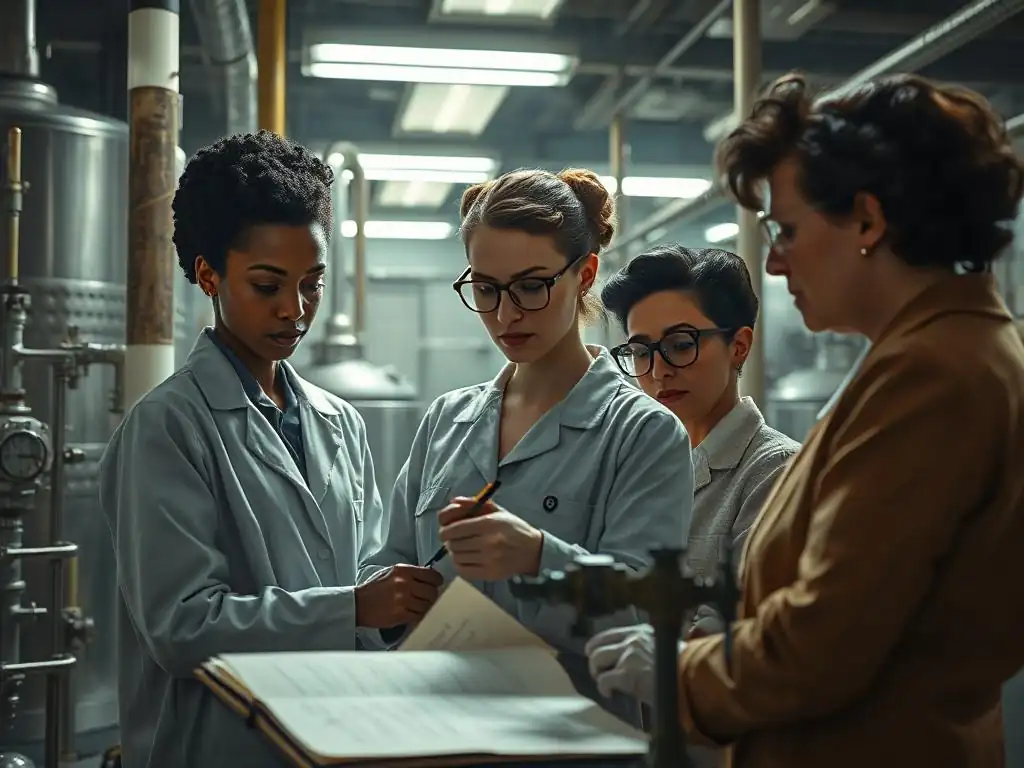
Prepare to be inspired by the unsung heroines of scientific discovery. We delve into the remarkable stories of women who defied expectations and shaped the world we know today. In our latest exploration, uncover the fascinating narratives of "The Hidden Figures of the Flowsheet: Forgotten Women in Chemical Engineering's Past." But how did these pioneering women navigate a male-dominated field and revolutionize chemical processes? Explore their groundbreaking contributions and the obstacles they overcame, and discover why their stories deserve to be celebrated. Read on to uncover the hidden history of women in engineering!
- Introduction: Unveiling the Untold Stories of Women in Chemical Engineering
- Early Pioneers: Forging a Path in a Male-Dominated Field
- Contributions to Key Chemical Engineering Innovations
- Overlooked Achievements: Rediscovering Lost Legacies
- The Impact of World War II on Women in Chemical Engineering
- Breaking Barriers: Women Achieving Recognition in Chemical Engineering
- The Fight for Equality: Addressing Gender Bias in Chemical Engineering
- Modern Women in Chemical Engineering: Continuing the Legacy
- Conclusion: Celebrating the Enduring Impact of Women in Chemical Engineering
-
Frequently Asked Questions
- What is the primary goal of WomenInScienceHistory.com?
- What kind of content can I expect to find on the website?
- Why is it important to recognize women in chemical engineering specifically?
- What were some common challenges faced by women in chemical engineering historically?
- How does WomenInScienceHistory.com aim to inspire future generations of scientists?
- Final Reflection: Illuminating the Unseen Contributions
- Unearth Her Story: Become a History Detective!
Introduction: Unveiling the Untold Stories of Women in Chemical Engineering
Recognizing the Pioneering Contributions of Women in STEM
Throughout history, the narratives of scientific and technological advancement have often centered on male figures, leaving the significant contributions of women largely unacknowledged. This oversight is particularly pronounced in fields like chemical engineering, where the industrial and often physically demanding nature of the work created additional barriers for women in chemical engineering. However, a closer examination reveals that women have consistently played crucial, albeit often hidden, roles in shaping the processes and innovations that define this discipline.
Recognizing these pioneering efforts is not just about historical accuracy; it is about inspiring future generations. By highlighting the resilience, ingenuity, and intellectual prowess of these women in chemical engineering, we can challenge existing stereotypes and encourage young girls to pursue careers in STEM, demonstrating that scientific excellence knows no gender. Their stories underscore the profound impact that diverse perspectives can have on solving complex scientific challenges.
The Persistent Gender Gap in Chemical Engineering History
The historical landscape of chemical engineering has been marked by a persistent gender gap, reflecting broader societal biases that restricted women's access to education and professional opportunities. In the early 20th century, for instance, fewer than 1% of all engineering graduates across various disciplines were women, a figure that was even lower in highly industrialized fields like chemical engineering. This stark underrepresentation meant that the few women in chemical engineering who managed to enter the field often found themselves isolated and facing immense professional hurdles.
Societal norms often relegated women to domestic roles or traditionally "feminine" professions, deeming engineering an unsuitable pursuit. This perception, coupled with limited access to appropriate educational programs and overt discrimination in hiring practices, created a formidable barrier to entry and advancement. Consequently, many groundbreaking achievements by women in chemical engineering were either overlooked, attributed to male colleagues, or simply not recorded in the annals of scientific history, perpetuating a skewed view of the field's development.
Early Pioneers: Forging a Path in a Male-Dominated Field
Dorothy Simon: A Trailblazer's Journey
Among the earliest and most notable women in chemical engineering to achieve academic distinction was Dorothy Simon. In 1929, she made history by becoming the first woman to earn a Ph.D. in Chemical Engineering from the Massachusetts Institute of Technology (MIT), a monumental achievement in an era when advanced degrees for women in technical fields were exceedingly rare. Her academic journey was a testament to her intellectual brilliance and unwavering determination, navigating a highly competitive and male-dominated educational environment.
Following her groundbreaking doctoral work, Dorothy Simon embarked on a distinguished career that spanned both academia and industry. She contributed significantly to research in areas such as combustion and propulsion, eventually becoming a leading figure in the development of missile technology at companies like AVCO Corporation. Her professional trajectory demonstrated that women in chemical engineering possessed the capabilities and expertise to contribute at the highest levels, despite the systemic challenges and limited opportunities prevalent at the time.
Overcoming Societal Barriers: The Challenges Faced by Early Female Engineers
The path forged by early women in chemical engineering was fraught with significant societal barriers that extended far beyond the classroom. Even after obtaining rigorous technical education, female engineers often encountered immense difficulty in securing professional employment. Many companies were reluctant to hire women for engineering roles, citing concerns about their physical strength, perceived lack of authority, or simply adhering to deeply ingrained sexist prejudices.
Furthermore, those women in chemical engineering who did find employment frequently faced discrimination in terms of pay, promotion, and professional recognition. They were often relegated to less prominent roles, such as laboratory assistants or technical writers, even when their qualifications and capabilities matched or exceeded those of their male counterparts. Professional societies and networks, crucial for career advancement, were also largely exclusive, further isolating these pioneering women and hindering their ability to gain widespread recognition for their contributions.
Contributions to Key Chemical Engineering Innovations
Women's Role in the Development of Penicillin Production
The advent of penicillin as a life-saving antibiotic during World War II marked one of the most significant medical breakthroughs of the 20th century. However, its widespread availability was not merely a triumph of biochemistry but also a monumental achievement in chemical engineering, requiring the transformation of laboratory-scale production into industrial quantities. Here, women in chemical engineering played a crucial, though often unsung, role, applying their expertise in fermentation processes, purification techniques, and process optimization.
As the war intensified the demand for this vital drug, women stepped into research labs and industrial facilities, contributing to the complex scale-up challenges. Their work involved designing and refining the large bioreactors, developing efficient extraction methods for the fragile antibiotic, and ensuring quality control for mass production. These contributions were essential in making penicillin widely accessible to Allied forces and, eventually, the civilian population, saving countless lives.
Case Study: Margaret Hutchinson Rousseau and Her Impact on Large-Scale Penicillin Production
One of the most impactful, yet largely forgotten, figures in the history of industrial penicillin production is Margaret Hutchinson Rousseau. An MIT-trained chemical engineer (S.B. 1937), Rousseau was instrumental in designing the first successful commercial penicillin production plant. Working for the M.W. Kellogg Company during World War II, she spearheaded the engineering design that allowed penicillin to be mass-produced, transforming it from a laboratory curiosity into a widely available therapeutic agent.
Rousseau's groundbreaking work involved designing the complex distillation and fermentation systems necessary for the large-scale synthesis and purification of penicillin. Her innovative process design was so effective that it became the standard for industrial penicillin production for many years, fundamentally changing the pharmaceutical industry. This achievement by a woman in chemical engineering was a critical factor in the Allied victory in WWII and had a lasting impact on global health, yet her name rarely appears in popular historical accounts of the drug's development.
Overlooked Achievements: Rediscovering Lost Legacies
The Importance of Archival Research in Uncovering Women's Work
The historical record of scientific and engineering achievements is often incomplete, particularly concerning the contributions of women in chemical engineering. This void is not accidental; it stems from a combination of factors, including systemic biases in documentation, the tendency to credit male team leaders over female contributors, and the historical marginalization of women's professional lives. Consequently, many groundbreaking works by women have remained uncredited or entirely lost to mainstream historical narratives.
To rectify this, dedicated archival research has become paramount. This involves meticulously sifting through company records, university archives, personal correspondence, and obscure publications to piece together the stories of these forgotten figures. By carefully re-examining primary sources and employing a more inclusive lens, historians and enthusiasts of women in science history can bring to light the true scope of female contributions, ensuring that these vital legacies are rediscovered and properly acknowledged.
Examples of Uncredited or Misattributed Contributions by Women
The phenomenon of uncredited or misattributed contributions is a recurring theme in the history of women in chemical engineering. For instance, many women working in industrial research laboratories during the mid-20th century performed critical analytical work, process optimization, or even original design, but their names were often omitted from patents or publications where only the male head of the department or project leader was listed. This was a common practice that effectively erased their intellectual ownership.
Another common scenario involved women serving in "support" roles, such as technical assistants or "computers" (human calculators), whose meticulous calculations and data analysis were indispensable to engineering projects. While their direct involvement was crucial, their contributions were frequently seen as auxiliary rather than central to the innovation. These subtle forms of marginalization meant that the intellectual labor of countless women in chemical engineering went unrecognized, their achievements subsumed under the collective or attributed solely to their male counterparts.
The Impact of World War II on Women in Chemical Engineering
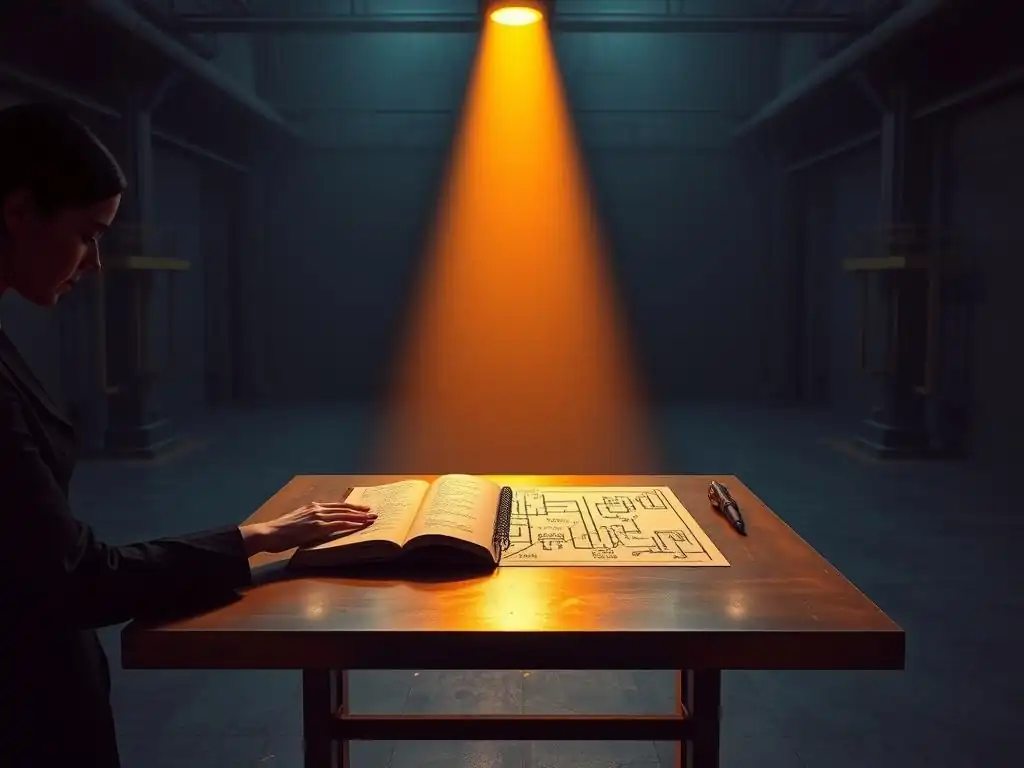
Filling the Labor Gap: Women Entering the Chemical Industry
World War II dramatically altered the landscape for women in chemical engineering, albeit temporarily. As millions of men were called to military service, a significant labor gap emerged in essential industries, including the chemical sector, which was crucial for manufacturing explosives, synthetic materials, and pharmaceuticals. This urgent demand for skilled workers opened doors that had previously been firmly shut to women.
Women were actively recruited into roles traditionally reserved for men, ranging from laboratory research and quality control to operating complex chemical processes on the factory floor. They proved their capabilities in diverse capacities, including developing new synthetic rubbers, optimizing fuel production, and managing pharmaceutical synthesis. This period demonstrated unequivocally that women in chemical engineering possessed the talent and dedication to excel in demanding industrial environments, challenging long-held prejudices.
Post-War Challenges: Returning to a Male-Dominated Workforce
Despite their invaluable contributions during the war, the return of male veterans often led to a reversal of these gains for women in chemical engineering. Many women who had successfully filled critical roles in the chemical industry were expected, and often compelled, to relinquish their positions to returning servicemen. This phenomenon, widely observed across various industries, saw women facing layoffs, demotions, or significant pressure to return to traditional domestic roles.
The professional landscape for women in chemical engineering quickly reverted to its pre-war state, characterized by limited opportunities and systemic discrimination. While some women managed to retain their positions or find new ones, the momentum for gender equality in the field largely dissipated. This post-war retrenchment highlighted the temporary nature of the wartime opportunities and the enduring challenges faced by women in chemical engineering in securing permanent and equitable professional recognition.
Breaking Barriers: Women Achieving Recognition in Chemical Engineering
Mary L. Good: A Success Story
In the latter half of the 20th century, figures like Mary L. Good emerged as beacons of success for women in chemical engineering, demonstrating that breaking through the glass ceiling was possible. A distinguished chemist and chemical engineer, Dr. Good had an extraordinary career that spanned academia, industry, and government. She held prominent positions, including President of the American Chemical Society, a significant achievement that underscored her scientific leadership and influence.
Her career highlights include serving as Under Secretary for Technology in the U.S. Department of Commerce during the Clinton administration, where she played a pivotal role in shaping national science and technology policy. She also held senior executive roles at companies like AlliedSignal (now Honeywell), contributing to advancements in materials science. Mary L. Good’s numerous accolades and leadership roles provided undeniable proof of the intellectual and professional capabilities of women in chemical engineering, paving the way for future generations.
The Significance of Mentorship and Support Networks
The journey of women in chemical engineering from obscurity to greater recognition has been significantly bolstered by the development of mentorship programs and professional support networks. For decades, female engineers often worked in isolation, lacking role models or allies within their organizations. The establishment of formal and informal mentorship relationships has proven crucial, providing guidance on career navigation, technical challenges, and strategies for overcoming workplace discrimination.
Professional organizations, such as the American Institute of Chemical Engineers (AIChE), have also played a vital role by creating committees and initiatives specifically aimed at supporting women in chemical engineering. These networks offer platforms for collaboration, skill development, and advocacy, fostering a sense of community and empowering women to share experiences and collectively address systemic barriers. Such support systems are indispensable in ensuring that female talent is retained and celebrated within the field.
The Fight for Equality: Addressing Gender Bias in Chemical Engineering
Documenting the Struggles and Triumphs of Women in STEM
The ongoing fight for equality in chemical engineering necessitates a thorough and honest documentation of the historical struggles and triumphs of women in chemical engineering. This involves not only celebrating their scientific contributions but also acknowledging the systemic biases, discrimination, and professional isolation they often endured. By recording these narratives, we gain a deeper understanding of the challenges that historically constrained women's participation and advancement in STEM fields.
These documented experiences serve as powerful educational tools, highlighting the resilience and determination required to succeed against formidable odds. They also inform current efforts to dismantle persistent gender biases in academia and industry. Understanding the past struggles of women in chemical engineering is crucial for appreciating the progress made and for identifying the areas where further advocacy and policy changes are still needed to achieve true equity.
The Ongoing Need for Diversity and Inclusion Initiatives
Despite significant progress, the field of chemical engineering, like many other STEM disciplines, continues to grapple with issues of gender bias and underrepresentation. Therefore, the ongoing need for robust diversity and inclusion initiatives remains paramount. These initiatives extend beyond simply increasing the number of women in chemical engineering; they aim to create genuinely equitable and supportive environments where all individuals can thrive.
Such initiatives encompass a wide range of actions, including targeted outreach programs to encourage young girls to pursue STEM, scholarships for female students, and mentorship programs within universities and corporations. Critically, they also involve implementing policies to combat unconscious bias in hiring, promotion, and project allocation, ensuring that women in chemical engineering receive fair opportunities and recognition. Fostering a diverse and inclusive culture is essential for driving innovation and ensuring the field benefits from the full spectrum of talent available.
Modern Women in Chemical Engineering: Continuing the Legacy
Contemporary Leaders and Their Contributions to the Field
Today, women in chemical engineering are making profound and visible contributions across the entire spectrum of the discipline, from cutting-edge research to industrial leadership and entrepreneurial ventures. They are at the forefront of addressing some of the world's most pressing challenges, including sustainable energy solutions, advanced materials development, and groundbreaking biotechnological applications. For example, female chemical engineers are leading efforts in carbon capture technologies, designing more efficient drug delivery systems, and innovating in areas like biodegradable plastics and green manufacturing processes.
Their work is not only pushing the boundaries of scientific knowledge but also shaping the future of industries worldwide. These contemporary leaders, often holding positions as university professors, research directors, or C-suite executives in major corporations, serve as powerful role models. Their achievements demonstrate the vast potential and diverse career paths available to women in chemical engineering, continuing the legacy of those who pioneered the field against immense odds.
Inspiring the Next Generation of Female Chemical Engineers
The increased visibility and success of modern women in chemical engineering are crucial for inspiring the next generation. When young girls and students see accomplished female scientists and engineers, it broadens their perception of what is possible and encourages them to consider careers that might traditionally have been seen as male-dominated. Role models provide tangible proof that intelligence, creativity, and hard work are the true determinants of success, not gender.
Educational institutions and professional organizations are actively working to amplify these stories through outreach programs, school visits, and media campaigns. By showcasing the exciting and impactful work being done by women in chemical engineering today, these efforts aim to demystify the field and make it more appealing to a diverse pool of talent. Fostering this inspiration is vital to ensuring a robust pipeline of female talent for the future of chemical engineering, building upon the foundations laid by their predecessors.
Conclusion: Celebrating the Enduring Impact of Women in Chemical Engineering
The Importance of Remembering and Honoring Their Contributions
The journey of women in chemical engineering is a compelling narrative of perseverance, brilliance, and quiet revolution. From the earliest pioneers who defied societal norms to the contemporary leaders shaping the future, their contributions have been indispensable to the field's evolution. It is imperative that we actively remember and honor these often-overlooked figures, not merely as historical footnotes, but as central architects of scientific and industrial progress.
Acknowledging their legacy is a moral imperative, correcting historical omissions and ensuring that the full story of chemical engineering's development is told. More than that, celebrating the enduring impact of women in chemical engineering provides powerful role models and reinforces the message that innovation thrives on diverse perspectives, inspiring future generations to break new ground.
Promoting Gender Equality in Chemical Engineering for Future Generations
While significant strides have been made, the pursuit of full gender equality in chemical engineering remains an ongoing endeavor. The lessons learned from the struggles and triumphs of past women in chemical engineering underscore the importance of continued vigilance against bias and proactive efforts to foster inclusivity. Ensuring equitable access to education, mentorship, and leadership opportunities is crucial for building a field that truly reflects the diversity of human talent.
By championing gender equality, we not only create a more just and equitable professional landscape but also strengthen the very fabric of chemical engineering. A diverse workforce, enriched by varied experiences and viewpoints, is better equipped to tackle complex global challenges, from climate change to public health crises. Investing in the full potential of women in chemical engineering is an investment in the future of innovation and progress for all.
Frequently Asked Questions
What is the primary goal of WomenInScienceHistory.com?
The primary goal is to celebrate and highlight the contributions of women to various scientific fields, especially those often overlooked in historical narratives. It aims to inspire future generations by showcasing their achievements.
What kind of content can I expect to find on the website?
You can find biographies of pioneering female scientists, discussions on their groundbreaking work, and explorations of the challenges they faced in male-dominated fields.
Why is it important to recognize women in chemical engineering specifically?
Recognizing women in chemical engineering challenges the historical male-dominated narrative and acknowledges their significant contributions to the field. It also inspires future generations of female chemical engineers.
What were some common challenges faced by women in chemical engineering historically?
Common challenges included gender bias, limited access to education and research opportunities, and lack of recognition for their work compared to their male counterparts.
How does WomenInScienceHistory.com aim to inspire future generations of scientists?
By showcasing the stories of successful women in science, particularly in fields like chemical engineering, the platform provides role models and demonstrates that women can excel and make significant contributions, encouraging young women to pursue STEM careers.
Final Reflection: Illuminating the Unseen Contributions
The stories we've unearthed throughout this article serve as a potent reminder that history is rarely complete without acknowledging the marginalized voices that shaped it. The contributions of women in chemical engineering, often relegated to the shadows of textbooks and historical accounts, are not merely footnotes but integral chapters in the evolution of the field. Their ingenuity, resilience, and dedication paved the way for future generations, and recognizing their impact is crucial to understanding the full narrative of chemical engineering.
This exploration into the "Hidden Figures of the Flowsheet" underscores the persistent need to challenge established narratives and actively seek out the untold stories that enrich our understanding of the past. Personally, uncovering these narratives has reinforced my belief that true progress lies in acknowledging and celebrating the diverse perspectives that drive innovation. Until lions have their own historians, tales of the hunt will always glorify the hunter.
This African proverb perfectly encapsulates the importance of amplifying the voices of those who have been historically silenced, ensuring a more equitable and accurate portrayal of history.
As we close this chapter, let us carry forward the lessons learned and commit to actively seeking out and celebrating the contributions of all individuals, regardless of gender or background, who have shaped the world around us. Let the stories of these forgotten women inspire you to challenge assumptions, advocate for inclusivity, and ensure that future generations inherit a history that reflects the true diversity and brilliance of the human spirit.
Unearth Her Story: Become a History Detective!
Thank you for diving into the stories of these remarkable women who shaped chemical engineering. You've gained a glimpse into their struggles and triumphs – now, let's ensure their contributions are never forgotten. Ready to make a difference?
- Share their stories! Spread the word about these hidden figures on social media using #WomenInSTEMHistory to help others discover their legacy.
- Delve deeper: Research other forgotten women in STEM and nominate them to WomenInScienceHistory.com, giving them the recognition they deserve.
- Connect with future generations: Mentor a young woman interested in STEM, inspiring her to follow in their footsteps and break new ground.
What surprising detail about these women's lives resonates most with you, and how can you apply their resilience to your own challenges?