
Hidden History: LesserKnown Marie Curie Landmarks You Need to Visit

Welcome to WomenInScienceHistory.com, a tribute to the remarkable women who shaped the scientific landscape! Did you know that even someone as iconic as Marie Curie has hidden stories etched in stone and place? Dive into our latest exploration of lesser-known Marie Curie landmarks and uncover the captivating history beyond the textbooks. Prepare to be amazed by the tangible remnants of her genius and the enduring legacy she left behind, waiting to be discovered. What secrets do these historical sites hold? Let's find out!
- Unveiling Marie Curie's Hidden Legacy: Beyond the Famous Landmarks
- 1. Marie Curie's Early Years in Poland: Rediscovering Her Roots
- 2. Curie's Pivotal Moments in Paris: Unearthing Scientific Discoveries
- 3. A Rural Retreat: L'Arcouëst, France - Marie Curie's Sanctuary
- 4. The Marie Curie Museum in Radium Springs, USA: A Transatlantic Connection
- 5. Discovering Marie Curie's Scientific Impact: Museums and Exhibits Worldwide
- Planning Your Marie Curie Historical Landmark Tour
- Conclusion: Honoring Marie Curie's Enduring Legacy Through Travel and Discovery
-
Frequently Asked Questions
- What are some lesser-known landmarks associated with Marie Curie that aren't typically highlighted in tourist guides?
- Why is it important to explore these lesser-known landmarks related to Marie Curie?
- What kind of research or experiences can visitors expect when visiting these lesser-known Marie Curie landmarks?
- What challenges did Marie Curie face as a woman in science, and how are these reflected in the lesser-known landmarks associated with her?
- How can visiting these lesser-known landmarks inspire future generations of women in science?
- Final Reflection: Unveiling Curie's Enduring Legacy
- Embark on Your Curie Pilgrimage!
Exploring the Unseen Sites: Discovering Marie Curie's Untold Story
While Marie Curie is celebrated globally for her groundbreaking work in radioactivity and her unprecedented two Nobel Prizes, many significant locations tied to her extraordinary life remain largely overlooked by the casual traveler. These "Marie Curie lesser known landmarks" offer a profound and intimate journey into the environments that shaped one of history's most influential scientists, moving beyond the well-trodden paths of major museums to reveal the personal and professional struggles and triumphs that defined her path.
Exploring these sites provides a unique opportunity to connect with her story on a deeper level, understanding the human behind the monumental scientific achievements.
Visiting these less-publicized sites allows for a more nuanced appreciation of Marie Curie's perseverance and intellectual curiosity. From her humble beginnings in partitioned Poland to her arduous work in rudimentary Parisian laboratories, these "Marie Curie lesser known landmarks" provide tangible evidence of her unwavering dedication to science. They offer a window into the daily life, challenges, and inspirations that fueled her discoveries of polonium and radium, enriching the narrative far beyond what traditional biographies alone can convey.
Why These Lesser-Known Marie Curie Locations Matter
These "Marie Curie lesser known landmarks" are crucial for understanding the full context of her scientific breakthroughs and her personal development. They illuminate the specific conditions and cultural landscapes that influenced her, from the intellectual resistance she experienced in Russian-occupied Warsaw to the intense, often solitary, research environments in Paris. Each location offers a piece of the puzzle, revealing how her early experiences fostered a resilience that would be essential for her later groundbreaking work.
Furthermore, these sites contribute significantly to a fuller historical narrative, especially concerning the role of women in science. By highlighting places where Marie Curie lived, studied, and worked, we are reminded of the systemic barriers she faced and ultimately overcame. These "Marie Curie lesser known landmarks" serve as powerful, tangible reminders of her enduring legacy and her pioneering spirit, inspiring future generations to pursue scientific endeavors despite societal obstacles.
1. Marie Curie's Early Years in Poland: Rediscovering Her Roots
Warsaw, Poland: Following Marie Skłodowska's Footsteps
Marie Skłodowska, born in Warsaw in 1867, spent her formative years in a Poland under Russian rule, a period marked by political oppression and limited opportunities for education, particularly for women. Her family, deeply committed to intellectual pursuits, instilled in her a profound love for learning and a strong sense of national identity. These early experiences, characterized by both intellectual stimulation and political adversity, were instrumental in shaping her tenacious character and her lifelong dedication to knowledge.
Despite the restrictions, the Skłodowski household was a hub of intellectual activity, fostering an environment where critical thinking and scientific inquiry were highly valued. Marie's determination to pursue higher education, often against significant odds, laid the groundwork for her future scientific rigor and groundbreaking discoveries. The city of Warsaw, though transformed by time, still holds the echoes of her challenging yet intellectually vibrant youth, making it a compelling starting point for exploring "Marie Curie lesser known landmarks."
The Skłodowski Family Apartment: Freta Street 16, Warsaw - A Glimpse into Marie's Childhood.
Freta Street 16 in Warsaw holds immense historical significance as the birthplace and early home of Maria Skłodowska. While the original building suffered destruction during World War II, a meticulous reconstruction now stands in its place, housing the Marie Skłodowska-Curie Museum. This museum serves as a primary example of a "Marie Curie lesser known landmark" that offers profound insights into her formative years, showcasing personal artifacts, family photographs, and documents that paint a vivid picture of her childhood and the intellectual environment of her family.
Opened in 1967, on the 100th anniversary of her birth, the museum meticulously recreates aspects of her family life and intellectual awakening. Visitors can explore exhibits detailing her family's struggles under Russian occupation, her early education, and the circumstances that eventually led her to pursue scientific studies in Paris. It’s a compelling destination for anyone seeking to understand the foundational experiences that shaped the future Nobel laureate.
The Flying University (Uniwersytet Latający): Secret Classes and Intellectual Resistance.
One of the most remarkable "Marie Curie lesser known landmarks" of her early life is the concept of the Flying University (Uniwersytet Latający). This was an underground, illegal educational institution operating in Russian-occupied Warsaw from the late 19th century into the early 20th century. It provided higher education to young Poles, especially women, who were denied access to official universities by the Russian authorities. Marie and her sister Bronisława were among its dedicated students.
Participation in the Flying University fostered not only intellectual growth but also a spirit of defiance and resilience in Marie. It was in this clandestine setting that she deepened her passion for knowledge and developed the independent thinking that would characterize her scientific career. This period highlights the extraordinary lengths Marie went to pursue her education, a testament to her unwavering dedication and a powerful symbol of intellectual resistance against oppression.
Monetization Opportunity: Warsaw City Tours Focusing on Marie Curie & Polish Science History
Warsaw presents a unique opportunity for specialized city tours that delve into Marie Curie's early life and the broader context of Polish scientific history. These tailored walking tours could be branded as "Tracing Marie Curie's Roots" or "Warsaw's Scientific Heritage," guiding visitors through the streets and historical sites that shaped her intellectual development. Such tours would provide a rich narrative, connecting specific locations to anecdotes about her family, early education, and the political climate of the time.
These specialized tours would appeal greatly to history enthusiasts, aspiring scientists, and travelers seeking a deeper, more personal understanding of Marie Curie. Partnerships with local historical societies, academic institutions, or certified guides could enhance the experience, offering expert commentary and access to less-known facts. This niche tourism could also incorporate discussions about other pioneering Polish scientists, further enriching the educational value and drawing a broader audience interested in "Marie Curie lesser known landmarks" and their context.
2. Curie's Pivotal Moments in Paris: Unearthing Scientific Discoveries
The Curie Laboratory at the Sorbonne: A Journey into Radioactive Research
Marie Skłodowska arrived in Paris in 1891, driven by an insatiable hunger for knowledge and the dream of pursuing higher education, a path largely inaccessible to women in Poland at the time. She enrolled at the Sorbonne, facing initial struggles with French language and meager financial resources. Her unwavering determination saw her excel in physics and mathematics, laying the robust scientific foundation for her future groundbreaking work. This period at the university was critical for her intellectual growth and the forging of her scientific identity.
Her early research, often conducted under challenging conditions, began in a leaky, unheated shed at the École Supérieure de Physique et de Chimie Industrielles (ESPCI) and later at the Sorbonne's faculty of sciences. It was in these unassuming settings that Marie and Pierre Curie embarked on the monumental task of isolating new elements from tons of pitchblende. These original laboratory spaces, though now largely transformed, represent "Marie Curie lesser known landmarks" of immense historical significance, embodying the arduous and often primitive conditions under which some of the most revolutionary scientific discoveries were made.
The Curie Pavilion: 1 rue Pierre et Marie Curie, Paris - The Heart of Curie's Research.
The address 1 rue Pierre et Marie Curie in Paris is not merely a street name; it is home to the Curie Campus and, most notably, the former Radium Institute (Institut du Radium), established in 1914. This complex, particularly the Curie Pavilion, became the epicenter of Marie Curie's later, most impactful work, including the development of curietherapy – the use of radium for medical treatment. It stands as a pivotal "Marie Curie lesser known landmark," representing the transition from pure discovery to the practical application of radioactivity.
Within these walls, Marie Curie not only continued her research into radioactive elements but also trained future generations of scientists. After Pierre's tragic death in 1906, she bravely took over his professorship at the Sorbonne and directed the Radium Institute, solidifying its role as a leading research center for radioactivity and its medical applications. The pavilion symbolizes her enduring leadership and her commitment to advancing both scientific understanding and public health.
Musée Curie: 1 rue Pierre et Marie Curie, Paris - Exploring Marie Curie's Scientific Equipment.
Nestled within Marie Curie's former laboratory at the Radium Institute, the Musée Curie offers an unparalleled window into the working lives of Marie and Pierre Curie, their daughter Irène Joliot-Curie, and son-in-law Frédéric Joliot, all Nobel laureates. This museum is an essential "Marie Curie lesser known landmark" for anyone seeking to understand the tangible aspects of their scientific process. Visitors can step into Marie Curie's meticulously preserved personal office and laboratory, feeling the profound connection to her intellectual space.
The museum's exhibits include original scientific instruments, such as the precise electrometers used by the Curies to measure radioactivity, and historical documents that detail their groundbreaking research. These artifacts provide concrete evidence of the arduous and meticulous work involved in the discovery of polonium and radium. Exploring these items allows visitors to visualize the conditions under which these revolutionary discoveries were made, deepening appreciation for their ingenuity and perseverance.
Monetization Opportunity: Science-Themed Walking Tours of Paris
Paris, with its rich scientific heritage, offers an excellent opportunity for specialized walking tours centered around Marie Curie's life and contributions. These "Marie Curie lesser known landmarks" tours could focus on the Latin Quarter, exploring sites related to the Sorbonne, the École Supérieure de Physique et de Chimie Industrielles, and culminating at the Musée Curie. Such tours could be marketed as "Paris: The City of Lights and Scientific Breakthroughs" or "Marie Curie's Parisian Journey."
These immersive experiences would appeal to educational groups, science enthusiasts, and cultural tourists. Partnering with local science educators, historians, or even former researchers from the Curie Institute could provide an authentic and engaging narrative. The tours could highlight not only Marie Curie's personal story but also the broader scientific advancements occurring in Paris during her time, offering a comprehensive and compelling exploration of her legacy.
3. A Rural Retreat: L'Arcouëst, France - Marie Curie's Sanctuary
L'Arcouëst: Where Curie Sought Solace and Continued Her Research
L'Arcouëst, a picturesque coastal village nestled in Brittany, France, served as a vital retreat for Marie Curie, particularly after the tragic death of her husband, Pierre, in 1906. This tranquil location provided a much-needed sanctuary for rest, reflection, and continued scientific thought away from the intense pressures and public scrutiny she faced in Paris. It stands as a truly "Marie Curie lesser known landmark," offering a rare glimpse into her personal life and her efforts to find balance amidst profound grief and demanding scientific work.
She often spent summers here with her two daughters, Irène and Ève, nurturing both her family life and her intellectual pursuits in a serene environment. The peaceful, natural beauty of L'Arcouëst offered a stark contrast to the confines of her laboratory, providing a necessary counterbalance to her rigorous scientific endeavors. It was a place where she could recharge, write, and perhaps even ponder complex scientific problems with the calming backdrop of the ocean.
The Curie Family's Vacation Home: Private Residence (exterior view possible).
The specific house in L'Arcouëst where the Curie family spent their summers, while a private residence, remains a significant "Marie Curie lesser known landmark." Although interior access is not possible, respectful exterior viewing offers a tangible connection to her personal life and her role as a mother. This site highlights the human side of the scientific icon, showcasing her efforts to balance a demanding, world-changing career with her family responsibilities.
Even observing the exterior of the home provides a sense of the peaceful environment Marie Curie chose for her family's respite. It speaks to her need for privacy and tranquility, demonstrating that even a figure of her stature required moments of quiet retreat to sustain her relentless intellectual output and emotional well-being. This subtle landmark enriches the narrative of her life beyond her laboratory achievements.
The Coastal Landscape: Inspiration for Curie's Scientific Thinking.
The rugged, dramatic beauty of the Brittany coast surrounding L'Arcouëst likely offered Marie Curie a different kind of inspiration than the confines of her laboratory. The vastness of the Atlantic Ocean and the elemental forces of nature mirrored, in a poetic sense, the vast unknowns she was exploring in the realm of radioactivity. Walks along the cliffs and beaches would have provided periods of profound contemplation, away from the constant demands of her research.
It is plausible that the natural rhythms and expansive views of the coastal landscape helped her to process complex scientific problems, fostering mental clarity and new perspectives. This natural "Marie Curie lesser known landmark" speaks to her holistic approach to life and work, where moments of quiet observation in nature could be as vital to her intellectual process as hours spent in the lab.
Monetization Opportunity: Accommodation options in L'Arcouëst, France
L'Arcouëst, as a tranquil "Marie Curie lesser known landmark," presents an appealing opportunity to promote local guesthouses, boutique hotels, or charming vacation rentals. Visitors interested in exploring Marie Curie's personal sanctuary could be drawn to accommodation options that emphasize the area's peaceful ambiance and historical connection. Marketing efforts could highlight the unique blend of historical pilgrimage and relaxing coastal retreat.
Offering "Marie Curie Retreat Packages" that include comfortable stays and information about the area's historical significance could attract a niche market. This approach not only supports local businesses but also enhances the visitor's experience by allowing them to truly immerse themselves in the serene environment that once provided solace to one of history's greatest scientists.
4. The Marie Curie Museum in Radium Springs, USA: A Transatlantic Connection
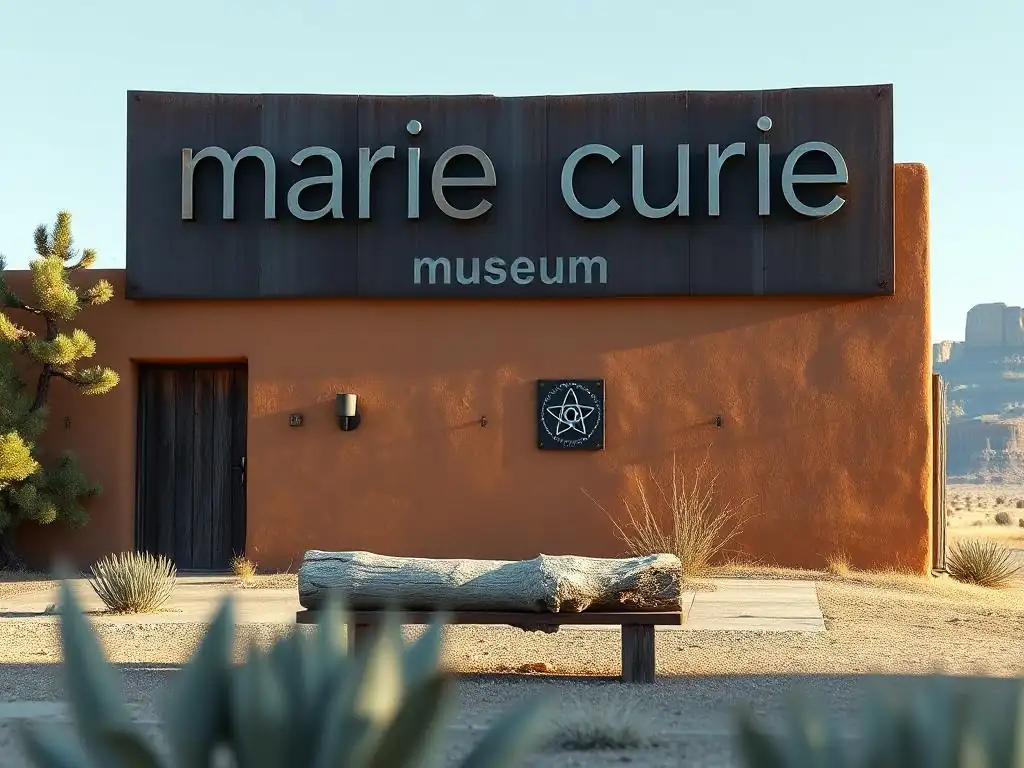
Radium Springs, Georgia: The Unlikely Story of Marie Curie's American Connection
Marie Curie made two highly influential trips to the United States, in 1921 and 1929, primarily to raise funds for crucial radium research and to receive a gram of radium purchased for her by American women. Her visits garnered immense public attention and widespread support, showcasing her global influence and the public's fascination with her discoveries. The 1921 tour, in particular, was a triumphant procession across the country, where she met with dignitaries, scientists, and the public, including a notable stop at Radium Springs, Georgia.
This transatlantic connection highlights not only Marie Curie's international recognition but also the widespread impact of her discoveries on public health and scientific endeavors worldwide. Her presence in the U.S. galvanized support for scientific research and underscored the medical potential of radium, making her a global ambassador for science and a symbol of progress in the early 20th century. Her visit to Radium Springs solidifies its status as a unique "Marie Curie lesser known landmark" in the American context.
Radium Springs Historic Site: 1213 U.S. 27, Albany, GA 31705 - The Healing Waters.
Radium Springs, located at 1213 U.S. 27, Albany, GA 31705, is one of Georgia's designated "Seven Natural Wonders," renowned for its crystal-clear blue waters that flow from an underground cave at a constant 68 degrees Fahrenheit. In the early 20th century, it gained immense popularity as a health resort, with many believing its naturally occurring radium-infused waters possessed curative properties. The allure of radium for therapeutic purposes was a significant aspect of early 20th-century medicine.
Marie Curie's visit to this site, though the exact date and duration are not widely publicized, underscores the widespread fascination with radium's properties and her immense global influence. While the grand resort buildings that once stood there are no longer present, the spring itself remains a powerful "Marie Curie lesser known landmark." It symbolizes the hopeful, yet often misguided, early applications of her discoveries and serves as a tangible link to her impactful American tours.
Marie Curie's Visit to Radium Springs: A Testament to Her Influence.
Marie Curie's journey to Radium Springs during her 1921 American tour was a testament to her unparalleled influence and the public's fervent interest in her work. Her visit likely aimed to promote the medical benefits of radium, a topic of intense fascination during that era, or simply to acknowledge the site's unique connection to her discoveries. Her presence elevated the status of the springs and brought national attention to the nascent field of radiotherapeutics.
This specific "Marie Curie lesser known landmark" highlights her role not just as a scientist but as a global figure whose discoveries permeated popular culture and influenced health practices. Her brief stop in rural Georgia cemented her connection to American scientific and public health efforts, showcasing how her pioneering research resonated far beyond the confines of academic laboratories and reached communities across the globe.
Monetization Opportunity: Radium Springs Accommodation Packages
The historical significance of Radium Springs, amplified by Marie Curie's visit, presents a unique monetization opportunity for local tourism. Promoting accommodation options in the Albany, Georgia area, such as hotels and resorts, could be enhanced by offering "Radium Springs History Packages" or "Marie Curie Trail Packages." These could combine stays with information about the springs' history and its connection to the renowned scientist.
Such packages would appeal to visitors interested in both natural wonders and historical narratives, encouraging them to explore this unique "Marie Curie lesser known landmark." By integrating the site's historical context with modern amenities, local businesses can attract a diverse range of tourists, fostering a deeper appreciation for the interplay between scientific discovery, public health, and cultural history.
5. Discovering Marie Curie's Scientific Impact: Museums and Exhibits Worldwide
Beyond the Landmarks: Museums Showcasing Marie Curie's Legacy
While specific "Marie Curie lesser known landmarks" offer intimate glimpses into her life, many major science museums across the globe dedicate significant space to her groundbreaking achievements. These institutions play a vital role in educating the public about her profound impact on physics, chemistry, and medicine, ensuring her legacy continues to inspire. These exhibits are not merely static displays but dynamic narratives that place her work within the broader context of scientific evolution.
These comprehensive exhibits often showcase the monumental shifts in scientific understanding that occurred during the late 19th and early 20th centuries, with Marie Curie's work at the forefront. They highlight her unique contributions as a woman who not only broke scientific barriers but also societal ones, making her a symbol of perseverance and intellectual courage. Visiting these museums provides a holistic understanding of how her discoveries of polonium and radium reshaped our world.
The Nobel Museum (Stockholm): Nobel Prize Exhibit.
The Nobel Museum in Stockholm, Sweden, stands as a crucial site for understanding Marie Curie's unparalleled achievement of being the only person to win Nobel Prizes in two different scientific fields. She was awarded the Nobel Prize in Physics in 1903 (shared with Pierre Curie and Henri Becquerel) and the Nobel Prize in Chemistry in 1911. This museum, though not exclusively a "Marie Curie lesser known landmark," is indispensable for appreciating the global recognition of her genius.
The museum's exhibits typically feature detailed presentations on Nobel laureates, including Marie Curie. Visitors can delve into the scientific context of her discoveries, the challenging conditions under which she worked, and the profound, transformative impact these discoveries had on both fundamental science and medical practice, particularly in the emerging field of radiology. The museum eloquently conveys the magnitude of her contributions to human knowledge.
Deutsches Museum (Munich): Science and Technology Exhibits.
The Deutsches Museum in Munich, Germany, is one of the world's largest and oldest science and technology museums, offering an extensive collection that spans centuries of innovation. While not singularly focused on Curie, it features comprehensive sections on radioactivity, nuclear physics, and the history of chemistry, where Marie Curie's pioneering work is prominently displayed. This museum indirectly serves as a "Marie Curie lesser known landmark" for those seeking a deeper scientific and technological context for her discoveries.
The museum's vast and interactive collections allow visitors to explore the instruments, principles, and historical developments related to her research, from the fundamentals of atomic structure to the applications of radioactive materials. By providing a broad understanding of the scientific environment in which she operated, the Deutsches Museum helps contextualize the extraordinary nature of her achievements and their lasting influence on modern science and technology.
Monetization Opportunity: Science Museum Memberships
Promoting annual memberships to major science museums like the Nobel Museum and the Deutsches Museum offers a compelling monetization opportunity. Memberships typically provide unlimited access to exhibits, invitations to special events, and discounts on gift shop purchases, encouraging repeat visits and fostering a deeper, ongoing engagement with scientific history. This is particularly appealing to families and dedicated science enthusiasts.
Highlighting the value proposition of these memberships allows individuals to explore not only Marie Curie's legacy but also the vast spectrum of scientific achievement at their leisure. It encourages a sustained interest in STEM fields and supports the vital educational mission of these institutions, ensuring that the stories of pioneers like Marie Curie continue to inspire and educate.
Planning Your Marie Curie Historical Landmark Tour
Essential Tips for Visiting Marie Curie's Lesser-Known Locations
Embarking on a tour of "Marie Curie lesser known landmarks" requires careful planning to maximize the experience. It is essential to research the specific opening hours and any visitor restrictions for each site, as some, like private residences, may only allow exterior viewing. Checking for special exhibitions or guided tours at museums can also significantly enhance your visit, offering deeper insights into Marie Curie's life and work. Always practice respectful conduct, especially when visiting residential areas or quiet historical sites.
Consider the logistics of travel between locations. For instance, Warsaw and Paris are major cities with extensive public transportation, while L'Arcouëst might require a rental car or reliance on local bus services. Grouping nearby sites can optimize your travel time and create a more cohesive historical immersion. Engaging with local tour operators or historical societies can also provide unique perspectives and access to information not readily available elsewhere, making your exploration of these "Marie Curie lesser known landmarks" truly enriching.
Booking Accommodations and Transportation: Maximizing Your Travel Experience
To ensure a smooth and enjoyable Marie Curie historical landmark tour, it is advisable to book your flights, train tickets, and local transportation well in advance, especially for international travel or during peak tourist seasons. Utilize reputable booking platforms and consider purchasing multi-city flight passes or regional train passes if you plan to visit multiple countries. This foresight can often lead to cost savings and greater convenience.
When selecting accommodations, prioritize locations that offer easy access to the "Marie Curie lesser known landmarks" you intend to visit. Staying near the historical sites can minimize commute times and enhance the immersive quality of your trip, whether you opt for a charming boutique hotel, a cozy bed and breakfast, or a convenient vacation rental. Researching local dining options and cultural activities in each area will further enrich your overall travel experience.
Recommended Reading: Books & Biographies About Marie Curie
To deepen your understanding and appreciation of Marie Curie's life and the "Marie Curie lesser known landmarks" you visit, engaging with key biographies and historical accounts is highly recommended. "Madame Curie" by Ève Curie, her daughter, offers a uniquely personal and moving account of her mother's life, providing intimate details and emotional depth that complement the physical sites. For a more comprehensive and academically rigorous perspective, "Marie Curie: A Life" by Susan Quinn is an excellent choice, delving into her scientific achievements and the societal context of her era.
Reading these materials before or during your trip will provide invaluable context for the sites you encounter, allowing you to connect the physical spaces with the narratives of her struggles, triumphs, and profound intellectual contributions. This preparation transforms a simple sightseeing trip into a deeply meaningful historical journey, enhancing the significance of every "Marie Curie lesser known landmark" you explore.
Conclusion: Honoring Marie Curie's Enduring Legacy Through Travel and Discovery
Continuing Marie Curie's legacy: Support Women in Science
Exploring the "Marie Curie lesser known landmarks" is more than just a historical pilgrimage; it is an act of deep inspiration. Her journey, from a determined student in partitioned Poland to a world-renowned scientist, exemplifies unparalleled perseverance, profound intellectual curiosity, and the relentless breaking of barriers for women in STEM fields. Each site, whether a childhood home or a groundbreaking laboratory, serves as a tangible reminder of her unwavering dedication and the extraordinary impact she had on the world.
By visiting these less-frequented sites, we contribute to a fuller appreciation of Marie Curie's enduring legacy and the broader narrative of women in science. This journey encourages us to reflect on her spirit of discovery and her commitment to advancing knowledge against all odds. We can further honor her legacy by supporting initiatives that promote gender equality in science, technology, engineering, and mathematics, ensuring that future generations of women are empowered to pursue their scientific passions and make their own indelible marks on history, just as Marie Curie did.
Frequently Asked Questions
What are some lesser-known landmarks associated with Marie Curie that aren't typically highlighted in tourist guides?
The article discusses locations like the Radium Belvédère in Jáchymov (Joachimsthal), Czech Republic, a spa where Marie Curie researched, and the Pavillon Curie, a former laboratory in Paris. It also mentions locations in Poland related to her early life.
These sites offer a deeper understanding of Curie's life and work beyond her Nobel Prizes. They reveal the context and challenges she faced and highlight the international scope of her scientific endeavors.
What kind of research or experiences can visitors expect when visiting these lesser-known Marie Curie landmarks?
Visitors can explore historical spa towns, former laboratories, and places that influenced her early development as a scientist. They'll gain a more nuanced understanding of her personal and professional journey.
What challenges did Marie Curie face as a woman in science, and how are these reflected in the lesser-known landmarks associated with her?
The landmarks often reveal the limited resources and opportunities available to women in science at the time. The smaller scale of some labs, and the locations in spa towns reflect the necessity to find alternative paths to conduct research.
How can visiting these lesser-known landmarks inspire future generations of women in science?
By seeing the tangible places where Curie worked and lived, future generations can connect with her story on a more personal level. This can inspire them to overcome obstacles and pursue their own scientific passions, recognizing the lasting impact of women in STEM.
Final Reflection: Unveiling Curie's Enduring Legacy
The journey through Marie Curie's lesser-known landmarks reveals more than just historical sites; it unveils the profound dedication and relentless spirit that defined her life. These locations, often overlooked in favor of her more famous achievements, offer a tangible connection to the everyday struggles and triumphs that shaped a scientific icon. By exploring these hidden gems, we gain a deeper appreciation for the human side of a legend, reminding us that even the most extraordinary accomplishments are built upon a foundation of perseverance and unwavering commitment.
This exploration of Curie's legacy underscores the enduring power of scientific curiosity and the importance of recognizing the often-unseen spaces where innovation takes root. It's a humbling reminder that greatness is not solely defined by grand pronouncements but by the quiet dedication to a purpose. Nothing in life is to be feared, it is only to be understood. Now is the time to understand more, so that we may fear less.
This quote, so characteristic of Curie's approach, resonates deeply as we consider the impact of her work and the spaces that nurtured her groundbreaking discoveries.
As you reflect on these lesser-known landmarks, consider how Marie Curie's unwavering pursuit of knowledge can inspire your own journey. Let her story be a reminder that even in the face of adversity, dedication and curiosity can illuminate the path forward. What hidden passions lie within you, waiting to be discovered and nurtured? Embrace the spirit of exploration and allow Curie's legacy to ignite your own quest for understanding and innovation.
Embark on Your Curie Pilgrimage!
Thank you for joining us on this journey through Marie Curie's lesser-known landmarks. We hope you've discovered a new appreciation for her legacy and are inspired to connect with her story on a deeper level. Now, it's time to take action and keep her spirit alive.
- Plan a visit to one of the landmarks discussed and experience Curie's world firsthand. Capture your journey and share it using the hashtag #CuriePilgrimage!
- Dive deeper into Curie's life by reading a biography that focuses on her personal struggles and triumphs. Uncover aspects of her journey not typically highlighted.
- Share this article with fellow science enthusiasts and history buffs, sparking a conversation about these hidden gems of Curie's history. Let's spread awareness together!
Which of these locations resonates most with you, and what aspect of Marie Curie's life inspires you the most? Share your thoughts in the comments below!