
The Storytellers of Sustainability: Indigenous Women Weaving Environmental Ethics into Culture

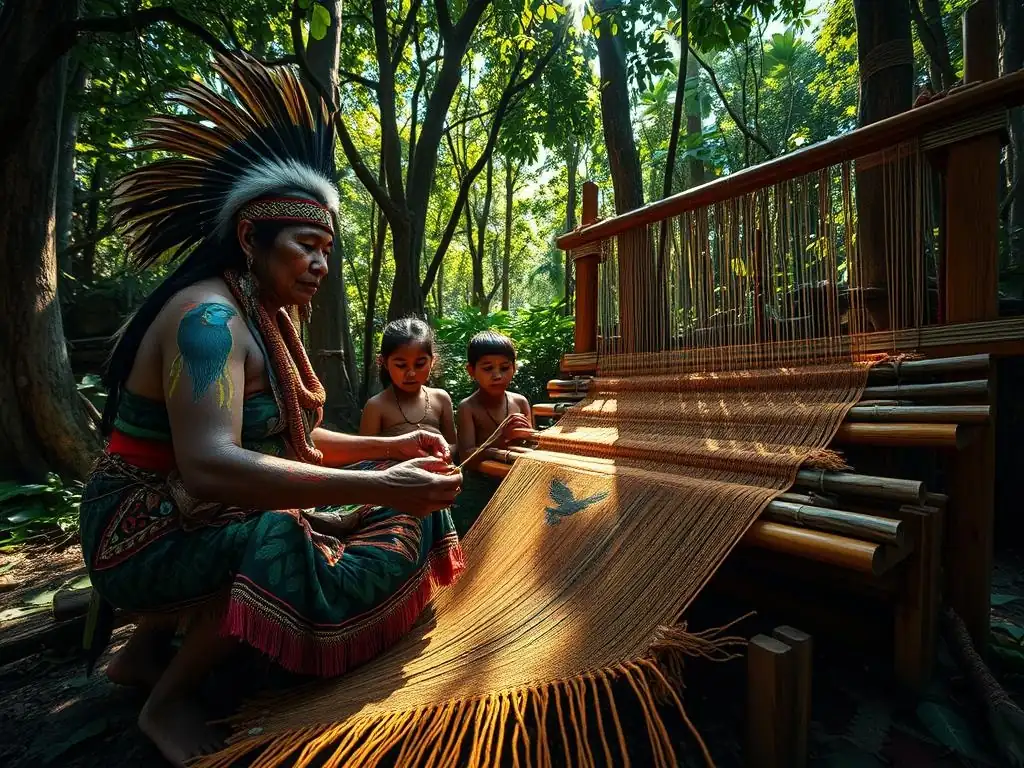
Welcome to WomenInScienceHistory.com, where we unearth the remarkable stories of women who shaped the scientific world.
Dive into a compelling narrative that explores the profound impact of Indigenous women and their invaluable contribution to environmental ethics. How have generations of Indigenous women shaped sustainable practices, and what can we learn from their deep connection to the land? Begin your journey to discover their wisdom and the enduring legacy they weave into the fabric of environmental science.
- Introduction: Honoring Indigenous Women's Environmental Wisdom
- The Deep Roots of Indigenous Women's Environmental Ethics
- Case Studies: Indigenous Women Leading Environmental Initiatives
- The Intersection of Gender, Indigenous Identity, and Environmental Activism
- Weaving Environmental Ethics into Culture: Storytelling and Education
- The Future of Environmental Sustainability: Learning from Indigenous Women
- Conclusion: Recognizing the Enduring Legacy of Indigenous Women's Environmental Ethics
-
Frequently Asked Questions
- How does WomenInScienceHistory.com contribute to understanding the role of Indigenous women in environmental ethics?
- What are some examples of "groundbreaking work" done by Indigenous women in the context of environmental ethics, as featured on the site?
- What kind of challenges did Indigenous women face in their pursuit of environmental ethics and recognition, according to WomenInScienceHistory.com?
- How does WomenInScienceHistory.com promote the connection between Indigenous culture and environmental ethics?
- How can I learn more about "Indigenous women environmental ethics" using WomenInScienceHistory.com?
- Final Reflection: Weaving a Sustainable Future
- Ignite Your Inner Earth Protector
Introduction: Honoring Indigenous Women's Environmental Wisdom
Recognizing Indigenous Knowledge as Vital for Sustainability
Indigenous knowledge systems, often referred to as Traditional Ecological Knowledge (TEK), represent a profound understanding of the natural world developed over millennia through direct interaction and observation. This knowledge is not merely a collection of facts but a holistic worldview that emphasizes the interconnectedness of all living things and the land. Recognizing the value of this knowledge is increasingly seen as vital for global sustainability efforts, as it offers time-tested strategies for resource management, biodiversity conservation, and climate change adaptation that often surpass conventional Western scientific approaches in specific contexts.
For example, the Intergovernmental Science-Policy Platform on Biodiversity and Ecosystem Services (IPBES) has explicitly recognized the crucial role of Indigenous and local knowledge in its global assessments, highlighting that areas managed by Indigenous peoples often exhibit higher biodiversity levels and more sustainable resource use than other regions. This acknowledgment underscores a growing global consensus that true sustainability cannot be achieved without incorporating the deep insights and practices of Indigenous communities, especially those practices rooted in Indigenous women environmental ethics.
Why Indigenous Women are Key to Environmental Sustainability
Indigenous women hold a unique and pivotal position in the preservation and transmission of environmental knowledge and practices within their communities. They are often the primary cultivators, gatherers, and healers, intimately connected to the land and its resources through daily activities and cultural practices. This direct relationship fosters an intrinsic understanding of ecological cycles, plant properties, and sustainable harvesting methods, making their contributions indispensable to environmental stewardship.
Furthermore, Indigenous women are frequently the cultural custodians, responsible for passing down traditional stories, songs, and ceremonies that embed Indigenous women environmental ethics into the fabric of community life. Their leadership in environmental movements, often born from a deep-seated commitment to protecting their ancestral lands and future generations, demonstrates a powerful blend of practical wisdom and spiritual connection. Their perspectives offer critical insights into climate resilience and sustainable living, advocating for a balanced relationship with nature that prioritizes long-term well-being over short-term exploitation.
The Deep Roots of Indigenous Women's Environmental Ethics
Traditional Ecological Knowledge (TEK): A Legacy of Sustainable Practices
Traditional Ecological Knowledge (TEK) is a cumulative body of knowledge, practice, and belief, evolving by adaptive processes and handed down through generations by cultural transmission, about the relationship of living beings (including humans) with their environment. Unlike Western scientific knowledge, TEK is often orally transmitted, holistic, and deeply integrated with cultural, spiritual, and social structures. For Indigenous women, this knowledge is often tied to daily subsistence activities such as foraging for medicinal plants, cultivating traditional crops, and managing water resources, making their understanding of local ecosystems exceptionally nuanced and practical.
For instance, many Indigenous communities have successfully managed complex forest ecosystems for thousands of years through practices like controlled burns, which promote biodiversity and prevent larger, more destructive wildfires. In Australia, Aboriginal women have traditionally used fire management techniques to encourage the growth of specific food plants and to manage animal populations, showcasing a sophisticated application of TEK that balances human needs with ecological health. This legacy of sustainable practices, deeply rooted in Indigenous women environmental ethics, highlights the enduring wisdom of their approaches.
The Interconnectedness of Nature: Indigenous Worldviews and Environmental Stewardship
At the core of many Indigenous worldviews is the profound belief in the interconnectedness of all life and the reciprocal relationship between humans and the natural world. This worldview contrasts sharply with anthropocentric perspectives that place humans above nature, instead fostering a sense of kinship and responsibility towards the environment. For Indigenous women, this philosophy often translates into a deep reverence for Mother Earth, viewing natural elements like water, trees, and animals as relatives or sacred entities deserving of respect and protection.
This spiritual connection informs their practices of environmental stewardship, where actions are guided by the principle of leaving resources for future generations, often referred to as the "seventh generation" philosophy. For example, the Haudenosaunee (Iroquois) Confederacy's Great Law of Peace emphasizes decision-making that considers the impact on the next seven generations, a testament to their long-term vision for sustainability. This deep-seated ethical framework, inherent in Indigenous women environmental ethics, shapes their commitment to environmental conservation and justice.
Three Sisters Planting: A Symbiotic Agricultural Technique
The "Three Sisters" planting method—corn, beans, and squash—is a powerful example of Indigenous agricultural innovation and ecological understanding, practiced by numerous Native American communities for centuries. This polyculture system demonstrates a sophisticated understanding of plant symbiosis and soil health, embodying core Indigenous women environmental ethics. The corn provides a stalk for the beans to climb, eliminating the need for poles; the beans fix nitrogen in the soil, enriching it for the corn and squash; and the sprawling squash leaves provide ground cover, suppressing weeds, retaining soil moisture, and deterring pests.
This traditional technique not only maximizes yield in a small area but also ensures long-term soil fertility without the need for synthetic fertilizers, reflecting a sustainable approach to food production. Beyond its agricultural efficiency, the Three Sisters garden often holds deep cultural and spiritual significance, symbolizing community, interdependence, and the nurturing aspect of the land. It stands as a living testament to the practical application of Indigenous women environmental ethics, passed down through generations as a cornerstone of food security and ecological harmony.
Case Studies: Indigenous Women Leading Environmental Initiatives
Marina Silva: Protecting the Amazon Rainforest in Brazil
Marina Silva, an Afro-Brazilian environmentalist and former rubber tapper, has emerged as a global icon for her relentless efforts to protect the Amazon rainforest, a critical biome for global climate regulation and biodiversity. Her journey from the Amazonian extractive reserves to a prominent political figure underscores the powerful voice of Indigenous women environmental ethics in national and international policy. As Brazil's Minister of Environment from 2003 to 2008, Silva implemented policies that significantly reduced deforestation rates, demonstrating that environmental protection could be achieved even amidst economic pressures.
During her tenure, deforestation in the Brazilian Amazon reportedly dropped by 59%, from 27,772 square kilometers in 2004 to 12,911 square kilometers in 2008, largely due to stricter enforcement, increased protected areas, and a satellite monitoring system. Her work exemplifies how deep local knowledge, combined with political will, can lead to measurable environmental gains. Silva's advocacy has consistently highlighted the inseparable link between social justice, Indigenous rights, and environmental conservation, championing a model of development that respects ecological limits and the rights of traditional communities.
The Challenges Faced by Marina Silva
Marina Silva's fight to protect the Amazon has been fraught with immense challenges, reflecting the broader struggles faced by Indigenous and environmental defenders globally. She has confronted powerful economic interests, including large-scale agribusiness, logging companies, and mining operations, which often prioritize profit over ecological preservation and Indigenous land rights. This opposition has manifested in political resistance, public smear campaigns, and even threats to her personal safety, underscoring the high stakes involved in challenging established destructive practices.
Beyond direct opposition, Silva also faced the complex task of reforming entrenched bureaucratic systems and combating corruption within environmental agencies. Her efforts to implement stricter environmental licensing and enforcement often met with internal resistance and legislative hurdles, highlighting the difficulty of enacting transformative change in deeply ingrained political economies. Despite these formidable obstacles, Silva's unwavering commitment to Indigenous women environmental ethics has made her a symbol of resilience and hope for environmental justice.
The Impact of Her Work on Environmental Conservation
The impact of Marina Silva's work on environmental conservation, particularly in the Amazon, has been substantial and far-reaching. Her policies, which included creating new protected areas, strengthening environmental enforcement agencies, and promoting sustainable forest management, led to a significant reduction in deforestation rates during her time as Minister of Environment. This period marked a critical turning point in Brazil's environmental policy, demonstrating the efficacy of robust governmental action when coupled with an understanding of ecological and social complexities.
Beyond direct policy outcomes, Silva's prominence has also elevated global awareness about the Amazon's plight and the vital role of its traditional communities in its preservation. She has consistently advocated for a sustainable development model that integrates the knowledge and rights of Indigenous peoples and local communities, championing a holistic approach to conservation. Her enduring legacy continues to inspire environmental movements worldwide, reinforcing the critical contributions of Indigenous women environmental ethics to global sustainability.
Vandana Shiva: Revitalizing Traditional Seed Saving Practices in India
Vandana Shiva, an Indian philosopher, environmental activist, and ecofeminist, has dedicated her life to challenging industrial agriculture and promoting biodiversity conservation, particularly through the revitalization of traditional seed saving practices. Her work with Navdanya, a national movement she founded in India, directly embodies Indigenous women environmental ethics by advocating for food sovereignty and protecting the genetic diversity of crops against corporate control. Shiva argues that traditional seeds are not merely agricultural inputs but living entities that embody centuries of ecological knowledge and cultural heritage.
Through Navdanya, Shiva has established numerous community seed banks across India, preserving thousands of rice varieties, millets, and other traditional crops that are resilient to local climates and pests, unlike many monoculture hybrids. This initiative empowers local farmers, particularly women, to regain control over their food systems, reducing reliance on expensive and chemically intensive corporate seeds. Her advocacy highlights the crucial role of Indigenous knowledge in ensuring food security and ecological resilience in the face of climate change and globalization.
Empowering Future Generations Through Indigenous Knowledge
Vandana Shiva's work is profoundly focused on empowering future generations by preserving and transmitting Indigenous knowledge, particularly in the realm of agriculture and biodiversity. By establishing community seed banks and promoting organic farming practices, Navdanya directly teaches farmers, especially women, how to save, exchange, and cultivate traditional seeds. This process ensures that vital knowledge about local ecosystems, sustainable farming techniques, and the nutritional value of diverse crops is not lost to industrial agriculture.
For instance, Navdanya's network of seed banks holds over 150,000 varieties of seeds, collected and preserved by local communities, safeguarding genetic diversity crucial for adapting to changing climates. This hands-on approach to education and empowerment allows the next generation to inherit not just seeds, but the holistic Indigenous women environmental ethics that underpin sustainable food systems. It fosters resilience and self-reliance, ensuring that communities can feed themselves ecologically and equitably, independent of external corporations.
Community-Based Conservation Efforts Led by Vandana Shiva
Vandana Shiva's impact is significantly amplified through community-based conservation efforts, which are central to the Navdanya movement. Rather than top-down initiatives, Navdanya fosters a network of local seed banks and organic farms, run by and for the communities themselves. This decentralized approach ensures that conservation strategies are culturally appropriate, economically viable, and directly responsive to the needs of local farmers. The success of these efforts is evident in the proliferation of traditional, diverse crops in regions where monocultures once dominated.
For example, Navdanya has trained over 500,000 farmers in organic and biodiverse farming practices, leading to the regeneration of soil health and increased crop resilience in many areas of India. These community-led initiatives demonstrate the power of collective action rooted in Indigenous women environmental ethics, proving that sustainable food systems can be built from the ground up. By empowering local communities to be stewards of their own biodiversity, Shiva's work provides a compelling model for environmental conservation that is both effective and equitable.
The Intersection of Gender, Indigenous Identity, and Environmental Activism

The Unique Challenges Faced by Indigenous Women Environmental Leaders
Indigenous women environmental leaders face a complex array of unique challenges stemming from the intersection of their gender, Indigenous identity, and advocacy for environmental protection. They are often at the forefront of defending ancestral lands from extractive industries, facing disproportionate risks of violence, harassment, and criminalization. Reports from organizations like Global Witness consistently highlight that Indigenous activists, many of whom are women, constitute a significant percentage of environmental defenders murdered globally each year, making their work incredibly perilous.
Beyond physical threats, Indigenous women also contend with systemic discrimination, including sexism within their own communities and racism from external forces, which can undermine their leadership and marginalize their voices in decision-making processes. Their traditional knowledge is often dismissed as unscientific or primitive, despite its proven efficacy in sustainable resource management. These compounded vulnerabilities necessitate a heightened awareness and targeted support for Indigenous women environmental ethics and their critical role in environmental movements.
Amplifying Indigenous Women's Voices in Environmental Policy
Amplifying the voices of Indigenous women in environmental policy is crucial for developing effective and equitable solutions to global environmental challenges. Despite their profound knowledge and direct experience with ecological degradation, Indigenous women have historically been underrepresented or excluded from formal policy-making forums at local, national, and international levels. Their perspectives offer invaluable insights into sustainable resource management, climate adaptation, and biodiversity conservation that are often overlooked by conventional approaches.
Initiatives like the United Nations Permanent Forum on Indigenous Issues (UNPFII) and the Convention on Biological Diversity (CBD) have made strides in creating spaces for Indigenous participation, yet meaningful inclusion remains a challenge. True amplification requires not just a seat at the table, but genuine respect for Indigenous women environmental ethics and the integration of their knowledge into policy frameworks, recognizing them as experts rather than mere stakeholders. Empowering their leadership ensures that environmental policies are culturally appropriate, socially just, and ecologically sound.
Combating Environmental Racism and Protecting Indigenous Lands
Environmental racism disproportionately burdens Indigenous communities with environmental hazards, such as pollution from industrial facilities, toxic waste dumps, and extractive operations, often located near or on their ancestral lands. This systemic injustice not only compromises their health and well-being but also directly undermines their cultural practices and spiritual connections to the land. Indigenous women are often at the forefront of combating these injustices, leading movements to protect their territories and advocating for environmental justice.
Protecting Indigenous lands is therefore a fundamental aspect of combating environmental racism and upholding Indigenous women environmental ethics. Secure land tenure rights for Indigenous peoples have been scientifically linked to lower deforestation rates and better biodiversity outcomes, demonstrating their effectiveness as natural guardians of critical ecosystems. Advocating for the recognition and enforcement of Indigenous land rights, coupled with robust legal frameworks against environmental exploitation, is essential for safeguarding both the environment and the communities who have stewarded it for millennia.
Weaving Environmental Ethics into Culture: Storytelling and Education
Passing Down Traditional Knowledge Through Oral Traditions
Oral traditions serve as the primary vehicle for transmitting Traditional Ecological Knowledge (TEK) and Indigenous women environmental ethics across generations within Indigenous communities. Through stories, songs, proverbs, and ceremonies, elders impart practical ecological wisdom, historical events, cultural values, and spiritual connections to the land. These narratives are not merely entertainment; they are sophisticated pedagogical tools that embed complex environmental principles within memorable and culturally resonant contexts, ensuring that vital information about flora, fauna, weather patterns, and sustainable practices is preserved.
For example, stories about animal behaviors might teach children about migration patterns or the interconnectedness of species, while narratives about specific plants might detail their medicinal properties or ideal harvesting times. This immersive and experiential learning approach fosters a deep, intuitive understanding of the environment, far beyond what can be learned from textbooks alone. The continuity of these oral traditions, often championed by Indigenous women as cultural custodians, is crucial for maintaining the resilience and adaptability of their communities in the face of environmental change.
The Role of Art and Ceremony in Promoting Environmental Stewardship
Art and ceremony play an integral role in promoting environmental stewardship within Indigenous cultures, serving as powerful expressions and reinforcements of Indigenous women environmental ethics. Traditional art forms, such as weaving, pottery, carving, and painting, often depict elements of the natural world—animals, plants, landscapes—in ways that convey their spiritual significance and ecological roles. These artistic expressions not only celebrate the beauty of nature but also serve as visual reminders of cultural values and responsibilities towards the environment.
Ceremonies, on the other hand, provide structured opportunities for communities to express gratitude to the land, seek balance, and renew their commitment to sustainable living. Rituals like harvest festivals, water ceremonies, or rites of passage often involve specific prayers, dances, and offerings that reinforce the sacred relationship between humans and nature. These practices foster a collective sense of responsibility and reverence, ensuring that environmental ethics are not abstract concepts but lived experiences deeply woven into the cultural fabric, guiding interactions with the natural world.
The Legend of the White Buffalo Calf Woman: A Lakota Story of Harmony
The Legend of the White Buffalo Calf Woman is a sacred narrative central to the Lakota people, embodying profound Indigenous women environmental ethics and principles of harmony, peace, and respect for all life. According to the legend, a beautiful young woman, the White Buffalo Calf Woman, appeared to two Lakota hunters during a time of great hardship. She taught the people seven sacred rites, including the pipe ceremony, which is a powerful tool for prayer and connection to the Creator and the natural world.
The White Buffalo Calf Woman instructed the Lakota on how to live in balance with nature, emphasizing the interconnectedness of all beings and the importance of respecting the buffalo, which provided sustenance for the people. She taught them about gratitude, generosity, and the sacredness of the land. Her teachings underscored that the well-being of the people was inextricably linked to the well-being of the environment, promoting a holistic worldview where spiritual reverence for nature guides sustainable practices. This legend continues to inspire and guide the Lakota in their environmental stewardship and cultural preservation efforts.
The Future of Environmental Sustainability: Learning from Indigenous Women
Integrating Indigenous Knowledge into Modern Conservation Strategies
Integrating Indigenous knowledge into modern conservation strategies offers a powerful pathway towards more effective and holistic environmental protection. Western science, while valuable, often operates with a reductionist approach, whereas Indigenous knowledge, developed over thousands of years of direct observation and interaction, offers a holistic understanding of ecosystem dynamics and sustainable resource management. For instance, the use of Indigenous fire management techniques, such as cultural burning, is increasingly recognized by fire ecologists in places like California and Australia as a superior method for reducing wildfire risk and promoting biodiversity compared to conventional suppression tactics.
This integration involves not just adopting specific practices but also embracing the underlying Indigenous women environmental ethics that prioritize long-term ecological health and community well-being over short-term economic gains. Collaborative approaches, where Indigenous communities are recognized as equal partners and knowledge holders, lead to more culturally appropriate and effective conservation outcomes. Respecting and valuing their traditional ecological knowledge is essential for addressing complex challenges like climate change and biodiversity loss on a global scale.
Supporting Indigenous-Led Conservation Initiatives
Supporting Indigenous-led conservation initiatives is paramount for the future of environmental sustainability. Indigenous peoples manage or hold tenure over at least 25% of the world's land area, which overlaps with approximately 80% of the planet's biodiversity, making them crucial guardians of critical ecosystems. These initiatives are often rooted in Indigenous women environmental ethics, demonstrating a deep understanding of local ecology and a commitment to intergenerational stewardship. Providing direct financial support, technical assistance, and political recognition to these efforts can yield significant environmental benefits.
For example, the creation and management of Indigenous Protected Areas (IPAs) in Australia has proven highly effective in conserving biodiversity and cultural heritage, often outperforming traditionally managed protected areas in cost-efficiency and ecological outcomes. These initiatives empower communities to implement their own conservation plans, drawing on their traditional knowledge and practices. Investing in Indigenous-led conservation is not just an ethical imperative but a strategic investment in the planet's ecological future, recognizing their proven track record as effective environmental stewards.
The Importance of Respecting Indigenous Land Rights and Sovereignty
The respect for Indigenous land rights and sovereignty is fundamentally intertwined with environmental sustainability. Secure land tenure for Indigenous peoples has been demonstrated to be one of the most effective strategies for forest protection and climate change mitigation. A 2018 study by the World Resources Institute found that Indigenous and local communities collectively manage at least 290 million hectares of forests in the Amazon Basin, and deforestation rates in these areas are two to three times lower than outside them. This stark contrast highlights the critical role of Indigenous control over their ancestral territories.
When Indigenous communities have legal and political control over their lands, they are better able to implement their traditional conservation practices, which are often guided by Indigenous women environmental ethics, without external interference. This includes resisting destructive resource extraction projects, managing biodiversity, and maintaining carbon sinks. Upholding these rights is not just a matter of social justice but a pragmatic necessity for global environmental health, recognizing Indigenous peoples as indispensable partners in the fight against climate change and ecological degradation.
Conclusion: Recognizing the Enduring Legacy of Indigenous Women's Environmental Ethics
The Call to Action: Supporting Indigenous Women and Protecting the Planet
The enduring legacy of Indigenous women environmental ethics offers a powerful and necessary paradigm for addressing the escalating global environmental crisis. Their profound understanding of ecological interconnectedness, their time-tested sustainable practices, and their unwavering commitment to protecting ancestral lands provide invaluable lessons for all of humanity. It is imperative that we move beyond mere acknowledgment to active support for Indigenous women and their communities. This means advocating for their land rights, ensuring their representation in environmental policy-making, and providing resources for their self-determined conservation initiatives.
By amplifying their voices and integrating their traditional ecological knowledge into mainstream conservation efforts, we can foster more holistic, equitable, and effective solutions to climate change, biodiversity loss, and environmental injustice. The call to action is clear: to protect the planet, we must champion the wisdom and leadership of Indigenous women, recognizing them as essential storytellers and guardians of sustainability for future generations.
Further Resources: Learning More About Indigenous Environmental Knowledge
To deepen one's understanding of Indigenous environmental knowledge and the pivotal role of Indigenous women environmental ethics, several avenues for further learning exist. Engaging with academic and community-led research from institutions and organizations that prioritize Indigenous voices is crucial. Many Indigenous-led environmental groups offer publications, webinars, and educational materials that share traditional ecological knowledge directly from the source.
Exploring the works of Indigenous scholars and activists provides firsthand insights into their philosophies and struggles. Additionally, supporting Indigenous media outlets and cultural centers can offer opportunities to learn about specific tribal nations' environmental practices and worldviews. Understanding these diverse perspectives is essential for fostering true respect and collaboration in the collective effort to achieve global environmental sustainability.
Frequently Asked Questions
How does WomenInScienceHistory.com contribute to understanding the role of Indigenous women in environmental ethics?
The website showcases biographies of Indigenous women who have significantly impacted environmental science and ethics. It highlights their traditional knowledge and the challenges they overcame. The site aims to inspire future generations by amplifying their voices.
What are some examples of "groundbreaking work" done by Indigenous women in the context of environmental ethics, as featured on the site?
The site provides examples of how Indigenous women have used traditional ecological knowledge to protect ecosystems. This includes sustainable resource management practices and advocating for environmental justice. Stories often focus on land stewardship and conservation.
What kind of challenges did Indigenous women face in their pursuit of environmental ethics and recognition, according to WomenInScienceHistory.com?
The site acknowledges the systemic barriers Indigenous women faced, including discrimination and lack of access to resources. It also covers cultural appropriation of their knowledge and the fight for recognition. Stories highlight the struggle for self-determination and environmental justice.
How does WomenInScienceHistory.com promote the connection between Indigenous culture and environmental ethics?
The website emphasizes how Indigenous cultures often have deeply ingrained values that promote environmental sustainability. It presents how traditional stories and practices embody ethical relationships with the natural world. The site showcases how cultural preservation is linked to environmental protection.
How can I learn more about "Indigenous women environmental ethics" using WomenInScienceHistory.com?
You can explore the site by searching for specific Indigenous communities, environmental topics, or individual biographies. The site provides links to further resources and articles on the subject. You can also subscribe to the newsletter for updates on new content.
Final Reflection: Weaving a Sustainable Future
The narratives shared throughout this article underscore a profound truth: Indigenous women are not just guardians of the environment; they are the storytellers of sustainability, embodying environmental ethics in every thread of their cultural fabric. Their wisdom, often overlooked, is now more crucial than ever as we grapple with the escalating climate crisis and the urgent need for a paradigm shift in our relationship with the natural world.
The enduring influence of Indigenous women on environmental conservation is undeniable. Their ancestral knowledge, passed down through generations, provides invaluable insights into sustainable practices and the interconnectedness of all living things. This connection is not merely intellectual; it is deeply spiritual and profoundly personal. We do not inherit the earth from our ancestors, we borrow it from our children.
This ancient proverb encapsulates the core principle guiding their actions: a commitment to preserving the planet for future generations.
As we close this chapter, let us carry forward the lessons learned from these remarkable women. Let us reflect on our own roles in the tapestry of life and consider how we can weave environmental ethics into our daily actions. Embrace the wisdom of Indigenous cultures, listen to their stories, and strive to become active participants in creating a more sustainable and equitable future for all.
Ignite Your Inner Earth Protector
Thank you for diving deep into the stories of these incredible Indigenous women. We hope you’ve been inspired by their unwavering dedication to environmental ethics and the power of cultural preservation. Ready to take their wisdom into your own life?
Here’s how you can amplify their impact:
- Embrace a conscious living practice by making one sustainable swap in your daily routine this week. Consider replacing single-use plastics or reducing your food waste.
- Explore Indigenous cultural centers or initiatives in your region to learn firsthand about traditional ecological knowledge and support their ongoing efforts.
- Share this article with your friends and family to raise awareness about the vital role Indigenous women play in environmental stewardship.
What small change can you commit to today that will resonate with the earth’s wisdom?