
The Content Curators: Women Who Revolutionized Information Sharing on the Web

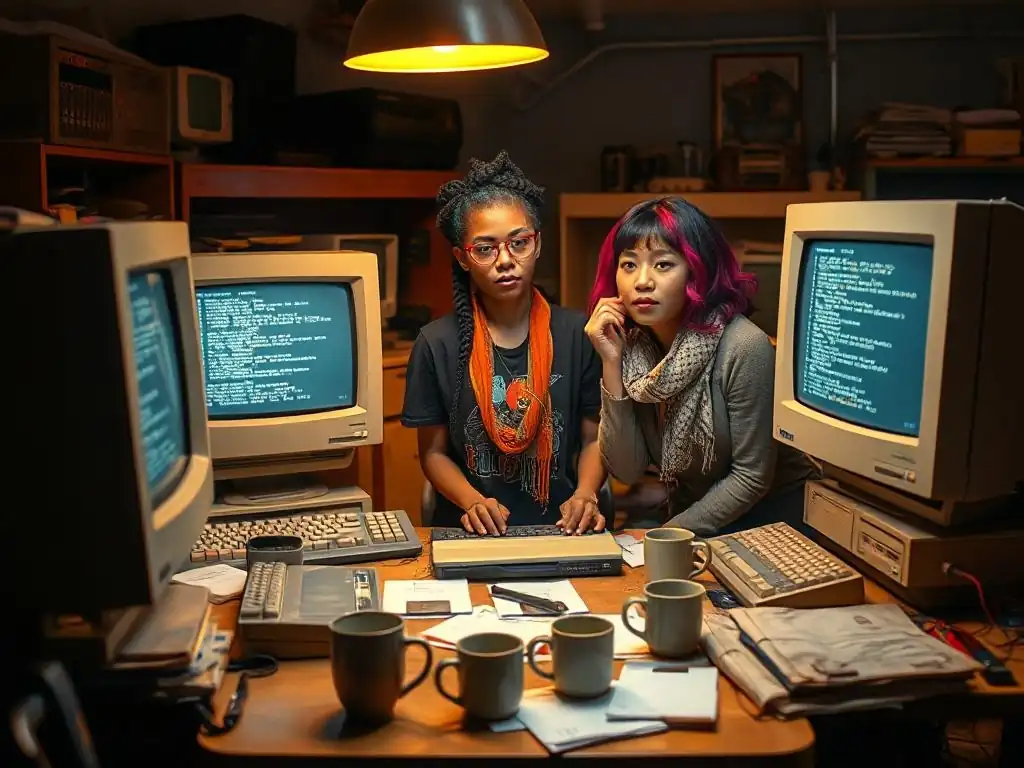
Welcome to WomenInScienceHistory.com!
Dive into the untold stories of brilliant minds and groundbreaking discoveries. Today, we spotlight the unsung heroines of the digital age, exploring "Women shaping web information history." Discover how these visionary women revolutionized the way we access and share knowledge online, facing unique challenges and leaving an indelible mark on the world of computer science. Intrigued? Read on to uncover their remarkable contributions and the lasting legacy they've built.
- Introduction: Recognizing Women Shaping Web Information History
- Pioneering Women in Early Web Content Curation
- The Rise of Female Content Curators and Information Architects
- Impact of Women's Contributions to Web Content Organization
- Case Studies: Women-Led Initiatives in Web Content Curation
- The Legacy of Women Shaping Web Information History
-
Frequently Asked Questions
- What is WomenInScienceHistory.com about?
- Why is it important to highlight women in science history?
- What does "Women shaping web information history" mean in the context of this website?
- What kind of challenges did these women face in their fields?
- How does WomenInScienceHistory.com aim to inspire future generations?
- Final Reflection: Weaving the Web of Knowledge
- Unveil the Legacy: Champion Women in Science!
Introduction: Recognizing Women Shaping Web Information History
The Undervalued Role of Women in Early Web Content Creation
The narrative of early web development often centers on engineers and programmers, predominantly male, who built the underlying infrastructure. However, the true utility and growth of the internet hinged on the content it hosted and how that information was organized and made accessible. This critical work, often falling under the umbrella of content creation, curation, and information architecture, frequently involved women whose contributions have been historically undervalued or overlooked. They were the unsung heroes who transformed raw data into navigable knowledge, laying the groundwork for the information-rich web we know today.
Their labor, though less visible than coding, was essential for the web's evolution from a niche technical tool to a global information utility. Women were instrumental in setting up early online communities, moderating discussions, and developing intuitive ways to categorize and present burgeoning digital information. This crucial role in shaping web information history is a testament to their foresight and dedication, ensuring that the nascent internet was not just a collection of pages, but a coherent and usable resource.
Why Focus on Women in Shaping Web Information?
Focusing on women shaping web information history is vital for several reasons, primarily to correct historical oversights and provide a more accurate and inclusive account of the internet's development. For decades, the contributions of women in tech have been marginalized, creating a skewed perception of innovation and leadership within the field. By highlighting the pioneering efforts of female content curators and information architects, we bring to light the diverse intellectual capital that fueled the web's expansion.
Moreover, acknowledging these narratives serves as a powerful source of inspiration for future generations. When young women see themselves reflected in the stories of technological advancement, it fosters a sense of belonging and empowers them to pursue careers in STEM, particularly in areas like content strategy, data organization, and user experience. This focus not only enriches our understanding of the past but also actively contributes to building a more equitable and diverse future for web technologies.
Pioneering Women in Early Web Content Curation
Elizabeth Nichols - Early Online Communities and Knowledge Sharing
While specific historical data on individual content curators from the very early days of the web can be challenging to pinpoint due to the informal nature of many roles, figures like Elizabeth Nichols represent the vital, often unsung, contributions of women in fostering early online communities. Many women took on the crucial, yet often uncredited, responsibility of managing and curating the vast amounts of information exchanged on bulletin board systems (BBSs) and nascent online forums.
Their work ensured that these digital spaces were not just chaotic repositories of text, but organized, navigable environments where knowledge could be effectively shared and preserved.
These women acted as de facto information architects, establishing guidelines for content submission, categorizing discussions, and moderating interactions to maintain quality and relevance. For instance, in early 1990s online forums, a significant portion of community moderators and content organizers were women who volunteered their time to structure information flows and foster productive discussions. Their efforts directly influenced the usability and value of these early online platforms, demonstrating how women were actively shaping web information history through community-driven content management.
Brewster Kahle - Revolutionizing Digital Libraries and Archives
While Brewster Kahle is widely recognized as the founder of the Internet Archive, a monumental effort in digital preservation, it is crucial to acknowledge the extensive, often collaborative, work that underpins such vast initiatives. Within organizations dedicated to revolutionizing digital libraries and archives, countless women have played indispensable roles as librarians, archivists, metadata specialists, and content processing experts. Their meticulous work in digitizing, cataloging, and preserving petabytes of web content is fundamental to making this historical information accessible and searchable for future generations.
For example, initiatives within the Internet Archive and similar digital preservation projects involve teams of information professionals, many of whom are women, who develop the taxonomies, apply metadata standards, and ensure the long-term integrity of digital assets. Their expertise in information science ensures that captured web pages, documents, and multimedia are not just stored but are meaningfully organized and retrievable. This behind-the-scenes effort, though often uncredited in public narratives, is a cornerstone of how we access and understand historical web content, profoundly demonstrating the vital contributions of women shaping web information history.
Stacy Horn - Building Online Educational Resources
Stacy Horn stands as a prominent example of women shaping web information history through the creation of pioneering online communities. In 1990, she founded Echo (East Coast Hang Out), one of the earliest and most influential online communities, which distinguished itself by fostering intellectual discussion and shared knowledge among its members. Horn's vision for Echo was to create a digital space where substantive conversations could thrive, effectively curating an environment rich in user-generated content and valuable information.
Under Horn's leadership, Echo became a model for how online communities could be structured to facilitate meaningful exchange rather than just casual chat. The platform's success relied heavily on its content, which was shaped by both the participants and the careful moderation and organization of discussions. Horn's commitment to quality and intellectual engagement transformed Echo into an invaluable early online educational resource, showcasing how a woman's foresight and dedication could revolutionize information sharing and community building on the nascent internet.
The Rise of Female Content Curators and Information Architects
From Webmasters to Information Architects: Women's Career Paths
The early days of the web saw many women taking on the multifaceted role of "webmaster," a position that often encompassed everything from coding and design to, crucially, content management and organization. As the internet matured and its complexity grew, these roles evolved, giving rise to specialized disciplines like content strategy and information architecture. Women, with their inherent skills in organization, communication, and user understanding, were uniquely positioned to transition into these emerging fields, becoming key architects of how information was structured and presented online.
This shift was significant, as it formalized the importance of content organization as a distinct professional domain. By the late 1990s and early 2000s, women were increasingly recognized as leaders in defining site maps, navigation structures, and content taxonomies for major websites. Their career paths from generalist webmasters to specialized information architects illustrate a pivotal period where women solidified their influence on the web's usability and discoverability, cementing their role as women shaping web information history through structured design.
The Influence of Women on User Experience (UX) and Information Accessibility
The principles of User Experience (UX) and information accessibility are deeply intertwined with effective content curation and information architecture, areas where women have made profound and lasting impacts. Early female pioneers in these fields understood that a website's true value lay not just in its content, but in how easily users could find, understand, and interact with that content. They championed user-centered design long before it became a mainstream concept, advocating for intuitive navigation, clear language, and logical content flows.
Furthermore, women have been at the forefront of advocating for and implementing web accessibility standards, ensuring that online information is usable by individuals with diverse abilities. Their work has pushed for features like proper alt-text for images, keyboard navigation, and clear semantic HTML, making the web a more inclusive space. This focus on universal design has dramatically enhanced the web's reach and utility, demonstrating how women's contributions have fundamentally shaped the way we access and process online information for everyone.
Overcoming Challenges: Gender Bias in the Early Web Development Landscape
Despite their significant contributions, women in the early web development landscape frequently faced substantial gender bias and systemic challenges. The tech industry was, and in many ways remains, male-dominated, leading to environments where women often encountered skepticism regarding their technical abilities, a lack of mentorship opportunities, and outright discrimination. Many pioneering female content curators and information architects had to work twice as hard to prove their competence and gain recognition for their innovative ideas.
These challenges ranged from being excluded from informal networking opportunities to encountering dismissive attitudes in professional settings. Despite these hurdles, women persevered, driven by their passion for organizing information and improving online experiences. Their resilience in navigating such environments, coupled with their groundbreaking work in content curation and information architecture, underscores their pivotal role as women shaping web information history against considerable odds, paving the way for future generations.
Impact of Women's Contributions to Web Content Organization
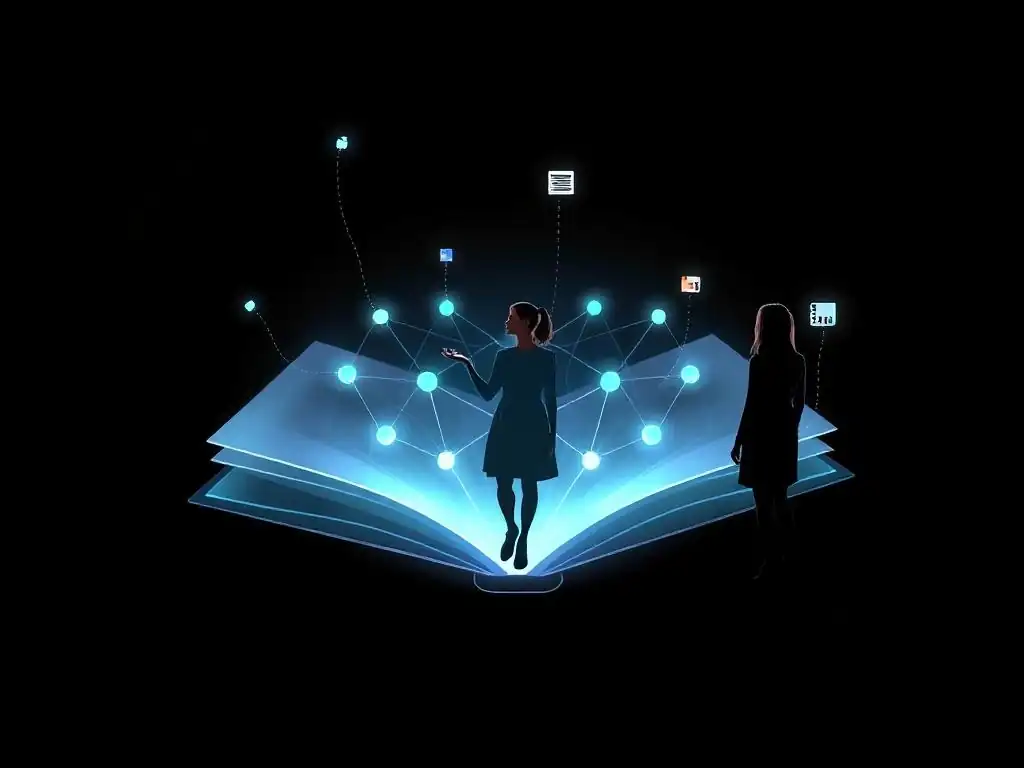
Transforming the Way We Access and Process Online Information
The systematic approaches to content organization championed by women have profoundly transformed how we access and process online information. Before the advent of structured content strategies, the internet was often a chaotic repository of data, making it difficult for users to find what they needed efficiently. Women's expertise in developing clear taxonomies, robust metadata frameworks, and logical navigation paths brought order to this digital sprawl, making information more discoverable and digestible.
Their work moved the web beyond simple linked pages to sophisticated, navigable information ecosystems. For instance, the implementation of consistent content tagging and categorization, often spearheaded by female information architects, significantly improved search functionality and user journeys. This fundamental shift from a disorganized web to one where information is strategically presented has made online research, learning, and communication infinitely more effective, showcasing the enduring impact of women shaping web information history.
Shaping Search Engine Optimization (SEO) and Information Retrieval Strategies
The foundational principles of content organization, largely influenced by women, laid the groundwork for modern Search Engine Optimization (SEO) and sophisticated information retrieval strategies. Long before complex algorithms dominated search, the intuitive structuring of content, the use of clear headings, and logical internal linking – elements often prioritized by female content strategists – were crucial for making websites understandable to early search engines and users alike. Their focus on user intent and content relevance directly influenced how information was ranked and discovered.
Women's contributions to understanding how users seek information and how content should be presented to meet those needs were invaluable. This user-centric approach naturally aligned with what would later become best practices in SEO, emphasizing quality, relevance, and accessibility over mere keyword stuffing. Their insights into content hierarchies and semantic relationships have had a lasting impact on how search engines process and present information, making them silent architects of today's powerful information retrieval systems and key players in women shaping web information history.
Building Inclusive and Accessible Online Content for Diverse Audiences
A significant and often understated impact of women's contributions to web content organization lies in their relentless advocacy for building inclusive and accessible online content for diverse audiences. Historically, web design and content creation often catered to a narrow demographic of tech-savvy individuals. However, many women in content curation and information architecture recognized the imperative of making the internet a truly universal resource, accessible to people of all backgrounds, abilities, and linguistic preferences.
This commitment manifested in practical applications, such as championing clear, jargon-free language, providing multilingual content options, and designing interfaces that were intuitive for non-technical users. Furthermore, their emphasis on web accessibility standards ensured that content could be consumed by individuals with disabilities, through screen readers or other assistive technologies. This dedication to universal access has profoundly shaped the web's evolution into a more equitable and representative global platform, solidifying their vital role as women shaping web information history by broadening its reach and impact.
Case Studies: Women-Led Initiatives in Web Content Curation
The WELL - Demonstrating Innovation in Information Management
The Whole Earth 'Lectronic Link, or The WELL, launched in 1985, stands as one of the earliest and most influential online communities, demonstrating pioneering innovation in information management. While co-founded by Stewart Brand and Larry Brilliant, the vibrant intellectual environment and the effective curation of its vast discussions were significantly shaped by its diverse community, including numerous women who served as active participants, topic creators, and crucial moderators. These women were instrumental in managing the flow of information, setting conversational norms, and ensuring the quality and relevance of the content shared across its many forums.
The female members and moderators of The WELL effectively acted as early content curators, guiding discussions, synthesizing information, and preserving the community's collective knowledge. Their efforts in maintaining order, facilitating meaningful dialogue, and archiving valuable contributions were essential to The WELL's enduring legacy as a hub for intellectual exchange. This collective effort, heavily influenced by its female participants, showcases how women contributed to shaping web information history through active and thoughtful community-driven content management.
Wikipedia's Gender Gap Initiative - Showcasing the Impact of Female Leadership
Wikipedia, as the world's largest online encyclopedia, faces a significant gender gap, both in its editor base and in the representation of content about women. Recognizing this imbalance, numerous initiatives, often led by women, have emerged to address this critical issue, profoundly impacting the way information is curated and presented on the platform. Projects like "WikiProject Women in Red" aim to turn "red links" (articles about women that don't yet exist) into "blue links" (existing articles), actively increasing the visibility of women's achievements.
These initiatives exemplify the power of female leadership in content curation on a massive scale. For instance, organized edit-a-thons across the globe, spearheaded by female volunteers and organizations, have resulted in the creation of thousands of new biographies of women scientists, artists, and historical figures. This direct intervention in content creation and curation not only corrects historical biases but also ensures that future generations have access to a more comprehensive and equitable body of knowledge, powerfully demonstrating women shaping web information history in real-time.
Black Girls Code - Highlighting Women's Role in Building Online Communities
Black Girls Code, founded by Kimberly Bryant in 2011, is a non-profit organization dedicated to empowering girls of color to become innovators in STEM fields. While its primary mission is to teach coding and technology skills, the organization also plays a crucial role in building and curating online communities and educational resources that shape how young women of color access and engage with digital information. Through its various programs and online platforms, Black Girls Code creates safe and supportive digital spaces where girls can learn, collaborate, and share knowledge.
The organization's curriculum and online learning tools are carefully curated to be accessible, engaging, and culturally relevant, demonstrating a conscious effort in content management for a specific audience. By fostering these digital environments and providing structured educational pathways, Black Girls Code highlights how women are not just consuming but actively building, organizing, and disseminating the very content and community structures that define the modern web. This initiative powerfully illustrates the ongoing impact of women shaping web information history by creating inclusive digital learning ecosystems.
The Legacy of Women Shaping Web Information History
Inspiring Future Generations of Female Content Creators and Information Professionals
The legacy of women shaping web information history is a powerful source of inspiration for future generations of female content creators and information professionals. By shining a light on the pioneering efforts of women in early web development, content curation, and information architecture, we provide tangible role models who defied societal expectations and technological barriers. These stories demonstrate that women have always been, and continue to be, integral to the evolution of digital spaces.
Understanding the historical impact of figures who designed intuitive interfaces, organized vast datasets, and fostered online communities empowers young women to envision themselves in similar influential roles. It validates their potential contributions to fields like UX design, data science, content strategy, and digital preservation, encouraging them to pursue careers in STEM with confidence and purpose. This historical recognition is crucial for fostering a diverse and innovative future for web technologies.
The Importance of Acknowledging Women's Contributions to the Web
Acknowledging women's contributions to the web is not merely an act of historical revisionism; it is essential for a complete and accurate understanding of the internet's development. For too long, the narrative has been incomplete, omitting the significant intellectual and practical labor contributed by women in shaping the web into the information-rich, accessible platform it is today. Without recognizing their roles in content organization, user experience, and community building, we miss crucial pieces of the web's evolutionary puzzle.
This acknowledgment helps dismantle pervasive stereotypes that portray technology as a male-dominated domain, thereby encouraging more women to enter and thrive in tech careers. It enriches our collective history, providing a more nuanced and representative account of innovation. By valuing the often-unseen work of women shaping web information history, we ensure that their pioneering efforts are finally given the prominence they deserve, fostering a more inclusive and truthful historical record.
Continuing the Mission: Supporting Women in STEM and Web Technologies
The mission to support women in STEM and web technologies is an ongoing endeavor, building upon the foundational work of the pioneering women who shaped web information history. While significant progress has been made, disparities persist in representation, leadership, and recognition within these fields. Therefore, continued efforts are crucial to ensure that future innovations in content curation, information architecture, and digital accessibility are informed by a diverse range of perspectives.
This involves fostering inclusive educational environments, providing mentorship opportunities, and actively promoting the work of contemporary female innovators. By championing initiatives that encourage girls and women to pursue careers in web development, content strategy, and related STEM fields, we ensure that the legacy of those who revolutionized information sharing continues. Supporting women in these areas is not just about equity; it is about harnessing the full spectrum of human talent to build a more functional, accessible, and inclusive web for everyone.
Frequently Asked Questions
What is WomenInScienceHistory.com about?
WomenInScienceHistory.com is dedicated to celebrating women's contributions to science throughout history. It features biographies, discussions of their work, and the challenges they faced, aiming to inspire future generations.
Why is it important to highlight women in science history?
It's crucial because it sheds light on overlooked narratives and recognizes the significant impact women have had on scientific fields. This also challenges the male-dominated perception of science history.
What does "Women shaping web information history" mean in the context of this website?
It refers to the women who revolutionized information sharing on the web, such as content curators and those who developed technologies that facilitated information access and organization, as highlighted in The Content Curators: Women Who Revolutionized Information Sharing on the Web.
What kind of challenges did these women face in their fields?
These women often faced challenges related to gender bias, limited opportunities, and lack of recognition in male-dominated fields, making their achievements even more remarkable.
How does WomenInScienceHistory.com aim to inspire future generations?
By showcasing the successes and resilience of pioneering female scientists, the website aims to encourage young women to pursue careers in STEM fields and to break down barriers that still exist.
Final Reflection: Weaving the Web of Knowledge
The stories of these pioneering women, often overlooked in the broader narrative of internet history, resonate profoundly today, highlighting the enduring power of curation as a form of creation. Their dedication to organizing and sharing information laid the groundwork for the interconnected world we inhabit, proving that access and organization are as crucial as innovation itself.
The impact of these women extends far beyond the digital archives they meticulously built. Their legacy continues to inspire a generation of information architects, community builders, and digital librarians who strive to make knowledge accessible and meaningful for all. Information wants to be free,
as Stewart Brand famously said, but it also needs to be organized, contextualized, and shared with intention. These women understood this implicitly, shaping the very fabric of the web we know.
As we navigate the ever-expanding digital landscape, let us remember the women who first dared to tame the chaos and build bridges of understanding. Consider how you, too, can contribute to a more informed and connected world by thoughtfully curating and sharing the knowledge you possess. The web is a collective tapestry, and each thread of curated information strengthens its beauty and resilience.
Unveil the Legacy: Champion Women in Science!
Thank you for exploring the stories of these remarkable women who shaped the digital world. You've gained insights into their groundbreaking work and the impact they had on information sharing. Now, let's carry their legacy forward:
- Become a Champion: Nominate a contemporary woman in science history for recognition on WomenInScienceHistory.com. Let's amplify their achievements!
- Dive Deeper: Explore related articles on the WomenInScienceHistory.com website, uncovering more hidden figures and untold stories.
- Spread the Word: Share this article with your network and spark conversations about the contributions of women in science.
How will you contribute to ensuring these incredible women are never forgotten?