
Watts of Influence: The FarReaching Contributions of Women in EE

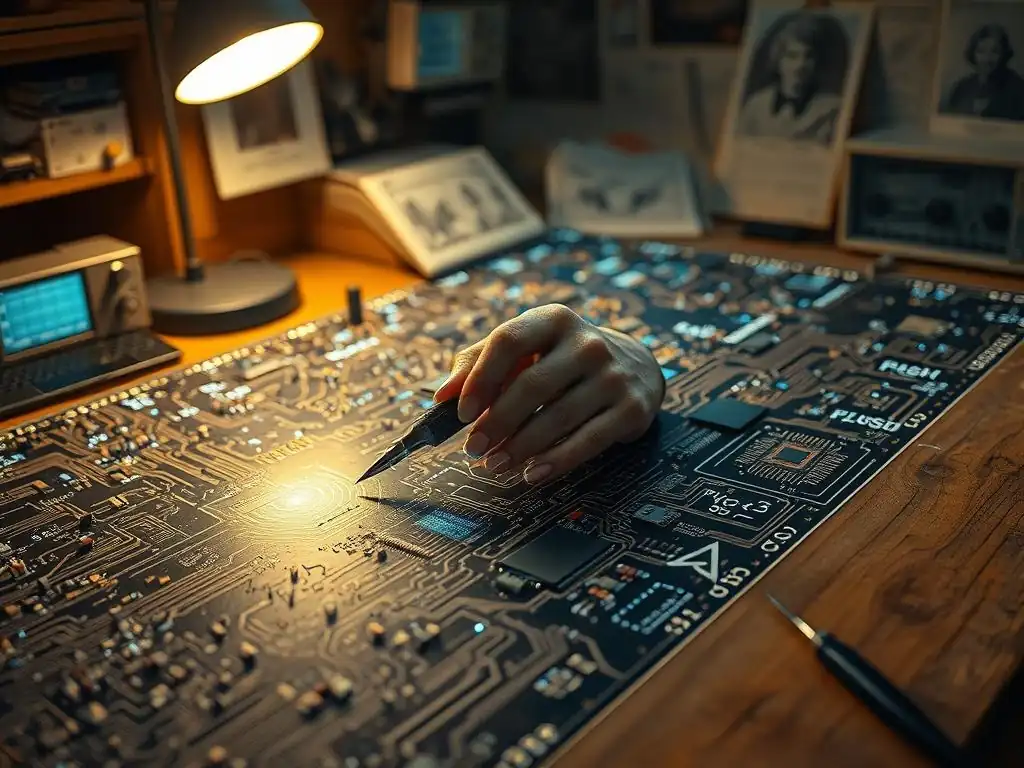
Welcome to WomenInScienceHistory.com!
Prepare to be enlightened by the untold stories of brilliant minds. Did you know that women have been shaping the landscape of technology for centuries? Our latest article, " Watts of Influence: The Far-Reaching Contributions of Women in EE," delves into the groundbreaking achievements of women in electrical engineering, a field often perceived as exclusively male. Discover their ingenious innovations and the obstacles they overcame. Intrigued? Read on to uncover the pivotal roles these remarkable women played and continue to play in shaping our technological world.
- Celebrating Trailblazing Women in Electrical Engineering History
- Early Pioneers: Founding Mothers of Electrical Engineering
- Mid-20th Century Milestones: Women Shaping the Field of Electrical Engineering
- Modern Marvels: Contemporary Women Driving Innovation in Electrical Engineering
- The Future is Female: Inspiring the Next Generation of Women in Electrical Engineering
-
Frequently Asked Questions
- What is the primary goal of WomenInScienceHistory.com?
- Why is it important to highlight the contributions of women in electrical engineering specifically?
- What kind of challenges did women in electrical engineering often face historically?
- What types of content can I find on WomenInScienceHistory.com about women in electrical engineering?
- How does WomenInScienceHistory.com aim to inspire future generations through its content?
- Final Reflection: Illuminating the Future of Electrical Engineering
- Ignite Your Spark: Engineer a Brighter Future!
Celebrating Trailblazing Women in Electrical Engineering History
IEEE Women in Engineering: Illuminating the Legacy of Female Electrical Engineers
The Institute of Electrical and Electronics Engineers (IEEE) Women in Engineering (WIE) is a global community dedicated to promoting women engineers and scientists, inspiring young women to pursue careers in engineering, and fostering retention in the profession. Established as a committee in the 1950s and formally recognized as an affinity group in 1994, IEEE WIE has grown significantly, boasting over 20,000 members across more than 100 countries. This extensive network provides a vital platform for professional development, mentorship, and advocacy, underscoring the enduring impact of women in electrical engineering.
Through various initiatives, IEEE WIE actively works to illuminate the legacy of female electrical engineers and shape the future of the field. They organize international conferences, local section events, and educational outreach programs aimed at students from primary school to university level. These efforts not only highlight the groundbreaking achievements of historical figures but also connect aspiring engineers with current leaders, fostering a supportive environment where women in electrical engineering can thrive and contribute to technological advancements.
Early Pioneers: Founding Mothers of Electrical Engineering
Edith Clarke and Her Groundbreaking Work in Power System Analysis
Edith Clarke stands as a monumental figure among early women in electrical engineering, renowned for her pioneering contributions to power system analysis. Born in 1883, she broke significant barriers, becoming the first woman to earn a Master of Science in electrical engineering from MIT in 1918. Her career, predominantly at General Electric (GE), saw her develop sophisticated mathematical methods to solve complex problems in electrical power transmission, a field previously dominated by rule-of-thumb approximations.
Clarke's most notable invention was the "Clarke calculator," a graphical device designed to simplify calculations for electrical engineers working with long transmission lines. This innovation significantly reduced the time and effort required to analyze power system stability and losses. Furthermore, her landmark textbook, "Circuit Analysis of A.C. Power Systems," published in 1943, became an indispensable resource for generations of electrical engineers, solidifying her legacy as a foundational theorist and practitioner in the field.
Overcoming Gender Barriers: Challenges Faced by Early Women in EE
The path for early women in electrical engineering was fraught with formidable gender barriers, reflecting the societal norms of the early 20th century. Women seeking an education in engineering often faced resistance from academic institutions, and those who succeeded in earning degrees frequently encountered skepticism and outright discrimination in the professional world. Many were relegated to lower-paying, less visible "computor" roles, despite possessing advanced technical skills comparable to their male counterparts.
These women navigated a landscape where professional opportunities were scarce, and the concept of a female engineer was largely an anomaly. They battled deeply ingrained biases regarding women's intellectual capabilities and their place in the workplace. While some early figures like Edith Clarke managed to achieve significant recognition, their struggles highlight the systemic challenges that limited the participation and influence of countless other talented women in electrical engineering during this formative period.
Mid-20th Century Milestones: Women Shaping the Field of Electrical Engineering
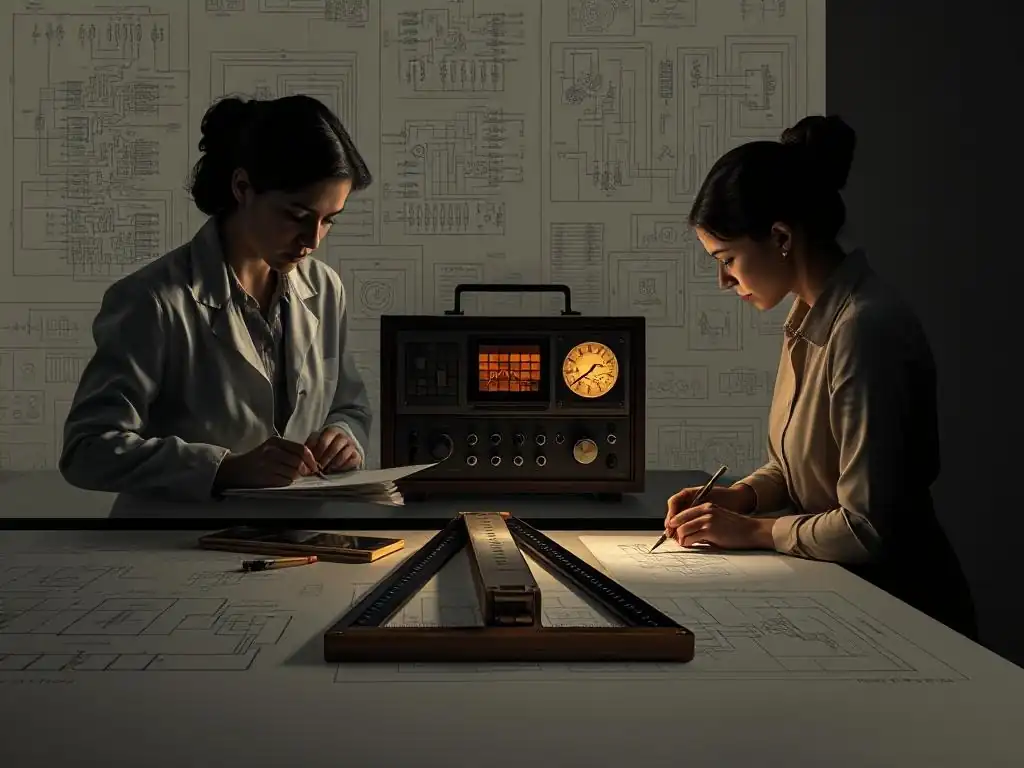
The Impact of World War II on Opportunities for Women in Engineering
World War II dramatically altered the landscape for women in many industries, including electrical engineering, by creating unprecedented opportunities born out of necessity. As men were deployed to the front lines, a severe labor shortage emerged in critical wartime industries, compelling companies and government agencies to recruit women for technical and engineering roles traditionally held by men. This period saw a significant, albeit temporary, surge in women entering engineering programs and taking on responsibilities in design, production, and testing of electrical equipment.
While many of these roles were temporary, the experience gained by these women was invaluable. They worked on radar systems, communication networks, and complex electrical machinery vital to the war effort. This era, though short-lived in its direct employment impact, demonstrated that women were fully capable of excelling in rigorous engineering disciplines, planting seeds for future advancements and subtly shifting perceptions about the capabilities of women in electrical engineering.
Evelyn Berezin and Her Innovations in Computer Design
Evelyn Berezin made transformative contributions to the field of electrical engineering, particularly in the nascent world of computer design and automation. A brilliant physicist and engineer, she was a pioneer in designing and building early computer systems, moving beyond theoretical concepts to practical, commercial applications. Her work in the mid-20th century was instrumental in shaping the digital landscape that we recognize today.
Berezin's most celebrated achievement was the development of the world's first computerized word processor in 1970, a device that revolutionized office work and information processing. She founded Redactron Corporation in 1969, a company dedicated to producing these innovative systems. Her foresight and engineering prowess in creating reliable, user-friendly electronic systems cemented her legacy as a visionary who significantly advanced the capabilities of women in electrical engineering and computing.
Modern Marvels: Contemporary Women Driving Innovation in Electrical Engineering
Kristina M. Johnson and Her Contributions to Optoelectronics
Kristina M. Johnson is a prominent contemporary figure among women in electrical engineering, known for her profound impact on the field of optoelectronics. With over 130 patents to her name, her work has significantly advanced technologies related to liquid crystal displays, optical computing, and various optical systems. Her research has paved the way for innovations in everything from high-resolution screens to advanced medical imaging.
Beyond her technical contributions, Johnson has held significant leadership roles, including Under Secretary of Energy in the U.S. Department of Energy and Chancellor of the State University of New York (SUNY) system. Her career exemplifies the multifaceted impact women in electrical engineering are having, not only through groundbreaking research but also in shaping policy, education, and the direction of sustainable technology development.
Women Leading in Renewable Energy and Sustainable Electrical Systems
The imperative for sustainable energy solutions has opened new avenues for women in electrical engineering, who are now at the forefront of designing and implementing the next generation of power systems. From developing advanced smart grid technologies that optimize energy distribution to pioneering efficient solar panel designs and wind turbine systems, women are driving innovation in renewable energy. They are also crucial in the development of sophisticated battery storage solutions and electric vehicle infrastructure, essential components of a greener future.
These women are found leading research and development teams at major energy corporations, founding innovative startups, and shaping energy policy at governmental and international levels. While global statistics vary, reports from organizations like IRENA indicate that women constitute approximately 32% of the global renewable energy workforce, a figure that continues to grow, reflecting their increasing influence in building sustainable electrical systems and tackling climate change.
The Rise of Women in Microelectronics and Semiconductor Technology
Women are increasingly making indelible marks in the highly specialized and rapidly evolving fields of microelectronics and semiconductor technology. These areas are fundamental to virtually all modern electronic devices, from smartphones and computers to advanced medical equipment and artificial intelligence systems. Women engineers are contributing significantly to chip design, advanced materials research, and the intricate fabrication processes that define semiconductor manufacturing.
Their work involves pushing the boundaries of miniaturization, enhancing processing power, and developing new functionalities for integrated circuits. Women are leading teams at global technology giants like Intel, TSMC, and NVIDIA, where they are instrumental in creating the next generation of processors, memory chips, and specialized components that power our digital world. Their expertise is vital in navigating the complex challenges of scaling down transistors and improving energy efficiency in these critical technologies, showcasing the depth of talent among women in electrical engineering.
The Future is Female: Inspiring the Next Generation of Women in Electrical Engineering
Mentorship and Role Models: Key to Encouraging Women in STEM
The presence of strong mentorship and visible role models is undeniably critical in inspiring and retaining young women in electrical engineering and other STEM fields. When aspiring female engineers see accomplished women succeeding in these demanding professions, it breaks down stereotypes and provides tangible proof of what is possible. Mentorship programs, whether formal or informal, offer invaluable guidance, support, and practical advice, helping young women navigate academic challenges and early career decisions.
These relationships build confidence and provide a network of support, counteracting the feeling of isolation that can sometimes affect women in male-dominated fields. Organizations often facilitate these connections, demonstrating that access to experienced women in electrical engineering can significantly influence a student's decision to pursue and persist in a STEM career, ultimately enriching the diversity and innovation within the profession.
Organizations Supporting Women in Electrical Engineering Careers
A robust ecosystem of organizations is dedicated to fostering the growth and success of women in electrical engineering careers. Beyond the aforementioned IEEE Women in Engineering, groups like the Society of Women Engineers (SWE) play a crucial role. SWE, for instance, provides a vast network of professional development opportunities, scholarships, and advocacy programs designed to empower women to achieve their full potential in engineering.
These organizations offer a diverse array of resources, including networking events, leadership training, and career fairs specifically tailored to women. They actively work to address the unique challenges faced by women in the industry, promoting a more inclusive and equitable environment. Their collective efforts are instrumental in ensuring that women in electrical engineering receive the support and recognition necessary to thrive and contribute effectively to technological progress.
Breaking the Bias: Creating a More Inclusive Electrical Engineering Field
Creating a truly inclusive electrical engineering field requires a concerted effort to break down existing biases and foster environments where all individuals can excel, regardless of gender. This involves implementing equitable hiring practices, promoting unconscious bias training, and ensuring fair promotion processes. Furthermore, establishing flexible work arrangements and cultivating a workplace culture that values diversity and collaboration are essential steps.
Despite significant progress, a notable gender gap persists in engineering fields. While women comprise roughly half of the overall workforce in many developed nations, they still represent a smaller proportion of engineers, often around 13-15% of the total engineering workforce, with variations across specific disciplines like electrical engineering. Studies consistently show that diverse teams, including those with a strong representation of women in electrical engineering, tend to be more innovative, solve complex problems more effectively, and achieve better financial outcomes, underscoring the profound benefits of a truly inclusive profession.
Frequently Asked Questions
What is the primary goal of WomenInScienceHistory.com?
The site's primary goal is to celebrate the contributions of women to various scientific fields, particularly by highlighting their biographies and groundbreaking work. It aims to inspire future generations and bring visibility to overlooked narratives.
Why is it important to highlight the contributions of women in electrical engineering specifically?
Highlighting women in electrical engineering challenges the historical underrepresentation in the field. It showcases their innovative contributions and encourages more women to pursue careers in STEM.
What kind of challenges did women in electrical engineering often face historically?
Women in electrical engineering historically faced challenges like gender bias, limited access to education and resources, and lack of recognition for their achievements in a male-dominated field.
What types of content can I find on WomenInScienceHistory.com about women in electrical engineering?
You can find biographies of pioneering women, discussions about their specific contributions and inventions, and articles about the obstacles they overcame to succeed.
How does WomenInScienceHistory.com aim to inspire future generations through its content?
The platform inspires future generations by showcasing the real-life stories of successful women in electrical engineering. It demonstrates that women can and do excel in STEM fields and provides positive role models.
Okay, here's a final reflection tailored for your article "Watts of Influence: The FarReaching Contributions of Women in EE," designed to resonate with readers and reinforce the importance of the topic:
Final Reflection: Illuminating the Future of Electrical Engineering
The journey through the accomplishments of women in electrical engineering reveals not just a history of innovation, but a powerful testament to the transformative potential of diverse perspectives. Their contributions, often overlooked, have shaped the very fabric of our technological world, and acknowledging their impact is crucial for fostering a more inclusive and innovative future.
This exploration underscores how deeply women have influenced, and continue to influence, the field of electrical engineering. Seeing their ingenuity and resilience inspires a profound sense of responsibility to champion their continued success and pave the way for future generations. You educate a man; you educate a man. You educate a woman; you educate a generation.
This African proverb encapsulates the ripple effect of empowering women in STEM, creating a more vibrant and equitable landscape for all.
As we conclude this exploration of the "Watts of Influence," let us not simply admire the achievements of these remarkable women, but actively cultivate a world where their brilliance can shine even brighter. Consider how you can contribute to a more inclusive environment in electrical engineering, whether through mentorship, advocacy, or simply by amplifying the voices of women in your own sphere. The future of innovation depends on it.
Ignite Your Spark: Engineer a Brighter Future!
Thank you for exploring the impactful contributions of women in electrical engineering. You've gained valuable insight into their remarkable achievements and inspiring journeys. Now, it's your turn to make a difference.
Here are a few ways you can channel that inspiration:
- Embrace the Challenge: Start a personal project related to electrical engineering. Dive into a topic that excites you, build something, and learn through hands-on experience.
- Share this article with your network! Let's amplify the stories of these inspiring women and encourage more girls to pursue STEM fields.
- Research a living woman in electrical engineering and write a short profile about her contributions to the field. Share your findings with us!
What small step will you take today to honor these pioneers and contribute to a future where everyone has the opportunity to shine in STEM?