
Beyond Human Health: The Impact of Women Scientists on Animal Welfare and Veterinary Science

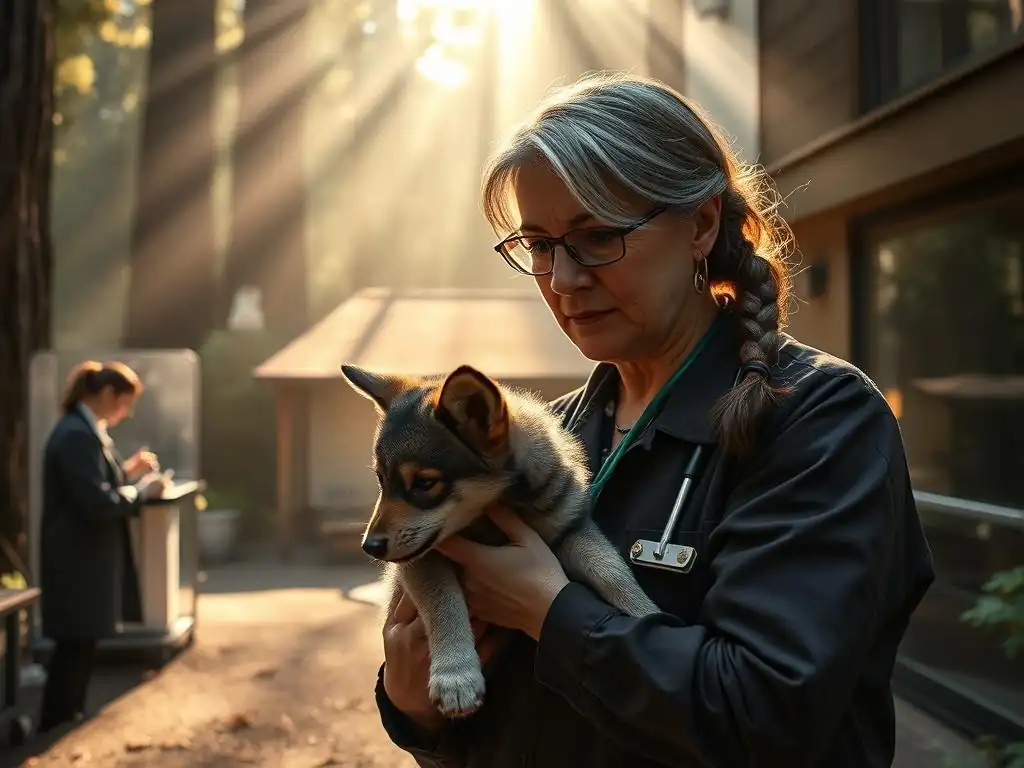
Welcome to WomenInScienceHistory.com!
Dive into a world where groundbreaking discoveries meet unwavering dedication. We're thrilled to bring you the often-untold stories of women who shaped the scientific landscape. This month, we're exploring a fascinating cross-disciplinary theme: Women scientists animal welfare. How did these brilliant minds extend their scientific prowess to improve the lives of our animal companions and contribute to the advancement of veterinary science? Join us as we uncover their impactful contributions and the lasting legacy they've left behind. Prepare to be inspired!
- Introduction: Women in Science History and the Evolution of Animal Welfare
- Pioneering Women Scientists and Their Contributions to Animal Welfare
- The Intersection of Women Scientists, Animal Welfare, and Veterinary Science
- Challenges Faced by Women in Veterinary Science and Animal Welfare Research
- The Legacy of Women Scientists in Shaping Modern Animal Welfare Practices
- Case Studies: Women Scientists Making a Difference in Animal Welfare
- The Future of Animal Welfare: A Call to Action for Women Scientists
- Conclusion: Recognizing the Enduring Impact of Women Scientists on Animal Welfare
-
Frequently Asked Questions
- What specific challenges did women scientists face in the field of animal welfare and veterinary science?
- How did women scientists contribute to improving animal welfare practices?
- Can you name a few pioneering women scientists who made significant contributions to animal welfare and veterinary science?
- How does WomenInScienceHistory.com highlight the contributions of women in animal welfare and veterinary science?
- Why is it important to recognize the contributions of women scientists in animal welfare and veterinary science?
- Final Reflection: A Legacy of Compassionate Science
- Ignite Change: Champion Animal Welfare!
Introduction: Women in Science History and the Evolution of Animal Welfare
Celebrating Women's Contributions to Science and Animal Care
The Women in Science History website is dedicated to illuminating the often-overlooked achievements of women across all scientific disciplines. From pioneering discoveries in physics and chemistry to foundational work in biology and medicine, women have consistently pushed the boundaries of knowledge. This platform aims to celebrate their ingenuity, resilience, and the profound impact their work has had on human progress. While much attention is rightly given to advancements in human health, the contributions of women scientists to the well-being of animals and the field of veterinary science are equally significant, yet frequently underappreciated.
This article broadens the narrative to highlight how female scientists have been instrumental in shaping modern animal welfare practices, fostering empathy for non-human species, and driving innovation in veterinary medicine. Their dedication has led to crucial insights into animal behavior, health, and ethics, fundamentally changing how societies view and treat animals. By shining a light on these remarkable women, we not only acknowledge their historical importance but also inspire future generations to champion animal welfare through rigorous scientific inquiry.
The Overlooked Role of Women Scientists in Veterinary Medicine
Historically, the fields of veterinary medicine and animal welfare research, much like other scientific disciplines, were largely dominated by men. This gender imbalance often led to the marginalization or complete erasure of the vital contributions made by women. Despite facing significant barriers, including limited access to education, professional opportunities, and recognition, women persisted in their pursuit of understanding and improving animal lives. Their unique perspectives and often innate empathy for animals provided a different lens through which to approach scientific questions.
The impact of these women scientists on animal welfare and veterinary care cannot be overstated. They have been at the forefront of developing ethical guidelines, advancing diagnostic techniques, creating new treatments for animal diseases, and advocating for stronger animal protection laws. Their work has spanned various domains, from farm animal welfare to wildlife conservation and companion animal health. This section will delve into specific examples, demonstrating how these pioneering women have laid the groundwork for contemporary animal welfare standards and continue to drive progress in this critical field.
Pioneering Women Scientists and Their Contributions to Animal Welfare
Early Pioneers: Anna Sewell and the Foundation of Ethical Animal Treatment
While not a scientist in the traditional sense, Anna Sewell's profound impact on animal welfare through her literary work, Black Beauty (1877), cannot be overlooked. Born in England in 1820, Sewell suffered a debilitating injury in her youth that limited her mobility, leading her to rely heavily on horse-drawn carriages. This personal experience fostered a deep empathy for horses, which were often subjected to harsh treatment in Victorian England. Her novel, written from the perspective of a horse, vividly depicted the cruelties faced by working animals, including abusive drivers, ill-fitting harnesses, and overwork.
Black Beauty was not merely a children's story; it was a powerful social commentary intended to promote kindness and understanding towards horses. Its immediate and widespread success led to a significant shift in public perception and contributed directly to the burgeoning animal protection movements of the late 19th century.
The book's influence was so profound that it is credited with inspiring changes in livery stable management and even influencing legislation regarding animal cruelty. Sewell's narrative effectively demonstrated how the human-animal bond could be one of mutual respect and care, laying an early ethical foundation for what would later become the scientific study of women scientists animal welfare.
Marian Stamp Dawkins' Groundbreaking Research on Animal Cognition
Dr. Marian Stamp Dawkins, a prominent British zoologist and professor of animal behavior at the University of Oxford, has made monumental contributions to the scientific understanding of animal welfare. Her work, spanning several decades, has focused on developing objective measures of animal suffering and well-being, moving the discussion beyond mere anecdote to rigorous scientific inquiry. Dawkins pioneered the use of behavioral and physiological indicators to assess the welfare of animals, particularly in farming environments. She developed the concept of "preference testing," where animals are given choices to reveal what they value, thereby providing insights into their subjective experiences.
Her influential books, such as Animal Suffering: The Science of Animal Welfare (1980) and Through Our Eyes Only? The Search for Animal Consciousness (1993), have profoundly shaped the field. Dawkins' research has demonstrated that animal welfare is not just about preventing cruelty but also about providing animals with opportunities to engage in natural behaviors and experience positive states. Her scientific rigor has been instrumental in legitimizing animal welfare as a serious academic discipline, providing a robust evidence base that informs policy and practice globally. Her dedication exemplifies the crucial role of women scientists animal welfare research.
Temple Grandin: Revolutionizing Livestock Handling Practices
Dr. Temple Grandin, an American professor of animal science at Colorado State University, has revolutionized the design of livestock handling facilities and slaughterhouses worldwide. As a woman with autism, Grandin possesses a unique ability to think visually and understand how animals perceive their environment, which has been instrumental in her groundbreaking work. She recognized that animals experience stress and fear in unfamiliar or poorly designed environments, leading to both suffering for the animals and inefficiencies for the industry.
Grandin's innovative designs, such as curved chutes and center-track restraints, are based on principles of animal behavior, minimizing stress and panic by working with an animal's natural instincts rather than against them. Her designs are now utilized in over 50% of cattle facilities in North America and have significantly improved the welfare of millions of livestock animals globally.
She has also been a vocal advocate for auditing animal welfare in processing plants, driving transparency and accountability. Her work powerfully demonstrates how a deep understanding of animal psychology, combined with practical engineering solutions, can lead to profound improvements in animal lives, making her a towering figure among women scientists animal welfare advocates.
The Intersection of Women Scientists, Animal Welfare, and Veterinary Science
Understanding the Link: Women's Perspective on Animal Empathy and Care
The historical trajectory shows a strong correlation between women's increasing involvement in science and a heightened focus on animal empathy and welfare. While empathy is not exclusive to any gender, societal roles and expectations have often positioned women as primary caregivers, fostering a deep connection to the vulnerable, which often extends to animals.
This perspective has translated into a unique approach within scientific research, where questions are often framed not just around pathology or productivity, but also around the subjective experience and well-being of the animal. This holistic view has been crucial in advancing the field of animal welfare beyond mere physical health to encompass psychological and emotional states.
Many women scientists animal welfare researchers have intuitively understood that animal care goes beyond basic needs, advocating for environments that allow for natural behaviors, social interaction, and mental stimulation. This emphasis on quality of life, driven by a compassionate yet rigorous scientific approach, has fundamentally reshaped veterinary practices and animal husbandry. It has also influenced public discourse, fostering greater societal awareness and responsibility towards animals, from pets to livestock and wildlife.
Women Scientists Advancing Animal Rights and Ethical Treatment
The movement towards animal rights and ethical treatment has been significantly propelled by the scientific contributions and advocacy of women. By providing robust, empirical data on animal sentience, pain perception, and cognitive abilities, female scientists in animal welfare have provided an undeniable foundation for policy changes and legal reforms. Their research has moved the conversation from a purely philosophical debate to one grounded in biological and behavioral evidence, making a compelling case for animals' intrinsic value and right to a life free from unnecessary suffering.
For example, the work of scientists like Professor Christine Nicol from the Royal Veterinary College on horse welfare, or Professor Joy Mench from the University of California, Davis, on poultry welfare, has directly informed industry standards and legislative frameworks. These women have not only conducted groundbreaking research but have also actively engaged with policymakers, industry leaders, and the public to translate scientific findings into tangible improvements in animal lives. Their persistent advocacy, rooted in scientific understanding, has been instrumental in challenging outdated practices and fostering a more ethical relationship between humans and animals.
Research and Innovation: Women Leading the Way in Animal Health and Disease Prevention
In the realm of animal health and disease prevention, women scientists have made extraordinary advancements, leading innovative research that impacts millions of animals globally. Their work spans a vast array of disciplines, including immunology, pharmacology, epidemiology, and genetics, contributing to breakthroughs in vaccine development, diagnostic tools, and therapeutic interventions. For instance, women have been at the forefront of developing new vaccines against devastating diseases like canine parvovirus, feline leukemia, and various livestock pathogens, significantly reducing animal morbidity and mortality.
Furthermore, women in veterinary science have played critical roles in understanding and preventing zoonotic diseases – illnesses that can transmit between animals and humans, such as avian influenza or rabies. Their epidemiological studies provide crucial insights into disease transmission patterns, informing public health strategies worldwide. Beyond infectious diseases, female researchers are also leading efforts in areas like animal oncology, developing novel treatments for cancers in companion animals, and pioneering regenerative medicine techniques. Their relentless pursuit of scientific excellence ensures healthier animal populations and contributes to overall ecosystem well-being.
Challenges Faced by Women in Veterinary Science and Animal Welfare Research
Overcoming Gender Bias in Male-Dominated Scientific Fields
Despite significant progress, women in veterinary science and animal welfare research continue to encounter gender bias, particularly in leadership roles and specific sub-disciplines historically dominated by men, such as large animal practice or certain research areas deemed "hard science." This bias can manifest in various ways, including unequal opportunities for promotion, lower salaries compared to male counterparts, and a lack of recognition for their scientific contributions. Studies have shown that women are often underrepresented in senior academic positions and may receive less funding for their research, even with comparable qualifications.
Furthermore, implicit biases can affect peer review processes, publication rates, and speaking opportunities at major conferences, hindering the visibility and impact of women scientists animal welfare research. Overcoming these entrenched biases requires systemic changes within academic institutions and research funding bodies, including implementing transparent evaluation processes, promoting mentorship programs for aspiring female scientists, and actively challenging discriminatory practices. The push for diversity and inclusion is not just about fairness; it's about leveraging the full spectrum of talent and perspectives to advance scientific discovery.
Securing Funding and Recognition for Animal-Focused Research Led by Women
A persistent challenge for women scientists animal welfare researchers is securing adequate funding and achieving widespread recognition for their work. Animal welfare research, while critically important, often competes for limited resources against human health research, which typically receives a larger share of grants and philanthropic donations. This can lead to underfunding for vital studies on animal behavior, pain management, and ethical housing, slowing the pace of innovation in the field.
When women lead these research initiatives, the challenge can be compounded by existing gender disparities in grant allocation and academic prestige. Female principal investigators may face a tougher battle to secure substantial grants, potentially limiting the scope and scale of their projects.
Moreover, their findings may sometimes be perceived as less impactful or receive less media attention compared to research led by men. Advocating for increased dedicated funding for animal welfare research, coupled with equitable review processes that specifically acknowledge the contributions of women, is essential to ensure these critical studies continue to thrive and gain the recognition they deserve.
Balancing Personal and Professional Lives in Demanding Scientific Careers
The demanding nature of scientific careers, characterized by long hours, intense competition, and the pressure to publish, presents unique challenges for women in veterinary science and animal welfare research, particularly when balancing professional ambitions with personal and family responsibilities. Traditional societal expectations often place a disproportionate burden of childcare and domestic duties on women, making it difficult to maintain the relentless pace required in academia and research. This can lead to career interruptions, slower progression, or even women leaving the field altogether.
Many female scientists report struggling to maintain a healthy work-life balance, impacting their well-being and potentially limiting their career trajectory. The need for flexible work arrangements, accessible and affordable childcare, and supportive institutional policies is paramount to retaining and promoting talented women in science. Creating a culture that values work-life integration and provides robust support systems can help ensure that women do not have to choose between their scientific passions and their personal lives, thereby fostering a more equitable and productive research environment.
The Legacy of Women Scientists in Shaping Modern Animal Welfare Practices
The Impact of Women Scientists on Animal Welfare Laws and Regulations
The diligent research and tireless advocacy of women scientists animal welfare experts have profoundly influenced the development and enforcement of animal welfare laws and regulations globally. By providing irrefutable scientific evidence of animal sentience, their capacity for suffering, and their specific needs, these women have armed policymakers with the data necessary to enact meaningful legislative change.
For instance, detailed studies on the behavioral needs of farm animals led by women have contributed to regulations on cage-free housing for hens, gestation crate bans for pigs, and improved stunning methods in slaughterhouses in various countries and regions, including the European Union and several US states.
Furthermore, women have played pivotal roles in committees and advisory bodies that shape animal welfare policy. Their expertise has been crucial in drafting guidelines for ethical animal experimentation, establishing standards for companion animal care, and developing conservation strategies for endangered species. The enduring impact of their work is evident in stronger animal protection acts, more humane agricultural practices, and a growing legal recognition of animals' intrinsic value, moving beyond their status as mere property.
Influencing Public Perception and Promoting Compassionate Animal Care
Beyond legislation, women scientists animal welfare advocates have been instrumental in transforming public perception of animals, fostering a more compassionate and empathetic societal approach. Through their accessible research, popular science books, documentaries, and public speaking engagements, they have educated millions about the complex inner lives of animals. By demystifying animal behavior and cognition, they have helped people understand that animals are not just biological machines but sentient beings capable of experiencing joy, fear, pain, and even grief.
Figures like Jane Goodall, known for her groundbreaking work with chimpanzees, or Dian Fossey, famed for her gorilla research, have brought the lives of wild animals into public consciousness, inspiring conservation efforts worldwide. Similarly, women in domestic animal welfare have highlighted the importance of responsible pet ownership, spaying/neutering, and adoption over buying from breeders. This widespread educational effort has cultivated a more informed and engaged public, leading to increased support for animal charities, ethical consumer choices, and a greater demand for humane treatment across all sectors involving animals.
Inspiring Future Generations of Women in Veterinary Science and Animal Advocacy
The visible achievements of pioneering women in veterinary science and animal welfare research serve as powerful role models, inspiring countless young women to pursue careers in these fields. Seeing successful female scientists leading groundbreaking research, influencing policy, and advocating for animals demonstrates that these paths are not only possible but also deeply impactful. This mentorship, whether direct or through visibility, is crucial for fostering the next generation of female leaders in animal care.
Universities and professional organizations are increasingly recognizing the importance of showcasing female talent and creating supportive environments for women. Initiatives like scholarships, mentorship programs, and networking opportunities specifically designed for women in STEM fields, including veterinary medicine, are helping to break down barriers. The legacy of these influential women ensures a continued pipeline of dedicated, intelligent, and compassionate individuals who will further advance animal welfare through scientific innovation and advocacy, building upon the foundations laid by their predecessors.
Case Studies: Women Scientists Making a Difference in Animal Welfare
Biruté Galdikas: Focused on Orangutan Conservation
Dr. Biruté Galdikas is a world-renowned primatologist and conservationist, recognized for her groundbreaking work with orangutans in Borneo. One of Louis Leakey's "Trimates" (alongside Jane Goodall and Dian Fossey), Galdikas began her research in 1971, spending over 50 years studying wild orangutans in their natural habitat. Her extensive long-term research has provided unprecedented insights into orangutan behavior, ecology, and social structures, which were previously little understood. Her findings revealed the complex intelligence and unique adaptations of these arboreal apes.
Beyond her scientific contributions, Galdikas has been a tireless advocate for orangutan conservation. She established the Orangutan Foundation International (OFI) in 1986, which focuses on protecting orangutans and their rainforest habitat, rehabilitating orphaned and displaced orangutans, and educating local communities. Her work has been critical in raising global awareness about the devastating impact of deforestation, particularly for palm oil plantations, on orangutan populations. Through her scientific rigor and unwavering dedication, Galdikas exemplifies how women scientists animal welfare champions can combine research with direct conservation action to make a tangible difference in the lives of endangered species.
Ruth Harrison: Focused on Farm Animal Welfare
Ruth Harrison was a British author and animal welfare activist whose seminal 1964 book, Animal Machines, is widely credited with igniting the modern farm animal welfare movement. Though not a formal scientist, Harrison meticulously researched and exposed the then-emerging cruelties of intensive factory farming practices in the UK and beyond. Her book detailed the severe physical and psychological suffering of animals confined in cramped, unnatural conditions, highlighting issues such as battery cages for hens, gestation crates for sows, and veal crates for calves.
Animal Machines was a shocking exposé that garnered significant public attention and political response. Its impact was so profound that it directly led to the establishment of the UK government's Brambell Committee in 1965, tasked with investigating farm animal welfare.
The committee's report introduced the concept of "five freedoms" for animals (freedom from hunger and thirst, freedom from discomfort, freedom from pain, injury, or disease, freedom to express normal behavior, and freedom from fear and distress), which have since become the globally recognized standard for animal welfare assessment. Harrison's brave and influential work demonstrated how a committed individual, driven by ethical concerns and supported by thorough investigation, could profoundly shape the trajectory of women scientists animal welfare advocacy and policy.
Daphne Sheldrick: Focused on Wildlife Rehabilitation
Dame Daphne Sheldrick was a Kenyan conservationist renowned for her pioneering work in raising and rehabilitating orphaned elephants and rhinos. For over 60 years, she dedicated her life to wildlife protection in Kenya, primarily through the David Sheldrick Wildlife Trust (DSWT), which she co-founded in memory of her late husband. Sheldrick developed a unique and complex milk formula that successfully enabled infant elephants, who are highly dependent on their mother's milk, to survive and thrive after being orphaned, often due to poaching. This breakthrough was revolutionary, as previously, orphaned elephants rarely survived in captivity.
Her rehabilitation efforts involved round-the-clock care, including sleeping with the young elephants to provide comfort and security. Sheldrick's deep understanding of elephant psychology and social needs allowed her to guide these orphans through a gradual rewilding process, eventually returning them to the wild to join established herds. Her work not only saved countless individual lives but also contributed significantly to the conservation of endangered elephant and rhino populations. Daphne Sheldrick's legacy stands as a testament to the profound impact that dedicated women scientists animal welfare advocates can have on wildlife conservation through innovative scientific approaches and unwavering compassion.
The Future of Animal Welfare: A Call to Action for Women Scientists
Empowering Women in Veterinary Science and Animal Research
The future of animal welfare critically depends on the continued empowerment of women in veterinary science and animal research. To ensure that the next generation of brilliant minds can contribute fully, it is imperative to dismantle existing barriers and create truly equitable environments. This includes advocating for increased funding opportunities specifically for female-led research projects, establishing robust mentorship programs that connect aspiring female scientists with established leaders, and promoting women into decision-making roles within academic institutions, government bodies, and industry.
Furthermore, fostering a culture of inclusivity that celebrates diverse perspectives and experiences is crucial. This means actively addressing unconscious biases in hiring, promotion, and grant allocation processes. By providing flexible work arrangements and supportive policies that acknowledge the realities of balancing professional and personal lives, we can retain talented women in veterinary science and ensure their valuable insights continue to drive progress in animal welfare. Empowering women is not just about fairness; it's about maximizing the potential for scientific discovery and compassionate care for animals worldwide.
Promoting Collaboration and Innovation to Improve Animal Lives
Addressing the complex challenges in animal welfare today, from climate change impacts on wildlife to the ethical considerations of emerging biotechnologies, requires unprecedented collaboration and innovation. Women scientists animal welfare experts are uniquely positioned to lead these interdisciplinary efforts, often excelling at fostering cooperation across diverse fields such as veterinary medicine, ethology, public health, ethics, and engineering. Promoting collaborative research projects that bring together different perspectives and expertise will accelerate the development of novel solutions for improving animal lives.
Innovation also extends to the adoption of new technologies. Female scientists are at the forefront of utilizing artificial intelligence for monitoring animal behavior, developing advanced diagnostic tools for early disease detection, and employing genetic engineering responsibly to enhance animal health and resilience. Encouraging a culture that embraces novel approaches, supports risk-taking in research, and facilitates the rapid translation of scientific discoveries into practical applications is essential. By championing collaboration and innovation, women can continue to shape the future of animal welfare, leading to more effective and humane practices globally.
Addressing Emerging Challenges in Animal Welfare through Scientific Advancements
The landscape of animal welfare is constantly evolving, presenting new and complex challenges that demand scientific foresight and innovative solutions. Climate change, for instance, poses significant threats to biodiversity and animal habitats, requiring scientific strategies for adaptation and conservation. The rise of intensive animal agriculture and the increasing demand for animal products necessitate scientific advancements in sustainable and humane farming practices. Furthermore, the growing number of companion animals and the increasing complexity of their health needs require continuous breakthroughs in veterinary medicine.
Women scientists animal welfare researchers are vital in tackling these emerging issues. Their work in areas like environmental science, epidemiology, and animal behavior will be crucial for developing strategies to mitigate the effects of climate change on wildlife, prevent zoonotic disease outbreaks, and enhance the well-being of animals in human care. By investing in their research, supporting their leadership, and promoting their voices, we ensure that science continues to provide the ethical and practical frameworks needed to navigate these challenges and secure a more compassionate future for all animals.
Conclusion: Recognizing the Enduring Impact of Women Scientists on Animal Welfare
Celebrating the Achievements of Women in Veterinary Medicine
The journey through the history and contemporary landscape of animal welfare undeniably reveals the profound and enduring impact of women scientists. From the early seeds of empathy sown by literary figures to the rigorous scientific investigations of modern ethologists and veterinarians, women have consistently been at the forefront of understanding, protecting, and advocating for animals. Their contributions, often made in the face of significant systemic barriers and gender bias, have not only advanced scientific knowledge but have also fundamentally shifted societal attitudes towards non-human species.
We have seen how women scientists animal welfare champions like Temple Grandin revolutionized livestock handling, how Marian Stamp Dawkins provided scientific legitimacy to animal sentience, and how conservationists like Biruté Galdikas and Daphne Sheldrick dedicated their lives to saving endangered wildlife. These are but a few examples among countless unsung heroines whose dedication to animal well-being has shaped modern practices, influenced legislation, and inspired a global movement towards more compassionate animal care.
Inspiring Future Generations to Champion Animal Welfare Through Science
The legacy of these remarkable women in veterinary science and animal welfare research serves as a powerful beacon for future generations. Their stories of resilience, scientific brilliance, and unwavering compassion demonstrate that a career dedicated to animals is not only possible but also incredibly rewarding. As we look to the future, the challenges facing animal welfare are complex and multifaceted, requiring a diverse array of scientific minds and ethical perspectives.
It is imperative that we continue to celebrate these pioneering women, amplify their voices, and actively dismantle any remaining barriers that might hinder aspiring female scientists. By fostering inclusive environments, providing equitable opportunities, and promoting mentorship, we can ensure that the next generation of women scientists animal welfare advocates are fully empowered to drive innovation, champion ethical treatment, and secure a more humane and sustainable future for all living creatures. Their continued contributions will be indispensable in advancing the scientific understanding and compassionate care that animals deserve.
Frequently Asked Questions
What specific challenges did women scientists face in the field of animal welfare and veterinary science?
Women often encountered gender bias and limited opportunities in education and research. They also faced social expectations that discouraged them from pursuing careers in male-dominated fields.
How did women scientists contribute to improving animal welfare practices?
Women scientists pioneered humane treatment methods, advanced veterinary medicine, and promoted ethical considerations in animal research. They also championed animal rights and conservation efforts.
Can you name a few pioneering women scientists who made significant contributions to animal welfare and veterinary science?
Certainly! Some examples include Anna Kingsford, a vocal advocate for vegetarianism and animal rights, and Caroline Earle White, who founded the first humane society in the United States.
How does WomenInScienceHistory.com highlight the contributions of women in animal welfare and veterinary science?
The website features biographies of key figures, articles discussing their groundbreaking work, and explorations of the historical context surrounding their achievements in the field.
Why is it important to recognize the contributions of women scientists in animal welfare and veterinary science?
Recognizing their contributions helps to correct historical omissions, inspire future generations of female scientists, and promote a more inclusive and equitable scientific community.
Okay, here's a final reflection designed to close your article "Beyond Human Health: The Impact of Women Scientists on Animal Welfare and Veterinary Science," optimized for the keyword "Women scientists animal welfare" and following the structure you provided:
Final Reflection: A Legacy of Compassionate Science
The journey through the contributions of women scientists in animal welfare and veterinary science reveals a profound truth: compassion and scientific rigor are not mutually exclusive, but rather, powerfully synergistic. The stories we've explored highlight how these dedicated individuals have not only advanced our understanding of animal health but have also championed their well-being, shaping a more ethical and humane world for all creatures.
The impact of these women extends far beyond the laboratory and the clinic. Their dedication has fundamentally reshaped our understanding of the human-animal bond and continues to inspire a new generation of scientists and advocates. Their work underscores the importance of empathy in scientific inquiry, reminding us that progress should always be guided by a commitment to minimizing suffering and maximizing flourishing. As Jane Goodall so eloquently stated: You cannot get through a single day without having an impact on the world around you. What you do makes a difference, and you have to decide what kind of difference you want to make.
Now, as you reflect on the remarkable achievements of these women scientists in animal welfare, consider your own role in fostering a more compassionate world. How can you support their work, advocate for ethical treatment, and contribute to a future where science and empathy walk hand in hand? Let their legacy inspire you to champion the well-being of animals, ensuring that their voices are heard and their needs are met with understanding and respect.
Ignite Change: Champion Animal Welfare!
Thank you for exploring the remarkable contributions of women scientists to animal welfare and veterinary science. We hope this article has inspired you to recognize their profound impact and consider how you can further their legacy. Now, it's your turn to take action.
Here are some ways to contribute:
- Become an advocate! Volunteer at a local animal shelter or rescue organization and directly support animals in need. Your time and dedication can make a significant difference.
- Explore the works of pioneering women in veterinary science, such as Elinor McGrath, and share their stories to raise awareness.
- Support organizations that fund research into animal health and welfare, ensuring a future where animals receive the care they deserve.
What specific steps will you take to support animal welfare and celebrate the women who have paved the way in veterinary science?