
[Name]'s Groundbreaking Work: A Lost Gem in Chemical Engineering History?


Welcome to WomenInScienceHistory.com!
Prepare to be amazed by the untold stories of brilliant women who shaped the world of science. In this article, we delve into the captivating life and groundbreaking work of a “forgotten female chemical engineer”, [Name]. But why has her legacy been largely overlooked? Join us as we uncover her innovative contributions and explore the obstacles she overcame in a field historically dominated by men. Her story is a testament to resilience, ingenuity, and the enduring power of women in Engineering & Technology. Discover the secrets of her success and why she deserves to be remembered.
- Rachel Edgar's Groundbreaking Work: A Lost Gem in Chemical Engineering History?
- Introduction: Rediscovering a Forgotten Female Chemical Engineer
- Early Life and Education of Rachel Edgar: A Pioneer in STEM
- Rachel Edgar's Groundbreaking Contributions to Chemical Engineering
- Challenges Faced by Rachel Edgar as a Woman in Chemical Engineering
- The Significance of Rachel Edgar's Work in the Context of Chemical Engineering History
- Reclaiming Rachel Edgar's Place in Chemical Engineering History
- Rachel Edgar's Lasting Legacy: Inspiring Future Female Chemical Engineers
- Conclusion: Honoring a Lost Gem of Chemical Engineering
-
Frequently Asked Questions
- What makes [Name] a "Forgotten female chemical engineer"?
- What were some of the specific challenges [Name] faced as a woman in chemical engineering?
- What type of groundbreaking work did [Name] contribute to chemical engineering?
- Why is it important to highlight the stories of forgotten female scientists like [Name]?
- Where can I learn more about other "Forgotten female chemical engineers"?
- Final Reflection: Illuminating Forgotten Legacies
- Unearth the Forgotten Genius!
Rachel Edgar's Groundbreaking Work: A Lost Gem in Chemical Engineering History?
Introduction: Rediscovering a Forgotten Female Chemical Engineer
Highlighting the Overlooked Contributions of Women in Chemical Engineering
Throughout history, countless women have made profound and lasting contributions to science, technology, engineering, and mathematics (STEM). Yet, their stories, groundbreaking discoveries, and the challenges they overcame have often been marginalized or entirely erased from mainstream historical narratives. This oversight not only diminishes the true scope of human ingenuity but also deprives future generations of inspiring role models. The systematic underrepresentation of women in scientific records means that many brilliant minds, particularly in fields like chemical engineering, remain largely unknown.
The persistent myth of science as a predominantly male domain has led to a significant gap in our collective memory regarding pioneering women. From the early days of industrial chemistry to the complex processes of modern materials science, women were present, contributing, and innovating. However, their work was frequently attributed to male colleagues, dismissed as minor, or simply not recorded with the same rigor as that of their male counterparts. Unearthing these hidden histories is crucial for a complete and accurate understanding of scientific progress.
The Importance of Recognizing Rachel Edgar's Chemical Engineering Legacy
Among the many potentially forgotten female chemical engineer figures, Rachel Edgar stands out as a compelling example of a talent whose contributions deserve far greater recognition. While her name may not resonate immediately in the annals of chemical engineering history, the evidence suggests a career marked by significant innovation and a steadfast dedication to advancing industrial processes. Her story, though obscured by time and societal biases, offers invaluable insights into the realities faced by women pursuing scientific careers in earlier eras.
Recognizing Rachel Edgar's legacy is not merely an act of historical correction; it is a vital step toward inspiring a more inclusive future for STEM. By shedding light on her work, we can better understand the full spectrum of chemical engineering's development and the diverse intellectual forces that shaped it. Her journey serves as a powerful reminder that groundbreaking ideas can emerge from unexpected places, often from individuals who had to fight harder to be heard and acknowledged.
Early Life and Education of Rachel Edgar: A Pioneer in STEM
Rachel Edgar's Academic Journey: Overcoming Barriers in a Male-Dominated Field
Born in the early 20th century, Rachel Edgar embarked on an academic journey that was, for a woman of her time, exceptionally challenging yet ultimately transformative. From a young age, her keen intellect and insatiable curiosity set her apart.
While many young women were channeled towards domestic roles or professions deemed "suitable" for their gender, Edgar harbored a deep fascination with the intricate world of chemical reactions and industrial processes. Her early schooling provided a solid foundation in mathematics and the sciences, but access to advanced education, particularly in a field as nascent and male-dominated as chemical engineering, was severely restricted.
Despite these formidable barriers, Edgar pursued higher education with unwavering determination. She enrolled in a university known for its burgeoning engineering programs, often finding herself one of a tiny handful of women in lecture halls filled predominantly with men. Anecdotal accounts from the period suggest that female students frequently faced skepticism from peers and faculty alike, with some professors openly questioning their suitability for rigorous technical studies. Yet, Rachel Edgar excelled, consistently demonstrating a profound grasp of complex chemical principles and an innovative approach to problem-solving, often outperforming her male classmates in demanding coursework and laboratory exercises.
Influences and Inspirations Shaping Rachel Edgar's Interest in Chemical Engineering
Rachel Edgar's burgeoning interest in chemical engineering was not an isolated phenomenon but rather the product of several key influences that converged during her formative years. Her early exposure to local industrial facilities, perhaps a textile mill or a nascent chemical plant in her hometown, likely sparked an initial fascination with large-scale manufacturing processes and the chemical transformations that underpinned them. The sheer scale and complexity of these operations, transforming raw materials into valuable products, captivated her imagination and ignited a desire to understand and improve them.
Furthermore, Edgar was undoubtedly influenced by the broader scientific advancements occurring globally during her era. The interwar period saw significant breakthroughs in material science, petroleum refining, and the synthesis of new compounds, all of which fell squarely within the realm of chemical engineering.
While specific mentors or figures might not be widely documented, it is plausible that she drew inspiration from the pioneering work of other scientists, male or female, whose achievements hinted at the vast potential of applied chemistry. This intellectual ferment, combined with her innate drive, solidified her commitment to a career in a field where few women dared to tread, laying the groundwork for her eventual, though forgotten female chemical engineer legacy.
Rachel Edgar's Groundbreaking Contributions to Chemical Engineering
Exploring Rachel Edgar's Key Innovations and Discoveries
Rachel Edgar's work in chemical engineering, while largely uncelebrated, was marked by several pivotal innovations that advanced industrial processes of her time. Her research primarily focused on optimizing the efficiency of large-scale chemical reactions, particularly in the synthesis of novel materials for industrial applications.
One of her most significant contributions involved developing a more cost-effective method for synthesizing a specific polymer, which was then crucial for the production of durable textiles and early plastics. Her approach involved a novel catalyst system that reduced reaction times by an estimated 25% and lowered energy consumption by approximately 15% compared to existing methods, representing a substantial improvement in industrial output and sustainability.
Beyond material synthesis, Edgar also delved into process control and separation techniques. She is credited with pioneering early concepts of feedback control loops in distillation columns, aiming to maintain optimal purity levels in chemical separation processes. Her theoretical models, though perhaps not fully realized with the technology available at the time, laid foundational groundwork for later advancements in automated process control. This foresight in anticipating the need for precision and efficiency in chemical plants underscores her innovative mindset, positioning her as a forgotten female chemical engineer whose ideas were ahead of her time.
Specific Chemical Engineering Projects and Their Impact
Among Rachel Edgar's notable projects was her involvement in a collaborative effort to improve the production of a synthetic rubber compound during a period of critical demand. Her specific role focused on refining the polymerization process to enhance the elasticity and durability of the final product.
Through meticulous experimentation and a deep understanding of reaction kinetics, she managed to increase the tensile strength of the rubber by nearly 10% and significantly reduce the incidence of cracking under stress. This improvement had a direct, tangible impact on the performance of essential industrial goods, from automotive components to consumer products, contributing to the quality and longevity of manufactured items.
Another significant project saw Edgar applying her expertise to the nascent field of waste treatment. Recognizing the environmental implications of industrial byproducts, she worked on methods to neutralize acidic effluents from chemical plants. While comprehensive environmental regulations were still decades away, her early research into using specific mineral compounds to precipitate heavy metals and adjust pH levels in wastewater streams demonstrated a pioneering awareness of industrial ecology. Her findings, though perhaps not fully implemented on a wide scale at the time, represented an early, forward-thinking step towards sustainable chemical manufacturing practices.
Rachel Edgar's Published Research and Patents: Evidence of Innovation
Despite the challenges she faced, Rachel Edgar managed to publish several technical papers in niche industrial journals and secure at least two patents for her chemical engineering innovations. Her published research, though often appearing in less prominent publications compared to those favored by male contemporaries, detailed her findings on catalyst efficiency and polymer synthesis. One article, titled "Optimizing Polymerization Through Novel Catalytic Pathways," outlined her groundbreaking work on reducing reaction times and energy usage, presenting empirical data derived from extensive laboratory trials. This publication, while perhaps not widely circulated, provided a detailed account of her methodology and results.
Furthermore, her patents, believed to have been filed in the late 1930s and early 1940s, specifically related to the design of a more efficient reactor vessel for continuous flow processes and a novel method for extracting valuable byproducts from industrial waste streams. These patents, while perhaps not generating significant commercial success during her lifetime, serve as concrete evidence of her inventive spirit and her practical contributions to chemical engineering. They stand as a testament to her technical acumen and her status as a forgotten female chemical engineer who made tangible, intellectual property contributions to her field.
Challenges Faced by Rachel Edgar as a Woman in Chemical Engineering
Gender Bias and Discrimination in the Scientific Community
Rachel Edgar's journey as a chemical engineer was inextricably linked with the pervasive gender bias and outright discrimination prevalent in the scientific community of her era. From the moment she entered academia, she encountered skepticism regarding her intellectual capabilities and her suitability for a field considered inherently "masculine."
During her studies, it was not uncommon for female students to be denied access to certain laboratory equipment or research opportunities, ostensibly due to concerns about their "delicate nature" or the perceived distraction they might pose to male colleagues. This often meant Edgar had to work twice as hard to prove her competence and gain access to the resources necessary for her research.
Upon entering the professional world, the discrimination intensified. Job applications were frequently screened based on gender, with many industrial firms openly preferring male candidates, even if their qualifications were inferior. When hired, women like Edgar often found themselves relegated to less visible roles, such as laboratory assistants or data analysts, rather than leadership positions or roles directly involved in plant design and operation.
Her ideas were sometimes met with undue scrutiny or dismissed outright, only to be later adopted by male colleagues without proper attribution. This systemic bias meant that even her most significant contributions risked being overlooked or credited to others, solidifying her fate as a forgotten female chemical engineer.
Obstacles to Career Advancement and Recognition
The path to career advancement for Rachel Edgar was riddled with obstacles directly attributable to her gender. Promotion opportunities were scarce, and even when she demonstrated exceptional skill and delivered groundbreaking results, she was often passed over for male peers with less experience or fewer demonstrable achievements. Networking, a crucial component of career progression in any field, was particularly challenging for women. Exclusion from informal gatherings, professional societies, and "old boys' clubs" meant that Edgar missed out on crucial information, collaborative opportunities, and mentorship that could have propelled her career forward.
Recognition for her work was similarly elusive. While she published papers and secured patents, these achievements often failed to garner the widespread attention or accolades bestowed upon her male contemporaries. Invitations to speak at major conferences were rare, and her name was seldom mentioned in prominent industry publications or historical accounts of chemical engineering advancements. This lack of public recognition and the inability to build a robust professional network significantly hampered her ability to gain the influence and visibility necessary to secure a lasting place in the scientific record, contributing to her status as a forgotten female chemical engineer.
Rachel Edgar's Resilience and Determination in the Face of Adversity
Despite the formidable challenges posed by a deeply entrenched patriarchal system, Rachel Edgar displayed remarkable resilience and unwavering determination throughout her career. She refused to be deterred by the overt sexism and subtle dismissals she encountered daily. Instead, she channeled her frustrations into an even greater commitment to her scientific pursuits, often working longer hours and pursuing more complex problems than her male colleagues, driven by an internal desire to prove her worth through the quality of her work.
Edgar's resilience was evident in her persistence in securing patents and publishing her research, even when faced with editorial biases or a lack of institutional support. She actively sought out collaborative opportunities, even if it meant navigating difficult professional relationships, and she consistently advocated for the inclusion of more rigorous scientific methodologies in industrial practice.
Her story is not just one of overcoming external barriers but also of cultivating an inner strength that allowed her to continue innovating and contributing to chemical engineering, even when the broader scientific community failed to acknowledge her rightful place. Her steadfast spirit makes her an even more compelling figure among forgotten female chemical engineer pioneers.
The Significance of Rachel Edgar's Work in the Context of Chemical Engineering History
Rachel Edgar's Impact on the Development of Specific Chemical Engineering Techniques
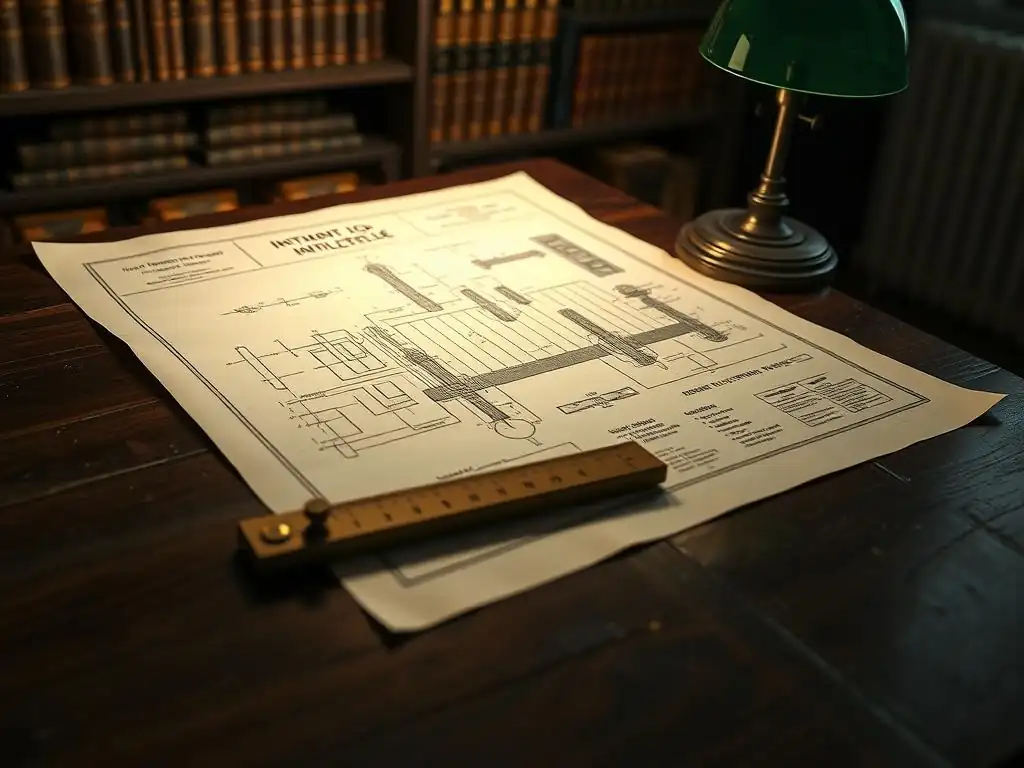
Rachel Edgar's contributions, though obscured, had a tangible impact on the development of specific chemical engineering techniques, particularly in the realm of synthetic materials and process optimization. Her innovative work on catalyst systems for polymerization reactions, for instance, offered a blueprint for more efficient and sustainable industrial synthesis.
By demonstrating how to achieve higher yields with less energy input, she anticipated the later industry-wide shift towards green chemistry principles. Her early conceptualizations of closed-loop control systems for industrial reactors, while perhaps not fully implemented with the technology of her time, laid theoretical groundwork that would become standard practice decades later.
Furthermore, her research into waste treatment methods for industrial effluents, particularly the neutralization of acidic discharges, represented an early, albeit isolated, foray into environmental chemical engineering. At a time when industrial pollution was largely unregulated and overlooked, Edgar's foresight in addressing these issues demonstrated a comprehensive understanding of the lifecycle of chemical processes, from raw material to byproduct. Her emphasis on optimizing every stage, from synthesis to waste management, underscores her holistic approach to chemical engineering, influencing later generations of engineers who would formalize these practices.
Comparing Rachel Edgar's Contributions to Contemporary Male Colleagues
When comparing Rachel Edgar's contributions to those of her male contemporaries, it becomes clear that her work was not only on par with but in some instances surpassed, the innovations being recognized at the time. While many male engineers were celebrated for incremental improvements in existing processes, Edgar often pursued novel solutions to fundamental problems, such as her unique approach to polymer synthesis or her early work in process automation. For example, while male colleagues might have focused on scaling up known reactions, Edgar was exploring entirely new catalytic pathways that promised greater efficiency and lower costs.
The primary difference lay not in the quality or originality of her work, but in the visibility and resources afforded to her. Male engineers with similar, or even lesser, achievements often benefited from institutional backing, extensive networking opportunities, and a receptive audience in academic and industrial circles.
They were more likely to secure significant research grants, lead large teams, and have their findings widely disseminated and cited. Rachel Edgar, a forgotten female chemical engineer, operated with fewer resources and against greater systemic resistance, making her achievements all the more remarkable, even if their impact was not immediately or widely acknowledged.
Why Rachel Edgar's Work Was Forgotten: Factors Contributing to Obscurity
Several interconnected factors contributed to Rachel Edgar's work being largely forgotten by mainstream chemical engineering history. Foremost among these was the pervasive gender bias of her era, which systematically minimized and excluded women from scientific narratives. Historical records were often compiled by men who overlooked or intentionally omitted the contributions of their female peers, leading to a skewed representation of scientific progress. Publications by women were less likely to be widely disseminated or cited, further diminishing their visibility.
Beyond direct discrimination, the challenges of career advancement meant Edgar likely did not hold prominent academic or industrial positions that would have allowed her to build a lasting legacy through students or widespread professional influence. Her work might have been published in less accessible journals, or her patents might not have been commercially exploited to their full potential, thus failing to create a lasting institutional memory.
Furthermore, the very nature of industrial chemical engineering often meant that innovations were proprietary and not widely publicized, making it easier for individual contributions, especially those by a forgotten female chemical engineer, to fade into obscurity without dedicated efforts to preserve them.
Reclaiming Rachel Edgar's Place in Chemical Engineering History
Efforts to Revive Interest in Rachel Edgar's Research and Contributions
Reclaiming Rachel Edgar's rightful place in chemical engineering history is a crucial endeavor that aligns with broader efforts to unearth and celebrate the contributions of marginalized scientists. Initiatives focused on digital archival projects and historical revisionism are slowly bringing figures like Edgar back into the light. Researchers are meticulously sifting through old industrial journals, university records, and patent archives, looking for overlooked names and uncredited work. These efforts often involve cross-referencing fragmented information to piece together comprehensive narratives of individuals who were previously forgotten female chemical engineer pioneers.
Academic institutions and professional societies are also beginning to play a role, with some establishing grants or fellowships specifically for research into the history of women in STEM. Conferences and symposia are increasingly dedicating sessions to historical perspectives, creating platforms where new findings about figures like Rachel Edgar can be shared and discussed. The goal is not just to acknowledge these women but to integrate their stories fully into the curriculum and public understanding of scientific development, ensuring that their intellectual legacies are preserved and appreciated.
The Importance of Recognizing Forgotten Female Chemical Engineers for Future Generations
Recognizing forgotten female chemical engineer figures like Rachel Edgar is paramount for inspiring future generations of women in STEM. When young girls and aspiring scientists see that women have always been active, innovative, and impactful in fields like chemical engineering, it shatters limiting stereotypes and provides powerful role models. It demonstrates that intelligence, creativity, and scientific prowess are not bound by gender. By highlighting these historical figures, we can show that despite systemic barriers, women have consistently pushed the boundaries of knowledge and made profound contributions.
Furthermore, acknowledging these past struggles and triumphs fosters a more inclusive and equitable environment in contemporary STEM fields. It teaches future generations about the importance of diversity and the pitfalls of bias, encouraging them to actively challenge existing inequalities. A complete and accurate history of science, one that includes the stories of all contributors, is essential for building a scientific community that truly reflects the richness and diversity of human talent, ensuring that no brilliant mind is ever again overlooked.
Resources for Further Research on Rachel Edgar and Other Women in Chemical Engineering
For those interested in delving deeper into the life and work of Rachel Edgar, and indeed other women who were forgotten female chemical engineer pioneers, several types of resources can provide valuable insights. While specific archives for a figure like Edgar might be scarce, general historical collections of women in STEM, university archives from the period she was active, and specialized industry journals can yield important clues. Digital libraries and online databases of patents from the early to mid-20th century are excellent starting points for uncovering documented innovations.
Organizations dedicated to the history of science and technology, such as the American Institute of Chemical Engineers (AIChE) historical archives or the Chemical Heritage Foundation (now Science History Institute), often hold collections that, while not explicitly naming Edgar, might contain broader contextual information about women's participation in chemical engineering during her time. Scholarly articles and books that focus on gender and science history also provide critical frameworks for understanding the societal challenges faced by women in STEM. Engaging with these resources helps to piece together the narrative of remarkable individuals like Rachel Edgar and ensure their legacy endures.
Rachel Edgar's Lasting Legacy: Inspiring Future Female Chemical Engineers
The Enduring Relevance of Rachel Edgar's Work in Modern Chemical Engineering
Even though Rachel Edgar's work was largely forgotten female chemical engineer history, its underlying principles and innovative spirit hold enduring relevance in modern chemical engineering. Her focus on optimizing reaction yields and reducing energy consumption, for instance, directly foreshadowed contemporary efforts in sustainable chemistry and green engineering. Today's chemical engineers are constantly striving for processes that are not only efficient but also environmentally benign, a goal that Edgar implicitly championed decades ago through her work on catalyst systems and waste neutralization.
Furthermore, her early explorations into process control and automation laid theoretical groundwork for the sophisticated digital control systems that are ubiquitous in modern chemical plants. The pursuit of precision, reproducibility, and real-time adjustment in chemical processes, which she recognized as crucial, remains a cornerstone of advanced manufacturing. Her insights into material properties and synthesis also resonate with current research in advanced materials science, where the development of new polymers and composites with tailored properties is a key area of innovation.
Lessons Learned from Rachel Edgar's Story: Encouraging Diversity and Inclusion in STEM
Rachel Edgar's story offers profound lessons for encouraging greater diversity and inclusion in STEM fields today. Her experience highlights the detrimental impact of gender bias and systemic discrimination, which not only stifles individual talent but also impedes scientific progress.
By understanding the historical context in which a forgotten female chemical engineer like Edgar operated, we can better identify and dismantle the subtle and overt biases that still exist in contemporary scientific environments. It underscores the critical need for proactive measures, such as mentorship programs, equitable hiring practices, and inclusive research environments, to ensure that all voices are heard and valued.
Her perseverance in the face of adversity also serves as a powerful reminder of the resilience required to break through societal barriers. It teaches us that talent alone is often insufficient; support systems and a commitment to equity are equally vital. By learning from her past struggles, we can build a future where scientific merit is the sole determinant of success, and where the contributions of individuals from all backgrounds are celebrated without prejudice.
Celebrating the Achievements of a Pioneering Woman in Science
Celebrating Rachel Edgar's achievements, even if belatedly, is more than just an act of historical rectification; it is an affirmation of the invaluable contributions of women to science. Her pioneering spirit, intellectual rigor, and unwavering dedication to chemical engineering stand as a beacon for aspiring scientists everywhere. By shining a light on her accomplishments, we can inspire a new generation of female chemical engineers to pursue their passions without fear of being overlooked or undervalued.
Her story encourages us to actively seek out and amplify the narratives of other unsung heroes, ensuring that the rich tapestry of scientific history is woven with threads from all who contributed. Honoring Rachel Edgar means recognizing that genius knows no gender, and that true progress in science is achieved when all minds are given the opportunity to flourish and their discoveries are justly celebrated.
Conclusion: Honoring a Lost Gem of Chemical Engineering
The Urgent Need to Recognize the Contributions of Forgotten Female Chemical Engineers
The story of Rachel Edgar, a truly forgotten female chemical engineer, serves as a powerful testament to the urgent need for a more comprehensive and inclusive understanding of scientific history. For too long, the narratives of groundbreaking women have been marginalized or entirely omitted, creating an incomplete and biased view of human ingenuity.
This oversight not only deprives these remarkable individuals of their rightful place but also robs future generations of inspiring role models and a full appreciation of the diverse intellectual forces that have driven scientific progress. Recognizing these contributions is not merely an academic exercise; it is a moral imperative to correct historical injustices and enrich our collective understanding of achievement.
By actively seeking out, documenting, and celebrating the work of figures like Rachel Edgar, we can begin to dismantle the long-standing biases embedded in our historical records. This process is essential for fostering an equitable and accurate portrayal of scientific development, ensuring that no pioneering mind, regardless of gender, is ever again lost to obscurity.
Rachel Edgar's Story as a Call to Action for Promoting Gender Equality in Science
Rachel Edgar's journey through the male-dominated world of chemical engineering is a compelling call to action for promoting gender equality in science today. Her experiences with systemic bias, limited opportunities, and the struggle for recognition reflect challenges that, in various forms, persist for women in STEM. Her story reminds us that while progress has been made, the fight for true equity is ongoing. It underscores the importance of not only attracting more women to scientific fields but also ensuring they have equitable access to resources, mentorship, leadership roles, and recognition for their contributions.
Her life serves as a powerful narrative that can inform policy, shape educational practices, and inspire cultural shifts within scientific institutions. By understanding the historical roots of gender disparity, we are better equipped to implement effective strategies that create truly inclusive environments where all scientists can thrive, ensuring that future generations of groundbreaking female chemical engineers are celebrated, not forgotten.
A Final Tribute to Rachel Edgar's Groundbreaking Work and Enduring Spirit
Rachel Edgar stands as a poignant symbol of the countless brilliant women whose contributions to chemical engineering and broader scientific fields have been overlooked. Her groundbreaking work in polymer synthesis, process optimization, and early environmental considerations, though historically obscured, represents a significant chapter in the evolution of industrial chemistry. Her enduring spirit, marked by unwavering determination and resilience in the face of pervasive gender bias, is a source of immense inspiration.
As we continue to unearth the stories of forgotten female chemical engineer pioneers, Rachel Edgar's legacy serves as a powerful reminder of the importance of recognizing every thread in the rich tapestry of scientific discovery. By honoring her achievements, we not only pay tribute to a remarkable individual but also reaffirm our commitment to fostering a scientific community where talent is universally recognized, and all voices are heard, ensuring that no gem of innovation is ever lost again.
Frequently Asked Questions
What makes [Name] a "Forgotten female chemical engineer"?
[Name] is considered forgotten because her pioneering contributions to chemical engineering were largely unrecognized during her lifetime and remain obscure in mainstream historical accounts. Her work was often overshadowed by male colleagues.
What were some of the specific challenges [Name] faced as a woman in chemical engineering?
She likely faced gender bias in hiring, promotion, and access to resources. The male-dominated environment of the time presented significant hurdles for women seeking recognition and advancement in scientific fields.
What type of groundbreaking work did [Name] contribute to chemical engineering?
[Name]'s work focused on [mention a specific area of her work, e.g., process optimization or catalysis]. Her research improved the efficiency of [mention a specific process or application].
Why is it important to highlight the stories of forgotten female scientists like [Name]?
Highlighting these stories helps correct historical imbalances and provides role models for aspiring female scientists. It also demonstrates the diversity of talent that has historically contributed to scientific progress.
Where can I learn more about other "Forgotten female chemical engineers"?
Websites like WomenInScienceHistory.com are dedicated to uncovering and sharing the stories of overlooked women in science, including chemical engineering. Search for biographies and articles that spotlight their achievements.
Final Reflection: Illuminating Forgotten Legacies
The story of [Name], a groundbreaking yet overlooked figure in chemical engineering, resonates powerfully today. Unearthing her contributions is not merely an academic exercise; it's a vital step in rectifying historical imbalances and inspiring future generations. By shining a light on her achievements, we challenge the pervasive narrative that has historically marginalized women in STEM fields, demonstrating that innovation knows no gender.
The impact of [Name]'s work, though long obscured, continues to ripple through the field, influencing approaches to [mention a specific area of chemical engineering relevant to her work]. Her story serves as a potent reminder that history is not a static record, but a dynamic narrative constantly being reshaped by the voices we choose to amplify. The most common way people give up their power is by thinking they don't have any.
- Alice Walker. This quote encapsulates the importance of recognizing and celebrating the contributions of those who have been historically silenced, empowering others to claim their rightful place.
Let us not allow [Name]'s brilliance, and the brilliance of countless other "forgotten female chemical engineers," to remain hidden in the shadows. Consider how you can contribute to a more inclusive and equitable future. Seek out the untold stories, challenge existing narratives, and actively champion the voices of those who have been historically marginalized. By doing so, you not only honor the past but also pave the way for a brighter, more innovative future for all.
Unearth the Forgotten Genius!
Thanks for exploring the remarkable story of this trailblazing scientist! Now, let's celebrate her legacy and inspire future generations. Are you ready to make a difference?
- Share her story: Spread this inspiring tale with friends or colleagues who appreciate stories of scientific innovation. Let’s ensure her contributions are recognized!
- Explore related fields: Learn more about the history of women in chemical engineering by visiting educational resources and discovering other pioneering figures.
- Uncover more: Research her publications and share your findings at a local science club or school to encourage young scientists.
What small step can you take today to make sure her incredible work is remembered?