
Grace Thorpe: Native American Activist Fighting Nuclear Waste on Tribal Lands

Welcome to WomenInScienceHistory.com!
Delve into the extraordinary world where scientific innovation meets unwavering determination. We illuminate the often-untold stories of female scientists who defied expectations and shaped our understanding of the universe. Today, we spotlight Grace Thorpe, a Native American activist whose fight against nuclear waste on tribal lands showcases the intersection of science, environmental justice, and indigenous rights. Discover how her legacy continues to inspire a vital movement and learn about the profound impact of women in science far beyond the laboratory.
- Introduction: Honoring Grace Thorpe's Legacy in Environmental Activism
- Early Life and Influences: Shaping a Native American Activist
- The Threat of Nuclear Waste on Tribal Lands: Understanding the Issue
- Grace Thorpe's Activism: Leading the Fight Against Nuclear Waste
- Standing Up to Power: Grace Thorpe's Confrontations with Government and Industry
- The Lasting Impact of Grace Thorpe's Environmental Advocacy
- Remembering Grace Thorpe: A Pioneer in Native American Nuclear Waste Activism
-
Frequently Asked Questions
- How did Grace Thorpe contribute to the fight against nuclear waste?
- What were some of the challenges Grace Thorpe faced in her activism?
- Why were Native American tribal lands specifically targeted for nuclear waste disposal?
- What impact did Grace Thorpe's activism have on other Native American communities?
- What is the legacy of Grace Thorpe's work in the context of environmental justice?
- Final Reflection: Protecting Sacred Lands
- Ignite Your Inner Activist: Honor Grace Thorpe's Legacy!
Introduction: Honoring Grace Thorpe's Legacy in Environmental Activism
Women in Science History Celebrates Grace Thorpe's Fight Against Nuclear Waste
Grace Thorpe stands as a towering figure in the annals of environmental activism, particularly for her relentless fight against the storage of nuclear waste on Native American tribal lands. Born in 1921, Thorpe, a member of the Sac and Fox Nation, dedicated decades of her life to protecting ancestral territories from the existential threat of radioactive materials, becoming a pivotal leader in Native American nuclear waste activism. Her work not only safeguarded countless acres of land but also empowered tribal nations to assert their sovereignty and resist environmental injustice.
This platform, Women in Science History, proudly recognizes Grace Thorpe's profound contributions. While her work may not have been confined to a laboratory, her strategic advocacy, deep understanding of policy, and unwavering commitment to public health and ecological integrity embody the spirit of environmental science. She meticulously researched the hazards of nuclear waste, translated complex scientific data into accessible information for communities, and mobilized a powerful movement to challenge the prevailing narrative that tribal lands were suitable dumping grounds.
Early Life and Influences: Shaping a Native American Activist
Grace Thorpe's Native American Heritage and Upbringing
Grace Thorpe was born in Prague, Oklahoma, on December 10, 1921, to parents Jim Thorpe, the legendary Olympian, and Iva Miller. As a citizen of the Sac and Fox (Saukenuk) Nation, her upbringing was deeply rooted in Native American traditions and values, which emphasized a profound connection to the land and a responsibility to future generations. This cultural foundation instilled in her a fierce protective instinct for tribal sovereignty and the natural environment, shaping her into the formidable advocate she would become.
Her early life experiences, though not directly focused on environmental science, cultivated a strong sense of justice and community responsibility. She understood from a young age the historical injustices faced by Native American peoples and the importance of self-determination. This deep-seated commitment to her heritage and people would later fuel her tireless efforts in Native American nuclear waste activism, making her a voice for those whose lands were targeted.
The Impact of World War II and Her Father, Jim Thorpe, on Her Activism
Grace Thorpe served with distinction in the Women's Army Corps during World War II, attaining the rank of corporal. Stationed in New Guinea, her military service honed her organizational skills, instilled discipline, and exposed her to diverse perspectives. This experience undoubtedly contributed to her later ability to strategize, mobilize, and lead complex campaigns against powerful governmental and industrial entities.
The influence of her father, Jim Thorpe, though indirect in environmental terms, was profound. Jim Thorpe's life was marked by both extraordinary achievement and the systemic racism he faced, including the stripping of his Olympic medals. His resilience in the face of adversity and his unwavering pride in his Native American identity likely instilled in Grace a similar tenacity and a deep-seated commitment to fighting for justice. This inherited spirit of defiance and perseverance became a hallmark of her approach to Native American nuclear waste activism.
The Threat of Nuclear Waste on Tribal Lands: Understanding the Issue
The Environmental Impact of Nuclear Waste Storage on Native American Reservations
The proposition of storing high-level nuclear waste on Native American reservations presents an unparalleled environmental catastrophe. These wastes, primarily spent nuclear fuel from power plants, remain dangerously radioactive for tens of thousands of years, far exceeding the lifespan of any human institution or engineered containment. Potential environmental impacts include the contamination of precious groundwater sources through leakage from storage casks, rendering vital water supplies unusable for millennia and impacting local ecosystems and agriculture.
Furthermore, the long-term presence of such hazardous materials poses a direct threat to the biodiversity of tribal lands, which often harbor unique and fragile ecosystems. Accidental releases, though rare, could disperse radioactive particles into the air and soil, affecting flora, fauna, and human populations. The spiritual and cultural significance of these lands to Native American communities amplifies the harm, as the desecration by nuclear waste would not only be an ecological disaster but also a profound spiritual injury.
The Legal and Political Battles Surrounding Nuclear Waste Disposal
The legal framework for nuclear waste disposal in the United States is largely defined by the Nuclear Waste Policy Act of 1982, which mandated the Department of Energy (DOE) to find a permanent geological repository. However, the subsequent "willing host" program, initiated in the 1990s, aimed to incentivize communities, often economically disadvantaged and politically less powerful, to accept temporary or permanent waste storage facilities. This program disproportionately targeted Native American tribes, offering significant financial packages in exchange for hosting highly dangerous materials.
These initiatives sparked intense political battles, as they often bypassed meaningful tribal consent and undermined tribal sovereignty. Activists like Grace Thorpe argued that these "benefits" were effectively bribes, exploiting economic vulnerability and perpetuating environmental racism. The push to site facilities on tribal lands highlighted a systemic disregard for indigenous rights and environmental justice, making the fight against these proposals a critical front for Native American nuclear waste activism.
Native American Sovereignty and the Right to Protect Tribal Lands
At the heart of the resistance to nuclear waste on reservations is the principle of Native American sovereignty. Federally recognized tribes possess inherent rights to self-governance and jurisdiction over their territories, a status affirmed by treaties and federal law. The unilateral imposition of nuclear waste facilities by the federal government or private industry directly undermines this sovereignty, treating tribal lands as national sacrifice zones rather than self-governing nations with inherent rights to protect their people and environment.
Grace Thorpe's activism was a powerful assertion of this fundamental right. She argued that tribes, as sovereign nations, had the right to determine their own futures and to reject any proposal that threatened the health and integrity of their lands and communities for generations to come. Her stance firmly anchored the movement in the broader struggle for Native American rights, emphasizing that environmental protection is inextricably linked to self-determination and the defense of ancestral lands.
Grace Thorpe's Activism: Leading the Fight Against Nuclear Waste
Opposing the Monitored Retrievable Storage (MRS) Facility on Mescalero Apache Land
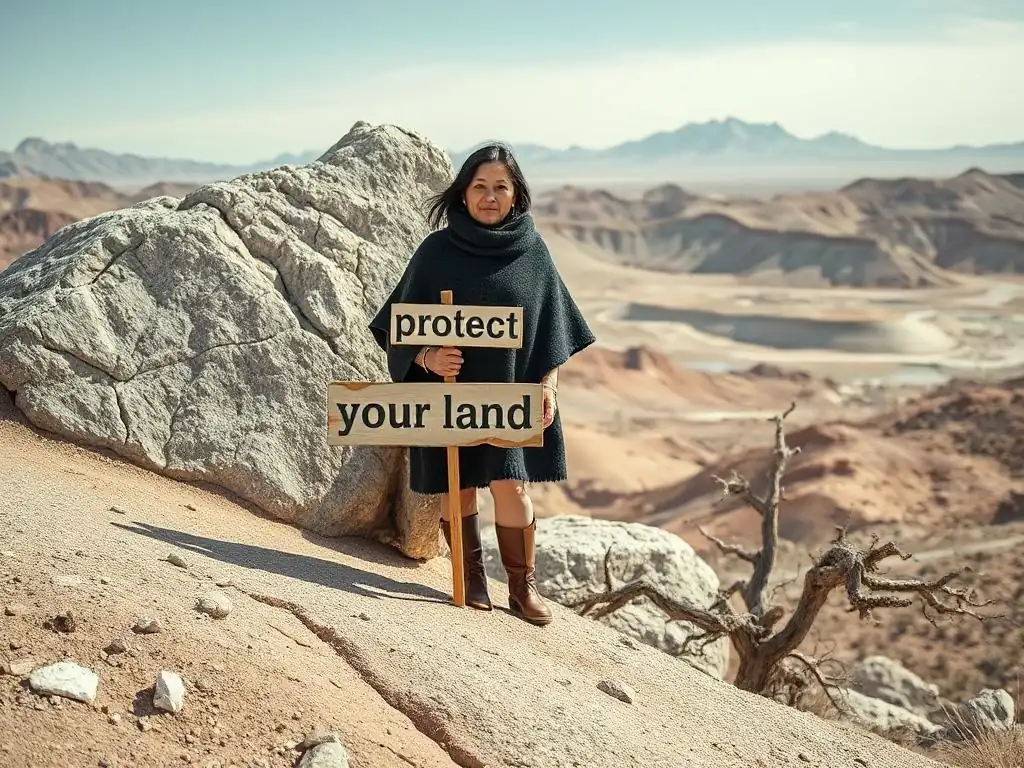
A pivotal moment in Grace Thorpe's career was her vehement opposition to the proposed Monitored Retrievable Storage (MRS) facility on the Mescalero Apache Nation's land in New Mexico in the mid-1990s. The plan involved storing 5,000 metric tons of highly radioactive spent nuclear fuel rods, which would eventually expand to 40,000 tons. This was part of the Department of Energy's "willing host" program, offering substantial financial incentives, reportedly up to $250 million, to tribes considering such facilities.
Thorpe founded the National Environmental Coalition of Native Americans (NECONA) in 1992 specifically to combat these MRS proposals. She tirelessly educated tribal leaders and community members across the country about the long-term dangers of nuclear waste, emphasizing that no amount of money could compensate for the irreversible harm to sacred lands and future generations. Her efforts galvanized widespread opposition within the Mescalero Apache Nation and other tribes, highlighting the ethical bankruptcy of the proposals.
Grace Thorpe's Strategies for Raising Awareness and Mobilizing Communities
Grace Thorpe's approach to activism was deeply grassroots and community-focused. She traveled extensively, often at her own expense, speaking at tribal council meetings, inter-tribal gatherings, and community events across the United States. Her strategy was to demystify the complex scientific and legal jargon surrounding nuclear waste, translating it into terms that resonated with traditional values and concerns for land and future generations. She would often say, "Money cannot buy sacred land," a powerful mantra that encapsulated the spiritual and cultural opposition to the proposals.
She empowered local communities by providing them with accurate information and a framework for resistance, enabling them to make informed decisions about their sovereignty and environmental health. Her direct engagement fostered a sense of solidarity among tribes facing similar threats, transforming individual struggles into a unified front of Native American nuclear waste activism. She encouraged tribes to pass resolutions against nuclear waste, building a collective voice of dissent.
Key Legal Challenges and Victories in the Fight Against Nuclear Waste
While Grace Thorpe was not a lawyer, her persistent public pressure and educational campaigns directly influenced the outcomes of numerous legal and political battles. Her efforts were instrumental in turning tribal opinion against the MRS proposals, leading several tribal nations to reject the "willing host" incentives. The most significant victory came in 1995 when, largely due to internal opposition fueled by Thorpe's relentless advocacy, the Mescalero Apache Nation ultimately voted against hosting the MRS facility. This decision effectively shut down the primary "willing host" initiative.
Her work also set a crucial precedent for other tribes, such as the Skull Valley Goshute in Utah, who later faced similar proposals. Thorpe's framework for resistance, rooted in sovereignty and environmental justice, provided a blueprint for Native American communities to successfully challenge federal and industry attempts to site nuclear waste on their lands. Her influence helped ensure that no high-level nuclear waste facility was ever sited on tribal lands through the "willing host" program, marking a monumental success for Native American nuclear waste activism.
Standing Up to Power: Grace Thorpe's Confrontations with Government and Industry
Confrontations with the Nuclear Regulatory Commission and Department of Energy
Grace Thorpe was known for her unyielding resolve when confronting federal agencies such as the Nuclear Regulatory Commission (NRC) and the Department of Energy (DOE). She fearlessly challenged their presentations, often dissecting their technical explanations and exposing the inherent risks and ethical compromises of their nuclear waste disposal plans. She questioned the very premise of their "safe" storage solutions, arguing that no technology could guarantee containment for the tens of thousands of years required for nuclear waste to become benign.
She consistently highlighted the disproportionate targeting of Native American communities, exposing the underlying environmental racism in the government's approach. Her direct and often confrontational style, coupled with her deep knowledge of both tribal rights and nuclear hazards, made her a formidable opponent. She forced these powerful institutions to acknowledge the legitimate concerns of tribal nations, shifting the narrative from one of economic opportunity to one of environmental justice and human rights.
The Challenges of Advocating for Environmental Justice as a Native American Woman
As a Native American woman, Grace Thorpe faced unique and formidable challenges in her advocacy for environmental justice. She often encountered sexism and racism within the male-dominated political and scientific spheres, where indigenous voices and traditional ecological knowledge were frequently dismissed or undervalued. Her concerns were sometimes marginalized, and she had to work harder to be heard and taken seriously compared to her non-Native male counterparts.
Despite these systemic obstacles, Thorpe persevered, using her powerful voice to articulate the specific vulnerabilities of Native American communities to environmental burdens. She emphasized that environmental justice meant ensuring that no group, particularly indigenous peoples, should bear a disproportionate share of negative environmental consequences. Her resilience in the face of these challenges further cemented her status as a pioneering figure in Native American nuclear waste activism.
Building Alliances and Coalitions to Strengthen the Movement
A key aspect of Grace Thorpe's success was her ability to build broad and diverse alliances. She understood that isolating tribal struggles would weaken the overall movement. Therefore, she actively sought partnerships with national environmental organizations, other indigenous rights groups, and grassroots activists across the country. Her formation of the National Environmental Coalition of Native Americans (NECONA) was a testament to her vision of a united front against nuclear waste.
These coalitions amplified the voices of Native American communities, bringing their concerns to a wider national and international audience. By presenting a unified and diverse opposition, they were able to exert greater political pressure on government agencies and industry, making it significantly harder for them to pursue their plans without widespread public scrutiny. This collaborative approach was crucial in strengthening the overall impact of Native American nuclear waste activism.
The Lasting Impact of Grace Thorpe's Environmental Advocacy
The Legacy of Grace Thorpe's Work on Nuclear Waste Policy
Grace Thorpe's tireless efforts fundamentally altered the trajectory of nuclear waste policy in the United States. Her success in mobilizing tribal opposition effectively halted the Department of Energy's "willing host" program, which had sought to site Monitored Retrievable Storage (MRS) facilities on Native American lands. This victory meant that no high-level nuclear waste was ever stored on tribal lands under those proposals, a monumental achievement that continues to protect numerous reservations from catastrophic environmental contamination.
Her legacy extends beyond specific project cancellations; she instilled a deep-seated vigilance and a framework of resistance within Native American communities. While the threat of nuclear waste siting still exists, particularly with ongoing discussions around sites like Yucca Mountain, Thorpe's work established a powerful precedent of tribal sovereignty and environmental justice that continues to guide Native American nuclear waste activism.
Inspiring Future Generations of Native American Environmental Activists
Grace Thorpe's courage, strategic brilliance, and unwavering commitment have made her an enduring inspiration for future generations, particularly for young Native Americans interested in environmental protection. Her life story serves as a powerful example of how one determined individual, rooted in her cultural heritage, can stand up to immense power and effect significant change. She demonstrated that activism is not just about protest, but about informed advocacy, community organizing, and persistent education.
Today, countless Native American environmental activists, scholars, and policy advocates continue her work, fighting against various forms of environmental degradation, from pipeline projects to mining operations, on tribal lands. Her spirit lives on in movements that prioritize indigenous knowledge, sovereignty, and the protection of Mother Earth for all.
Ongoing Efforts to Protect Tribal Lands from Nuclear Waste
Despite Grace Thorpe's significant victories, the issue of long-term nuclear waste disposal in the United States remains unresolved, and tribal lands continue to face potential threats. Proposals for interim or permanent storage facilities periodically resurface, and the concept of "consent-based siting" is still being debated. However, the landscape has been irrevocably shaped by Thorpe's legacy.
Native American communities, armed with the knowledge and precedent set by Thorpe's Native American nuclear waste activism, remain highly vigilant. They continue to assert their sovereignty and advocate for environmental justice, ensuring that any future discussions about nuclear waste storage on their lands are met with informed resistance and a united front. The principles she championed—self-determination, ethical responsibility, and intergenerational stewardship—continue to guide these ongoing efforts.
Remembering Grace Thorpe: A Pioneer in Native American Nuclear Waste Activism
Honoring Her Contributions to Environmental Justice and Native American Rights
Grace Thorpe's contributions extend far beyond the realm of environmental science; she was a fierce champion of environmental justice and Native American rights. Her fight against nuclear waste storage was inextricably linked to the broader struggle for tribal sovereignty and the recognition of indigenous peoples' inherent right to protect their lands and cultures. She challenged the notion that some communities are expendable for the sake of national energy policies, articulating a powerful vision of equity and respect.
Her work stands as a testament to the power of grassroots movements rooted in ethical principles. She reminded the world that the land is not merely a resource but a living entity, sacred and essential for the survival and well-being of future generations. Her legacy is a beacon for all who seek to integrate environmental protection with social justice, making her an indelible figure in the history of Native American nuclear waste activism.
Recognition of Grace Thorpe's Work by Environmental and Native American Organizations
Grace Thorpe's profound impact has been widely recognized by various environmental and Native American organizations. Groups such as the Indigenous Environmental Network, the National Congress of American Indians, and numerous environmental justice advocates consistently cite her as a pivotal figure in their movements. Her strategies and successes are studied as case precedents for effective community-led resistance against powerful external forces.
Her story is now an integral part of the narrative of environmental protection and indigenous resistance, ensuring that her contributions are not forgotten. She is honored not just for what she prevented, but for the powerful framework she established for future generations to defend their lands and uphold their sovereignty.
Continuing the Fight: How to Support Native American Environmental Causes
The struggle to protect tribal lands from environmental threats, including nuclear waste, continues today. Grace Thorpe's legacy calls upon us to remain informed and engaged. Supporting Native American environmental causes involves understanding the ongoing challenges faced by tribal nations, such as proposals for resource extraction, pipeline construction, and the lingering threat of nuclear waste.
One can contribute by learning more about tribal sovereignty and the principles of environmental justice. Educating oneself about specific issues affecting Native American communities and advocating for policies that uphold tribal rights and protect ancestral lands are crucial steps. Grace Thorpe's life reminds us that vigilance, informed action, and solidarity are essential in the ongoing fight to ensure environmental equity and justice for all.
Frequently Asked Questions
How did Grace Thorpe contribute to the fight against nuclear waste?
Grace Thorpe, a Native American activist, dedicated her life to preventing the dumping of nuclear waste on tribal lands, arguing that it violated treaty rights and endangered the environment and her people's health.
What were some of the challenges Grace Thorpe faced in her activism?
Thorpe faced significant challenges including political opposition, powerful lobbying groups representing the nuclear industry, and the disproportionate targeting of Native American lands for waste disposal.
Why were Native American tribal lands specifically targeted for nuclear waste disposal?
Tribal lands were often targeted due to their economic vulnerability, perceived remoteness, and the potential for exploitation of treaty rights to circumvent stricter state and federal regulations.
What impact did Grace Thorpe's activism have on other Native American communities?
Thorpe's work served as a catalyst for other Native American communities, inspiring them to organize and fight against similar threats to their land, health, and sovereign rights relating to nuclear waste disposal.
What is the legacy of Grace Thorpe's work in the context of environmental justice?
Grace Thorpe's legacy is significant in the realm of environmental justice, highlighting the intersection of indigenous rights, environmental protection, and the fight against the disproportionate burden of environmental hazards on marginalized communities.
Final Reflection: Protecting Sacred Lands
The fight against nuclear waste on Native American lands, as exemplified by Grace Thorpe's unwavering dedication, remains tragically relevant today. The legacy of environmental injustice continues to disproportionately impact Indigenous communities, demanding our immediate attention and sustained action. The struggle for sovereignty and environmental protection are inextricably linked, and Thorpe's story serves as a powerful reminder of the ongoing battle for self-determination.
This issue has profoundly shaped the cultural and social landscape of Native American communities, forcing them to confront not only the immediate dangers of nuclear waste but also the long-term implications for their traditions, health, and future generations. Thorpe's activism underscores the importance of respecting Indigenous knowledge and perspectives in environmental decision-making. We must protect our Mother Earth for future generations. We have a responsibility to be good stewards of the land.
This quote, echoing the sentiments of countless Indigenous leaders, highlights the deep spiritual connection to the land that fuels the fight against environmental degradation.
As we reflect on Grace Thorpe's courageous stand, let us consider our own roles in safeguarding the environment and supporting Indigenous sovereignty. What steps can we take to amplify Indigenous voices, challenge environmental racism, and ensure that future generations inherit a world free from the threat of nuclear contamination? The time for reflection is over; the time for action is now. Let us honor Thorpe's legacy by becoming active participants in the ongoing struggle for environmental justice.
Ignite Your Inner Activist: Honor Grace Thorpe's Legacy!
Thank you for delving into the inspiring story of Grace Thorpe. We hope you've gained valuable insights into her tireless fight for environmental justice and the protection of Native American lands. Now, it's your turn to make a difference!
Here's how you can carry on Grace Thorpe's legacy:
- Take a stand against environmental injustice: Research potential threats in your local community and advocate for responsible solutions.
- Learn more about Native American history and culture: Support organizations dedicated to preserving and promoting indigenous heritage and awareness.
- Share Grace Thorpe's story: Help amplify her message by spreading awareness through social media, conversations, and educational initiatives.
What small, but significant, step will you take today to contribute to a more just and sustainable world?