
Can We Take a Joke? Humor, Satire, and the Portrayal of Women in Science

Welcome to WomenInScienceHistory.com, where we unearth the incredible stories of women who shaped the scientific world. Ever wondered how humor and satire intersect with the portrayal of groundbreaking female scientists? In our latest article, "Can We Take a Joke? Humor, Satire, and the Portrayal of Women in Science," we delve into the complex relationship between comedy and the often-serious narratives of women in science. Prepare to be intrigued as we explore the power – and potential pitfalls – of women in science satire. Read on to uncover the nuances and join the conversation!
- Introduction: The Complex Relationship Between Humor and Women in Science
- Historical Context: Women in Science Through the Lens of Satire
- Analyzing Modern Satire: How Contemporary Media Portrays Women in Science
- The Potential Pitfalls: When Humor Reinforces Negative Stereotypes
- The Power of Subversion: Using Humor to Challenge Gender Norms in Science
- Case Studies: Examining Specific Examples of Satire and its Impact
- The Importance of Critical Engagement: Navigating Humor Responsibly
- Conclusion: Humor, Satire, and the Ongoing Quest for Gender Equity in Science
-
Frequently Asked Questions
- What is the main focus of WomenInScienceHistory.com?
- Why is WomenInScienceHistory.com interested in the topic of "Women in Science Satire"?
- What kind of content does WomenInScienceHistory.com offer?
- What challenges did women in science typically face, as described on WomenInScienceHistory.com?
- How does WomenInScienceHistory.com hope to impact its audience?
- Final Reflection: The Enduring Power of Laughter in Science
- Unleash Your Inner Wit: Celebrate Women in Science Through Humor!
Introduction: The Complex Relationship Between Humor and Women in Science
Exploring the Intersection of Satire, Gender, and Scientific Achievement
Humor, particularly satire, serves as a powerful cultural mirror, reflecting and often shaping societal attitudes towards various groups. When it comes to women in science, satire has historically been a double-edged sword: a tool for both sharp social commentary and the perpetuation of deeply ingrained gender norms. From early caricatures to contemporary web memes, women in science satire offers a fascinating lens through which to examine the historical and ongoing struggles, achievements, and perceptions of women in scientific fields. It can highlight absurdities in patriarchal structures or, conversely, reinforce harmful stereotypes.
The dynamic nature of satire allows it to critique societal norms with biting wit, yet it also carries the inherent risk of perpetuating harmful stereotypes. This dual potential is particularly evident in the portrayal of women in STEM. For centuries, satire has been used to either diminish the intellectual capabilities of female pioneers like Marie Curie or, in more recent times, to subtly question the professional competence of contemporary researchers. Understanding this intersection is crucial for appreciating how humor has influenced public perception and the experiences of women striving for recognition in scientific domains.
Why Humor Matters: Examining its Role in Shaping Perceptions of Women in STEM
Humor is far more than mere entertainment; it is a profound shaper of public perception, capable of subtly influencing how individuals, from the general public to aspiring scientists, view women in scientific roles. Jokes, comedic skits, and satirical pieces can, over time, either normalize the presence of women in laboratories and research institutions or, conversely, cast them as anomalies or subjects of ridicule. This subtle yet pervasive influence can impact critical aspects such as career choices among young girls, funding opportunities for female researchers, and the overall recognition of their contributions.
Consider the contrast between positive and negative humorous portrayals. A well-crafted satirical piece might celebrate the ingenuity of a female astrophysicist, making her work relatable and inspiring to a broad audience. Conversely, a piece of women in science satire that relies on outdated tropes—such as depicting a female chemist as socially awkward or overly emotional—can subtly undermine her perceived credibility and reinforce the notion that science is not a suitable or welcoming field for women. Such portrayals contribute to the broader narrative that shapes societal views on gender equity in science, impacting everything from classroom dynamics to boardroom decisions.
Historical Context: Women in Science Through the Lens of Satire
Early Caricatures and Stereotypes: The Origins of Gendered Humor in Science
As women began to tentatively push into scientific pursuits during the 18th and 19th centuries, their aspirations were frequently met with skepticism and derision, often expressed through the medium of humor. Early caricatures commonly depicted educated women, particularly those interested in scientific endeavors, as unfeminine, eccentric, or neglectful of their domestic duties.
This form of women in science satire was a prevalent societal tool designed to discourage female entry into what were considered exclusively male domains. The "blue stocking" trope, for instance, satirized intellectually inclined women as unattractive and overly academic, implying that intellectual pursuits made them undesirable companions or wives.
These early humorous depictions often showed women engaged in scientific activities in an exaggerated or awkward manner. For example, illustrations in popular periodicals might feature a woman clumsily handling a microscope instead of a needle, subtly implying a deviation from expected gender roles and a lack of natural aptitude for scientific precision. This pervasive early humor served as a powerful gatekeeping mechanism, subtly suggesting that scientific inquiry was an unsuitable or even dangerous pursuit for women, potentially leading them away from their "natural" spheres of influence.
Punch Magazine Cartoons: Depictions of Women in Scientific Societies
Punch magazine, a prominent British satirical publication founded in 1841, played a significant role in shaping public opinion through its pointed cartoons and humorous commentary. Throughout the mid-19th to early 20th centuries, Punch frequently portrayed women seeking higher education or professional roles, including scientific ones, in a distinctly derisive light. Cartoons often depicted women struggling with complex scientific concepts or appearing overtly out of place within academic or professional scientific settings, reinforcing the prevailing sentiment that these fields were not their rightful territory.
A recurring theme in Punch was the "New Woman" who challenged Victorian societal norms. These women were often depicted with scientific books or laboratory equipment rather than symbols of domesticity, implicitly suggesting a loss of femininity or an unnatural intellectual ambition. While intended as humorous social commentary, these widespread depictions in Punch contributed significantly to the public narrative that women's intellectual capabilities were inherently inferior or that scientific ambition was an unladylike and even detrimental pursuit. This consistent women in science satire in a popular publication cemented negative stereotypes in the public consciousness.
The Evolution of Satirical Depictions: From Ridicule to Recognition?
The trajectory of women in science satire has undergone a slow but discernible evolution over the past two centuries. While early satire was predominantly dismissive and aimed at discouraging women from entering scientific fields, the 20th century brought about a gradual shift.
As pioneering women like Marie Curie achieved undeniable international recognition, winning Nobel Prizes in Physics in 1903 and Chemistry in 1911, it became increasingly challenging to simply ridicule their mere presence in science. Instead, satire began to subtly shift its focus, often highlighting the unique challenges and systemic barriers faced by women in their pursuit of scientific excellence.
Even with this evolution, the path has not been linear. While some later satirical pieces, particularly post-World War II, began to critique the institutional sexism and systemic barriers rather than the women themselves, underlying biases often persisted. These biases frequently manifested in more subtle forms of humor that, while not overtly dismissive, might still question a woman's competence, commitment, or emotional stability within a scientific context. The transition from outright ridicule to a more nuanced, yet sometimes still problematic, form of women in science satire reflects the ongoing societal struggle for true gender equity in STEM.
Analyzing Modern Satire: How Contemporary Media Portrays Women in Science
Television and Film: Examining Representations of Female Scientists in Comedy
Contemporary comedic television shows and films often present a complex and varied landscape regarding the portrayal of female scientists. These representations can range from genuinely empowering and nuanced characters to those that, perhaps unintentionally, perpetuate long-standing stereotypes. Common tropes include the socially awkward genius, the overly serious researcher devoid of personal life, or the "token" female scientist whose primary role is to provide exposition or serve as a love interest rather than a fully developed professional.
Consider the character of Dr. Ellie Sattler in Jurassic Park (1993), a brilliant paleobotanist whose expertise is crucial to the plot, and whose humor often stems from her pragmatism in absurd situations. While not strictly a comedy, her portrayal avoids many pitfalls.
In contrast, some sitcoms might feature female scientists whose professional achievements are consistently overshadowed by comedic storylines centered on their romantic lives or domestic struggles, subtly reinforcing the idea that a woman's scientific career is secondary to her personal sphere. This often-unintentional women in science satire can diminish the seriousness of their contributions in the eyes of a broad audience.
The proliferation of the internet has given rise to online humor and memes as a pervasive new medium for women in science satire. These viral content forms can spread globally in a matter of hours, wielding significant influence over public perception, for better or worse. On one hand, memes can be harnessed to celebrate female scientists, highlighting their achievements and inspiring new generations, such as the "Badass Women in Science" memes that showcase historical figures and contemporary role models.
However, the rapid dissemination of online humor also presents a significant challenge, as it can be used to quickly spread misogynistic or dismissive content. Memes that mock female "nerds" or portray women in STEM as unattractive or unfeminine can reinforce harmful stereotypes and contribute to a hostile online environment. The ephemeral and decentralized nature of internet memes makes their full impact difficult to precisely quantify, but their pervasive presence undeniably shapes societal perceptions of women in science, influencing how young people, in particular, view these career paths.
"The Big Bang Theory" and "Saturday Night Live" Skits: Portrayals and Public Reaction
"The Big Bang Theory" stands as a prominent example of how mainstream television has portrayed scientists, including women, for a wide audience. The show's female scientists, such as microbiologist Bernadette Rostenkowski-Wolowitz and neurobiologist Amy Farrah Fowler, have garnered both praise for bringing scientific characters to the forefront and criticism for their nuanced, sometimes stereotypical, depictions.
Bernadette's character, for instance, is often framed in relation to her marriage and family life, while Amy's initial portrayal as socially awkward evolved into a more complex, albeit still quirky, character. This show represents a significant platform for women in science satire, reaching millions of viewers globally.
Similarly, "Saturday Night Live" (SNL) skits frequently utilize satire to comment on current events and societal trends, including gender roles within professional contexts. SNL skits might portray female scientists as brilliant and witty, subverting expectations, or they might rely on established comedic tropes for immediate effect. For example, a skit might humorously exaggerate the challenges of being a female CEO of a tech company, drawing parallels to leadership roles in science. Public reaction to these portrayals offers valuable insight into prevailing societal attitudes towards women in science, demonstrating how humor can both reflect and influence cultural perceptions.
The Potential Pitfalls: When Humor Reinforces Negative Stereotypes
Gender Bias in Jokes: Identifying and Addressing Harmful Tropes
Seemingly innocuous jokes, when applied to women in science, can carry underlying gender biases that are particularly damaging. Common tropes such as the "scientist who can't get a date," the "unfeminine scientist," or the "emotional female researcher" are frequently deployed in humorous contexts. These tropes, even when presented in jest, subtly contribute to a professional environment that can be hostile or unwelcoming to women. They reinforce the idea that pursuing a scientific career might necessitate sacrificing aspects of one's femininity or personal life, or that women are inherently less rational than their male counterparts in scientific endeavors.
For instance, a joke about a female engineer being "too smart for her own good" or a female chemist being "obsessed with her work" to the detriment of her appearance subtly reinforces negative stereotypes about women's priorities and capabilities in STEM. This form of women in science satire can erode professional credibility, making it harder for women to be taken seriously or to advance in their careers. Such humor, while often dismissed as harmless, can have a cumulative effect, contributing to a culture where women feel they do not fully belong or are not fully respected.
The "Likeable Woman" Dilemma: How Humor Can Be Used to Police Female Behavior in Science
The "likeable woman" dilemma highlights a pervasive challenge faced by female professionals, particularly in male-dominated fields like science, where they are often judged not solely on their competence but also on their perceived "likeability." Humor can become a subtle, yet effective, tool to police this expectation. Jokes or satirical comments might be directed at women who are perceived as too assertive, too ambitious, or who do not conform to traditional feminine expectations within a scientific setting. This creates an unspoken pressure to soften their professional demeanor.
This policing mechanism often manifests as a double standard. A female scientist who is direct and decisive in her research might be satirized as "bossy" or "aggressive," whereas a male colleague exhibiting the same traits would likely be praised as "a strong leader."
This subtle women in science satire forces women to engage in additional emotional labor, requiring them to manage perceptions of their personality alongside their professional duties. It can create an environment where women feel compelled to temper their ambition or self-expression to avoid being the subject of disparaging humor, ultimately hindering their full participation and leadership in science.
The Impact on Aspiring Scientists: The Psychological Effects of Satirical Misrepresentation
The constant exposure to negative women in science satire and portrayals that diminish, stereotype, or ridicule women in STEM fields can have significant and tangible psychological effects on young girls and aspiring female scientists. Such persistent misrepresentation can lead to internalized self-doubt, reduced confidence in their abilities, and even actively discourage them from pursuing scientific careers. When media repeatedly presents female scientists as odd, unattractive, or less competent, it subtly communicates a message that science is not a place where women can thrive or be fully accepted.
This psychological impact contributes directly to the "leaky pipeline" phenomenon, where, despite initial interest and talent, women disproportionately leave STEM fields at higher rates than men. The constant bombardment of negative or stereotypical imagery can foster a sense of not belonging, a feeling that their passion for science is an anomaly. The cumulative effect of satirical misrepresentation can be profound, shaping career trajectories and limiting the potential for a diverse and inclusive scientific workforce.
The Power of Subversion: Using Humor to Challenge Gender Norms in Science
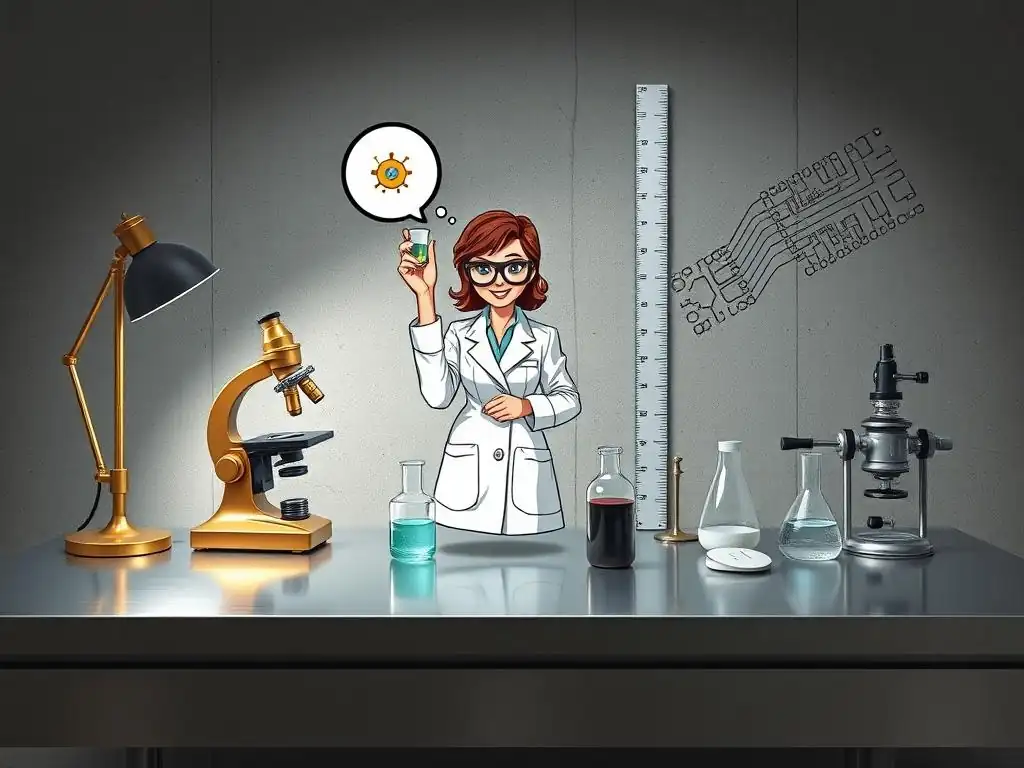
In a powerful act of subversion, women in science are increasingly using humor to reclaim their narratives, transforming from the object of ridicule into the authors and subjects of their own comedic expressions. This involves creating women in science satire that critiques systemic biases, highlights the absurdities of their experiences, and celebrates their achievements from an authentic, insider's perspective. This shift in authorship fundamentally alters the power dynamic, allowing female scientists to define their own comedic voice and articulate their realities.
Examples of this reclaiming abound: female scientists writing humorous blogs that detail the daily challenges and triumphs of lab life, creating witty social media content that goes viral, or even performing stand-up comedy about their experiences navigating male-dominated fields. This form of self-aware and empowering humor validates shared experiences, fosters a sense of community among women in STEM, and demonstrates that intelligence and humor are not mutually exclusive, directly countering historical stereotypes.
Satire as a Tool for Advocacy: Raising Awareness and Promoting Change
Satire, when wielded strategically, can be an incredibly potent tool for advocacy, particularly in addressing issues of gender inequality in science. By exaggerating societal absurdities or highlighting pervasive injustices through humor, women in science satire can effectively draw attention to complex issues like gender pay gaps, the persistent lack of representation in leadership roles, or implicit bias in hiring processes. This approach makes these often-dry and abstract issues more accessible, relatable, and impactful to a broader public audience.
Consider, for instance, a viral satirical video that humorously depicts the insurmountable challenges a female researcher faces when trying to balance motherhood with a demanding scientific career. Such a piece could spark widespread conversations, generate empathy, and even push for tangible policy changes, such as improved parental leave benefits or flexible work arrangements for scientists. By presenting harsh realities through a comedic lens, satire can bypass defensiveness and encourage critical reflection, catalyzing momentum for genuine change within scientific institutions.
Dr. Raven the Science Maven and Science Comedians: Using Humor for Education and Empowerment
Dr. Raven the Science Maven, also known as Dr. Raven Baxter, exemplifies the transformative power of using humor and creative expression to engage with science and advocate for diversity. Through her unique blend of rap music, engaging online content, and comedic skits, Dr. Baxter makes complex scientific concepts accessible and exciting, while simultaneously championing greater representation and equity in STEM. Her work showcases how women in science satire and broader comedic approaches can effectively dismantle barriers and inspire young audiences, particularly girls of color, to envision themselves in scientific careers.
Beyond Dr. Raven, a growing number of science comedians and content creators are leveraging stand-up, sketch comedy, and online video platforms to educate, entertain, and challenge prevailing stereotypes about scientists, especially female ones. These individuals demonstrate that science can be fun, relatable, and inclusive, directly countering the often-rigid or one-dimensional portrayals seen in historical and even some modern media. Their innovative use of humor serves not only to demystify science but also to empower aspiring female scientists by presenting diverse and authentic role models.
Case Studies: Examining Specific Examples of Satire and its Impact
Case Study 1: Analysis of The Bechdel Test and its Satirical Origins
The Bechdel Test, or Bechdel-Wallace Test, is a widely recognized metric for evaluating gender representation in fiction. Its origins trace back to a 1985 comic strip titled "The Rule" by Alison Bechdel, inspired by a conversation with her friend Liz Wallace.
The test applies three simple criteria to a work of fiction: 1) It must have at least two women in it, 2) who talk to each other, 3) about something besides a man. While deceptively simple, its satirical intent was to highlight the pervasive and often unnoticed lack of meaningful female representation and interaction in film and other media, including how women in science are depicted.
Despite its humble, satirical beginnings, the Bechdel Test has evolved into a powerful and enduring tool for critical analysis. Its enduring relevance demonstrates how a pointed satirical observation can transform into a significant metric for cultural critique and advocacy. The test's widespread adoption has prompted filmmakers, writers, and audiences to more consciously consider the portrayal of female characters, including scientists, encouraging the development of more complex and independent female roles rather than those solely defined by their relationships with men.
Case Study 2: Analysis of "Dilbert" Comic Strips and their Portrayal of Female Engineers
"Dilbert," the popular comic strip created by Scott Adams, is renowned for its sharp, often cynical, satire of corporate office culture, including the world of engineers and technical professionals. While the strip's primary focus isn't exclusively on gender, its portrayal of female engineers, most notably Alice, frequently touches upon the real-world challenges women face in male-dominated workplaces. These challenges include being overlooked for promotions, having their ideas appropriated by male colleagues, or navigating the often-absurd dynamics created by incompetent male management. This offers a nuanced, albeit sometimes bleak, form of women in science satire that critiques workplace dynamics.
Alice, as a highly competent but perpetually frustrated engineer, serves as a poignant reflection of the experiences of many women in STEM fields. Her interactions often highlight the subtle and overt sexism present in corporate environments, from being condescended to by male colleagues to her ideas being dismissed until repeated by a man. While "Dilbert's" humor isn't always directly about "women in science," its consistent lampooning of the corporate absurdities and gender dynamics that female engineers and scientists frequently navigate provides a relatable, satirical commentary on their professional realities.
Comparing and Contrasting the Impact of Different Satirical Approaches
Comparing the Bechdel Test's origins with "Dilbert's" ongoing commentary reveals distinct satirical approaches and impacts. The Bechdel Test, born from a direct, rule-based observation, immediately calls out a systemic issue in media representation. Its simplicity makes it an accessible and actionable tool for audiences to critically evaluate content, directly influencing how female characters, including those in science, are conceived and written to ensure more meaningful interactions beyond male characters. It encourages a conscious shift in narrative construction.
In contrast, "Dilbert" employs a more observational, often cynical, humor that typically elicits knowing nods from those who recognize the workplace absurdities it depicts. While it doesn't offer a direct "test" for representation, its consistent portrayal of characters like Alice subtly exposes the frustrations and biases experienced by women in engineering and scientific workplaces. Both forms of women in science satire, however, serve to highlight aspects of women's experiences in male-dominated professional fields, albeit through different comedic lenses—one prescriptive and the other descriptive—each contributing to a broader understanding of gender dynamics in professional life.
Recognizing and Addressing Gender Bias in Satire
In an era saturated with diverse forms of humor, from stand-up comedy to viral memes, it is increasingly crucial for audiences to develop robust media literacy when consuming women in science satire. This means cultivating the ability to discern humor that genuinely critiques societal norms and power structures from humor that merely perpetuates harmful gender stereotypes. Critical engagement involves actively questioning the underlying assumptions, targets, and implications of a joke, rather than accepting it at face value. It requires asking: "Is this joke punching up at power, or punching down at a marginalized group?"
Actively addressing biased satire is equally important. This can involve publicly calling out problematic humor, supporting and promoting alternative forms of humor that are genuinely inclusive, or engaging in constructive discussions about why certain jokes are detrimental. Fostering a cultural environment where gender bias in humor is not passively accepted but actively challenged is vital for creating truly inclusive and equitable spaces within scientific institutions and beyond. Such vigilance ensures that humor serves to uplift, not undermine, the visibility and contributions of women in science.
Promoting Inclusive and Empowering Representations of Women in Science Through Humor
To counter the historical trend of negative portrayals, it is imperative to actively promote the creation and consumption of women in science satire that is empowering, inclusive, and celebrates the multifaceted achievements and rich diversity of women in STEM. This goes beyond mere tokenism or superficial stereotypes; it demands portrayals that present female scientists as complex, intelligent, and relatable individuals with varied personalities, interests, and professional lives. Such humor should highlight their ingenuity, resilience, and unique contributions.
Examples of inclusive humor include satirical pieces that celebrate a female scientist's groundbreaking discovery, humorously poke fun at the mundane yet essential aspects of scientific research without diminishing the researcher's competence, or incisively highlight the systemic barriers women face in a way that sparks empathy and action rather than ridicule. By consciously supporting and amplifying humor that uplifts and validates the experiences of women in science, we can help shape a more positive and accurate public perception, inspiring future generations.
Media Literacy and Responsible Consumption: Strategies for Critical Engagement
Developing robust media literacy skills is essential for navigating the complex landscape of humor, especially concerning the portrayal of women in science. Practical strategies for critical engagement include considering the source of the humor, understanding its intended message, and evaluating its potential impact on different audiences. Audiences should be encouraged to ask fundamental questions: "Who is the real target of this joke?" "Does this humor reinforce harmful stereotypes or challenge them?" and "Does this joke contribute to a more inclusive understanding of women in science or detract from it?"
Furthermore, emphasizing the role of education in fostering media literacy is paramount. By teaching critical thinking skills from an early age, particularly around issues of gender, representation, and bias in media, future generations will be better equipped to analyze and interpret the women in science satire they encounter. This proactive approach empowers individuals not only to responsibly consume media but also to contribute to a cultural environment that promotes more equitable and accurate portrayals of women in all professional fields, including the sciences.
Conclusion: Humor, Satire, and the Ongoing Quest for Gender Equity in Science
The Future of Satirical Representations: Opportunities and Challenges
The journey of women in science satire has evolved significantly, from outright ridicule and dismissive caricatures to more nuanced, often critical, commentary on systemic issues. The digital age, with its myriad new media platforms and global reach, presents unprecedented opportunities for diverse voices to create and share humor that actively challenges harmful stereotypes and celebrates the invaluable contributions of women in science. These platforms allow for a democratization of comedic expression, enabling female scientists themselves to shape their narratives through satire.
However, despite the progress made, deeply ingrained biases persist within society and, consequently, within humorous portrayals. Satire, if not wielded with critical awareness, can still be misused to perpetuate these biases and undermine the efforts towards gender equity. The ongoing challenge lies in maintaining constant vigilance and actively promoting positive, empowering representations. Ensuring that humor consistently serves to advance, rather than hinder, the cause of gender equity in science requires a sustained commitment from creators and consumers alike.
Continuing the Conversation: Fostering a More Nuanced Understanding of Women in Science
The discourse surrounding humor and the portrayal of women in science is not static; it is a dynamic and ongoing conversation that reflects societal shifts and evolving understandings of gender roles. It is crucial to encourage continued dialogue about how humor shapes public perceptions, influences career choices, and impacts the experiences of women in STEM. By fostering open discussions, we can collectively leverage humor as a powerful force for good, using it to highlight disparities, celebrate achievements, and build a more inclusive scientific community.
Ultimately, understanding and engaging critically with women in science satire is essential for anyone committed to gender equity in the scientific fields. By recognizing the power of humor in shaping culture and policy, we can contribute to a future where women in science are not only celebrated for their brilliance and contributions but are also portrayed authentically and respectfully across all forms of media, without reservation or reductive stereotypes. This nuanced understanding is key to truly valuing and supporting all women in science.
Frequently Asked Questions
What is the main focus of WomenInScienceHistory.com?
The site primarily focuses on celebrating the contributions of women to various scientific fields throughout history. It features biographies, discussions on their work, and highlights the challenges they faced.
Why is WomenInScienceHistory.com interested in the topic of "Women in Science Satire"?
The website explores how women in science are portrayed in humor and satire, examining if it reinforces or challenges gender stereotypes and power imbalances. This directly relates to the site's core mission of showcasing their contributions and struggles.
What kind of content does WomenInScienceHistory.com offer?
The platform provides biographies of pioneering female scientists, analyses of their groundbreaking work, and discussions on the obstacles they overcame in male-dominated fields. It also aims to inspire future generations by showcasing these stories.
What challenges did women in science typically face, as described on WomenInScienceHistory.com?
Women scientists often encountered discrimination and bias in male-dominated environments. They struggled for recognition, access to resources, and were frequently overlooked or underestimated in their fields.
How does WomenInScienceHistory.com hope to impact its audience?
The site aims to inspire future generations by highlighting the often-overlooked narratives of women in science. By showcasing their achievements and struggles, it seeks to promote gender equality in STEM and foster a more inclusive scientific community.
Final Reflection: The Enduring Power of Laughter in Science
The exploration of humor and satire in the portrayal of women in science reveals a complex landscape, one where laughter can both illuminate and obscure. The insights gained from analyzing these comedic representations are not merely academic; they are profoundly relevant today, as we continue to grapple with issues of representation, bias, and the persistent underestimation of women's contributions to scientific progress.
This journey through comedic lenses has underscored the delicate balance between humor and harm. It's become clear that satire, while potentially powerful in dismantling stereotypes, can also inadvertently reinforce them, particularly when dealing with marginalized groups. The ongoing debate surrounding the portrayal of women in science reflects a broader societal struggle for equality and recognition. Humor is a double-edged sword; it can be used to liberate or to oppress.
- Terry Pratchett
As we close this examination, let us not dismiss the power of laughter, but rather wield it with intention and awareness. Consider the narratives you consume, the jokes you share, and the images you perpetuate. Are they contributing to a more inclusive and equitable understanding of women in science, or are they inadvertently perpetuating harmful stereotypes? The future of science, and indeed, the future of our society, depends on our ability to see the humor, challenge the bias, and champion the brilliance of all who contribute to the pursuit of knowledge.
Unleash Your Inner Wit: Celebrate Women in Science Through Humor!
Thank you for diving into the fascinating world of humor and its portrayal of women in science. Now that you've explored the complexities and nuances, it's time to put that knowledge into action and champion a more balanced and inclusive narrative.
Here's how you can continue the journey:
- Share your favorite science joke featuring a woman scientist – let's flood the internet with positive and witty representations!
- Explore WomenInScienceHistory.com further. Discover unsung heroines and hidden gems that defy stereotypes and inspire future generations.
- Start a conversation with your friends or family: how can we use humor to break down barriers and celebrate diversity in STEM?
What's one small step you can take today to use humor to champion a more positive image of women in science?