
From Lab Coats to Camouflage: Women Chemists Revolutionizing Military Materials

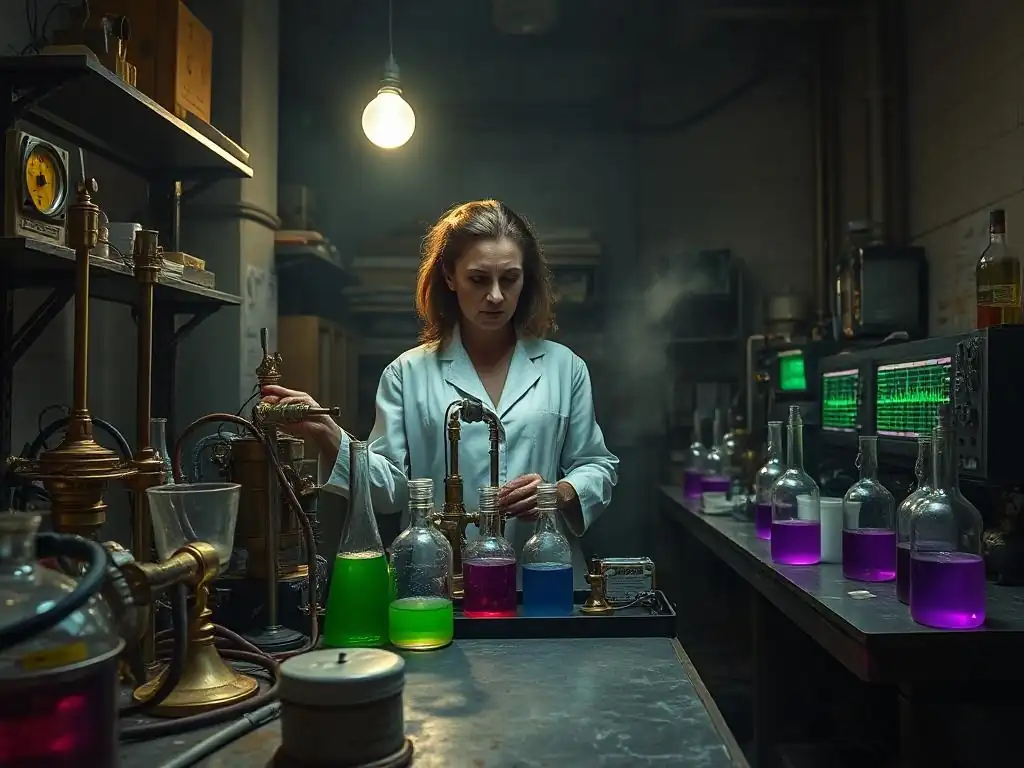
Welcome to WomenInScienceHistory.com, where we unearth the untold stories of remarkable women who shaped the world of science!
Dive into a fascinating corner of history with our latest exploration: From Lab Coats to Camouflage: Women Chemists Revolutionizing Military Materials. Discover how pioneering female chemists, often working behind the scenes, played a pivotal role in developing crucial materials during wartime. Their contributions to women chemists wartime material science are groundbreaking and often overlooked. Curious to learn how they transformed everyday substances into vital tools of defense and innovation? Read on to uncover their ingenuity and resilience.
- Introduction: The Unsung Heroines of Wartime Material Science
- Early Pioneers: Women Chemists Breaking Barriers in the 20th Century
- Synthetic Chemistry and Explosives: Women's Contributions to Powerful New Materials
- Protective Gear and Fabrics: Women Chemists Innovating for Soldier Safety
- Camouflage and Stealth Technology: Women's Role in Deception and Concealment
- Beyond the Battlefield: Women Chemists and Post-War Material Science
- Challenges and Triumphs: Stories of Resilience and Innovation
- Modern Era: Women Continuing the Legacy in Defense Chemistry
- Conclusion: Celebrating the Enduring Contributions of Women Chemists
-
Frequently Asked Questions
- What role did women chemists play in developing wartime materials during past conflicts?
- What were some of the specific scientific advancements led by women in the field of wartime material science?
- What challenges did women face in pursuing chemistry and material science during wartime periods?
- How did the contributions of women chemists impact the outcome of wars and conflicts?
- How does "WomenInScienceHistory.com" aim to highlight and celebrate the achievements of women chemists in wartime material science?
- Final Reflection: Forging Strength in Science
- Ignite Your Inner Innovator: Shape the Future of Defense!
Introduction: The Unsung Heroines of Wartime Material Science
Highlighting the Role of Women Chemists in Military Innovation
The annals of military history are replete with tales of strategic brilliance and technological prowess, yet the crucial contributions of a specific group often remain in the shadows: women chemists. During times of conflict, the demand for novel and improved materials skyrocketed, pushing the boundaries of scientific innovation. It was in this crucible of necessity that many brilliant female minds stepped forward, transforming laboratories into critical fronts for national defense.
Their work, ranging from the synthesis of powerful explosives to the development of life-saving protective gear, fundamentally altered the landscape of warfare and underscores the profound impact of women chemists wartime material science. These unsung heroines engineered solutions that provided a decisive edge, often under immense pressure and with limited resources.
Recognizing Female Contributions to Defense
The exigencies of war frequently necessitated a societal shift, opening doors that had previously been closed to women in scientific fields. As male scientists and engineers were deployed to the front lines, women were increasingly recruited into research institutions, government laboratories, and industrial settings to fill the void. This pivotal moment allowed them to apply their formidable intellect and rigorous training to pressing military challenges.
Their work was not merely supplementary; it was foundational to advancements in everything from munitions and propellants to specialized fabrics and chemical defense. Recognizing these female contributions to defense is essential for a complete understanding of scientific progress during wartime, highlighting how their dedication and ingenuity were indispensable to the war effort and the evolution of military technology.
Early Pioneers: Women Chemists Breaking Barriers in the 20th Century
Early 20th Century Timeline and Key Figures
The early 20th century, particularly during World War I, marked a significant, albeit challenging, entry point for women into industrial and governmental chemistry. While precise figures for individual contributions to specific military material innovations are often obscured by historical record-keeping, the sheer increase in women employed in chemical roles is undeniable.
For instance, the British Ministry of Munitions, established in 1915, employed thousands of women in factories and laboratories, many of whom were engaged in handling and improving explosives like TNT and cordite. In the United States, figures like Dr. Elizabeth Hazen, who later co-developed Nystatin, began her career in chemistry during this period, contributing to foundational research that indirectly supported wartime needs by advancing chemical understanding.
These women were not just factory workers; many held degrees in chemistry and applied their knowledge to quality control, process improvement, and the initial development of new compounds, laying the groundwork for more complex innovations in women chemists wartime material science.
Overcoming Gender Bias in Scientific Research During Wartime
Despite the urgent demand for scientific talent during wartime, women chemists still faced significant gender bias. They were often relegated to less visible roles, paid less than their male counterparts, and struggled for professional recognition. However, the critical nature of their work often forced institutions to acknowledge their competence.
The urgency of developing new materials for the war effort sometimes superseded traditional prejudices, allowing women to demonstrate their capabilities in high-stakes environments. For example, the meticulous work of female analytical chemists ensuring the purity and stability of explosive compounds was directly linked to the safety and effectiveness of munitions. Their perseverance in laboratories and research facilities, often working long hours in hazardous conditions, gradually chipped away at the prevailing skepticism, proving that scientific acumen knew no gender and solidifying their place in the burgeoning field of women chemists wartime material science.
Synthetic Chemistry and Explosives: Women's Contributions to Powerful New Materials
Developing New Explosives and Propellants
The development of advanced explosives and propellants was paramount to military superiority, and women chemists played a pivotal role in this dangerous but crucial field. During World War II, for example, the demand for more stable and powerful energetic materials spurred intensive research. Female scientists were instrumental in the synthesis, purification, and testing of compounds like RDX (Research Department Explosive), a highly powerful and stable explosive, and various formulations of propellants for artillery shells and rockets.
Their work involved intricate organic synthesis and meticulous analysis to ensure consistent performance and safety. For instance, teams including women chemists at facilities like the Picatinny Arsenal in the U.S. contributed to improving the manufacturing processes for these compounds, increasing production efficiency and reducing hazards, thereby directly enhancing the destructive power and reliability of Allied weaponry.
The Importance of Synthetic Chemistry in Military Applications
Beyond raw explosive power, synthetic chemistry, heavily advanced by women, was critical across a broad spectrum of military applications. This included the development of new fuels that offered higher energy density or better performance in extreme conditions, and lubricants that ensured the smooth operation of complex machinery in tanks and aircraft. Furthermore, early work on synthetic polymers, a field in which many women chemists excelled, contributed to non-metallic components for munitions and equipment, reducing weight and improving durability.
The ability to synthesize new molecules with specific properties allowed for tailored solutions to military problems, from improving the range of projectiles to increasing the lifespan of critical engine parts. The fundamental understanding and application of synthetic chemistry by these women were indispensable to the technological leap forward seen in modern warfare, profoundly impacting the field of women chemists wartime material science.
Protective Gear and Fabrics: Women Chemists Innovating for Soldier Safety
Designing and Improving Protective Clothing
The safety of soldiers on the battlefield became a paramount concern, driving innovations in protective gear and fabrics. Women chemists were instrumental in the research and development of new materials designed to withstand extreme conditions, from harsh weather to ballistic impacts. Their work focused on creating textiles that were not only durable and lightweight but also offered specific protective qualities.
For instance, research into synthetic fibers like nylon and rayon, which saw significant development during the mid-20th century, led to stronger parachutes, more resilient uniforms, and improved tent materials. These chemists worked on chemical treatments for fabrics to make them water-repellent, flame-retardant, or more resistant to tearing, directly contributing to the comfort, survival, and operational effectiveness of military personnel in diverse environments.
Chemical Warfare Defense
The specter of chemical warfare loomed large throughout the 20th century, prompting intense research into defense mechanisms. Women chemists were at the forefront of developing countermeasures and protective equipment against these insidious threats. Their contributions included designing and improving the filters for gas masks, ensuring they could effectively neutralize a wide array of toxic agents while allowing soldiers to breathe.
This involved intricate understanding of chemical adsorption and reaction kinetics. Furthermore, they worked on decontaminants for skin and equipment, as well as developing materials for chemical protective suits that could resist penetration by liquid or gaseous agents. The meticulous work of these female scientists in developing robust chemical warfare defense mechanisms directly saved countless lives and significantly reduced the psychological impact of chemical attacks, marking a crucial chapter in women chemists wartime material science.
Camouflage and Stealth Technology: Women's Role in Deception and Concealment
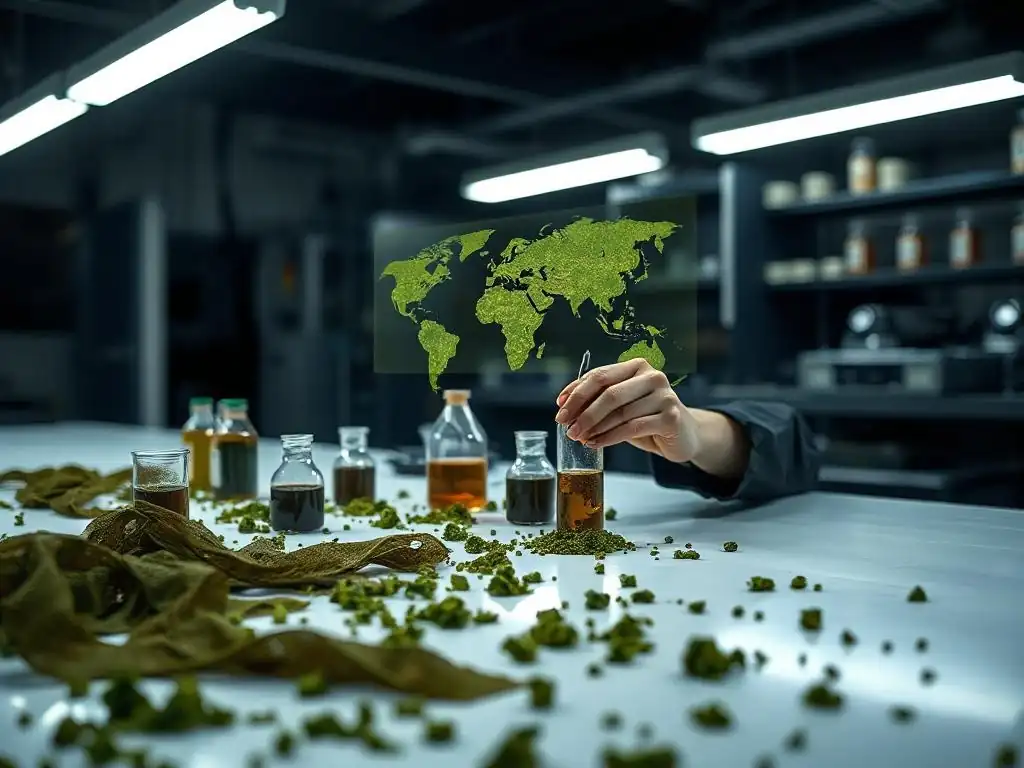
Developing Effective Camouflage Patterns and Materials
Deception and concealment have always been critical elements of military strategy, and women chemists played a vital role in advancing camouflage technology. Their expertise was crucial in developing dyes and pigments that could effectively mimic natural environments, allowing soldiers, vehicles, and equipment to blend seamlessly into diverse landscapes.
This involved understanding light reflection, color theory, and material science to create patterns that disrupted visual outlines and minimized detection. For example, during World War II, chemists worked on formulations for paints and fabric dyes that would remain effective across varying light conditions, from bright daylight to twilight, significantly improving the effectiveness of ground forces and naval vessels in avoiding enemy observation.
Innovations in Radar-Absorbing Materials and Stealth Technologies
While the most significant advancements in stealth technology emerged later in the 20th century, the foundational chemical principles were being explored much earlier, with women chemists contributing to this nascent field. Early research into radar-absorbing materials involved developing coatings and paints that could dissipate or absorb electromagnetic waves, rather than reflecting them. Chemists experimented with various compounds, including carbon-based materials and specific polymers, to create surfaces that reduced radar signatures.
Though not as sophisticated as modern stealth coatings, these initial forays into radar absorption laid the groundwork for future breakthroughs. The scientific rigor and innovative thinking applied by women in these early stages were essential for understanding the chemical properties required for effective concealment against electronic detection, marking another area of impact for women chemists wartime material science.
Beyond the Battlefield: Women Chemists and Post-War Material Science
Applying Wartime Innovations to Peacetime Applications
The intense research and development spurred by wartime needs often have profound implications for peacetime applications, and the work of women chemists is a prime example. Many innovations in military material science found new life in civilian industries.
For instance, the advancements in synthetic polymers and textiles developed for uniforms, parachutes, and protective gear quickly transitioned into consumer products like durable clothing, household fabrics, and even early plastics used in appliances. Similarly, improvements in chemical synthesis techniques, honed for explosives or propellants, found application in pharmaceuticals, agricultural chemicals, and the burgeoning petrochemical industry, leading to a proliferation of new products and processes that enhanced daily life.
The Legacy of Women Chemists in Military Research and Development
The legacy of women chemists in military research and development extends far beyond the immediate wartime effort. Their contributions established new methodologies, opened up entire fields of material science, and proved the invaluable role of diverse perspectives in scientific innovation.
The foundations they laid in areas like polymer chemistry, analytical chemistry, and the synthesis of complex organic compounds continue to influence modern defense research, from advanced composites for aerospace to nanotechnology for next-generation sensors. Their work not only protected soldiers and advanced military capabilities but also significantly shaped the trajectory of chemical science, ensuring that their pioneering spirit and intellectual prowess left an indelible mark on both military and civilian technological progress.
Challenges and Triumphs: Stories of Resilience and Innovation
Anecdotes of Women Chemists Overcoming Obstacles
The path for women chemists in wartime material science was rarely smooth. They often faced systemic discrimination, including lower pay, limited opportunities for advancement, and professional skepticism from male colleagues. Despite holding advanced degrees and demonstrating exceptional skill, their contributions were frequently undervalued or attributed to men. For instance, many worked in hazardous conditions, handling volatile chemicals without adequate recognition or safety protocols that would be standard today.
Yet, their resilience was remarkable. Stories, though often generalized due to lack of specific individual documentation, highlight their ingenuity in solving complex problems under immense pressure, such as adapting existing industrial processes for military-grade material production or devising novel analytical methods to ensure product quality. Their dedication to the scientific method and unwavering commitment to the war effort allowed them to overcome these formidable obstacles.
Recognizing the Lasting Impact of Women's Contributions to Military Material Science
The lasting impact of women's contributions to military material science is profound and continues to resonate in modern defense strategies. Their efforts led directly to the development of stronger, lighter, and more protective materials that saved countless lives on the battlefield. From innovations in high explosives that defined artillery power, to the creation of advanced textiles for uniforms that offered better protection against the elements and chemical agents, their work was foundational.
The meticulous chemical analysis that ensured the reliability and safety of these materials was also largely their domain. Recognizing these contributions is not just about historical accuracy; it is about acknowledging the critical role that a diverse scientific workforce plays in national security and technological advancement, ensuring that the legacy of women chemists wartime material science is celebrated and inspires future generations.
Modern Era: Women Continuing the Legacy in Defense Chemistry
Contemporary Women Chemists in Military Research and Development
In the modern era, women chemists continue to be at the forefront of military research and development, building upon the legacy of their pioneering predecessors. Today, female scientists are integral to cutting-edge defense chemistry, working on highly sophisticated projects that address contemporary security challenges. This includes the development of advanced composite materials for stealth aircraft and armored vehicles, nanotechnology for lighter and stronger components, and smart materials that can adapt to changing conditions.
They are also crucial in the field of bio-defense, developing sensors for biological agents and countermeasures against emerging threats. Institutions like the Defense Advanced Research Projects Agency (DARPA) and various national laboratories employ numerous women in leadership and research roles, demonstrating their continued vital presence in shaping future military capabilities.
The Future of Women in Wartime Material Science and National Security
The future of women in wartime material science and national security is increasingly bright and indispensable. As global threats evolve, the demand for innovative chemical solutions, from advanced energy storage for military operations to novel protective coatings for personnel and equipment, will only grow.
Women chemists are poised to lead in these critical areas, bringing diverse perspectives and intellectual rigor to complex problems. Initiatives to encourage more young women to pursue STEM fields are strengthening the pipeline of talent, ensuring that the critical contributions of women chemists wartime material science will continue to drive advancements in defense and national security, shaping a safer and more technologically advanced future.
Conclusion: Celebrating the Enduring Contributions of Women Chemists
Reinforcing the Importance of Recognizing Female Scientists in Military History
The journey from the early 20th century's nascent chemical labs to today's sophisticated defense research facilities reveals a consistent and invaluable thread: the enduring contributions of women chemists. Often working in the background, facing formidable societal and professional barriers, these remarkable individuals revolutionized military materials. From the synthesis of powerful explosives that reshaped battlefields to the creation of life-saving protective gear and the development of advanced camouflage techniques, their scientific prowess was instrumental in countless innovations.
Reinforcing the importance of recognizing these female scientists in military history is not merely an act of historical correction; it is a vital acknowledgment of the diverse talent that drives scientific progress and ensures that the full narrative of human ingenuity in times of crisis is understood. The legacy of women chemists wartime material science is a testament to their resilience, intellect, and profound impact on global security.
Frequently Asked Questions
What role did women chemists play in developing wartime materials during past conflicts?
Women chemists played a crucial role, contributing significantly to the research and development of new materials like synthetic rubber, explosives, and even camouflage techniques. Their work was essential for military advancements and resource management.
What were some of the specific scientific advancements led by women in the field of wartime material science?
They were instrumental in improving the stability and effectiveness of existing materials, as well as developing entirely new compounds. This included advancements in explosives, protective coatings, and synthetic alternatives to scarce resources.
What challenges did women face in pursuing chemistry and material science during wartime periods?
Women faced significant gender discrimination and were often relegated to support roles, despite their skills. Access to resources and recognition was limited compared to their male counterparts.
How did the contributions of women chemists impact the outcome of wars and conflicts?
Their contributions were vital for sustaining war efforts, providing essential materials and technologies. Their work often led to improved weaponry, protective gear, and resource management, directly impacting the outcome of conflicts.
How does "WomenInScienceHistory.com" aim to highlight and celebrate the achievements of women chemists in wartime material science?
The website features biographies, articles, and discussions focusing on the groundbreaking work of these women. It aims to inspire future generations and correct the historical record by showcasing their often-overlooked contributions.
Final Reflection: Forging Strength in Science
The journey from lab coats to camouflage, as explored in this article, highlights the unyielding dedication of women chemists in wartime material science. It's a testament to their often-overlooked contributions, proving that innovation and resilience can flourish even amidst the most challenging circumstances. Their work not only shaped the materials of war but also paved the way for future generations of women in STEM, demonstrating that scientific prowess knows no gender.
The impact of these women extends far beyond the battlefield. Their ingenuity and perseverance continue to inspire a more inclusive and diverse scientific community. Their stories remind us that progress is often built on the shoulders of those who dared to challenge the status quo. Science knows no country, because knowledge belongs to humanity, and is the torch which illuminates the world.
- Louis Pasteur. This quote perfectly encapsulates the spirit of these women, who transcended societal limitations to contribute to a greater cause.
Now, consider the legacy of these pioneering women. How can we, in our own lives, champion inclusivity and innovation in STEM fields? Let us strive to create environments where every voice is heard, every talent is nurtured, and every individual has the opportunity to contribute to a brighter, more equitable future, forging strength not just in materials, but in the very fabric of our society.
Ignite Your Inner Innovator: Shape the Future of Defense!
Thank you for exploring the groundbreaking contributions of women chemists in shaping military materials. You've uncovered a world of innovation and dedication, and now it's time to channel that inspiration.
Here’s how you can contribute to this fascinating field:
- Dive Deeper: Research a specific military material pioneered by a woman chemist and share your findings in a blog post or social media thread.
- Inspire the Next Generation: Mentor a young woman interested in STEM, showcasing the exciting possibilities within chemistry and materials science.
- Advocate for increased funding and recognition of women's contributions in scientific research, ensuring diverse voices shape future innovations.
What specific area of military materials innovation sparks your curiosity the most, and how will you explore it further?