
Overcoming Hurdles: The Grit and Genius of Early Women in Agricultural Engineering

Welcome to WomenInScienceHistory.com!
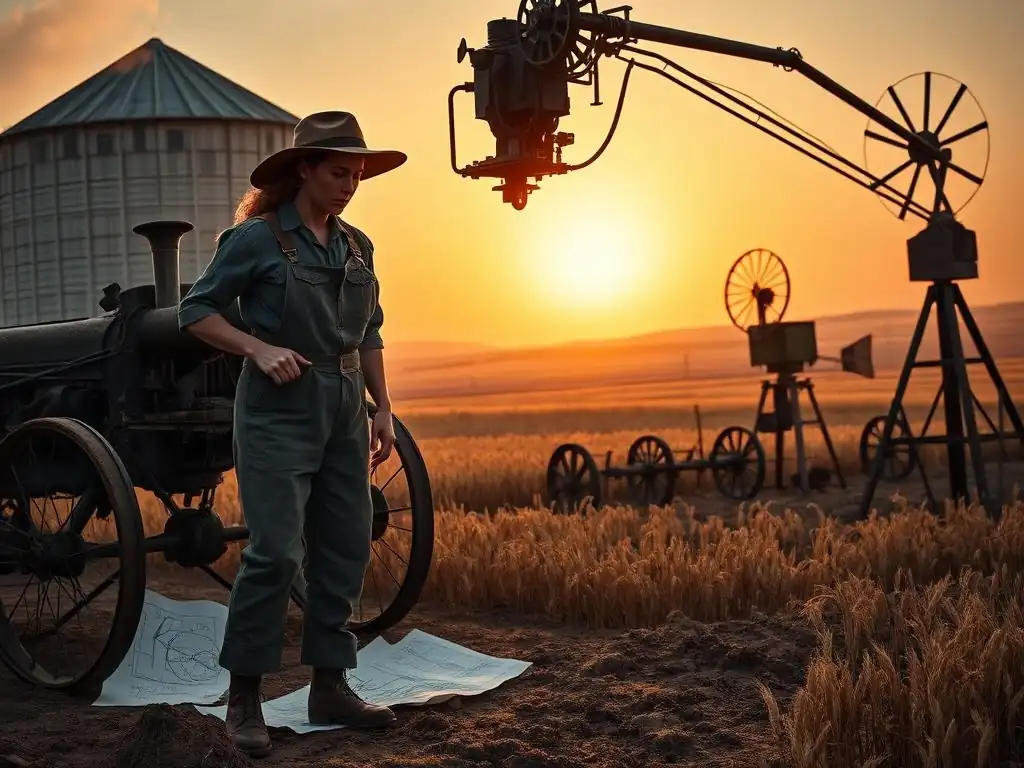
Discover the untold stories of brilliance and resilience! This week, we delve into the fascinating world of Early women agricultural engineering, exploring how these unsung pioneers defied expectations and revolutionized farming practices. But what innovations did they champion, and what obstacles did they conquer in a field historically dominated by men? Prepare to be inspired as we unearth their groundbreaking contributions and the challenges they overcame, revealing a legacy that deserves to be celebrated.
- Introduction: Recognizing the Pioneering Role of Early Women in Agricultural Engineering
- The Landscape of Early Agricultural Engineering: A Male-Dominated Field
- Trailblazing Women: Profiles of Early Female Agricultural Engineers
- Key Innovations and Contributions by Early Women in Agricultural Engineering
- The Impact of Early Women Agricultural Engineers on Modern Agriculture
- The Importance of Recognizing and Celebrating Early Women in Agricultural Engineering
- Conclusion: Honoring the Enduring Legacy of Early Women in Agricultural Engineering
-
Frequently Asked Questions
- What were some of the biggest obstacles early women in agricultural engineering faced?
- What kind of groundbreaking work did these women accomplish in agricultural engineering?
- Why is it important to highlight the contributions of early women agricultural engineers?
- What are some examples of fields within agricultural engineering that women pioneers excelled in?
- How did the social climate of the time impact the careers of these pioneering women?
- Final Reflection: Cultivating a Legacy of Innovation
- Unleash Your Inner Pioneer: Start Building the Future Now!
Introduction: Recognizing the Pioneering Role of Early Women in Agricultural Engineering
Highlighting the Undervalued Contributions of Women in Agricultural Engineering History
For too long, the narratives of scientific and engineering progress have predominantly featured male figures, often sidelining or completely omitting the invaluable contributions of women. This oversight is particularly stark in fields like agricultural engineering, where the foundational work of early women agricultural engineering professionals in areas ranging from food preservation to farm efficiency has been crucial yet largely unrecognized. Their ingenuity and perseverance laid significant groundwork for modern agricultural practices.
These pioneering women navigated immense societal and professional barriers, pushing boundaries in what were considered exclusively male domains. Despite lacking formal titles or widespread recognition, their practical applications of scientific principles directly improved rural life, enhanced food security, and streamlined agricultural processes. Their stories are vital to understanding the full scope of innovation that shaped the agricultural sector.
WomenInScienceHistory.com: Championing the Legacies of Female Engineers
WomenInScienceHistory.com is dedicated to rectifying these historical omissions, bringing to light the extraordinary achievements of female scientists and engineers across various disciplines. By meticulously researching and presenting the biographies and groundbreaking work of these unsung heroines, the platform aims to provide a more accurate and inclusive historical record. This mission is particularly important for celebrating the often-overlooked legacies of early women agricultural engineering trailblazers.
Through detailed profiles and discussions of their contributions, WomenInScienceHistory.com seeks not only to honor the past but also to inspire future generations. By showcasing the grit and genius of women who defied expectations and excelled in challenging fields, the website demonstrates that innovation knows no gender, encouraging young women to pursue their own passions in STEM and contribute to future scientific advancements.
The Landscape of Early Agricultural Engineering: A Male-Dominated Field
Societal Barriers and Gender Bias Faced by Women in STEM
In the late 19th and early 20th centuries, societal norms rigidly prescribed women's roles, largely confining them to the domestic sphere. Pursuing a career in science, and especially in a practical, hands-on field like agricultural engineering, was met with significant resistance and pervasive gender bias. Women who dared to enter these domains often faced ridicule, skepticism, and outright discrimination from male colleagues, professors, and professional organizations.
Beyond overt prejudice, women encountered systemic barriers such as limited access to professional networks, mentorship opportunities, and funding for their research or projects. Even when they managed to secure positions, their work was frequently undervalued or attributed to male counterparts, making it incredibly difficult for early women agricultural engineering professionals to gain the recognition they deserved and advance their careers.
The Limited Opportunities for Women in Engineering Education
Access to formal engineering education was a substantial hurdle for women during this period. Very few universities admitted women into their engineering programs, and those that did often imposed strict quotas or channeled female students into "softer" sciences or home economics, rather than core engineering disciplines. For instance, in the early 1900s, less than 1% of all engineering degrees in the United. States were awarded to women, making the path to becoming an agricultural engineering professional exceptionally narrow.
Even within educational institutions, female students frequently encountered an unwelcoming environment. They might have been denied access to certain laboratories, excluded from practical fieldwork, or subjected to discriminatory remarks from instructors and male peers. This lack of equitable educational opportunities severely limited the number of women who could formally train and pursue careers in fields like early women agricultural engineering.
Trailblazing Women: Profiles of Early Female Agricultural Engineers
Elsie Eaves: A Pioneer in Irrigation and Drainage Engineering
Key Contributions and Innovations of Elsie Eaves
Elsie Eaves, born in 1898, was a trailblazing civil engineer whose work, though not exclusively titled "agricultural engineering," profoundly impacted the infrastructure vital to agriculture. As the first female associate member of the American Society of Civil Engineers (ASCE) in 1927, Eaves made significant contributions through her meticulous analysis of construction costs and trends. Her role as the manager of the Engineering News-Record's market survey department involved compiling vast amounts of data on construction projects, including those related to irrigation systems, dams, and rural development, providing crucial economic insights for large-scale infrastructure planning.
Her expertise in construction economics was instrumental in understanding the feasibility and efficiency of projects that directly supported agricultural expansion and productivity. For example, her detailed reports on the costs of waterworks and sewerage systems, while serving broader civil engineering purposes, were directly applicable to improving water management and sanitation in agricultural regions. This analytical approach helped optimize resource allocation for vital agricultural engineering infrastructure.
Overcoming Obstacles: Elsie Eaves's Journey in Agricultural Engineering
Elsie Eaves graduated with an engineering degree from the University of Colorado in 1920, at a time when very few women pursued such rigorous technical education. Throughout her extensive career, she consistently navigated male-dominated environments, often being the sole woman in professional meetings or on job sites. She faced the pervasive skepticism of her era, where many doubted a woman's capacity for complex engineering calculations and practical project management.
Despite these challenges, Eaves's perseverance and undeniable competence allowed her to forge a distinguished career spanning decades, including her influential work at Engineering News-Record until her retirement in 1963. Her journey exemplifies the immense grit required for early women agricultural engineering adjacent professionals to not only succeed but also to carve out a respected place in the engineering world.
Caroline Alden Huling: Revolutionizing Home Economics and Rural Sanitation
The Impact of Caroline Alden Huling's Work on Rural Communities
Caroline Alden Huling (1852-1940) was a prominent figure in the home economics movement whose work had profound, though often indirect, implications for agricultural engineering, particularly in the realm of rural sanitation and farmstead efficiency. Huling championed practical improvements for farm families, advocating for modern amenities and hygienic practices that directly enhanced public health and living conditions in agricultural communities. She emphasized the importance of clean water sources, proper waste disposal systems, and efficient kitchen designs, recognizing their direct impact on the well-being and productivity of rural inhabitants.
Her advocacy extended to practical considerations like ventilation, lighting, and the overall layout of farm homes to minimize labor and promote health. Huling's efforts helped transition rural homesteads from rudimentary, often unsanitary, environments to more organized and hygienic living spaces, significantly reducing the incidence of waterborne diseases and improving the quality of life for countless farm families.
Challenges and Triumphs: Caroline Alden Huling's Story
Caroline Alden Huling operated in a period when "engineering" was narrowly defined and rarely associated with women's work, even when their contributions involved the practical application of scientific principles to improve physical environments. She faced the challenge of translating academic and scientific knowledge into actionable, accessible advice for rural populations who were often resistant to change or lacked resources for significant upgrades.
Despite these hurdles, Huling's tireless work, often disseminated through publications, lectures, and community outreach, achieved significant triumphs. She successfully raised awareness about the critical link between sanitation and health, empowering rural women to implement changes that had tangible, positive effects on their families and communities. Her legacy underscores how early women agricultural engineering adjacent efforts, even without formal engineering titles, profoundly shaped the development of rural infrastructure and living standards.
Mary Engle Pennington: Shaping Food Safety and Preservation
Mary Engle Pennington's Legacy: Inspiring Future Generations of Scientists
Mary Engle Pennington (1872-1952), a brilliant chemist and bacteriologist, made groundbreaking contributions to food safety and preservation, areas intrinsically linked to the post-harvest aspects of agricultural engineering. Her pioneering work revolutionized the handling, storage, and transportation of perishable foods, particularly eggs and poultry, significantly reducing spoilage and the incidence of foodborne illnesses. Pennington's meticulous research and practical innovations established foundational principles for the modern cold chain, ensuring that agricultural products could reach consumers safely and efficiently.
Her legacy extends far beyond her direct scientific contributions. Pennington served as an inspiring role model, demonstrating that women could achieve scientific excellence and lead significant practical advancements in critical industries. Her unwavering dedication to public health and scientific rigor continues to motivate future generations of scientists and engineers, particularly those interested in the complex challenges of food systems and agricultural engineering.
The Significance of Mary Engle Pennington's Research
Pennington's most significant research focused on the effects of temperature on food preservation. Working for the U.S. Department of Agriculture, she developed precise standards for refrigeration and hygiene in food processing and transportation. A notable achievement was her design for the "Pennington egg car" in 1908, a refrigerated railway car that drastically improved the conditions for transporting eggs. This innovation reduced spoilage rates during transit from an estimated 15-20% to less than 5%, a monumental economic and public health improvement for the agricultural sector.
Her work was critical in establishing a scientific basis for food inspection and regulation, transforming an industry plagued by high spoilage rates and inconsistent quality. By combining rigorous laboratory research with practical, large-scale application, Pennington's contributions directly impacted the viability and profitability of agricultural distribution, solidifying her place as a pivotal figure in the history of early women agricultural engineering adjacent science.
Key Innovations and Contributions by Early Women in Agricultural Engineering
Advancements in Rural Sanitation and Public Health
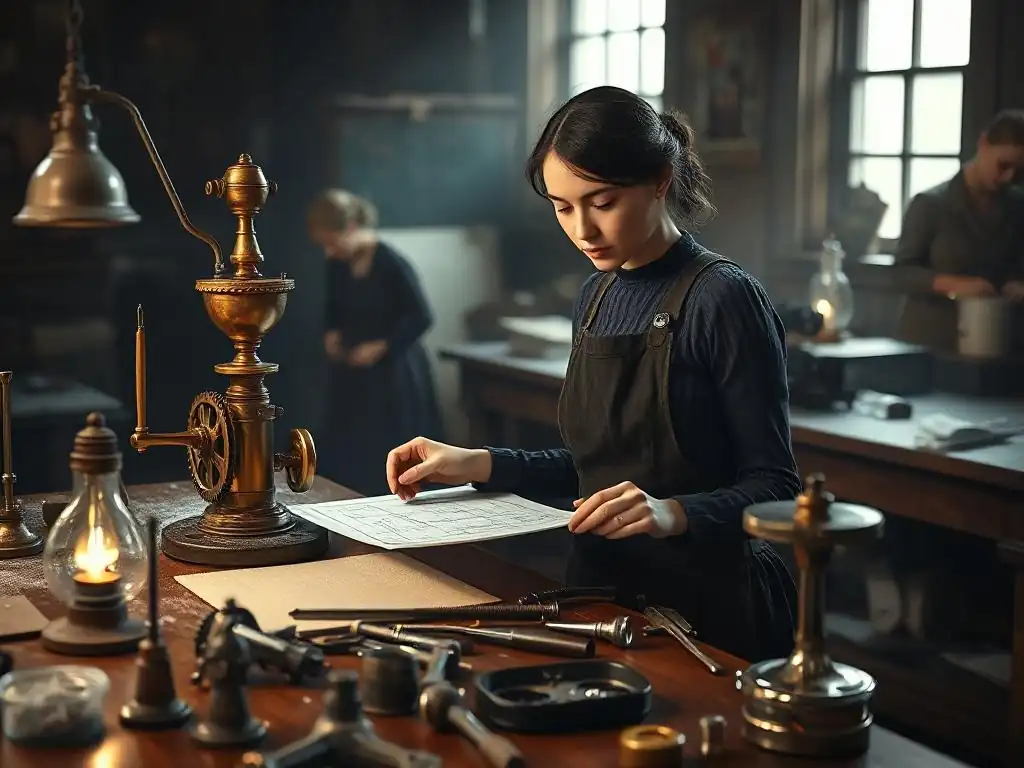
Early women agricultural engineering advocates, often operating within the sphere of home economics and public health, spearheaded crucial advancements in rural sanitation. They championed the adoption of safe water sources, advocating for protected wells and the proper disposal of wastewater, which directly combated prevalent diseases like typhoid and dysentery in underserved farming communities. Their efforts extended to promoting hygienic practices within farm homes and advocating for the installation of rudimentary indoor plumbing systems.
These efforts were instrumental in transforming basic farmsteads into healthier living environments. By emphasizing proper ventilation, pest control, and the segregation of animal waste from living quarters, these women significantly reduced the spread of illness and improved the overall quality of life for millions of rural Americans. Their practical application of scientific principles laid foundational groundwork for modern environmental agricultural engineering practices.
Contributions to Food Safety and Preservation Techniques
The contributions of early women agricultural engineering experts, particularly in chemistry and bacteriology, were revolutionary for food safety and preservation. Mary Engle Pennington's groundbreaking work on cold storage and transportation, for instance, fundamentally altered how perishable agricultural goods were handled. Before her innovations, a substantial portion of produce would spoil before reaching consumers, leading to significant economic losses for farmers and limited access to fresh food for urban populations.
Pennington's methods, which included precise temperature and humidity controls for refrigerated transport and storage, led to a dramatic reduction in food waste. Her research not only extended the shelf life of agricultural products but also ensured their safety, directly benefiting the profitability of the agricultural sector and providing a more consistent, safer food supply for the general public. This was a direct and profound application of scientific principles to agricultural engineering challenges.
Innovations in Irrigation and Drainage Systems
While direct agricultural engineering roles were scarce for women in the early 20th century, professionals like Elsie Eaves, through their broader civil engineering expertise, contributed significantly to the foundational infrastructure necessary for agricultural prosperity. Eaves's meticulous work in analyzing construction costs and economic feasibility of large-scale projects provided crucial insights for the efficient development of irrigation and drainage systems, which are paramount for productive agriculture.
Efficient water management is essential for maximizing crop yields and preventing land degradation, especially in regions prone to drought or flooding. Eaves's rigorous economic analyses, though not always involving direct design of canals, informed the planning and financial viability of such vital agricultural infrastructure projects. Her work ensured that resources were allocated effectively for land reclamation and improved crop yields, indirectly but significantly advancing agricultural engineering practices.
The Impact of Early Women Agricultural Engineers on Modern Agriculture
Shaping Food Safety Standards and Practices
The rigorous standards and innovative techniques championed by early women agricultural engineering pioneers, especially Mary Engle Pennington, laid the bedrock for contemporary food safety protocols. Her foundational research into refrigeration, microbial control, and hygienic handling directly informs the design of modern cold storage facilities, refrigerated transport vehicles, and food processing plants globally. The principles she established are embedded in international food safety regulations and industry best practices.
Today's complex and expansive food supply chain, valued at trillions of dollars annually, relies heavily on the cold chain logistics and safety measures she pioneered. From the farm gate to the consumer's table, the dramatic reduction in foodborne illnesses and spoilage is a direct legacy of her relentless pursuit of scientific accuracy and practical application. Her work exemplifies the lasting impact of early women agricultural engineering on public health and economic stability worldwide.
Improving Living Conditions in Rural Communities
The advocacy and practical solutions introduced by early women agricultural engineering figures like Caroline Alden Huling significantly improved the living conditions in rural communities. Their focus on practical home improvements, ranging from basic sanitation to efficient kitchen layouts, transformed rural life from one of hardship and primitive conditions to greater comfort and health. These efforts were instrumental in reducing the burden of domestic labor and preventing the spread of disease within farm families.
The emphasis on proper water management, waste disposal, and overall home efficiency continues to influence modern rural development and infrastructure planning. Contemporary initiatives aimed at improving rural access to clean water, sanitation, and sustainable housing can trace their lineage back to the foundational work of these early women agricultural engineering advocates. Their legacy underscores a holistic approach to agricultural well-being that extends beyond the fields to the homes of those who work them.
Promoting Efficient Water Management in Agriculture
The analytical rigor applied by early women agricultural engineering professionals, exemplified by Elsie Eaves's work in construction economics, contributed to more efficient and sustainable water management strategies in agriculture. Her insights into cost-effective infrastructure development indirectly supported the construction of more reliable and extensive irrigation and drainage systems. This foundational work helped establish principles for sustainable water use, crucial for maximizing crop yields and preventing land degradation.
Modern agricultural practices, which increasingly prioritize water conservation, precision irrigation technologies, and efficient drainage solutions, owe a debt to the meticulous planning and economic foresight championed by these early women agricultural engineering figures. Their contributions ensured that water resources were managed effectively, laying the groundwork for long-term agricultural viability and resilience in the face of environmental challenges.
The Importance of Recognizing and Celebrating Early Women in Agricultural Engineering
Inspiring Future Generations of Women in STEM Fields
Celebrating the achievements of early women agricultural engineering pioneers is crucial for inspiring future generations of women in STEM fields. When young women encounter historical examples of success, resilience, and groundbreaking innovation by female professionals, it actively dismantles persistent stereotypes about who belongs in science and engineering. These powerful narratives provide tangible role models, showing that despite immense historical barriers, women have consistently contributed vital work.
Highlighting these stories encourages girls to pursue their passions in science, technology, engineering, and mathematics, fostering a sense of possibility and belonging. It demonstrates that their intellectual curiosity and problem-solving abilities are not only welcome but have always been essential to progress, making their stories vital for broadening participation and diversity in agricultural engineering and beyond.
Addressing the Gender Imbalance in Engineering
Recognizing the historical contributions of early women agricultural engineering professionals directly addresses the persistent gender imbalance prevalent in engineering today. By acknowledging that women have always been an integral part of innovation and problem-solving in technical fields, it helps to dismantle the ingrained perception of engineering as an exclusively male domain. This historical context is vital for understanding and correcting current disparities.
Despite progress, women still represent a minority in many engineering disciplines. For example, in the United States, women comprised approximately 15-20% of the engineering workforce in 2022. Highlighting the historical resilience and ingenuity of female engineers provides a compelling argument for increasing diversity, equity, and inclusion in the field, enriching agricultural engineering with varied perspectives and untapped talent.
Preserving the History of Women's Contributions to Agricultural Science
Preserving the stories of early women agricultural engineering pioneers is essential for constructing a complete and accurate historical record. Their contributions, often overlooked, minimized, or even attributed to male colleagues, represent vital pieces of the puzzle of scientific and technological progress. Without these narratives, the history of agricultural science remains incomplete, biased, and fails to reflect the full scope of human ingenuity.
By meticulously documenting and celebrating these women, we ensure that future generations understand the full range of efforts and intellect that shaped our world. This commitment to inclusive historical scholarship not only honors the individuals themselves but also reinforces the importance of diverse perspectives in all fields, from agricultural engineering to medicine, ensuring that no groundbreaking work is forgotten.
Conclusion: Honoring the Enduring Legacy of Early Women in Agricultural Engineering
Reflecting on the Grit, Genius, and Perseverance of These Pioneers
The journey of early women agricultural engineering pioneers like Elsie Eaves, Caroline Alden Huling, and Mary Engle Pennington is a profound testament to their extraordinary grit, undeniable genius, and unwavering perseverance. They navigated a professional landscape rife with systemic discrimination, limited educational opportunities, and pervasive societal skepticism. Yet, against these immense odds, they forged paths that profoundly impacted agriculture, public health, and rural living.
Their stories are far more than mere historical footnotes; they are powerful narratives of individuals who, through sheer determination and brilliant application of scientific principles, revolutionized food production, sanitation, and the efficiency of agricultural systems. Their enduring legacy underscores the transformative power of dedication and intellect in shaping our world, reminding us of the profound impact these women had on the very fabric of society.
Continuing the Fight for Gender Equality in STEM and Beyond
While significant progress has been made in recent decades, the fight for gender equality in STEM, including agricultural engineering, continues. The struggles faced by these early female engineers serve as a powerful and poignant reminder of the persistent barriers that still exist and the work still needed to ensure equitable access, recognition, and opportunities for all individuals, regardless of gender, in scientific and engineering fields.
By championing their stories and bringing their achievements to the forefront, we not only honor their past sacrifices but also galvanize ongoing efforts for a more inclusive future. The remarkable legacy of early women agricultural engineering pioneers demands that we persist in breaking down remaining barriers, ensuring that every aspiring female scientist and engineer has the chance to contribute their unique genius to the world without limitation.
Frequently Asked Questions
What were some of the biggest obstacles early women in agricultural engineering faced?
They often encountered gender bias in education, difficulty securing employment, and a lack of recognition for their contributions within male-dominated fields.
What kind of groundbreaking work did these women accomplish in agricultural engineering?
Their work ranged from designing improved farm machinery and irrigation systems to developing better crop storage techniques and soil conservation methods.
Why is it important to highlight the contributions of early women agricultural engineers?
Their stories inspire future generations of women in STEM and shed light on the overlooked narratives of women who helped shape agricultural practices.
What are some examples of fields within agricultural engineering that women pioneers excelled in?
They excelled in areas like irrigation design, farm mechanization, soil and water conservation, and the development of sustainable farming practices.
The prevailing social norms often limited their access to opportunities, requiring them to fight for recognition and challenge traditional gender roles in science and engineering.
Final Reflection: Cultivating a Legacy of Innovation
The stories of these early women in agricultural engineering are not just historical anecdotes; they are vital blueprints for navigating challenges and fostering innovation in any field, even today. Their resilience in the face of systemic barriers serves as a potent reminder that progress often demands unwavering dedication and a refusal to be silenced. Their contributions, often overlooked, laid the groundwork for the advancements we benefit from today, proving that ingenuity knows no gender.
The impact of these pioneering women extends far beyond the fields they helped cultivate. Their legacy resonates in the ongoing fight for equity and inclusion in STEM, reminding us that representation matters and that diverse perspectives are essential for solving complex problems. The most common way people give up their power is by thinking they don't have any.
- Alice Walker. This quote perfectly encapsulates the spirit of these women who, despite facing immense pressure to conform, chose to wield their intellect and passion to shape a better world.
Now, let us carry forward the torch of these remarkable women. Consider the obstacles you face in your own life, both personal and professional. Draw inspiration from their grit and genius, and commit to challenging the status quo. How can you, in your own sphere of influence, cultivate a more inclusive and equitable environment where innovation can flourish? Let their stories empower you to overcome your own hurdles and contribute to a future where everyone has the opportunity to thrive.
Unleash Your Inner Pioneer: Start Building the Future Now!
Thank you for exploring the inspiring journeys of these groundbreaking women in agricultural engineering. Their grit and ingenuity paved the way for progress, and now it's your turn to contribute to a brighter future.
Here are a few ways you can honor their legacy and make a difference today:
- Dive Deeper: Research a contemporary woman in agricultural engineering and share her story online.
- Support STEM education for girls by volunteering with a local organization or donating to a relevant cause.
- Start a conversation! Share this article with three friends and discuss the challenges and triumphs of women in STEM.
What small, everyday action will you take to champion the next generation of female innovators?