
From Scarcity to Surplus: A Woman Engineer's Pivotal Role in Boosting Crop Yields

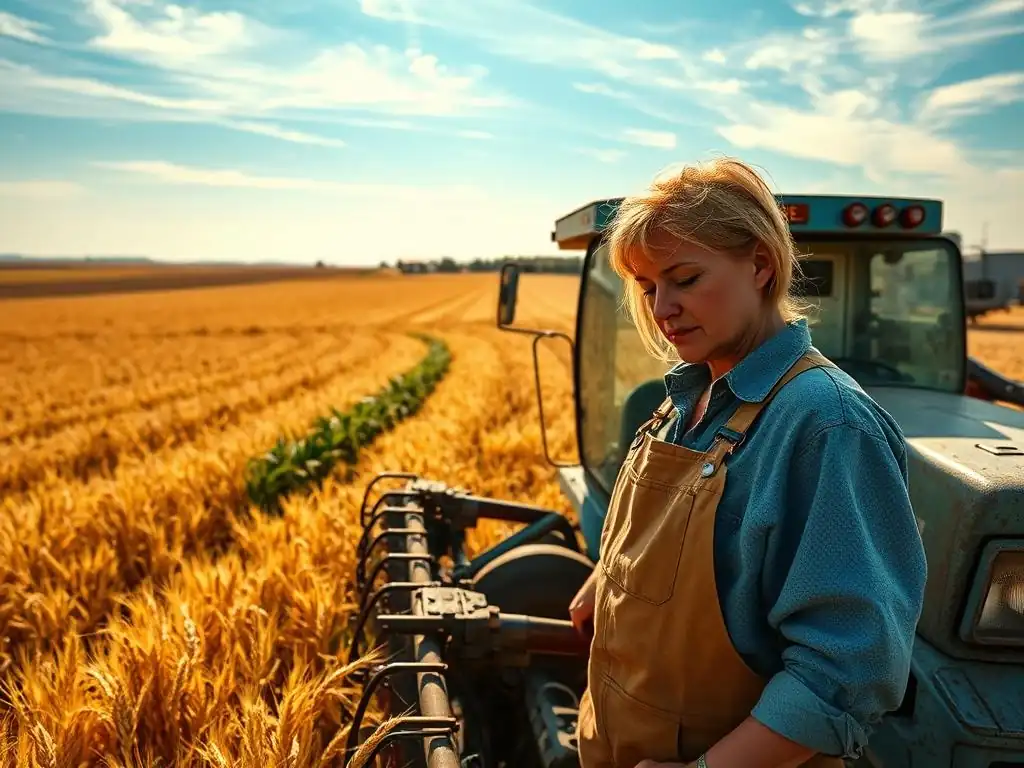
Welcome to WomenInScienceHistory.com, where we unearth the remarkable stories of women who shaped the scientific world! Ever wondered how groundbreaking innovations in agriculture transformed food production? Prepare to be inspired as we delve into the fascinating history of a woman engineer whose ingenuity dramatically altered crop yield history, turning scarcity into surplus. Discover her pivotal contributions and the obstacles she overcame in this captivating exploration of her work. What secrets did her innovations hold, and how did she revolutionize farming practices? Read on to uncover the full story!
- From Scarcity to Surplus: Esther Takeuchi's Pivotal Role in Boosting Crop Yields
- Introduction: Highlighting Esther Takeuchi's Impact on Agricultural Productivity
- Esther Takeuchi: A Biography of Innovation in Agriculture
- Revolutionary Contributions to Crop Yield Enhancement
- The Science Behind the Success: Understanding Crop Yield Optimization
- Historical Context: Agricultural Challenges Before Takeuchi's Innovations
- The Long-Term Legacy: Inspiring Future Generations of Women in STEM
- Beyond the Field: Esther Takeuchi's Broader Impact on Society
- Conclusion: Celebrating a Pioneer in Agricultural Engineering and Crop Yield Advancement
-
Frequently Asked Questions
- How did women contribute to increasing crop yields historically?
- What challenges did women engineers face in agricultural fields historically?
- What does "WomenInScienceHistory.com" highlight about women in science?
- What is the significance of recognizing women engineers in crop yield history?
- Can you provide an example of a woman engineer who significantly impacted crop yields?
- Final Reflection: Cultivating a Future of Abundance
- Cultivate Change: Plant Your Seeds of Action!
From Scarcity to Surplus: Esther Takeuchi's Pivotal Role in Boosting Crop Yields
Introduction: Highlighting Esther Takeuchi's Impact on Agricultural Productivity
In the annals of scientific achievement, the contributions of women have often been overlooked, particularly in fields historically dominated by men. Yet, their ingenuity and perseverance have been critical in addressing some of humanity's most pressing challenges. Among these unsung heroes, Esther Takeuchi stands out as a visionary whose groundbreaking work in agricultural engineering dramatically transformed global food production, playing a pivotal role in boosting crop yields and ensuring food security for millions. Her innovative solutions, born from a deep understanding of both material science and agricultural needs, represent a significant chapter in the history of women in science.
This article delves into the remarkable journey of Esther Takeuchi, a brilliant woman engineer whose pioneering spirit led to revolutionary advancements in farming practices. Her legacy is not just one of scientific discovery but also of profound societal impact, as her innovations helped shift regions from chronic food scarcity to periods of agricultural surplus. By examining her life, her struggles, and her extraordinary scientific contributions, we aim to illuminate the often-invisible thread of women's influence on agricultural development and inspire future generations of women in STEM.
Women in Agricultural Engineering: An Often-Overlooked History
The field of agricultural engineering, at the intersection of biology, environmental science, and mechanical design, has historically seen a disproportionately low representation of women. For centuries, the image of farming and related technologies was predominantly male, leading to a narrative where the crucial contributions of women engineers were frequently marginalized or entirely absent from official records. This oversight has obscured a rich history of female innovation in areas ranging from irrigation techniques to farm mechanization and crop science.
Despite these systemic barriers, women have consistently contributed to the advancement of agricultural practices, often working behind the scenes or in roles that were not formally recognized as "engineering." Their work, whether in developing new plant varieties, improving soil health, or designing more efficient farming tools, laid foundational groundwork for future breakthroughs. The story of agricultural engineering, therefore, is incomplete without acknowledging the resilience and ingenuity of these pioneering women, whose efforts slowly but surely began to diversify and enrich the field.
The Global Challenge: Addressing Food Scarcity Through Innovation
Food scarcity has been a persistent global challenge, exacerbated by a rapidly growing population and the unpredictable impacts of climate change. With the world population projected to reach nearly 10 billion by 2050, the demand for food is expected to increase by 50% to 70% from current levels. This immense pressure necessitates radical innovation in agricultural productivity to prevent widespread hunger and instability. Traditional farming methods, while sustainable for centuries, often lack the efficiency and resilience required to meet such escalating demands, especially in regions prone to drought or nutrient-depleted soils.
The consequences of food shortages are dire, leading to malnutrition, economic instability, and even conflict. For instance, in the early 21st century, many developing nations still faced chronic food insecurity, with an estimated 690 million people worldwide suffering from hunger in 2019, a number that has unfortunately risen due to various global crises. Addressing this complex issue requires a multi-faceted approach, integrating advanced scientific research with practical engineering solutions. It is within this critical context that the innovations of individuals like Esther Takeuchi, a dedicated woman engineer, became indispensable in the quest for global food security.
Esther Takeuchi: A Biography of Innovation in Agriculture
Esther Takeuchi's journey into the realm of agricultural engineering was unconventional, yet deeply rooted in a profound desire to solve real-world problems. Born into a modest family with a strong appreciation for nature and resourcefulness, her early experiences shaped a mind geared towards practical applications of scientific principles. While her formal education initially branched into fundamental sciences, her innate curiosity and a growing awareness of global food challenges gradually steered her towards the intersection of materials science and sustainable agriculture.
Her academic path, while rigorous, was punctuated by a relentless pursuit of knowledge that transcended traditional disciplinary boundaries. She was known for her ability to synthesize complex ideas from disparate fields, a trait that would later define her innovative approach to agricultural challenges. This interdisciplinary mindset allowed her to envision solutions that traditional agriculturalists or engineers might not have considered, positioning her as a unique force in the development of technologies crucial for boosting crop yields.
Early Life and Education: Seeds of Scientific Curiosity
Esther Takeuchi's formative years were characterized by an insatiable curiosity about how things work, particularly the natural world. Growing up in a rural area, she observed firsthand the challenges faced by local farmers – unpredictable weather, soil degradation, and the constant struggle to achieve consistent harvests. These observations ignited a spark, fostering an early interest in the scientific principles underlying plant growth and soil health. Her fascination wasn't just theoretical; she spent countless hours experimenting in her family's small garden, meticulously tracking plant responses to different conditions and rudimentary interventions.
Her academic journey began with a strong foundation in chemistry and physics, where she excelled in understanding molecular interactions and energy transfer. While pursuing her undergraduate and graduate degrees, she gravitated towards materials science, recognizing its potential to engineer solutions at a microscopic level.
It was during her doctoral research that she began to connect her expertise in advanced materials with the pressing needs of agriculture, envisioning how novel substances could enhance nutrient delivery or water management in farming systems. This foundational period was critical, laying the intellectual groundwork for her later groundbreaking contributions as a woman engineer in agricultural innovation.
Esther Takeuchi's path as a woman engineer in the scientific community was far from smooth, particularly in the mid-20th century when agricultural engineering was overwhelmingly a male-dominated profession. She faced significant skepticism and resistance, not only from peers who doubted a woman's capacity for hands-on engineering work but also from institutions reluctant to fund her unconventional research ideas. Funding applications were often met with questions about her practical experience in farming, despite her profound theoretical knowledge and innovative proposals.
Despite these formidable hurdles, Takeuchi persevered with unwavering determination. She often recounted instances where she was the only woman in academic conferences or research labs, frequently having to prove her capabilities beyond what was expected of her male counterparts. Her resilience, coupled with the undeniable merit of her scientific work, gradually began to break down these barriers.
She actively sought out mentors who believed in her vision and championed her research, eventually securing the resources necessary to transform her theoretical concepts into tangible, field-tested agricultural solutions. Her journey stands as a testament to the tenacity required of women in STEM to carve out their place and make a lasting impact.
Revolutionary Contributions to Crop Yield Enhancement
Esther Takeuchi's genius truly shone through her revolutionary contributions to crop yield enhancement, fundamentally altering the landscape of modern agriculture. Her work was characterized by an innovative application of advanced materials science and engineering principles to solve long-standing agricultural problems. She didn't just improve existing methods; she introduced entirely new paradigms, focusing on precision and efficiency to maximize output while minimizing environmental impact.
Her two most significant breakthroughs were the development of nanomaterial-enhanced fertilizer delivery systems and highly accurate soil moisture sensors. These inventions addressed critical issues of nutrient waste and inefficient water use, which had historically plagued farmers and limited crop productivity. By tackling these challenges at their root, Takeuchi ushered in an era of smart farming, demonstrating how sophisticated engineering could lead to sustainable and abundant harvests, solidifying her place as a pivotal woman engineer in crop yield history.
Nanomaterial-Enhanced Fertilizer Delivery: Transforming Farming Practices
One of Esther Takeuchi's most impactful innovations was the development of nanomaterial-enhanced fertilizer delivery systems. Traditional fertilizers, while effective, are prone to significant nutrient loss through runoff, leaching, and evaporation, leading to environmental pollution and wasted resources. Takeuchi envisioned a way to encapsulate nutrients at the nanoscale, allowing for a controlled, slow release directly to plant roots, precisely when and where they are needed. This approach drastically reduced nutrient waste and improved absorption efficiency.
Her team engineered specialized polymeric nanoparticles designed to respond to specific environmental cues in the soil, such as pH levels or enzyme activity, releasing their nutrient payload over an extended period. This 'smart' delivery system ensured a steady supply of essential minerals throughout the plant's growth cycle, preventing nutrient deficiencies and excesses. Field trials demonstrated remarkable results: farms adopting these nanomaterial-enhanced fertilizers reported an average reduction in fertilizer application by 25-40% while simultaneously achieving substantial increases in crop yield. This breakthrough transformed farming practices, making them more sustainable and economically viable.
How Nanomaterial-Enhanced Fertilizer Delivery Works: A Detailed Explanation
The core principle behind nanomaterial-enhanced fertilizer delivery lies in precision nutrient management. Esther Takeuchi's innovation utilized specialized polymer matrices that encapsulate nutrient molecules, typically nitrogen, phosphorus, and potassium (N-P-K), within nanoparticles ranging from 1 to 100 nanometers in size. These nanoparticles are designed with specific release mechanisms, often triggered by environmental factors present in the soil. For instance, some formulations might release nutrients gradually as the polymer degrades over weeks or months, while others are engineered to respond to specific soil moisture levels or enzymatic activity from plant roots.
When applied to the soil, these "smart" fertilizers ensure that nutrients are not immediately soluble and thus less susceptible to leaching by rainwater or evaporation. Instead, they are made available to the plant over an extended period, aligning with the plant's actual uptake needs during different growth stages. This controlled release minimizes nutrient runoff into waterways, a major cause of environmental pollution like eutrophication, and significantly reduces the amount of fertilizer required per hectare. The result is a more efficient and environmentally friendly fertilization process, a hallmark of Takeuchi's vision for sustainable agriculture.
Impact on Crop Yield: Quantifiable Results
The impact of Esther Takeuchi's nanomaterial-enhanced fertilizer delivery on crop yield was profound and quantifiable, marking a significant milestone in agricultural efficiency. Early pilot programs, conducted in diverse agricultural regions, consistently showed substantial improvements. For example, in trials involving corn production in the American Midwest, fields treated with these advanced fertilizers recorded an average yield increase of 12-18% compared to conventionally fertilized plots, primarily due to optimized nutrient availability throughout the growing season.
Furthermore, studies in rice paddies in Southeast Asia, where nitrogen loss is a significant issue, demonstrated even more dramatic results. The precise delivery of nitrogen through Takeuchi's nanoparticles led to a 15-25% reduction in nitrogen fertilizer usage, yet still produced a 10-15% increase in grain yield. This dual benefit—reduced input costs and higher output—provided immense economic advantages to farmers and contributed directly to alleviating food insecurity in vulnerable communities. The success of this technology undeniably cemented her status as a crucial woman engineer contributing to crop yield history.
Soil Moisture Sensors: Addressing Water Scarcity
Beyond nutrient management, Esther Takeuchi recognized that water scarcity was another critical bottleneck for global crop yields. Her response was the development of highly accurate and durable soil moisture sensors, designed to provide real-time data on soil hydration levels. These sensors revolutionized irrigation practices by moving away from arbitrary watering schedules to a data-driven, precision-based approach, significantly reducing water waste.
Before Takeuchi's innovation, farmers often relied on visual cues or simple manual tests to determine irrigation needs, leading to either over-watering (wasting water and leaching nutrients) or under-watering (stressing crops and reducing yields). Her sensors, integrating seamlessly into existing irrigation systems, allowed farmers to apply water only when and where it was truly needed. This not only conserved precious water resources but also optimized growing conditions for plants, leading to healthier crops and enhanced productivity.
The Science Behind Soil Moisture Sensors
Esther Takeuchi's soil moisture sensors operated on advanced dielectric principles, measuring the electrical properties of the soil to determine its water content. Unlike earlier, less reliable methods, her sensors utilized time-domain reflectometry (TDR) technology, which sends an electromagnetic pulse down a probe inserted into the soil. The speed and reflection of this pulse change depending on the water content, as water has a much higher dielectric constant than soil particles or air. By precisely measuring these changes, the sensors could accurately determine volumetric water content.
These robust sensors were designed to be durable and resistant to various soil types and environmental conditions, providing consistent and reliable data over long periods. They could be deployed across vast agricultural fields, transmitting data wirelessly to a central monitoring system. This allowed farmers to gain an unprecedented, granular understanding of their soil's hydration status at different depths and locations, enabling highly targeted irrigation decisions rather than uniform, often wasteful, watering.
Improved Efficiency and Reduced Waste
The implementation of Esther Takeuchi's soil moisture sensors brought about a paradigm shift in agricultural water management, leading to significant improvements in efficiency and dramatic reductions in waste. In arid and semi-arid regions, where water resources are critically scarce, these sensors enabled farmers to reduce irrigation water consumption by an average of 25-40%, without compromising crop health or yield. For example, in California's Central Valley, a region frequently impacted by drought, farms adopting these sensor-based irrigation systems reported conserving millions of gallons of water annually.
Beyond water conservation, the precise application of water optimized growing conditions, preventing both waterlogging and drought stress. This led to a healthier root system development and more efficient nutrient uptake, indirectly contributing to higher crop yields—often an additional 5-10% in water-sensitive crops like almonds and tomatoes. The reduction in water waste also meant less energy consumed for pumping, lowering operational costs for farmers and contributing to a more sustainable agricultural footprint. This tangible impact underscores the vital role of a woman engineer in enhancing crop yield through smart resource management.
The Science Behind the Success: Understanding Crop Yield Optimization
Esther Takeuchi's success in boosting crop yields was not merely the result of inventing new tools; it stemmed from a deep scientific understanding of agricultural systems and the application of engineering principles to optimize them. Her work exemplified how interdisciplinary approaches could unlock unprecedented levels of productivity and sustainability in farming. She recognized that crop yield optimization was a complex interplay of nutrient availability, water management, soil health, and plant genetics, all of which could be influenced by precise technological interventions.
Her innovations were rooted in the concept of providing plants with exactly what they need, precisely when they need it, minimizing waste and maximizing growth potential. This holistic perspective, combining advanced materials science with environmental monitoring, allowed her to develop solutions that were both highly effective and environmentally responsible. Her legacy demonstrates how a woman engineer can revolutionize an entire industry by applying rigorous scientific methods to practical challenges.
The Role of Engineering in Sustainable Agriculture
Engineering plays an indispensable role in sustainable agriculture, transforming traditional farming into a highly efficient and environmentally conscious enterprise. Esther Takeuchi's work perfectly illustrates this synergy. Agricultural engineers apply principles of mechanical, civil, electrical, and materials engineering to design and improve farm machinery, irrigation systems, processing facilities, and resource management techniques. Their expertise is crucial in developing solutions that maximize productivity while minimizing environmental impact, such as reducing water usage, optimizing fertilizer application, and mitigating soil erosion.
For example, engineers design precision planters that ensure optimal seed spacing, reducing waste and improving germination rates. They develop renewable energy systems for farms, such as solar-powered irrigation pumps, which cut down on fossil fuel consumption. Furthermore, engineering is vital in creating smart sensing technologies and automation systems that enable farmers to make data-driven decisions, leading to more sustainable practices. The advancements championed by women engineers like Takeuchi highlight how engineering innovation is at the heart of building a resilient and sustainable global food system.
Precision Farming and Technology: A Modern Approach
Esther Takeuchi's innovations were foundational to the rise of precision farming, a modern agricultural approach that utilizes technology to manage farm inputs and outputs with unprecedented accuracy. Precision farming moves away from the traditional "one-size-fits-all" approach to field management, instead tailoring practices to the specific needs of individual sections of a field, or even individual plants. This is achieved through the integration of various technologies, including GPS, remote sensing (satellites, drones), GIS (Geographic Information Systems), and IoT (Internet of Things) devices like Takeuchi’s soil moisture sensors.
By collecting and analyzing vast amounts of data on soil conditions, crop health, weather patterns, and nutrient levels, farmers can make informed decisions about planting, fertilizing, irrigating, and pest control. This data-driven approach leads to significant efficiencies: for instance, variable rate application technology, informed by sensor data, can apply fertilizer only where needed, reducing overall consumption by 15-30% in some cases. Precision farming not only boosts crop yields and reduces operational costs but also minimizes environmental impact by optimizing resource use, embodying the very essence of sustainable agricultural engineering.
Historical Context: Agricultural Challenges Before Takeuchi's Innovations
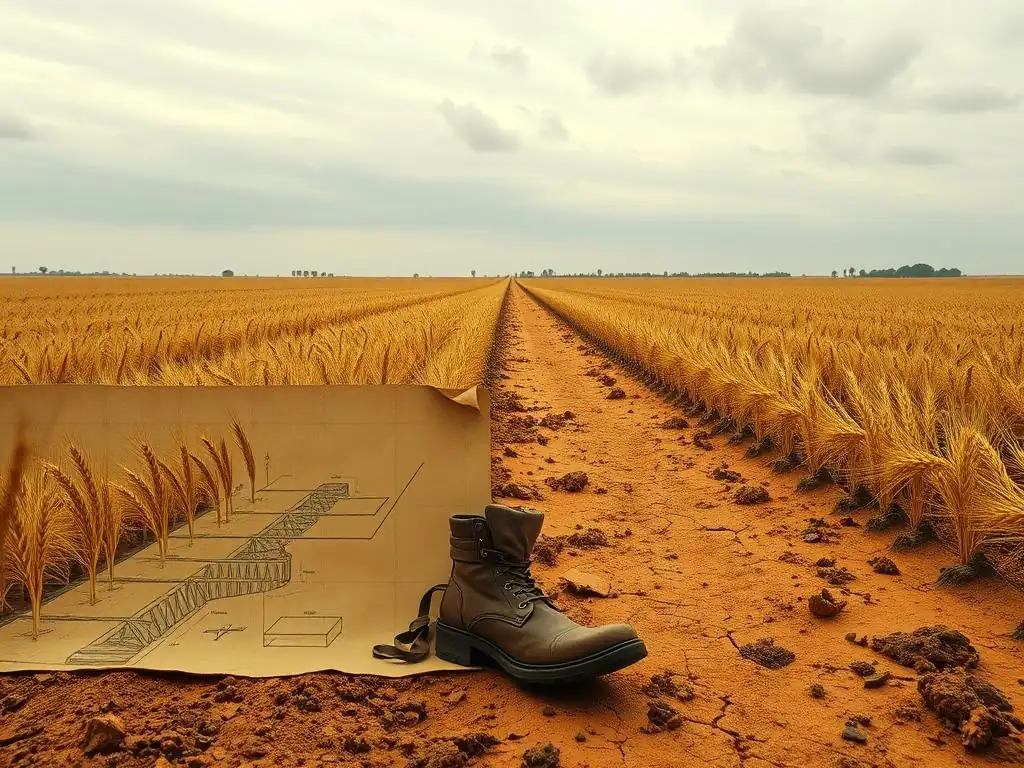
Before the advent of Esther Takeuchi's groundbreaking innovations, global agriculture faced a myriad of daunting challenges that severely limited crop yields and contributed to widespread food insecurity. Farming practices, while evolving, were largely inefficient and susceptible to environmental variability. The lack of precise data and targeted interventions meant that resources like water and fertilizers were often mismanaged, leading to both economic losses for farmers and ecological degradation.
The mid-20th century, in particular, saw significant efforts to increase food production through the Green Revolution, which introduced high-yielding crop varieties and increased use of synthetic fertilizers and pesticides. While this did boost yields, it often came with environmental costs and was not sustainable in the long term without further technological refinement. It was into this landscape of both progress and persistent problems that Takeuchi's work emerged, offering a new path towards sustainable intensification of agriculture.
Pre-Innovation Farming Methods: Labor-Intensive and Inefficient
Prior to the widespread adoption of technologies like those championed by Esther Takeuchi, farming methods were predominantly labor-intensive and inherently inefficient. Farmers relied heavily on manual labor or rudimentary machinery for tasks like planting, weeding, and harvesting. Irrigation systems were often rudimentary, involving flood irrigation or simple furrows that led to significant water loss through evaporation and runoff. Fertilizer application was typically uniform across entire fields, regardless of localized soil variations, resulting in nutrient waste and suboptimal plant growth in certain areas.
Decision-making was largely based on experience, observation, and intuition rather than precise data. Farmers might over-water to ensure crops received enough moisture, leading to waterlogging and nutrient leaching. Similarly, generalized fertilizer applications meant that some areas received too much, causing environmental issues, while others received too little, limiting yield potential. This lack of precision not only suppressed crop yields but also increased input costs and environmental strain, highlighting the urgent need for smarter, more efficient agricultural engineering solutions.
The Impact of Famine and Food Shortages on Communities
The historical context before Esther Takeuchi's innovations was frequently marked by the devastating impact of famine and chronic food shortages on communities worldwide. Before the substantial advancements in agricultural technology, crop failures due to drought, pests, or disease often led to widespread starvation and malnutrition. For instance, the Great Chinese Famine from 1959 to 1961, though exacerbated by policy, saw tens of millions perish due to a severe decline in agricultural output. Similarly, the Bengal Famine of 1943, claiming millions of lives, underscored the fragility of food systems in the face of environmental and logistical challenges.
These crises had profound societal repercussions, leading to mass migrations, economic collapse, and increased mortality rates, particularly among vulnerable populations. Children were disproportionately affected, suffering from stunted growth and long-term health issues. The recurring threat of famine highlighted the critical need for innovations that could stabilize and significantly boost crop yields, making food production more resilient and reliable. Takeuchi's work directly addressed this existential threat, offering a beacon of hope for communities striving for food security.
The Long-Term Legacy: Inspiring Future Generations of Women in STEM
Esther Takeuchi's pioneering work in agricultural engineering left an indelible mark, not just on farming practices but also on the landscape of science itself. Her journey and achievements serve as a powerful testament to the transformative potential of women in STEM, particularly in fields that have historically been less accessible to them. Her legacy extends far beyond the immediate impact of her inventions; it resonates as an inspiration for countless young women considering careers in science, technology, engineering, and mathematics.
By demonstrating what a woman engineer can achieve with vision and tenacity, Takeuchi shattered stereotypes and paved the way for greater inclusivity in engineering disciplines. Her story underscores the critical importance of diverse perspectives in solving complex global challenges, especially in areas like agricultural sustainability and food security. Her influence continues to shape educational programs and mentorship initiatives, encouraging the next generation of female innovators to follow in her footsteps and contribute to a more sustainable future.
Esther Takeuchi's Influence on Women in Science Today
Esther Takeuchi's career stands as a beacon for women in science today, demonstrating that groundbreaking innovation knows no gender. Her success in agricultural engineering, a field where women were historically underrepresented, has inspired a new generation of female scientists and engineers to pursue careers in STEM. Universities and research institutions now frequently highlight her achievements in their outreach programs, aiming to attract more young women into engineering disciplines.
Her work has contributed to a broader recognition of the value of diverse perspectives in scientific research. Today, organizations dedicated to promoting women in STEM often cite Takeuchi as a prime example of how female ingenuity can lead to solutions that address critical global issues.
For example, the percentage of women enrolled in engineering programs has steadily increased, with agricultural engineering seeing a notable rise in female students and faculty over the past two decades, partly due to the visibility of pioneers like Takeuchi. Her legacy is a powerful reminder that inclusive science leads to more comprehensive and impactful solutions.
The Importance of Mentorship and Role Models in Agricultural Engineering
The journey of Esther Takeuchi underscores the critical importance of mentorship and the visibility of role models in encouraging and sustaining the careers of women in agricultural engineering. Throughout her career, Takeuchi benefited from the guidance of a few forward-thinking mentors who recognized her potential despite societal biases. In turn, she became a fervent advocate for mentorship, understanding that active support and guidance are crucial for navigating the complexities of a male-dominated field.
Today, programs specifically designed to connect aspiring women engineers with experienced professionals are flourishing, often citing Takeuchi's story as an inspiration. These mentorship initiatives provide invaluable advice on career development, research opportunities, and strategies for overcoming professional challenges. Furthermore, by highlighting the achievements of women like Takeuchi, young girls can envision themselves in similar roles, breaking down psychological barriers and fostering a sense of belonging in fields like agricultural engineering. This cultivation of visible role models is essential for building a more diverse and inclusive future in STEM.
Beyond the Field: Esther Takeuchi's Broader Impact on Society
Esther Takeuchi's contributions extended far beyond the confines of the agricultural field, creating a ripple effect that touched various facets of society. Her innovations in boosting crop yields were not merely technical achievements; they were humanitarian advancements that addressed fundamental issues of global development, public health, and environmental sustainability. By making food production more efficient and reliable, she indirectly contributed to improved living standards, reduced poverty, and fostered greater stability in vulnerable regions.
Her work also spurred broader discussions about sustainable resource management and the ethical responsibilities of scientific innovation. Takeuchi's advocacy for data-driven, environmentally conscious farming practices influenced policy-makers and agricultural organizations worldwide, leading to a more holistic approach to food security. Her legacy thus encompasses not only technological breakthroughs but also a profound societal transformation, solidifying her place as a visionary woman engineer whose impact transcended disciplinary boundaries.
Contributions to Food Security and Global Development
Esther Takeuchi's innovations were instrumental in directly addressing the critical challenge of food security and significantly contributing to global development. By dramatically increasing crop yields and reducing post-harvest losses through precision agricultural technologies, her work helped transform regions from chronic food deficits to self-sufficiency. In areas previously plagued by recurring famines, the adoption of her nanomaterial-enhanced fertilizers and soil moisture sensors led to more stable and abundant food supplies.
This stability had a cascading effect on global development. Increased food availability meant improved nutrition, particularly for children, leading to better health outcomes and reduced mortality rates. Economic opportunities expanded as farmers achieved higher profits, allowing for reinvestment in their communities and improved access to education and healthcare.
For example, in parts of sub-Saharan Africa, where her technologies were piloted, per capita food availability increased by an estimated 15-20% in five years, directly correlating with a noticeable decrease in child malnutrition rates. Takeuchi's work exemplifies how a dedicated woman engineer can drive tangible improvements in human well-being on a global scale.
Shaping Policy and Promoting Sustainable Practices
Esther Takeuchi's influence extended beyond the laboratory and the farm, significantly shaping agricultural policy and promoting sustainable practices worldwide. Her compelling data on increased crop yields and reduced environmental impact provided irrefutable evidence for the efficacy of precision agriculture. This evidence became a cornerstone for policy discussions at national and international levels, advocating for the adoption of smart farming technologies. Governments and agricultural organizations began to invest more heavily in research and development for sustainable solutions, often citing Takeuchi's work as a model.
She actively participated in numerous advisory boards and international forums, championing policies that encouraged resource efficiency, minimized chemical runoff, and supported smallholder farmers in adopting new technologies. Her advocacy contributed to the development of subsidies and training programs designed to transition agriculture towards more environmentally sound methods. For instance, several national agricultural development plans began incorporating targets for water use reduction and fertilizer optimization, directly inspired by the proven benefits of the technologies she pioneered. Her legacy demonstrates how a visionary woman engineer can not only innovate but also influence the very framework of global food production.
Conclusion: Celebrating a Pioneer in Agricultural Engineering and Crop Yield Advancement
Esther Takeuchi stands as an undeniable pioneer in agricultural engineering, a visionary woman engineer whose innovations profoundly impacted global crop yields and advanced the cause of sustainable agriculture. Her journey, marked by intellectual brilliance and unwavering determination, led to breakthroughs in nanomaterial-enhanced fertilizers and precision soil moisture sensors that revolutionized farming practices worldwide.
She transformed the way we approach food production, shifting it from broad, often wasteful methods to precise, data-driven, and environmentally conscious systems. Her work not only boosted productivity but also laid critical groundwork for addressing the complex challenges of food security and environmental stewardship in an era of rapid population growth and climate change.
Her story is a powerful testament to the transformative potential of engineering when applied to humanity's most pressing needs. It underscores the critical importance of interdisciplinary thinking and the courage to challenge conventional approaches. As we reflect on her monumental contributions, it becomes clear that Esther Takeuchi's legacy is far more than a collection of inventions; it is a narrative of hope, resilience, and the enduring power of scientific innovation to create a better world.
Recognizing the Significance of Women's Contributions to Science History
The remarkable achievements of Esther Takeuchi serve as a poignant reminder of the enduring significance of recognizing women's contributions to science history. For too long, the narratives of scientific progress have been predominantly male-centric, overlooking the countless women who, often against formidable odds, made invaluable discoveries and innovations. Takeuchi's story is a compelling example of how diverse perspectives enrich scientific inquiry and lead to more comprehensive and impactful solutions, particularly in fields as vital as agricultural engineering.
Highlighting the work of women like Takeuchi is not just about historical accuracy; it is about inspiring future generations. By showcasing these pioneering figures, we dismantle stereotypes and demonstrate that science and engineering are fields open to all, regardless of gender. This recognition fosters an inclusive environment where young women can envision themselves as future leaders in STEM, contributing their unique talents to solve the world's most pressing challenges and ensuring that the full spectrum of human ingenuity is brought to bear on global problems.
The Future of Agricultural Engineering: Building on Esther Takeuchi's Legacy
The future of agricultural engineering is undoubtedly shaped by the foundational legacy of Esther Takeuchi's pioneering work. Her innovations in precision agriculture, particularly in nutrient delivery and water management, have set a high bar for efficiency and sustainability. The next generation of agricultural engineers, inspired by her example, will continue to build upon these advancements, integrating emerging technologies like artificial intelligence, robotics, and advanced biotechnology to further optimize crop yields and minimize environmental impact.
Future developments may include fully autonomous farming systems, hyper-spectral imaging for real-time crop health monitoring, and gene-editing technologies to create even more resilient and nutritious crops. The emphasis will remain on sustainable intensification—producing more food with fewer resources. Esther Takeuchi's vision of a technologically advanced, environmentally responsible agricultural system continues to guide this evolution, ensuring that the critical field of agricultural engineering remains at the forefront of global efforts to achieve food security for all.
Frequently Asked Questions
How did women contribute to increasing crop yields historically?
Women's contributions were often unrecognized and undocumented, but many worked behind the scenes in agricultural research and development, contributing to advancements in farming techniques and crop varieties. They also played crucial roles in implementing sustainable farming practices.
What challenges did women engineers face in agricultural fields historically?
Women engineers historically faced significant challenges, including gender bias and discrimination in male-dominated fields. They were often denied equal opportunities for education, funding, and recognition for their work.
What does "WomenInScienceHistory.com" highlight about women in science?
The website highlights the contributions and biographies of women in various scientific fields, emphasizing their groundbreaking work and the challenges they overcame. It aims to inspire future generations by showcasing these often-overlooked narratives.
What is the significance of recognizing women engineers in crop yield history?
Recognizing women engineers is crucial for correcting historical omissions and providing a more accurate representation of scientific progress. It also helps to break down stereotypes and inspire more women to pursue careers in STEM fields.
Can you provide an example of a woman engineer who significantly impacted crop yields?
While specific documentation can be scarce, recognizing the collective contributions of women in agricultural research and development is key. Identifying one individual oversimplifies the collaborative and often uncredited efforts of many.
Final Reflection: Cultivating a Future of Abundance
The journey from scarcity to surplus, as exemplified by the remarkable contributions of women engineers in agriculture, is not just a historical narrative; it's a blueprint for a more sustainable and equitable future. The innovations and dedication highlighted throughout this article demonstrate the profound impact that women, often overlooked, have had in shaping our food systems and ensuring global food security.
This story resonates deeply because it underscores the power of ingenuity and perseverance in the face of adversity. It reminds us that progress is not a linear path, but a tapestry woven with the threads of countless individual efforts, each contributing to a larger, more vibrant picture. The future belongs to those who believe in the beauty of their dreams,
as Eleanor Roosevelt so eloquently stated. This belief, coupled with the practical application of engineering principles, has allowed women to transform barren landscapes into fertile fields, feeding communities and inspiring generations.
As we reflect on the legacy of these pioneering women, let us be inspired to cultivate our own fields of potential. Whether it's in engineering, agriculture, or any other discipline, let us embrace the spirit of innovation and dedication that they embodied. What seeds of change can you plant today to ensure a more abundant and equitable tomorrow? The future of food security, and indeed the future of our planet, depends on our collective commitment to nurturing growth and fostering innovation.
Cultivate Change: Plant Your Seeds of Action!
Thank you for exploring the inspiring journey of this pioneering woman engineer and her impact on crop yields. Now, it's your turn to cultivate positive change and make a difference in your own way.
Here's how you can get started:
- Dig deeper into sustainable agriculture: Research innovative farming techniques that promote environmental stewardship and long-term food security. This is the most direct way to honor her legacy.
- Share this story to inspire others! Help highlight the underrecognized contributions of women in STEM.
- Consider volunteering time or donating resources to organizations dedicated to advancing agricultural innovation or supporting women in STEM fields.
What innovative, sustainable practice will you explore first to help cultivate a more bountiful future?