
Healing by Design: Women Pioneering Advances in Prosthetics & Assistive Technology


Welcome to WomenInScienceHistory.com!
Delve into the untold stories of brilliant minds and groundbreaking innovations. This week, we're exploring the fascinating history of Women in Prosthetics & Assistive Technology, uncovering the remarkable contributions of female engineers and scientists who shaped this vital field. From early designs to cutting-edge advancements, discover how their ingenuity has transformed lives and continues to drive progress. Intrigued to learn more about these unsung heroines? Read on to uncover their inspiring journeys and lasting impact!
- Introduction: Recognizing Women's Contributions to Prosthetics and Assistive Tech
- Early Pioneers: Women Laying the Foundation for Modern Prosthetics
- 20th Century Trailblazers: Advancing Prosthetic Design and Functionality
- Contemporary Leaders: Women Shaping the Future of Assistive Technology
- The Intersection of Design, Engineering, and Empathy: A Female Perspective
- The Future of Women in Prosthetics and Assistive Technology
- Conclusion: Celebrating the Legacy of Women in Prosthetics & Assistive Technology History
-
Frequently Asked Questions
- What is the primary focus of "Healing by Design: Women Pioneering Advances in Prosthetics & Assistive Technology"?
- Why is it important to recognize women's roles in the history of prosthetics and assistive technology?
- What types of challenges did women in the history of prosthetics and assistive technology typically face?
- How does the "WomenInScienceHistory.com" website contribute to the discussion of women in prosthetics and assistive technology history?
- Can you provide an example of a specific area where women have made significant contributions to prosthetics and assistive technology?
- Final Reflection: Empowering Futures Through Innovation
- Empower Change: Shape the Future of Assistive Tech!
Introduction: Recognizing Women's Contributions to Prosthetics and Assistive Tech
Highlighting the Underrepresented History of Women in Assistive Technology
The rich tapestry of assistive technology, particularly in the realm of prosthetics, has been woven with countless threads of innovation, many of which were spun by women. However, the history of women in prosthetics and assistive technology has often been underrepresented, with their groundbreaking work frequently overlooked in traditional narratives of scientific and engineering progress. From the earliest days of rehabilitation to the cutting-edge advancements of today, women have consistently brought unique perspectives and crucial technical skills to a field dedicated to improving human mobility and independence.
These pioneering women faced significant societal and professional barriers, operating in eras where STEM fields were largely male-dominated. Despite these formidable challenges, their dedication to solving complex problems for individuals with disabilities led to inventions and methodologies that profoundly shaped the trajectory of assistive technology. Their stories are not merely footnotes but central chapters in the ongoing saga of human ingenuity and compassion, underscoring a vital part of women prosthetics assistive technology history.
The Growing Importance of Women in Prosthetics and Biomedical Engineering
Today, the importance of women in prosthetics and biomedical engineering continues to grow, with increasing numbers of female engineers, researchers, and clinicians driving innovation. Their presence is vital not only for achieving gender equity in STEM but also for fostering a more holistic and empathetic approach to design and patient care. Women often bring a user-centered perspective, understanding the nuances of daily life and the diverse needs of individuals requiring assistive devices.
This expanded presence translates directly into more inclusive and effective solutions. As the field of biomedical engineering evolves, incorporating advanced materials, artificial intelligence, and neuroprosthetics, the diverse insights offered by women are proving indispensable. They are at the forefront of developing technologies that are not just functional but also aesthetically appealing, comfortable, and seamlessly integrated into users' lives, further enriching the dynamic women prosthetics assistive technology history.
Early Pioneers: Women Laying the Foundation for Modern Prosthetics
Bessie Blount Griffin: Innovations in Feeding Devices for Amputees
One of the most remarkable early pioneers in assistive technology was Bessie Blount Griffin, an African American physical therapist and inventor. Born in 1914, Blount dedicated her career to helping injured soldiers, particularly those who had lost limbs during World War II. Witnessing the struggles of these veterans to feed themselves, she was driven to create a solution that would restore their independence and dignity, marking a significant, though often unsung, moment in women prosthetics assistive technology history.
In 1951, Blount patented an electronic feeding device designed for amputees. This innovative system allowed patients to dispense food into their mouths by biting down on a tube, eliminating the need for assistance. She famously demonstrated its effectiveness on a television show, showcasing its practicality and immediate benefit. Although the U.S. government declined to adopt her invention, recognizing her race and gender as contributing factors, the French government later acquired the rights, implementing her device in hospitals and showcasing the global impact of her ingenuity.
Overcoming Challenges: The Struggles Faced by Women in Early Engineering Fields
The journey of women like Bessie Blount Griffin in early engineering and invention fields was fraught with immense challenges. During the mid-20th century, societal norms and institutional biases severely limited educational and professional opportunities for women, particularly women of color. Access to higher education in engineering was scarce, and even for those who managed to gain qualifications, securing positions in research or industry proved exceedingly difficult.
These pioneering women often faced skepticism regarding their capabilities, a lack of funding for their projects, and outright discrimination. Many were denied patents or saw their innovations downplayed or attributed to male colleagues. Despite these systemic obstacles, their unwavering commitment to innovation and their profound desire to alleviate suffering propelled them forward, cementing their places as resilient figures in the enduring women prosthetics assistive technology history.
20th Century Trailblazers: Advancing Prosthetic Design and Functionality
Yvette Deloison: Contributions to Upper Limb Prosthetics and Rehabilitation
As the 20th century progressed, another extraordinary woman, Yvette Deloison, a French engineer and physiotherapist, emerged as a significant figure in advancing prosthetic design, particularly for upper limbs. Her work, primarily centered around the mid-20th century, focused on improving the functionality and integration of prosthetics into the daily lives of amputees, moving beyond mere cosmetic replacements to truly functional tools. Deloison's contributions represent a crucial chapter in the detailed women prosthetics assistive technology history.
Deloison was instrumental in refining and popularizing the "cineplastic" technique, a surgical procedure that creates a skin-lined tunnel through a muscle, allowing for direct mechanical control of a prosthetic limb through muscle contraction. She meticulously studied human biomechanics and worked closely with patients, developing highly functional and intuitive upper-limb prostheses that offered unprecedented levels of dexterity and control. Her holistic approach, combining engineering prowess with a deep understanding of rehabilitation, significantly improved the quality of life for countless individuals, particularly those affected by war injuries.
Impact on Patient Care: How These Women Improved Lives
The innovations brought forth by women like Yvette Deloison had a profound and multifaceted impact on patient care. By developing more sophisticated and user-friendly prosthetic designs, they directly contributed to enhancing the independence and dignity of amputees. For instance, Deloison's work on cineplastic prostheses meant that users could perform more complex tasks with greater precision, from handling tools to engaging in daily self-care activities, thereby reducing their reliance on others.
Beyond the technical improvements, these women often brought a compassionate and empathetic approach to their work, recognizing that a prosthetic device is not just a tool but an extension of the individual. Their focus on practical functionality, comfort, and the psychological well-being of the patient led to designs that were not only technologically advanced but also deeply human-centered. This emphasis on improving the holistic quality of life is a recurring and powerful theme throughout women prosthetics assistive technology history.
Contemporary Leaders: Women Shaping the Future of Assistive Technology
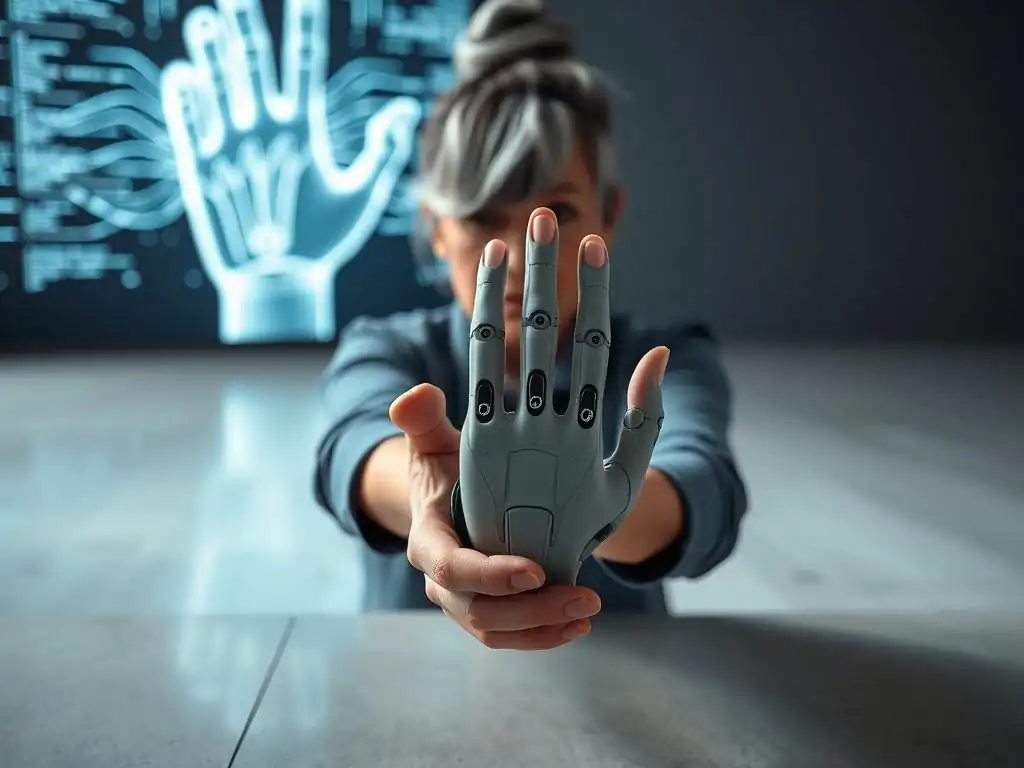
Ayanna Howard: Innovations in Robotics and AI for Rehabilitation
In the contemporary landscape of assistive technology, Dr. Ayanna Howard stands out as a leading roboticist and engineer, whose work is fundamentally shaping the future of rehabilitation and intelligent prosthetics. As a distinguished professor and Dean of the College of Engineering at The Ohio State University, Dr. Howard has dedicated her career to developing intelligent robotic systems that can assist individuals with disabilities, particularly children. Her pioneering efforts are a testament to the continued growth and impact of women in prosthetics assistive technology history.
Dr. Howard's research often focuses on creating personalized and adaptive robotic therapies. For example, she has led projects developing robotic systems that can engage children with cerebral palsy in interactive, therapeutic play, helping them improve motor skills through engaging activities. Her team also explores the use of artificial intelligence to optimize rehabilitation outcomes, making assistive devices more responsive and intuitive. Her work represents a significant leap forward in merging advanced robotics with compassionate patient care.
The Role of Women in Addressing Unmet Needs in Assistive Technology
Contemporary women leaders like Dr. Howard are playing a critical role in identifying and addressing previously unmet needs within assistive technology. Historically, prosthetic and assistive device design often followed a "one-size-fits-all" approach, which frequently overlooked the specific requirements of diverse user groups, including women, children, and individuals with complex or rare conditions. Today's female innovators are actively challenging these norms.
They are championing inclusive design principles, advocating for personalized solutions, and conducting research into areas that have been traditionally underserved. This includes developing prosthetics that are lighter, more aesthetically integrated, and tailored to female anatomy, as well as creating intelligent systems that adapt to a user's unique motor patterns and preferences. Their leadership ensures that the advancements in assistive technology are not just about technical prowess but also about equitable access and true user empowerment, adding rich layers to women prosthetics assistive technology history.
The Intersection of Design, Engineering, and Empathy: A Female Perspective
How Women Engineers Bring a Unique Perspective to Prosthetic Design
Women engineers often bring a deeply empathetic and holistic perspective to prosthetic design, which is profoundly influencing the field. This unique viewpoint stems from a combination of lived experiences, a greater societal emphasis on caregiving roles, and a natural inclination towards user-centered problem-solving. When designing assistive devices, female engineers frequently prioritize not just the mechanical function but also the psychological, social, and aesthetic aspects that contribute to a user's overall well-being and acceptance of the device.
This approach translates into designs that are more comfortable, less stigmatizing, and seamlessly integrated into daily life. For example, they might focus on developing prosthetics with improved sensory feedback, more intuitive controls, or materials that are breathable and lightweight. Their collaborative and communicative style often leads to better engagement with patients, ensuring that the final product truly meets the user's needs and preferences, thereby enriching the ongoing narrative of women prosthetics assistive technology history.
Addressing the Specific Needs of Women and Girls in Assistive Technology
A critical contribution of women in assistive technology has been the deliberate focus on addressing the specific needs of women and girls. Historically, prosthetic limbs and other assistive devices were often designed with a male physique as the default, leading to issues with fit, weight distribution, and appearance for female users. Women engineers are actively rectifying this oversight, ensuring that designs are anatomically appropriate and culturally sensitive.
This includes developing prosthetics that accommodate narrower bone structures, different muscle distributions, and considerations for clothing and footwear. Furthermore, there's an increased emphasis on cosmetic integration, providing options that allow women and girls to feel confident and comfortable with their devices in social settings. This targeted innovation ensures that assistive technology is truly empowering for all, highlighting a crucial aspect of women prosthetics assistive technology history.
Creating Inclusive and Accessible Designs for All
The empathetic perspective often brought by women engineers extends beyond gender-specific needs to foster truly inclusive and accessible designs for everyone. By focusing on the individual user experience and considering a broader spectrum of human diversity, they are pushing the entire field towards universal design principles. This means creating solutions that are not only functional but also adaptable, intuitive, and beneficial to people of all ages, abilities, and backgrounds.
Their influence can be seen in the development of modular prosthetic systems that can be easily customized, interfaces that are simpler to learn and operate, and materials that are more durable and comfortable for prolonged use. This commitment to inclusivity ensures that the advancements in prosthetics and assistive technology serve the widest possible population, cementing a legacy of thoughtful and comprehensive innovation within women prosthetics assistive technology history.
The Future of Women in Prosthetics and Assistive Technology
Encouraging Girls and Young Women to Pursue STEM Careers
The future of innovation in prosthetics and assistive technology is intrinsically linked to encouraging more girls and young women to pursue STEM careers. Initiatives focused on early exposure to science and engineering, mentorship programs, and showcasing successful female role models are crucial for dismantling persistent gender stereotypes. When young girls see women at the forefront of designing life-changing technologies, it inspires them to envision themselves in similar roles.
Educational institutions and industry leaders are increasingly recognizing the importance of diversifying the talent pipeline. Programs that offer hands-on experiences in robotics, biomechanics, and materials science can ignite a passion for problem-solving in young women. This proactive encouragement ensures a continuous influx of diverse perspectives and talents, vital for the ongoing evolution of women prosthetics assistive technology history.
Mentorship and Support Networks for Women in Biomedical Engineering
For women already in biomedical engineering and related fields, robust mentorship and support networks are paramount for career longevity and leadership development. Organizations that provide platforms for networking, professional development, and peer support help women navigate challenges such as unconscious bias, work-life balance, and career advancement. These networks offer invaluable guidance, shared experiences, and opportunities for collaboration.
Mentors, both male and female, play a crucial role in guiding junior professionals, helping them refine their skills, build confidence, and identify leadership opportunities. By fostering a supportive and inclusive environment, these networks ensure that women not only enter the field but also thrive and rise to positions where they can drive significant innovation and continue to shape the future of assistive technology.
Continued Innovation and Research Led by Women
Looking ahead, continued innovation and research led by women are poised to redefine the landscape of prosthetics and assistive technology. As more women assume leadership roles in academia, industry, and research institutions, they will increasingly steer the direction of scientific inquiry and technological development. This will likely lead to breakthroughs in areas such as advanced neuroprosthetics directly controlled by brain signals, personalized 3D-printed limbs, and intelligent assistive robots that seamlessly integrate into daily life.
Women are also expected to drive research into more sustainable and accessible assistive solutions, leveraging their unique perspectives to address global health disparities and ensure that life-enhancing technologies reach underserved populations worldwide. Their relentless pursuit of knowledge and compassionate application of engineering principles will undoubtedly continue to shape the future of human-centered design, adding transformative chapters to women prosthetics assistive technology history.
Conclusion: Celebrating the Legacy of Women in Prosthetics & Assistive Technology History
Recognizing the Lasting Impact of Female Engineers and Scientists
The legacy of women in prosthetics and assistive technology is one of profound innovation, resilience, and compassion. From early pioneers like Bessie Blount Griffin, whose dedication to veterans led to vital feeding devices, to 20th-century trailblazers such as Yvette Deloison, who revolutionized upper limb prosthetics, and contemporary leaders like Ayanna Howard, who is integrating robotics and AI into rehabilitation, women have consistently pushed the boundaries of what is possible. Their contributions have not merely been incremental; they have fundamentally reshaped the field, leading to devices that are more functional, comfortable, and empowering.
This rich and often underrecognized history of women in prosthetics assistive technology underscores the critical importance of diversity in scientific and engineering endeavors. The unique perspectives and empathetic approaches brought by female engineers and scientists have resulted in human-centered designs that genuinely improve the quality of life for millions of individuals worldwide. Their lasting impact is evident in every advanced prosthetic limb and every smart assistive device that restores independence and dignity.
Inspiring Future Generations to Innovate and Improve Lives Through Technology
The stories of these remarkable women serve as powerful inspirations for future generations. By highlighting their achievements and the challenges they overcame, WomenInScienceHistory.com aims to encourage girls and young women to pursue careers in biomedical engineering and assistive technology. The narrative of women prosthetics assistive technology history is not complete; it is an ongoing story that needs new voices, new ideas, and new leaders.
The opportunity to innovate and directly improve human lives through technology is immense. As we continue to advance in fields like advanced materials, neuroprosthetics, and artificial intelligence, the need for diverse talents and perspectives becomes even more critical. By celebrating the groundbreaking work of women in this field, we hope to ignite a passion in young minds to become the next generation of engineers and scientists who will design a more inclusive and accessible world for all.
Frequently Asked Questions
What is the primary focus of "Healing by Design: Women Pioneering Advances in Prosthetics & Assistive Technology"?
The article focuses on highlighting the historical contributions of women to the fields of prosthetics and assistive technology, celebrating their groundbreaking designs and advancements.
Why is it important to recognize women's roles in the history of prosthetics and assistive technology?
Recognizing women's roles is crucial because their contributions are often overlooked in the traditionally male-dominated fields of science and engineering, thereby inspiring future generations.
What types of challenges did women in the history of prosthetics and assistive technology typically face?
Women faced numerous challenges including gender bias, limited access to resources and education, and being excluded from professional networks.
How does the "WomenInScienceHistory.com" website contribute to the discussion of women in prosthetics and assistive technology history?
The website provides a platform to showcase the biographies and achievements of pioneering female scientists, including those who significantly contributed to prosthetics and assistive technology.
Can you provide an example of a specific area where women have made significant contributions to prosthetics and assistive technology?
Women have made significant contributions in areas such as designing more comfortable and functional prosthetic limbs, as well as developing innovative assistive devices tailored to specific needs.
Final Reflection: Empowering Futures Through Innovation
The journey through the history of women pioneering advances in prosthetics and assistive technology reveals a powerful truth: innovation thrives when diverse perspectives are embraced. These women, often overlooked in traditional narratives, have not only shaped the field with their ingenuity but have also redefined what it means to live a full and empowered life. Their contributions resonate deeply today, as we continue to strive for more inclusive and accessible technologies that cater to the unique needs of all individuals.
This exploration into the past underscores the profound impact that women have had, and continue to have, on shaping our world. It reminds us that progress is not a linear path, but a tapestry woven with the threads of countless individual stories and unwavering determination. The most common way people give up their power is by thinking they don't have any.
- Alice Walker. This quote encapsulates the spirit of these pioneers who, despite facing societal barriers, refused to be silenced and instead channeled their experiences into creating solutions that empower others.
Now, as you reflect on the stories shared, consider how you can contribute to a more inclusive and equitable future. Let the ingenuity and resilience of these women inspire you to challenge the status quo, to amplify marginalized voices, and to champion innovations that truly serve humanity. The future of assistive technology is being written now – what role will you play in shaping its narrative?
Empower Change: Shape the Future of Assistive Tech!
Thank you for exploring the incredible contributions of women in shaping the future of prosthetics and assistive technologies. Now, let's translate this inspiration into action!
- Become a champion for inclusive design: Advocate for the needs of users with disabilities in your community and online.
- Share this article with your network to amplify the groundbreaking work of these women pioneers.
- Research and support organizations dedicated to developing affordable and accessible assistive technologies.
What small step will you take today to contribute to a more accessible world?