
Guardians of Global Health: Women Leading International Public Health Organizations

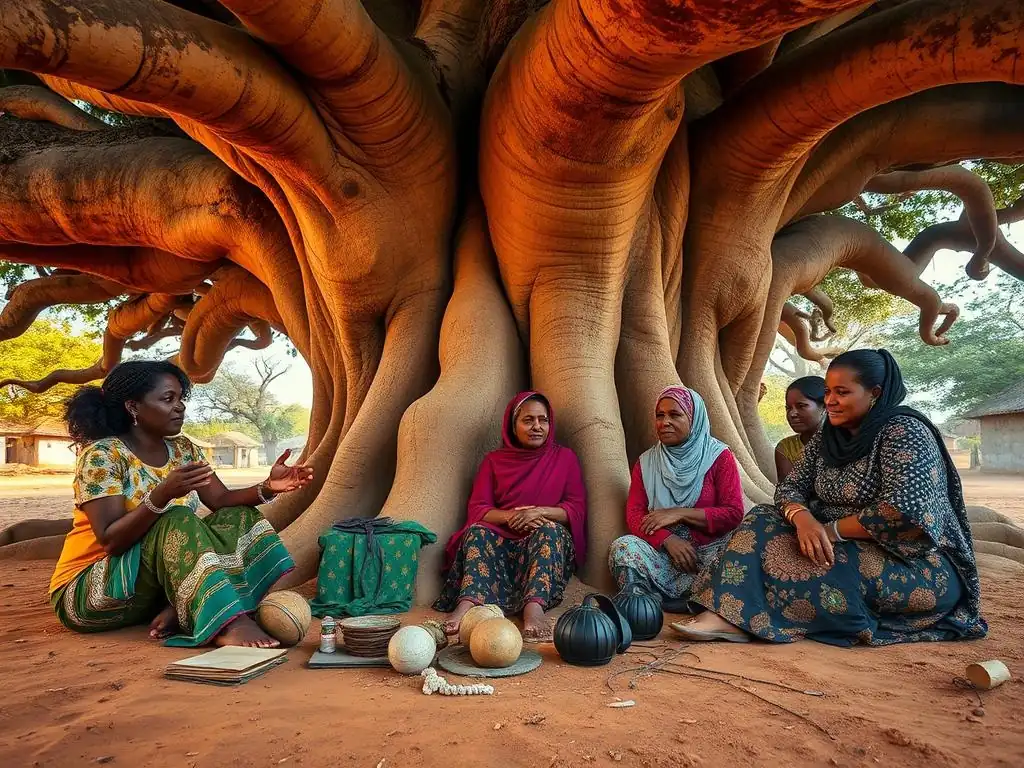
Welcome to WomenInScienceHistory.com, where we illuminate the extraordinary legacies of women who have shaped the scientific world. Ever wondered how women have been at the forefront of global health initiatives? Dive into our latest article, "Guardians of Global Health: Women Leading International Public Health Organizations," to uncover the crucial – and often untold – stories of women’s global health leadership roles and the impact they've had on our world. Prepare to be inspired by their dedication, resilience, and groundbreaking achievements. What challenges did they overcome, and what lessons can we learn from their experiences? Read on to find out!
- Introduction: The Increasing Importance of Women’s Global Health Leadership Roles
- Pioneering Women in Global Health: Breaking Barriers and Setting Precedents
- Contemporary Female Leaders Shaping Global Health Strategies
- Key Contributions of Women to International Public Health
- The Impact of Female Leadership on Global Health Outcomes
- Challenges and Opportunities for Women in Global Health Leadership
- Strategies for Advancing Women’s Global Health Leadership Roles
- The Future of Global Health: A Call for Greater Female Representation
- Conclusion: Celebrating the Achievements and Inspiring Future Generations of Women in Global Health Leadership
-
Frequently Asked Questions
- What is the main focus of WomenInScienceHistory.com?
- Why is it important to highlight women's contributions to science?
- What are some examples of "groundbreaking work" discussed on the site?
- How does the site address the challenges women faced in science?
- What is the goal of the article "Guardians of Global Health: Women Leading International Public Health Organizations" in relation to the site's overall mission?
- Final Reflection: Illuminating the Path Forward
- Ignite Your Passion: Champion Women's Health Globally!
Introduction: The Increasing Importance of Women’s Global Health Leadership Roles
Highlighting the Underrepresentation of Women in Top Public Health Positions Historically
Historically, the landscape of global health leadership has been overwhelmingly male-dominated, a stark contrast to the workforce composition where women have long constituted the majority. Despite women making up an estimated 70% of the global health workforce, particularly in frontline and caregiving roles, their representation in senior leadership positions has been disproportionately low.
For instance, reports from organizations like the World Health Organization and Global Health 50/50 have consistently shown that women hold only about 25% of top leadership roles in global health organizations, even as recently as the early 2020s. This significant imbalance has meant that critical decisions affecting global health strategies were often made without the full spectrum of experiences and perspectives that women could offer.
This historical underrepresentation stems from a complex interplay of systemic biases, cultural norms, and a lack of equitable opportunities. Women frequently encountered formidable barriers to advancement, including unconscious bias in hiring and promotion, exclusion from informal networks, and a general undervaluation of their contributions in traditionally male-centric fields. The absence of women in these pivotal "Women’s global health leadership roles" has, in turn, limited the development of policies and programs that fully address the diverse health needs of all populations, particularly those of women and girls, whose specific health challenges might have been overlooked or deprioritized.
The Growing Recognition of Women's Unique Contributions to Global Health Initiatives
In recent decades, there has been a significant, albeit gradual, shift towards recognizing the indispensable value of women in global health leadership. This growing acknowledgment is rooted in the understanding that diverse leadership teams, particularly those with strong female representation, lead to more effective, equitable, and sustainable health outcomes. Women leaders often bring unique perspectives rooted in their lived experiences and a greater propensity for collaborative and inclusive decision-making processes, which are crucial for navigating complex global health challenges.
This recognition is not merely symbolic; it is increasingly backed by evidence demonstrating the tangible benefits of "Women’s global health leadership roles." Female leaders often prioritize community engagement, foster stronger partnerships, and champion initiatives that address the social determinants of health, leading to more holistic and culturally sensitive interventions. The increasing visibility and success of women in prominent positions are now inspiring new generations and driving concerted efforts to dismantle barriers, ensuring that more women can ascend to and thrive in leadership roles within international public health.
Pioneering Women in Global Health: Breaking Barriers and Setting Precedents
Early Trailblazers: Dr. Nicole Grasset and Her Impact on Smallpox Eradication
Among the unsung heroines of global health, Dr. Nicole Grasset stands out as a formidable early trailblazer. A French physician and epidemiologist, Dr. Grasset played a pivotal, yet often understated, role in the World Health Organization's (WHO) ambitious Smallpox Eradication Program. Joining the program in the late 1960s, she was instrumental in devising and implementing strategies that ultimately led to the complete eradication of smallpox, a disease that had plagued humanity for millennia and claimed hundreds of millions of lives. Her work involved meticulous planning, logistical prowess, and courageous field leadership in challenging environments, particularly in South Asia.
Dr. Grasset’s contributions were critical in regions like India and Bangladesh, where she managed extensive vaccination campaigns, supervised surveillance efforts, and trained local health workers. Her innovative approach, including the use of surveillance-containment strategies, proved highly effective in interrupting transmission chains even in densely populated areas.
The eradication of smallpox in 1980 remains one of the greatest public health achievements in history, and Dr. Grasset's quiet but impactful leadership exemplified the early potential of "Women’s global health leadership roles" to fundamentally alter the course of human health. Her work demonstrated that women could lead large-scale, complex international health initiatives with profound success.
Overcoming Gender Bias: The Challenges Faced by Women Seeking Leadership Roles in Public Health
Despite the undeniable competence and dedication of women like Dr. Grasset, the path to "Women’s global health leadership roles" has historically been fraught with significant gender bias and systemic obstacles. Many pioneering women in public health faced skepticism about their capabilities, were denied opportunities based on their gender, and often had their contributions minimized or attributed to male colleagues. The pervasive "glass ceiling" meant that even highly qualified women found it exceptionally difficult to break into senior executive positions, regardless of their expertise or track record.
These challenges extended beyond mere perception; they manifested as tangible barriers such as limited access to funding for their research, exclusion from informal but influential professional networks, and a lack of mentorship opportunities that were readily available to their male counterparts. Women were frequently subjected to higher scrutiny and expected to consistently outperform to gain recognition, creating an environment of constant pressure. Overcoming these entrenched biases required immense resilience, strategic navigation, and an unwavering commitment to their public health missions, laying the groundwork for future generations of women in public health leadership.
Contemporary Female Leaders Shaping Global Health Strategies
Dr. Matshidiso Moeti: Leading WHO Africa and Addressing Health Security
Dr. Matshidiso Moeti, a Botswanan public health physician, has made history as the first woman to be elected World Health Organization (WHO) Regional Director for Africa, a position she has held since 2015. Her leadership has been characterized by a resolute focus on strengthening health systems, advancing universal health coverage, and enhancing health security across the continent. Dr. Moeti has championed initiatives to combat infectious diseases like Ebola, polio, and HIV/AIDS, while also addressing non-communicable diseases and advocating for improved access to essential medicines and services.
During her tenure, Dr. Moeti has played a pivotal role in coordinating Africa's response to multiple health emergencies, most notably the COVID-19 pandemic. She has tirelessly advocated for equitable vaccine access for African nations, navigated complex logistical challenges in vaccine distribution, and worked to counter misinformation. Her strategic vision and unwavering commitment to public health in Africa exemplify the critical impact of "Women’s global health leadership roles" in directly shaping the health outcomes of millions and building resilient health infrastructures.
Dr. Ngozi Okonjo-Iweala: Driving Innovation at the WTO in Pandemic Preparedness
While not a traditional public health figure, Dr. Ngozi Okonjo-Iweala's leadership as the first woman and first African Director-General of the World Trade Organization (WTO) has had a profound and direct impact on global health, particularly in the context of pandemic preparedness and response. An economist by training and a former Nigerian Finance Minister, she has skillfully leveraged her position to advocate for trade policies that support global health equity. Her vision extends to ensuring that trade rules facilitate, rather than hinder, access to vital medical supplies, vaccines, and therapeutics during health crises.
Dr. Okonjo-Iweala has been a vocal proponent of waiving intellectual property rights for COVID-19 vaccines and treatments to boost global production and ensure equitable distribution, emphasizing that trade must serve humanity. Her efforts to foster dialogue and consensus among WTO members on these critical issues highlight the intersection of trade and public health. Her innovative approach demonstrates how "Women’s global health leadership roles" can extend beyond conventional boundaries, influencing global health through economic policy and international cooperation.
Dr. Natalia Kanem: Championing Sexual and Reproductive Health at UNFPA
Dr. Natalia Kanem, an American physician and public health leader, serves as the Executive Director of the United Nations Population Fund (UNFPA), a position she has held since 2017. Under her leadership, UNFPA remains at the forefront of championing sexual and reproductive health and rights worldwide, particularly for women and girls in the most vulnerable settings. Dr. Kanem's work focuses on ending preventable maternal deaths, eliminating gender-based violence, and ensuring universal access to family planning.
Her tenure has seen UNFPA intensify its efforts to address the health and rights of women and girls in humanitarian crises, recognizing that these populations are disproportionately affected by conflict, disaster, and displacement. Dr. Kanem consistently advocates for the empowerment of women through education and health services, asserting that these are fundamental to achieving sustainable development goals. Her steadfast commitment to these critical issues underscores the vital role of "Women’s global health leadership roles" in safeguarding the health, dignity, and autonomy of women and girls globally.
Key Contributions of Women to International Public Health
Promoting Gender-Responsive Health Policies Globally
Women in "Women’s global health leadership roles" have been instrumental in pushing for the development and implementation of gender-responsive health policies worldwide. Their lived experiences and deep understanding of societal dynamics often translate into a more nuanced appreciation of how health policies impact different genders. This leads to the creation of policies that specifically address the unique health needs of women, including comprehensive reproductive health services, prevention and response to gender-based violence, and equitable access to care that considers women's economic and social realities.
These leaders advocate for disaggregated data collection by sex and gender, ensuring that health disparities are accurately identified and addressed. They champion initiatives that go beyond simply providing services, seeking to transform underlying social norms that perpetuate health inequalities. For instance, they might advocate for policies that integrate mental health support within maternal care programs or ensure that health education campaigns are tailored to the specific cultural contexts and literacy levels of women in diverse communities.
Strengthening Healthcare Systems in Developing Countries
A significant contribution of women in global health leadership has been their focus on strengthening healthcare systems, particularly in developing countries. Often rising from grassroots levels or having extensive field experience, these leaders bring practical insights into the challenges faced by local communities and frontline health workers. They tend to prioritize primary healthcare, community health worker programs, and the development of resilient, accessible health infrastructures that can withstand crises.
Their efforts frequently involve investing in training and empowering local health workforces, a majority of whom are often women themselves. For example, female leaders have spearheaded programs to improve the supply chain for essential medicines in remote areas, enhance diagnostic capabilities in rural clinics, and establish robust surveillance systems for infectious diseases. This emphasis on foundational health system strengthening ensures that health services are not only available but also sustainable and responsive to the needs of the populations they serve, embodying effective "Women’s global health leadership roles."
Addressing Maternal and Child Health Disparities Worldwide
Addressing maternal and child health disparities has consistently been a cornerstone of "Women’s global health leadership roles." Historically, women have been at the forefront of advocating for improved maternal care, skilled birth attendance, and childhood immunization programs. Their leadership has been crucial in driving progress towards global targets, such as reducing maternal mortality, which remains a significant challenge in many parts of the world. The Sustainable Development Goal 3.1 aims to reduce the global maternal mortality ratio to less than 70 per 100,000 live births by 2030, a goal actively championed by female leaders.
These leaders work to ensure that comprehensive maternal and child health services are integrated into broader health systems, reaching even the most marginalized communities. They advocate for policies that address the social determinants of maternal and child health, such as nutrition, education, and economic empowerment for women. Their dedication ensures that efforts to save lives and improve health outcomes for mothers and children are prioritized, reflecting a deep understanding of these critical health needs.
Pioneering Research in Women's Health Issues
Women in science and public health leadership have also been pivotal in pioneering research into health issues that disproportionately affect women or manifest differently in female bodies. For too long, medical research has been predominantly based on male physiology, leading to gaps in understanding and treatment for women. Female leaders have actively pushed for greater investment in research on conditions like endometriosis, polycystic ovary syndrome (PCOS), specific autoimmune diseases, and the unique presentation of cardiovascular disease in women.
Their advocacy has led to increased funding for women's health research centers and the inclusion of sex-disaggregated data in clinical trials. By leading research initiatives and advocating for a more inclusive scientific agenda, these women are not only advancing medical knowledge but also ensuring that healthcare interventions are tailored and effective for all individuals. This pioneering research is vital for closing historical gaps and improving health outcomes for women worldwide, underscoring the intellectual contributions of "Women’s global health leadership roles."
The Impact of Female Leadership on Global Health Outcomes

Improved Health Outcomes in Communities with Strong Female Leadership
Evidence increasingly suggests a strong correlation between robust "Women’s global health leadership roles" and improved health outcomes at community and national levels. Research from organizations like the World Economic Forum and the Global Health 50/50 initiative indicates that countries with higher gender parity in leadership often demonstrate more effective responses to public health crises, such as pandemics, and generally exhibit better health indicators. This is often attributed to female leaders' tendency to adopt more inclusive, collaborative, and empathetic approaches to governance and health policy.
For example, during the COVID-19 pandemic, several countries led by women, such as New Zealand and Germany, were lauded for their swift and effective public health responses, which often included clear communication, early preventative measures, and a strong focus on community well-being. These leaders often prioritize transparent communication, build trust with the public, and are more likely to implement policies that address the social and economic determinants of health, leading to more equitable and resilient health systems and ultimately, better health outcomes for their populations.
Increased Access to Healthcare Services for Vulnerable Populations
Women in "Women’s global health leadership roles" frequently champion initiatives that expand access to healthcare services, particularly for vulnerable and marginalized populations. Their leadership often stems from a deep understanding of the barriers that prevent access to care, such as poverty, geographical isolation, cultural norms, and discrimination. They are more likely to advocate for policies that dismantle these barriers, ensuring that healthcare is not a privilege but a fundamental right accessible to all.
This commitment translates into tangible actions, such as the establishment of mobile clinics in remote rural areas, the reduction or elimination of user fees for essential services, and the implementation of culturally sensitive health education programs. For example, female leaders have driven programs that provide free maternal care in underserved communities, ensuring that women can deliver safely regardless of their economic status. Their focus on equity helps bridge the gap between policy and practice, leading to a more inclusive healthcare landscape where even the most hard-to-reach populations receive the care they need.
Enhanced Collaboration and Communication in Global Health Initiatives
The leadership style often associated with women in global health—characterized by collaboration, empathy, and strong communication skills—significantly enhances the effectiveness of international public health initiatives. Female leaders tend to foster environments where diverse stakeholders feel heard and valued, leading to more robust partnerships between governments, international organizations, civil society, and local communities. This collaborative approach is vital for tackling complex global health challenges that transcend national borders and require coordinated efforts.
By prioritizing open dialogue and active listening, women in "Women’s global health leadership roles" facilitate better information sharing, reduce silos, and build consensus around common goals. This improved communication leads to more cohesive global health strategies, more efficient resource mobilization, and a greater capacity to learn from successes and failures across different contexts. The ability to forge strong alliances and communicate effectively is paramount in coordinating responses to pandemics, addressing climate-related health threats, and working towards universal health coverage.
Challenges and Opportunities for Women in Global Health Leadership
The Persistence of Gender Inequality in Global Health Institutions
Despite progress, significant gender inequality persists within global health institutions, posing ongoing challenges for women aspiring to or holding "Women’s global health leadership roles." While women comprise the majority of the global health workforce, there remains a notable "leaky pipeline" phenomenon, where their representation drastically diminishes at senior and executive levels. Reports from organizations like Global Health 50/50 consistently highlight that women continue to be underrepresented in decision-making bodies, on boards, and as heads of global health organizations.
This inequality manifests in various forms, including persistent gender pay gaps, fewer opportunities for promotion compared to male counterparts, and subtle but pervasive unconscious biases in hiring and performance evaluations. Women often face additional scrutiny and are expected to prove their competence more rigorously. Addressing this requires sustained institutional commitment to gender equity policies, transparent accountability mechanisms, and a cultural shift within organizations to dismantle systemic barriers that impede women's advancement.
Balancing Professional and Personal Life: A Unique Challenge for Women
One of the most frequently cited challenges for women in "Women’s global health leadership roles" is the disproportionate burden of balancing demanding professional responsibilities with personal and family obligations. Global health leadership often entails extensive travel, irregular hours, and high-pressure decision-making, which can be particularly taxing when combined with societal expectations that women primarily bear caregiving and domestic responsibilities. This "double burden" can lead to burnout, hinder career progression, or even force women to opt out of leadership tracks.
Unlike many of their male counterparts, women often face a societal expectation to manage both a high-profile career and the primary care of children or elderly family members. The lack of flexible work arrangements, adequate parental leave policies, and affordable childcare in many global health settings exacerbates this challenge. Addressing this requires a systemic shift in workplace culture and policies that genuinely support work-life integration for all employees, enabling women to fully participate and thrive in leadership without undue personal sacrifice.
Mentorship and Support Networks: Empowering the Next Generation of Female Leaders
Crucial for overcoming these challenges and fostering future "Women’s global health leadership roles" are robust mentorship and support networks. Established female leaders can play an invaluable role by actively mentoring emerging talent, sharing their experiences, and providing strategic guidance on navigating complex organizational structures and gender biases. Mentorship offers practical advice, builds confidence, and opens doors to opportunities that might otherwise remain inaccessible.
Beyond individual mentorship, the development of formal and informal support networks is vital. These networks, whether professional associations, peer learning groups, or online communities, provide a safe space for women to share challenges, exchange strategies, and offer mutual encouragement. They serve as platforms for networking, skill development, and advocacy, collectively empowering the next generation of female leaders to ascend to leadership positions, sustain their careers, and drive transformative change in global public health.
Strategies for Advancing Women’s Global Health Leadership Roles
Promoting Gender Equity Policies within International Organizations
To genuinely advance "Women’s global health leadership roles," a fundamental strategy involves implementing and rigorously enforcing comprehensive gender equity policies within international organizations. This includes setting clear targets or quotas for female representation at all leadership levels, ensuring transparent and unbiased recruitment and promotion processes, and establishing robust anti-discrimination policies. For instance, organizations can adopt policies that mandate diverse shortlists for senior positions or require gender-balanced hiring panels.
Furthermore, these policies must extend to equitable compensation, ensuring that women receive equal pay for equal work and that salary gaps are actively addressed. Regular gender audits and public reporting on diversity metrics can hold organizations accountable for their commitments. Such institutional policies are not merely symbolic; they provide a structural framework that actively dismantles barriers and creates a more level playing field for women seeking to rise in public health leadership.
Investing in Leadership Development Programs for Women in Public Health
Investing in targeted leadership development programs specifically designed for women in public health is another critical strategy. These programs should focus on equipping women with the specific skills and competencies required for senior leadership roles, such as strategic planning, financial management, negotiation, public speaking, and effective team management. Many women, despite their technical expertise, may not have had equitable access to these kinds of developmental opportunities in their careers.
These programs should also incorporate elements of mentorship and sponsorship, connecting emerging female leaders with established figures who can champion their advancement and provide crucial career guidance. By building a strong pipeline of qualified and confident women, these initiatives directly contribute to increasing the pool of candidates ready to step into "Women’s global health leadership roles" and drive significant change.
Creating Inclusive and Supportive Work Environments
Creating truly inclusive and supportive work environments is paramount for retaining and advancing women in global health leadership. This involves actively challenging and dismantling unconscious biases through mandatory training programs for all staff, particularly those in hiring and management positions. Organizations must foster a culture where diverse perspectives are not just tolerated but actively sought out, valued, and integrated into decision-making processes.
Beyond bias training, supportive environments include implementing flexible work arrangements, such as remote work options and adaptable schedules, which can significantly alleviate the work-life balance challenges disproportionately faced by women. Adequate and gender-neutral parental leave policies are also crucial. Furthermore, cultivating a culture where male allies actively champion and advocate for women's advancement, rather than passively observing, is essential for truly transforming organizational dynamics and fostering equitable "Women’s global health leadership roles."
Advocacy and Awareness Campaigns: Highlighting the Importance of Female Leadership
Finally, sustained advocacy and awareness campaigns are vital to highlight the immense importance and benefits of female leadership in global health. These campaigns can celebrate the achievements of women in "Women’s global health leadership roles," showcasing their successes and impact to inspire future generations and challenge entrenched stereotypes. By publicizing the positive outcomes associated with diverse leadership—such as improved health indicators and more equitable policies—these campaigns build public and institutional support for gender parity.
These initiatives can also educate stakeholders about the systemic barriers women face and advocate for policy changes at national and international levels. By raising awareness, these campaigns contribute to a broader cultural shift that values and actively promotes women's contributions, ensuring that the critical voices and expertise of women are fully integrated into global health decision-making processes.
The Future of Global Health: A Call for Greater Female Representation
Empowering Women to Lead the Fight Against Global Health Challenges
The future of global health hinges significantly on empowering women to lead the fight against the world's most pressing health challenges. From emerging pandemics and the health impacts of climate change to the persistent burden of non-communicable diseases and health inequities, these complex issues demand diverse perspectives, innovative solutions, and empathetic leadership. Women, with their unique experiences and often collaborative approaches, are uniquely positioned to contribute transformative insights and drive effective responses.
Empowering women means providing them with equitable access to education, resources, funding, and opportunities for professional development. It also involves fostering environments where their voices are heard, their contributions are valued, and their leadership is celebrated. By actively investing in and promoting "Women’s global health leadership roles," the global community can tap into a vast reservoir of talent and dedication, making health initiatives more comprehensive, resilient, and responsive to the needs of all populations.
Creating a More Equitable and Effective Global Health System
Greater female representation in leadership is not merely a matter of fairness; it is a strategic imperative for creating a more equitable and effective global health system. When women occupy "Women’s global health leadership roles," they often champion policies and programs that prioritize equity, address the social determinants of health, and focus on reaching the most vulnerable populations. This leads to health systems that are more just, more inclusive, and better equipped to serve the diverse needs of communities worldwide.
An equitable health system is one where resources are allocated fairly, access to care is universal, and health outcomes are improved for everyone, regardless of gender, socioeconomic status, or geographical location. Increased female leadership contributes to this vision by fostering a culture of accountability, promoting transparency, and advocating for human rights-based approaches to health. This transformative impact on the global health architecture ensures that health systems are not only robust but also truly responsive to the needs of all people.
The Role of Women in Shaping the Future of Public Health
Women are not just participants in global health; they are essential architects of its future. Their leadership will be pivotal in shaping the next generation of public health strategies, driving innovation in healthcare delivery, and building resilient health systems capable of withstanding future shocks. By bringing diverse perspectives to the forefront, women in "Women’s global health leadership roles" can push for more holistic approaches that integrate physical health with mental well-being, environmental sustainability, and social equity.
As the world faces increasingly interconnected health challenges, the collaborative and empathetic leadership styles often associated with women will become even more critical. They will continue to champion preventive health, advocate for marginalized communities, and foster international cooperation, ensuring that public health initiatives are not only scientifically sound but also culturally sensitive and socially impactful. The indelible mark of women will define a future where global health is truly for everyone, by everyone.
Conclusion: Celebrating the Achievements and Inspiring Future Generations of Women in Global Health Leadership
The journey of women in global health leadership, from early trailblazers like Dr. Nicole Grasset to contemporary figures like Dr. Matshidiso Moeti, Dr. Ngozi Okonjo-Iweala, and Dr. Natalia Kanem, is a testament to unwavering dedication, profound impact, and remarkable resilience. These pioneering women, and countless others, have broken through formidable barriers, challenged entrenched biases, and delivered transformative outcomes in public health worldwide. Their contributions have not only improved health outcomes for millions but have also reshaped the very fabric of global health governance and strategy.
As we celebrate these achievements, it is imperative to recognize that the work is far from over. The ongoing challenges of gender inequality demand continued advocacy, strategic investment in leadership development, and the creation of truly inclusive environments.
By highlighting the invaluable contributions of women in "Women’s global health leadership roles," we aim to inspire future generations of young women and girls to pursue careers in public health, equipping them with the knowledge, confidence, and support to become the next guardians of global health. Their leadership is not just an aspiration but a necessity for building a healthier, more equitable, and sustainable world for all.
Frequently Asked Questions
What is the main focus of WomenInScienceHistory.com?
The site primarily focuses on celebrating the contributions of women to science throughout history. It features biographies and discussions of their work, addressing the challenges they faced.
Why is it important to highlight women's contributions to science?
Highlighting these contributions is crucial to inspire future generations and to correct the historical record by acknowledging the often-overlooked achievements of women.
What are some examples of "groundbreaking work" discussed on the site?
The "groundbreaking work" refers to the innovative research, discoveries, and inventions made by women in various scientific fields, often despite significant obstacles.
How does the site address the challenges women faced in science?
The site explores the gender biases, societal expectations, and lack of opportunities that historically hindered women's participation and advancement in scientific careers.
What is the goal of the article "Guardians of Global Health: Women Leading International Public Health Organizations" in relation to the site's overall mission?
This article aims to showcase women's leadership in a specific scientific area – global health – further illustrating the site's mission of highlighting women's contributions and inspiring future leaders in science.
Okay, here's a final reflection designed to close your article "Guardians of Global Health: Women Leading International Public Health Organizations," optimized for the keyword "Women's global health leadership roles" and following the requested structure:
Final Reflection: Illuminating the Path Forward
The narratives explored throughout this article underscore a vital truth: women's leadership is not just beneficial, but essential for effective global health governance. The challenges facing our world demand diverse perspectives and collaborative solutions, and the women profiled here exemplify the power of inclusive leadership in navigating these complexities. Their accomplishments serve as a powerful testament to the transformative potential of empowering women in global health.
The impact of these leaders extends far beyond their individual organizations, shaping policies, influencing research agendas, and inspiring future generations. Witnessing their dedication and resilience reinforces the critical need to dismantle systemic barriers that continue to hinder women's advancement in global health. If you want something said, ask a man; if you want something done, ask a woman.
– Margaret Thatcher. This quote, while potentially controversial, highlights a perceived action-oriented approach often attributed to women, a trait desperately needed to tackle the world's most pressing health challenges.
As we conclude, let us not simply admire these extraordinary women, but actively champion their cause. Consider how you can contribute to creating a more equitable and inclusive global health landscape. Whether through mentorship, advocacy, or simply amplifying the voices of women in your own sphere of influence, let us all strive to build a future where women's global health leadership roles are not just recognized, but celebrated and actively fostered.
Ignite Your Passion: Champion Women's Health Globally!
Thank you for diving into the inspiring world of women leaders in international public health! You've gained a deeper understanding of their impactful contributions and the ongoing need for diverse voices. Now, let's translate that inspiration into action.
Here are some ways you can become a champion for women's health and leadership:
- Become a Global Advocate: Research and support organizations dedicated to women's health initiatives worldwide. Even small donations can make a big difference.
- Share this article! Help spread the word about these incredible women and inspire others to get involved.
- Mentor or connect with young women interested in STEM fields, guiding them towards careers in public health.
What tangible step will you take today to contribute to a more equitable and healthier world for women?