
The Silent Revolutionaries: Women Who Quietly, Yet Profoundly, Transformed Mechanical Engineering

Welcome to WomenInScienceHistory.com!
Dive into the untold stories of brilliant minds that shaped our world. This month, we're spotlighting Women Transforming Mechanical Engineering History, exploring the remarkable contributions and resilience of female engineers who defied expectations and pioneered innovations that continue to impact us today. What groundbreaking inventions did they create, and what obstacles did they overcome to leave their indelible mark? Read on to uncover the silent revolution they sparked!
- The Silent Revolutionaries: Women Transforming Mechanical Engineering History
- Early Pioneers: Laying the Foundation for Women in Engineering
- World War II and the Rise of Women in Mechanical Engineering Roles
- Post-War Era: Continued Progress and Persistent Obstacles
- Key Contributions of Women to Mechanical Engineering Innovation
- Breaking Barriers: Women in Leadership Roles in Mechanical Engineering
- Modern Era: Women Shaping the Future of Mechanical Engineering
- The Impact of Women's Contributions on Mechanical Engineering Education
- Inspiring Future Generations: The Legacy of Women in Mechanical Engineering History
- Conclusion: Recognizing the Profound Impact of Women on Mechanical Engineering
-
Frequently Asked Questions
- What were some of the biggest obstacles women faced in entering mechanical engineering fields historically?
- How did the contributions of women impact the field of mechanical engineering, even if they were "silent revolutionaries"?
- Can you give a specific example of a woman who significantly impacted mechanical engineering history?
- Why is it important to highlight the role of women in transforming mechanical engineering history?
- How can I learn more about women who have transformed mechanical engineering history?
- Final Reflection: Echoes of Innovation
- Inspire the Next Generation: Empower HER Future!
The Silent Revolutionaries: Women Transforming Mechanical Engineering History
Celebrating Unsung Heroines in Mechanical Engineering
Throughout history, the narrative of scientific and engineering progress has often been dominated by male figures, leaving the significant contributions of women largely unrecognized. In mechanical engineering, a field foundational to innovation across countless industries, women have quietly, yet profoundly, shaped its trajectory through their ingenuity, perseverance, and groundbreaking work. These "silent revolutionaries" have pushed boundaries, solved critical problems, and laid the groundwork for future advancements.
Recognizing these overlooked achievements is not merely about historical accuracy; it is essential for understanding the full scope of mechanical engineering's evolution and inspiring future generations. By highlighting the pivotal roles played by these women, we not only pay homage to their legacies but also illuminate the diverse pathways and perspectives that have driven progress, showcasing how women transforming mechanical engineering history have been integral to its very fabric.
Early Pioneers: Laying the Foundation for Women in Engineering
Elsie MacGill: Canada's First Female Aircraft Designer and Her Impact
Elsie MacGill stands as a monumental figure among early female engineers, breaking significant barriers in the aeronautical field. Born in 1905, she overcame personal adversity, including polio, to earn a degree in electrical engineering from the University of Toronto in 1927, becoming Canada's first woman to do so. She continued her education at the University of Michigan, earning a master's degree in aeronautical engineering in 1929, firmly establishing her as a pioneer in a nascent and male-dominated discipline.
Her most impactful work came during World War II at Canadian Car and Foundry (Can-Car), where she became the first female aircraft designer in the world. MacGill was instrumental in overseeing the production of Hawker Hurricane fighter planes, a crucial aircraft for the Allied war effort. She streamlined the assembly line and implemented design modifications for winter operations, earning her the moniker "Queen of the Hurricanes" for her efficiency and innovative adaptations that significantly boosted wartime aircraft production, unequivocally demonstrating women transforming mechanical engineering history.
Overcoming Societal Barriers: Early Challenges for Female Engineers
For women entering mechanical engineering in its early stages, the path was fraught with formidable societal barriers and pervasive gender discrimination. Access to higher education in engineering was severely restricted, with many institutions either refusing admission to women or placing them in separate, often less rigorous, programs. Even for those who managed to secure degrees, professional opportunities were scarce, and employers frequently dismissed their qualifications in favor of male candidates.
Beyond educational and employment hurdles, early female engineers faced skepticism, isolation, and outright prejudice from male colleagues and professional organizations. They were often denied membership in professional societies, limiting their access to networking and mentorship vital for career advancement. Despite these systemic obstacles, these resilient women pressed on, often working in uncredited roles or dedicating themselves to research, laying foundational contributions that began the subtle process of women transforming mechanical engineering history.
World War II and the Rise of Women in Mechanical Engineering Roles
Filling the Labor Gap: Opportunities for Women in Manufacturing and Engineering
World War II dramatically reshaped the landscape for women in mechanical engineering and related fields. With millions of men deployed for military service, a critical labor shortage emerged in industries vital to the war effort, including manufacturing, aerospace, and armaments. This unprecedented demand compelled governments and companies to recruit women into roles previously considered exclusively male, from factory floors to design offices.
Women stepped into these roles with remarkable aptitude, performing complex tasks that ranged from operating heavy machinery and assembling aircraft components to undertaking intricate engineering calculations and designing new tools. This period, epitomized by figures like "Rosie the Riveter," shattered stereotypes about women's capabilities in technical and physically demanding jobs. Their collective efforts not only sustained the war economy but also proved their immense potential, accelerating the process of women transforming mechanical engineering history on a grand scale.
Beatrice "Tilly" Shilling: Designing the RAE restrictor to Improve Aircraft Performance and Her Contributions
Among the brilliant women who emerged during WWII, Beatrice "Tilly" Shilling stands out for her direct and life-saving contribution to mechanical engineering. An aeronautical engineer at the Royal Aircraft Establishment (RAE) in the UK, Shilling tackled a critical flaw in the Rolls-Royce Merlin engines powering Spitfire and Hurricane fighter planes. During combat maneuvers, especially negative G forces, the carburettors would flood, causing the engines to cut out, leaving pilots vulnerable.
Shilling's ingenious solution, developed in 1940, was a simple yet effective device known as the RAE restrictor, or affectionately, "Miss Shilling's Orifice." This small brass thimble with a precisely sized hole limited fuel flow to prevent flooding. It was quickly implemented across the RAF fleet, significantly improving aircraft reliability and pilot safety during the Battle of Britain and beyond. Her practical, impactful mechanical engineering solution is a testament to the crucial role of women transforming mechanical engineering history during a pivotal moment.
Post-War Era: Continued Progress and Persistent Obstacles

The end of World War II brought a complex set of challenges for women in mechanical engineering. While their wartime contributions had proven their capabilities, many were expected to return to traditional domestic roles as servicemen came home. Those who remained in engineering fields often faced renewed discrimination, struggling to retain their positions, achieve promotions, or receive equal pay for equal work.
Women engineers in the post-war era frequently found themselves isolated in workplaces where they were the sole female professional. They contended with overt sexism, being relegated to support roles, or having their technical expertise questioned by male colleagues. Despite these persistent obstacles, their unwavering commitment to their careers and their quiet determination continued to drive progress, subtly but surely ensuring that women transforming mechanical engineering history remained a continuous, albeit challenging, endeavor.
Stephanie Kwolek: Inventor of Kevlar and Her Legacy
While primarily a chemist, Stephanie Kwolek's invention of Kevlar had a profound and lasting impact on mechanical engineering, revolutionizing material science and product design. Working for DuPont in 1965, Kwolek was tasked with finding a lightweight yet strong fiber for tires. Through meticulous experimentation, she synthesized a liquid crystalline polymer that, when spun, produced an incredibly strong and stiff fiber unlike anything seen before.
Kevlar, five times stronger than steel on an equal weight basis, quickly found applications far beyond tires. Its exceptional strength-to-weight ratio and resistance to impact and heat made it invaluable in mechanical engineering designs for bulletproof vests, aerospace components, automotive parts, marine cables, and protective gear. Kwolek's discovery underscored the interdisciplinary nature of innovation and highlighted how a woman's scientific breakthrough could fundamentally reshape the materials available to mechanical engineers, undeniably showing women transforming mechanical engineering history through material science.
Key Contributions of Women to Mechanical Engineering Innovation
Women Innovators in Automotive Engineering
Women have made significant, though often uncredited, contributions to automotive engineering, enhancing vehicle design, safety, and efficiency. Their insights have been particularly impactful in areas like ergonomics and user experience, often bringing a different perspective to the design process. For instance, while Mary Anderson is credited with inventing the windshield wiper in 1903, the continuous refinement of such essential components, along with seatbelt systems and dashboard layouts, has involved numerous female engineers.
Beyond visible components, women have contributed to the underlying mechanical systems, from engine efficiency to suspension design. Their work in material science, particularly in developing lighter and stronger composites, has been crucial for improving fuel economy and crashworthiness. These contributions have not only made vehicles safer and more comfortable but also pushed the boundaries of automotive performance, solidifying the role of women transforming mechanical engineering history within the transportation sector.
Significant Contributions to Aerospace Engineering by Female Engineers
The field of aerospace engineering has been profoundly shaped by the ingenuity of women, extending far beyond the early pioneers. Female engineers have been instrumental in various aspects of aircraft and spacecraft design, propulsion, and systems integration. Their work has spanned from the complex aerodynamics of supersonic jets to the intricate mechanics of satellite deployment systems.
For example, women have played critical roles in developing advanced jet engine components, optimizing thrust and fuel efficiency. In space exploration, female mechanical engineers have contributed to the design of robotic arms for space shuttles, life support systems for orbital habitats, and the structural integrity of rockets and spacecraft. Their precision, analytical rigor, and innovative problem-solving have been essential in pushing the frontiers of flight and space travel, making them key figures among women transforming mechanical engineering history in the aerospace domain.
Advances in Manufacturing Processes Led by Women
Women have played a crucial role in advancing manufacturing processes, driving efficiency, quality control, and the adoption of new technologies across various industries. Their contributions have included optimizing assembly lines, implementing lean manufacturing principles, and developing automated systems that reduce waste and increase productivity. This has been particularly evident in industries ranging from consumer goods to heavy machinery.
For instance, female engineers have been at the forefront of designing more efficient production workflows, integrating robotics for precision tasks, and developing sophisticated quality assurance protocols. Their focus on process optimization has led to significant cost savings, faster production cycles, and higher-quality products. These behind-the-scenes innovations in manufacturing highlight another vital dimension of women transforming mechanical engineering history.
The Role of Women in Robotics and Automation
As mechanical engineering increasingly converges with computer science and artificial intelligence, women are making pivotal contributions to the burgeoning fields of robotics and automation. They are at the forefront of designing, programming, and deploying robotic systems that perform complex tasks in diverse environments, from industrial factories to surgical operating rooms and even deep-sea exploration.
Female engineers are innovating in areas such as human-robot interaction, developing intuitive interfaces that allow for seamless collaboration between humans and machines. They are also leading advancements in robotic locomotion, manipulation, and sensing capabilities, creating more agile and intelligent autonomous systems. Their expertise is shaping the future of manufacturing, healthcare, and logistics, firmly establishing their critical role as women transforming mechanical engineering history in the age of automation.
Breaking Barriers: Women in Leadership Roles in Mechanical Engineering
Trailblazing Female CEOs and Executives in Engineering Companies
The journey for women to reach the highest echelons of leadership in engineering companies has been a challenging but increasingly successful one. Trailblazing female CEOs and executives have shattered glass ceilings, demonstrating that technical acumen, strategic vision, and leadership capabilities are not gender-specific. These women have overseen significant growth, innovation, and global expansion in some of the world's leading engineering and manufacturing firms.
Their ascent to these roles often involves navigating decades of professional experience, proving their mettle in diverse engineering challenges, and developing strong business acumen. Their leadership has not only guided major corporations but also inspired countless aspiring female engineers, demonstrating that the path to executive power is open. These leaders are actively shaping the direction of entire industries, representing a powerful force among women transforming mechanical engineering history from the top.
Women Leading Research and Development Initiatives
Women are increasingly at the helm of critical research and development (R&D) initiatives within mechanical engineering, driving innovation and setting the agenda for future technological advancements. Their leadership in R&D departments, university labs, and government research agencies is vital for translating scientific discoveries into practical engineering solutions. They direct multidisciplinary teams, secure substantial funding, and guide the strategic direction of groundbreaking projects.
These initiatives span a vast array of mechanical engineering sub-disciplines, including advanced materials, sustainable energy systems, biomechanics, and next-generation robotics. For example, female leads are spearheading research into additive manufacturing processes for custom medical implants or developing more efficient wind turbine designs. Their intellectual leadership and strategic oversight are crucial for pushing the boundaries of what is possible, clearly showing women transforming mechanical engineering history through their innovative research.
Modern Era: Women Shaping the Future of Mechanical Engineering
Increased Representation and Mentorship Programs for Women
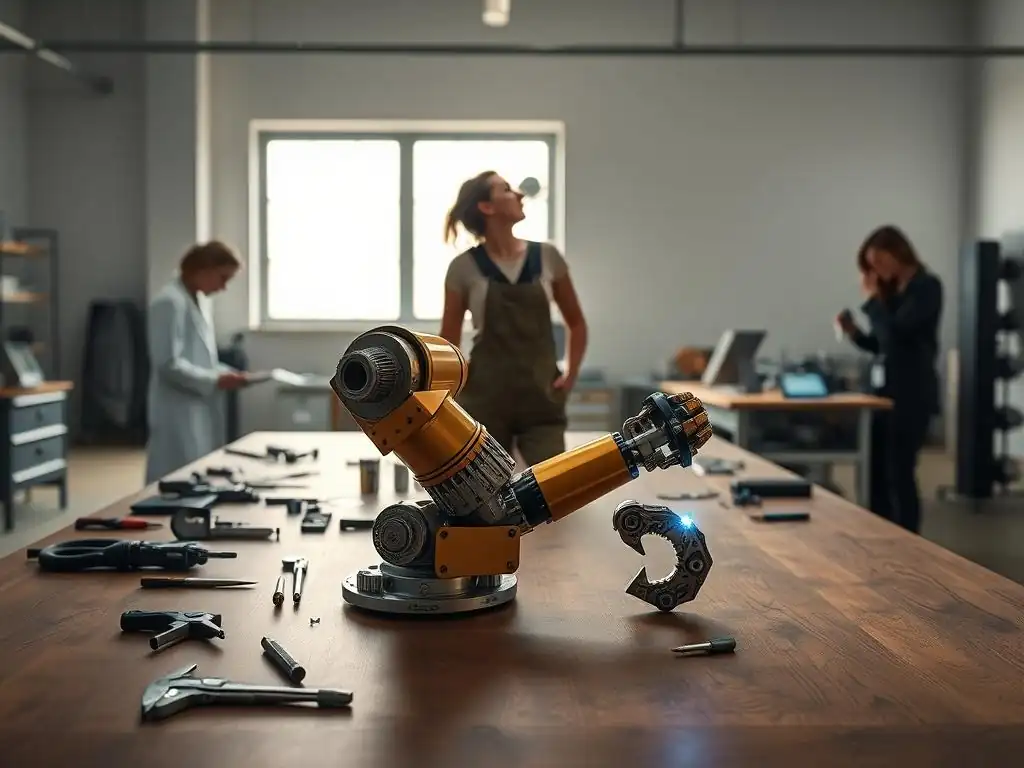
The modern era has seen a gradual but significant increase in the representation of women in mechanical engineering, both in academic programs and professional roles. While gender parity is still a distant goal, the percentage of engineering degrees awarded to women has steadily risen, reflecting changing societal attitudes and increased access to STEM education. For instance, data from the American Society for Engineering Education indicates that the percentage of bachelor's degrees in engineering awarded to women has risen from around 10% in the early 2000s to over 22% in recent years.
Crucial to this progress are dedicated mentorship programs and professional networks that provide support, guidance, and opportunities for female students and early-career engineers. Organizations like the Society of Women Engineers (SWE) offer invaluable resources, connecting women with experienced professionals, facilitating networking events, and providing scholarships. These initiatives are vital for retaining women in the field and ensuring their continued impact, reinforcing the narrative of women transforming mechanical engineering history.
Ayanna Howard: Leading Robotics Research at Georgia Tech and Her Team
Dr. Ayanna Howard is a prominent figure in modern robotics, exemplifying the impactful contributions of women to the future of mechanical engineering. Formerly a distinguished professor and researcher at Georgia Tech, she founded and directed the Human-Automation Systems Lab, focusing on intelligent control, human-robot interaction, and assistive robotics. Her work has pushed the boundaries of how robots can improve human lives, particularly in rehabilitation and therapy.
Her research includes developing robotic systems for children with motor impairments, enabling them to engage in therapeutic activities through play. Dr. Howard's leadership in this cutting-edge field demonstrates how mechanical engineering principles, combined with AI and human-centered design, can create transformative technologies. Her achievements, including her current role as Dean of Engineering at The Ohio State University, highlight the significant leadership and innovation that women bring to complex engineering challenges, ensuring women transforming mechanical engineering history remains a vibrant, ongoing story.
Addressing Gender Inequality in Mechanical Engineering Today
Despite notable progress, gender inequality persists in mechanical engineering today, particularly at senior levels and in leadership positions. Women continue to be underrepresented in executive roles, and issues such as unconscious bias, stereotype threat, and work-life balance challenges remain significant barriers. These systemic issues can lead to lower retention rates for women in engineering careers compared to their male counterparts.
To address these disparities, ongoing efforts are focused on fostering more inclusive workplace cultures, implementing equitable hiring and promotion practices, and advocating for equal pay. Initiatives promoting diversity and inclusion within engineering firms and academic institutions aim to dismantle biases and create environments where women feel valued and supported. By actively working to overcome these challenges, the field ensures that the full potential of women transforming mechanical engineering history can be realized.
The Impact of Women's Contributions on Mechanical Engineering Education
Women as Professors and Mentors: Inspiring the Next Generation
The increasing presence of women in academic roles within mechanical engineering departments is profoundly impacting the field's educational landscape. Women serving as professors, researchers, and department chairs provide crucial visible role models for female students, demonstrating that a successful career in engineering academia is achievable. Their presence helps to normalize the idea of women in engineering leadership.
Beyond serving as role models, these women actively engage in mentorship, guiding both male and female students through complex technical challenges, career decisions, and the nuances of navigating a professional environment. Their diverse perspectives enrich the learning experience, making engineering education more accessible and appealing to a broader range of students, thereby directly influencing future generations of women transforming mechanical engineering history.
Curriculum Development and Addressing Gender Bias in Engineering Education
Women in mechanical engineering education are also playing a vital role in shaping curriculum development and actively addressing gender bias within the learning environment. They advocate for and implement changes that make engineering courses more inclusive and reflective of diverse experiences and contributions. This can involve incorporating case studies featuring female engineers or broadening the scope of engineering problems to include more interdisciplinary and humanitarian applications.
Furthermore, female educators are instrumental in identifying and mitigating subtle gender biases in teaching methods, classroom interactions, and assessment practices. By promoting active learning, collaborative projects, and inclusive language, they help create an equitable educational experience that fosters critical thinking and problem-solving skills for all students. These efforts are fundamental to ensuring that mechanical engineering education is welcoming and empowering for every aspiring engineer.
Inspiring Future Generations: The Legacy of Women in Mechanical Engineering History
Highlighting Role Models and Mentors for Young Women in STEM
To inspire the next generation of female mechanical engineers, it is crucial to proactively highlight the stories and achievements of women who have excelled in the field. Showcasing these role models, from historical pioneers like Elsie MacGill to contemporary leaders like Ayanna Howard, provides tangible proof of what is possible and helps to counteract persistent stereotypes about engineering being a male-dominated profession.
Active mentorship programs are equally vital, offering young women direct guidance, encouragement, and practical advice as they navigate their academic and early professional journeys in STEM. These mentors can help demystify the engineering career path, build confidence, and provide invaluable networking opportunities, ensuring that aspiring female engineers have the support system needed to thrive and contribute to the ongoing narrative of women transforming mechanical engineering history.
Resources and Organizations Supporting Women in Engineering
A robust ecosystem of resources and organizations is dedicated to supporting women in engineering, playing a critical role in fostering their development and success. Groups like the Society of Women Engineers (SWE), the Women in Engineering ProActive Network (WEPAN), and various university-based women in engineering programs provide invaluable support through scholarships, professional development workshops, and networking events.
These organizations create communities where women can connect, share experiences, and find solidarity. They also advocate for policy changes and institutional reforms that promote diversity, equity, and inclusion within engineering fields. By providing these essential resources and platforms, they empower women to overcome challenges, excel in their careers, and continue to make significant contributions, ensuring the powerful legacy of women transforming mechanical engineering history endures.
Conclusion: Recognizing the Profound Impact of Women on Mechanical Engineering
Women's Enduring Contribution to the Field of Mechanical Engineering: A Call to Action
The journey of women in mechanical engineering, marked by quiet determination and groundbreaking innovation, has profoundly shaped the field's evolution from its nascent stages to the complex, interdisciplinary discipline it is today. From pioneering aircraft design and inventing revolutionary materials to leading cutting-edge robotics research and transforming manufacturing processes, women have consistently demonstrated their indispensable value. Their contributions, often made against formidable societal barriers, have been essential to advancing engineering knowledge and improving countless aspects of modern life.
Recognizing the enduring impact of women transforming mechanical engineering history is not merely an act of historical correction; it is a call to action for the present and future. It compels us to actively champion diversity, dismantle lingering inequalities, and foster environments where all engineers, regardless of gender, can thrive and contribute their full potential. By celebrating these unsung heroines and supporting the next generation, we ensure that mechanical engineering continues to benefit from the full spectrum of human talent and ingenuity.
Frequently Asked Questions
What were some of the biggest obstacles women faced in entering mechanical engineering fields historically?
Historically, women faced significant barriers, including lack of access to education and prevailing societal biases that discouraged them from pursuing careers in STEM fields. They also encountered discrimination in hiring and promotion.
How did the contributions of women impact the field of mechanical engineering, even if they were "silent revolutionaries"?
Women's contributions often involved innovative problem-solving and a focus on practical applications, leading to advancements in areas like design, manufacturing, and materials science. Their work helped broaden the scope of mechanical engineering.
Can you give a specific example of a woman who significantly impacted mechanical engineering history?
While many stories are still being uncovered, one example is Lillian Moller Gilbreth, who applied scientific management principles to improve efficiency in both industrial settings and the home, revolutionizing ergonomics and time-motion studies.
Why is it important to highlight the role of women in transforming mechanical engineering history?
Highlighting these stories helps to correct historical imbalances and inspire future generations of women to pursue careers in mechanical engineering. It also demonstrates the value of diverse perspectives in innovation.
How can I learn more about women who have transformed mechanical engineering history?
Resources like WomenInScienceHistory.com offer biographies and articles about pioneering female scientists and engineers. You can also explore academic journals and historical archives dedicated to the history of science and technology.
Final Reflection: Echoes of Innovation
The stories we've explored, the silent revolutions waged by these pioneering women, are not relics of the past but living blueprints for the future of engineering. Their struggles and triumphs resonate deeply in a world still striving for true equity and inclusion in STEM fields, reminding us that progress is often built on the quiet, persistent efforts of those who dare to defy expectations.
The impact of these women extends far beyond the blueprints they drafted and the machines they designed. Their legacy is a testament to the power of perseverance and the transformative potential of diverse perspectives in innovation. It's a reminder that history often overlooks the contributions of those who don't fit the conventional mold, and that actively seeking out and celebrating these narratives is crucial for inspiring future generations. You educate a man; you educate a man. You educate a woman; you educate a generation.
- Brigham Young
As you reflect on the lives and achievements of these silent revolutionaries, consider the ways in which you can champion inclusivity and innovation in your own sphere of influence. What biases might you be unconsciously holding? How can you actively support and uplift the voices of those who are often marginalized? The path to a truly equitable and innovative future lies in our collective commitment to recognizing and celebrating the contributions of all who dare to dream and build.
Inspire the Next Generation: Empower HER Future!
Thank you for joining us on this journey through the remarkable stories of women who revolutionized mechanical engineering. We hope you've found inspiration in their quiet strength and groundbreaking achievements. Now, let's carry their legacy forward.
Here's how you can make a difference:
- Mentor a young woman interested in STEM. Share your knowledge, experiences, and encouragement to guide her journey.
- Explore our website, WomenInScienceHistory.com, to discover more untold stories of women who shaped the world of science.
- Share this article with your network and start a conversation about the importance of recognizing and celebrating women in engineering.
What small step will you take today to champion the next generation of female engineers?