
Flexible Learning, Lasting Impact: SelfPaced Chemistry Through the Lens of Female Innovators


Welcome to WomenInScienceHistory.com, where we uncover the untold stories of groundbreaking female scientists. Delve into the world of Female chemists selfpaced learning and discover how these innovative approaches are shaping the future of education, inspired by the resilience and brilliance of women who defied expectations in their own scientific pursuits. Are you ready to explore the flexible learning paths that empower the next generation of female scientists?
- Introduction: Empowering Future Female Chemists Through Self-Paced Learning
- The Historical Barriers Faced by Female Chemists: A Foundation for Understanding
- Inspiring Stories: Female Chemists Who Shaped the Field
- Self-Paced Chemistry Courses: A Comparative Analysis for Aspiring Female Chemists
- Choosing the Right Self-Paced Chemistry Course: Key Considerations
- The Future of Female Chemists: Empowered by Flexible Learning
-
Frequently Asked Questions
- How did societal expectations impact female chemists' ability to pursue self-paced learning opportunities historically?
- What are some examples of groundbreaking discoveries made by female chemists who likely benefited from, or relied on, self-directed study?
- What challenges did female chemists face in accessing resources and information necessary for self-paced learning, compared to their male counterparts?
- How can modern self-paced learning platforms help address the historical disparities faced by female chemists in accessing scientific education?
- In what ways can highlighting the stories of female chemists who excelled through self-directed study inspire future generations of women in science?
- Final Reflection: Empowering Futures Through Self-Paced Chemistry
- Ignite Your Inner Chemist: Dive Deeper Now!
Introduction: Empowering Future Female Chemists Through Self-Paced Learning
WomenInScienceHistory.com is dedicated to unveiling the remarkable contributions of women who have shaped the world of science, often against formidable odds. In a world where scientific progress hinges on diverse perspectives, flexible learning pathways are crucial for fostering the next generation of innovators. Aspiring female chemists, like their pioneering predecessors, stand to gain immensely from educational models that adapt to their unique circumstances and ambitions.
The concept of self-paced chemistry courses offers an unparalleled opportunity for aspiring female chemists to delve into the complexities of chemical science on their own terms. These programs provide the flexibility to learn anytime, anywhere, breaking down traditional barriers of access and rigid schedules. This adaptability is particularly beneficial for those balancing studies with work, family responsibilities, or other commitments, ensuring that a passion for chemistry can be nurtured without compromise. This article explores the transformative power of self-paced chemistry, viewed through the inspiring achievements of pioneering female chemists who paved the way for future scientific discovery.
The Historical Barriers Faced by Female Chemists: A Foundation for Understanding
Historically, the field of chemistry, much like other scientific disciplines, was largely inaccessible to women. Societal norms often confined women to domestic roles, while educational institutions and professional laboratories were predominantly male domains. This pervasive underrepresentation meant that countless potential scientific breakthroughs from female minds were lost, or their contributions were overlooked and misattributed.
Pioneering female chemists faced immense challenges, ranging from outright exclusion to systemic bias. Marie Curie, despite her unparalleled brilliance, struggled with limited resources and skepticism in the early stages of her research in Paris. Similarly, Rosalind Franklin's crucial contributions to understanding DNA's structure were initially overshadowed, highlighting a pattern of female scientists' work being undervalued.
These historical barriers underscore the urgent need for accessible and equitable educational pathways for all aspiring female chemists. Today, the landscape is shifting, partly due to innovations like self-paced learning, which democratizes access and allows individuals to pursue their scientific passions free from some of these traditional constraints.
Overcoming Obstacles: How Self-Paced Chemistry Courses Can Help
Self-paced chemistry courses represent a significant leap in educational accessibility, directly addressing many of the historical obstacles faced by women in science. These online platforms offer unparalleled flexibility, allowing learners to engage with complex chemical concepts at a time and place that suits them.
Whether it's a mother studying after her children are asleep, a professional upskilling during lunch breaks, or a student in a remote area without access to traditional universities, self-paced learning removes geographical and temporal barriers, empowering female chemists to pursue their educational goals without compromise. The online format also often includes interactive elements and virtual laboratory simulations, providing a rich learning experience that can be revisited as many times as needed.
Furthermore, these courses are designed to accommodate diverse learning styles and schedules, a crucial benefit for many aspiring female chemists. Learners can spend more time on challenging topics, skip over already mastered material, and choose their preferred mode of engagement—be it video lectures, detailed readings, or practice problems. This personalized approach fosters deeper understanding and greater confidence.
Moreover, the growing emphasis on diversity in STEM has led to an increase in scholarships and financial aid resources specifically designated for women pursuing scientific education. Organizations like the American Association of University Women (AAUW) and the Society of Women Engineers (SWE) offer hundreds of scholarships annually, with awards ranging from a few hundred to several thousand dollars, helping to alleviate financial burdens and ensure that talent, not economic status, dictates access to quality self-paced chemistry education.
Inspiring Stories: Female Chemists Who Shaped the Field
The history of chemistry is rich with the indelible marks left by extraordinary female scientists whose dedication, intelligence, and perseverance pushed the boundaries of knowledge. Their stories serve as powerful testaments to the impact accessible STEM education can have, inspiring countless aspiring female chemists to follow in their footsteps. These innovators, often working with limited resources and facing significant societal pushback, exemplify the self-directed learning and determination that modern self-paced chemistry courses aim to cultivate. Their achievements highlight the critical importance of fostering environments where scientific curiosity, regardless of gender, can flourish and contribute to humanity's collective understanding.
Marie Curie: A Pioneer of Radioactivity and Self-Directed Learning
Marie Skłodowska Curie, born in Poland in 1867, stands as one of the most iconic figures in scientific history. Denied higher education in her native country because she was a woman, she pursued her studies through a "Flying University," an underground educational enterprise. This early experience fostered a profound sense of self-directed learning that would define her career.
Later, moving to Paris to study at the Sorbonne, she faced immense financial hardship and worked in rudimentary conditions, often in a leaky shed, to conduct her groundbreaking experiments with her husband, Pierre Curie. Her unwavering dedication to scientific inquiry, despite these considerable struggles, led to discoveries that revolutionized physics and chemistry.
Curie's monumental work led to the isolation of two new elements, polonium and radium, fundamentally changing our understanding of matter and energy. Her research laid the groundwork for the field of radioactivity, with profound implications for medicine, energy, and fundamental physics. She became the first woman to win a Nobel Prize (Physics, 1903) and the only person to win Nobel Prizes in two different scientific fields (Chemistry, 1911), a testament to her unparalleled genius and tenacity.
Her legacy extends beyond her scientific achievements; she broke through significant gender barriers, demonstrating that women were equally capable of profound scientific contributions. Her life story, extensively documented in biographies and films, continues to inspire aspiring female chemists globally, highlighting the power of perseverance and self-driven study.
Dorothy Hodgkin: Unlocking the Secrets of Biomolecules with X-ray Crystallography
Dorothy Hodgkin, a British chemist, left an indelible mark on biochemistry through her pioneering work in X-ray crystallography, earning her the Nobel Prize in Chemistry in 1964. Her meticulous and groundbreaking research involved developing and applying X-ray diffraction techniques to determine the three-dimensional structures of complex biomolecules. Over decades, she successfully elucidated the structures of penicillin, vitamin B12, and insulin, achievements that were pivotal for medical science and our understanding of biological processes. Hodgkin's work was inherently visual, involving the interpretation of complex diffraction patterns to build models of molecular architecture.
The importance of visual learning in chemistry cannot be overstated, especially when dealing with intricate molecular structures and reactions, and self-paced chemistry courses excel in incorporating visual aids. Modern online learning platforms often leverage interactive 3D models, animated reaction mechanisms, and virtual laboratory simulations that allow aspiring female chemists to visualize concepts in ways that traditional textbooks cannot.
This aligns perfectly with Hodgkin's legacy, as her method of scientific discovery was deeply rooted in visual interpretation. For those interested in structural biology or pharmaceutical chemistry, understanding X-ray crystallography is crucial, and many self-paced modules now offer comprehensive visual explanations and virtual experiments to make these complex topics accessible and engaging.
Alice Ball: A Revolutionary Treatment for Leprosy
Alice Ball, an African American chemist, made a monumental, yet tragically underrecognized, contribution to medicine in the early 20th century. Born in 1892, she became the first woman and the first African American to earn a master's degree in chemistry from the University of Hawaii. Her groundbreaking research focused on developing an injectable oil extract from the chaulmoogra tree that could treat leprosy.
Prior to her work, the raw chaulmoogra oil was too viscous and irritating to be effectively administered. Ball devised a method to create a water-soluble ethyl ester of the oil's fatty acids, which could be safely injected and absorbed by the body. This "Ball Method" was the most effective treatment for leprosy for over two decades, significantly improving the lives of countless patients worldwide.
Ball's work epitomizes the critical importance of practical applications in chemistry education. Her research wasn't just theoretical; it had a direct, life-saving impact on global health. This real-world relevance can be incredibly motivating for aspiring female chemists, demonstrating how chemical principles can be applied to solve pressing societal problems.
Many self-paced chemistry courses now include modules on medicinal chemistry, pharmaceutical development, or environmental chemistry, allowing students to explore the tangible impact of chemical research. These courses often present case studies of historical breakthroughs, such as Alice Ball's, to illustrate how chemical knowledge can lead to revolutionary practical solutions, inspiring a new generation of female chemists to pursue impactful careers in applied science.
Self-Paced Chemistry Courses: A Comparative Analysis for Aspiring Female Chemists
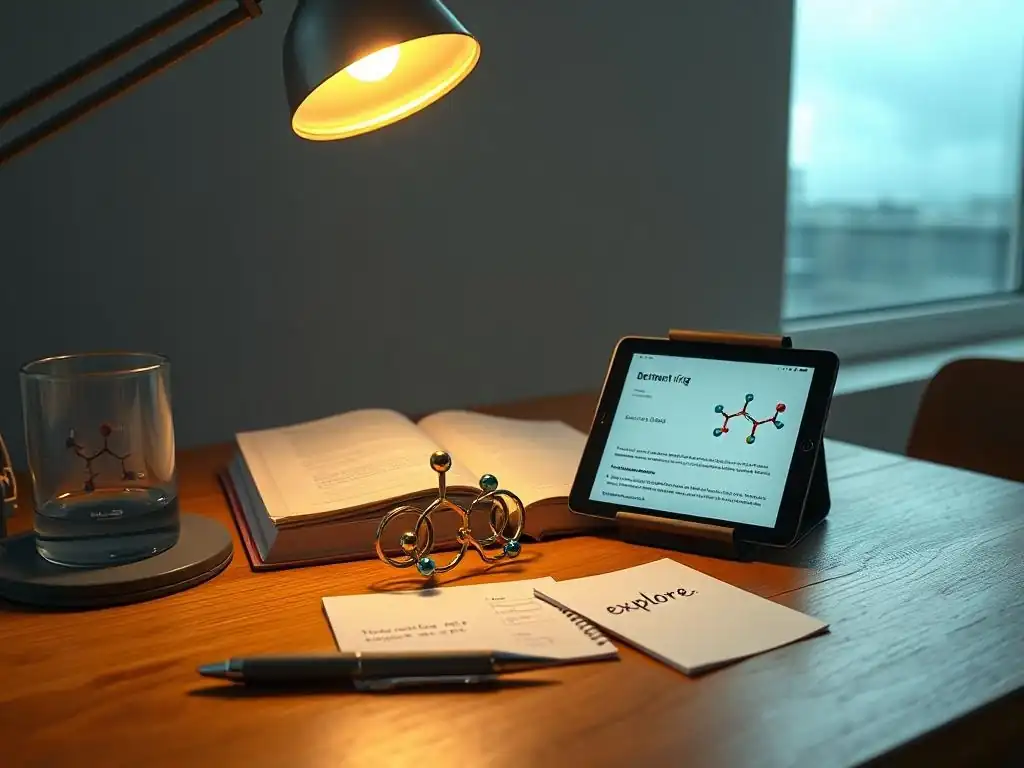
With a growing array of options available, selecting the ideal self-paced chemistry course requires careful consideration for aspiring female chemists. Each online learning platform and course offers unique strengths, catering to different learning styles, career aspirations, and foundational knowledge levels. Understanding the nuances of what each platform provides is crucial for making an informed decision that aligns with individual learning goals and needs. Whether seeking a foundational introduction, a deeper dive into advanced topics, or simply a free resource for supplementary learning, a comparative analysis helps in navigating the diverse landscape of online chemistry education.
Coursera's "Introduction to Chemistry": A Beginner-Friendly Option
Coursera offers numerous self-paced chemistry courses, with "Introduction to Chemistry" being a popular choice for beginners. Often provided by reputable institutions like Duke University or the University of Pennsylvania, these courses are meticulously designed to cover fundamental concepts, including atomic structure, chemical bonding, stoichiometry, and basic reactions. The format typically includes high-quality video lectures, interactive quizzes, and peer-graded assignments, fostering a comprehensive learning experience. The instructors are generally distinguished professors with decades of experience in chemical education, ensuring that even complex topics are explained clearly and accessibly, providing a solid foundational understanding for aspiring female chemists.
While many courses on Coursera offer a free audit option, allowing learners to access most course materials without charge, a verified certificate, often sought by aspiring female chemists for career advancement or academic credit, typically costs around $49 to $79 per course. Specializations or professional certificates, which bundle multiple related courses for a more in-depth study of a particular area, might range from $300 to $600. These costs provide access to graded assignments, instructor feedback in some cases, and the official certificate upon completion, which can be a valuable addition to a resume or academic application.
edX's "Principles of Chemistry": A More In-Depth Exploration
For aspiring female chemists seeking a more rigorous and in-depth exploration of chemical principles, edX provides a robust selection of self-paced chemistry courses. Often collaborating with world-renowned institutions such as MIT, Harvard University, or the University of California system, edX courses delve into advanced topics like thermodynamics, chemical kinetics, quantum chemistry, and organic reaction mechanisms. These programs are characterized by their academic rigor, often including virtual laboratory exercises, challenging problem sets, and forum discussions to facilitate peer interaction and deeper understanding.
The instructors for edX courses are typically leading researchers and faculty members from these top-tier universities, bringing cutting-edge knowledge and extensive teaching experience to the online classroom. This ensures that learners receive instruction that is both academically sound and reflective of current scientific thought. Similar to Coursera, edX courses often have a free audit track.
For a verified certificate, which can be invaluable for female chemists pursuing higher education or specialized roles, the cost typically ranges from $99 to $299 per course. Some professional programs or MicroMasters, which are designed to provide graduate-level foundational knowledge, might cost upwards of $1000, reflecting the depth and breadth of their curriculum and the prestige of the issuing institution.
Khan Academy's Chemistry: A Free and Accessible Resource
Khan Academy stands out as an exceptional, entirely free, and highly accessible resource for anyone interested in chemistry, making it an invaluable tool for aspiring female chemists. Its mission is to provide "a free, world-class education for anyone, anywhere," and its chemistry section fully embodies this principle. The platform offers a comprehensive library of video lessons, articles, and interactive practice exercises that cover a vast array of topics, from the absolute basics of atomic theory and the periodic table to more advanced concepts in organic chemistry and biochemistry.
The curriculum is meticulously structured, allowing learners to progress at their own pace, reinforcing concepts through immediate feedback on practice problems. Its comprehensive coverage spans general chemistry, organic chemistry, and even AP Chemistry, making it an excellent supplementary resource for students enrolled in traditional courses or a primary learning tool for female chemists just starting their journey.
While entirely free, students often complement their learning with recommended textbooks or study guides, which can be purchased separately. The interactive exercises provide immediate feedback, allowing learners to solidify their understanding of concepts without the pressure of formal grading, fostering a supportive environment for self-paced learning.
Choosing the Right Self-Paced Chemistry Course: Key Considerations
Selecting the most suitable self-paced chemistry course is a pivotal step for any aspiring female chemist. The ideal course should align not only with academic or career goals but also with individual learning preferences and financial considerations. A thoughtful evaluation of several key factors will ensure that the chosen program provides the most effective and engaging learning experience, laying a strong foundation for future scientific endeavors.
Learning Style and Preferences
Understanding one's individual learning style is paramount when choosing a self-paced chemistry course. Some learners, for instance, are visual learners who benefit immensely from diagrams, animations, and video demonstrations of chemical processes. Others might be more auditory, thriving on detailed lectures and discussions, while kinesthetic learners prefer hands-on activities, even if simulated virtually.
Self-paced chemistry platforms offer a diverse range of instructional methods, from extensive video lecture series to interactive simulations and robust problem sets, allowing female chemists to select a course that genuinely resonates with their preferred way of absorbing information. This flexibility ensures that the learning process is not only effective but also enjoyable and sustainable.
By identifying whether a course emphasizes visual explanations, provides ample practice problems, or features detailed theoretical discussions, aspiring female chemists can tailor their educational journey. For instance, a course rich in 3D molecular models and virtual lab environments might be ideal for a visual learner, while one with extensive practice exercises and immediate feedback could suit a kinesthetic learner. The beauty of self-paced learning lies in this adaptability, enabling female chemists to leverage their strengths and address their learning challenges effectively, ultimately leading to a deeper and more confident grasp of chemical principles.
Course Content and Curriculum
The alignment of a self-paced chemistry course's content and curriculum with specific learning goals is a critical consideration. Before enrolling, aspiring female chemists should carefully review the syllabus to ensure it covers the precise topics they need, whether for foundational knowledge, preparation for a standardized exam, or specialization in a particular sub-discipline of chemistry. A course focused on general chemistry might cover basic principles like atomic structure and chemical reactions, while another might delve exclusively into organic chemistry, biochemistry, or analytical techniques.
For example, a female chemist interested in pharmaceutical research would benefit from a course with strong modules in medicinal chemistry or organic synthesis, whereas someone aiming for environmental science might prioritize courses on green chemistry or analytical methods for pollutants. The depth and breadth of topics vary significantly across platforms and courses. By meticulously examining the curriculum, aspiring female chemists can ensure that their investment of time and effort directly contributes to their academic or professional objectives, providing them with the specific knowledge and skills required for their chosen path in the field.
Instructor Expertise and Credentials
The quality of instruction profoundly impacts the learning experience in any educational setting, and self-paced chemistry courses are no exception. It is highly advisable to choose courses taught by experienced and qualified instructors who possess not only deep subject matter expertise but also a proven ability to communicate complex chemical concepts clearly and engagingly. Reputable institutions and universities that offer self-paced chemistry courses often feature professors who are leaders in their fields, with extensive research backgrounds and years of teaching experience.
Courses from well-known institutions like MIT, Stanford, or the University of California system often guarantee a high standard of academic rigor and up-to-date content, reflecting the latest advancements in chemical science. The credentials of the instructors, such as their academic degrees, research publications, and affiliations, can provide valuable insights into the quality of the course. For aspiring female chemists, learning from renowned experts can be incredibly inspiring and provide a strong foundation for their own scientific careers, ensuring they are learning from the best in the field.
Cost and Financial Aid Options
The cost of different self-paced chemistry courses varies significantly, ranging from completely free resources to paid certificates and specialized programs. Aspiring female chemists must consider their budget when choosing a course. Platforms like Khan Academy offer comprehensive chemistry content entirely free of charge, making quality education accessible to everyone regardless of financial means. Other platforms, such as Coursera and edX, offer free audit options for many courses, allowing learners to access most materials, while a verified certificate or full program access comes with a fee, typically ranging from tens to hundreds or even thousands of dollars for specialized programs.
Fortunately, numerous financial aid and scholarship opportunities are specifically available for women in STEM fields, including chemistry. Organizations like the American Chemical Society (ACS), the Association for Women in Science (AWIS), and various university-specific programs offer grants, fellowships, and scholarships designed to support female students pursuing scientific education. These resources can significantly alleviate the financial burden of pursuing self-paced chemistry courses or advanced degrees. Aspiring female chemists are strongly encouraged to research and apply for these opportunities, as they can provide crucial support in achieving their educational and career goals.
The Future of Female Chemists: Empowered by Flexible Learning
Self-paced learning is not merely a convenience; it is a powerful tool for empowerment, especially for aspiring female chemists. It dismantles traditional educational barriers, offering a pathway to knowledge that is adaptable, accessible, and deeply personal. By providing the flexibility to balance academic pursuits with life's other demands, self-paced chemistry courses ensure that talent and passion are the primary determinants of success, not rigid schedules or geographical limitations. This modern approach to education is fostering a new generation of female scientists who are equipped with the knowledge, confidence, and adaptability to thrive in an ever-evolving scientific landscape.
By embracing the flexibility and depth offered by self-paced chemistry, you join a legacy of groundbreaking female chemists who, against all odds, made indelible contributions to the world. Your journey through the complexities of chemical science, undertaken at your own pace, empowers you to contribute to future discoveries and innovations. The field of chemistry awaits your unique perspective and ingenuity.
Take the next step in your scientific journey today by exploring the wealth of self-paced chemistry courses available. For more resources dedicated to women in STEM, explore the various programs and communities available to support your path and connect with a vibrant network of female scientists.
Frequently Asked Questions
How did societal expectations impact female chemists' ability to pursue self-paced learning opportunities historically?
Societal expectations often limited access to formal education and resources for women, making self-paced learning a crucial, albeit challenging, pathway for them to enter and thrive in chemistry. Many had to learn in secret or through unconventional means.
What are some examples of groundbreaking discoveries made by female chemists who likely benefited from, or relied on, self-directed study?
While direct proof is difficult, many prominent female chemists, such as Marie Curie, likely supplemented their formal education with significant self-directed study to master complex concepts and conduct pioneering research in radioactivity.
What challenges did female chemists face in accessing resources and information necessary for self-paced learning, compared to their male counterparts?
Female chemists often faced exclusion from academic institutions and scientific societies, limiting their access to libraries, laboratories, and mentorship opportunities that were readily available to men, hindering their self-paced progress.
How can modern self-paced learning platforms help address the historical disparities faced by female chemists in accessing scientific education?
Modern platforms offer equal access to educational materials and resources, breaking down geographical and social barriers that historically disadvantaged women. This empowers individuals to learn at their own pace regardless of their background.
In what ways can highlighting the stories of female chemists who excelled through self-directed study inspire future generations of women in science?
By showcasing the resilience and ingenuity of these pioneers, we demonstrate that barriers can be overcome with dedication and self-motivation. This provides powerful role models and inspires girls and women to pursue their passions in STEM fields.
Final Reflection: Empowering Futures Through Self-Paced Chemistry
The journey through the lives and achievements of female chemists, viewed through the lens of self-paced learning, reveals a powerful truth: access and flexibility are paramount to unlocking potential. The stories we've explored demonstrate that when barriers to education are lowered, particularly for underrepresented groups, innovation flourishes and the scientific landscape is enriched. This is not just a historical observation; it's a call to action to continue building more inclusive and adaptable learning environments today.
The impact of self-paced learning extends far beyond the individual, shaping the very fabric of scientific progress. Witnessing how these pioneering women navigated challenges and carved their own paths underscores the importance of personalized education. It's about fostering a love for learning and empowering individuals to pursue their passions at their own pace. The important thing is to never stop questioning.
- Albert Einstein. This quote resonates deeply, reminding us that curiosity, coupled with the freedom to explore, is the engine of discovery.
As we conclude this exploration, I invite you to consider how you can champion accessibility and flexibility in education. How can you support initiatives that empower future generations of female chemists and scientists? Let us strive to create a world where every individual, regardless of background or circumstance, has the opportunity to pursue their scientific dreams and contribute to a brighter future. Embrace the spirit of self-paced learning, not just in chemistry, but in all aspects of life, and unlock your own potential to innovate and inspire.
Ignite Your Inner Chemist: Dive Deeper Now!
Thank you for exploring the captivating stories of these pioneering women and their contributions to chemistry. We hope you found inspiration in their resilience and ingenuity. Now, it's your turn to take the next step!
Here's how you can continue your journey:
- Enroll in a self-paced online chemistry course and start experimenting with the building blocks of the universe – just like these incredible women did.
- Explore our website, WomenInScienceHistory.com, to uncover more untold stories of female innovators in STEM fields. You might discover your new role model!
- Share this article with a friend who needs a spark of inspiration to pursue their scientific dreams.
What's one small experiment you're inspired to try after learning about these remarkable women?