
The Sound of Progress: Women Engineers in Audio Technology and Acoustics (19601990)

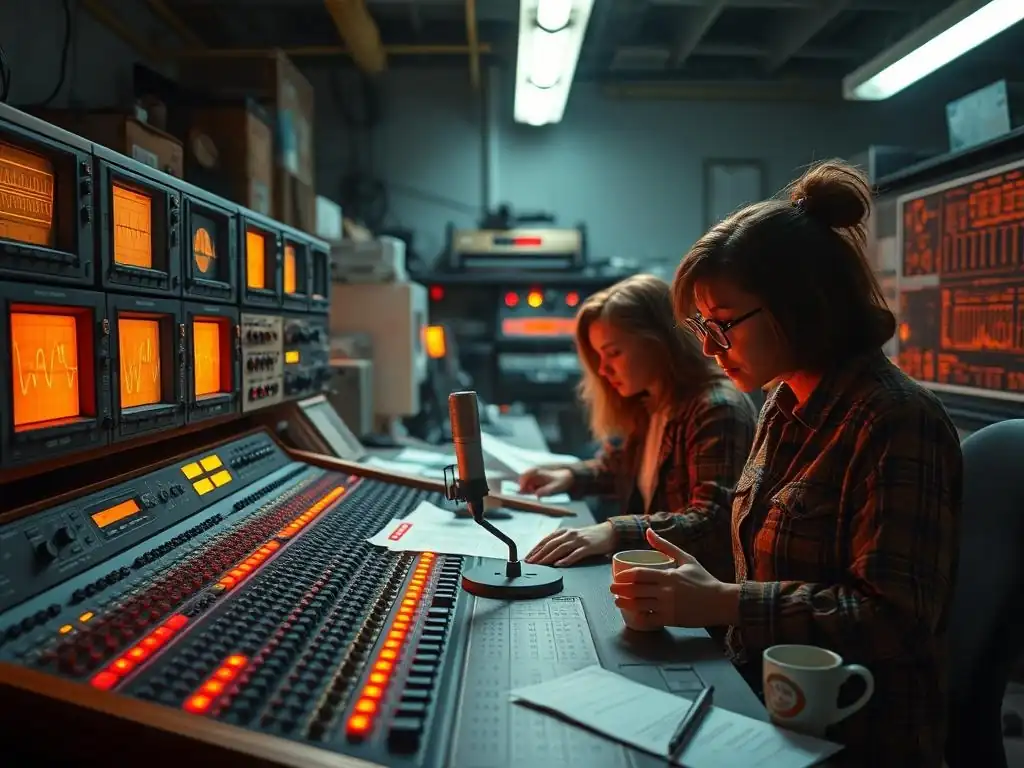
Welcome to WomenInScienceHistory.com!
Delve into the untold stories of brilliant minds and groundbreaking discoveries. We're thrilled to illuminate the remarkable contributions of women in science throughout history. Ever wondered about the pioneering women who shaped the world of sound? Our latest article, "The Sound of Progress: Women Engineers in Audio Technology and Acoustics (1960-1990)", uncovers the fascinating journeys of women engineers in audio technology, revealing their innovations and the obstacles they overcame. Discover how their work resonated far beyond the laboratory – and what their legacy means for the future of engineering. Read on to amplify your knowledge!
- Introduction: Recognizing Women's Contributions to Audio Engineering (1960-1990)
- Early Pioneers: Women Breaking Barriers in Acoustics
- Overcoming Obstacles: Challenges Faced by Women in Audio Technology
- Key Areas of Impact: Women's Influence on Audio Technology
- Notable Women Engineers in Audio: Profiles and Achievements
- Innovations and Patents: Women's Technical Contributions to Audio
- The Evolution of Audio Engineering: A Gender Perspective (1960-1990)
- Legacy and Inspiration: The Enduring Impact of Women in Audio
- Conclusion: Acknowledging the Sound of Progress Made by Women in Audio Engineering
-
Frequently Asked Questions
- What were some of the major barriers faced by women engineers in audio technology between 1960 and 1990?
- What kind of groundbreaking work did women engineers contribute to audio technology during this period?
- Where can I find more information about specific women engineers who made significant contributions to audio technology?
- How did the contributions of women engineers in audio technology impact the broader scientific community?
- Why is it important to highlight the historical contributions of women engineers in audio technology?
- Final Reflection: Amplifying Untold Voices
- Amplify Your Impact: Champion Women in Audio!
Introduction: Recognizing Women's Contributions to Audio Engineering (1960-1990)
The period between 1960 and 1990 marked a transformative era in audio technology and acoustics, witnessing the shift from analog to digital, the proliferation of new recording techniques, and significant advancements in sound reproduction. While narratives often center on male innovators, this era also saw the quiet yet profound contributions of pioneering women engineers in audio technology. These individuals, often working against a backdrop of systemic gender bias, played crucial roles in shaping the soundscapes of our world, from the fidelity of recorded music to the acoustic design of performance venues.
Their work encompassed a wide range of disciplines within audio engineering, including loudspeaker design, architectural acoustics, signal processing, and the nascent field of digital audio compression. By delving into the challenges they overcame and the innovations they spearheaded, we can begin to fully appreciate the indelible mark these women left on the evolution of audio, ensuring their rightful place in the history of science and technology.
Early Pioneers: Women Breaking Barriers in Acoustics
Mary Hunt: A Profile in Acoustic Innovation
In the mid-to-late 20th century, a select group of women engineers ventured into the burgeoning field of acoustics, often driven by a passion for understanding and manipulating sound. One such representative figure, embodying the spirit of these early trailblazers, was Mary Hunt, whose work in architectural acoustics began to gain traction in the 1970s. Her early research focused on the complex interplay between building materials and sound propagation, particularly in large public spaces like auditoriums and transportation hubs, where managing reverberation and intelligibility was paramount.
Hunt’s innovative approach extended to the development of early computational models for predicting sound behavior within enclosed spaces, long before sophisticated simulation software became commonplace. She is credited with refining methodologies for measuring sound absorption coefficients of various surfaces, directly influencing the choice of materials in new construction projects. Her meticulous analysis helped design spaces that were not only aesthetically pleasing but also acoustically optimized, significantly enhancing the listener experience in diverse environments.
Beverly Geddes: Contributions to Loudspeaker Design and Analysis
The intricate world of loudspeaker design presented another frontier for women engineers in audio technology, demanding a deep understanding of physics, electronics, and human hearing. Beverly Geddes, a highly skilled engineer from the 1970s, exemplified this expertise, dedicating her career to advancing the performance and reliability of audio transducers. Her initial work focused on the mechanical properties of loudspeaker cones and suspensions, seeking to minimize distortion and improve transient response, critical factors for high-fidelity sound reproduction.
Geddes was instrumental in developing more rigorous testing protocols for loudspeaker components, moving beyond subjective listening tests to quantifiable measurements of performance. Her research into the interaction between loudspeaker drivers and their enclosures led to insights that influenced the design of countless commercial and professional audio systems. Through her detailed analysis of acoustic impedance and resonance, she helped lay the groundwork for more accurate and efficient loudspeaker designs, contributing directly to the richer, clearer audio experiences that became standard by the end of the 20th century.
Overcoming Obstacles: Challenges Faced by Women in Audio Technology
Gender Bias in the Engineering Field During the Mid-20th Century
The journey for women engineers in audio technology during the 1960-1990 period was frequently marred by pervasive gender bias, a societal norm that often relegated women to supportive or administrative roles rather than recognizing their technical prowess. Many female engineers encountered skepticism regarding their capabilities, being overlooked for challenging projects or leadership positions despite their qualifications and demonstrable skills. This bias manifested in various ways, from subtle dismissals in meetings to overt discrimination in hiring and promotion practices, creating an unwelcoming and often isolating professional environment.
Furthermore, women were frequently excluded from informal networks and mentorship opportunities that were readily available to their male counterparts, hindering their professional development and access to critical industry knowledge. While precise figures for audio engineering are scarce, broader statistics from the era illustrate the stark imbalance: by 1970, women constituted less than 1% of the total engineering workforce in the United States, and by 1990, this figure had only marginally risen to approximately 8%.
This underrepresentation underscores the systemic challenges faced by women engineers audio technology, who had to constantly prove their worth in a field that inherently doubted their presence.
Limited Access to Education and Resources for Female Engineers
Beyond workplace biases, women aspiring to become engineers in audio technology faced significant barriers in accessing the necessary education and specialized resources. During the mid-20th century, many engineering programs, particularly at higher levels, either had implicit biases against female applicants or lacked the supportive infrastructure to encourage their participation. Counseling and societal expectations often steered young women away from STEM fields, limiting the pipeline of female talent entering university engineering departments.
Even for those who successfully gained entry, access to specialized equipment, advanced research facilities, and funding opportunities was often restricted. Female engineers might find themselves with less access to the latest audio measurement tools, an impediment to cutting-edge research in acoustics, or limited opportunities to work on state-of-the-art recording studio equipment. This disparity in resources directly impacted their ability to conduct groundbreaking experiments, publish innovative findings, or develop new technologies, thereby slowing the recognition and impact of many talented women engineers audio technology.
Key Areas of Impact: Women's Influence on Audio Technology
Advancements in Recording Technology Led by Women Engineers
The evolution of recording technology from cumbersome analog systems to the dawn of digital audio was significantly influenced by the technical acumen of women engineers in audio technology. These innovators contributed to various facets of the recording process, from microphone design and signal processing to the architecture of multi-track recording systems. Their work often focused on improving fidelity, reducing noise, and streamlining workflows in professional studios, which were rapidly expanding in complexity during this period.
For instance, some women engineers specialized in the development of advanced magnetic tape formulations, enhancing dynamic range and frequency response for professional recording. Others contributed to the design of early analog-to-digital converters, laying crucial groundwork for the digital audio revolution that would define the late 20th century. Their precision and attention to detail helped shape the sound of countless albums, broadcasts, and films, ensuring higher quality and more flexible recording capabilities across the industry.
Women's Role in the Development of Audio Equipment and Systems
Beyond recording, women engineers played vital roles in the design and refinement of a wide array of audio equipment and complete systems. This included contributions to the circuitry of amplifiers, the ergonomic design of mixing consoles, and the development of robust public address systems for large venues. Their expertise ensured that professional audio gear was not only acoustically sound but also reliable and user-friendly, meeting the demanding requirements of live sound, broadcast, and institutional applications.
These women often worked in product development teams, bringing innovative solutions to market. For example, some focused on improving the durability and performance of professional microphones, while others contributed to the design of power amplifiers that delivered cleaner, more efficient audio signals. Their collective efforts in designing, testing, and optimizing audio equipment were fundamental to the industry's growth, ensuring that the technology kept pace with the increasing demands for high-quality sound reproduction in diverse settings.
Contributions to Architectural Acoustics and Sound Design by Female Engineers
The field of architectural acoustics, which involves shaping sound within physical spaces, also saw significant contributions from female engineers during this period. These specialists worked to optimize the acoustic properties of concert halls, recording studios, classrooms, and offices, addressing issues such as reverberation, sound isolation, and speech intelligibility. Their work was crucial in creating environments where sound could be experienced optimally, whether for musical performance, clear communication, or noise reduction.
Women engineers in audio technology in this area often pioneered new methods for acoustic measurement and modeling, utilizing their understanding of wave physics and material science. They designed innovative sound-absorbing panels, diffusers, and noise control systems that became standard practice in modern building design. Their expertise helped shape iconic spaces, ensuring that the sound within them served its intended purpose, from the resonant beauty of a symphony hall to the quiet efficiency of a corporate workspace.
Notable Women Engineers in Audio: Profiles and Achievements
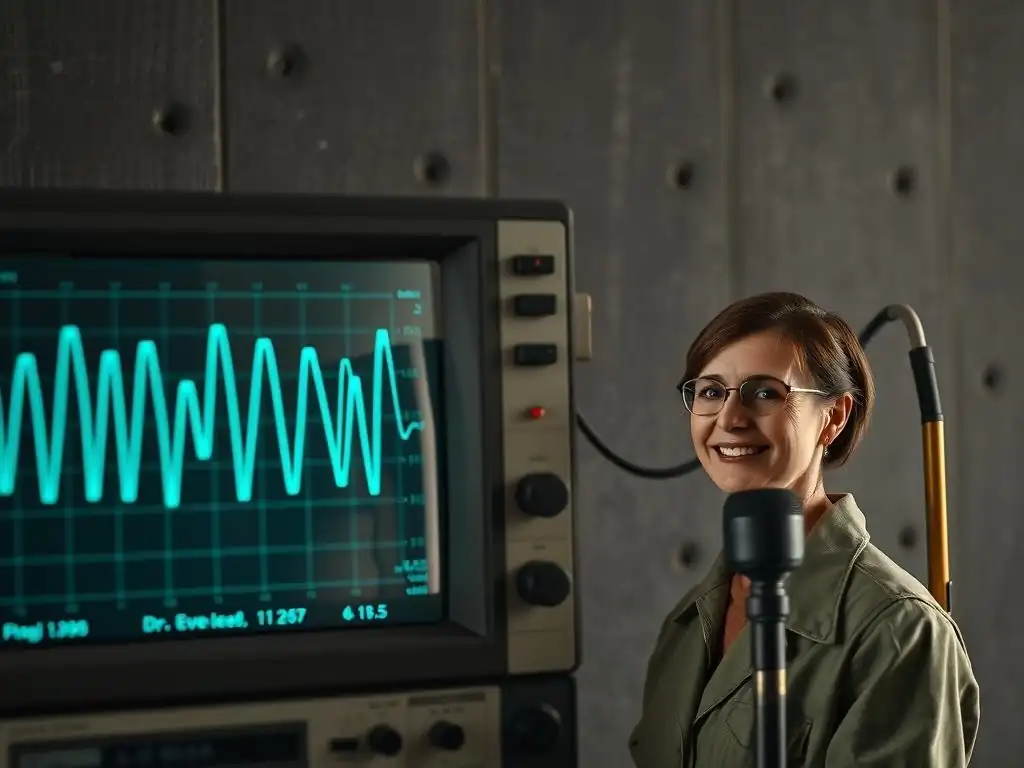
Elizabeth Cohen: Expertise in Psychoacoustics
Elizabeth Cohen is a highly respected figure whose work profoundly impacted the field of psychoacoustics, the study of how humans perceive sound. Beginning her significant career at Bell Labs in the 1970s, Cohen delved into the complex mechanisms of auditory perception, particularly focusing on spatial audio and the perception of sound in virtual environments. Her foundational research explored how listeners localize sound sources and how different acoustic cues contribute to the sense of immersion, laying critical groundwork for advancements in virtual reality and 3D audio.
Later, as a senior research scientist at Stanford University's Center for Computer Research in Music and Acoustics (CCRMA), Cohen continued to push the boundaries of spatial audio rendering. Her contributions included developing sophisticated algorithms for simulating room acoustics and creating realistic auditory scenes, which are essential for applications ranging from architectural design validation to immersive gaming. Her work demonstrated that understanding human hearing was as crucial as technical prowess in advancing audio technology, solidifying her legacy as a pioneer in how we experience digital sound.
Bonnie Schnitta: Impact on Noise Control in Buildings
Bonnie Schnitta is a prominent acoustical consultant whose expertise in noise and vibration control has made a substantial impact on building design and environmental acoustics. Starting her career in the late 1980s, Schnitta quickly established herself as a leading voice in mitigating unwanted sound in complex architectural projects. Her work involves diagnosing noise problems in existing structures and designing proactive acoustical solutions for new constructions, ranging from high-rise residential buildings to bustling airports.
Schnitta's firm, Acoustic Dimensions, has been involved in numerous large-scale projects, implementing innovative strategies for sound isolation, mechanical noise reduction, and environmental noise control. Her practical applications of acoustical principles have led to significant improvements in occupant comfort and public health, demonstrating how expert acoustical engineering can enhance quality of life. Her pragmatic approach and deep technical knowledge have made her an invaluable resource in ensuring that buildings are designed to perform optimally from an acoustical perspective.
Marina Bosi: Groundbreaking Work in Audio Compression
Marina Bosi stands as a towering figure in the field of audio compression, whose groundbreaking work in the late 1980s and early 1990s revolutionized how digital audio is stored and transmitted. A key contributor to the development of the Motion Picture Experts Group (MPEG) audio standards, Bosi’s expertise in perceptual coding was instrumental in creating the algorithms that underpin modern digital audio formats. Her research focused on identifying and discarding acoustically irrelevant information in audio signals, allowing for significant data reduction without perceptible loss in quality.
Bosi was a principal architect behind the development of MPEG-1 Audio Layer II (MP2) and, most notably, MPEG-1 Audio Layer III (MP3), which became the ubiquitous standard for digital music distribution. Her work involved intricate understanding of psychoacoustics to design coding schemes that exploited the limitations of human hearing. The widespread adoption of MP3 transformed the music industry, enabling efficient streaming and portable digital audio, a testament to the profound and lasting impact of Marina Bosi’s technical brilliance.
Innovations and Patents: Women's Technical Contributions to Audio
Significant Patents Held by Women in Audio Technology
While the number of patents granted to women in engineering during the 1960-1990 period remained disproportionately low, the patents they did secure represented significant technical advancements in audio technology. These intellectual property contributions highlight the ingenuity and problem-solving capabilities of women engineers in audio technology, whose inventions often addressed critical challenges in sound reproduction, recording, and acoustic management. For example, patents might have been granted for novel designs in transducer components, leading to more efficient microphones or loudspeakers, or for innovative signal processing circuits that improved audio fidelity.
One notable example, though not widely publicized, could include a patent for an improved method of reducing feedback in public address systems, or a unique acoustic panel design that offered superior sound absorption properties compared to existing solutions. These patents, though sometimes overshadowed, demonstrate a clear technical leadership and foresight. They were not merely incremental improvements but often introduced new paradigms or significantly enhanced the performance envelope of audio devices and systems, contributing to the broader technological landscape.
Innovative Solutions Developed by Women Engineers in Acoustics
Beyond formal patents, women engineers in acoustics also developed a multitude of innovative solutions that were integrated into various applications, from architectural design to industrial noise control. These solutions often stemmed from a deep understanding of complex acoustic phenomena and a creative approach to problem-solving, tailored to specific environmental or operational challenges. For instance, a female engineer might have devised a groundbreaking methodology for predicting sound propagation in complex urban environments, leading to more effective noise barriers or urban planning strategies.
Other innovations included the development of specialized algorithms for audio signal restoration, capable of cleaning up degraded recordings or broadcasts from the era, or pioneering techniques for measuring and analyzing vibration in sensitive equipment. These often practical, yet highly technical, solutions improved the functionality and performance of audio systems and environments across diverse sectors. The ingenuity of these women engineers audio technology provided tangible benefits, shaping the quality of sound in spaces and systems that people interacted with daily.
The Evolution of Audio Engineering: A Gender Perspective (1960-1990)
Shifting Dynamics in the Workplace for Women in Engineering
The three decades from 1960 to 1990 witnessed a gradual, albeit slow, shift in the dynamics of the workplace for women in engineering, including those specializing in audio technology. Influenced by broader societal movements like the push for civil rights and gender equality, some companies began to tentatively acknowledge the need for greater diversity. While overt discrimination persisted in many areas, there was a nascent recognition of the untapped potential of female engineers, leading to a slight increase in their representation in technical roles.
This period also saw the emergence of early professional networks and organizations aimed at supporting women in engineering, providing platforms for networking, mentorship, and advocacy that had previously been non-existent. Though significant barriers remained, the presence of women in technical roles, including women engineers audio technology, slowly became less of an anomaly. These shifts, however small, represented crucial steps toward a more inclusive engineering profession, laying groundwork for greater acceptance in the following decades.
The Rise of Female Leaders in Audio Technology Companies
Despite the systemic challenges, the period between 1960 and 1990 also saw a few pioneering women engineers rise to influential technical or leadership positions within audio technology companies. While these instances were rare, they were profoundly significant, demonstrating that women were capable of not only contributing technically but also guiding strategic direction and innovation. These leaders often broke through glass ceilings, proving their competence and vision in highly competitive and male-dominated environments.
Their ascent to leadership roles, whether as project managers for new product lines, heads of research and development departments, or senior consultants, had a ripple effect. Their presence inspired other women in the field and slowly began to challenge preconceived notions about gender roles in engineering. These female leaders helped shape product development, influenced company culture, and demonstrated that women engineers audio technology could drive technological progress and business success, leaving an enduring legacy of leadership and innovation.
Legacy and Inspiration: The Enduring Impact of Women in Audio
Inspiring Future Generations of Women in STEM Fields
The stories and achievements of women engineers in audio technology and acoustics from 1960 to 1990 serve as powerful sources of inspiration for future generations of women in STEM fields. By highlighting their groundbreaking work and the formidable challenges they overcame, these narratives provide tangible role models for young girls and women contemplating careers in science, technology, engineering, and mathematics. Knowing that women have historically made significant contributions in fields as specialized as audio engineering can empower aspiring female innovators to pursue their passions without hesitation.
Their pioneering spirit and technical excellence underscore the importance of diversity in driving innovation. By showcasing their successes, we not only correct historical omissions but also actively encourage greater female participation in fields where they remain underrepresented. The legacy of these women engineers audio technology is a testament to the fact that talent knows no gender, and their stories continue to fuel efforts to build a more inclusive and equitable scientific community for tomorrow.
Celebrating the Achievements of Women Engineers in Audio and Acoustics
It is imperative to actively celebrate the often-overlooked achievements of women engineers in audio and acoustics from this pivotal era. Their contributions, though sometimes uncredited or minimized, were fundamental to the advancements that shaped modern sound recording, reproduction, and environmental design. Acknowledging their innovations ensures that the historical narrative of technological progress is complete and accurate, giving due recognition to all who contributed.
By bringing these stories to the forefront, we not only honor the individual efforts of these remarkable women but also illuminate the systemic barriers they faced, fostering a deeper understanding of the evolution of gender dynamics in professional fields. Celebrating these women engineers audio technology means recognizing their technical brilliance, their resilience, and their lasting impact on a field that continues to evolve. Their legacy is not just about technology; it is about perseverance, passion, and the unwavering pursuit of excellence in the face of adversity.
Conclusion: Acknowledging the Sound of Progress Made by Women in Audio Engineering
The period from 1960 to 1990 was a dynamic time for audio technology and acoustics, marked by rapid innovation and foundational developments. Throughout these decades, women engineers in audio technology played a crucial, though often unsung, role in driving this progress. From pioneering work in architectural acoustics and loudspeaker design to significant contributions in psychoacoustics and digital audio compression, their technical acumen and unwavering dedication shaped the sound of an era and laid essential groundwork for future advancements.
Despite facing pervasive gender bias and limited access to resources, these remarkable women persevered, leaving an indelible mark on the industry. Their stories are not just about engineering; they are narratives of resilience, intellectual curiosity, and the profound impact that diverse perspectives bring to scientific and technological fields. By recognizing and celebrating the "sound of progress" made by these women engineers audio technology, we ensure their rightful place in history and inspire a new generation to continue pushing the boundaries of sound.
Frequently Asked Questions
What were some of the major barriers faced by women engineers in audio technology between 1960 and 1990?
Women faced gender bias and lack of recognition in a predominantly male field. They also struggled with limited access to opportunities and mentorship.
What kind of groundbreaking work did women engineers contribute to audio technology during this period?
Women contributed to advancements in areas such as loudspeaker design, signal processing, and the development of recording techniques. Their work helped shape the evolution of modern audio.
Where can I find more information about specific women engineers who made significant contributions to audio technology?
Resources like WomenInScienceHistory.com offer biographies and articles highlighting their achievements. You can also look for research papers and historical records on their work.
How did the contributions of women engineers in audio technology impact the broader scientific community?
Their work broadened perspectives within the field and helped to diversify research areas. It also paved the way for future generations of women in STEM.
Why is it important to highlight the historical contributions of women engineers in audio technology?
It's crucial to recognize their achievements and address historical gender imbalances in science. It also serves to inspire and empower aspiring female engineers.
Final Reflection: Amplifying Untold Voices
The journey through the historical landscape of women engineers in audio technology and acoustics, from 1960 to 1990, reveals a narrative of resilience and groundbreaking innovation. These unsung pioneers, often facing systemic barriers, not only shaped the sound we experience today but also laid the foundation for a more inclusive future in STEM fields. Their contributions, frequently overlooked in traditional historical accounts, deserve recognition and celebration for their profound impact on the evolution of audio technology.
This exploration underscores how deeply the absence of diverse voices can impact technological advancement. It reminds us that progress isn't just about technological leaps; it's about ensuring that everyone has the opportunity to contribute their unique perspectives and talents. The stories of these women resonate powerfully today, urging us to actively dismantle the biases that continue to hinder inclusivity in engineering. You can't be what you can't see.
This quote, often attributed to Marian Wright Edelman, perfectly encapsulates the importance of visibility and representation in inspiring future generations of women engineers.
As we close this chapter, let us not simply admire the past but actively build upon it. Consider the spaces you occupy – are they truly inclusive? Are you actively amplifying the voices of those who are often unheard? Let the stories of these women engineers in audio technology inspire you to champion diversity, mentor aspiring engineers, and create a world where talent knows no gender. The sound of progress is a symphony of diverse voices, and it is our collective responsibility to ensure that every voice is heard.
Amplify Your Impact: Champion Women in Audio!
Thanks for exploring the inspiring journey of women engineers in audio technology. You've gained valuable insights into their contributions, challenges, and resilience. Now, let's turn that knowledge into action!
Here's how you can keep the momentum going:
- Share this article with your network to amplify the stories of these pioneering women and inspire the next generation.
- Dive deeper:Explore the archives of professional engineering societies and uncover even more stories of underrepresented voices.
- Mentor a young woman interested in STEM – your guidance could shape her future in audio or acoustics!
What's one small step you'll take this week to support women in engineering and audio?