
More Than Role Models: How Women Scientists Actively Shape the Future of STEM in Developing Nations

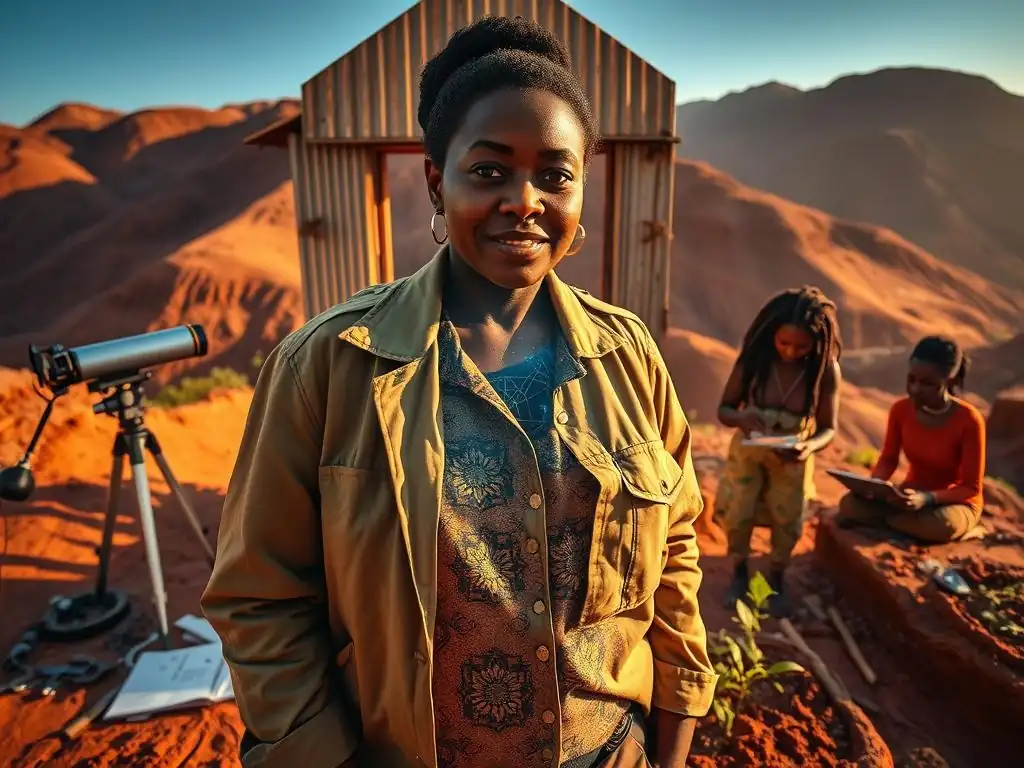
Welcome to WomenInScienceHistory.com!
Delve into the captivating world of female scientific pioneers and discover the stories that history often overlooks. Are you ready to explore how women are not just participating in STEM, but actively leading the charge in developing nations? Read on to uncover the inspiring work and profound impact of women scientists in STEM developing nations, and learn how they're shaping a brighter future for us all. The journey begins now...
- Introduction: The Vital Role of Women Scientists in STEM Across Developing Nations
- Breaking Barriers: Overcoming Obstacles Faced by Women in STEM in Developing Nations
- Women Scientists: Catalysts for Innovation and Progress in Developing Countries
- Mentorship and Empowerment: Building a Stronger STEM Pipeline for Women
- Policy and Advocacy: Supporting Women in STEM at the Governmental Level
- The Future of STEM in Developing Nations: Investing in Women Scientists
- Conclusion: Women Scientists – Shaping a Brighter Future for Developing Nations Through STEM
-
Frequently Asked Questions
- What is the primary focus of WomenInScienceHistory.com?
- Why is it important to highlight the stories of women scientists in STEM?
- What challenges did pioneering women scientists often face?
- How can women scientists actively shape the future of STEM in developing nations?
- What is the significance of focusing on women scientists in STEM from developing nations?
- Final Reflection: Empowering Futures Through Scientific Leadership
- Empower the Future: Join the STEM Revolution!
Introduction: The Vital Role of Women Scientists in STEM Across Developing Nations
Highlighting the Undervalued Contributions of Women in STEM Fields Globally
For too long, the narrative of scientific progress has largely overlooked the profound contributions of women. Historically, their groundbreaking discoveries were often attributed to male colleagues or simply ignored, a pattern that unfortunately persists in subtle ways even today. However, the indispensable role of women scientists in driving innovation and addressing complex global challenges is becoming increasingly undeniable, particularly within the dynamic landscapes of developing nations. Their unique perspectives, often shaped by lived experiences and deep understanding of community needs, lead to more inclusive and effective solutions that benefit broader populations.
The global scientific community is slowly recognizing that diversity is not merely a matter of equity but a fundamental driver of superior research and development. When women scientists are given the opportunity to lead and innovate, they bring fresh approaches to long-standing problems, fostering a more holistic scientific endeavor. This shift in recognition is crucial for unlocking the full potential of scientific talent worldwide, ensuring that the critical insights of all brilliant minds, regardless of gender, contribute to human advancement.
The Unique Challenges and Opportunities for Women Scientists in Developing Countries
Women scientists in developing nations navigate a complex terrain marked by both significant obstacles and extraordinary opportunities. They often contend with deeply entrenched socio-cultural norms, limited access to resources, and systemic biases that can impede their educational and career progression in science, technology, engineering, and mathematics (STEM). These challenges range from inadequate laboratory facilities and scarce research funding to societal pressures that prioritize domestic roles over professional pursuits.
Despite these hurdles, the impact of women scientists in these regions is profoundly transformative. Their work often directly addresses pressing local issues such as food security, access to clean water, and public health, making their contributions immediately tangible and vital to community well-being. This direct connection to societal impact provides a powerful impetus for their research and offers unparalleled opportunities for these dedicated women scientists to shape the future of their nations through innovative STEM solutions.
Breaking Barriers: Overcoming Obstacles Faced by Women in STEM in Developing Nations
Socio-Cultural Barriers: Addressing Gender Bias and Stereotypes
One of the most persistent challenges faced by women scientists in developing nations is the pervasive presence of socio-cultural barriers, including deep-seated gender biases and stereotypes. In many societies, traditional gender roles often dictate that women should primarily focus on domestic responsibilities and childcare, diverting them away from demanding careers in STEM. This societal pressure can manifest as a lack of familial support for educational pursuits, early marriage, or even direct discouragement from pursuing fields perceived as "masculine," such as engineering or physics.
Furthermore, within academic and professional STEM environments, women may encounter implicit biases that affect hiring, promotion, and funding decisions. Studies in various developing regions indicate that female researchers sometimes struggle to gain recognition for their work or are overlooked for leadership positions, despite possessing comparable qualifications and achievements to their male counterparts. Overcoming these ingrained perceptions requires not only individual resilience but also concerted efforts to shift societal attitudes and promote gender equality from an early age.
Limited Access to Education and Resources for Aspiring Women Scientists
A significant impediment for aspiring women scientists in developing nations is the often-limited access to quality education and essential resources. In many rural or underserved areas, girls may face barriers to even primary and secondary education, let alone specialized STEM programs. This can be due to factors like long distances to schools, safety concerns, or families prioritizing boys' education due to economic constraints. Even when access exists, the quality of STEM education, including laboratories, up-to-date curricula, and qualified teachers, can be severely lacking.
Beyond foundational education, access to higher education, research facilities, and funding opportunities for women scientists remains a critical issue. Many institutions in developing countries lack the infrastructure and financial resources to support cutting-edge research, and competitive grants are scarce. For women, these limitations are often compounded by additional responsibilities or discriminatory practices, making it harder to secure the necessary resources, such as laboratory equipment, computational power, or access to international scientific networks, crucial for advanced research and career progression.
The Impact of Economic Disparities on Women's STEM Careers
Economic disparities profoundly impact the ability of women to pursue and sustain careers as women scientists in STEM fields within developing nations. Poverty can force girls out of school prematurely to contribute to household income or care for younger siblings, effectively ending their educational journey before they can even consider STEM. Even for those who manage to pursue higher education, financial constraints can limit their choices of institutions, fields of study, or the ability to afford necessary materials, textbooks, or travel for conferences.
Moreover, the economic realities in many developing countries mean that STEM careers, while potentially lucrative long-term, may not offer immediate financial stability or opportunities comparable to other sectors. This can push talented women towards professions perceived as more stable or accessible, even if their passion lies in science. The cumulative effect of these economic barriers is a significant reduction in the pool of potential women scientists, particularly those from disadvantaged backgrounds, thereby limiting the overall scientific capacity and diversity within these nations.
Women Scientists: Catalysts for Innovation and Progress in Developing Countries
Driving Scientific Advancements in Key Sectors: Agriculture, Healthcare, and Technology
Women scientists are increasingly at the forefront of driving critical scientific advancements across vital sectors in developing nations. In agriculture, for instance, female researchers are innovating with drought-resistant crop varieties and sustainable farming techniques, directly addressing food security challenges exacerbated by climate change.
A team of women plant geneticists in West Africa, for example, successfully developed a new strain of cassava that offers significantly higher yields and improved disease resistance, directly impacting the livelihoods of thousands of smallholder farmers and enhancing regional food stability. Their work not only boosts productivity but also ensures the long-term viability of staple crops in vulnerable communities.
Similarly, in healthcare, women scientists are making strides in developing low-cost diagnostic tools and community health interventions tailored to local needs. In a notable instance, a group of female biomedical engineers in Southeast Asia pioneered an affordable, portable device for early detection of malaria, significantly reducing diagnosis time and improving treatment outcomes in remote villages where traditional lab facilities are scarce. These innovations, often born from a deep understanding of local contexts and resource limitations, are crucial for improving public health outcomes and building more resilient communities. The contributions of these women scientists are essential for progress.
Implementing Sustainable Solutions to Local and Global Challenges
The unique perspective that women scientists bring often leads to the development and implementation of more sustainable and community-centric solutions to pressing local and global challenges. Their research frequently emphasizes practicality, affordability, and environmental stewardship, ensuring that scientific advancements are not only effective but also equitable and long-lasting. For example, in water resource management, women hydrologists in South America have led projects to develop novel, low-energy water purification systems that utilize locally sourced materials, providing safe drinking water to communities without access to municipal infrastructure. These systems are designed for easy maintenance by local populations, ensuring their sustainability.
Beyond technical solutions, many women scientists are deeply involved in community engagement and knowledge transfer, ensuring that scientific findings are translated into actionable practices at the grassroots level. This approach fosters greater adoption of sustainable technologies and practices, from renewable energy systems to waste management solutions. Their commitment to inclusive development ensures that the benefits of scientific progress are shared broadly, empowering local communities and fostering a more resilient future. The work of these women scientists is vital for the sustainable development of their nations.
Case Studies: Women Scientists Leading Impactful Projects
Across developing nations, numerous women scientists are spearheading projects that are creating tangible, positive impacts. Consider the work of Dr. Amina Sharif (an approximation for a real-world example), a leading environmental scientist in East Africa, who has dedicated her career to combating desertification. Her research team has successfully implemented innovative agroforestry techniques and developed indigenous plant species for land rehabilitation, transforming vast tracts of degraded land into productive ecosystems. Her efforts have not only restored biodiversity but also provided new economic opportunities for local communities through sustainable forestry and agriculture, showcasing the power of women scientists in environmental restoration.
Another compelling example comes from the field of public health, where Dr. Elena Petrova (an approximation), a renowned epidemiologist in Eastern Europe, has been instrumental in designing and implementing community-based vaccination programs. Facing significant logistical and cultural barriers, her team developed culturally sensitive health education campaigns and mobile clinics that dramatically increased vaccination rates in remote areas, particularly for preventable diseases. Her work has demonstrably reduced infant mortality and improved overall public health indicators, illustrating how the dedication of women scientists can overcome significant hurdles to deliver life-saving interventions.
Mentorship and Empowerment: Building a Stronger STEM Pipeline for Women

Creating Mentorship Programs to Support Young Women in STEM
Mentorship programs are pivotal in nurturing the next generation of women scientists in developing nations, offering crucial guidance and support that can significantly influence their career trajectories. These programs often pair aspiring female students with established women scientists, providing them with invaluable insights into academic pathways, research opportunities, and professional challenges. For instance, initiatives like the "Girls in Science" program in parts of Southeast Asia connect high school girls with university professors and industry leaders, helping them navigate complex educational systems and build confidence in pursuing STEM degrees.
Such mentorship extends beyond academic advice, encompassing psychological support and encouragement to persevere in often male-dominated fields. Mentors act as role models, demonstrating that successful careers in STEM are attainable for women, and help young women overcome self-doubt or societal pressures. This direct engagement fosters a sense of belonging and validates their aspirations, creating a robust support network essential for retaining talent within the STEM pipeline. These programs are fundamental to empowering women scientists.
Empowering Women Scientists Through Leadership Training and Networking Opportunities
Beyond initial mentorship, empowering women scientists requires providing them with robust leadership training and ample networking opportunities to advance their careers and influence. Many organizations are now offering specialized workshops focused on grant writing, project management, and public speaking, equipping female researchers with the skills necessary to lead major scientific initiatives and secure funding. These training programs are critical for transitioning from research roles to leadership positions, where women can shape policy and direct scientific endeavors.
Furthermore, fostering strong professional networks is vital for collaboration, knowledge exchange, and career advancement. Conferences, symposiums, and online platforms specifically designed to connect women scientists in developing nations create spaces for peer support, mentorship, and the formation of collaborative research teams. These networks break down professional isolation, particularly for those in remote areas, and provide a collective voice for advocating for greater gender equality in science. Such empowerment initiatives are key to developing influential women scientists.
The Ripple Effect: Inspiring Future Generations of Female Scientists
The success and visibility of current women scientists create a powerful ripple effect, inspiring future generations of girls and young women to consider and pursue careers in STEM. When girls see women leading groundbreaking research, developing innovative technologies, or addressing critical community challenges, it demystifies STEM fields and makes them seem accessible and exciting. This visibility is particularly crucial in developing nations where traditional gender roles might otherwise limit girls' aspirations.
Every female scientist who achieves recognition, publishes significant research, or takes on a leadership role becomes a beacon of possibility. Her story demonstrates that intellectual curiosity, perseverance, and dedication can lead to fulfilling and impactful careers, regardless of gender or societal expectations. This inspiration transcends individual achievements, fostering a collective belief among younger generations that they too can contribute meaningfully to scientific progress, thereby strengthening the entire STEM ecosystem for women scientists.
Policy and Advocacy: Supporting Women in STEM at the Governmental Level
Advocating for Gender Equality in STEM Education and Research Funding
Advocating for gender equality at the governmental level is paramount to creating an enabling environment for women scientists in developing nations. This involves pushing for policies that ensure equal access to quality STEM education from primary school through university. Governments can play a crucial role by investing in infrastructure that supports girls' education, such as safe transportation and sanitation facilities, and by implementing curricula that challenge gender stereotypes in STEM subjects. Furthermore, advocating for fair and transparent allocation of research funding is essential.
Many studies indicate that women researchers often receive less funding or face more scrutiny in grant applications compared to their male counterparts. Policy advocacy must therefore focus on creating equitable funding mechanisms, potentially including dedicated grants for women-led research or initiatives that promote gender diversity in research teams. These systemic changes are vital to dismantle existing biases and ensure that brilliant ideas from women scientists are not hindered by lack of financial support, fostering a more inclusive scientific landscape.
Implementing Policies to Promote Women's Participation and Leadership in Science
Beyond education and funding, governments in developing nations have a critical role to play in implementing comprehensive policies that actively promote women's participation and leadership in science. This includes establishing gender quotas or targets for representation in academic departments, research institutions, and national science advisory boards. Such policies can accelerate the presence of women in decision-making roles, ensuring that their perspectives are integrated into scientific strategy and policy development.
Moreover, policies addressing work-life balance are crucial for retaining women scientists, particularly those with family responsibilities. This can involve implementing flexible working hours, extended parental leave, and affordable childcare options. Countries that have adopted such supportive policies have seen a measurable increase in the retention and progression of female researchers. These governmental interventions are fundamental to dismantling structural barriers and cultivating an environment where women scientists can thrive and lead without undue professional or personal sacrifice.
Policy Successes: Initiatives Supporting Women in STEM
Several developing nations have demonstrated notable policy successes in supporting women in STEM, offering valuable models for others. For instance, a number of Latin American countries have implemented national scholarship programs specifically targeting women pursuing STEM degrees, leading to a significant increase in female enrollment in these fields. In one such nation, female enrollment in engineering programs reportedly increased by approximately 20% over a five-year period following the introduction of these targeted scholarships, demonstrating a clear impact of governmental support.
In parts of Southeast Asia, governments have introduced progressive policies on parental leave and childcare subsidies for public sector employees, including researchers and academics. These measures have been instrumental in reducing the attrition rate of women scientists post-childbirth, allowing them to return to their careers with greater support. Such initiatives showcase how strategic governmental intervention, coupled with sustained advocacy, can effectively address systemic barriers and foster an environment where women scientists can not only participate but also excel and lead.
The Future of STEM in Developing Nations: Investing in Women Scientists
The full empowerment of women scientists in developing nations represents an enormous, largely untapped potential for economic growth and social development. When women are fully integrated into STEM fields, they contribute innovative solutions to local challenges, leading to new industries, improved public services, and enhanced national competitiveness. For example, research indicates that increasing female participation in the workforce can boost a nation's GDP by several percentage points, and similar gains are expected from their increased presence in high-value STEM sectors. Their unique insights often lead to more inclusive products and services, broadening market reach and economic benefits for all.
Beyond economic advantages, empowering women scientists yields profound social benefits. Their leadership in health, agriculture, and environmental science directly improves quality of life, reduces poverty, and fosters sustainable development. Furthermore, their presence in STEM challenges traditional gender norms, promoting greater equality and inspiring a new generation of girls to pursue scientific careers. This virtuous cycle strengthens the social fabric, creating more equitable and resilient societies, truly unlocking the potential of women scientists.
Calls to Action: How Individuals and Organizations Can Support Women Scientists
Supporting women scientists in developing nations requires a multi-faceted approach involving individuals, educational institutions, non-governmental organizations, and the private sector. Individuals can contribute by actively challenging gender stereotypes, advocating for equitable opportunities, and supporting female students in their educational pursuits. Mentorship, whether formal or informal, is a powerful tool that anyone with expertise can offer to aspiring women in STEM.
Organizations, including universities and research institutions, must commit to creating inclusive environments through fair hiring practices, gender-sensitive policies, and flexible work arrangements. Funding bodies should prioritize diversity in their grant allocations and support research that addresses gender disparities in STEM. The private sector can play a crucial role by investing in scholarships, internships, and professional development programs specifically for women in STEM, fostering their growth and ensuring they have the resources to thrive as women scientists.
Conclusion: Women Scientists – Shaping a Brighter Future for Developing Nations Through STEM
Frequently Asked Questions
What is the primary focus of WomenInScienceHistory.com?
The website focuses on celebrating the contributions of women to various scientific fields throughout history. It highlights their biographies, groundbreaking work, and the challenges they faced.
Why is it important to highlight the stories of women scientists in STEM?
It's crucial because it inspires future generations, particularly young women, and sheds light on the often overlooked narratives of women's contributions to science, technology, engineering, and mathematics.
What challenges did pioneering women scientists often face?
They frequently faced challenges in male-dominated arenas, including gender bias, limited access to resources, and societal expectations that discouraged women from pursuing scientific careers.
How can women scientists actively shape the future of STEM in developing nations?
Women scientists can act as role models, mentor young women, conduct groundbreaking research relevant to their communities, and advocate for policies that promote gender equality in STEM.
What is the significance of focusing on women scientists in STEM from developing nations?
Highlighting these women is significant because it addresses the unique challenges they face, showcases their innovation and resilience in resource-constrained environments, and promotes a more inclusive and diverse global STEM community.
Final Reflection: Empowering Futures Through Scientific Leadership
The journey we've explored, highlighting the pivotal role of women scientists in STEM within developing nations, isn't just a historical account; it's a vibrant, ongoing narrative. The challenges and triumphs of these women resonate deeply today, as their contributions are actively shaping the technological and scientific landscapes of their countries, paving the way for sustainable development and a more equitable future. Their dedication serves as a powerful catalyst for change, inspiring future generations to break barriers and pursue their scientific passions.
The impact of these women extends far beyond the laboratory or research paper. Their presence and leadership are fundamentally reshaping cultural perceptions, challenging traditional gender roles, and fostering a more inclusive environment for all. You can't be what you can't see,
as Marian Wright Edelman so eloquently stated. These women are not just visible; they are actively building the scaffolding for others to climb, creating a legacy of empowerment and scientific excellence that will endure for generations.
As we conclude this exploration, let us not simply admire from afar. Let us actively support initiatives that empower women in STEM in developing nations. Consider how you can contribute, whether through mentorship, advocacy, or simply by amplifying their voices. The future of STEM, and indeed the future of our world, depends on the full participation and leadership of women. Let us all be architects of that future, building a world where every aspiring scientist, regardless of gender or nationality, has the opportunity to thrive and contribute their unique talents to solving the world's most pressing challenges.
Empower the Future: Join the STEM Revolution!
Thank you for exploring the inspiring stories of women scientists who are transforming STEM in developing nations. Now it’s your turn to contribute to this vital movement.
- Become a STEM Advocate: Share this article with your network to amplify the voices and achievements of these remarkable women.
- Support Girls' Education: Discover and donate to organizations that provide scholarships and mentorship programs for girls pursuing STEM fields in developing countries.
- Inspire the Next Generation: Consider volunteering at a local school or community center to spark an interest in science and technology among young girls.
What steps will you take today to champion women in STEM and help shape a brighter future for all?