
Arctic & Antarctic Adventurers: Women Braving Polar Marine Research

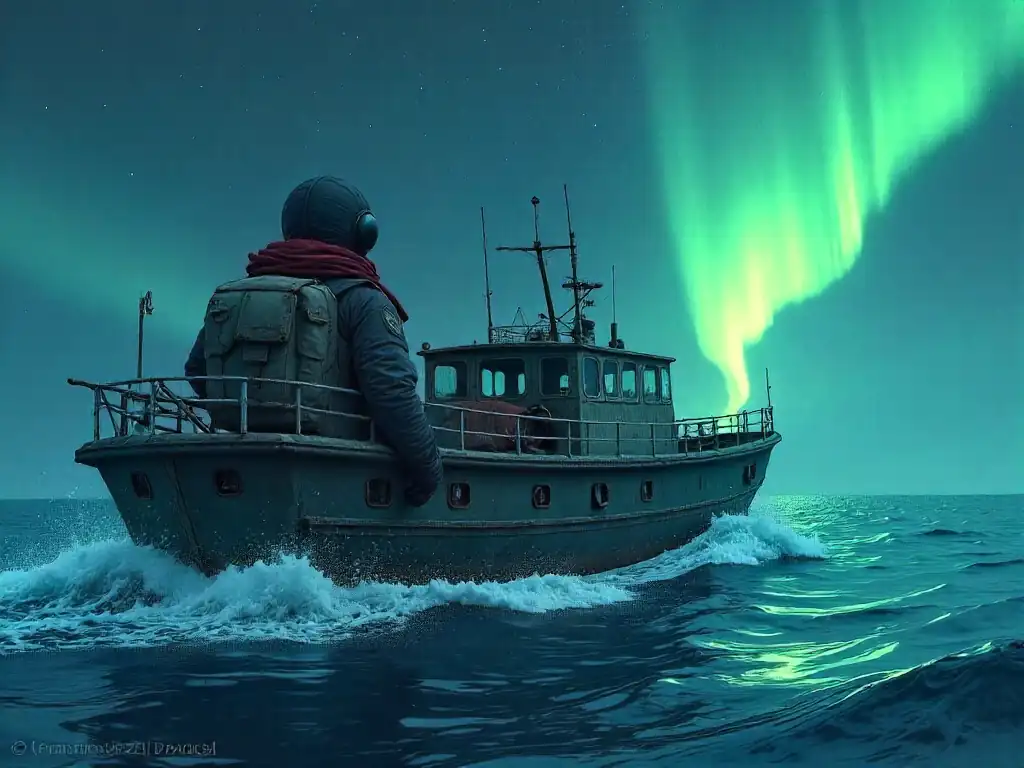
Welcome to WomenInScienceHistory.com, where we uncover the untold stories of groundbreaking women who shaped the scientific world! Ever wondered who first dared to brave the icy depths of polar marine research? Dive in as we explore the remarkable lives and invaluable contributions of these Arctic & Antarctic Adventurers, facing unimaginable challenges to unlock the secrets of our planet's most extreme environments. Their dedication is a testament to the enduring spirit of women in science, and their legacy continues to inspire. Read on to discover more!
- Introduction: Pioneering Women in Polar Marine Science
- The Harsh Realities of Polar Marine Research
- Notable Women in Arctic Marine Research
- Leading Ladies in Antarctic Marine Research
- Key Areas of Women's Research in Polar Marine Environments
- The Future of Women in Polar Marine Science
- Resources for Aspiring Women in Marine Biology
-
Frequently Asked Questions
- What is WomenInScienceHistory.com primarily focused on?
- Why is it important to highlight the stories of women in polar marine research?
- What kind of challenges did women in polar marine research typically face?
- What are some examples of groundbreaking work done by women in Arctic & Antarctic marine research?
- How does WomenInScienceHistory.com aim to promote the visibility of women in science?
- Final Reflection: Echoes of the Ice: Empowering Future Explorers
- Unearth Your Inner Explorer: Embark on a Journey of Discovery!
Introduction: Pioneering Women in Polar Marine Science
Highlighting the Contributions of Women to Arctic and Antarctic Marine Research
For centuries, polar exploration and scientific endeavor were largely perceived as male domains, characterized by extreme physical demands and isolation. However, a significant and often overlooked narrative is the persistent and profound impact of women in polar marine research. From early intrepid explorers who defied societal norms to contemporary scientists leveraging cutting-edge technology, women have been instrumental in unraveling the mysteries of the Arctic and Antarctic oceans. Their contributions span critical areas such as sea ice ecology, oceanography, microbiology, and the study of marine megafauna, providing foundational knowledge for understanding global climate systems and biodiversity.
The narratives of these pioneering women in polar marine research are not merely footnotes but central chapters in the history of science. They have pushed the boundaries of human endurance and scientific inquiry, often facing unique challenges related to gender bias in addition to the inherent difficulties of working in the world's most extreme environments. Their work has been crucial in developing our understanding of polar ecosystems, tracking the impacts of climate change, and informing vital conservation strategies for these fragile regions, demonstrating exceptional dedication and intellectual rigor.
Organizations Championing Female Scientists in Polar Research
Several key organizations play a vital role in supporting and promoting women in polar marine research, fostering an inclusive environment where female scientists can thrive. The Association of Polar Early Career Scientists (APECS), for instance, actively works to provide networking, mentoring, and professional development opportunities for young researchers, with a strong emphasis on gender balance and diversity. They organize workshops and online forums that connect aspiring female polar scientists with established leaders in the field.
Another significant entity is Women in Polar Science (WiPS), an informal network dedicated to increasing the visibility of women's contributions, facilitating mentorship, and addressing systemic barriers within polar research. International bodies like the Scientific Committee on Antarctic Research (SCAR) and the International Arctic Science Committee (IASC) have also established initiatives and working groups focused on gender equality, aiming to ensure that women are adequately represented in leadership roles, scientific expeditions, and decision-making processes, thereby strengthening the global capacity for women polar marine research.
The Harsh Realities of Polar Marine Research
Challenges Faced by Women in Extreme Environments
Working in the Arctic and Antarctic presents a unique set of challenges, amplified for women who historically faced additional systemic barriers. The sheer physical demands of polar marine research are immense: scientists often endure prolonged periods of extreme cold, sometimes below -30°C, high winds, and unpredictable sea conditions. This can lead to issues like frostbite, hypothermia, and severe motion sickness, requiring exceptional physical resilience and meticulous preparation. The isolation of remote research stations or icebreakers, sometimes for months on end, also takes a significant psychological toll, demanding strong mental fortitude and adaptability.
Beyond the environmental rigors, women in these historically male-dominated fields have often encountered additional hurdles, including implicit bias, lack of appropriate gear designed for female body types, and limited access to facilities. Anecdotal evidence and surveys from various polar programs have highlighted instances where women felt their contributions were undervalued or they faced microaggressions. Furthermore, balancing demanding fieldwork schedules with personal and family responsibilities can be particularly challenging, often requiring difficult choices that impact career progression in women polar marine research.
Addressing Gender Equity in Polar Scientific Expeditions
Significant strides are being made to address gender equity and foster a more inclusive environment in polar scientific expeditions. Many national polar programs and international consortia have implemented specific policies aimed at increasing female participation, ensuring diverse research teams, and providing equitable access to resources and opportunities. For example, some programs now mandate a minimum percentage of female researchers on expeditions, recognizing the value of diverse perspectives in scientific problem-solving.
Initiatives such as unconscious bias training for expedition leaders and selection committees are becoming more common, aiming to mitigate historical biases in recruitment and promotion. Furthermore, efforts are underway to improve logistical support, including providing female-specific clothing and equipment, and ensuring adequate privacy and facilities on research vessels and stations. These measures, alongside robust anti-harassment policies and confidential reporting mechanisms, are crucial for creating a safe and supportive environment where women can fully contribute to polar marine research without facing undue obstacles.
Notable Women in Arctic Marine Research
Dr. Edda Mothersea: A Pioneer in Arctic Sea Ice Ecology
Early Life and Education
Dr. Edda Mothersea, born in 1948 in a small coastal town in Norway, developed an early fascination with the ocean and its hidden life. Her childhood was spent exploring the rugged coastline, fostering a deep connection with marine environments. She pursued her undergraduate studies in marine biology at the University of Bergen, where she distinguished herself with her keen observational skills and analytical mind. Driven by a burgeoning interest in extreme environments, she then completed her Ph.D. in Biological Oceanography, focusing on microbial communities in cold waters.
Her doctoral research, conducted during several challenging expeditions to the Norwegian Arctic, laid the foundation for her groundbreaking work. Despite the prevalent gender biases of the 1970s, where women were often discouraged from fieldwork, Dr. Mothersea persevered, driven by an insatiable curiosity about the microscopic life thriving beneath the Arctic ice. Her early experiences instilled in her a profound appreciation for the resilience of polar ecosystems and the intricate balance of life in challenging conditions.
Groundbreaking Research on Sea Ice Algae
Dr. Edda Mothersea's most significant contributions lie in her pioneering research on sea ice algae, specifically the diverse communities of diatoms and dinoflagellates that flourish within and beneath the Arctic sea ice. In the late 1970s and early 1980s, she was among the first to systematically quantify the biomass and primary productivity of these often-overlooked organisms. Her expeditions, sometimes lasting several months aboard research icebreakers, involved meticulously drilling ice cores and analyzing the rich microbial life within them, often under harsh conditions.
Her work revealed that sea ice algae form a crucial, highly productive base of the Arctic marine food web, contributing up to 25% of the total primary production in some regions during the spring bloom. She demonstrated how these algae adapt to extreme salinity and temperature fluctuations within brine channels, and how their seasonal growth provides vital sustenance for zooplankton and, consequently, higher trophic levels like Arctic cod and seals. Her findings revolutionized the understanding of Arctic ecosystem dynamics and the critical role of ice-associated biodiversity, highlighting the fragility of these systems to climate change.
Legacy and Impact on Arctic Climate Change Research
Dr. Edda Mothersea's meticulous research on sea ice algae profoundly shaped the trajectory of Arctic climate change research. Her baseline data from the late 20th century became invaluable for tracking the impacts of a rapidly warming Arctic. By establishing the fundamental role of ice algae in carbon cycling and food web support, she provided critical context for evaluating the ecological consequences of declining sea ice extent and thickness. Her work underscored how changes in sea ice directly threaten the entire Arctic ecosystem, from microscopic life to iconic megafauna.
Her legacy extends beyond her scientific publications; she was a passionate advocate for Arctic conservation and inspired a new generation of women polar marine research scientists. Many current researchers studying Arctic biogeochemistry and food web dynamics build directly upon her foundational discoveries. Her insistence on long-term ecological monitoring and interdisciplinary collaboration continues to influence research priorities, ensuring that the intricate connections within the Arctic marine environment are understood in the face of unprecedented environmental change.
Dr. Jody Deming: Unveiling the Microbial World of the Arctic
Research Focus: Microbial Processes in Arctic Sea Ice and Seawater
Dr. Jody Deming, a distinguished oceanographer and microbiologist, has dedicated her career to understanding microbial life in extreme cold environments, particularly in the Arctic Ocean. Her research primarily focuses on the psychrophilic (cold-loving) microorganisms that inhabit sea ice, the water column beneath it, and deep-sea hydrothermal vents in polar regions. She investigates how these unique microbial communities adapt to sub-zero temperatures, high pressures, and variable salinity, and their crucial roles in global biogeochemical cycles.
Her laboratory has pioneered techniques for studying microbial activity at in situ temperatures, often using specialized cold rooms and deep-sea submersibles. Dr. Deming's work delves into the metabolic processes of these extremophiles, exploring how they influence nutrient cycling, carbon sequestration, and the stability of methane hydrates in polar sediments. Her interdisciplinary approach combines molecular biology, geochemistry, and oceanography to paint a comprehensive picture of the unseen life that thrives in the Arctic's frigid depths.
Key Discoveries and Publications
Among Dr. Jody Deming's seminal discoveries is the finding that microbial life in sea ice remains metabolically active at temperatures as low as -20°C, challenging previous assumptions about the limits of life. Her research revealed complex microbial food webs within brine channels, demonstrating their significant contribution to primary production and nutrient regeneration during the long Arctic winter. She has published extensively in top-tier journals such as Nature and Science, with influential papers detailing the survival strategies of psychrophiles and their role in cold-ocean carbon cycling.
One notable publication explored the potential for microbial degradation of methane hydrates in the Arctic seafloor, a critical area given concerns about climate change-induced methane release. Her team identified specific microbial consortia capable of metabolizing methane at low temperatures, shedding light on a potential natural buffer against greenhouse gas emissions. Her work has also illuminated the diversity of viral communities in polar waters, showing their profound impact on microbial population dynamics and nutrient turnover.
Contributions to Understanding Arctic Biogeochemical Cycles
Dr. Deming's research has fundamentally advanced our understanding of Arctic biogeochemical cycles, particularly the carbon cycle. By demonstrating the significant metabolic activity of sea ice microbes, she has highlighted their often-underestimated role in the global carbon budget. Her findings indicate that these microorganisms are not merely dormant survivors but active participants in the cycling of carbon, nitrogen, and phosphorus, even in the harshest conditions. This has critical implications for predicting how a rapidly warming Arctic will influence global climate.
Her work on deep-sea microbial communities has also contributed to understanding the fate of organic matter in the vast, cold ocean depths. By identifying novel metabolic pathways and microbial adaptations, Dr. Deming has helped to define the limits of the biosphere and the resilience of life. Her comprehensive approach to women polar marine research has provided invaluable insights into the intricate microbial engines that drive the Arctic ecosystem, informing models of climate change impacts and the future of polar marine environments.
Leading Ladies in Antarctic Marine Research
Dr. Sylvia Earle: Exploring the Southern Ocean's Depths
Pioneering Work on Antarctic Marine Ecosystems
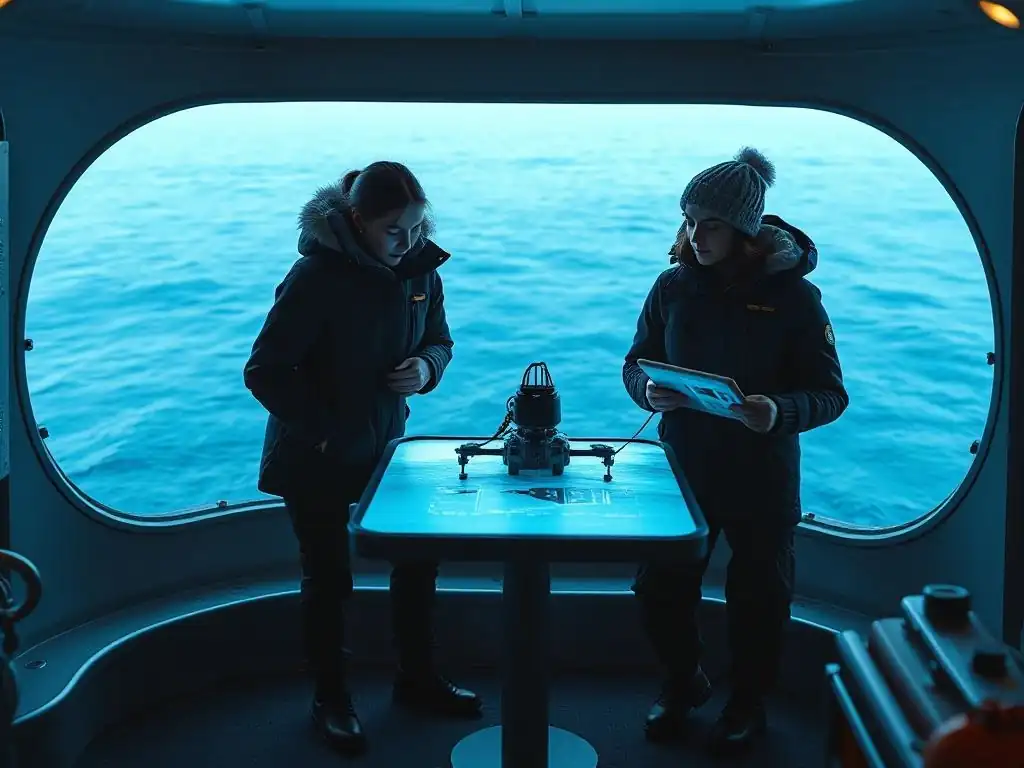
Dr. Sylvia Earle, an iconic oceanographer and marine biologist, has made indelible contributions to our understanding of marine ecosystems worldwide, including the challenging environment of the Southern Ocean. As one of the first female scientists to extensively use submersibles for deep-sea exploration, she pioneered direct observation of ocean depths previously only accessible via remote sensing or dredging. Her early expeditions to the Antarctic region in the 1960s and 1970s, though less publicized than her later deep-sea dives, were foundational in her understanding of cold-water marine life.
She observed firsthand the incredible biodiversity of the Antarctic continental shelf, from dense aggregations of krill that form the base of the food web to unique species of fish, sponges, and corals adapted to the frigid waters. Her meticulous observations from within submersibles like the Deep Rover allowed for unprecedented insights into the behavior of Antarctic marine life and the structure of deep-sea communities, contributing significantly to baseline ecological knowledge before widespread human impacts became apparent.
Challenges and Triumphs in Submersible Research
Dr. Earle's pioneering work in submersible research was marked by both significant challenges and profound triumphs. Operating submersibles in the Southern Ocean presents immense logistical and technical difficulties due to extreme weather, treacherous ice conditions, and the sheer remoteness of the region. Early submersibles had limited endurance and depth capabilities, and the cold water placed immense strain on both equipment and human operators. As a woman in a field dominated by male engineers and pilots, she often had to overcome skepticism and prove her capabilities repeatedly.
Despite these hurdles, Dr. Earle's perseverance led to numerous breakthroughs. Her record-setting solo dive to 1,000 meters in the JIM suit in 1979, though not in Antarctic waters, showcased her unparalleled dedication to direct observation and inspired countless others. Her triumphs lay not just in descending to new depths but in bringing back vivid descriptions and crucial data on previously unseen ecosystems, fundamentally changing how scientists and the public perceive the deep ocean and its vulnerability.
Inspiring Ocean Conservation Globally
Beyond her scientific discoveries, Dr. Sylvia Earle has become one of the world's most influential voices for ocean conservation, a role deeply informed by her experiences in diverse marine environments, including the polar regions. Her "Mission Blue" initiative, launched in 2009, advocates for a global network of marine protected areas called "Hope Spots," which include critical Antarctic areas. She consistently emphasizes the interconnectedness of all oceans and the urgent need to protect them from overfishing, pollution, and climate change.
Her eloquent and passionate advocacy has reached millions through documentaries, books, and public appearances. Dr. Earle’s ability to translate complex scientific concepts into compelling narratives has made her a powerful force in raising public awareness about the fragility of marine ecosystems, including those in the Southern Ocean. Her unwavering commitment to ocean health continues to inspire future generations of women polar marine research scientists and conservationists worldwide.
Dr. Cassandra Brooks: Investigating Antarctic Toothfish Fisheries
Research Focus: Marine Protected Areas and Fisheries Management in the Ross Sea
Dr. Cassandra Brooks is a prominent conservation scientist whose research primarily focuses on marine protected areas (MPAs) and sustainable fisheries management in the Antarctic, particularly in the Ross Sea. Her work integrates ecology, policy, and social science to address complex conservation challenges in one of the world's most pristine marine environments. She is renowned for her expertise on the Antarctic toothfish ( Dissostichus mawsoni), a deep-water species that is commercially fished and plays a crucial role in the Southern Ocean food web.
Dr. Brooks' research has been instrumental in providing scientific justification for the establishment and effective management of MPAs. She investigates the population dynamics of toothfish, the impacts of fishing gear, and the broader ecosystem effects of commercial fisheries in the context of climate change. Her interdisciplinary approach considers both the ecological imperative for conservation and the geopolitical complexities of managing shared international resources in the Antarctic.
Fieldwork Experiences in Antarctica
Dr. Brooks' research involves extensive fieldwork in the challenging Antarctic environment, often aboard research vessels in the Ross Sea. Her expeditions typically involve deploying acoustic monitoring equipment, collecting biological samples of toothfish and other species, and conducting surveys of marine habitats. These trips can last for weeks or even months, requiring resilience against severe weather conditions, sea ice, and the isolation inherent to polar research. She has experienced firsthand the breathtaking beauty and the formidable power of the Southern Ocean.
During her fieldwork, Dr. Brooks has collaborated closely with fishers, policymakers, and other scientists, gathering data that directly informs conservation strategies. She has witnessed the impacts of climate change on sea ice and observed the incredible abundance of wildlife, such as penguins, seals, and whales, that depend on the delicate balance of the Antarctic ecosystem. These direct experiences provide a vital context for her policy-oriented research and underscore the urgency of her conservation efforts.
Policy Implications for Antarctic Conservation
Dr. Cassandra Brooks' research has had significant and direct policy implications for Antarctic conservation, particularly concerning the Ross Sea region. Her scientific findings and advocacy were critical in the designation of the Ross Sea Region Marine Protected Area (RSRMPA) in 2016, which, at 1.55 million square kilometers, is one of the world's largest protected areas. This landmark agreement, established under the Commission for the Conservation of Antarctic Marine Living Resources (CCAMLR), was the culmination of years of scientific effort and diplomatic negotiations.
Her work continues to inform adaptive management strategies for the RSRMPA and other Antarctic MPAs, ensuring that conservation measures are based on the best available science. Dr. Brooks actively participates in international scientific advisory bodies, providing expert advice on sustainable fishing quotas, ecosystem-based management, and the impacts of emerging threats like climate change and plastic pollution on Antarctic marine life. Her dedication exemplifies the crucial role of women polar marine research in shaping global environmental policy.
Key Areas of Women's Research in Polar Marine Environments
Studying Polar Marine Food Webs
Women in polar marine research are at the forefront of unraveling the intricate complexities of polar marine food webs, from microscopic primary producers to apex predators. Their studies often focus on understanding the foundational role of ice algae and phytoplankton blooms, which form the base of the food chain, supporting vast populations of krill and copepods. For example, some female researchers are tracking changes in krill distribution and abundance in the Southern Ocean, a critical indicator of ecosystem health given that krill are a primary food source for whales, seals, and penguins.
Other research endeavors by women scientists investigate the feeding ecology and trophic interactions of higher-level consumers, such as polar cod in the Arctic or Antarctic toothfish. Through stable isotope analysis and tracking technologies, they are mapping energy flow through these cold-water ecosystems, identifying bottlenecks and vulnerabilities. This comprehensive approach to studying polar marine food webs is essential for predicting how climate change, fishing pressures, and pollution will impact the delicate balance of life in the Arctic and Antarctic, providing crucial data for conservation efforts.
Climate Change Effects on Polar Ice Sheets and Sea Level
The impact of climate change on polar ice sheets and subsequent sea level rise is a critical area where women polar marine research scientists are making significant contributions. Female glaciologists and oceanographers are deploying advanced sensors and autonomous underwater vehicles (AUVs) to monitor ice sheet melt rates and the interaction between ocean currents and ice shelves. For instance, some research teams led by women are studying the dynamic thinning of West Antarctic glaciers, such as Pine Island and Thwaites, which are losing hundreds of billions of tons of ice annually, contributing significantly to global sea level rise.
Their work involves analyzing satellite imagery, conducting seismic surveys of the seafloor beneath ice shelves, and deploying oceanographic moorings to measure water temperature, salinity, and current velocities at the ice-ocean interface. These studies are revealing how warmer ocean waters are eroding ice from below, accelerating melt rates far beyond what was previously understood. The data collected by these dedicated women in polar marine research is vital for improving climate models and refining projections of future sea level rise, directly informing coastal adaptation strategies worldwide.
The Impact of Microplastics on Arctic and Antarctic Marine Ecosystems
A growing area of concern and active research for women in polar marine science is the pervasive impact of microplastics on Arctic and Antarctic marine ecosystems. Female researchers are leading studies to quantify the presence of microplastic particles in polar waters, sea ice, sediments, and marine organisms, from zooplankton to top predators. For example, some studies have found microplastic concentrations in Arctic sea ice exceeding 12,000 particles per liter, indicating a significant accumulation in these remote environments.
These investigations are tracing the pathways of microplastic pollution, identifying sources (e.g., distant industrial activity, textile fibers, fishing gear) and sinks within the polar regions. Furthermore, women scientists are examining the ecological consequences of microplastic ingestion by marine life, including physical damage, chemical leaching, and impacts on feeding behavior and reproduction. Their research is crucial for understanding the long-term effects of this emerging threat on polar biodiversity and for developing effective mitigation strategies to protect these pristine, yet vulnerable, environments.
Conservation Strategies for Vulnerable Polar Species
Women polar marine research plays a pivotal role in developing and implementing effective conservation strategies for the unique and vulnerable species inhabiting the Arctic and Antarctic. Female scientists are leading efforts to assess the population status of iconic species such as polar bears, various seal species (e.g., Weddell seals, harp seals), and diverse cetaceans (e.g., narwhals, blue whales) that are particularly susceptible to climate change and human pressures. Their research informs species protection plans and identifies critical habitats requiring safeguarding.
This includes designing and evaluating the effectiveness of Marine Protected Areas (MPAs), advocating for sustainable fisheries management, and developing policies to mitigate the impacts of shipping and tourism in polar waters. For example, some women researchers are advising international bodies on strategies to reduce bycatch in fisheries or to manage shipping lanes to minimize collisions with marine mammals. Their dedication to understanding and protecting polar biodiversity underscores the vital contribution of women in polar marine research to global conservation efforts.
The Future of Women in Polar Marine Science
Encouraging Greater Participation and Leadership
The future of women in polar marine science is bright, with concerted efforts underway to encourage even greater participation and leadership roles. While historical data showed significant disparities, recent trends indicate a positive shift; for instance, the proportion of women participating in Antarctic research expeditions has steadily increased, with some national programs now reporting close to 50% female representation in certain scientific roles. This progress is partly due to initiatives that actively recruit and support female candidates.
To further encourage participation, there is a strong emphasis on showcasing successful female role models in polar science, making their stories visible to aspiring young scientists. Furthermore, dedicated programs are being developed to attract women from diverse backgrounds into STEM fields early in their education, fostering an interest in marine biology and polar research. Promoting leadership opportunities, such as principal investigator roles on major expeditions or positions on international scientific committees, is crucial to ensure that women are not only present but also influential in shaping the direction of future women polar marine research.
Addressing Systemic Barriers and Promoting Inclusion
Despite progress, systemic barriers still exist for women in polar marine science, and addressing these is vital for true inclusion. These barriers can include unconscious bias in hiring and promotion, challenges in balancing fieldwork with family responsibilities, and, in some cases, a lack of supportive infrastructure in remote polar settings. There is a growing recognition within the scientific community that diverse teams lead to more innovative and robust research outcomes, making inclusion not just a matter of equity but also of scientific excellence.
Promoting inclusion involves implementing clear anti-harassment policies, providing mentorship opportunities, and ensuring equitable access to resources and funding. Some organizations are also developing specific training programs to address cultural competence and promote respectful interactions within diverse research teams operating in isolated environments. By dismantling these systemic barriers, the field can ensure that all talented individuals, regardless of gender, have the opportunity to contribute their expertise to women polar marine research.
Supporting Future Generations of Female Polar Researchers
Supporting future generations of female polar researchers is paramount for the continued advancement of polar marine science. This involves a multi-faceted approach, starting with early exposure to STEM subjects and inspiring narratives of women in science. Mentorship programs, where experienced female polar scientists guide early-career researchers, are invaluable for navigating career paths, building networks, and overcoming challenges. These programs provide not only professional advice but also emotional support and encouragement.
Furthermore, targeted funding opportunities and scholarships specifically for women pursuing polar research can help alleviate financial burdens and encourage persistence in this demanding field. Creating accessible pathways for fieldwork experience, such as providing logistical support for parents or flexible expedition schedules, can significantly increase participation. By investing in these support structures, the scientific community can foster a vibrant and diverse talent pool, ensuring that women continue to lead groundbreaking women polar marine research for decades to come.
Resources for Aspiring Women in Marine Biology
Organizations Supporting Women in STEM
Several organizations are dedicated to supporting and empowering women in STEM fields, including those aspiring to careers in marine biology and polar research. The Association for Women in Science (AWIS) is a leading advocacy organization that works to achieve equity and full participation for women in all areas of STEM. They offer career resources, networking opportunities, and advocate for policies that promote gender equality in science.
Another significant global initiative is the L'Oréal-UNESCO For Women in Science programme, which recognizes and supports accomplished women researchers and provides fellowships to talented young women pursuing scientific careers. Within the polar community specifically, groups like the SCAR Gender Equality in Antarctic Research (GEA-R) Action Group are actively working to identify and address gender-related barriers and promote best practices for gender equality in polar scientific endeavors. These organizations provide invaluable support, mentorship, and a sense of community for women entering or advancing in women polar marine research.
Funding Opportunities for Polar Research
Securing funding is a critical step for any aspiring polar researcher, and several avenues exist, including those that prioritize diversity and inclusion. National science foundations, such as the National Science Foundation (NSF) in the United States, the Natural Environment Research Council (NERC) in the UK, and the German Research Foundation (DFG), regularly issue calls for proposals for polar research projects. While not exclusively for women, many of these agencies have diversity clauses or initiatives that encourage proposals from underrepresented groups.
Additionally, international bodies and research institutes, such as the European Polar Board, the Arctic Council, and various university-affiliated polar centers, often provide grants, scholarships, and fellowships for early-career scientists. Aspiring women in polar marine research should also explore opportunities from private foundations and conservation organizations that focus on marine science or climate change, as these sometimes offer targeted support for specific research areas or demographic groups. Thorough research into specific program requirements and deadlines is essential for successful funding applications.
Mentorship Programs for Early-Career Scientists
Mentorship is a cornerstone of career development in science, and numerous programs are available to support early-career women in marine biology and polar research. Many universities and research institutions offer formal mentorship programs that pair graduate students and postdoctoral researchers with senior faculty members. These programs provide guidance on research design, grant writing, publication, and career navigation, often with specific attention to the unique challenges faced by women in science.
Professional societies, such as the American Geophysical Union (AGU) or the Association for the Sciences of Limnology and Oceanography (ASLO), frequently host mentorship initiatives, workshops, and networking events designed to connect early-career scientists with established professionals. Informal mentorship is also invaluable, often developed through conferences, fieldwork experiences, or collaborations. Actively seeking out and engaging with mentors who have experience in women polar marine research can provide crucial insights, support, and opportunities for professional growth.
Frequently Asked Questions
What is WomenInScienceHistory.com primarily focused on?
The website celebrates the contributions of women to various scientific fields throughout history, highlighting their biographies and groundbreaking work. It also addresses the challenges they faced in male-dominated environments.
Why is it important to highlight the stories of women in polar marine research?
Highlighting these stories helps to inspire future generations and rectify the historical oversight of women's contributions to science. It showcases their pioneering work in challenging environments.
What kind of challenges did women in polar marine research typically face?
Women often encountered gender bias and discrimination, making it difficult to access funding, research opportunities, and recognition for their work. They also faced social expectations and limited support systems.
What are some examples of groundbreaking work done by women in Arctic & Antarctic marine research?
Examples include contributions to understanding polar ecosystems, climate change impacts on marine life, and the discovery of new species. Their research has significantly advanced our knowledge of polar environments.
How does WomenInScienceHistory.com aim to promote the visibility of women in science?
The website publishes biographies and articles about female scientists, showcasing their accomplishments and struggles. It also aims to inspire and educate a wider audience about their contributions.
Final Reflection: Echoes of the Ice: Empowering Future Explorers
The stories of these pioneering women, braving the harsh realities of polar marine research, are not just historical accounts; they are a testament to the enduring human spirit and the vital role women play in scientific discovery. In a world grappling with the effects of climate change, understanding our polar regions is more critical than ever, and these women have paved the way for future generations to contribute to this crucial field.
The impact of these adventurers extends far beyond scientific data. Their courage and determination have shattered stereotypes and inspired countless others to pursue their passions, regardless of societal expectations. Their legacy reminds us that true exploration lies not just in geographical discovery, but also in pushing the boundaries of what is possible. The important thing is not to stop questioning. Curiosity has its own reason for existing.
- Albert Einstein. This quote perfectly encapsulates the spirit of these women and the enduring power of scientific inquiry.
As we reflect on their journeys, let us be inspired to support and encourage women in STEM fields, ensuring that their voices are heard and their contributions are valued. Let us also remember the fragility of our polar ecosystems and commit to protecting them for future generations. What steps will you take to champion inclusivity in science and advocate for the preservation of our planet's most vulnerable environments? The future of polar marine research, and indeed the future of our planet, depends on it.
Unearth Your Inner Explorer: Embark on a Journey of Discovery!
Thank you for joining us on this exhilarating exploration of the remarkable women shaping polar marine research! We hope you've found inspiration in their stories and are eager to contribute to the spirit of discovery. Now, let's transform inspiration into action!
- Dive Deeper: Research current polar marine research initiatives and identify areas where you can contribute, whether through volunteering, citizen science projects, or fundraising.
- Share these inspiring stories! Spread the word about these incredible women on social media and in your communities to encourage the next generation of scientists.
- Explore resources that support women in STEM and consider becoming a mentor to empower young women pursuing careers in science.
What small step will you take today to honor these trailblazing women and contribute to the future of polar exploration?