
The Hashtag Effect: Social Media Campaigns Championing Authentic Women in Science Narratives


Welcome to WomenInScienceHistory.com!
Ever wondered how social media is reshaping the narrative of women in science? Discover how groundbreaking campaigns are amplifying authentic voices and challenging historical biases. Dive into " The Hashtag Effect: Social Media Campaigns Championing Authentic Women in Science Narratives" and explore the power of online platforms to celebrate and connect the remarkable contributions of women in science, past and present. This is just the beginning; many more untold stories await!
- Introduction: Amplifying Women in Science Through Social Media
- The Rise of #WomenInScience Social Media Campaigns
- Showcasing Authentic Stories: Breaking Stereotypes in Women in Science Representation
- Case Studies: Successful Social Media Campaigns Featuring Women Scientists
- Measuring the Impact: How Social Media Influences Attitudes Towards Women in STEM
- Challenges and Criticisms: Addressing Concerns About Tokenism and Performative Activism
- The Future of Women in Science Social Media: Trends and Opportunities
- Conclusion: The Enduring Legacy of #WomenInScience and the Power of Digital Storytelling
-
Frequently Asked Questions
- What is the primary goal of using social media to highlight women in science?
- What kind of content is typically shared in "Women in science social media" campaigns?
- Why are social media platforms particularly effective for promoting women in science?
- How can individuals contribute to the "Women in science social media" movement?
- What are some challenges faced by women in science narratives on social media?
- Final Reflection: Amplifying Voices, Shaping Futures
- Amplify Her Story: Ignite Change Now!
The advent of social media has revolutionized how information is disseminated and consumed, democratizing the sharing of narratives and allowing a multitude of voices to emerge. Hashtags, in particular, have become powerful tools for aggregating discussions, mobilizing communities, and challenging traditional gatekeepers of information. A simple hashtag can transform scattered individual experiences into a collective movement, creating an impact far beyond what isolated efforts could achieve, significantly shaping public perception.
This digital transformation has profoundly impacted the visibility of women in STEM (Science, Technology, Engineering, and Mathematics). Through strategic use of hashtags, women in science social media campaigns actively highlight diverse role models, making scientific careers appear more accessible, relatable, and attainable for aspiring young minds. These platforms directly counter the historical invisibility and stereotypical portrayals often found in mainstream media, offering a dynamic and evolving showcase of female contributions to scientific progress.
Why Authentic Narratives of Women in Science Matter
For centuries, the contributions of women to scientific discovery have been systematically overlooked, diminished, or entirely omitted from historical records and popular culture. This historical underrepresentation has led to a skewed public perception of who a scientist is, often perpetuating a narrow, male-dominated image that can deter young girls and women from pursuing STEM fields. The need for genuine, unvarnished stories of women in science is paramount to rectify these persistent biases.
Authentic women in science social media narratives delve beyond mere achievements, showcasing the human side of scientific pursuit—the struggles, the triumphs, the diverse backgrounds, and the personal sacrifices. By presenting real scientists from various fields, disciplines, and life stages, these stories inspire more effectively, making the journey into science feel tangible and achievable. This approach not only combats imposter syndrome among current female scientists but also fosters a deeper sense of community and belonging within the scientific landscape.
Tracing the Origins and Evolution of the #WomenInScience Movement Online
The #WomenInScience movement on social media emerged organically as platforms like Twitter and Tumblr gained prominence, providing grassroots avenues for individuals to share their experiences and connect. Early online discussions often revolved around personal anecdotes of overcoming bias or celebrating lesser-known historical figures. These initial, often uncoordinated, efforts laid the groundwork for a more organized digital advocacy, demonstrating the collective power of shared narratives.
Over time, the movement evolved from individual posts into sophisticated, coordinated campaigns, particularly gaining traction around key awareness days. International Day of Women and Girls in Science, celebrated annually on February 11th, has become a major focal point, seeing a surge in women in science social media activity. This coordinated effort showcases the growth from scattered conversations to a powerful, global digital advocacy movement, leveraging the collective voice to amplify the achievements and challenges of women in STEM.
A constellation of hashtags now champion the cause of women in STEM online, each serving a distinct purpose while contributing to the overarching goal of increased visibility. #WomenInScience remains the flagship tag, widely used to share biographies, research breakthroughs, and daily life insights of female scientists. Other prominent hashtags include #GirlsInSTEM, which focuses on inspiring younger generations; #SciComm, used by scientists to make their work accessible; and #ILookLikeAScientist, which challenges stereotypes by showcasing the diverse appearances of scientists.
Beyond individual hashtags, numerous organizations and initiatives have leveraged women in science social media to great effect. Entities like UN Women, UNESCO, and various academic institutions and non-profits dedicated to STEM diversity regularly run campaigns, hosting virtual Q&As, sharing educational content, and spotlighting female researchers. These initiatives demonstrate how digital platforms can be powerful tools for structured advocacy, reaching millions globally and fostering a more inclusive scientific community.
Showcasing Authentic Stories: Breaking Stereotypes in Women in Science Representation
Counteracting Traditional Media Portrayals of Female Scientists
Traditional media has historically struggled with nuanced portrayals of female scientists, often resorting to harmful stereotypes. Common depictions include the eccentric, socially awkward "mad scientist" (often male, or a desexualized female variant), the hyper-feminine but incompetent assistant, or simply the glaring absence of women in leading scientific roles. These narrow and often negative representations can create a perception that science is not a field for women, or that success in it requires sacrificing femininity or personal life, thereby deterring young women from pursuing STEM careers.
Women in science social media directly challenges these ingrained stereotypes by providing a platform for scientists to tell their own stories, in their own voices. Through candid posts, videos, and discussions, female scientists showcase their diverse interests, personal lives, and unique personalities, proving conclusively that there is no singular "look" or "type" for a scientist. This direct, unfiltered engagement fosters a more realistic and inviting understanding of scientific professions, making them appear attainable and relatable to a broader audience.
Highlighting the Diversity of Experiences in Women in Science
Beyond gender, the intersectionality of identities plays a crucial role in the experiences of women in science. Historically, narratives have often centered on a singular, often privileged, perspective, overlooking the multifaceted challenges faced by women of color, LGBTQ+ women, women with disabilities, and those from diverse socio-economic backgrounds. This oversight perpetuates a narrow view of who can contribute to science and whose stories are deemed valuable.
Women in science social media campaigns have made significant strides in highlighting this crucial diversity. Platforms allow individuals to share their unique journeys, detailing specific systemic barriers, cultural biases, and personal triumphs that shape their paths. For instance, campaigns like #BlackInSTEM or #LatinasInSTEM actively showcase the research and daily lives of scientists from these communities, providing essential role models and demonstrating the rich tapestry of contributions that enrich the scientific landscape. This inclusive storytelling inspires a much wider demographic, making science feel accessible to all.
#BlackInSTEM: Amplifying Black Voices in Science
The #BlackInSTEM movement emerged powerfully to address the profound underrepresentation and systemic racism faced by Black individuals across all STEM disciplines. It provided a vital, dedicated online space for Black scientists, technologists, engineers, and mathematicians to share their experiences, celebrate their achievements, and build a supportive community. The initiative gained significant traction, particularly during periods of heightened awareness around racial justice, transforming individual voices into a collective roar.
Its impact has been quantifiable and profound. During focused "Black in X" weeks (e.g., #BlackInNeuro, #BlackInChem, #BlackInPhysics), thousands of posts flood social media platforms, highlighting the research, daily lives, and personal stories of Black scientists. These concentrated efforts have generated millions of impressions globally, significantly increasing the visibility of Black women in science social media and fostering a crucial sense of belonging. This amplified visibility not only combats stereotypes but also provides essential role models for future generations.
#500WomenScientists: Building a Global Network of Experts
#500WomenScientists originated from an open letter published in November 2016, calling for increased advocacy for science and diversity. Its core mission quickly evolved: to increase the visibility of women in science, advocate for diversity and inclusion in STEM, and serve as a readily accessible resource for journalists, policymakers, and event organizers seeking female experts. It was a direct response to the perceived lack of female voices in public discourse on scientific matters.
This initiative has grown into a powerful global network, boasting over 10,000 members across more than 100 countries. Their "Request a Scientist" database has facilitated countless media appearances, speaking engagements, and collaborative opportunities for women in science social media members. By providing a curated list of qualified female experts, #500WomenScientists directly influences public perception, ensuring that diverse female voices are heard in critical scientific and policy discussions, thereby challenging the long-standing gender imbalance in expert panels and media coverage.
Successful women in science social media campaigns share several key elements that contribute to their efficacy and widespread impact. Firstly, consistency in messaging and a clear, compelling narrative are crucial; campaigns that articulate a specific purpose, whether it's challenging stereotypes or celebrating achievements, resonate more deeply. Secondly, active community engagement, often through interactive Q&As, user-generated content prompts, and direct responses, transforms passive consumption into active participation. Lastly, a clear call to action, whether it's to share a story, join a network, or support a policy, channels enthusiasm into tangible outcomes.
Beyond these structural elements, the most impactful campaigns prioritize authenticity and relatability. They move beyond mere statistics to showcase the human element of science, highlighting both the intellectual triumphs and the personal challenges. Effective women in science social media initiatives often leverage compelling storytelling, featuring relatable individuals who share their unique journeys, thereby fostering a sense of shared experience and collective empowerment that transcends geographical boundaries and inspires genuine connection among current and aspiring female scientists.
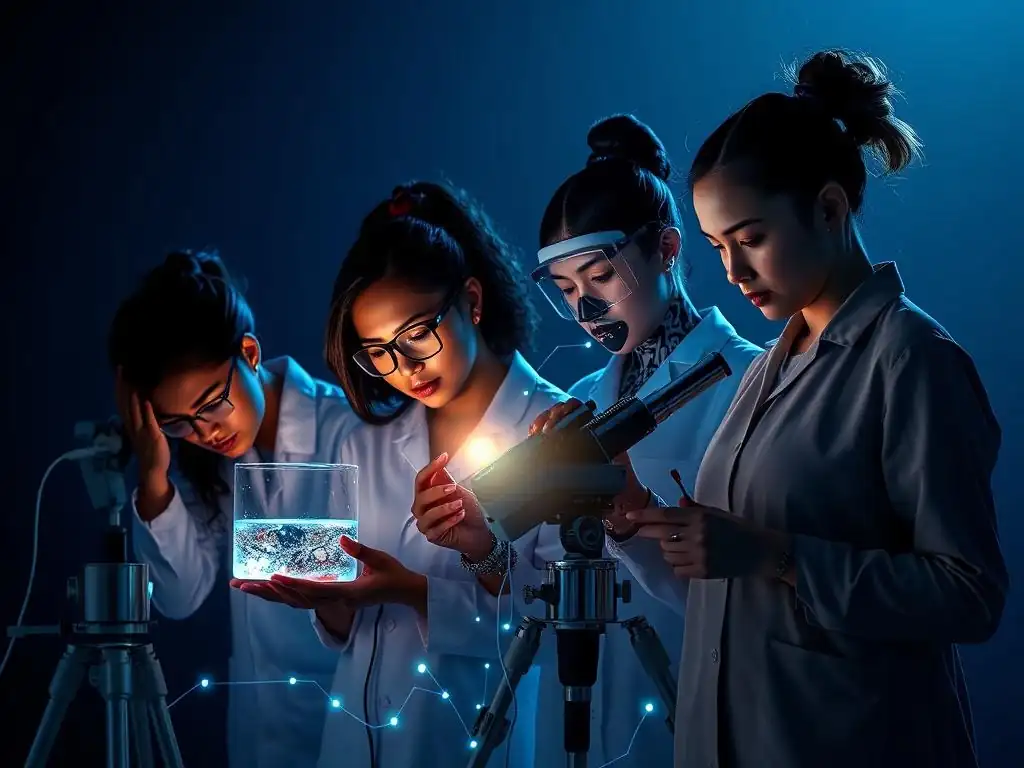
Quantifying Engagement and Reach of #WomenInScience Content
Measuring the impact of women in science social media campaigns involves tracking a range of metrics that provide insight into their visibility and resonance. Key indicators include impressions (the total number of times content was displayed), reach (the unique number of users who saw the content), and engagement rate (likes, shares, comments, clicks per post). Sophisticated analytics tools can track hashtag usage trends, geographical distribution of engagement, and even sentiment analysis, providing concrete data on the campaign's penetration. For instance, a major #WomenInScience campaign during a global awareness day might generate tens of millions of impressions worldwide, indicating substantial exposure.
This quantitative data directly translates into influence. High engagement rates signal that the content is resonating with audiences, potentially shifting perceptions and fostering a more positive view of women in science. Increased reach means that more diverse individuals are exposed to positive and authentic narratives about women in science social media, gradually eroding long-held stereotypes and building a greater appreciation for their invaluable contributions to all scientific fields, from astrophysics to zoology.
Assessing the Influence on Interest in Science Careers
While directly quantifying the precise influence of social media on an individual's career choice is complex, proxy indicators and anecdotal evidence strongly suggest a positive correlation. Educators often report increased inquiries into STEM programs after students are exposed to diverse role models online. Surveys among young people frequently reveal that seeing relatable figures in STEM, particularly through platforms like TikTok or Instagram, significantly boosts their interest and confidence in pursuing similar paths. For example, a 2022 study by Microsoft indicated that seeing female role models in STEM increased girls' confidence in their STEM abilities by 18%.
The long-term impact lies in the consistent presentation of diverse and relatable women in science social media role models. By normalizing the presence of women in laboratories, field sites, and research institutions, these campaigns incrementally dismantle perceived barriers. This sustained exposure makes STEM careers appear more appealing, accessible, and inclusive to future generations, starting from early educational stages. It fosters a cultural shift where the idea of a female scientist becomes not an exception, but an expected and celebrated norm.
Challenges and Criticisms: Addressing Concerns About Tokenism and Performative Activism
Despite the immense positive potential, women in science social media efforts are not immune to criticism, particularly concerning superficial representation or tokenism. Some campaigns may focus solely on visibility without addressing the deeper, systemic issues that perpetuate gender inequality in STEM, such as lack of equitable funding, persistent discrimination, or hostile work environments. This can manifest as showcasing a single woman of color in a promotional image without genuine institutional support for diversity and inclusion initiatives.
The dangers of such superficial efforts are significant: they can breed cynicism among those genuinely working for change, dilute the impact of more meaningful advocacy, and ultimately fail to provide tangible support to women in science. True progress demands more than a mere hashtag; it requires a commitment to dismantling structural barriers, fostering inclusive cultures, and implementing equitable policies within scientific institutions, extending far beyond the digital realm.
Ensuring Genuine Support and Empowerment for Women in Science
To move beyond performative activism, women in science social media campaigns must strategically link online advocacy with tangible offline action. This includes championing initiatives like robust mentorship programs, advocating for policy changes that promote pay equity and work-life balance, and securing dedicated funding for female-led research. It is crucial for these campaigns to actively listen to the voices of women scientists themselves, ensuring that efforts are responsive to their lived experiences and needs.
Effective women in science social media should therefore be viewed as one component of a holistic strategy for empowerment. They should actively facilitate networking opportunities, provide access to valuable resources (e.g., grants, training), and amplify calls for equitable practices within scientific institutions. By ensuring that online visibility translates into real-world benefits and systemic change, these digital movements can genuinely empower women in science, fostering environments where they not only survive but thrive.
Leveraging Emerging Platforms and Technologies
The landscape of women in science social media is continuously evolving with the emergence of new platforms and technologies. Short-form video platforms like TikTok, for instance, offer unique opportunities for engaging and accessible science communication, reaching demographics often overlooked by traditional outreach methods. Similarly, decentralized social networks or niche professional platforms could provide more tailored and secure spaces for women in STEM to connect and collaborate, fostering deeper community bonds.
Technological advancements also present exciting possibilities. While we don't include images or multimedia, conceptually, AI-driven content personalization could tailor women in science social media narratives to specific user interests, making stories even more resonant. Virtual reality and augmented reality could offer immersive storytelling experiences, allowing audiences to "step into" the lab or field with female scientists, creating a profound sense of connection and understanding. These innovations promise to make the representation of women in science even more impactful and widespread.
Building Sustainable Communities and Networks for Women in STEM
The future of women in science social media lies increasingly in the shift from one-off viral campaigns to the cultivation of sustainable, long-term communities. Social media platforms are uniquely positioned to facilitate ongoing mentorship relationships, foster collaborative research projects, and provide vital peer support among women in STEM across geographical boundaries. The growth of private online forums, professional networking groups, and interest-specific communities demonstrates a clear trajectory towards more enduring digital ecosystems.
These sustainable communities offer profound long-term benefits, ranging from career development opportunities and access to niche expertise to crucial emotional support in often challenging academic and professional environments. The future of women in science social media is not merely about broadcasting achievements but about actively connecting, empowering, and mobilizing individuals to collectively drive systemic change, ensuring that the visibility gained translates into lasting impact and genuine solidarity within the scientific community.
Conclusion: The Enduring Legacy of #WomenInScience and the Power of Digital Storytelling
Empowering Future Generations of Female Scientists Through Online Visibility
Women in science social media has fundamentally transformed the landscape of scientific representation, moving beyond historical omissions and stereotypical portrayals. By making female scientists visible, relatable, and accessible through authentic digital narratives, these campaigns directly inspire young girls and non-binary individuals to envision themselves in STEM paths. This proactive digital storytelling is crucial in breaking down entrenched historical barriers and reshaping aspirations for future generations, demonstrating that science is a field for everyone, regardless of gender.
This increased visibility creates a powerful ripple effect: greater public awareness fosters more robust support for initiatives promoting diversity in science, which in turn can lead to more equitable funding, inclusive policies, and a more welcoming scientific community. The enduring digital legacy of #WomenInScience ensures that the contributions of female scientists are not merely celebrated in the past but are actively recognized, championed, and built upon in the present and future, driving forward a more inclusive vision of scientific progress.
Continuing the Conversation: The Importance of Sustained Engagement with Women in Science Narratives
While significant progress has been made in amplifying the voices of women in science through social media, the journey towards full equity and recognition is far from complete. The fight against unconscious bias, systemic barriers, and underrepresentation requires continuous vigilance and sustained effort. The conversation around women in science social media must therefore remain active, dynamic, and responsive to evolving challenges and opportunities within the scientific landscape.
The power of digital storytelling as a tool for change cannot be overstated. Sustained engagement with authentic women in science social media narratives ensures that their invaluable contributions are not only remembered but actively celebrated, recognized, and integrated into the fabric of scientific history and contemporary discourse. By keeping these stories alive and visible, the online community continues to build a legacy of inspiration, advocacy, and empowerment for all women in science, fostering a truly inclusive scientific future.
Frequently Asked Questions
The primary goal is to celebrate and amplify the contributions of women in science, often overlooked in traditional narratives. This increased visibility aims to inspire future generations and promote inclusivity.
Content often includes biographies of pioneering female scientists, summaries of their groundbreaking research, and discussions about the challenges they faced due to gender bias. Images, videos, and infographics are commonly used.
Social media offers a direct and accessible platform to reach a wide audience, bypassing traditional gatekeepers. It allows for interactive engagement and community building around shared interests.
Individuals can share posts featuring women in science, use relevant hashtags like #WomenInScience, and create their own content highlighting female scientists they admire.
Challenges include combating online harassment and bias, ensuring accurate representation, and avoiding tokenism or superficial portrayals of women's achievements.
Okay, here's a final reflection designed to close your article "The Hashtag Effect: Social Media Campaigns Championing Authentic Women in Science Narratives," optimized for the keyword "Women in science social media" and following the requested structure:
Final Reflection: Amplifying Voices, Shaping Futures
The power of authentic representation in science cannot be overstated, and as we've explored, social media campaigns are proving to be a vital force in amplifying the narratives of women in STEM. The digital landscape, once a potential echo chamber of stereotypes, is now being actively reshaped by hashtags and movements that celebrate the diverse experiences and contributions of women scientists, proving that visibility translates directly into empowerment.
This shift in the cultural narrative is not just about representation; it's about inspiring the next generation. Witnessing relatable stories of women navigating the challenges and triumphs of scientific careers fosters a sense of belonging and possibility for young girls and aspiring scientists. As Marie Curie so eloquently stated, Nothing in life is to be feared, it is only to be understood. Now is the time to understand more, so that we may fear less.
These social media campaigns are, in essence, fostering understanding and dismantling the fear that has historically kept women from pursuing their scientific passions.
Now, more than ever, it is crucial that we continue to support and participate in these vital conversations. Let us each consider how we can contribute to the ongoing movement of amplifying the voices of women in science on social media. Share their stories, engage with their work, and become active allies in creating a more inclusive and equitable future for all who dare to explore the wonders of the scientific world. Your voice matters, and together, we can ensure that the hashtag effect continues to resonate, inspiring generations to come.
Amplify Her Story: Ignite Change Now!
Thank you for exploring the powerful stories of women in science and the impact of authentic narratives. Now it's time to translate that inspiration into tangible action and amplify their voices further!
- Share this article with three friends or colleagues who are passionate about STEM or promoting diversity in science – spark a conversation and expand our reach.
- Use the hashtag #WomenInScienceHistory in your next social media post to highlight the contributions of female scientists and join the growing community.
- Suggest a female scientist from history to be featured on WomenInScienceHistory.com – help us uncover hidden gems and celebrate unsung heroes.
What small, everyday action will you take to ensure the legacies of women in science endure and inspire future generations?