
Defying Convention: Women Who Dared to Study the Stars Pre1700s

Welcome to WomenInScienceHistory.com!
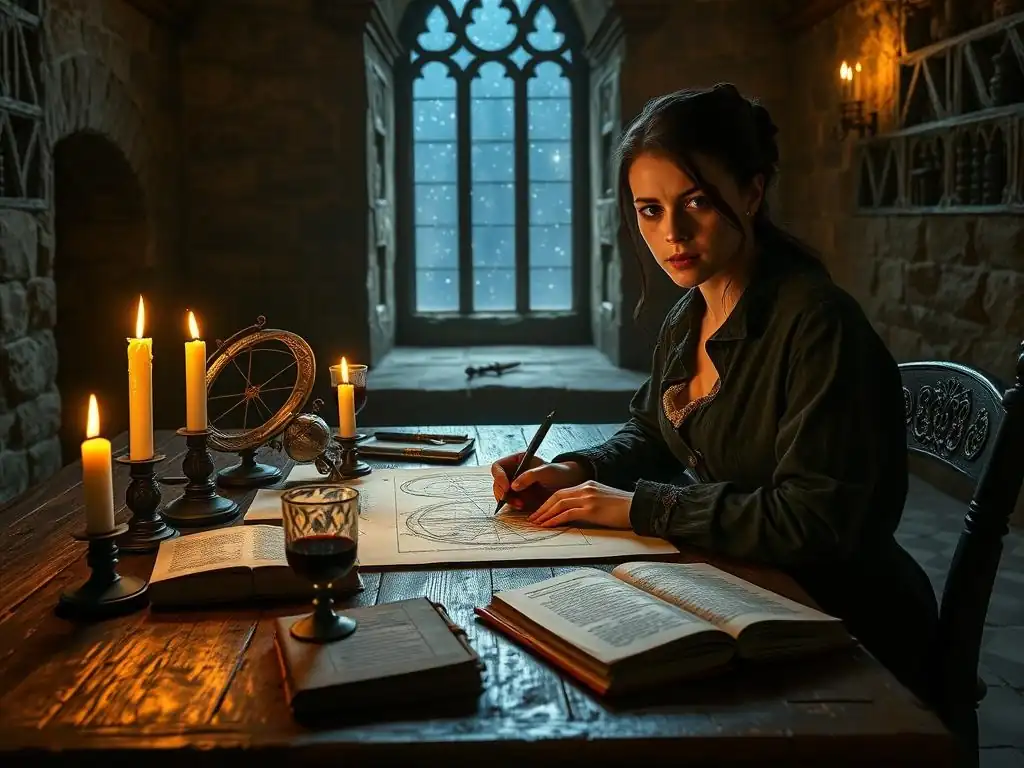
Uncover the untold stories of brilliant minds that shaped our understanding of the universe. In a world that often silenced female voices, some women dared to reach for the stars. Dive into our latest article, " Defying Convention: Women Who Dared to Study the Stars Pre1700s," where we explore the fascinating and often overlooked contributions of women studying astronomy early history. Prepare to be inspired by their resilience, ingenuity, and unwavering pursuit of knowledge. What secrets of the cosmos did they unlock, and what obstacles did they overcome? Let's journey back in time and illuminate their remarkable legacies...
- Introduction: Unveiling the Untold Stories of Early Women in Early Astronomy
- Early Pioneers: Women's Contributions to Astronomy Before the 18th Century
- Ancient Roots: Female Figures Associated with Celestial Knowledge
- Medieval Astronomy: Women in Islamic and European Intellectual Circles
- The Renaissance and the Scientific Revolution: A Glimmer of Opportunity for Women in Astronomy
- Overcoming Obstacles: Barriers Faced by Women in Early Astronomical Pursuits
- Notable Instruments and Techniques Used by Women in Early Astronomy
- Legacy and Impact: The Lasting Influence of Pre-1700s Female Astronomers
- Resources for Further Exploration: Discovering More About Women in Early Astronomy
- Conclusion: Celebrating the Enduring Spirit of Women in Astronomy Early History
-
Frequently Asked Questions
- What were some of the major obstacles women faced when studying astronomy in early history?
- Who is one notable example of a woman who contributed to astronomy before 1700, despite the challenges?
- Why is it important to highlight the contributions of women in astronomy's early history?
- How did societal views on women's roles impact their ability to engage in astronomical research?
- What sources can be used to uncover the stories of women studying astronomy in early history?
- Final Reflection: Illuminating the Past, Inspiring the Future
- Ignite Your Inner Astronomer!
Introduction: Unveiling the Untold Stories of Early Women in Early Astronomy
Why Focus on Women Studying Astronomy Before 1700?
Focusing on women studying astronomy early history, specifically before the 18th century, illuminates a crucial, often overlooked chapter in the annals of scientific discovery. This period predates the formal institutionalization of science, offering a unique lens through which to understand how intellectual curiosity and observational prowess thrived outside rigid academic structures, particularly for those marginalized by society. By delving into these early contributions, we can appreciate the sheer determination and ingenuity required to engage with the cosmos when opportunities were scarce.
Highlighting these pioneering efforts is essential for a complete and accurate historical narrative. It corrects the historical imbalance that has largely ignored the intellectual contributions of women, celebrating their foundational work that, despite limited recognition, laid groundwork for future advancements. These stories of women studying astronomy early history serve not only as historical corrections but also as profound sources of inspiration, demonstrating resilience and intellectual courage against formidable odds.
The Challenges Faced by Female Astronomers in Early History
The challenges faced by women studying astronomy early history were immense, deeply rooted in the social and cultural norms of their respective eras. Predominantly, women were relegated to domestic spheres, with limited access to formal education, which was typically reserved for men in religious or elite circles. This lack of institutional support meant that most female astronomers had to pursue their interests through self-study, familial mentorship, or within the confines of monastic life.
Beyond educational barriers, societal skepticism and outright prejudice often greeted women who dared to venture into intellectual domains. Their contributions were frequently dismissed, attributed to male relatives, or, in some cases, viewed with suspicion bordering on witchcraft. The path for women studying astronomy early history was thus not merely intellectually demanding but also socially perilous, requiring extraordinary perseverance to overcome both systemic limitations and entrenched biases.
Early Pioneers: Women's Contributions to Astronomy Before the 18th Century
Defining "Astronomy" in the Pre-Telescopic Era
In the pre-telescopic era, "astronomy" was a far broader and more integrated discipline than its modern counterpart. It encompassed not only the observation and mapping of celestial bodies but also calendrical calculations, timekeeping, navigation, and often, an intertwined relationship with religious practices and astrology. The objective was largely practical: predicting seasons for agriculture, determining auspicious times for rituals, or guiding travelers by the stars.
Without the aid of telescopes, early astronomical pursuits relied heavily on meticulous naked-eye observation, often over generations, to track the movements of the sun, moon, planets, and stars. This involved developing sophisticated methods for recording positions, predicting phenomena like eclipses, and constructing instruments like armillary spheres and astrolabes. For women studying astronomy early history, their engagement with these practices provided essential knowledge, even if not formally recognized as scientific endeavor.
Enheduanna: The Earliest Known Astronomer and Her Star Catalogues
Enheduanna, a Sumerian high priestess of Ur in Mesopotamia around 2300 BCE, stands as the earliest known named author in history and a significant figure in early astronomical observation. As the daughter of Sargon of Akkad, she wielded considerable religious and political influence, which she leveraged to unify various Sumerian and Akkadian deities, a process reflected in her extensive poetic and religious writings.
Her hymns, particularly those dedicated to the goddess Inanna, reveal a profound engagement with celestial phenomena. While not scientific treatises in the modern sense, these texts contain detailed descriptions of planetary movements, star positions, and the cyclical nature of celestial events, effectively serving as early forms of star catalogues and astronomical observations embedded within a spiritual context. Enheduanna's work provides compelling evidence of women studying astronomy early history and contributing to humanity's earliest systematic understanding of the cosmos.
Ancient Roots: Female Figures Associated with Celestial Knowledge
Priestesses and Celestial Observers in Ancient Cultures
Throughout ancient civilizations, priestesses frequently held roles that intertwined religious duties with celestial observation. In cultures like ancient Egypt, Mesopotamia, and Greece, priestesses were often tasked with interpreting divine will, which was believed to be manifested through the movements of celestial bodies. Their responsibilities included tracking lunar and solar cycles to determine the dates of religious festivals, agricultural planting seasons, and other significant societal events.
While their contributions might not be classified as "science" by modern definitions, these women possessed profound practical astronomical knowledge. They were essential in maintaining societal order and religious harmony by accurately predicting celestial phenomena and translating them into actionable information for their communities. This practical engagement with the heavens demonstrates how some women studying astronomy early history were integral to the functioning of their societies.
Aglaonike: A Greek Astronomer Credited with Predicting Eclipses
Aglaonike of Thessaly, often cited as the first female astronomer in ancient Greece, lived around the 2nd or 1st century BCE. She gained renown for her apparent ability to "draw down the moon," a poetic description of her skill in predicting lunar eclipses. Historical accounts, including those from Plutarch, suggest she possessed advanced knowledge of lunar cycles and the mechanics of eclipses, a rare and remarkable achievement for her era.
Her contemporaries sometimes attributed her predictions to magic, highlighting the societal tendency to mystify or demonize women who displayed extraordinary intellectual prowess. Despite this, Aglaonike's reputation underscores that some ancient Greek women, likely through informal education or familial knowledge, managed to acquire sophisticated astronomical understanding, making her a compelling example of women studying astronomy early history in the classical world.
Astronomical Knowledge in Ancient Women's Education
While formal education for women was uncommon in many ancient societies, astronomical knowledge was sometimes integrated into the learning of elite women or those within philosophical schools. In some aristocratic households or intellectual communities, women had access to tutors and texts, allowing them to engage with subjects traditionally reserved for men. For instance, in certain Pythagorean communities, women were known to participate in philosophical and scientific discussions, which often included cosmological theories.
Beyond formal settings, practical astronomical knowledge was often implicitly part of a woman's informal education, particularly in agrarian societies. Understanding seasonal changes, lunar cycles, and the movements of constellations was crucial for managing households, timing agricultural tasks, and preparing for festivals. This practical application of celestial observation, even without formal academic recognition, represents a significant aspect of women studying astronomy early history.
Medieval Astronomy: Women in Islamic and European Intellectual Circles
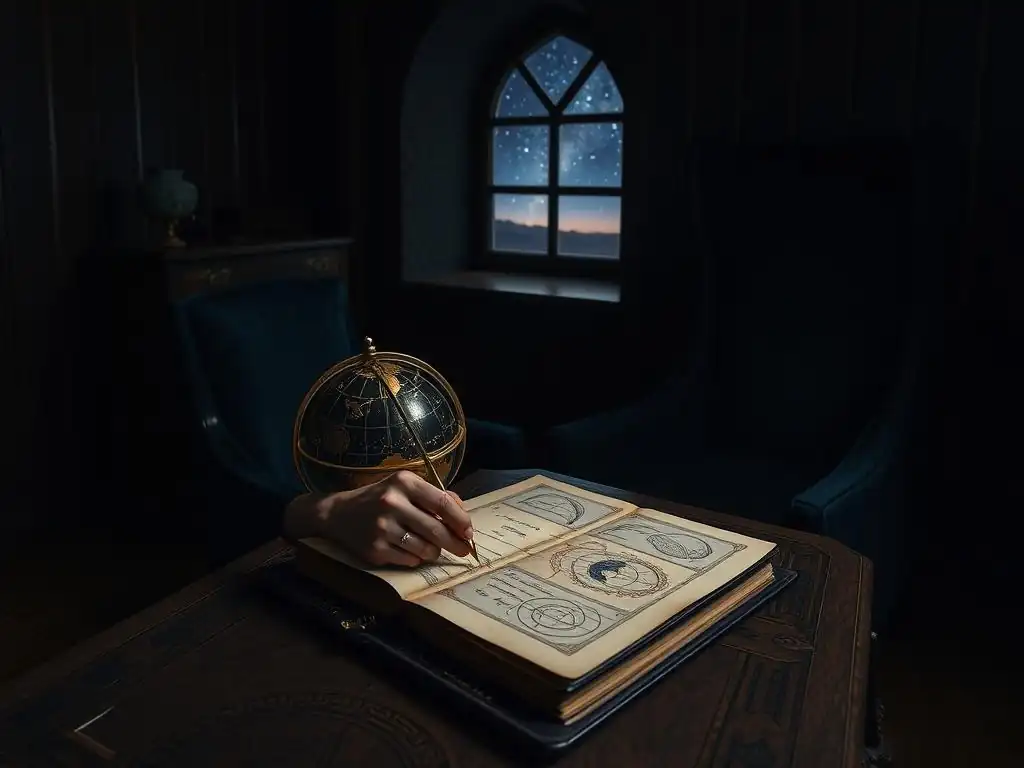
Islamic Golden Age: Female Scholars and Astrolabes
During the Islamic Golden Age (roughly 8th to 14th centuries), intellectual pursuits flourished across various fields, including astronomy, mathematics, and medicine. While societal norms still presented challenges, the Islamic world, in certain periods and regions, offered relatively greater opportunities for women's education compared to contemporary Europe. Women often received instruction in madrassas, private homes, or through family mentorship, particularly in scholarly families.
This environment allowed some women to achieve remarkable intellectual feats, including proficiency in the highly technical art of astrolabe making. Astrolabes were complex instruments used for timekeeping, navigation, and solving various astronomical problems, requiring deep knowledge of geometry, trigonometry, and celestial mechanics. The involvement of women studying astronomy early history in such intricate work signifies their significant intellectual contributions.
Mariam al-Astrulabi: A Muslim Astrolabe Maker in 10th-Century Aleppo
Mariam al-Astrulabi, also known as al-Ijliya, was a prominent astrolabe maker in 10th-century Aleppo, Syria. She was the daughter of a renowned astrolabe maker, al-Ijli al-Asturlabi, and was apprenticed by him, demonstrating a clear lineage of technical knowledge transfer within her family. Her expertise became so recognized that she was employed by Sayf al-Dawla, the Emir of Aleppo, a major patron of science and arts.
Mariam al-Astrulabi's work involved the design and construction of complex astrolabes, which were vital tools for astronomers, navigators, and even for determining prayer times in the Islamic world. Her precision and skill in crafting these intricate instruments were highly regarded, solidifying her place as a rare and exceptional example of women studying astronomy early history who contributed directly to the technological advancements of her time.
Women in European Monasteries and the Study of the Heavens
In medieval Europe, monasteries often served as crucial centers of learning and literacy, and for women, convents provided one of the few avenues for intellectual pursuits. Within these cloistered environments, nuns had access to libraries, scholarly texts, and the opportunity for contemplation and study, which was largely denied to women in secular society. While not formal observatories, some convents engaged in the copying of manuscripts, including astronomical treatises, and observed celestial events for liturgical purposes.
Nuns were responsible for maintaining accurate calendars for religious festivals, which required a basic understanding of lunar and solar cycles. Some also engaged in the study of natural philosophy, which often included cosmology and the movements of celestial bodies. This indirect yet significant engagement with astronomy demonstrates how women studying astronomy early history preserved and, to a degree, advanced knowledge within the limited academic frameworks available to them.
Hildegard of Bingen: A Visionary's Celestial Insights
Hildegard of Bingen (1098–1179), a German Benedictine abbess, mystic, composer, and polymath, offers a unique perspective on medieval women studying astronomy early history. Though her primary focus was theology and spirituality, her extensive writings, particularly her visionary works like Scivias and Liber Divinorum Operum, contain profound cosmological insights and detailed descriptions of the universe as she perceived it.
Hildegard's visions frequently depicted the macrocosm and microcosm, featuring intricate diagrams of celestial spheres, planetary movements, and the relationships between heavenly bodies and earthly phenomena. While presented through a theological lens, these descriptions reflect a sophisticated understanding of contemporary astronomical and cosmological thought, demonstrating her engagement with the scientific ideas of her era, albeit interpreted through a spiritual framework.
The Renaissance and the Scientific Revolution: A Glimmer of Opportunity for Women in Astronomy
Patronage and Opportunities: Noblewomen and Royal Astronomers
The Renaissance and the burgeoning Scientific Revolution brought a slight, albeit limited, shift in opportunities for women studying astronomy early history. Noblewomen, particularly those within royal courts or wealthy aristocratic families, sometimes gained access to scientific instruments, learned texts, and the company of scholars through personal patronage. Some even became patrons themselves, fostering intellectual environments that allowed them to participate in or oversee scientific endeavors.
These privileged women, such as Princess Elisabeth of Bohemia or Christina, Queen of Sweden, engaged with prominent thinkers like Descartes and were exposed to the latest astronomical theories. While few conducted independent research, their support for scientific inquiry and their participation in intellectual discussions indirectly contributed to the dissemination of astronomical knowledge and created rare pockets of opportunity for female engagement with the cosmos.
Sophie Brahe: An Astronomer Working Alongside Tycho Brahe
Sophie Brahe (1559–1643), the younger sister of the renowned Danish astronomer Tycho Brahe, stands out as a significant figure among women studying astronomy early history. Though often overshadowed by her famous brother, Sophie was an accomplished scholar in her own right, with expertise in chemistry, horticulture, and, most notably, astronomy. She spent considerable time assisting Tycho at his Uraniborg observatory on the island of Hven.
Sophie Brahe's contributions to Tycho's groundbreaking astronomical observations were substantial. She meticulously assisted in recording data, performing calculations, and even preparing the chemical solutions used in some of Tycho's alchemical and astrological experiments. Her dedication and precision were crucial to the accuracy of Tycho's comprehensive star catalogue and his detailed measurements of planetary positions, cementing her role as a vital collaborator in one of the most important observatories of the 16th century.
Maria Cunitz: A Silesian Astronomer's Breakthroughs
Maria Cunitz (1610–1664), a Silesian astronomer, mathematician, and physician, achieved remarkable recognition for her astronomical work during a period when opportunities for women were extremely limited. Largely self-taught, she gained proficiency in multiple languages, mathematics, and sciences, becoming a polymath of considerable repute. Her most significant contribution was her work on planetary tables.
In 1650, Cunitz published Urania Propitia, a simplified version of Johannes Kepler's Rudolphine Tables. Her tables offered more accurate and accessible calculations for planetary positions, correcting errors found in previous versions and making Kepler's complex laws more practical for astronomers. The fact that she published this influential work under her own name, in both Latin and German, was an extraordinary feat for a woman in the 17th century, demonstrating her exceptional intellectual prowess and groundbreaking contribution to women studying astronomy early history.
Overcoming Obstacles: Barriers Faced by Women in Early Astronomical Pursuits
The most pervasive obstacle for women studying astronomy early history was the deeply entrenched social and cultural belief that women's intellectual capacities were inferior or that formal education was inappropriate for them. Society largely confined women to domestic roles, emphasizing skills in household management, child-rearing, and needlework. Any pursuit of advanced academic subjects, especially science, was often seen as unnatural, unfeminine, or even detrimental to their health and reputation.
This societal norm effectively barred women from formal schools, universities, and scientific academies, which were exclusively male institutions. Consequently, aspiring female astronomers had to rely on informal means of education, such as learning from fathers, brothers, or husbands, or through self-study in private libraries. This informal path meant their knowledge was often fragmented, and their access to instruments and scholarly discourse was severely limited.
The Lack of Formal Training and Academic Positions
The absence of formal training avenues was a critical barrier for women studying astronomy early history. Universities, the primary centers of scientific instruction, were entirely closed to women. They could not enroll as students, attend lectures, or gain the structured foundational knowledge that male scholars acquired. This exclusion from academic institutions also meant they were denied access to institutional observatories, which were increasingly equipped with advanced instruments.
Furthermore, the concept of academic positions or paid research roles for women was virtually non-existent. Even exceptionally talented women, like Maria Cunitz or Sophie Brahe, operated outside the formal academic system. Their work, though invaluable, was often undertaken in domestic settings or as informal assistants, without the professional recognition, resources, or career progression available to their male counterparts.
The Struggle for Recognition and Publication
Even when women studying astronomy early history managed to overcome educational and social barriers to make significant discoveries or produce important works, they faced immense struggles in gaining recognition and publication under their own names. The prevailing patriarchal system often meant their contributions were either attributed to male relatives or patrons, or they were forced to publish anonymously or under male pseudonyms to ensure their work was taken seriously.
For example, while Sophie Brahe's contributions to Tycho's observations were substantial, her name often appears in the footnotes of history, overshadowed by her brother. Similarly, some women's work was only recognized posthumously, or their intellectual property was appropriated. This systemic bias highlights the profound challenge of not only conducting scientific work but also ensuring its rightful acknowledgment in a male-dominated intellectual landscape.
Notable Instruments and Techniques Used by Women in Early Astronomy
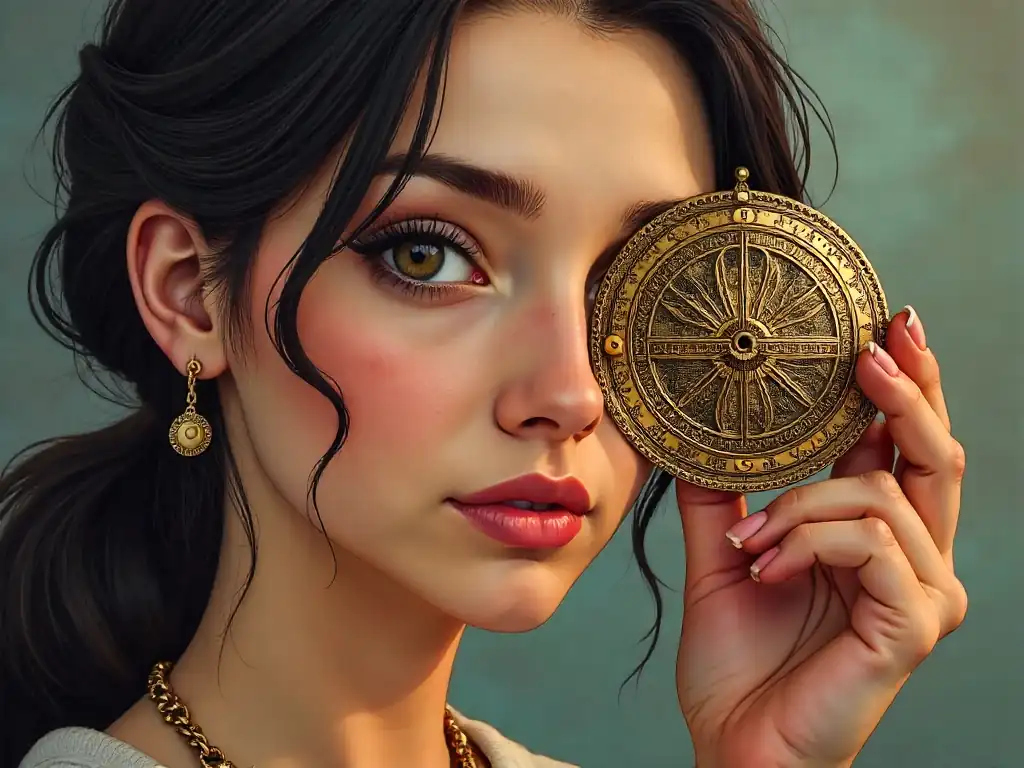
Early Astronomical Instruments and How Women Used Them
Before the widespread adoption of the telescope in the 17th century, early astronomers, including women studying astronomy early history, relied on a variety of instruments for their observations. These included armillary spheres, which modeled the celestial sphere; astrolabes, sophisticated devices for timekeeping, navigation, and solving astronomical problems; and quadrants, used to measure angles and altitudes of celestial bodies. Sundials were also essential for basic timekeeping and understanding solar movements.
Women, often working in private or domestic settings, would have utilized these tools for practical purposes such as determining the time of day or night, calculating calendar dates for religious festivals or agricultural cycles, and sometimes for more detailed celestial mapping. For instance, the astrolabes crafted by Mariam al-Astrulabi were precision instruments used for complex astronomical calculations, demonstrating the hands-on engagement of some women with advanced scientific tools.
Quadrants and Sextants: Tools for Precise Angular Measurements
Among the most important instruments for precise angular measurements in early astronomy were quadrants and early forms of sextants. A quadrant, typically a quarter-circle with a calibrated arc and a sighting mechanism, allowed astronomers to measure the altitude of celestial objects above the horizon or the angular distance between them. Mural quadrants, large fixed instruments built into observatory walls, provided even greater accuracy.
Women studying astronomy early history, particularly those assisting in observatories like Sophie Brahe, would have been intimately involved in using these instruments. Their role often included meticulously sighting stars, reading scales, and recording the precise angles. This detailed data collection was crucial for compiling accurate star charts and predicting planetary movements, forming the bedrock of pre-telescopic astronomical research.
Observation Techniques and Data Recording
The core of early astronomy, before the advent of powerful telescopes, lay in meticulous naked-eye observation and systematic data recording. This required immense patience, a clear understanding of celestial mechanics, and consistent effort over extended periods, often years or even decades. Astronomers would carefully track the positions of stars and planets night after night, noting their movements against the backdrop of the fixed stars.
The process of data recording involved precisely logging the time, date, location, and observed position of celestial bodies. This often entailed complex calculations to correct for atmospheric refraction and other factors, and then meticulously charting the data. Many women studying astronomy early history excelled in this painstaking work, demonstrating exceptional observational skills and a remarkable dedication to recording the cosmos, which was fundamental to advancing astronomical understanding.
Legacy and Impact: The Lasting Influence of Pre-1700s Female Astronomers
How These Women Paved the Way for Future Generations
Despite the immense societal and institutional barriers they faced, the persistence and achievements of women studying astronomy early history laid crucial groundwork for future generations. Their very existence as intellectual figures defied the prevailing norms of their times, challenging the deeply ingrained assumptions about women's intellectual capabilities and their rightful place in society. Each observation, calculation, or publication, however small or unrecognized, was a quiet act of rebellion against a system designed to exclude them.
Their contributions, though often overlooked or attributed to male relatives, added to the collective body of astronomical knowledge. They demonstrated that intellectual curiosity and scientific rigor were not exclusive to one gender. By engaging with complex celestial phenomena, these women provided invaluable models of intellectual courage and perseverance, inspiring a gradual shift in perception that, over centuries, would open more doors for women in scientific fields.
The Importance of Recognizing Their Contributions Today
Recognizing the contributions of women studying astronomy early history is not merely an academic exercise; it is vital for constructing a complete, accurate, and inclusive history of science. For too long, the narratives of scientific progress have been predominantly male-centric, obscuring the significant roles played by women. Acknowledging these forgotten figures corrects historical biases and provides a more nuanced understanding of how scientific knowledge has evolved.
Furthermore, celebrating these pioneering women offers powerful role models for contemporary and future generations. Their stories of overcoming formidable obstacles resonate deeply in ongoing efforts to promote diversity and inclusion in STEM fields. By highlighting their resilience, ingenuity, and intellectual achievements, we underscore that scientific talent knows no gender, and we inspire young women to pursue their own passions in science, just as these early astronomers dared to study the stars.
Resources for Further Exploration: Discovering More About Women in Early Astronomy
Books and Articles on Women in Science History
To delve deeper into the fascinating lives and contributions of women studying astronomy early history, a wealth of scholarly books and articles are available. Seek out comprehensive histories of women in science, which often dedicate chapters or sections to the pre-18th century period. These works provide detailed biographies, analyze the societal contexts, and discuss the specific challenges faced by these pioneers.
Additionally, academic journals specializing in the history of science or women's studies frequently publish articles focusing on individual female astronomers or broader themes related to women's intellectual pursuits in early eras. Consulting these resources will offer in-depth analyses and often provide access to primary source interpretations, enriching your understanding of their groundbreaking work.
Online Archives and Databases
The digital age has made historical resources more accessible than ever, and numerous online archives and databases are invaluable for exploring the lives of women studying astronomy early history. Many university libraries and major historical societies have digitized collections of rare books, manuscripts, and correspondence that might shed light on these figures. Specialized databases on women's history or the history of science can also provide curated lists of resources.
Reputable academic websites, historical observatories, and museums often host digital exhibitions, biographies, and scholarly articles dedicated to pioneering female scientists. These platforms can offer unique insights, sometimes including reproductions of original texts or instruments, allowing for a more immersive and detailed exploration of their historical context and scientific endeavors.
Organizations Dedicated to Promoting Women in STEM
Organizations dedicated to promoting women in STEM (Science, Technology, Engineering, and Mathematics) often recognize the importance of historical role models. Many of these groups maintain sections on their websites or publish materials that highlight the contributions of historical female scientists, including those in astronomy from early periods. These resources are designed not only to inform but also to inspire current and future generations.
By exploring the websites and publications of such organizations, one can discover educational materials, historical profiles, and initiatives that shed light on the pioneering efforts of women studying astronomy early history. These groups play a crucial role in ensuring that the legacies of these remarkable women are not forgotten, helping to connect past achievements with contemporary advocacy for gender equality in science.
Conclusion: Celebrating the Enduring Spirit of Women in Astronomy Early History
The journey of women studying astronomy early history is a testament to unwavering intellectual curiosity and profound resilience. From ancient priestesses like Enheduanna and Aglaonike, whose celestial observations shaped cultural understanding, to medieval scholars like Mariam al-Astrulabi, who crafted complex instruments, and visionaries like Hildegard of Bingen, who integrated cosmos into their worldview, these women defied the severe limitations of their eras. As the Renaissance dawned, figures like Sophie Brahe and Maria Cunitz emerged, contributing directly to the foundational work of modern astronomy, often against formidable odds.
Their stories, though frequently marginalized in historical accounts, collectively paint a vibrant picture of persistent intellectual engagement. They demonstrate that despite being excluded from formal institutions, denied recognition, and confined by societal norms, women found ways to observe, calculate, and contribute to humanity's understanding of the universe. Celebrating the enduring spirit of women studying astronomy early history is crucial, not only for correcting historical inaccuracies but also for inspiring future generations to break barriers and pursue their scientific passions, just as these trailblazers dared to gaze upon the stars.
Frequently Asked Questions
What were some of the major obstacles women faced when studying astronomy in early history?
Women faced significant obstacles, including lack of access to formal education, societal expectations that confined them to domestic roles, and a prevailing belief that science was a male domain.
Who is one notable example of a woman who contributed to astronomy before 1700, despite the challenges?
While documented evidence is scarce, Hypatia of Alexandria is a prominent figure. Although primarily known for mathematics and philosophy, she also taught astronomy and contributed to its understanding.
Why is it important to highlight the contributions of women in astronomy's early history?
It's crucial to correct historical biases and acknowledge the often-overlooked contributions of women. Recognizing their work provides inspiration and demonstrates that women have always been involved in scientific pursuits.
How did societal views on women's roles impact their ability to engage in astronomical research?
Societal views that confined women to domestic spheres severely limited their opportunities. They were often denied access to observatories, research positions, and the recognition afforded to their male counterparts.
What sources can be used to uncover the stories of women studying astronomy in early history?
Researchers rely on fragmented records, such as letters, family histories, and mentions in the writings of male scientists, to piece together the lives and contributions of these pioneering women.
Final Reflection: Illuminating the Past, Inspiring the Future
The stories of these pioneering women, meticulously unearthed and presented, are not just historical footnotes; they are powerful reminders that intellectual curiosity knows no gender or time. Their defiance of societal norms to pursue astronomical knowledge resonates deeply today, challenging us to question ingrained biases and celebrate the pursuit of knowledge in all its forms.
The impact of these women, though often obscured by history, continues to ripple through our cultural landscape. Their unwavering dedication serves as a potent inspiration, reminding us that even in the face of seemingly insurmountable obstacles, passion and perseverance can illuminate the darkest corners of ignorance. The important thing is not to stop questioning. Curiosity has its own reason for existing.
- Albert Einstein. This quote, though not directly about these women, perfectly encapsulates the spirit that drove them.
Now, consider the legacy of these women. Let their stories fuel your own curiosity and embolden you to challenge the status quo. What passions burn within you, waiting to be ignited? Dare to defy convention, to reach for the stars, and to leave your own indelible mark on the world. The universe of knowledge awaits, and like those who came before, you too can contribute to its ever-expanding tapestry.
Ignite Your Inner Astronomer!
Thank you for exploring the fascinating stories of these pioneering women! Now it's your turn to be inspired and take action.
Here's how you can continue their legacy:
- Start your own stargazing journey! Download a free beginner's astronomy app and spend just 15 minutes a night observing the night sky.
- Share this article with three friends who need a dose of inspiration and a reminder of the power of women in science.
- Research a little-known female scientist from your local area and submit your findings to our "Untold Stories" section.
What constellations did you spot last night, and what questions did they spark? Let's talk stars in the comments below!