
Fueling the Fight: Women Chemists and the Dangerous Realities of Munitions Production (WWI & WWII)

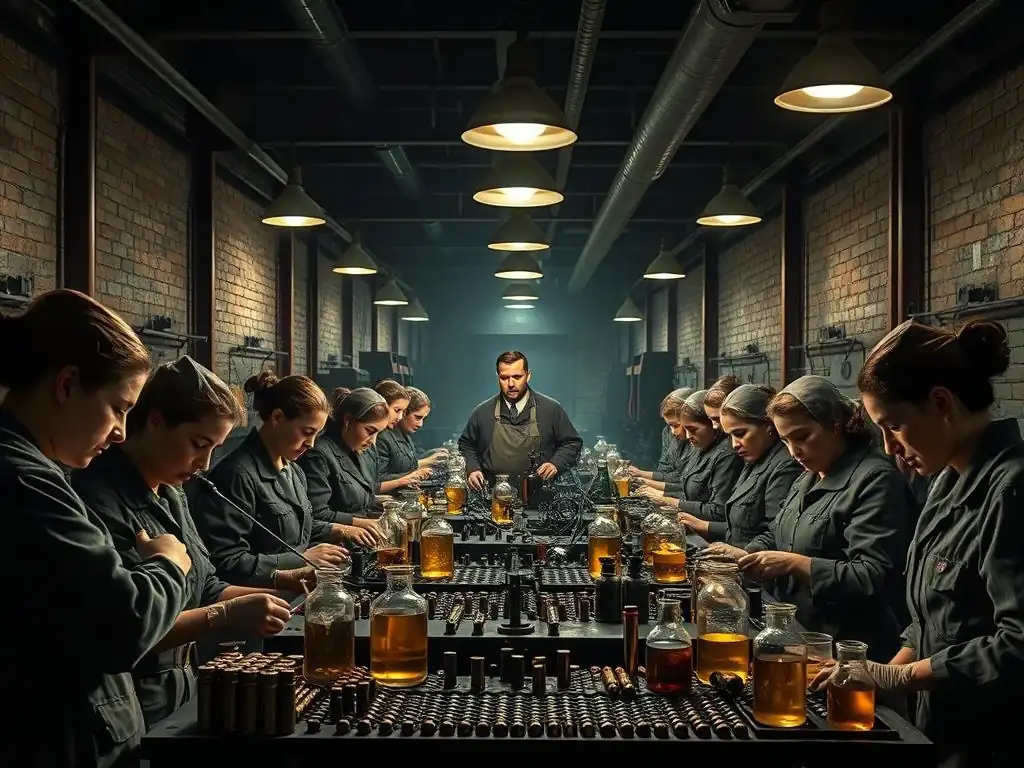
Welcome to WomenInScienceHistory.com, where we unearth the extraordinary stories of women who shaped the scientific landscape. Did you know that during times of war, women played a crucial, yet often perilous, role in fueling the fight? Dive into our latest article, " Fueling the Fight: Women Chemists and the Dangerous Realities of Munitions Production (WWI & WWII)," to discover the untold sacrifices and vital contributions of these unsung heroes.
Their stories of resilience and ingenuity, set against a backdrop of wartime urgency, are as captivating as they are informative. What challenges did they face, and how did their work impact the course of history? Explore the historical context and find out!
- Fueling the Fight: Women Chemists and the Dangerous Realities of Wartime Munitions Production (WWI & WWII)
- The Critical Role of Women Chemists in World War I and World War II Munitions
- Dangerous Work: The Perils Faced by Women Chemists Manufacturing Munitions
- Pioneering Women Chemists: Key Figures in Munitions Development and Production
- The Societal Impact: Women's Contributions to the War Effort and Shifting Gender Roles
- Beyond the Battlefield: The Long-Term Consequences for Women Munitions Workers
- Remembering the Unsung Heroines: Preserving the History of Women Chemists in Wartime Munitions
- Women Chemists and Wartime Munitions: A Legacy of Innovation and Sacrifice
-
Frequently Asked Questions
- What roles did women chemists primarily hold in wartime munitions production?
- What specific dangers did women chemists face while working with munitions?
- How did societal attitudes influence women's involvement in wartime chemistry?
- What were some of the significant scientific contributions made by women chemists during wartime?
- How does WomenInScienceHistory.com contribute to understanding the role of women chemists in wartime munitions?
- Final Reflection: The Unsung Heroines of Innovation and Sacrifice
- Empower Change: Ignite Your Passion for Women in STEM!
Fueling the Fight: Women Chemists and the Dangerous Realities of Wartime Munitions Production (WWI & WWII)
Women in Science History: Unveiling the Contributions of Women Chemists in Wartime
The annals of history are replete with stories of wartime heroism, yet the crucial scientific contributions made by women often remain obscured. During the cataclysmic periods of World War I and World War II, as nations mobilized their entire populations for conflict, the demand for scientific expertise skyrocketed, particularly in the chemical industry. It was during these times of immense pressure that women chemists wartime munitions efforts became an indispensable, though frequently unacknowledged, backbone of the Allied war machine.
This article delves into the vital, yet perilous, roles played by these unsung heroines. We will explore how skilled women chemists stepped into vital positions, pushing the boundaries of chemical production and analysis, often at great personal risk. Their stories illuminate a critical chapter in Women in Science History, revealing not only their scientific prowess but also the profound societal shifts that allowed them to contribute to victory.
The Critical Role of Women Chemists in World War I and World War II Munitions
The Increasing Demand for Explosives and the Labor Shortage
The scale of warfare in both World War I and World War II necessitated an unprecedented output of explosives, propellants, and chemical agents. From the static trench warfare of WWI, which consumed millions of artillery shells, to the rapid mechanized assaults of WWII, requiring vast quantities of aviation fuel, TNT, cordite, and picric acid, the industrial demand for chemical compounds was insatiable. As millions of men were conscripted into military service, a severe labor shortage emerged in vital industries, including the complex and dangerous field of chemical manufacturing.
This critical deficit created an unforeseen opportunity for women to enter industrial roles previously considered exclusively male. Governments actively encouraged women to join the workforce, with campaigns like "munitionettes" in Britain and "Rosie the Riveter" in the United States becoming iconic. Amidst this broader industrial mobilization, highly skilled women chemists found themselves uniquely positioned to fill gaps in research, development, quality control, and production within the burgeoning munitions sector.
Women Stepping Up: Filling the Gaps in Munitions Factories
The sheer volume of women who entered munitions work was staggering. By 1918, over 900,000 women were employed in British munitions factories alone, comprising a significant portion of the workforce. While many were involved in assembly and manual labor, a crucial subset of these women possessed or rapidly acquired specialized chemical knowledge. These women chemists were tasked with intricate and precise duties, from analyzing raw materials for purity to monitoring complex chemical reactions on the factory floor.
Their responsibilities included conducting rigorous quality control tests on batches of TNT and cordite, ensuring stability and potency. They optimized production processes to increase yield and efficiency, and some were even involved in the research and development of new, more powerful, or safer explosive compounds. This vital scientific oversight by women chemists wartime munitions production ensured that the weapons supplied to the front lines were reliable and effective, directly underpinning the war effort.
Dangerous Work: The Perils Faced by Women Chemists Manufacturing Munitions
Exposure to Toxic Chemicals: Risks to Health and Well-being
Working with explosives meant constant exposure to a cocktail of highly toxic chemicals, a reality that posed severe risks to the health and well-being of women chemists wartime munitions workers. Chemicals like trinitrotoluene (TNT), picric acid, mercury fulminate, acetone, and ether were ubiquitous in munitions plants. Prolonged contact with these substances led to a range of devastating health consequences, from immediate skin irritation and respiratory distress to insidious long-term conditions.
Many workers developed "canary yellow" skin and hair due to TNT poisoning, a condition medically known as toxic jaundice, which could lead to severe liver damage and even death. Other common ailments included anemia, neurological damage, chronic respiratory issues, and various skin conditions. At the time, the full extent of these chemicals' long-term effects was poorly understood, and protective equipment was often minimal or non-existent, making the daily grind of women chemists wartime munitions production a silent battle against unseen poisons.
TNT, Picric Acid, and Mercury: Risks to Health and Well-being
Among the most dangerous chemicals handled by women chemists wartime munitions workers were TNT, picric acid, and mercury fulminate. TNT, a highly potent explosive, was particularly notorious for causing "TNT poisoning." Workers absorbed the compound through their skin and by inhalation, leading to severe liver dysfunction, aplastic anemia, and a distinctive yellow discoloration of the skin, hair, and even tears. The sheer volume of TNT produced meant thousands were exposed daily.
Picric acid, another powerful explosive, presented its own set of dangers, causing skin irritation, dermatitis, and a similar yellow staining of the skin. Mercury fulminate, primarily used in detonators, was highly toxic and could lead to mercury poisoning, characterized by neurological effects such as tremors, memory loss, and a psychological condition known as "erethism" or "mad hatter's disease." The constant presence of these hazardous substances meant that the critical work performed by women chemists wartime munitions production came at a profound personal cost.
Accidents and Explosions: Constant Threats in Munitions Plants
Beyond the insidious threat of chemical poisoning, the manufacturing of explosives inherently carried the constant and terrifying risk of accidental detonation. Munitions plants were volatile environments where human error, equipment malfunction, or even a slight impurity in a chemical mixture could trigger a catastrophic explosion. These were not rare occurrences but rather a systemic danger woven into the fabric of women chemists wartime munitions production.
The consequences of such accidents were often devastating, resulting in mass casualties, severe injuries, and the complete destruction of facilities. The very nature of handling unstable compounds meant that every shift was a gamble, and the bravery of the workers, including the women chemists, who knowingly faced these immediate threats daily, cannot be overstated. These incidents served as grim reminders of the ultimate sacrifice many made in the service of their nations.
Silvertown Explosion (1917) and Radford Arsenal Explosion (1943): Case Studies of Accidents in Munitions Factories
The inherent dangers of munitions production were tragically underscored by numerous incidents, two notable examples being the Silvertown Explosion during WWI and the Radford Arsenal Explosion in WWII. On January 19, 1917, a TNT factory in Silvertown, East London, exploded with immense force. The blast killed over 70 people, injured hundreds, and caused extensive damage to thousands of homes across East London and beyond. Many of the casualties were women working in the factory, highlighting the direct impact of these dangers on the women chemists wartime munitions workforce.
Decades later, on July 23, 1943, the Radford Army Ammunition Plant in Virginia, USA, experienced a series of explosions and fires involving nitrocellulose and nitroglycerin. This incident resulted in 8 fatalities and numerous injuries, demonstrating that despite advancements in safety, the fundamental risks remained. These tragic events serve as stark reminders of the extreme hazards faced by the countless women chemists wartime munitions workers who toiled in these vital but perilous industrial complexes.
Pioneering Women Chemists: Key Figures in Munitions Development and Production
Dr. Helen Michels: Her Contributions to Explosives Analysis
While specific details of Dr. Helen Michels' direct involvement in munitions development during the World Wars are not widely publicized, her contributions exemplify the vital role of analytical chemists in the war effort. Women chemists like Dr. Michels were crucial in establishing and maintaining the quality control standards for explosives. Their work involved meticulous laboratory analysis, including spectroscopic techniques and titrations, to verify the purity and composition of raw materials and intermediate products.
This rigorous analytical work was fundamental to preventing catastrophic failures and ensuring the consistent performance of munitions. By precisely measuring the chemical properties of compounds like TNT and cordite, women chemists wartime munitions efforts ensured that every shell and bullet met stringent military specifications, directly contributing to the reliability and safety of the weapons used on the front lines. Their scientific precision was an unseen but indispensable component of the war machine.
Dr. Anna Medvedeva: Research and Development in Smokeless Powder Production
The development and mass production of smokeless powder were revolutionary for modern warfare, allowing for faster firing rates and improved visibility on the battlefield compared to older black powder. Chemists like Dr. Anna Medvedeva, or those in similar roles, would have been instrumental in the continuous research and development required to optimize the production of such complex propellants. This involved experimenting with new formulations, improving stability, and ensuring consistent burn rates under various conditions.
Their work would have encompassed not just the synthesis of nitrocellulose and nitroglycerin, the primary components of smokeless powder, but also the meticulous testing of additives and stabilizers to enhance performance and shelf life. The specialized expertise of women chemists wartime munitions R&D teams ensured that Allied forces had access to superior propellants, giving them a significant advantage in combat and demonstrating the intellectual rigor applied to wartime chemistry.
Dr. Marguerite Perey: Overcoming Obstacles in Radiochemistry
Dr. Marguerite Perey, a French physicist and chemist, is renowned for her discovery of Francium in 1939. Her work in radiochemistry became increasingly critical during World War II, a period when nuclear science moved rapidly from theoretical research to practical, and often military, applications. While not directly involved in traditional "munitions" in the sense of explosives, her expertise in handling and studying radioactive elements was foundational to the broader scientific war effort, including early nuclear research that underpinned later weapons development.
Perey faced significant obstacles common to women chemists of her era, including limited resources due to wartime conditions and pervasive gender bias within scientific institutions. Despite these challenges, she continued her groundbreaking research, contributing to the understanding of radioactivity that was vital for various wartime applications, from medical diagnostics for injured soldiers to the nascent fields of nuclear physics and engineering. Her resilience and scientific acumen exemplify the profound, if sometimes indirect, impact of women chemists wartime munitions and scientific advancements during wartime.
The Societal Impact: Women's Contributions to the War Effort and Shifting Gender Roles
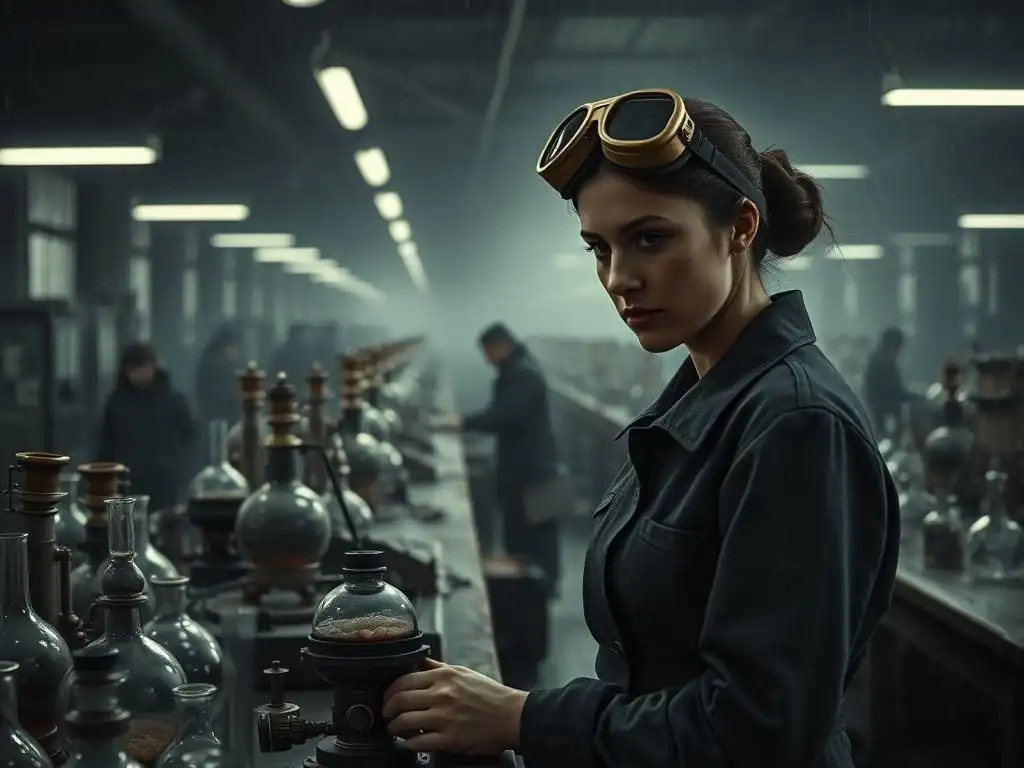
Women Chemists' Impact on War Outcomes
The contributions of women chemists wartime munitions production were not merely supplementary; they were foundational to the Allied victory. The sheer volume and consistent quality of explosives, propellants, and other critical chemical supplies produced during both World Wars directly impacted the ability of fighting forces to sustain prolonged engagements. Without their scientific rigor in laboratories and on factory floors, ensuring the reliability and safety of these materials, supply lines would have faltered, and military operations would have been severely hampered.
Their expertise ensured that the complex chemical processes involved in manufacturing everything from artillery shells to aircraft fuel were optimized for efficiency and safety. This constant, high-quality output meant that Allied forces rarely faced critical shortages of essential war materials, providing a crucial logistical advantage. The unwavering dedication of women chemists in these vital roles undeniably played a significant, though often unheralded, part in shaping the ultimate outcomes of both global conflicts.
Challenging Gender Norms: Women in Traditionally Male Roles
The exigencies of war forced a radical re-evaluation of women's capabilities and societal roles. As men left for the front, women, including highly educated women chemists, stepped into industrial and scientific positions previously considered the sole domain of men. They proved their competence and resilience in demanding, technical, and often dangerous environments, dismantling long-held stereotypes about women's physical and intellectual capacities.
This unprecedented entry into traditionally male-dominated fields, particularly in the highly skilled domain of chemistry, shattered preconceived notions about gender and work. While many women were expected to return to domestic roles after the war, the experience profoundly altered societal perceptions and laid crucial groundwork for future advancements in gender equality in the workplace. The visible success of women chemists wartime munitions work demonstrated that scientific acumen knew no gender.
The Post-War Era: Recognition and Lasting Legacy
In the immediate aftermath of both World Wars, many women who had served in vital industrial roles, including women chemists, were pressured to relinquish their positions to returning servicemen. While this often meant a return to traditional domesticity for many, the wartime experience had irrevocably changed individual women and the broader societal understanding of women's work capacity. The skills acquired and the barriers broken could not be entirely undone.
The lasting legacy of these women chemists wartime munitions efforts manifested in various ways. It fueled a quiet but powerful shift in the narrative of what women could achieve, inspiring future generations to pursue careers in STEM fields. While full recognition for their wartime contributions was often slow to materialize, their collective impact helped to pave the way for increased educational opportunities for women in science and engineering, permanently altering the landscape of scientific endeavor.
Beyond the Battlefield: The Long-Term Consequences for Women Munitions Workers
Health Issues and Long-Term Effects of Chemical Exposure
For many of the "munitionettes" and women chemists wartime munitions workers, the dangers of their wartime labor extended far beyond the Armistice. Prolonged exposure to toxic chemicals like TNT, picric acid, and heavy metals led to severe and often debilitating long-term health issues. These included chronic respiratory diseases, persistent skin conditions, liver damage, anemia, and even reproductive issues. The insidious nature of these illnesses meant they often manifested years or even decades after the war, making it challenging for affected individuals to directly link their ailments to their wartime service.
The cumulative effect of inhaling chemical fumes, absorbing toxins through the skin, and working in poorly ventilated environments took a profound toll. Conditions such as pulmonary fibrosis, chronic dermatitis, and various forms of cancer became tragic legacies of their patriotic service. The hidden cost of women chemists wartime munitions production was a generation of women whose health was permanently compromised, a stark reminder of the sacrifices made.
The Struggle for Recognition and Compensation
In the post-war period, many of these women faced an uphill battle for recognition of their sacrifices and for compensation for their work-related illnesses. The prevailing narrative often focused on the returning soldiers, and the contributions of civilian industrial workers, particularly women, were frequently downplayed or forgotten. Health issues that emerged years later were often dismissed as unrelated to their wartime employment, making it difficult for affected individuals to receive medical care or financial support.
Despite these challenges, some advocacy groups and individuals fought to bring attention to the plight of these unsung heroines. Their struggle highlighted a significant societal oversight: the tendency to minimize the physical and mental toll taken on women chemists wartime munitions workers once the immediate crisis of war had passed. This ongoing fight for acknowledgement underscored the profound, often uncompensated, personal cost of their invaluable service.
Remembering the Unsung Heroines: Preserving the History of Women Chemists in Wartime Munitions
Archival Resources and Historical Documentation
Preserving the history of women chemists wartime munitions efforts relies heavily on the diligent collection and analysis of archival resources and historical documentation. Primary sources such as government reports, factory production records, personal diaries, letters, and oral histories provide invaluable insights into the daily lives, challenges, and contributions of these women. Scientific publications from the era also shed light on the chemical advancements and analytical techniques they employed.
Institutions like national archives, military museums, and university special collections play a crucial role in collecting, preserving, and making these documents accessible to researchers and the public. By meticulously cataloging these records, we can reconstruct a more accurate and comprehensive narrative of their experiences, ensuring that the critical scientific work performed by women chemists wartime munitions production is not lost to the passage of time.
The Importance of Acknowledging Women's Contributions to Scientific Advancement During Wartime
Acknowledging the contributions of women chemists wartime munitions workers is not merely an exercise in historical accuracy; it is an ethical imperative. Their stories enrich our understanding of scientific history, challenging long-held biases that often overlook the roles of women in groundbreaking scientific and industrial endeavors. Their resilience, ingenuity, and dedication under extreme pressure serve as powerful examples of human capability.
By highlighting these narratives, we inspire current and future generations of women to pursue careers in STEM fields, demonstrating that significant scientific contributions can come from all segments of society. Recognizing the legacy of women chemists wartime munitions efforts ensures that their profound impact on both scientific advancement and the war effort is appropriately honored, solidifying their rightful place in the broader history of science and human endeavor.
Women Chemists and Wartime Munitions: A Legacy of Innovation and Sacrifice
The story of women chemists wartime munitions production is a powerful testament to human resilience, scientific innovation, and profound sacrifice. During two of the most tumultuous periods in human history, these unsung heroines stepped forward, applying their formidable chemical knowledge and unwavering dedication to fuel the war effort. They meticulously analyzed compounds, optimized production lines, and developed vital materials, often at immense personal risk from toxic chemicals and the constant threat of explosions.
Their contributions were not only critical to the Allied victory but also profoundly impacted societal perceptions of women's capabilities, challenging entrenched gender norms and paving the way for future generations of women in science. The legacy of women chemists wartime munitions workers is one of quiet heroism, demonstrating that the pursuit of scientific excellence, even in the most dangerous circumstances, can shape the course of history. Their stories deserve to be remembered, honored, and celebrated for the indelible mark they left on both science and society.
Frequently Asked Questions
What roles did women chemists primarily hold in wartime munitions production?
Women chemists often filled crucial roles in quality control, chemical analysis, and production oversight within munitions factories. They ensured the safety and efficacy of explosives and other military materials.
What specific dangers did women chemists face while working with munitions?
Women were exposed to toxic chemicals and explosive materials, leading to health problems like skin irritation, respiratory issues, and a constant risk of accidents. Long hours and poor ventilation exacerbated these dangers.
How did societal attitudes influence women's involvement in wartime chemistry?
Wartime necessity temporarily challenged traditional gender roles, allowing women to enter fields previously dominated by men. However, these opportunities were often seen as temporary replacements, expected to revert after the war.
What were some of the significant scientific contributions made by women chemists during wartime?
Women made significant contributions to improving the stability and effectiveness of explosives, developing new chemical processes for munitions production, and ensuring the safety and quality of manufactured materials.
How does WomenInScienceHistory.com contribute to understanding the role of women chemists in wartime munitions?
WomenInScienceHistory.com highlights the often-overlooked contributions of women chemists, shedding light on their crucial roles, the challenges they faced, and their significant achievements during both World Wars. The site aims to inspire future generations by showcasing their stories.
Final Reflection: The Unsung Heroines of Innovation and Sacrifice
The stories of women chemists during wartime, often overshadowed by battlefield narratives, remain profoundly relevant today. Their contributions to munitions production, though born of necessity and often shrouded in danger, fundamentally reshaped the landscape of scientific innovation and societal expectations. Understanding their experiences allows us to appreciate the complex interplay of gender, science, and national security, a dynamic that continues to evolve in the 21st century.
The legacy of these women extends far beyond the laboratory. Their resilience and ingenuity in the face of adversity serve as a powerful reminder of the untapped potential that exists when barriers are broken down. Their work, though fraught with peril, paved the way for future generations of women in STEM fields, challenging deeply ingrained societal norms and proving their invaluable contributions to scientific advancement. Science knows no country, because knowledge belongs to humanity, and is the torch which illuminates the world.
- Louis Pasteur. This quote encapsulates the spirit of these women, who, despite facing discrimination, dedicated their skills to a cause they believed in.
As we reflect on the sacrifices and triumphs of these women chemists, let us remember that progress is not a passive phenomenon but a continuous struggle for equality and recognition. Consider how their dedication, born from a time of crisis, can inspire us to champion inclusivity and empower future generations of scientists, ensuring that their voices are heard and their contributions are celebrated. Let us strive to create a world where every individual, regardless of gender, has the opportunity to contribute their unique talents to the advancement of knowledge and the betterment of humanity.
Empower Change: Ignite Your Passion for Women in STEM!
Thank you for delving into the vital, yet often untold, stories of women chemists who risked everything during wartime. You've witnessed their resilience and contributions, and now it's time to carry their legacy forward.
Here's how you can take action:
- Champion representation and equality in STEM fields by supporting initiatives that encourage women's participation.
- Explore further into the lives of unsung women scientists through WomenInScienceHistory.com and share these stories with your network.
- Challenge the narrative: Research lesser-known female figures in your own community's history and celebrate their achievements.
What hidden story of a female scientist will you help bring to light today?