
Beatrix Potter: More Than Peter Rabbit – A Mycologist's Fight for Scientific Recognition

Welcome to WomenInScienceHistory.com!
Delve into the fascinating, often untold stories of women who shaped the scientific landscape. Today, we explore the captivating life of Beatrix Potter, a name synonymous with beloved children's tales. But did you know she was also a passionate and insightful mycologist? Uncover her remarkable journey, the groundbreaking work that was often dismissed, and her fight for Beatrix Potter's mycological recognition in a field dominated by men. Prepare to be amazed by the scientific contributions that lie beyond the world of Peter Rabbit, and discover why her legacy deserves a place alongside science's greatest minds.
- Introduction: Unveiling the Scientific Side of Beatrix Potter
- Early Life and Scientific Inclinations: Laying the Foundation for Botanical Studies
- Beatrix Potter's Passion for Mycology: A Deep Dive into Fungi
- Challenges and Rejection: Facing Sexism in the Scientific Community
- Contributions to Mycology: Potter's Lasting Scientific Legacy
- Comparing Potter's Mycological Work to Contemporary Botanists
- The Rediscovery of Potter's Scientific Work: Reclaiming Her Legacy
- The Legacy of Beatrix Potter: Inspiring Future Generations of Women in Science
- Conclusion: Beatrix Potter's Enduring Impact on Science and Art
-
Frequently Asked Questions
- What was Beatrix Potter's primary contribution to science beyond her children's books?
- Why is Beatrix Potter not as widely recognized for her scientific work as she is for her literary work?
- What specific obstacles did Beatrix Potter encounter in pursuing her mycological research?
- What kind of research did Beatrix Potter conduct in the field of mycology?
- How does "WomenInScienceHistory.com" aim to address the underrepresentation of women in science, using Beatrix Potter as an example?
- Final Reflection: Unearthing Potter's Scientific Legacy
- Embrace Your Inner Explorer: Unearth New Discoveries!
Introduction: Unveiling the Scientific Side of Beatrix Potter
Beyond the Tales: Exploring Beatrix Potter's Scientific Pursuits
Beatrix Potter is universally celebrated as the beloved author and illustrator of classic children's tales like The Tale of Peter Rabbit. Her whimsical characters and enchanting narratives have captivated generations. However, beneath the surface of her charming stories lay a rigorous scientific mind, deeply engaged in the study of natural history, particularly mycology – the branch of biology concerned with fungi. This lesser-known facet of her life reveals a dedicated scientist whose pursuits extended far beyond the realm of children's literature.
From a young age, Potter harbored a profound fascination with the natural world. She spent countless hours observing, collecting, and meticulously drawing specimens of flora and fauna. This deep engagement with the natural environment evolved into serious scientific inquiry, especially concerning fungi, a field that was still nascent and poorly understood in the late 19th century. Her work involved not only detailed illustrations but also original research into fungal reproduction and classification, marking her as a serious intellectual in an era that largely dismissed women's scientific capabilities.
Why Beatrix Potter's Mycological Work Matters to Women in Science History
Beatrix Potter's journey in mycology is a poignant and vital chapter in the broader narrative of Women in Science History. Her struggle for Beatrix Potter mycological recognition exemplifies the immense barriers women faced in the 19th and early 20th centuries. Despite conducting meticulous research and developing groundbreaking theories, her gender and amateur status often led to skepticism and dismissal by the male-dominated scientific establishment. Her story is a powerful testament to the intellectual prowess and perseverance of women who, against formidable odds, pursued scientific knowledge.
Her experience sheds critical light on how many women's invaluable contributions to science were suppressed, overlooked, or simply uncredited. Beatrix Potter's pursuit of scientific understanding, despite societal constraints and direct rejection, makes her a symbol of the fight for equality and inclusion in scientific fields. Highlighting her scientific achievements, particularly her Beatrix Potter mycological recognition, is essential for correcting historical oversights and inspiring future generations of female scientists.
Early Life and Scientific Inclinations: Laying the Foundation for Botanical Studies
Childhood Fascination with Nature: The Seeds of Scientific Curiosity
Born into a privileged Victorian household in Kensington, London, Beatrix Potter's early life was marked by frequent escapes to the countryside. Family holidays to places like Scotland and, most significantly, the Lake District, provided fertile ground for her burgeoning scientific curiosity. These extended periods immersed her in an environment rich with diverse plant life, insects, and animals, fostering a profound connection with nature that would shape her intellectual pursuits. She and her younger brother, Bertram, would often bring home specimens, setting up makeshift natural history museums in their nursery.
This early exposure cultivated not just an appreciation for beauty but also a keen observational skill. Her private education, typical for girls of her social standing, did not include formal scientific training. However, it allowed her the freedom to pursue self-directed study. From an early age, she filled sketchbooks with detailed drawings of flora and fauna, demonstrating an innate talent for capturing anatomical precision alongside artistic beauty, laying the groundwork for her later scientific illustrations.
Botanical Drawings and Watercolors: Honing Observation Skills
Potter's exceptional artistic talent was inextricably linked to her scientific inclinations. Her botanical drawings and watercolors were far more than mere artistic endeavors; they were precise scientific documents. She meticulously rendered intricate details of plant and fungal structures, often using a magnifying glass or microscope to capture the nuances invisible to the naked eye. This dedication to accuracy was crucial for scientific classification and understanding.
For instance, her illustrations of fungi frequently included cross-sections, spore prints, and microscopic views of hyphae and spores. These elements demonstrated a level of detailed observation that was critical for mycological study and classification. Her ability to combine artistic skill with scientific rigor meant her drawings served as invaluable records of her observations and hypotheses, providing a visual foundation for her pursuit of Beatrix Potter mycological recognition.
Independent Study and Lack of Formal Education: Overcoming Barriers
During the Victorian era, societal norms severely restricted women's access to formal higher education, particularly in scientific disciplines. Universities and scientific institutions were largely closed to women, denying them the structured training and networking opportunities available to their male counterparts. Beatrix Potter, like many intellectually curious women of her time, was a product of this restrictive environment, unable to pursue a traditional academic path.
Undeterred, she compensated for this lack of formal education through rigorous independent study. She devoured scientific texts, spent countless hours at the Natural History Museum studying specimens, and sought guidance from experts like Charles McIntosh, a local naturalist, and George Massee, a prominent mycologist at Kew Gardens. This self-driven pursuit of knowledge, marked by her tireless dedication to observation and experimentation, underscored her remarkable intellectual independence and determination to contribute to science despite systemic barriers to her Beatrix Potter mycological recognition.
Beatrix Potter's Passion for Mycology: A Deep Dive into Fungi
Discovering the World of Fungi: The Allure of Microscopic Life
Beatrix Potter's initial broad interest in natural history gradually narrowed to a profound passion for mycology. This focused study of fungi was likely influenced by her brother Bertram's tutor, Charles McIntosh, a Scottish naturalist who introduced her to the complexities of fungal life. Fungi, at the time, were a largely mysterious and poorly understood group of organisms, presenting a unique challenge and allure to a curious mind. Their diverse forms, hidden life cycles, and often ephemeral nature fascinated her.
Her fascination deepened with the acquisition of a microscope, which opened up an entirely new, unseen world. She meticulously examined fungal spores, hyphae, and other microscopic structures, moving beyond mere macroscopic identification. This microscopic exploration allowed her to delve into the intricate aspects of fungal reproduction and development, which became a central focus of her original scientific research and a key component of her efforts towards Beatrix Potter mycological recognition.
Detailed Illustrations of Fungi: A Blend of Art and Science
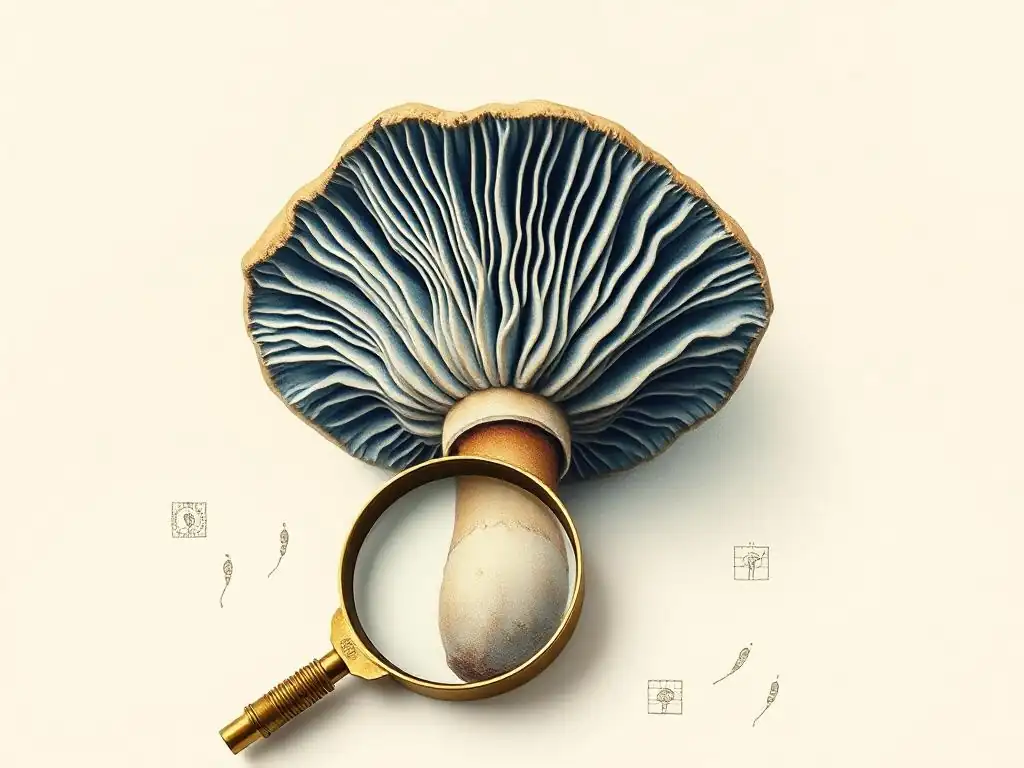
Potter's fungal illustrations are a testament to her unique ability to merge artistic excellence with scientific precision. Numbering over 300, these watercolors are not merely aesthetic renderings but highly accurate scientific diagrams. Each drawing meticulously depicts the fungi's morphology, including precise details of caps, gills, stems, and spore prints. She often included cross-sections to reveal internal structures and microscopic views of spores, demonstrating an extraordinary level of observational skill and scientific rigor.
These illustrations are considered remarkable not only for their beauty but for their botanical accuracy. They served as a visual record of her extensive observations and hypotheses regarding fungal growth and reproduction. This fusion of art and science was fundamental to her approach, allowing her to document her findings in a visually compelling and scientifically informative manner, thereby solidifying the basis for her Beatrix Potter mycological recognition.
Identifying and Classifying Fungi Species: Potter's Keen Eye for Detail
Beatrix Potter approached the identification and classification of fungi with a systematic and rigorous methodology. She would collect specimens, often making spore prints by leaving the cap of a fungus on paper overnight to capture the pattern of its spores. She observed their growth, decay, and environmental conditions, meticulously recording her findings in notebooks alongside her detailed illustrations. This thorough approach reflected a deep understanding of mycological research principles.
Her observations led her to develop original theories that challenged prevailing scientific thought of the time, particularly regarding the germination of fungal spores. She hypothesized that lichen spores germinated and grew into new fungal forms, rather than being simply parasitic associations, a concept that was quite progressive. This demonstrated that she was not merely an illustrator or a reproducer of existing knowledge, but an original thinker contributing actively to the scientific discourse, further building her case for Beatrix Potter mycological recognition.
Challenges and Rejection: Facing Sexism in the Scientific Community
Presenting Research to the Linnean Society: A Male-Dominated Arena
In 1897, Beatrix Potter's groundbreaking paper, "On the Germination of the Spores of Agaricineae," was presented to the prestigious Linnean Society of London. However, as a woman, she was not permitted to attend the meeting herself, let alone present her findings. Her work was instead read on her behalf by George Massee, a mycologist from Kew Gardens, who had initially reviewed her specimens and found her work commendable. This act, common for women in science at the time, starkly highlighted the systemic exclusion of women from formal scientific discourse.
The very necessity of a male intermediary underscored the pervasive gender bias within Victorian scientific institutions. Despite the originality and meticulousness of her research, Potter's direct participation and, crucially, her direct recognition were denied. This incident serves as a stark reminder of the institutional barriers that prevented talented women from gaining the visibility and acknowledgment they deserved for their scientific contributions, severely impacting her pursuit of Beatrix Potter mycological recognition.
The Rejection of Her Paper: Gender Bias in Victorian Science
Despite Massee's presentation, Potter's paper was ultimately not published by the Linnean Society. While specific reasons for its non-publication are not fully documented, prevailing historical analysis points to a combination of factors, including her "amateur" status and, most significantly, her gender. Her theories on spore germination were ahead of their time, but her voice and insights were not afforded the serious consideration given to male scientists.
This rejection was a significant blow to Beatrix Potter's aspirations for formal scientific recognition. It vividly illustrates the formidable obstacles that women faced in having their scientific findings taken seriously and published in reputable journals. In an era where scientific authority was almost exclusively vested in men with formal academic credentials, an independent woman challenging established theories, no matter how accurate her observations, often found her work dismissed or ignored, directly hindering her Beatrix Potter mycological recognition.
Uncredited Contributions: The Suppression of Women's Scientific Work
Beyond the formal rejection of her paper, it is plausible that many of Beatrix Potter's insights and observations were implicitly absorbed by the scientific community without proper attribution. This was a common plight for women whose scientific work, even if groundbreaking, was often co-opted, dismissed, or simply not acknowledged in the same way as that of their male counterparts. Her detailed illustrations, despite their undeniable scientific value, were frequently viewed primarily as artistic works rather than serious scientific documentation, further marginalizing her potential for Beatrix Potter mycological recognition during her lifetime.
The lack of formal publication meant her specific contributions, such as her detailed studies of fungal spore germination, did not enter the mainstream scientific discourse under her name. This suppression of her work, whether intentional or a consequence of systemic bias, meant that a valuable body of original research remained largely hidden for decades, only to be rediscovered and appreciated by later generations of mycologists and historians of science.
Contributions to Mycology: Potter's Lasting Scientific Legacy
The "Potter's Fungus": Naming and Recognition (albeit late)
While no specific fungus was formally named "Potter's Fungus" during her lifetime, her meticulous work on species like Agaricus terrestris (now classified as Hygrocybe ovina) and her innovative theories on spore germination were, in hindsight, remarkably prescient. Modern mycologists acknowledge the significant contributions she made to understanding fungal morphology and reproduction, recognizing the scientific value of her detailed observations and illustrations.
Her insights, though initially unacknowledged by the Linnean Society, were later confirmed by other scientists. For example, her detailed studies on the process of spore germination, which she meticulously documented through her illustrations and observations, were eventually validated by subsequent research. This delayed but eventual Beatrix Potter mycological recognition underscores the challenges of historical re-evaluation, where the true pioneers are sometimes only appreciated decades after their original work.
Spore Germination Theories: Challenging Prevailing Scientific Thought
One of Beatrix Potter's most significant, albeit uncredited, contributions to mycology was her work on spore germination. She theorized that fungal spores could germinate and grow into new fungal forms, challenging the then-prevailing belief that lichens were simply parasitic associations of fungi and algae. She meticulously observed and illustrated this process, demonstrating that fungi were distinct organisms with their own complex life cycles.
Her observations, though not formally published under her name, laid crucial groundwork for a more accurate understanding of fungal reproduction and their ecological roles. Her insights into the symbiotic nature of lichens and the independent life of fungi were remarkably advanced for her time, showcasing her keen scientific intuition and observational skills. These early theories, later confirmed by others, highlight her foundational role in advancing mycological understanding and contribute to her posthumous Beatrix Potter mycological recognition.
Agaricus terrestris and Other Illustrated Species: Scientific Value
The scientific value of Beatrix Potter's fungal illustrations, particularly those of species like Agaricus terrestris (now Hygrocybe ovina) and numerous others, cannot be overstated. These were not merely artistic renderings; they presented accurate morphological details, spore characteristics, and even microscopic structures, making them invaluable scientific documents. Her precision allowed for clear identification and detailed study of the fungi she encountered.
These illustrations, now largely preserved in the Armitt Library and Museum Centre in Ambleside, serve as a vital historical record. They provide a precise snapshot of fungal species as they existed in the late 19th century, aiding contemporary mycologists in tracking changes in populations, confirming historical identifications, and understanding fungal biodiversity over time. Their enduring scientific utility solidifies her Beatrix Potter mycological recognition as a significant contributor to the field.
Comparing Potter's Mycological Work to Contemporary Botanists
Comparison to Mordecai Cubitt Cooke and Miles Joseph Berkeley
To fully appreciate Beatrix Potter's scientific endeavors, it is useful to compare her work to that of prominent male mycologists of her era, such as Mordecai Cubitt Cooke and Miles Joseph Berkeley. Cooke was a leading popularizer of fungi and author of numerous comprehensive works, while Berkeley is often regarded as one of the founders of modern mycology, known for his extensive classifications and studies of plant pathology. Both men held established positions within scientific institutions and benefited from widespread recognition and access to resources.
In contrast, Potter worked largely in isolation, outside of formal academic or institutional frameworks. While Cooke and Berkeley had access to vast collections, publishing opportunities, and collaborative networks, Potter's research was self-funded and conducted independently. This stark difference in access to resources and professional networks significantly impacted the visibility and acceptance of her scientific contributions, directly affecting her Beatrix Potter mycological recognition during her lifetime.
Similarities and Differences in Approaches and Findings
Despite their differing circumstances, there were notable similarities in their approaches. All three were keen observers and illustrators of fungi, recognizing the importance of visual documentation. Potter's illustrations, however, often surpassed those of her contemporaries in their aesthetic refinement while maintaining scientific accuracy, capturing a lifelike quality rarely seen in purely scientific diagrams. Her focused interest in spore germination was also a cutting-edge area of research that male mycologists like Berkeley were also exploring.
However, significant differences existed. Cooke and Berkeley produced comprehensive floras and monographs, benefiting from extensive specimen collections and professional networks that allowed for broad taxonomic work. Potter's work, while deeply detailed, was more focused on specific aspects of fungal life cycles and individual species, reflecting her independent, less formalized approach. Her theoretical insights, though profound, lacked the institutional backing necessary for widespread dissemination and acceptance.
Assessing the Impact of Gender on Their Respective Receptions
The starkest difference between Beatrix Potter's reception and that of her male contemporaries, Cooke and Berkeley, lies in the undeniable impact of gender. Cooke and Berkeley's work was readily accepted, published in prestigious journals, and earned them influential positions and authority within the scientific community. Their male privilege allowed them to shape the discourse and advance their careers unimpeded by societal prejudice.
In stark contrast, Potter's innovative theories and meticulous observations were largely dismissed or not given the serious consideration they deserved, primarily due to her gender and her status as an "amateur." This systemic bias meant that a woman, however brilliant and diligent, faced insurmountable barriers to formal Beatrix Potter mycological recognition. Her experience is a powerful illustration of how gender discrimination actively suppressed scientific progress and prevented talented women from receiving due credit for their groundbreaking work.
The Rediscovery of Potter's Scientific Work: Reclaiming Her Legacy
Modern Recognition: A Reassessment of Her Mycological Contributions
It was not until well into the 20th century that Beatrix Potter's scientific papers, detailed notes, and exquisite illustrations began to receive the proper re-examination and valuation they deserved. This re-evaluation was spurred by changing attitudes towards women in science and a growing appreciation for historical scientific records. As historians of science and mycologists delved into her archives, they uncovered the depth and foresight of her contributions.
This modern reassessment brought to light the remarkable accuracy of her observations, particularly regarding fungal spore germination and the symbiotic relationships within lichens. Scholars like W.P.K. Findlay and Roy Watling played significant roles in bringing her scientific legacy back into focus, finally granting her the Beatrix Potter mycological recognition that had eluded her during her lifetime. Her work is now recognized as pioneering, demonstrating insights that were often ahead of their time.
Publications and Exhibitions: Showcasing Her Scientific Achievements
The rediscovery of Beatrix Potter's scientific work has led to various initiatives aimed at showcasing her achievements. The publication of her scientific papers and letters, such as "Beatrix Potter's Derwentwater Sketchbook" and various scholarly articles analyzing her mycological contributions, has brought her work to a wider academic and public audience. These publications have allowed her original research to finally enter the scientific canon, albeit posthumously.
Furthermore, exhibitions featuring her scientific illustrations, often presented alongside her beloved children's book art, have helped bridge the gap between her artistic and scientific personas. These public displays have been crucial in educating the public about her dual legacy, solidifying her Beatrix Potter mycological recognition and demonstrating the profound scientific value embedded within her seemingly artistic endeavors.
The Importance of Remembering Women in Botany and Mycology
Beatrix Potter's story serves as a powerful and compelling reminder of the countless women whose scientific work was overlooked, suppressed, or simply uncredited throughout history. Her journey in mycology underscores the historical biases that systematically marginalized women in fields like botany and mycology, preventing their vital contributions from enriching scientific knowledge. Remembering figures like Potter is not merely about historical accuracy; it is about correcting long-standing injustices.
By actively celebrating and acknowledging the scientific achievements of women such as Beatrix Potter, we not only set the historical record straight but also provide crucial role models for contemporary and future generations. Her story encourages young women to pursue careers in botany, mycology, and other scientific fields, recognizing that their intellectual curiosity and contributions are valuable and deserving of full recognition.
The Legacy of Beatrix Potter: Inspiring Future Generations of Women in Science
Beatrix Potter as a Role Model: Encouraging Women in STEM Fields
Beatrix Potter stands as an enduring role model for aspiring scientists, particularly women considering careers in STEM fields. Her unwavering perseverance, intellectual curiosity, and refusal to be deterred by the significant societal and institutional barriers of her time make her an inspirational figure. Despite lacking formal academic credentials and facing direct rejection, she continued her meticulous scientific work driven by genuine passion.
Her story powerfully demonstrates that passion, meticulous observation, and independent thought can lead to profound scientific insights, even when traditional academic pathways are closed. This narrative offers a potent message for young women today: that their intellectual pursuits are valid, their contributions are valuable, and their determination can overcome obstacles, ultimately contributing to their own Beatrix Potter mycological recognition in their chosen fields.
Promoting Scientific Literacy Through Art and Nature
Beatrix Potter's unique dual legacy, as both a celebrated artist and a dedicated scientist, positions her uniquely to promote scientific literacy. Her beloved children's books, deeply rooted in accurate observations of the natural world, subtly introduce young readers to ecological concepts, animal behaviors, and plant life. The precision in her illustrations, even in whimsical contexts, fosters an early appreciation for natural detail.
Her scientific illustrations, on the other hand, exemplify how art can be a powerful and effective tool for scientific communication and precise observation. By showcasing her work, we can encourage a holistic view of the natural world, demonstrating that creativity and scientific inquiry are not mutually exclusive but can mutually enrich each other, fostering a deeper understanding and appreciation for both disciplines.
Citizen Science Initiatives and Mycological Education
Beatrix Potter's self-taught, observational approach to mycology resonates strongly with contemporary citizen science initiatives. Her meticulous record-keeping and detailed observations, conducted outside of formal laboratories, mirror the spirit of modern participatory science, where public engagement contributes significantly to data collection and scientific understanding. Her story serves as an inspiration for individuals to engage in scientific exploration in their own environments.
Her enduring legacy can inspire greater public engagement in mycological education and amateur mycology. By highlighting her contributions, we remind a broader audience that valuable scientific discoveries and contributions can come from outside traditional academic institutions. This fosters a sense of empowerment and encourages a wider appreciation for the fungal kingdom and the importance of continued Beatrix Potter mycological recognition.
Conclusion: Beatrix Potter's Enduring Impact on Science and Art
A Dual Legacy: Celebrating the Artist and the Scientist
Beatrix Potter's true and enduring legacy lies in the seamless integration of her artistic genius and her rigorous scientific mind. Her enchanting tales of Peter Rabbit, Jemima Puddle-Duck, and Squirrel Nutkin are inextricably linked to her meticulous studies of fungi, plants, and the natural world. Her ability to observe with a scientist's eye and render with an artist's hand allowed her to create works that are both aesthetically captivating and scientifically accurate.
Her life exemplifies how creativity and scientific inquiry can not only coexist but flourish simultaneously, enriching both fields. Her unique perspective offers a powerful lens through which to view the natural world, demonstrating that the pursuit of knowledge and the creation of beauty can be deeply intertwined, leaving a legacy that transcends traditional disciplinary boundaries.
The Significance of Recognizing Women's Contributions to Scientific Discovery
The story of Beatrix Potter's battle for Beatrix Potter mycological recognition is a microcosm of a larger, ongoing historical narrative: the critical importance of actively seeking out and celebrating the unacknowledged contributions of women in science. For centuries, women were systematically excluded from scientific institutions, their work often dismissed, appropriated, or simply forgotten. Recognizing pioneers like Potter is not just about historical accuracy; it is about rectifying past injustices.
By acknowledging these overlooked narratives, we not only set the historical record straight but also provide crucial role models and inspiring stories that encourage greater diversity, equity, and inclusion in contemporary science. It reminds us that scientific progress is a collective human endeavor, diminished when any voice or contribution is silenced or ignored.
Beatrix Potter's Place in Science History
Beatrix Potter is far more than a beloved children's author; she is a legitimate, albeit uncredited in her time, scientific figure. Her extensive botanical and mycological work, marked by meticulous observation, detailed illustration, and original theoretical insights, warrants a prominent and respected position in the annals of natural history. Her pioneering efforts in understanding fungal life cycles were significant contributions to a burgeoning field.
Her story serves as a powerful testament to intellectual resilience, the unwavering pursuit of knowledge, and the ongoing fight for equitable recognition in the scientific community. Beatrix Potter's life and work continue to inspire, ensuring that her Beatrix Potter mycological recognition grows, cementing her rightful place as a remarkable woman in science history.
Frequently Asked Questions
What was Beatrix Potter's primary contribution to science beyond her children's books?
Beatrix Potter made significant contributions to mycology, the study of fungi. She meticulously documented and illustrated various fungi species, proposing theories about their reproduction and classification.
Why is Beatrix Potter not as widely recognized for her scientific work as she is for her literary work?
Potter faced significant gender discrimination in the scientific community. Her papers were often dismissed or presented by male colleagues, hindering her professional recognition for years.
What specific obstacles did Beatrix Potter encounter in pursuing her mycological research?
She was denied access to the Linnean Society meetings and her research papers were often presented by male scientists. This limited her ability to share her findings and gain acceptance.
What kind of research did Beatrix Potter conduct in the field of mycology?
Potter studied fungal spores and their germination, creating detailed drawings and proposing new theories about fungal reproduction. She was particularly interested in the symbiotic relationships between fungi and other plants.
How does "WomenInScienceHistory.com" aim to address the underrepresentation of women in science, using Beatrix Potter as an example?
The website aims to highlight the contributions of women like Beatrix Potter. It showcases their groundbreaking work and the challenges they faced, seeking to inspire future generations and correct historical omissions.
Final Reflection: Unearthing Potter's Scientific Legacy
The enduring charm of Peter Rabbit often overshadows the profound scientific contributions of Beatrix Potter, a reality that demands a reevaluation of her legacy. While her children's books have captivated generations, her meticulous mycological studies and artistic renderings of fungi reveal a dedicated scientist whose work was unjustly dismissed due to societal biases and gender inequality prevalent in her time. This article serves as a reminder that brilliance can be found in unexpected places and that acknowledging the full spectrum of a person's achievements is crucial for a complete understanding of their impact.
The fight for Beatrix Potter's mycological recognition is not just about correcting historical oversights; it's about challenging the ingrained prejudices that continue to marginalize women and other underrepresented groups in STEM fields. Her story resonates deeply because it highlights the persistent struggle for validation and the importance of perseverance in the face of adversity. Believe that there is a great power silently working all things for good, behave yourself and never mind the rest.
- Beatrix Potter. This quote encapsulates her spirit and serves as a powerful reminder to pursue our passions, regardless of external obstacles.
Let us all take a moment to reflect on the multifaceted nature of human potential. Consider how often we limit our understanding of individuals based on preconceived notions or popular narratives. What hidden talents and unrecognized contributions might we be overlooking in our own lives and communities? Embrace the spirit of Beatrix Potter, champion the pursuit of knowledge in all its forms, and actively work to create a more inclusive and equitable world where every voice is heard and every contribution is valued.
Embrace Your Inner Explorer: Unearth New Discoveries!
Thank you for delving into the fascinating story of Beatrix Potter and her remarkable journey! You've seen how her passion for mycology fueled both her artistry and scientific pursuits, even against societal expectations. Now, it's your turn to take inspiration and turn knowledge into action.
- Take a walk in nature and document five different types of fungi you find. Share your observations (and photos!) with your friends.
- Delve deeper: Research a female scientist whose contributions have been overlooked.
- Start a conversation: Share this article with your network and spark a discussion about the challenges faced by women in STEM fields.
What small step will you take today to honor the spirit of Beatrix Potter and champion the voices of women in science?