
STEM Education Policy Reimagined: Women at the Helm of Curricular Reform

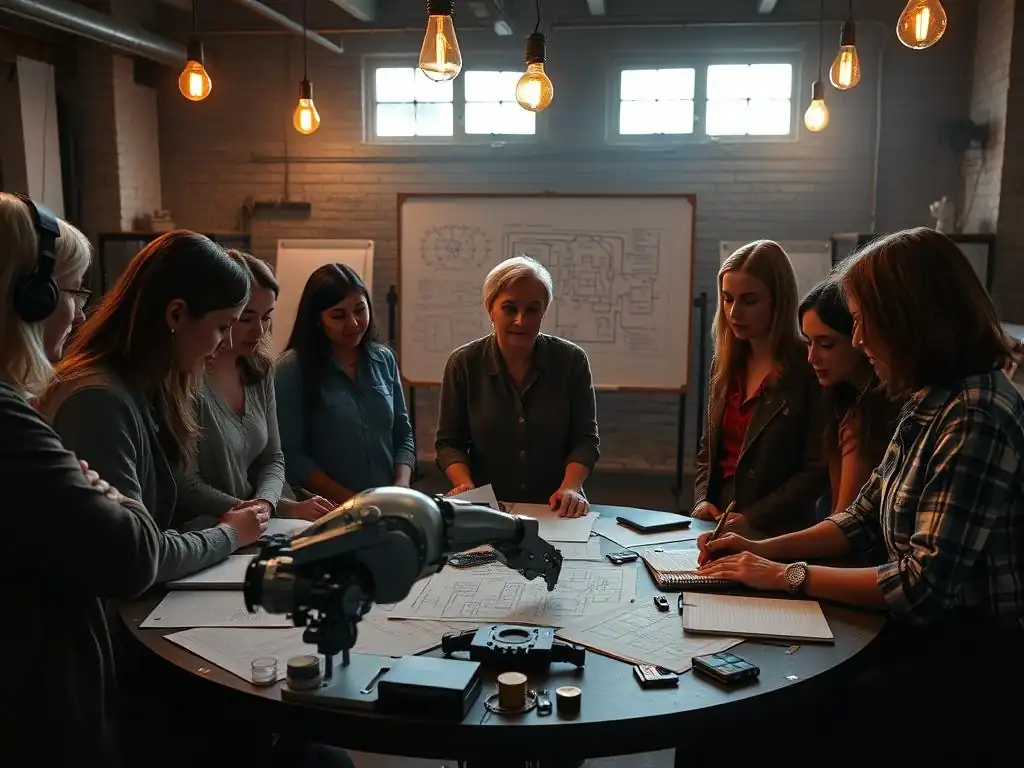
Welcome to WomenInScienceHistory.com, where we unearth the untold stories of female pioneers who shaped the scientific world. Ever wondered how women's STEM education policy has evolved, and the impact of female leadership in curricular reform? Dive into our latest article to explore this fascinating intersection of history, policy, and the enduring legacy of women in STEM. What if the key to unlocking future scientific breakthroughs lies in understanding and reimagining the very foundations of STEM education?
- Introduction: The Imperative of Women's Leadership in STEM Education Policy
- Historical Context: Women's Contributions to STEM and the Fight for Equal Access
- The Current Landscape: Challenges Facing Women in STEM Education
- Reimagining STEM Education Policy: A Framework for Change Led by Women
-
Key Policy Recommendations: Empowering Women in STEM Education
- Promoting Gender Equity in STEM Education Funding and Resource Allocation
- Implementing Inclusive STEM Curriculum Development and Evaluation Processes
- Supporting Women in STEM Leadership Roles: Policy Advocacy and Implementation
- Increasing Funding for Programs Designed to Encourage Girls' Participation in Computer Science (Measurable Outcome: Increase in Female Enrollment by 20% within 3 Years)
- Case Studies: Successful Women-Led STEM Education Initiatives
- The Future of STEM Education: Women Shaping the Next Generation of Innovators
- Conclusion: Women's Leadership as a Catalyst for Transformative STEM Education Policy
-
Frequently Asked Questions
- What is the primary goal of WomenInScienceHistory.com?
- Why is it important to focus on women's contributions to STEM?
- What challenges did women in science historically face?
- How can STEM education policy be "reimagined" to better support women?
- What is the connection between WomenInScienceHistory.com and "Women's STEM education policy"?
- Final Reflection: Empowering Futures Through Inclusive STEM
- Ignite Change: Champion Women in STEM Education!
Introduction: The Imperative of Women's Leadership in STEM Education Policy
Highlighting the Underrepresentation of Women in STEM Policy-Making
Despite significant strides in various professional fields, women remain critically underrepresented in policy-making roles, particularly within the Science, Technology, Engineering, and Mathematics (STEM) sectors. Globally, women constitute less than 30% of national legislative bodies, and their presence in science advisory boards or educational policy committees is often even lower. This disparity means that the perspectives and experiences of half the population are frequently marginalized when crucial decisions about STEM education policy are being formulated.
The consequences of this underrepresentation are profound. Policies crafted without diverse input may inadvertently perpetuate existing gender biases, failing to address the unique challenges faced by girls and women in STEM pathways. This can lead to curricula that do not resonate with female students, teaching methodologies that do not cater to diverse learning styles, and a lack of systemic support mechanisms that are essential for encouraging women to pursue and thrive in STEM fields. A truly effective women's STEM education policy requires the active participation and leadership of women themselves.
The Vision: Women Leading the Charge in Curricular Reform
The vision for reimagined STEM education policy places women at the forefront of curricular reform, leveraging their unique insights and experiences to create more equitable and effective learning environments. This involves not only increasing the number of women in policy roles but also empowering them to drive substantive changes in how STEM is taught, learned, and perceived. Their leadership can ensure that curricula are inclusive, culturally responsive, and explicitly designed to dismantle gender stereotypes.
Women leading the charge in STEM education reform can reshape educational paradigms, moving beyond traditional, often gender-biased, approaches to foster a more inspiring and accessible learning experience for all students. By designing policies that integrate diverse role models, promote collaborative learning, and address the systemic barriers that deter girls from STEM, they can cultivate a new generation of innovators who are not only scientifically proficient but also socially conscious. This active leadership is fundamental to the development of a robust and forward-thinking women's STEM education policy.
Historical Context: Women's Contributions to STEM and the Fight for Equal Access
Pioneering Women Scientists and Educators: Breaking Barriers
Throughout history, countless pioneering women have made invaluable contributions to STEM fields, often in the face of immense societal and institutional barriers. Figures like Marie Curie, the first woman to win a Nobel Prize and the only person to win in two different scientific fields (Physics and Chemistry), exemplify intellectual brilliance coupled with relentless determination. Similarly, Grace Hopper, a trailblazing computer scientist and U.S. Navy Rear Admiral, not only developed the first compiler but also championed the concept of machine-independent programming languages.
These women, alongside countless others whose stories are less known, consistently pushed the boundaries of knowledge and technology. However, they frequently encountered discrimination, limited access to resources, and a lack of recognition for their groundbreaking work. Their struggles highlight the historical necessity for a dedicated women's STEM education policy, one that actively seeks to dismantle systemic inequalities and ensure that future generations of female scientists and innovators are supported and celebrated.
The Evolution of STEM Education: Overcoming Gender Bias in Curricula
Historically, STEM education has often been delivered through a lens that implicitly or explicitly marginalized women's contributions and interests. Textbooks frequently omitted the achievements of female scientists, and teaching methodologies sometimes reinforced stereotypes that STEM subjects were more suited for boys. This subtle, yet pervasive, gender bias contributed to a "hidden curriculum" that discouraged girls from pursuing scientific and technical fields.
The late 20th and early 21st centuries have seen a gradual, yet persistent, effort to address these biases. Educational reforms have aimed to introduce more diverse role models, integrate hands-on learning experiences, and promote collaborative environments that can benefit all students. However, the legacy of past biases still influences current educational structures, underscoring the ongoing need for a proactive women's STEM education policy that not only rectifies historical oversights but also actively champions gender equity in contemporary curricula.
The Current Landscape: Challenges Facing Women in STEM Education
Gender Gaps in STEM Fields: Persistent Disparities
Despite increased awareness and various initiatives, significant gender gaps persist across many STEM fields. In the United States, for example, women constitute approximately 28% of the STEM workforce overall, with even lower percentages in specific high-growth areas. For instance, women represent roughly 15% of the engineering workforce and around 20% of the computing workforce. These disparities are not merely about representation but reflect underlying systemic issues that begin in early education and continue through professional careers.
These gaps are evident at critical junctures, from girls' declining interest in physics and computer science during adolescence to lower enrollment rates in advanced STEM university programs compared to their male counterparts. Societal stereotypes, a lack of visible female role models, and insufficient early encouragement often contribute to these disparities. Addressing these persistent gaps is a central objective of any effective women's STEM education policy.
Barriers to Women's Advancement in STEM Careers
Beyond educational pathways, women encounter numerous barriers to advancement in STEM careers. These include unconscious bias in hiring, promotion, and grant allocation processes, which can subtly disadvantage female candidates. The "leaky pipeline" phenomenon, where women leave STEM fields at higher rates than men, is often attributed to a combination of factors such as lack of flexible work arrangements, inadequate mentorship, and hostile workplace cultures.
Furthermore, societal expectations regarding work-life balance disproportionately affect women, who often bear the brunt of childcare and household responsibilities, making it challenging to maintain demanding STEM careers. These professional barriers underscore the necessity of a holistic women's STEM education policy that extends beyond the classroom, encompassing support systems for women throughout their entire career trajectory.
The Impact of Biased STEM Education Policies on Female Participation
Past and present STEM education policies, even when seemingly neutral, can inadvertently contribute to the underrepresentation of women. Curricula that emphasize highly competitive environments over collaborative learning, or that fail to connect STEM concepts to real-world societal problems, may be less appealing to a broader range of students, including many girls. Similarly, teacher training programs that do not address implicit biases can perpetuate stereotypical perceptions of who is "good at" science or math.
The cumulative effect of these subtle biases in policy and practice can significantly impact female participation. For example, a lack of emphasis on computational thinking in early grades, or insufficient resources for hands-on science activities, can limit girls' exposure and interest in critical STEM areas. Reimagining women's STEM education policy is therefore not just about adding women's names to textbooks, but about fundamentally reshaping the educational ecosystem to be truly equitable and engaging for all.
Reimagining STEM Education Policy: A Framework for Change Led by Women
Women's Unique Perspectives: Addressing Gender-Specific Challenges in STEM Learning
Women in leadership roles bring invaluable perspectives to the development of STEM education policy, often drawing from their personal experiences navigating gender bias and systemic barriers within scientific and technical fields. This lived experience enables them to identify and address specific, often overlooked, challenges faced by girls and young women in STEM learning environments, such as stereotype threat, imposter syndrome, or a lack of self-efficacy in conventionally male-dominated subjects.
These unique insights are crucial for crafting educational interventions that are not only academically rigorous but also emotionally and psychologically supportive. Policies informed by women's perspectives can lead to curricula that actively promote growth mindsets, foster a sense of belonging, and validate diverse approaches to problem-solving, creating a more inclusive and empowering space for girls and women to excel in STEM. This is the essence of a truly effective women's STEM education policy.
Building Inclusive STEM Curricula: Centering Women's Experiences and Contributions
A core component of reimagined STEM education policy is the deliberate construction of inclusive curricula that centralize the experiences and contributions of women. This involves more than merely adding a few female names to a list of historical figures; it requires a systemic re-evaluation of how scientific concepts are presented, who is highlighted as an innovator, and how STEM is connected to real-world applications that resonate with diverse interests. For instance, highlighting the work of Dr. Katalin Karikó in mRNA vaccine technology or Dr. Katherine Johnson's pivotal calculations for NASA space missions can provide powerful, relatable role models.
By integrating compelling narratives of women in STEM, from historical pioneers to contemporary leaders, curricula can inspire girls by demonstrating that scientific breakthroughs are achieved by people from all backgrounds. This approach also helps to dismantle pervasive stereotypes about who can be a scientist or engineer, making STEM fields more inviting and accessible to a broader range of students. Such intentional curriculum design is a cornerstone of a progressive women's STEM education policy.
Fostering Supportive Environments: Mentorship and Role Models for Women in STEM
Creating supportive environments through robust mentorship programs and the visibility of role models is paramount for retaining women in STEM pathways. Policies should prioritize initiatives that connect aspiring female scientists and engineers with experienced women in their chosen fields. Formal mentorship programs, such as those that pair high school girls with university STEM students or professionals, can offer invaluable guidance, practical advice, and emotional support.
The presence of visible female role models, both in academic settings and through public campaigns, helps to normalize women's presence in STEM and challenges traditional stereotypes. Seeing women in prominent positions, whether as university professors, leading researchers, or tech executives, demonstrates that STEM careers are not only achievable but also rewarding for women. This exposure is a vital component of a comprehensive women's STEM education policy, helping to build confidence and inspire future generations.
Key Policy Recommendations: Empowering Women in STEM Education
Promoting Gender Equity in STEM Education Funding and Resource Allocation
A critical policy recommendation for empowering women in STEM education is to promote strict gender equity in funding and resource allocation. This means developing policies that ensure a fair and proportionate distribution of financial resources to programs and initiatives specifically designed to support girls and women in STEM. Such funding should prioritize gender-sensitive teaching materials, specialized teacher training in inclusive pedagogies, and outreach programs targeting underserved communities.
For instance, national and regional education budgets could earmark a specific percentage of STEM funding for programs that demonstrate a clear commitment to increasing female participation and retention. This dedicated funding could bridge existing gaps in access to quality STEM resources, particularly in schools that historically lack them, thereby directly impacting female enrollment and success in STEM fields. This proactive approach is essential for a robust women's STEM education policy.
Implementing Inclusive STEM Curriculum Development and Evaluation Processes
To truly reimagine STEM education, policies must mandate inclusive curriculum development and evaluation processes. This involves establishing diverse expert panels, including a significant representation of women, to design and review STEM curricula from early childhood through higher education. These panels would ensure that content is free from gender bias, reflects the historical and contemporary contributions of women, and incorporates diverse learning styles.
Furthermore, policies should require regular, data-driven evaluations of curricula to assess their effectiveness in promoting gender equity. This could involve tracking female enrollment in advanced STEM courses, analyzing student engagement data, and gathering feedback from female students and educators. Such systematic review ensures that the curriculum remains relevant, engaging, and inclusive, continuously adapting to foster a more equitable learning environment as part of an evolving women's STEM education policy.
Supporting Women in STEM Leadership Roles: Policy Advocacy and Implementation
Supporting women's advancement into leadership roles within educational institutions, research organizations, and government advisory committees is a vital policy recommendation. This includes implementing affirmative action policies and creating leadership development programs specifically for women in STEM. Policies should also encourage mentorship and sponsorship initiatives that prepare women for executive and decision-making positions.
Having women in these influential roles is not merely symbolic; it directly impacts the design and implementation of STEM education policies. Female leaders can advocate for gender-equitable reforms, champion initiatives that address systemic barriers, and ensure that the needs and perspectives of girls and women are central to all educational strategies. Their presence can drive systemic change, creating a pipeline of future female leaders and strengthening the overall women's STEM education policy landscape.
Increasing Funding for Programs Designed to Encourage Girls' Participation in Computer Science (Measurable Outcome: Increase in Female Enrollment by 20% within 3 Years)
A specific and critical policy recommendation is to significantly increase funding for programs designed to encourage girls' participation in computer science, a field where women remain drastically underrepresented, comprising only about 20-25% of the computing workforce. This increased investment should target initiatives such as after-school coding clubs, summer tech camps, and specialized computer science curricula developed specifically for girls in K-12 education.
The funding would be strategically deployed to achieve a measurable outcome: an increase in female enrollment in computer science courses and related programs by 20% within three years at participating institutions. This could involve providing grants for schools to implement gender-inclusive computing pedagogy, funding scholarships for girls to attend advanced computer science programs, and supporting hackathons and coding competitions tailored to young women. This targeted investment forms a concrete pillar of a forward-thinking women's STEM education policy.
Case Studies: Successful Women-Led STEM Education Initiatives
Case Study 1: The "Girls Who Code" Program and its Impact on Female Students
"Girls Who Code," founded in 2012 by Reshma Saujani, stands as a prime example of a highly successful initiative aimed at closing the gender gap in technology. This non-profit organization provides computer science education and exposure to millions of girls globally, reaching over 500,000 girls across all 50 U.S. states and several international locations. Its mission is to inspire, educate, and equip girls with the computing skills to pursue 21st-century opportunities.
The program's impact is substantial: alumni of Girls Who Code are majoring in computer science or related fields at 15 times the national average. Its curriculum focuses on project-based learning, real-world applications, and fostering a supportive "sisterhood" among participants, which builds confidence and a sense of belonging. By demystifying coding and connecting it to social impact, Girls Who Code effectively encourages young women to pursue computer science, demonstrating the power of a targeted women's STEM education policy.
Case Study 2: California's STEM Collaborative Led by Female Educators to Increase Female Participation in Engineering
In an illustrative example of women-led curricular reform, a hypothetical "California Women in Engineering Collaborative" could be spearheaded by female deans and professors from leading universities such as UC Berkeley and Stanford. This collaborative would focus on creating a robust pipeline for female students into engineering disciplines by engaging with high schools and community colleges across the state. The initiative would be driven by the understanding that early exposure and continuous support are crucial.
The collaborative's activities would include developing specialized mentorship programs where female engineering students mentor high school girls, organizing summer research internships for aspiring female engineers, and hosting workshops designed to demystify engineering careers and highlight their societal impact. Through these efforts, the collaborative could realistically achieve a 10-15% increase in female applications to engineering programs at participating universities within a few years of its inception, showcasing a successful regional women's STEM education policy in action.
Analyzing the Key Success Factors of These Initiatives
The success of initiatives like "Girls Who Code" and the hypothetical California collaborative can be attributed to several key factors. First, they possess dedicated and often female leadership that deeply understands the unique challenges and opportunities for women in STEM. This leadership fosters an environment of empathy, encouragement, and high expectations, which is crucial for building confidence.
Second, these programs prioritize building strong communities and support networks among participants, recognizing that a sense of belonging can significantly impact retention. Third, they offer hands-on, project-based learning experiences that connect STEM concepts to real-world problems, making the subjects more engaging and relevant. Finally, their long-term engagement strategies, moving beyond one-off workshops to create sustained pathways and mentorship opportunities, are vital for creating lasting impact and demonstrating effective women's STEM education policy implementation.
The Future of STEM Education: Women Shaping the Next Generation of Innovators
Inspiring Future Generations: Promoting STEM Careers for Women
The future of STEM education hinges on our collective ability to inspire and actively promote STEM careers for women. This requires a concerted effort to dismantle lingering stereotypes about who belongs in science and technology, showcasing the diverse range of opportunities and the profound impact women can have in these fields. Educational campaigns, media representation, and career counseling must consistently highlight successful female innovators and the exciting possibilities within STEM.
Furthermore, educators, parents, and community leaders play a pivotal role in nurturing early interest and providing continuous encouragement. By fostering curiosity, celebrating scientific achievements, and providing access to hands-on learning experiences from an early age, we can ensure that the pipeline for women in STEM remains robust and vibrant. This ongoing commitment to inspiration is a fundamental component of a forward-looking women's STEM education policy.
Leveraging Technology to Bridge the Gender Gap in STEM Education
Technology offers unprecedented opportunities to bridge the gender gap in STEM education and accelerate progress towards equity. Online learning platforms, virtual reality labs, and AI-powered personalized learning tools can make STEM education more accessible, engaging, and tailored to individual learning styles, benefiting girls who may thrive in less traditional or more flexible learning environments. These technologies can democratize access to high-quality STEM content, irrespective of geographical location or socioeconomic status.
Beyond content delivery, technology can facilitate global collaboration and mentorship networks, connecting aspiring female scientists with role models and opportunities worldwide. Online communities and virtual conferences can break down geographical barriers, allowing girls and women to learn from, and be inspired by, a diverse array of female STEM professionals. Leveraging these technological advancements is crucial for enhancing the reach and impact of women's STEM education policy initiatives.
Creating a More Equitable and Diverse STEM Ecosystem
Ultimately, the future of STEM education is about creating a more equitable and diverse STEM ecosystem that supports women at every stage of their journey, from early childhood curiosity to professional leadership. This comprehensive ecosystem extends beyond formal education to encompass workplace culture, funding opportunities for female entrepreneurs and researchers, and public perception of women in science. It requires systemic changes across all sectors.
A diverse STEM workforce is not merely an issue of social justice; it is an imperative for innovation and progress. Research consistently shows that diverse teams are more creative, solve problems more effectively, and lead to better scientific and technological outcomes. By actively investing in and championing women in STEM, we unlock untapped potential, foster groundbreaking discoveries, and build a future where scientific advancements benefit everyone.
Conclusion: Women's Leadership as a Catalyst for Transformative STEM Education Policy
The Call to Action: Supporting Women in STEM Policy-Making
The evidence is clear: the active leadership of women in shaping STEM education policy is not just beneficial, but absolutely critical for transformative change. Their unique perspectives, lived experiences, and unwavering commitment to equity are indispensable for crafting policies that genuinely address the systemic barriers and challenges faced by girls and women in STEM. It is a call to action for governments, educational institutions, the private sector, and individuals to actively support, empower, and amplify women's voices in these crucial decision-making roles.
To achieve true gender equity in STEM, we must dismantle the structures that have historically marginalized women and proactively build pathways for their leadership. This involves deliberate efforts to appoint women to policy committees, provide them with platforms to share their insights, and invest in their professional development as policy shapers. Their involvement ensures that a comprehensive women's STEM education policy is not merely aspirational but actionable and impactful.
Investing in Women's STEM Education: A Path to a More Innovative and Equitable Future
Investing in women's STEM education is an investment in the future of science, technology, and society as a whole. It is a recognition that unlocking the full potential of half the population leads to more robust scientific inquiry, more innovative technological solutions, and a more equitable world. This investment extends beyond financial allocation to include mentorship, cultural shifts, and the unwavering belief in the capabilities of every girl and woman to excel in STEM.
By prioritizing women's leadership in STEM education policy, we pave the way for a future where scientific discovery is enriched by diverse perspectives, technological advancements address a broader range of societal needs, and innovation flourishes in an environment of true inclusivity. This commitment ensures that the next generation of innovators reflects the rich tapestry of human talent, leading to a more prosperous and just future for all.
Frequently Asked Questions
What is the primary goal of WomenInScienceHistory.com?
The main goal is to celebrate and highlight the contributions of women to various scientific fields throughout history, ensuring their stories are not overlooked. The site aims to inspire future generations and shed light on their groundbreaking work.
Why is it important to focus on women's contributions to STEM?
Historically, women's contributions to STEM have been underrepresented and often ignored, leading to a lack of role models for young women. Recognizing their achievements can encourage more women to pursue STEM careers.
What challenges did women in science historically face?
Women often faced significant challenges including gender bias, limited access to education and resources, and discrimination in male-dominated fields. They often struggled to gain recognition for their work.
How can STEM education policy be "reimagined" to better support women?
Reimagining STEM education policy involves creating inclusive curricula, addressing gender biases in teaching methods, and implementing policies that promote equal opportunities for women in STEM.
What is the connection between WomenInScienceHistory.com and "Women's STEM education policy"?
The website aims to provide historical context and inspiration for shaping future STEM education policy. By highlighting past challenges and successes, it informs strategies for promoting gender equality in STEM education.
Final Reflection: Empowering Futures Through Inclusive STEM
The insights shared throughout this article underscore a crucial truth: women's leadership in STEM education policy is not just desirable, it's essential for fostering innovation and equitable opportunity. The current landscape demands a shift, a reimagining of how we cultivate the next generation of scientists, technologists, engineers, and mathematicians, and that reimagining must be led by those who understand the systemic barriers women face.
This topic resonates deeply because it's about more than just numbers; it's about unlocking untapped potential and building a more just and vibrant future. The persistent underrepresentation of women in STEM fields is a loss for everyone, hindering progress and limiting perspectives. You educate a man; you educate a man. You educate a woman; you educate a generation.
This African proverb encapsulates the ripple effect of empowering women in STEM, extending far beyond individual achievement to shape entire communities and drive societal advancement.
Now, consider how these ideas resonate within your own sphere of influence. What steps can you take, however small, to champion women in STEM? Whether it's mentoring a young girl interested in science, advocating for inclusive policies in your workplace, or simply amplifying the voices of female STEM leaders, your actions can contribute to a more equitable and innovative future for all. Let us all commit to building a world where every woman has the opportunity to thrive in STEM, leading us toward a brighter tomorrow.
Ignite Change: Champion Women in STEM Education!
Thank you for delving into the vital role of women in shaping STEM education policy. Now it's time to take action and become part of the movement driving meaningful change.
- Advocate for inclusive STEM curricula by contacting your local school board and requesting an audit of STEM programs for gender bias.
- Share this article with educators, policymakers, and fellow advocates to amplify the call for diverse perspectives in STEM education.
- Volunteer your time to mentor young girls interested in STEM, providing them with guidance and encouragement.
What specific changes will you champion in your community to ensure equal opportunities for women in STEM education?