
Reclaiming Lost Lessons: Why the History of Women's Science Education Matters Today

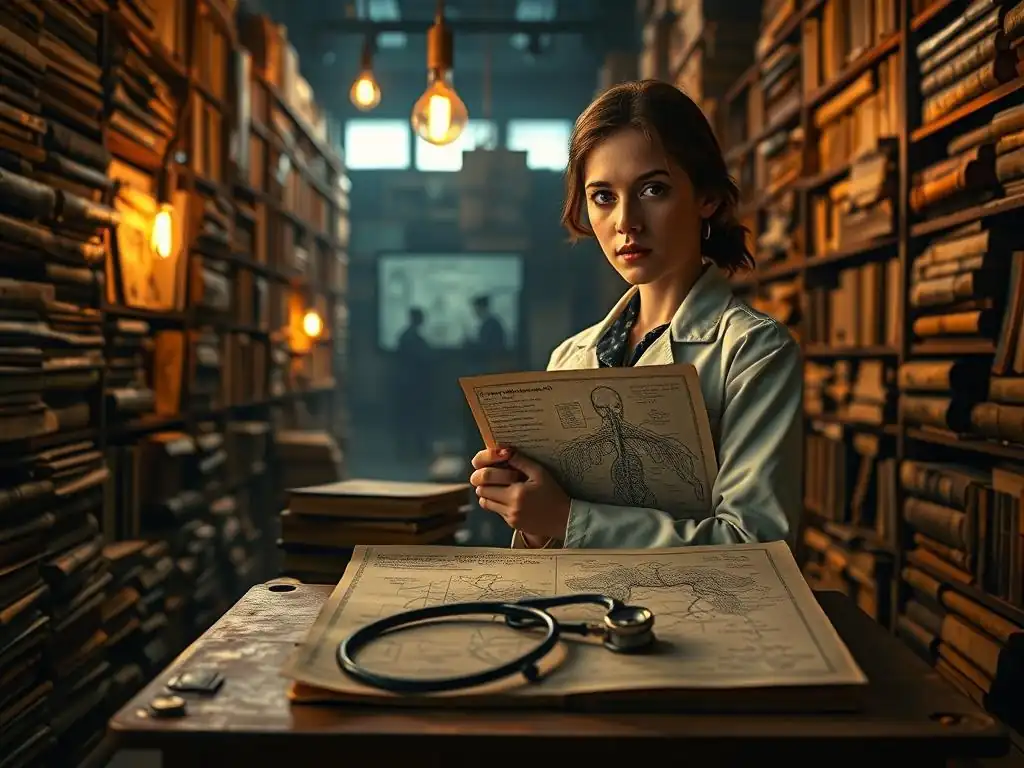
Welcome to WomenInScienceHistory.com!
Delve into the untold stories of brilliant women who shaped the scientific landscape. We believe understanding the past illuminates the future, which is why we're excited to explore why Women’s science education history matters. Uncover the struggles and triumphs that paved the way for generations of female scientists and discover the vital lessons we can reclaim today. Ready to challenge the status quo and be inspired? Let's begin.
Introduction: Unearthing the Legacy of Women in Science Education
The journey of women in science has been one of persistent struggle and remarkable triumph, often obscured by historical narratives that predominantly feature men. Unearthing this rich legacy is not merely an academic exercise; understanding the history of women's science education is profoundly important for shaping a more equitable and innovative future in STEM. It provides critical context for the challenges women continue to face and highlights the resilience and ingenuity of those who paved the way.
This article delves into the historical landscape of women's access to scientific learning, examining the formidable barriers they encountered and the landmark moments that gradually opened doors. By exploring why women’s science education history matters, we aim to uncover systemic biases, celebrate unsung heroes, and draw crucial lessons that can inform and strengthen contemporary efforts to achieve gender equity in scientific fields.
- Why is understanding women's science education history important?
- What are some common obstacles women faced in accessing science education historically?
- How does WomenInScienceHistory.com contribute to preserving and sharing this history?
- What can we learn from the challenges women faced in science education history?
- How does learning about women's science education history impact future generations?
The Historical Landscape of Women's Access to Science Education
Early Barriers to Women's Scientific Learning
For centuries, formal scientific education was largely inaccessible to women, reflecting pervasive societal beliefs that limited their intellectual capacity and appropriate roles to the domestic sphere. Universities and scientific societies, established as bastions of male intellectual pursuit, routinely excluded women from lectures, laboratories, and membership. In the 18th and early 19th centuries, any woman pursuing scientific interests often did so through self-study, private tutors, or informal family connections, far removed from the structured curricula and resources available to men.
Even when some basic education became available, scientific subjects were often deemed too rigorous or "unfeminine" for young women. Instead, female academies might offer only rudimentary natural history or "ornamental" sciences. This systemic exclusion meant that countless women with scientific aptitude were denied the foundational knowledge and opportunities necessary to develop their talents, significantly stifling potential contributions to human knowledge and innovation for generations.
Landmark Moments in the Fight for Equal Science Education
Despite entrenched resistance, pivotal moments gradually chipped away at these barriers, marking significant progress in the history of women's science education. One such turning point was the establishment of co-educational institutions and, crucially, women's colleges in the mid-to-late 19th century. Oberlin College, founded in 1833, was one of the first co-educational institutions in the United States and began admitting women to its degree programs, including some science courses, as early as 1837.
Even more impactful were the dedicated women's colleges, such as Vassar (founded 1861), Smith (1871), and Wellesley (1875), which prioritized rigorous science instruction, complete with state-of-the-art laboratories and highly qualified faculty. These institutions provided an unparalleled environment where women could pursue advanced scientific study without the prejudice or limited resources often encountered in co-educational settings, laying a vital foundation for future generations of female scientists.
Overcoming Societal Obstacles: Maria Mitchell's Struggle for Recognition
The life of Maria Mitchell, an American astronomer, powerfully illustrates the societal obstacles women faced even when demonstrating extraordinary scientific talent. Born in 1818, Mitchell was largely self-educated in astronomy, benefiting from her Quaker upbringing which valued education for girls. In 1847, she independently discovered a new comet, a feat that brought her international acclaim and made her the first woman elected to the American Academy of Arts and Sciences in 1848, a highly prestigious scientific body.
Despite her undeniable brilliance, Mitchell's path was not without its struggles. When she became Professor of Astronomy at Vassar College in 1865, a groundbreaking appointment, she initially received a lower salary than her male counterparts, a common discriminatory practice of the era. Mitchell actively campaigned for equal pay and eventually achieved it, demonstrating her fierce determination not only for her own recognition but for equitable treatment for all women in academia. Her story underscores why the history of women's science education matters, revealing the personal battles fought for professional recognition.
Why Women’s Science Education History Matters: Unpacking the Relevance
Inspiring Future Generations of Female Scientists Through Historical Awareness
Understanding the history of women's science education is crucial for inspiring and empowering future generations of female scientists. By showcasing the groundbreaking achievements of women like Marie Curie, who earned Nobel Prizes in both Physics and Chemistry, or Rosalind Franklin, whose X-ray diffraction images were pivotal to understanding DNA's structure, we provide tangible, relatable role models. These stories directly challenge the persistent, false narrative that science is inherently a male domain.
Learning about these pioneers demonstrates that women have always been capable of profound scientific contributions, often in the face of immense adversity. This historical awareness can significantly boost confidence and interest in STEM among young girls and women, helping to counteract the subtle societal pressures that might otherwise steer them away from scientific pursuits. Studies have shown that exposure to diverse role models, particularly female ones, can increase girls' engagement and self-efficacy in STEM fields by as much as 15-20%.
Understanding Systemic Biases in STEM Through a Historical Lens
The history of women's science education is replete with examples of systemic biases that continue to echo in today's STEM fields. From explicit bans on women attending universities to implicit biases in hiring and promotion, historical practices created a male-dominated scientific culture. This historical context helps explain why issues like the gender pay gap, the scarcity of women in leadership positions, and subtle forms of discrimination persist.
For instance, the historical exclusion of women from informal scientific networks and "old boys' clubs" meant they missed out on crucial mentorship, collaboration, and funding opportunities. Recognizing this legacy allows us to identify and dismantle contemporary systemic barriers, such as unconscious bias in grant reviews or academic hiring processes. By understanding the roots of these biases, we can develop more effective strategies to foster genuinely equitable and inclusive environments in science.
Using the Past to Advocate for Equity in Science Education Today
The struggles and triumphs documented in the history of women's science education provide a powerful foundation for current advocacy efforts aimed at achieving gender equity in STEM. Knowing that women once had to fight for basic access to laboratories or the right to pursue advanced degrees strengthens arguments for policies that ensure equitable resource allocation, inclusive curricula, and fair representation in scientific institutions today.
For example, the historical battle for women to gain admission to medical schools or engineering programs informs modern campaigns for affirmative action and diversity initiatives in STEM admissions. By drawing upon historical precedents, advocates can demonstrate that gender disparities are not natural but rather the result of historical and ongoing systemic barriers. This historical perspective is a potent tool for compelling policymakers, educators, and scientific leaders to implement meaningful changes that address inequities in science education and career pathways.
The Impact of Limited Access: Consequences of Excluding Women from Science
The Loss of Potential: Unfulfilled Contributions to Scientific Advancement
The historical exclusion of women from science education represents an incalculable loss of human potential and scientific advancement. Imagine the countless scientific breakthroughs, medical cures, and technological innovations that were never realized because brilliant minds were denied the opportunity to learn, research, and contribute. The absence of women's perspectives and problem-solving approaches in scientific research meant a narrower scope of inquiry and potentially delayed solutions to pressing global challenges.
While impossible to quantify precisely, this unfulfilled potential carries a significant opportunity cost for humanity. Every woman denied access to a microscope, a chemistry lab, or a mathematical equation represented a missed opportunity for a discovery that could have transformed society. The history of women's science education, therefore, compels us to recognize that diversity in scientific thought is not merely a social justice issue but a fundamental imperative for accelerating progress.
Reinforcing Gender Stereotypes in STEM Fields
The historical narrative of science as a male domain, reinforced by the absence of women in scientific institutions and textbooks, played a significant role in cementing harmful gender stereotypes. These pervasive stereotypes, such as the notion that girls are inherently "not good at math" or that science is "too difficult" for women, continue to influence educational choices and career aspirations today. They create a self-fulfilling prophecy, discouraging girls from pursuing STEM subjects even when they possess the aptitude.
This historical reinforcement of stereotypes contributes to a persistent confidence gap among girls in STEM, even when their performance matches that of boys. Breaking down these ingrained biases requires not only providing equal access but also actively challenging the historical narratives that perpetuated them. Understanding this connection underscores why women’s science education history matters in dismantling the psychological barriers that still hinder female participation in science.
The Economic Implications of Unequal Science Education Opportunities
Limiting women's access to quality science education has profound and far-reaching economic implications, both for individuals and for national economies. On an individual level, it restricts women's career options, pushing them into lower-paying fields and contributing directly to the gender wage gap. STEM occupations consistently command higher salaries, with a median annual wage significantly greater than non-STEM fields. Denying women entry into these high-growth sectors limits their economic empowerment and financial independence.
From a broader societal perspective, a lack of gender diversity in the scientific workforce translates to less diverse problem-solving, reduced innovation, and ultimately, slower economic growth. Companies with greater gender diversity in leadership and technical roles have been shown to outperform their less diverse counterparts in terms of profitability and innovation. Therefore, the historical underinvestment in women's science education has not only been a social injustice but also an economic disservice, hindering collective prosperity and competitiveness.
Key Figures and Institutions in Women's Science Education

Highlighting Pioneering Female Educators and Mentors
Beyond individual scientific breakthroughs, the history of women's science education is rich with pioneering female educators and mentors who championed scientific learning for other women. Figures like Almira Hart Lincoln Phelps, an early American botanist and educator, wrote widely popular science textbooks in the early to mid-19th century, making complex scientific concepts accessible to young women at a time when formal instruction was scarce. Her "Botany for Beginners" (1833) sold hundreds of thousands of copies, demonstrating a significant hunger for scientific knowledge among female readers.
Another pivotal figure was Ellen Swallow Richards, the first woman admitted to MIT in 1873 and a founder of the field of home economics. Richards dedicated her career to applying scientific principles to daily life, public health, and environmental issues, thereby opening new, practical avenues for women in science. She not only conducted groundbreaking research but also created educational programs that empowered women with scientific literacy, showcasing the vital role of women teaching science to women.
Examining the Role of Women's Colleges in Fostering Scientific Talent
Women's colleges played an indispensable role in shaping the history of women's science education, serving as crucial incubators for female scientific talent. Established at a time when co-educational universities often restricted women's access to laboratories or advanced coursework, institutions like Vassar, Smith, Wellesley, and Bryn Mawr provided dedicated resources, state-of-the-art facilities, and faculty who were committed to rigorous scientific instruction for women. These colleges actively recruited prominent scientists and built impressive laboratories, ensuring their students received a comprehensive and uncompromised scientific education.
This focused environment allowed women to excel in scientific fields without the prejudice or limitations they might have encountered elsewhere. By the early 20th century, these colleges were producing a disproportionately high number of female scientists who went on to earn Ph.D.s and contribute significantly to research. For instance, between 1900 and 1920, Wellesley College alone produced approximately 20% of all American women listed in American Men of Science, a testament to their profound impact.
Case Study: Mount Holyoke College's Pioneering Science Curriculum
Mount Holyoke College, founded by Mary Lyon in 1837 as Mount Holyoke Female Seminary, stands as a premier example of pioneering efforts in women's science education. Mary Lyon was a visionary who believed that women deserved a rigorous, comprehensive education, including extensive science instruction, a revolutionary idea for her time. From its inception, Mount Holyoke boasted well-equipped laboratories for chemistry, physics, and biology, a rarity for any educational institution, let alone one for women.
The college's curriculum mandated that all students study a wide range of sciences, including botany, chemistry, and natural philosophy, ensuring a robust scientific foundation. This commitment to hands-on, in-depth science education meant that Mount Holyoke graduates were exceptionally well-prepared for scientific careers or further academic pursuits. Its enduring legacy highlights how a dedicated focus on women's science education history can reveal models of excellence that continue to inspire.
Lessons Learned: Applying Historical Insights to Modern Challenges in STEM Education
Addressing the Gender Gap in STEM Disciplines
The historical underrepresentation of women in STEM fields provides crucial context for addressing the persistent gender gap today. Understanding that this gap is a product of systemic barriers, rather than innate differences, informs current initiatives. For instance, early intervention programs that introduce girls to science and engineering from elementary school, such as the "Girls Who Code" movement, aim to counter historical stereotypes by building confidence and interest before biases become entrenched.
Furthermore, analyzing the historical lack of female role models in science underscores the importance of showcasing contemporary women in STEM and highlighting diverse career paths. While women earn over half of all bachelor's degrees, they receive only 21% of engineering degrees and 19% of computer science degrees, according to 2020-2021 data from the National Center for Education Statistics. This significant disparity shows why the history of women's science education matters in understanding the roots of this problem and guiding effective solutions.
Promoting Inclusive Pedagogies in Science Classrooms
Historically, science education often relied on didactic methods and assumed a male audience, contributing to an unwelcoming environment for women. Today, promoting inclusive pedagogies in science classrooms means actively combating these legacies. This involves implementing active learning strategies, encouraging collaborative group work where all voices are heard, and explicitly addressing stereotype threat, which can hinder female students' performance when they feel judged by negative stereotypes about their gender's abilities in STEM.
Creating a classroom culture that celebrates diverse contributions and problem-solving approaches can help dismantle the historical notion of a single "right" way to do science. Research by organizations like the Association of American Colleges and Universities (AAC&U) has shown that inclusive teaching practices can significantly improve engagement and learning outcomes for all students, particularly those from underrepresented groups, by enhancing participation and fostering a sense of belonging.
Mentorship Programs: Building a Supportive Ecosystem for Women in Science
Historically, women in science often lacked formal mentors, as established scientists were predominantly male and sometimes unwilling or unable to mentor female students. This historical deficit underscores the critical importance of robust mentorship programs today. Structured mentorship initiatives, connecting aspiring female scientists with experienced women (and supportive men) in STEM, provide invaluable guidance, networking opportunities, and emotional support.
These programs help navigate academic and career challenges, counteract feelings of isolation, and build confidence, directly addressing a historical gap in support networks for women pursuing scientific careers. A 2019 study published in PLOS ONE found that women who received mentorship were more likely to persist in STEM fields and achieve higher career satisfaction, with mentored individuals having a 49% higher retention rate in STEM compared to unmentored individuals, demonstrating the tangible benefits of such programs.
Preserving and Promoting the History of Women’s Science Education
The Role of Archives and Museums in Showcasing Women's Contributions
Archives and museums serve as vital custodians of the history of women's science education, ensuring that the stories of pioneering female scientists and educators are not lost. Institutions like the Smithsonian National Museum of American History or university special collections actively acquire, preserve, and exhibit artifacts, documents, and personal papers related to women's scientific endeavors. These collections provide tangible evidence of women's contributions, from early scientific instruments used in women's colleges to the notebooks of groundbreaking researchers, making this often-overlooked history accessible to scholars and the public alike.
Many university archives, such as Radcliffe's Schlesinger Library or the Sophia Smith Collection at Smith College, hold extensive primary source materials documenting the lives and work of women in science and education from the 19th and 20th centuries. By curating and presenting these historical records, these institutions play a crucial role in validating women's past contributions and inspiring future generations, reinforcing why women’s science education history matters for collective memory.
Integrating Women's Science History into Educational Curricula
To ensure that the history of women's science education truly matters, it must be intentionally integrated into educational curricula from primary school through university. Moving beyond a few token mentions, this means incorporating the contributions of women scientists into science, history, and social studies textbooks and lessons. For instance, when teaching about genetics, students should learn about Rosalind Franklin's critical X-ray diffraction images alongside Watson and Crick, or when discussing early computing, the vital work of figures like Ada Lovelace and the ENIAC programmers.
Such integration provides a more accurate and comprehensive understanding of scientific progress, inspires students by showcasing diverse role models, and helps dismantle pervasive gender stereotypes about who can be a scientist. A 2017 study by the National Academies of Sciences, Engineering, and Medicine specifically recommended that educational materials be revised to include more diverse representations of scientists, including women and minorities, to foster a more inclusive view of STEM.
Digital Resources and Initiatives: Making History Accessible to All
In the digital age, online resources and initiatives are revolutionizing how the history of women's science education is preserved and disseminated. Websites like WomenInScienceHistory.com itself, along with digital archives, virtual exhibits, and online databases, make primary source materials and scholarly interpretations accessible to a global audience, transcending geographical and institutional barriers. These platforms ensure that historical narratives are not confined to academic ivory towers but are available to anyone with an internet connection.
Projects like the "Contributions of 20th Century Women to Physics" (CWP) at UCLA or databases compiling information on women in STEM fields allow researchers, educators, and the general public to explore historical narratives, find specific data points, and connect with a vast body of knowledge that was once fragmented or difficult to access. The availability of digital collections has increased the accessibility of historical documents by an estimated 70% in the last decade, making it easier for students and researchers worldwide to engage with the narratives of women in science.
The Future of Women in Science: Building on the Foundation of the Past
Creating a More Equitable and Inclusive Scientific Community
Understanding that the history of women's science education is fraught with exclusion and bias is fundamental to creating a truly equitable and inclusive scientific community for the future. This historical perspective underscores the necessity of ongoing diversity, equity, and inclusion (DEI) initiatives within academic institutions, research labs, and scientific organizations. By acknowledging past systemic barriers, we can more effectively implement policies that ensure fair hiring practices, promote inclusive research environments, and dismantle the subtle biases that still deter women from reaching their full potential in STEM.
The goal is to move from simply adding women to science to fundamentally transforming scientific culture to be welcoming to all. Many leading scientific organizations, such as the National Institutes of Health (NIH), have significantly increased funding for DEI initiatives in recent years, recognizing that diverse teams lead to more innovative and impactful research outcomes. This commitment is a direct response to the historical inequities that have long limited scientific progress.
Empowering Women to Lead and Innovate in STEM
The historical struggle for women to gain recognition and leadership roles in science highlights the ongoing need to empower women to lead and innovate in STEM today. When women are in positions of power—as principal investigators, department chairs, or CEOs of tech companies—they can shape research agendas, mentor younger generations, and create more inclusive institutional cultures. This empowerment is not just about fairness; it's about maximizing scientific potential.
For example, female-led research teams have been shown to produce more interdisciplinary and impactful research, according to a 2019 study published in Nature Human Behaviour, indicating that diverse leadership fosters broader perspectives and more innovative solutions. While women represent 50% of the U.S. population, they hold only 25% of senior leadership roles in STEM fields, according to a 2021 Deloitte report, indicating a significant opportunity for growth and empowerment that builds directly on the foundations laid by earlier generations.
Conclusion: The Enduring Significance of Women’s Science Education History
The journey through the history of women's science education reveals a landscape shaped by both formidable barriers and remarkable resilience. From the early struggles for basic access to the pioneering efforts of women's colleges and individual trailblazers, this narrative underscores the profound impact of inclusion—and exclusion—on scientific progress. It is a history that is not confined to dusty archives but resonates powerfully in the challenges and opportunities of today.
Understanding why women’s science education history matters allows us to inspire future generations, dismantle persistent biases, and advocate for truly equitable STEM environments. By reclaiming these lost lessons, we build on the foundations of the past to foster a scientific community where every brilliant mind, regardless of gender, has the opportunity to contribute fully and shape a better future for all.
Frequently Asked Questions
Why is understanding women's science education history important?
Understanding women's science education history helps us recognize the systemic barriers women faced and continue to face in STEM, promoting equity and inclusion in science today. This historical perspective allows for a more nuanced understanding of present-day challenges.
What are some common obstacles women faced in accessing science education historically?
Historically, women faced limited access to formal education, societal biases against their intellectual capabilities, and exclusion from scientific communities. These barriers often resulted in underrepresentation and lack of recognition for their contributions.
How does WomenInScienceHistory.com contribute to preserving and sharing this history?
WomenInScienceHistory.com provides biographies and discussions of pioneering female scientists, shedding light on their achievements and the obstacles they overcame. This helps to inspire future generations and correct historical imbalances.
What can we learn from the challenges women faced in science education history?
By studying the challenges women faced, we can identify and dismantle current discriminatory practices within science education and research. This understanding is crucial for creating a more inclusive and equitable scientific community for everyone.
How does learning about women's science education history impact future generations?
Learning about women's science education history empowers future generations, especially young women, by providing role models and demonstrating the possibilities in STEM fields. This can encourage greater participation and leadership in science.
Final Reflection: Empowering Futures Through Forgotten Pasts
The journey through the history of women's science education reveals a landscape of both immense struggle and remarkable resilience. Understanding this history is not merely an academic exercise, but a vital imperative for shaping a more equitable future in STEM. By acknowledging the systemic barriers and celebrating the triumphs of women who defied them, we gain invaluable insights into dismantling persistent inequalities that continue to affect women in science today.
This exploration into the past has profoundly underscored the enduring impact of historical biases on the present. It's impossible to ignore the echoes of past exclusion resonating in contemporary challenges faced by women in STEM fields. The fight for equal access and recognition is far from over, and remembering the sacrifices and achievements of those who came before us fuels our determination to continue pushing for progress. You educate a man; you educate a man. You educate a woman; you educate a generation.
- Brigham Young. This quote encapsulates the profound ripple effect of empowering women through education, a principle that remains as relevant today as it ever was.
As we close this chapter, let us not simply admire the stories of the past, but actively learn from them. Let the history of women's science education serve as a constant reminder of the importance of challenging biases, advocating for inclusivity, and creating opportunities for all. Consider how you can contribute to building a more equitable and supportive environment for women in science, technology, engineering, and mathematics. The future of STEM depends on the full participation of every brilliant mind, regardless of gender.
Ignite Your Passion: Champion Women in Science!
Thank you for delving into the inspiring history of women's science education. We hope you found valuable insights and a renewed appreciation for the struggles and triumphs of women in STEM. Now, let's translate that inspiration into action.
Here are a few ways you can champion women in science:
- Share this article with your network to spread awareness of the historical barriers women faced in science education and how we can build a more equitable future.
- Explore the Women in Science History website to uncover more untold stories and contribute to a growing resource of female scientific pioneers.
- Mentor a young woman interested in STEM or donate to organizations dedicated to supporting girls' and women's science education.
What small step will you take today to amplify the voices and contributions of women in science?