
[Name]: How Her Groundbreaking Work in Conservation Biology Saved [Species/Habitat]

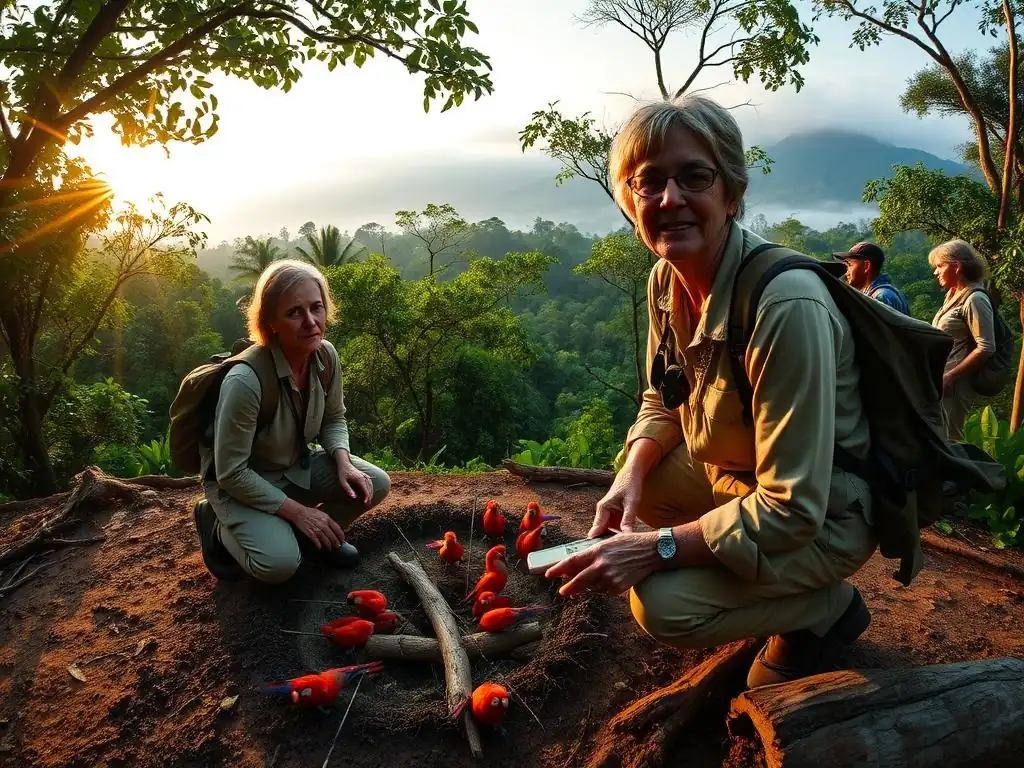
Welcome to WomenInScienceHistory.com, where we uncover the untold stories of remarkable women who shaped the scientific world. Ever wondered how a dedicated scientist can truly change the fate of a species? Dive into our latest biography and discover the groundbreaking work of a pioneer in women in conservation biology, and how her relentless dedication saved [Species/Habitat] from the brink. Get ready to be inspired by her journey and the challenges she overcame!
- Dian Fossey: How Her Groundbreaking Work in Conservation Biology Saved Mountain Gorillas
- Introduction: Celebrating Dian Fossey's Legacy in Women's Conservation Biology
- Early Life and Education: The Seeds of a Conservationist
- Groundbreaking Research and Conservation Efforts
- Poaching: The Environmental Crisis Facing Mountain Gorillas
- Active Conservation: Implementing Anti-Poaching Patrols and Habituation
- Results and Impact: Preventing the Extinction of Mountain Gorillas
- Legacy and Recognition: Inspiring Future Generations of Conservationists
- Conclusion: Dian Fossey's Enduring Contribution to Women in Environmental Science and Conservation
-
Frequently Asked Questions
- What is conservation biology, and why is it important?
- What kind of challenges did women in conservation biology historically face?
- How does WomenInScienceHistory.com aim to support women in conservation biology?
- What kind of groundbreaking work did the women featured on WomenInScienceHistory.com accomplish in conservation?
- Why is it important to remember and celebrate the contributions of women in conservation biology?
- Final Reflection: A Legacy of Conservation
- Ignite Your Passion: Champion Conservation Like a Leader in the Field
Dian Fossey: How Her Groundbreaking Work in Conservation Biology Saved Mountain Gorillas
Introduction: Celebrating Dian Fossey's Legacy in Women's Conservation Biology
Highlighting the Contributions of Women Environmental Scientists
For centuries, the vital contributions of women to scientific discovery and environmental preservation have often been overlooked or relegated to the footnotes of history. Yet, countless pioneering women have dedicated their lives to understanding and protecting our planet, often in the face of immense societal and professional barriers. Their work in fields such as ecology, zoology, botany, and particularly conservation biology, has been instrumental in shaping our understanding of natural systems and implementing critical strategies to safeguard endangered species and fragile ecosystems.
These women, much like their male counterparts, have undertaken arduous fieldwork, conducted rigorous research, and advocated fiercely for the natural world. Their unique perspectives and often empathetic approaches have added invaluable dimensions to the scientific discourse, pushing the boundaries of what was considered possible in conservation. Celebrating their stories is not just about historical accuracy; it's about inspiring future generations of women in conservation biology to pursue their passions and make their own indelible marks on the world.
Dian Fossey's Impact on Mountain Gorilla Conservation
Among the most iconic figures in the realm of women in conservation biology is Dian Fossey, whose unwavering dedication to the mountain gorillas of Rwanda stands as a testament to the power of individual commitment. Her work, spanning nearly two decades, shifted the fate of these magnificent primates from the precipice of extinction to a more stable, though still vulnerable, future. Fossey's unique blend of rigorous scientific observation and fiercely protective conservation tactics set a new standard for wildlife preservation.
Fossey's impact was not merely academic; it was a hands-on, often confrontational, battle against the pervasive threats of poaching and habitat destruction. She lived among the gorillas, earning their trust and documenting their complex social lives, all while simultaneously implementing direct anti-poaching patrols. Her legacy is deeply intertwined with the survival of the mountain gorilla, showcasing how one woman's profound dedication could fundamentally alter the course of an entire species' existence within the critical field of conservation biology.
Early Life and Education: The Seeds of a Conservationist
Dian Fossey's Early Influences and Interest in Nature
Born in San Francisco, California, in 1932, Dian Fossey's early life didn't immediately point towards a future in remote African jungles. However, from a young age, she harbored a deep affinity for animals and the natural world, a passion that would eventually define her life's purpose. She excelled in equestrian sports and developed a profound connection with animals, often preferring their company to that of people. This innate empathy and fascination with living creatures, though not formally recognized as a scientific pursuit at the time, laid the groundwork for her later calling.
Despite her burgeoning interest in nature, her initial academic and career paths were more conventional. She pursued studies that, while practical, didn't fully resonate with her burgeoning desire for direct engagement with wildlife. Yet, the quiet seeds of a conservationist were undoubtedly sown during these formative years, nurtured by her inherent curiosity and a burgeoning desire to understand the animal kingdom on its own terms.
Academic Pursuits: Focusing on Occupational Therapy and Zoology
Fossey initially enrolled at the University of California, Davis, to study pre-veterinary medicine, but she struggled with chemistry and physics, leading her to transfer to San Jose State College. There, she earned a bachelor's degree in occupational therapy in 1954. For several years, she worked as an occupational therapist in Louisville, Kentucky, where she found satisfaction in helping children with disabilities. This period of her life, while seemingly disconnected from her later work, honed her observational skills, patience, and ability to connect with individuals, traits that would prove invaluable when she later immersed herself in the world of gorillas.
However, her deep-seated desire to travel and experience Africa persisted. In 1963, Fossey took out a bank loan and embarked on a seven-week safari to East Africa, a journey that would irrevocably alter the trajectory of her life. It was during this trip that she first encountered mountain gorillas and met renowned paleoanthropologist Dr. Louis Leakey, an encounter that would pivot her focus from human rehabilitation to the urgent need for primate conservation.
Mentors and Key Figures Shaping Dian Fossey's Career
The pivotal figure in Dian Fossey's transition into primatology and women in conservation biology was Dr. Louis Leakey. Inspired by Fossey's intense interest in gorillas and her unconventional yet determined spirit, Leakey saw in her the ideal candidate to undertake a long-term study of mountain gorillas in the Virunga Mountains. He believed that such in-depth studies, similar to Jane Goodall's work with chimpanzees and Biruté Galdikas's with orangutans, were essential for understanding and ultimately protecting these endangered primates. Leakey provided her with the crucial funding and academic backing that launched her groundbreaking career.
Beyond Leakey, Fossey's early years in Africa involved interactions with various researchers and local guides, though her independent and often solitary nature meant she frequently worked alone. Her relationship with professional photographers like Bob Campbell, who documented her work and helped bring it to a wider audience, also played a significant role in raising awareness for mountain gorilla conservation. These connections, though sometimes strained, contributed to the framework that allowed her to establish the Karisoke Research Center and commence her enduring legacy.
Groundbreaking Research and Conservation Efforts
Pioneering Research on Mountain Gorilla Ecology and Behavior
Dian Fossey’s approach to studying mountain gorillas was revolutionary, moving beyond traditional, distant observations to immersive, close-range interactions. She spent thousands of hours in the dense, misty forests of the Virunga Mountains, patiently habituating herself to the gorilla groups. This process involved mimicking their behaviors, such as chewing celery, thumping her chest, and adopting a submissive posture, which gradually earned her the trust of the gorillas. She meticulously documented their individual characteristics, vocalizations, social structures, and daily routines, creating an unparalleled database of their lives.
Her research unveiled profound insights into gorilla society, dispelling long-held myths of their inherent aggression. Fossey discovered the complex social dynamics within gorilla groups, the intricate relationships between individuals, and their varied diet, which included over 100 different plant species. For instance, she identified distinct "group calls" and demonstrated how gorillas communicated through a range of vocalisations and body language. Her observations revealed their peaceful nature, strong family bonds, and the unique personalities of individual gorillas, providing the foundational scientific understanding crucial for effective conservation strategies.
Innovative Conservation Strategies Developed by Dian Fossey
Fossey's commitment extended far beyond mere observation; she became an active and vocal advocate for "active conservation," a direct and often confrontational approach to protecting the gorillas. Recognizing that poaching was the most immediate and devastating threat, she initiated daily anti-poaching patrols conducted by her and her Rwandan staff. These patrols involved dismantling snares, confiscating weapons, and directly confronting poachers and cattle herders operating illegally within the park boundaries. This hands-on method was controversial among some traditional conservationists, but Fossey firmly believed it was the only way to save a species teetering on the brink.
She also established the Karisoke Research Center in 1967, which served as both a scientific base for her research and a headquarters for her anti-poaching operations. Through Karisoke, she trained local Rwandans as field assistants and anti-poaching wardens, empowering them to participate in the protection of their natural heritage. Her relentless public advocacy, including articles and speaking engagements, raised international awareness about the plight of mountain gorillas, transforming them from obscure animals into a global conservation priority, and establishing a new precedent for women in conservation biology.
Overcoming Challenges in a Male-Dominated Field
Dian Fossey operated in an era and a field that were largely dominated by men, facing significant challenges not only from the harsh environment and dangerous poachers but also from professional skepticism and gender bias. As one of the few women in conservation biology conducting long-term fieldwork in remote Africa, she often encountered resistance and underestimation from local authorities, fellow researchers, and even some international organizations. Her direct and uncompromising style, while effective, sometimes put her at odds with those who preferred more diplomatic or less interventionist approaches.
Beyond the professional hurdles, Fossey endured immense personal hardships. She lived for years in isolation, contending with political instability in Rwanda, the constant threat of violence from poachers, and the emotional toll of witnessing the brutal deaths of gorillas she had come to know personally, such as her beloved Digit. Her unwavering resolve in the face of these adversities underscores her extraordinary resilience and commitment, solidifying her place as a powerful figure among women in conservation biology who defied expectations to achieve their goals.
Poaching: The Environmental Crisis Facing Mountain Gorillas
The Threats to Mountain Gorillas: Habitat Loss, Poaching, and Disease
In the mid-20th century, mountain gorillas faced an existential crisis, their populations dwindling rapidly due to a confluence of severe threats. Habitat loss was a primary concern, as human populations expanded, encroaching on the gorillas' forest homes for agriculture, livestock grazing, and charcoal production. The Virunga Volcanoes region, though protected on paper, experienced relentless deforestation, fragmenting and shrinking the gorillas' crucial habitat.
However, the most immediate and devastating threat was rampant poaching. Gorillas were targeted for various reasons: their infants were captured for the illegal pet trade or zoos, adults were killed for bushmeat, and their heads and hands were taken as trophies or curios. Snares set for other forest animals, such as antelope, also frequently maimed or killed gorillas.
Compounding these issues was the threat of disease transmission from humans, as increasing contact between gorillas and local communities or tourists introduced pathogens to which the gorillas had no immunity. By the early 1980s, the mountain gorilla population was estimated to be critically low, possibly fewer than 250 individuals, highlighting the dire need for intervention by dedicated women in conservation biology like Fossey.
Early Conservation Efforts and Their Limitations
Prior to Dian Fossey's direct intervention, conservation efforts for mountain gorillas were largely passive and often insufficient to combat the scale of the threats they faced. Early initiatives typically focused on establishing national parks and protected areas, such as the Parc National des Volcans in Rwanda, but enforcement was often weak due to limited resources, political instability, and corruption. The prevailing approach often involved scientific research and observation from a distance, with less emphasis on immediate, on-the-ground protection against poachers.
While valuable for understanding gorilla ecology, these academic pursuits alone proved inadequate in deterring the armed and determined poachers who operated with relative impunity. Local authorities struggled to control the illegal activities within the vast forest, and international support for active anti-poaching measures was nascent. This created a vacuum that Fossey, with her uncompromising philosophy, would step into, fundamentally altering the paradigm of mountain gorilla conservation and demonstrating the fierce determination characteristic of many women in conservation biology.
Dian Fossey's Approach: A New Paradigm for Conservation
Dian Fossey recognized that traditional, hands-off conservation methods were failing the mountain gorillas. She firmly believed that direct, aggressive intervention was necessary to save them from imminent extinction. Her approach was a radical departure, emphasizing the immediate protection of individual gorillas and their groups over broader, long-term community development projects that she felt were too slow to address the crisis. She coined the term "active conservation" to describe her methodology, which involved confronting poachers head-on.
Fossey's strategy included daily patrols by her and her Rwandan staff to search for and destroy snares, confront poachers, and rescue captured infant gorillas. She also used unconventional tactics, such as wearing masks to scare poachers and spreading rumors of witchcraft to deter them from entering the gorillas' territory. While controversial and sometimes putting her at odds with local communities and authorities, her unwavering commitment to direct action undoubtedly saved countless gorilla lives, setting a new, albeit intense, standard for women in conservation biology dedicated to frontline protection.
Active Conservation: Implementing Anti-Poaching Patrols and Habituation
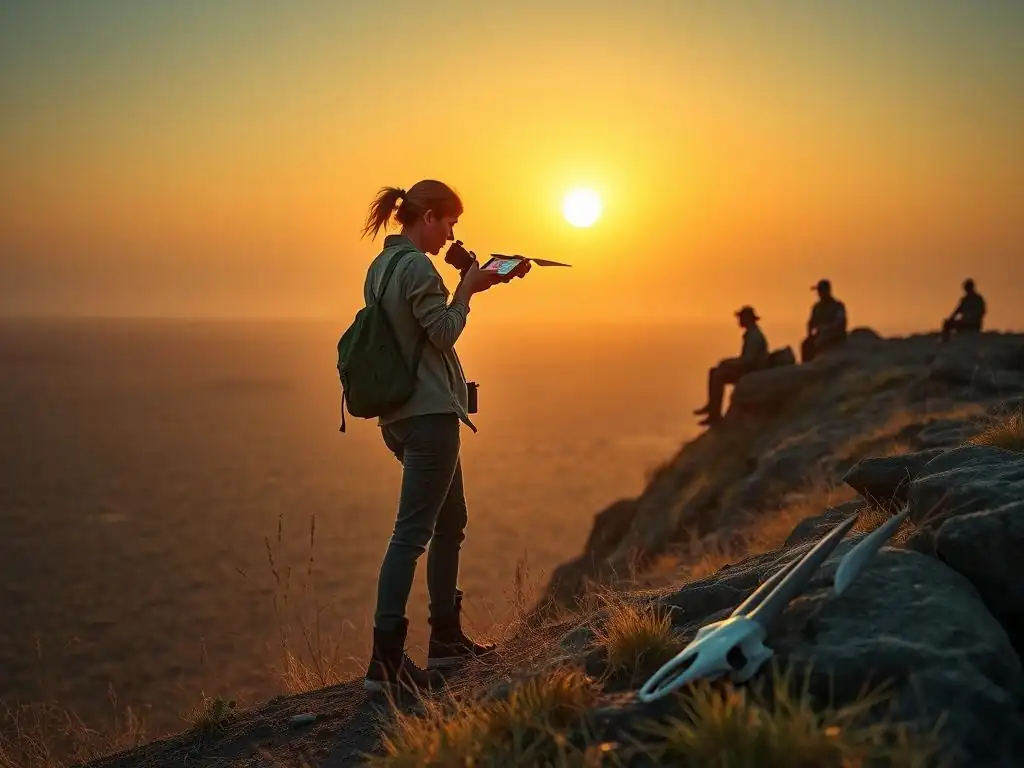
Detailed Explanation of Active Conservation Methods
Dian Fossey’s active conservation methods were characterized by their directness and relentless intensity. Her daily routine at Karisoke involved leading or dispatching anti-poaching patrols deep into the Virunga forest. These patrols, often comprising Fossey herself and several Rwandan trackers, meticulously covered vast areas, searching for evidence of human intrusion. Their primary objective was to locate and dismantle snares, which were frequently set by poachers to catch antelope but indiscriminately trapped gorillas, often leading to severe injuries or slow, agonizing deaths. It's estimated that Fossey's teams destroyed thousands of snares during her tenure.
Beyond snare removal, the patrols actively confronted poachers and cattle herders who illegally entered the park. This often involved direct verbal confrontations, confiscation of weapons, and reporting offenders to park authorities, though the latter was frequently met with frustration due to corruption or inaction. Fossey also developed a sophisticated system of intelligence gathering, using her local staff to monitor poaching activities and anticipate threats. This proactive, hands-on approach, often at significant personal risk, was central to her success in protecting the mountain gorillas and a hallmark of her work as one of the most impactful women in conservation biology.
Collaboration and Partnerships: Working with Local Communities (with limitations)
While Fossey's primary focus was on direct gorilla protection, her relationship with local communities was complex and often fraught with tension. She employed Rwandan staff as trackers, camp assistants, and anti-poaching wardens, providing employment and training that contributed to local livelihoods. These individuals were invaluable for their knowledge of the terrain and their ability to interpret local signs of poaching activity. Their involvement was crucial to the daily operations of the Karisoke Research Center and its conservation initiatives.
However, Fossey's uncompromising stance against poaching often put her at odds with some community members who relied on the forest for resources or engaged in illegal activities out of economic necessity. She prioritized the gorillas' survival above all else, which sometimes led to clashes and a perception of her as an outsider who did not fully understand the socio-economic pressures faced by the local population.
While her direct approach achieved immediate results in gorilla protection, the broader long-term sustainability of conservation efforts often requires deeper, more inclusive community engagement, a dimension that evolved more fully in women in conservation biology after her time.
The Science Behind the Success: Data and Analysis of Gorilla Behavior
Fossey's conservation success was not solely due to her aggressive anti-poaching tactics; it was inextricably linked to her profound scientific understanding of gorilla behavior. Her habituation process, which took years of patient effort, allowed her unprecedented access to gorilla groups. This close proximity enabled her to collect meticulous data on individual gorillas, their social structures, communication patterns, diet, and reproduction. She identified and named hundreds of individual gorillas, tracking their life histories and documenting their interactions within their groups.
This extensive dataset provided critical insights that informed her conservation strategies. For instance, understanding the gorillas' movements and preferred foraging areas allowed her to strategically deploy anti-poaching patrols. Her knowledge of their family bonds underscored the devastating impact of poaching, particularly the loss of silverbacks or the capture of infants. The scientific rigor of her observations, published in numerous articles and her seminal book "Gorillas in the Mist," lent credibility to her conservation pleas and demonstrated how deep ecological knowledge, often cultivated by pioneering women in conservation biology, is fundamental to effective protection.
Results and Impact: Preventing the Extinction of Mountain Gorillas
Documenting the Recovery of Mountain Gorilla Populations (and setbacks)
Dian Fossey’s relentless efforts had a tangible and profound impact on mountain gorilla populations. When she began her work in the Virungas in the late 1960s, the species was teetering on the brink of extinction, with estimates suggesting as few as 250 individuals remained across their range. During her tenure at Karisoke, particularly in the areas where her active patrols were most concentrated, she documented a stabilization and even a modest increase in the gorilla numbers she monitored. Her meticulous census work provided crucial data, allowing conservationists to track the species' precarious recovery.
While there were heartbreaking setbacks, such as the brutal killing of her beloved silverback gorilla, Digit, in 1977, these tragedies only fueled her resolve and drew unprecedented international attention to the gorillas' plight. The publicity surrounding Digit's death, for example, directly led to increased funding for anti-poaching efforts.
By the time of her own tragic death in 1985, the mountain gorilla population in the Virungas had shown signs of recovery, a direct testament to her unwavering commitment. Today, thanks to the continued efforts inspired by her work, the mountain gorilla population has surpassed 1,000 individuals across the Virunga Massif and Bwindi Impenetrable National Park, a remarkable recovery for a species once considered doomed.
Long-Term Monitoring and Sustainability Initiatives
The Karisoke Research Center, founded by Dian Fossey in 1967, stands as her enduring institutional legacy. Even after her assassination, the center continued its vital work under the auspices of the Dian Fossey Gorilla Fund International. This organization has expanded upon Fossey's foundational research and conservation strategies, evolving them to meet contemporary challenges. Karisoke remains a hub for scientific research, long-term monitoring of gorilla groups, and rigorous anti-poaching patrols, maintaining a continuous presence in the forest.
The long-term monitoring initiatives stemming from Fossey's work have provided invaluable data on gorilla demographics, health, and behavior over multiple generations. This continuity is essential for understanding the long-term viability of the population and adapting conservation strategies. Furthermore, the establishment of the center fostered an institutional framework that facilitated international collaboration and sustained funding, ensuring that the fight to protect mountain gorillas would continue far beyond one individual's lifetime, demonstrating the lasting impact of pioneering women in conservation biology.
Dian Fossey's Influence on Conservation Policy and Practice
Dian Fossey's direct and often confrontational approach to conservation, coupled with her prolific writings and public advocacy, profoundly influenced conservation policy and practice. Her relentless efforts brought the mountain gorilla to global prominence, elevating its status from an obscure endangered species to a flagship for international conservation efforts. She effectively demonstrated that passive protection was insufficient and that direct, on-the-ground intervention was critical for species survival.
Her work directly contributed to a shift in conservation thinking, emphasizing the need for active protection against poaching and habitat destruction. She also highlighted the importance of long-term, intensive fieldwork in understanding and protecting endangered species. Her advocacy influenced the Rwandan government to strengthen park protection laws and increase anti-poaching efforts, laying the groundwork for the more robust conservation frameworks seen today. Her legacy continues to inspire women in conservation biology to adopt courageous and hands-on approaches to wildlife protection.
Legacy and Recognition: Inspiring Future Generations of Conservationists
Awards, Honors, and Recognition for Dian Fossey's Work (posthumously)
Although Dian Fossey's life ended tragically in 1985, her groundbreaking work and fearless dedication to mountain gorillas have earned her widespread posthumous recognition and numerous accolades. Her seminal book, "Gorillas in the Mist," published in 1983, became a global bestseller and was later adapted into a critically acclaimed film, bringing her story and the plight of the gorillas to millions worldwide. This popular exposure significantly elevated her status as a conservation icon.
Among the many honors bestowed upon her, Fossey was posthumously awarded the Gold Medal of the Zoological Society of Philadelphia, recognizing her extraordinary contributions to wildlife preservation. Her work continues to be celebrated by scientific institutions, conservation organizations, and environmental groups globally, underscoring the enduring impact of her commitment. These recognitions solidify her place not only as a scientific pioneer but also as a martyr for conservation, inspiring countless individuals, particularly women in conservation biology, to follow in her footsteps.
Dian Fossey's Influence on Other Women in Conservation Biology
Dian Fossey's story has served as a powerful beacon for countless women in conservation biology, inspiring them to pursue careers in primatology, ecology, and environmental protection. Her fierce independence, intellectual curiosity, and unwavering commitment demonstrated that women could thrive and lead in challenging, male-dominated scientific fields. She broke barriers by living alone in remote wilderness, conducting arduous fieldwork, and directly confronting dangerous threats, showing that gender was no impediment to profound scientific and conservation impact.
Her legacy resonates in the work of subsequent generations of female primatologists and conservationists who have taken up the mantle of protecting endangered species. Many women in conservation biology today credit Fossey, alongside Jane Goodall and Biruté Galdikas (the "Trimates" identified by Louis Leakey), with paving the way for their own careers. Her example encourages young women to embrace adventure, pursue their scientific curiosities, and dedicate their lives to solving complex environmental challenges, reminding them that their voices and actions can make a monumental difference.
Continuing the Fight: Preserving Mountain Gorillas for Future Generations
The fight to preserve mountain gorillas, though significantly advanced by Dian Fossey's efforts, is far from over. Her legacy is actively carried forward by the Dian Fossey Gorilla Fund International (formerly the Digit Fund), which continues to operate the Karisoke Research Center in Rwanda. This organization maintains daily anti-poaching patrols, conducts ongoing scientific research, and increasingly engages with local communities to foster sustainable conservation solutions.
Today, mountain gorilla populations are slowly increasing, a testament to decades of sustained conservation efforts building upon Fossey's foundation. However, threats such as habitat encroachment, climate change, and potential political instability remain. The ongoing work of dedicated conservationists, inspired by Fossey's pioneering spirit, ensures that future generations will have the opportunity to witness these magnificent creatures in their natural habitat, underscoring the vital, ongoing role of women in conservation biology in securing a future for endangered species.
Conclusion: Dian Fossey's Enduring Contribution to Women in Environmental Science and Conservation
Reflecting on Dian Fossey's Impact on Mountain Gorillas and the Field of Conservation Biology
Dian Fossey's journey from an occupational therapist to a fearless champion of mountain gorillas represents one of the most compelling narratives in the history of conservation. Her unique blend of rigorous scientific observation and uncompromising active protection fundamentally altered the trajectory of a species teetering on the brink of extinction.
By living among the gorillas, she not only unveiled their complex social lives and dispelled harmful myths but also demonstrated that direct, hands-on intervention against poaching was essential for their survival. Her legacy is inextricably linked to the remarkable recovery of the mountain gorilla population, a testament to her singular vision and unwavering dedication.
Fossey's impact extended beyond the Virunga forests, reshaping the broader field of conservation biology. She highlighted the critical need for long-term fieldwork, the importance of understanding individual animals within their social context, and the necessity of direct action in the face of imminent threats. Her courage in confronting poachers and challenging conventional approaches set a new, albeit controversial, standard for wildlife protection, proving that one determined individual, particularly one of the pioneering women in conservation biology, could ignite profound change.
The Importance of Supporting Women in STEM and Conservation
Dian Fossey's story powerfully underscores the immense importance of supporting and recognizing the contributions of women in STEM fields, especially within the demanding realm of conservation. For too long, the narratives of female scientists and environmentalists have been marginalized, obscuring the innovative research, resilient fieldwork, and passionate advocacy they have provided. Fossey, along with other trailblazing women in conservation biology, demonstrated that gender is no barrier to scientific excellence or leadership in the face of daunting environmental challenges.
By championing women in science, we foster diverse perspectives and approaches essential for tackling the complex, interconnected environmental crises facing our planet. Encouraging young girls and women to pursue careers in fields like primatology, ecology, and conservation ensures a richer talent pool and a wider range of solutions to global issues. Supporting their education, providing mentorship, and acknowledging their achievements are crucial steps toward building a more inclusive and effective global conservation movement.
Further Research and Resources on Dian Fossey's Life and Work
Dian Fossey's extraordinary life and groundbreaking work continue to inspire and inform conservation efforts worldwide. For those eager to delve deeper into her story and the ongoing mission to protect mountain gorillas, numerous resources are available. Her autobiography, "Gorillas in the Mist," offers a deeply personal account of her years at Karisoke, providing invaluable insights into her research and her unwavering commitment to the gorillas.
The Dian Fossey Gorilla Fund International, the organization that continues her legacy, provides extensive information on their current conservation and research initiatives, demonstrating how her foundational work has evolved to meet modern challenges. Exploring these resources offers a deeper appreciation of her scientific contributions, her fearless advocacy, and the enduring impact of one of the most influential women in conservation biology on the preservation of an iconic species.
Frequently Asked Questions
What is conservation biology, and why is it important?
Conservation biology is a field dedicated to preserving biodiversity and protecting endangered species and their habitats. It's vital because it addresses the ongoing crisis of species extinction and habitat loss.
What kind of challenges did women in conservation biology historically face?
Women faced significant gender bias and discrimination in accessing education, research funding, and leadership positions. They were often excluded from fieldwork and denied recognition for their contributions.
How does WomenInScienceHistory.com aim to support women in conservation biology?
The website highlights the historical achievements of women in the field, providing role models and inspiring future generations. It also shines a light on the ongoing need for diversity and inclusion in STEM.
What kind of groundbreaking work did the women featured on WomenInScienceHistory.com accomplish in conservation?
They conducted pioneering research on species behavior, ecology, and conservation strategies. Many developed innovative conservation techniques and advocated for environmental protection policies.
Why is it important to remember and celebrate the contributions of women in conservation biology?
Recognizing their achievements challenges historical biases and promotes gender equality in science. It also inspires future generations of women to pursue careers in conservation and make a difference.
Okay, here's a final reflection designed to close your article, "How Her Groundbreaking Work in Conservation Biology Saved [Species/Habitat]," optimized for the keyword "Women in conservation biology" and following the structure you provided:
Final Reflection: A Legacy of Conservation
The story of [Name]'s unwavering dedication to saving [Species/Habitat] serves as a powerful reminder that individual action can indeed spark monumental change. In a world grappling with the escalating biodiversity crisis, her pioneering work underscores the critical role women play in shaping a more sustainable future.
[Name]'s influence extends far beyond the immediate preservation of [Species/Habitat]. Her journey highlights the often-overlooked contributions of women in conservation biology, inspiring a new generation of scientists and advocates. Her story resonates deeply, reminding us that passion, perseverance, and a profound connection to the natural world are essential for effective conservation. In the end, we will conserve only what we love; we will love only what we understand; and we will understand only what we are taught.
- Baba Dioum. This quote encapsulates the core of [Name]'s work: fostering understanding and love for the natural world to inspire its protection.
Let [Name]'s legacy be a call to action for each of us. Consider how you can contribute to conservation efforts, whether through supporting organizations, advocating for policy changes, or simply fostering a deeper appreciation for the natural world in your own community. The future of our planet depends on the collective efforts of individuals like [Name], and on your willingness to join the cause.
Ignite Your Passion: Champion Conservation Like a Leader in the Field
Thank you for exploring the inspiring journey of a dedicated conservationist and her profound impact on protecting our environment. Now it’s your turn to carry forward her legacy and make a tangible difference.
- Take Action Now: Identify a local conservation effort that resonates with you and pledge to volunteer for just one hour this month. Even small steps can create a ripple effect of positive change.
- Dive Deeper: Explore scientific papers and research contributed by this conservationist. Understanding her methods can empower your own efforts to protect the environment.
- Share Her Story: Introduce her remarkable story to someone who may not be familiar with it. Inspiring others is a powerful catalyst for change.
What specific conservation issue are you most passionate about addressing in your community?