
Margaret Morse Nice: The Patient Ornithologist Who Revolutionized Bird Behavior Studies


Welcome to WomenInScienceHistory.com!
Dive into the fascinating world of women who defied expectations and shaped scientific progress. Ever wondered how in-depth studies of animal behavior really began? This week, we're exploring the groundbreaking work of Margaret Morse Nice, whose meticulous observations revolutionized our understanding of bird behavior. Prepare to be captivated by her patience, dedication, and the surprising insights she uncovered – a story that will leave you questioning everything you thought you knew!
- Introduction: Celebrating Margaret Morse Nice's Pioneering Bird Behavior Research
- Early Life and Education: The Seeds of a Passion for Nature
- From Amateur to Expert: Margaret Morse Nice's Path to Ornithology
- Groundbreaking Research on Song Sparrows: A Deep Dive into Bird Behavior
- Contributions to Ornithological Science: Beyond the Song Sparrow
- Challenges Faced by Margaret Morse Nice: Navigating a Male-Dominated Field
- Legacy and Influence: Inspiring Future Generations of Ornithologists
- Margaret Morse Nice's Publications and Writings: A Testament to Her Work
- Conclusion: Remembering Margaret Morse Nice, a Pioneer in Bird Behavior
-
Frequently Asked Questions
- ### Who was Margaret Morse Nice, and why is she significant?
- ### What were some of the challenges Margaret Morse Nice faced as a woman in science?
- ### What was Margaret Morse Nice's most notable scientific contribution?
- ### What were some of the key methods Margaret Morse Nice used in her research?
- ### How does WomenInScienceHistory.com aim to promote the legacy of scientists like Margaret Morse Nice?
- Final Reflection: The Enduring Song of Observation
- Unleash Your Inner Observer: Connect with Nature Like Nice!
Introduction: Celebrating Margaret Morse Nice's Pioneering Bird Behavior Research
Women in Science History: Highlighting the Contributions of Female Ornithologists
The narrative of scientific progress is often dominated by male figures, yet the contributions of women have been equally profound, though frequently overlooked. Women in Science History endeavors to correct this imbalance by illuminating the groundbreaking work of pioneering female scientists across various disciplines. Within the vast realm of environmental science, particularly ornithology, figures like Margaret Morse Nice stand as testaments to intellectual rigor, unwavering dedication, and revolutionary observational skills. Her meticulous studies of bird behavior not only advanced our understanding of avian life but also challenged the prevailing scientific methodologies of her time.
Margaret Morse Nice's journey into the intricate world of bird behavior exemplifies the passion and perseverance required to make significant scientific strides, especially for women navigating the male-dominated academic landscape of the early 20th century. Her work laid foundational principles for ethology in North America, demonstrating the immense value of long-term, intensive field observations. By highlighting her story, we aim to inspire new generations and ensure that the vital contributions of women like Margaret Morse Nice to environmental science and the study of bird behavior are rightfully recognized and celebrated.
Early Life and Education: The Seeds of a Passion for Nature
Childhood Observations and Early Interest in Birds
Margaret Morse Nice's profound connection to the natural world began in her childhood, specifically during her formative years in Kansas. Born in 1883, her early environment provided ample opportunities for observation, fostering a deep curiosity about the living creatures around her. She was not merely a passive observer; rather, she actively engaged with her surroundings, documenting the local flora and fauna, and developing a keen eye for the subtle behaviors of birds in her backyard. This early, immersive experience in nature instilled in her a foundational appreciation for biological diversity and the interconnectedness of ecosystems.
These initial, informal observations were crucial in shaping her future scientific pursuits. Unlike many of her contemporaries who might have focused solely on specimen collection, Nice's inherent inclination was towards understanding the why and how of natural phenomena. This innate curiosity about the intricacies of animal life, particularly bird behavior, served as the fertile ground from which her later groundbreaking scientific inquiries would blossom, setting her on a path distinct from traditional ornithological studies.
Academic Pursuits: Shaping a Scientific Mind
Margaret Morse Nice's formal education provided a robust intellectual framework that would later underpin her rigorous approach to studying bird behavior. She attended Mount Holyoke College, graduating in 1906, and subsequently pursued graduate studies at Clark University, where she earned her Master's degree in psychology in 1915.
While her initial academic focus was not directly in ornithology, her training in psychology proved invaluable, equipping her with a nuanced understanding of observational methods, data collection, and the interpretation of complex behavioral patterns. This background in a field focused on individual subjects and their actions provided a unique lens through which to view avian life.
Her psychological training honed her skills in meticulous observation and systematic record-keeping, essential attributes for her future long-term field studies. This interdisciplinary foundation allowed her to approach bird behavior not just from a biological perspective, but also with an appreciation for individual variation and the environmental influences on behavior. It was this blend of scientific discipline and an innate passion for birds that prepared her to become one of the most influential ornithologists of her era, revolutionizing the study of Margaret Morse Nice's bird behavior.
From Amateur to Expert: Margaret Morse Nice's Path to Ornithology
Early Bird Studies and Self-Taught Expertise
Margaret Morse Nice's journey into professional ornithology was largely self-directed, evolving from a deeply personal passion into rigorous scientific inquiry. After marrying L.B. Nice and moving to Oklahoma, she began her first significant bird studies, initially focusing on the life history of the Bobwhite Quail. These early investigations, conducted while raising a family, were characterized by her trademark meticulousness and dedication. She spent countless hours in the field, observing individual birds, documenting their habits, and recording intricate details about their lives, often without formal institutional support or recognition.
Her self-taught expertise in ornithology was built upon a foundation of extensive reading, correspondence with established scientists, and, most importantly, tireless direct observation. She transformed her backyard and local parks into living laboratories, applying the scientific method with an intensity that belied her "amateur" status. This period of self-directed learning and intensive fieldwork was crucial in developing the innovative methodologies that would later define her landmark studies on Margaret Morse Nice's bird behavior.
Overcoming Challenges as a Woman in Science
The early 20th century presented significant societal and professional hurdles for women aspiring to careers in science. Margaret Morse Nice, like many of her female contemporaries, faced an environment where academic institutions and scientific societies were overwhelmingly male-dominated, and opportunities for women were scarce or unpaid. She often conducted her research from home, balancing her scientific pursuits with her domestic responsibilities as a wife and mother of five daughters. The prevailing expectation was for women to prioritize family over professional careers, making her sustained dedication to ornithology particularly remarkable.
Despite these systemic barriers, Nice's passion for understanding bird behavior remained undimmed. She persevered, publishing her findings in various journals, often on her own initiative. Her ability to produce high-quality, scientifically robust work under challenging circumstances speaks volumes about her resilience and intellectual drive. Her journey illustrates the profound commitment required to overcome gender bias and establish a legitimate scientific presence in an era when women's contributions were frequently undervalued or dismissed.
Groundbreaking Research on Song Sparrows: A Deep Dive into Bird Behavior
The Song Sparrow Study: A Landmark Achievement
Margaret Morse Nice's most celebrated contribution to ornithology is her exhaustive, multi-year study of the Song Sparrow (Melospiza melodia), conducted in the suburbs of Columbus, Ohio, beginning in 1928. This monumental project, spanning over eight years, represented a radical departure from the prevailing ornithological practices of the time, which often focused on collection and classification. Instead, Nice dedicated herself to understanding the complete life cycle and intricate behaviors of individual birds within their natural habitat. Her work on the Song Sparrow became a foundational text in behavioral ecology, revealing unprecedented insights into avian life.
The study's significance lay in its unparalleled depth and duration. She meticulously tracked hundreds of individual Song Sparrows, observing their daily lives, territorial disputes, mating rituals, parental care, and migratory patterns. This long-term, intensive approach allowed her to uncover complex behavioral patterns and individual variations that shorter studies could never reveal. The Song Sparrow study not only revolutionized our understanding of this specific species but also set a new standard for how bird behavior should be investigated, firmly establishing Margaret Morse Nice's legacy in the field.
Methods and Techniques: Observational Rigor and Patience
The success of Margaret Morse Nice's Song Sparrow study was largely attributable to her pioneering and remarkably rigorous methodologies. She was among the first to extensively use color banding to identify individual birds, enabling her to track specific sparrows throughout their lives and across breeding seasons. This allowed for detailed longitudinal data collection on everything from territory establishment and defense to mate choice and reproductive success. She meticulously mapped territories, recorded thousands of hours of direct observation, and documented every discernible interaction.
Her techniques demanded extraordinary patience, often involving hours spent quietly observing from a distance, meticulously noting every chirp, flight, and interaction. Nice's detailed field notebooks, filled with precise observations and behavioral descriptions, became the backbone of her research. This commitment to exhaustive, systematic observation and the individual-based approach transformed the study of bird behavior, moving it from descriptive natural history to analytical, empirical science. Her methods provided a blueprint for future ethological studies, demonstrating the power of persistent, focused observation to unlock the complexities of Margaret Morse Nice's bird behavior.
Key Findings: Unveiling the Intricacies of Song Sparrow Behavior
Margaret Morse Nice's Song Sparrow study yielded a wealth of groundbreaking findings that profoundly reshaped the understanding of bird behavior. She demonstrated the strong territoriality of male Song Sparrows, detailing how they established and defended their breeding grounds through song and displays. Her research provided unprecedented insights into song learning, showing individual variations in song repertoires and how these songs functioned in communication and mate attraction. She meticulously documented the entire breeding cycle, from nest building and egg laying to incubation and fledging, providing precise data on clutch sizes, hatching success rates, and the survival of young.
Furthermore, Nice's work illuminated the complexities of Song Sparrow social structures, including monogamous pairing, the roles of both parents in rearing young, and the impact of environmental factors on reproductive success. She also explored topics such as dispersal, migration patterns, and survival rates across different life stages. These detailed insights into the intricacies of Song Sparrow behavior, published in her two-volume magnum opus, "Studies in the Life History of the Song Sparrow," provided a holistic and dynamic view of a wild bird's life, setting a new paradigm for the study of Margaret Morse Nice's bird behavior.
Contributions to Ornithological Science: Beyond the Song Sparrow
Expanding the Scope: Other Bird Species and Behavioral Studies
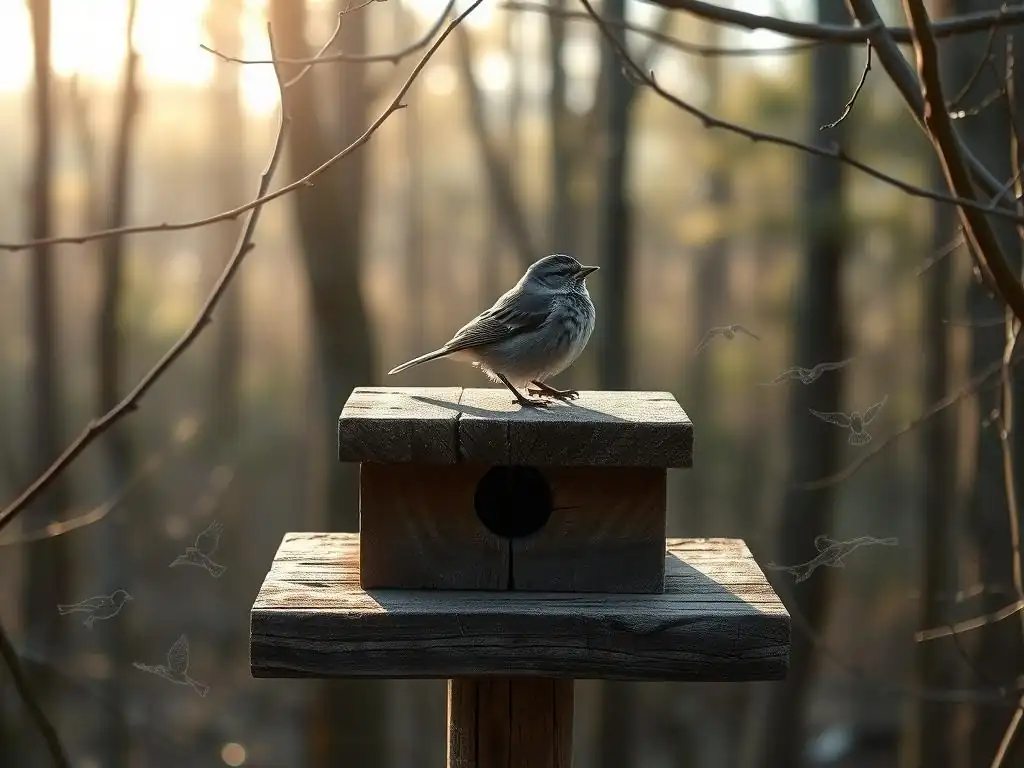
While her Song Sparrow research remains her most famous contribution, Margaret Morse Nice's influence extended beyond this single species. Her methodological innovations and her conceptual framework for studying individual birds in their natural habitats were highly transferable. She engaged in comparative studies, drawing parallels and contrasts between Song Sparrows and other avian species, thereby contributing to a broader understanding of general avian behavioral principles. Her extensive literary reviews and critical analyses of existing ornithological literature also helped to synthesize disparate findings and identify gaps in knowledge, guiding future research directions.
Nice consistently advocated for the importance of long-term field studies and the detailed observation of marked individuals across multiple seasons. This approach, which she perfected with the Song Sparrow, inspired other researchers to adopt similar methodologies for studying diverse bird populations. Her work helped shift the focus of ornithology from purely descriptive accounts or specimen collection to rigorous, hypothesis-driven investigations into the ecological and evolutionary underpinnings of bird behavior, solidifying her role as a visionary in the field.
Impact on Bird Behavior Research and Ecology
Margaret Morse Nice's research had a transformative impact on the nascent field of ethology, particularly in North America. She demonstrated the immense value of studying live, individually recognizable birds in their natural environments, thereby laying the groundwork for modern behavioral ecology. Her emphasis on detailed, long-term observations provided a counterpoint to laboratory-based studies and highlighted the complexity and variability of animal behavior in the wild. Her work influenced prominent European ethologists like Konrad Lorenz and Niko Tinbergen, who recognized the rigor and depth of her field-based approach.
Her publications provided a wealth of empirical data and theoretical insights that fundamentally changed how scientists approached bird behavior. She was instrumental in establishing the importance of studying territoriality, song function, and reproductive strategies from an evolutionary perspective. Her legacy is evident in virtually every contemporary study of avian behavioral ecology, where the principles of individual identification, long-term monitoring, and detailed field observation, pioneered by Margaret Morse Nice, remain indispensable tools for understanding the intricate world of bird behavior and its ecological implications.
Gender Bias in Science During the Early 20th Century
Margaret Morse Nice's remarkable scientific achievements were accomplished despite significant gender bias prevalent in the scientific community during the early to mid-20th century. Women in science were often relegated to unpaid, informal roles, or their contributions were undervalued and not given the same recognition as their male counterparts. Nice herself operated largely outside traditional academic institutions for much of her most productive period, conducting her intensive field research from her home in Ohio. This lack of institutional affiliation often meant limited access to funding, formal research support, and peer networks that were readily available to men.
The prevailing attitudes often dismissed women's scientific work as mere "hobbies" or less rigorous "amateur" pursuits, regardless of the quality or impact of their findings. Nice had to consistently prove the scientific merit of her meticulous observations and analyses, battling against a system that inherently favored male scientists. Her perseverance in publishing her extensive findings, often in less prominent journals initially, underscores the determination required to establish a scientific voice in such a challenging, patriarchal environment.
Recognition and Accolades: Acknowledging Her Scientific Contributions
Despite the initial challenges posed by gender bias, Margaret Morse Nice's undeniable scientific rigor and the sheer volume of her groundbreaking work eventually earned her significant recognition. In 1942, she was awarded the prestigious Brewster Medal by the American Ornithologists' Union (AOU), their highest honor, for her monumental two-volume "Studies in the Life History of the Song Sparrow." This award was a pivotal moment, signifying the formal acceptance and profound appreciation of her meticulous research within the established ornithological community.
Over the years, Nice received numerous other accolades, including honorary doctorates from Mount Holyoke College and Elmira College. She was also elected to leadership positions in various scientific societies, such as serving as president of the Wilson Ornithological Club. These recognitions, though hard-won and sometimes delayed, affirmed the enduring impact of her contributions to bird behavior studies and solidified her status as a pioneering scientist. Her eventual widespread recognition stands as a testament to the undeniable quality and influence of her work, transcending the societal limitations she faced.
Legacy and Influence: Inspiring Future Generations of Ornithologists
Margaret Morse Nice's Enduring Impact on Bird Studies
Margaret Morse Nice's legacy in ornithology is profound and enduring. Her "Studies in the Life History of the Song Sparrow" remains a classic text, a testament to the power of long-term, intensive field observation. She fundamentally shifted the paradigm of bird study from descriptive taxonomy and collection to detailed behavioral ecology. Her emphasis on understanding individual variation, the complexities of song function, territoriality, and reproductive strategies laid the groundwork for modern ethology and behavioral ecology. Contemporary research in avian biology continues to build upon her foundational insights and methodological rigor.
Her work demonstrated that studying wild birds in their natural habitats could yield deep scientific truths about animal behavior, challenging the then-prevalent focus on laboratory experiments. The principles she championed—patience, meticulous observation, individual identification, and long-term data collection—are now standard practice in behavioral research. Her influence is seen in countless studies of avian life histories, migratory patterns, and social interactions, cementing Margaret Morse Nice's enduring impact on bird behavior research.
Her Influence on Women in Environmental Science
Beyond her direct scientific contributions, Margaret Morse Nice serves as an inspiring role model for women in environmental science and STEM fields. Her journey exemplifies resilience, intellectual curiosity, and unwavering dedication in the face of significant societal and professional barriers. She demonstrated that it was possible to conduct world-class scientific research, publish extensively, and gain recognition, even without the traditional institutional support afforded to men during her era. Her story provides a powerful narrative of how passion and perseverance can overcome systemic disadvantages.
Nice's success paved the way for subsequent generations of female scientists, showing that their unique perspectives and rigorous methodologies were not only valid but essential for advancing scientific understanding. Her legacy continues to motivate aspiring ornithologists and environmental scientists, particularly women, to pursue their passions, conduct meticulous research, and strive for excellence, knowing that figures like Margaret Morse Nice have already blazed a trail in the challenging yet rewarding world of science.
Margaret Morse Nice's Publications and Writings: A Testament to Her Work
Key Publications: A Detailed Overview
Margaret Morse Nice's scientific output was prolific and meticulously documented, forming a comprehensive body of work that cemented her place in ornithological history. Her most significant contribution is undoubtedly the two-volume "Studies in the Life History of the Song Sparrow," published by the Linnaean Society of New York in 1937 and 1943, respectively.
Volume I detailed the life history, territoriality, and song of the Song Sparrow, while Volume II focused on the behavior of the young, survival, and the impact of environmental factors. These volumes were revolutionary for their depth, empirical data, and narrative quality, setting a new standard for species monographs.
In addition to her magnum opus, Nice authored over 250 scientific papers, articles, and book reviews throughout her career. Her writings appeared in prestigious journals such as The Auk, The Wilson Bulletin, and Bird-Banding, among others. She wrote on a wide range of topics beyond the Song Sparrow, including comparative bird behavior, migration, population dynamics, and the history of ornithology. Her extensive bibliography is a testament to her tireless dedication to scientific inquiry and her commitment to disseminating her groundbreaking findings on Margaret Morse Nice's bird behavior to the wider scientific community.
Conclusion: Remembering Margaret Morse Nice, a Pioneer in Bird Behavior
Celebrating a Life Dedicated to Ornithology
Margaret Morse Nice's life was a testament to unwavering dedication and profound intellectual curiosity, culminating in a revolutionary impact on the field of ornithology. From her early childhood observations to her groundbreaking, multi-year study of the Song Sparrow, her commitment to understanding avian life was unparalleled. She demonstrated that true scientific insight often emerges from patient, meticulous observation in the field, challenging the prevailing academic norms of her time. Her legacy is not merely in the data she collected but in the paradigm shift she initiated, moving the study of bird behavior towards a more ecological and individual-focused approach.
Her tireless work, often conducted under challenging circumstances as a woman in science, transformed our understanding of territoriality, song function, and the complex life histories of birds. Nice's ability to combine rigorous scientific methodology with a deep, empathetic appreciation for her subjects made her a unique and influential figure. We celebrate her not just as a scientist but as a visionary whose patience and persistence unveiled the intricate world of Margaret Morse Nice's bird behavior.
Margaret Morse Nice: A Role Model for Aspiring Scientists
Margaret Morse Nice stands as an enduring role model for aspiring scientists, particularly those interested in environmental science and behavioral ecology. Her story underscores the importance of following one's passion, even when faced with significant societal and professional obstacles. She proved that groundbreaking research can emerge from unconventional paths, often outside the traditional institutional frameworks. Her meticulousness, perseverance, and innovative approach to observation serve as a timeless guide for anyone embarking on a scientific journey.
Her journey inspires us to look beyond superficial classifications and delve into the complexities of individual lives within ecosystems. By remembering Margaret Morse Nice, we honor not only her profound contributions to our understanding of bird behavior but also her resilience as a woman who carved out an indelible place in the annals of science history. Her legacy continues to encourage researchers to approach the natural world with curiosity, patience, and a commitment to revealing its hidden wonders.
Frequently Asked Questions
### Who was Margaret Morse Nice, and why is she significant?
Margaret Morse Nice was a self-taught American ornithologist renowned for her patient and meticulous observation of bird behavior. She is significant for revolutionizing bird behavior studies, particularly through her detailed study of the song sparrow.
### What were some of the challenges Margaret Morse Nice faced as a woman in science?
As a woman in the early to mid-20th century, Nice faced significant challenges, including lack of formal academic credentials in ornithology and the prevalence of gender bias in the scientific community, often being overlooked or underestimated.
### What was Margaret Morse Nice's most notable scientific contribution?
Her most notable contribution was her comprehensive, long-term study of the song sparrow's life history and behavior. This groundbreaking work established new standards for detailed field observation and analysis in ornithology.
### What were some of the key methods Margaret Morse Nice used in her research?
Nice employed methods such as banding birds for individual identification, creating detailed life histories, and patiently observing their behavior over extended periods, gathering valuable data and insights.
### How does WomenInScienceHistory.com aim to promote the legacy of scientists like Margaret Morse Nice?
WomenInScienceHistory.com aims to promote their legacy by highlighting their contributions, sharing their biographies, and discussing the challenges they overcame, thus inspiring future generations and recognizing their often-overlooked achievements.
Final Reflection: The Enduring Song of Observation
The life and work of Margaret Morse Nice, as explored in this article, resonate profoundly today because they highlight the power of patient observation and meticulous data collection in understanding the complexities of the natural world. In an era dominated by rapid technological advancements and instant gratification, Nice's dedication to long-term studies serves as a powerful reminder that true understanding often requires sustained effort and a deep connection to the subject of study.
Margaret Morse Nice's influence on the field of ornithology, and indeed on our understanding of animal behavior in general, is undeniable. Her groundbreaking work with song sparrows not only revolutionized the way we study bird behavior but also underscored the importance of individual variation and the complexities of social interactions within animal populations. We are part of nature, and we must learn to live in harmony with it.
This quote, though not directly from Nice, encapsulates the spirit of her work, which emphasized the interconnectedness of all living things and the need for careful observation and respect for the natural world.
As we conclude this exploration of Margaret Morse Nice's legacy, let us all take a moment to reflect on the lessons she taught us. Consider how her dedication to patient observation and meticulous data collection can be applied to your own life, whether it's in your professional pursuits, your personal relationships, or your understanding of the world around you. Embrace the power of observation, cultivate a deep connection to the subjects you study, and remember that true understanding often requires sustained effort and a willingness to listen to the quiet voices of nature.
Unleash Your Inner Observer: Connect with Nature Like Nice!
Thank you for delving into the remarkable story of Margaret Morse Nice and her groundbreaking work in bird behavior! We hope you've been inspired by her patience and dedication to unraveling the secrets of the natural world. Now, it's your turn to take action and connect with nature in a meaningful way.
- Become a Citizen Scientist: Join a local birdwatching group and contribute to real scientific research by documenting bird sightings and behaviors in your area.
- Share Nice's Story: Spread the word about Margaret Morse Nice's incredible contributions by sharing this article with friends, family, and educators. Let's ensure her legacy continues to inspire future generations of scientists!
- Create a Backyard Sanctuary: Plant native trees and shrubs in your yard to provide food and shelter for local birds. Observe which species visit your sanctuary and document their behaviors like Margaret Morse Nice.
What small step will you take this week to foster a deeper understanding and appreciation for the birds around you?