
Dr. Edith Cavell: Nurse, Spy, Martyr – Her Medical Ethics and Courage in WWI

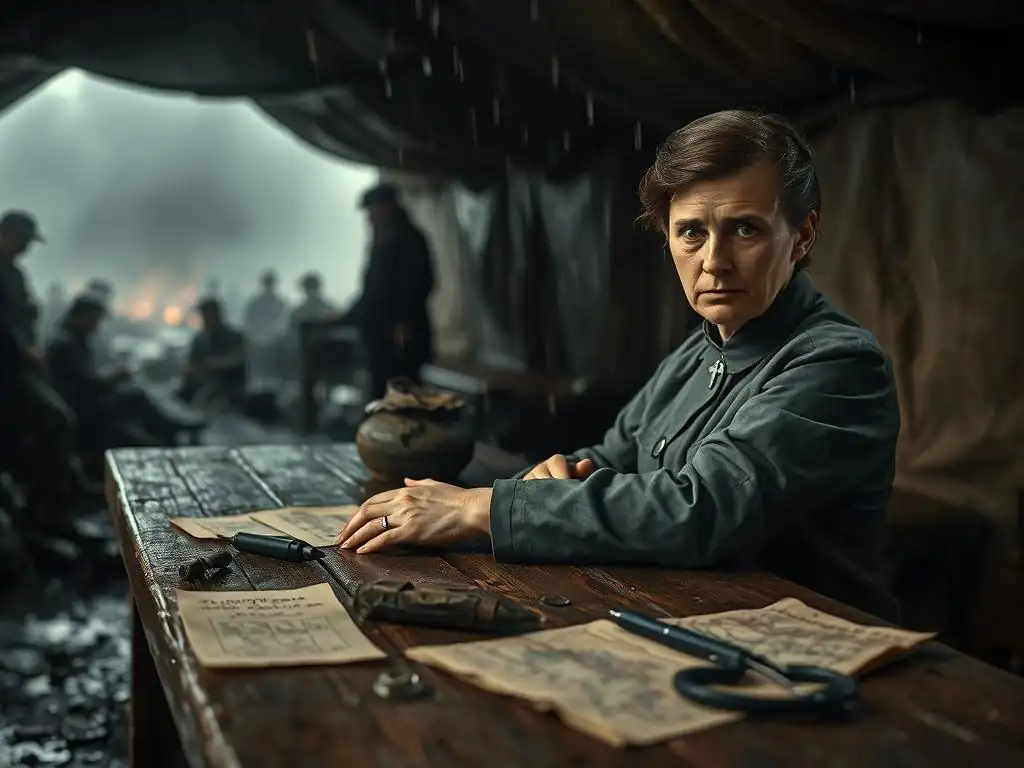
Welcome to WomenInScienceHistory.com, where we unearth the remarkable stories of women who shaped the scientific landscape. Delve into the captivating life of Dr. Edith Cavell, a name synonymous with courage and medical ethics during WWI. How did this unassuming nurse become a figure of international intrigue and martyrdom? Discover her unwavering commitment and the complex moral choices she faced in our latest biography, exploring the profound impact of Edith Cavell's WWI medical ethics and the enduring legacy she left behind. Prepare to be inspired.
- Edith Cavell: Nurse, Spy, Martyr – Her Medical Ethics and Courage in WWI
- Edith Cavell: A Pioneer in Nursing and Wartime Heroism
- Nursing Career: From England to Belgium
- World War I: Medical Ethics in the Face of Conflict
- Involvement in the Belgian Resistance: A Risky Path
- Arrest, Trial, and Execution: Martyrdom
- Impact and Legacy: A Symbol of Courage and Medical Ethics
- A Woman in History Remembered
-
Frequently Asked Questions
- What was Edith Cavell's primary role during World War I?
- How did Edith Cavell's actions challenge the norms of wartime medical care?
- Besides nursing, what other activity was Edith Cavell involved in during WWI?
- Why is Edith Cavell considered a martyr?
- What is the significance of Edith Cavell's story in the context of "Women in Science History"?
- Final Reflection: The Enduring Legacy of Compassion
- Embrace Cavell's Courage: Ignite Your Compassion!
Edith Cavell: Nurse, Spy, Martyr – Her Medical Ethics and Courage in WWI
Edith Cavell: A Pioneer in Nursing and Wartime Heroism
Introduction to Edith Cavell's Life and Legacy
Edith Cavell stands as a towering figure in the annals of nursing history and a poignant symbol of unwavering dedication in the face of conflict. Born in 1865, her life journey culminated in a tragic yet inspiring act of martyrdom during World War I, solidifying her legacy as a humanitarian heroine. Her story intertwines the rigorous discipline of nursing with the extraordinary bravery of a woman who defied military occupation to uphold her profound ethical convictions, particularly regarding the impartial treatment of the wounded.
Cavell's enduring impact extends far beyond her sacrifice; she represents the pinnacle of Edith Cavell WWI medical ethics, demonstrating an unshakeable commitment to human life and an allegiance to her professional oath above national loyalties. Her narrative serves as a powerful reminder of the often-overlooked contributions of women in science and medicine, highlighting how individual moral courage can illuminate the darkest chapters of history and inspire future generations to uphold humanitarian principles.
Early Life and Education: Shaping a Future Nurse
Edith Louisa Cavell was born on December 4, 1865, in Swardeston, Norfolk, England, the eldest of four children to Reverend Frederick Cavell and Louisa Sophia Warming. Her early life was steeped in the quiet discipline of a vicarage, where she received a foundational education that emphasized moral rectitude and service. Before embarking on her nursing career, Cavell worked as a governess for several prominent families in various European countries, including Brussels, which would later become the stage for her most significant work.
These experiences exposed her to diverse cultures and languages, fostering an independent spirit and a keen observational intellect. It was during this period, in her early thirties, that she felt a profound calling to nursing, a profession that was still gaining respectability but offered a direct path to alleviating suffering. This decision marked a pivotal shift from the relative comfort of a governess's life to the demanding and often challenging world of healthcare, laying the groundwork for her future contributions to Edith Cavell WWI medical ethics.
Nursing Career: From England to Belgium
Training and Initial Nursing Experiences
Edith Cavell began her formal nursing training relatively late in life, at the age of 30, enrolling at the London Hospital in 1895. Under the strict but progressive guidance of Matron Eva Luckes, Cavell underwent a rigorous three-year program that instilled in her the foundational principles of modern nursing, emphasizing hygiene, patient observation, and disciplined care. Her dedication and aptitude quickly became apparent, setting her apart as a promising professional.
Following her training, Cavell gained valuable experience in various roles across England, working in hospitals and as a private nurse for families affected by infectious diseases such as typhoid fever. These initial experiences honed her practical skills and deepened her understanding of public health challenges, preparing her for the leadership roles she would later assume. Her commitment to excellence in patient care was evident from these early stages, foreshadowing her later adherence to a strict code of Edith Cavell WWI medical ethics.
Brussels and Berkendael Medical Institute: Leadership Role
In 1907, a significant opportunity arose that would define Cavell's career: she was invited to Brussels, Belgium, to help establish the country's first professional training school for nurses. This groundbreaking institution, known as the Berkendael Medical Institute (L'École de l'Infirmière diplômée de l'Institut chirurgical de Bruxelles), aimed to elevate nursing standards in Belgium, which at the time lagged behind those in Britain. As the director, Cavell meticulously implemented British nursing curricula and practices, transforming the quality of healthcare education in the nation.
Under her leadership, the Berkendael Institute flourished, attracting students from across Belgium and beyond and significantly professionalizing the nursing workforce. Cavell's pioneering efforts not only trained a new generation of skilled nurses but also championed the recognition of nursing as a respectable and vital profession for women. Her work in Brussels established her as a respected figure in the medical community, positioning her at the forefront of healthcare when World War I erupted.
World War I: Medical Ethics in the Face of Conflict
The Outbreak of WWI and Decision to Stay in Belgium
When World War I erupted in August 1914, Belgium found itself swiftly overrun by German forces, transforming Brussels into an occupied city. Despite the escalating danger and the mass evacuation of foreign nationals, Edith Cavell made a resolute decision to remain at her post at the Berkendael Medical Institute. Her unwavering commitment stemmed from a profound sense of duty to her patients and her staff, many of whom were Belgian and would have been left without essential medical care.
Cavell transformed her clinic into a Red Cross hospital, a designation that theoretically afforded it protection under international law. Her decision to stay was not merely an act of bravery but a conscious choice rooted in her professional identity and humanitarian principles. She recognized the immense need for medical assistance in the rapidly deteriorating conditions of wartime and believed that her skills and leadership were indispensable, embodying the nascent principles of Edith Cavell WWI medical ethics.
Commitment to Neutrality and Universal Medical Care
Central to Edith Cavell's professional ethos was an unwavering commitment to medical neutrality, a principle that dictated the impartial treatment of all wounded, regardless of their nationality or allegiance. As the director of the Red Cross hospital in German-occupied Brussels, she consistently adhered to this principle, ensuring that both Allied and German soldiers received the same level of care and compassion. This stance was not merely a passive acceptance of circumstances but an active and conscious choice that defined her approach to wartime medicine.
Her hospital became a sanctuary where the cries of war were momentarily silenced by the imperative of healing. This strict adherence to universal medical care, even under the watchful eyes of an occupying force, exemplified her profound understanding and application of Edith Cavell WWI medical ethics. She believed that a wounded soldier was first and foremost a human being in need of assistance, transcending the political and military divisions that fueled the conflict.
Treating All Wounded Soldiers: Ethical Stance
Edith Cavell's ethical stance was famously encapsulated in her own words: "I can't stop while there are lives to be saved." This conviction guided her actions throughout the war, as she oversaw the treatment of hundreds of casualties, ranging from severe shrapnel wounds and gas injuries to infectious diseases exacerbated by wartime conditions. Her hospital provided critical surgical interventions, wound care, and nursing support, often under immense pressure and with limited resources.
The principle of treating all wounded soldiers, whether British, French, Belgian, or German, was a cornerstone of her Edith Cavell WWI medical ethics. This impartial care was not only a moral imperative for her but also a practical necessity in a conflict where suffering knew no uniform. Her dedication ensured that the fundamental human right to medical care was upheld, even in the brutal environment of World War I, positioning her as a pioneer in humanitarian medical practice.
Involvement in the Belgian Resistance: A Risky Path
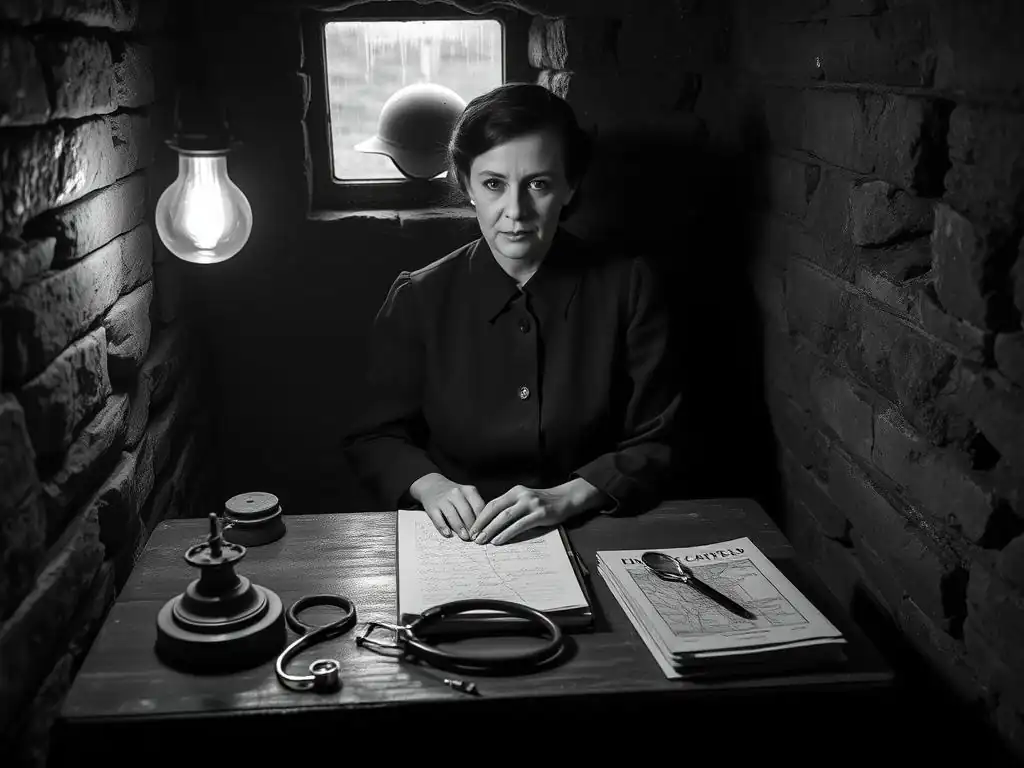
Aiding Allied Soldiers: The Underground Network
Beyond her duties as a nurse, Edith Cavell became deeply involved in an underground network dedicated to helping Allied soldiers escape from German-occupied Belgium. This clandestine operation, initiated by Prince Reginald de Croy and others, aimed to shelter and facilitate the passage of British, French, and Belgian soldiers who had been separated from their units or were hiding from the Germans. Over approximately nine months, Cavell's hospital became a crucial node in this network, providing refuge and medical care to more than 200 Allied servicemen.
These soldiers, often disguised or hidden, would then be guided across the Dutch border to safety, a journey fraught with peril. Cavell's role was pivotal: she not only provided essential medical attention but also coordinated their movements, supplied them with civilian clothes, and arranged for their onward passage. This involvement transformed her humanitarian work into an act of direct resistance against the occupying power, a dangerous extension of her commitment to aiding those in need.
The Risks and Dangers of Assisting Soldiers to Escape
Assisting Allied soldiers to escape from occupied territory carried immense risks, punishable by severe penalties, including imprisonment or execution, under German martial law. The entire network operated under constant threat of exposure, relying on the discretion and loyalty of numerous individuals. Each soldier harbored in the hospital, each piece of civilian clothing provided, and each whispered instruction represented a direct challenge to the German occupation, increasing the personal danger for Cavell and her associates.
The vigilance of the German authorities was unyielding, with spies and informers pervasive throughout Brussels. Cavell was fully aware of the potential consequences of her actions, yet her commitment to aiding these men, many of whom were wounded or exhausted, outweighed her fear. Her courage in undertaking such a perilous path underscored her profound moral conviction, demonstrating a willingness to sacrifice her own safety for the lives of others, a testament to her extraordinary fortitude.
Arrest, Trial, and Execution: Martyrdom
On August 3, 1915, Edith Cavell's involvement in the resistance network was exposed following the betrayal by a French collaborator. She was arrested by the German military police at the Berkendael Medical Institute. The interrogation that followed was intense, conducted over several weeks. During this period, Cavell demonstrated remarkable composure and honesty, openly admitting to harboring Allied soldiers and facilitating their escape.
She believed that her actions, driven by humanitarian principles, would be understood, and perhaps even protected, by her status as a Red Cross nurse. However, the German authorities viewed her actions as espionage and treason against the occupation force, regardless of her medical profession. Her candid confessions, made without coercion, provided the prosecution with direct evidence of her involvement, sealing her fate in the eyes of military law.
The Trial and Condemnation: A Controversial Verdict
Edith Cavell's trial commenced on October 7, 1915, alongside 34 other members of the resistance network. She was charged with "harboring enemy combatants and conveying them to the enemy," a capital offense under German military law. Despite the efforts of her defense lawyers, who argued for clemency based on her humanitarian work and the absence of any direct military intelligence provided by her, the verdict was swift and severe.
On October 9, the court found her guilty and sentenced her to death by firing squad. This condemnation sparked immediate international outrage, particularly from neutral countries like the United States and Spain, whose diplomatic representatives in Brussels frantically appealed for mercy. However, German military Governor-General Baron von Bissing denied all appeals, upholding the verdict as a necessary deterrent against resistance activities. The harshness of the sentence, particularly against a woman and a nurse, highlighted the brutal realities of wartime justice and ignited fierce debate around Edith Cavell WWI medical ethics.
Last Hours: Faith and Forgiveness
In the early hours of October 12, 1915, just hours before her execution, Edith Cavell received a visit from Reverend Stirling Gahan, an Anglican chaplain. During their final conversation, she uttered her most famous and enduring words: "Patriotism is not enough. I must have no hatred or bitterness towards anyone." This statement profoundly encapsulated her profound Edith Cavell WWI medical ethics and personal philosophy, revealing a spirit of universal compassion and forgiveness that transcended the conflict surrounding her.
She spent her final moments in prayer, maintaining remarkable composure and dignity. Her unwavering faith provided her with solace and strength in the face of imminent death. Led to the Tir National firing range in Schaerbeek, Brussels, she faced her executioners with quiet courage, becoming a martyr for humanitarian principles and a symbol of unwavering moral fortitude in the darkest hours of war.
Impact and Legacy: A Symbol of Courage and Medical Ethics
Execution: International Outrage and Propaganda
Edith Cavell's execution on October 12, 1915, immediately ignited a firestorm of international outrage. News of her death spread rapidly, particularly in Allied and neutral countries, where it was widely condemned as an act of barbarism by the German Empire. Her story became a powerful tool for Allied propaganda, portraying Germany as ruthless and inhumane. Posters featuring her image and her final words were disseminated widely, galvanizing public opinion and significantly boosting recruitment efforts in Britain and the United States.
Her martyrdom resonated deeply with the public, transforming her into a symbol of Allied resolve and moral superiority. The sheer disproportion between her humanitarian actions and the severity of her punishment underscored the brutality of total war, making her a compelling figure for rallying support against the Central Powers. This global reaction cemented her place in history as a potent symbol of sacrifice and resistance.
Enduring Symbolism: Courage, Sacrifice, and Ethical Nursing
Beyond the immediate wartime propaganda, Edith Cavell evolved into an enduring symbol of courage, self-sacrifice, and unwavering ethical principles in nursing. Her decision to treat all wounded, irrespective of nationality, and her refusal to abandon her patients in occupied territory, established a powerful precedent for humanitarian conduct during conflict. Her final declaration, "Patriotism is not enough," transcends nationalistic fervor, advocating for a universal humanism that prioritizes compassion above all else.
Cavell's narrative continues to inspire, representing the moral fortitude required to uphold one's convictions in the face of extreme adversity. She embodies the ideal of a professional who places the welfare of others above personal safety, making her a timeless icon of ethical nursing and a beacon for the foundational principles of Edith Cavell WWI medical ethics. Her story reminds us that true heroism often lies in quiet acts of defiance against injustice.
Influence on Nursing and Medical Ethics: Lasting Principles
Edith Cavell's actions and martyrdom profoundly influenced the development of nursing and medical ethics, particularly in the context of armed conflict. Her unwavering commitment to providing impartial care to all wounded soldiers, regardless of their uniform, directly reinforced the principles of medical neutrality that would later become enshrined in the Geneva Conventions. She demonstrated that a nurse's primary allegiance is to human life and the Hippocratic oath, transcending political boundaries and military allegiances.
Her legacy continues to be taught in nursing schools worldwide, serving as a powerful case study in professional responsibility, moral courage, and humanitarian duty. The enduring relevance of Edith Cavell WWI medical ethics lies in its emphasis on universal compassion and the non-discriminatory provision of care, principles that remain cornerstones of international humanitarian law and medical practice today. Her life underscored the importance of integrity and ethical decision-making even in the most challenging environments.
Museums and Memorials
Edith Cavell's sacrifice is commemorated in numerous ways around the world, ensuring her memory and the principles she stood for continue to inspire. One of the most prominent memorials is the Edith Cavell Memorial in St Martin's Place, London, unveiled in 1920, which features a statue of her with her famous quote inscribed. Her body was repatriated to England after the war and reburied with full honors at Norwich Cathedral, where a memorial service is held annually on the anniversary of her execution.
In Brussels, a monument stands near the site of her execution, and the hospital she directed, now known as the Edith Cavell Hospital, continues her legacy of medical care. These sites serve not only as tributes to her individual bravery but also as lasting reminders of the profound impact one woman's ethical stand can have on history and the enduring importance of Edith Cavell WWI medical ethics.
A Woman in History Remembered
Contributions to Medical Practices During WWI
Edith Cavell's contributions to medical practices during World War I extended beyond her personal sacrifice. Her leadership at the Berkendael Medical Institute prior to and during the initial stages of the war played a critical role in modernizing nursing education in Belgium. By establishing the country's first professional nursing school, she introduced British standards of hygiene, patient care, and training, significantly elevating the quality of medical assistance available to the wounded.
Under her direction, the Red Cross hospital in Brussels efficiently managed the influx of casualties from all sides of the conflict, demonstrating effective wartime medical management despite severe constraints. Her meticulous organization and unwavering dedication ensured that countless lives were saved and suffering alleviated, proving that even amidst the chaos of war, structured and ethical medical care could prevail. Her work laid groundwork for future humanitarian efforts, embodying the core tenets of Edith Cavell WWI medical ethics.
Place Among Other Historical Figures
Edith Cavell holds a unique and revered place among other historical figures, particularly within the narrative of women in science and humanitarianism. She stands alongside pioneering medical professionals who pushed boundaries, not just in scientific advancement, but in ethical conduct during times of crisis. While many women contributed to the war effort, Cavell’s story is distinct due to her dual role as a dedicated nurse and an active participant in resistance, culminating in a martyrdom that resonated globally.
Her unwavering commitment to her patients, regardless of nationality, and her ultimate sacrifice for upholding humanitarian principles set her apart. She serves as a powerful testament to the moral courage of individuals who dared to prioritize human dignity above political or military allegiances. Her legacy continues to challenge perspectives on heroism, demonstrating that profound impact can emerge from quiet determination and an unshakeable adherence to Edith Cavell WWI medical ethics.
Further Research and Resources
For those wishing to delve deeper into the extraordinary life and enduring legacy of Edith Cavell, a wealth of resources exists. Numerous biographies, historical accounts, and academic papers explore her early life, her groundbreaking work in nursing education, her courageous actions during World War I, and the profound impact of her martyrdom. Researchers can consult archives related to World War I, Red Cross history, and women's contributions to medicine to gain a more comprehensive understanding.
Visiting the memorials and museums dedicated to her in London, Norwich, and Brussels provides a tangible connection to her story and the principles she espoused. Engaging with her narrative offers valuable insights into the complexities of wartime ethics, the evolution of nursing as a profession, and the inspiring power of individual moral conviction. Her steadfast commitment to Edith Cavell WWI medical ethics continues to be a vital subject of study and reflection for students of history, medicine, and human rights.
Frequently Asked Questions
What was Edith Cavell's primary role during World War I?
Edith Cavell was a British nurse who served in Belgium during World War I. She is most known for treating soldiers from both sides of the conflict.
How did Edith Cavell's actions challenge the norms of wartime medical care?
Cavell's actions challenged norms by extending medical care to all wounded soldiers, regardless of nationality. This demonstrated a commitment to medical ethics above national allegiance.
Besides nursing, what other activity was Edith Cavell involved in during WWI?
In addition to her nursing duties, Edith Cavell also helped Allied soldiers escape from German-occupied Belgium. This activity led to her eventual arrest and execution.
Why is Edith Cavell considered a martyr?
Edith Cavell is considered a martyr because she was executed by the Germans for helping Allied soldiers. Her death galvanized public opinion against Germany and is a symbol of courage and sacrifice.
What is the significance of Edith Cavell's story in the context of "Women in Science History"?
Cavell's story highlights the often-overlooked contributions of women in medical fields and their dedication to ethical principles during times of war. It sheds light on female courage within a male-dominated sphere.
Final Reflection: The Enduring Legacy of Compassion
The story of Edith Cavell, as we've explored, is not just a historical account; it's a potent reminder of the unwavering power of medical ethics in the face of unimaginable adversity. Her actions during WWI, defying military orders to treat all wounded regardless of nationality, resonate deeply in our world today, where humanitarian crises and ethical dilemmas continue to challenge our collective conscience.
The impact of Edith Cavell extends far beyond the battlefields of the past. Her unwavering commitment to her patients, even at the cost of her own life, continues to inspire nurses and medical professionals worldwide. Her story serves as a constant reminder that compassion knows no boundaries and that ethical principles must guide our actions, even when faced with immense pressure. Patriotism is not enough. I must have no hatred or bitterness towards anyone.
This quote encapsulates the profound moral compass that guided her choices and continues to challenge us to rise above prejudice and division.
As we reflect on Edith Cavell's life and sacrifice, let us consider how we can embody her spirit of compassion and ethical fortitude in our own lives. What boundaries can we break down? What prejudices can we overcome? Let us strive to be beacons of hope and healing, guided by the same unwavering commitment to humanity that defined Edith Cavell's extraordinary legacy.
Embrace Cavell's Courage: Ignite Your Compassion!
Thank you for delving into the inspiring story of Edith Cavell. We hope you’ve gained a new appreciation for her unwavering commitment to ethical medical practice and her courageous spirit in the face of adversity. Ready to channel that inspiration into action?
Here are a few ways you can honor her legacy:
- Commit to deepening your understanding of ethical principles in your own field, just as Cavell did in nursing. Consider taking a course or workshop.
- Share Cavell’s story with your network to spark conversations about courage, ethics, and compassion. Who knows whose life you might touch?
- Explore other untold stories of women in science and medicine. You might discover a new role model or uncover forgotten contributions.
What small act of courage or compassion will you commit to today, inspired by Edith Cavell’s legacy?