
Shattering the Glass Ceiling in Science: Women Biologists Forging Paths (19502000)

Welcome to WomenInScienceHistory.com!
Ever wondered how women navigated the complex landscape of scientific careers in the mid-20th century? This is a celebration of resilience and brilliance. Dive in to explore the incredible journeys of women biologists between 1950 and 2000, as they defied expectations and shaped the future of science. Their stories are a testament to their unwavering dedication, but what were the specific challenges they faced, and how did their groundbreaking work impact the field? Let's uncover these fascinating narratives together...
- Introduction: The Rise of Women in Biology (1950-2000)
- Pioneering Women Biologists: Key Figures and Their Contributions (1950-2000)
- Navigating a Male-Dominated Field: Challenges Faced by Women Biologists
- Breakthrough Discoveries and Innovations Led by Women in Biology (1950-2000)
- The Impact of Mentorship and Support Networks on Women Biologists' Careers
- Legacy and Inspiration: The Continuing Impact of Women Biologists (1950-2000)
- Conclusion: A Testament to Resilience and Scientific Excellence
-
Frequently Asked Questions
- What were some of the major obstacles women biologists faced between 1950 and 2000?
- How did the Civil Rights Movement and the rise of second-wave feminism impact the careers of women biologists?
- Can you name a few prominent women biologists who made significant contributions between 1950 and 2000?
- What types of biological fields did women excel in during this period?
- Where can I find more information about the lives and work of women biologists from 1950-2000?
- Final Reflection: Enduring Legacy of Scientific Pioneers
- Ignite Your Inner Scientist: Champion Women in Biology!
Introduction: The Rise of Women in Biology (1950-2000)
A New Era for Women's Careers in Science
The mid-20th century marked a pivotal, albeit challenging, period for women seeking careers in science, particularly within the burgeoning field of biology. Following World War II, a societal shift began to slowly open doors for women in higher education and professional roles, a trend that gradually extended into scientific disciplines. While still facing significant systemic barriers, the sheer demand for scientific talent, coupled with evolving social norms, created marginal but crucial openings for women biologists to carve out their professional identities.
Despite these nascent opportunities, women remained a distinct minority in scientific professions. However, the biological sciences often proved more accessible than fields like physics or engineering. For instance, in the United States, by 1970, women comprised approximately 20% of all science and engineering bachelor's degrees, a figure that climbed to nearly 30% by 1990. Within biology, specifically, the representation of women in academic and research roles saw a gradual increase, laying the groundwork for more significant participation in the coming decades and defining many women biologists' 1950-2000 careers.
Overcoming Obstacles: Societal Shifts and Scientific Advancements
The path for these pioneering women biologists was far from smooth. They contended with pervasive institutional sexism, deeply ingrained "old boys' networks" in academia and research, and often limited access to funding and top-tier facilities. These obstacles were formidable, requiring immense resilience and determination from individual women committed to their scientific pursuits.
Concurrently, transformative societal shifts, including the civil rights movement and burgeoning feminist movements, provided a broader context for advocating for gender equality in all professional spheres, including science. Alongside these social changes, the rapid expansion of scientific knowledge, particularly in molecular biology, genetics, and ecology, created new subfields and research frontiers. These emerging areas sometimes offered fresh avenues for talented individuals, including women, to make their mark, as established hierarchies were less entrenched than in older, more traditional disciplines. This dynamic interplay of social evolution and scientific progress shaped the landscape for women biologists 1950-2000 careers.
Pioneering Women Biologists: Key Figures and Their Contributions (1950-2000)
Rosalind Franklin: Unveiling the Structure of DNA
Rosalind Franklin's meticulous work in X-ray crystallography was absolutely critical to understanding the structure of DNA. Working at King's College London in the early 1950s, her precise X-ray diffraction patterns, particularly "Photo 51," provided undeniable evidence of DNA's helical nature and its specific dimensions. This image, along with her detailed calculations, was shared, without her explicit knowledge or consent, with James Watson and Francis Crick, who were working on their own DNA model at Cambridge.
Franklin's rigorous scientific approach, though often overshadowed by the subsequent Nobel Prize awarded to Watson, Crick, and Maurice Wilkins (her colleague at King's), remains a cornerstone of molecular biology. Her insights into the two forms of DNA, A and B, and her quantitative analysis of their diffraction patterns were foundational. Tragically, she passed away in 1958 at the age of 37, making her ineligible for the 1962 Nobel Prize, but her indelible contribution to one of the 20th century's most significant biological discoveries is now widely recognized, highlighting the impactful careers of women biologists 1950-2000.
Barbara McClintock: Revolutionizing Genetics with Transposable Elements
Barbara McClintock, a brilliant geneticist, spent decades meticulously studying maize chromosomes at Cold Spring Harbor Laboratory, primarily from the 1940s through the 1960s. Her groundbreaking work led to the discovery of "jumping genes," or transposable elements—segments of DNA that can move around within the genome. This concept fundamentally challenged the prevailing view of the genome as a static entity.
Initially, McClintock's findings were met with skepticism and largely ignored by the scientific community, as they seemed to contradict established genetic principles. However, as molecular techniques advanced in the 1970s, her visionary work was finally validated and recognized for its profound implications in understanding genetic mutation, evolution, and gene regulation. Her perseverance ultimately led to her receiving the Nobel Prize in Physiology or Medicine in 1983, decades after her initial discoveries, a testament to the long-term impact and eventual recognition many women biologists 1950-2000 careers eventually achieved.
Rita Levi-Montalcini: Discovering Nerve Growth Factor
Rita Levi-Montalcini's scientific journey was marked by extraordinary resilience, beginning with her research in a makeshift laboratory in wartime Italy. After the war, she continued her groundbreaking work at Washington University in St. Louis, where in the 1950s, alongside Stanley Cohen, she isolated and identified Nerve Growth Factor (NGF). This protein was found to be essential for the growth and survival of nerve cells.
Her discovery revolutionized the understanding of neurobiology and had profound implications for research into neurological diseases like Alzheimer's and Parkinson's, as well as nerve regeneration. Her dedication and scientific acumen, often performed under challenging circumstances, earned her the Nobel Prize in Physiology or Medicine in 1986, shared with Cohen. Levi-Montalcini's career exemplifies the significant contributions made by women biologists 1950-2000 to fundamental biological understanding and its applications in medicine.
Jane Goodall: Pioneering Primate Research and Conservation
Jane Goodall embarked on her revolutionary field research on chimpanzees in Gombe Stream National Park, Tanzania, in 1960, with no formal scientific training at the outset. Her immersive, long-term observation methods, which involved living among the chimpanzees and giving them names rather than numbers, were unconventional for the time but yielded unprecedented insights into primate behavior.
Goodall's groundbreaking findings included the discovery that chimpanzees make and use tools, a trait previously thought to be exclusive to humans. She also documented their complex social structures, individual personalities, and emotional lives, fundamentally changing our understanding of human-animal distinctions. By the latter part of the 20th century, her focus expanded from pure research to global conservation advocacy, leading to the establishment of the Jane Goodall Institute. Her work profoundly influenced ethology and conservation, marking her as one of the most iconic women biologists whose 1950-2000 careers left an indelible mark.
Gender Bias in Academia and Research Institutions
Women biologists frequently encountered significant gender bias within academic and research institutions throughout the 1950-2000 period. This bias manifested in various forms, from subtle microaggressions to overt discrimination in hiring, promotion, and grant allocation decisions. Studies conducted in the late 20th century, such as those by the National Research Council, consistently highlighted that women were less likely to be tenured or promoted to full professor ranks compared to their male counterparts, even with similar qualifications and productivity.
Moreover, women often faced salary disparities and were underrepresented in leadership positions, such as department chairs or lab directors. This systemic bias created a challenging environment where female scientists had to work harder to prove their capabilities and often found their contributions undervalued or overlooked. The persistent "leaky pipeline" phenomenon, where women progressively exited STEM fields at higher rates than men at each career stage, was a direct consequence of these entrenched biases, impacting the progression of many women biologists' 1950-2000 careers.
The Struggle for Recognition and Funding
Beyond institutional biases, women biologists often struggled to gain recognition for their scientific achievements and secure adequate research funding. Their work was sometimes attributed to male colleagues, or their authorship on papers was minimized. The historical precedent of figures like Lise Meitner, whose crucial contributions to nuclear fission were not fully recognized with a Nobel Prize (awarded solely to Otto Hahn), cast a long shadow, indicating a pervasive pattern of under-recognition for women in science that continued into the mid-late 20th century.
Securing independent research grants, which are vital for building a successful scientific career, was another significant hurdle. Funding committees, often dominated by men, might have unconsciously favored proposals from male principal investigators. This lack of equitable access to resources limited the scope and ambition of projects undertaken by many women biologists, making it harder for them to establish their independent research programs and contribute to the scientific landscape.
Balancing Family Life and Scientific Pursuits
Societal expectations placed a disproportionate burden on women as primary caregivers, creating immense challenges for women biologists attempting to balance demanding scientific careers with family life. The scientific profession, particularly in research, often requires long hours, travel, and intense focus, which can conflict with traditional family responsibilities. Institutions offered little to no support in terms of childcare or flexible work arrangements, forcing many women to make difficult choices.
This struggle frequently led to career interruptions or slower career progression for women, especially during critical early and mid-career stages when family formation often occurs. Many talented women biologists either left the field or scaled back their ambitions due to the lack of institutional support for work-life integration. This systemic issue profoundly impacted the trajectory and potential of countless women biologists 1950-2000 careers, highlighting a societal failure to support their dual roles.
Breakthrough Discoveries and Innovations Led by Women in Biology (1950-2000)
Advancements in Molecular Biology and Genetics
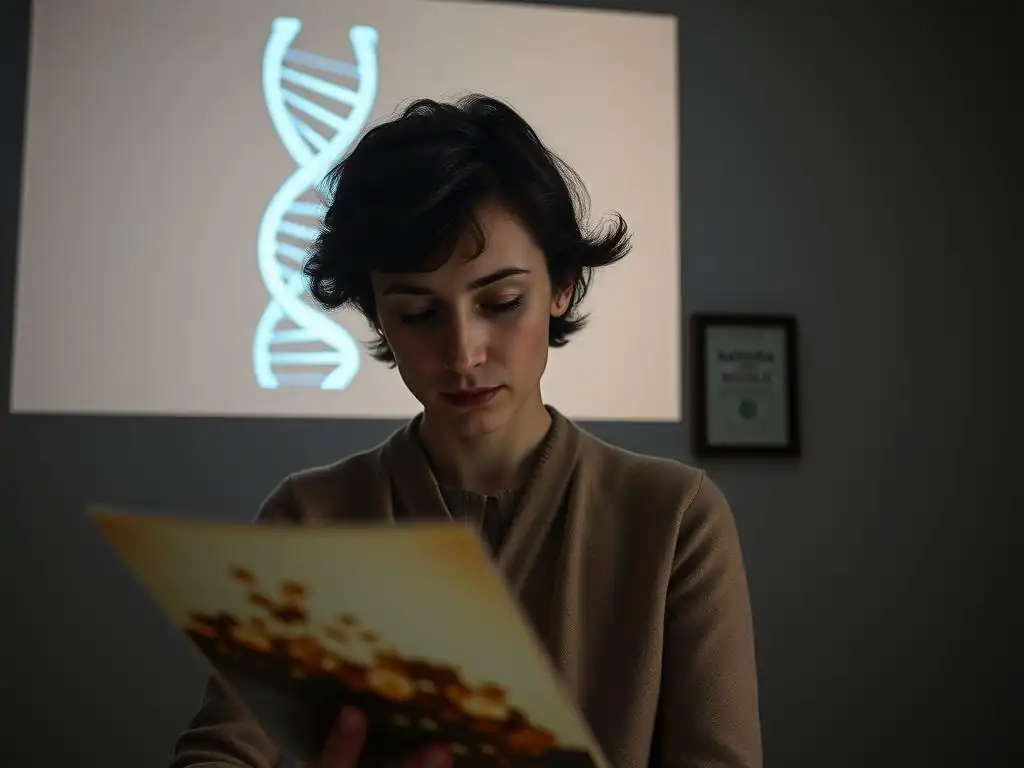
The period between 1950 and 2000 was a golden age for molecular biology and genetics, and women biologists were at the forefront of many pivotal discoveries. Beyond the foundational work of Rosalind Franklin and Barbara McClintock, other female scientists made profound contributions. For instance, Christiane Nüsslein-Volhard's systematic genetic screens in Drosophila melanogaster (fruit flies) in the 1980s identified genes controlling early embryonic development. Her meticulous approach led to the discovery of highly conserved genes that govern the body plan of all animals, profoundly shaping developmental biology and earning her a Nobel Prize in 1995.
Furthermore, women contributed significantly to the burgeoning fields of recombinant DNA technology and gene sequencing. While specific individual breakthroughs in these areas might be attributed to larger teams, female researchers played integral roles in laboratories worldwide, contributing to the methodologies and applications that revolutionized biotechnology and medicine. Their efforts were crucial in advancing our understanding of gene function and manipulation, solidifying the impact of women biologists 1950-2000 in shaping modern genetics.
Contributions to Ecology and Conservation
Women biologists also made indelible marks in ecology and conservation, fundamentally altering our understanding of ecosystems and inspiring global environmental movements. Rachel Carson's seminal book, "Silent Spring," published in 1962, meticulously documented the devastating effects of pesticides like DDT on the environment and human health. While primarily a writer, her work was rooted in rigorous scientific research and analysis, effectively translating complex ecological principles into a compelling narrative that ignited the modern environmental movement and led to significant policy changes, including the eventual ban of DDT in the United States.
Alongside Jane Goodall, other pioneering primatologists like Dian Fossey (gorillas) and Birutė Galdikas (orangutans) conducted unprecedented long-term studies of great apes in their natural habitats. Their immersive research provided invaluable insights into primate behavior, social structures, and conservation needs. These women, often working in challenging and remote conditions, not only expanded the field of primatology but also became passionate advocates for species conservation, demonstrating the multifaceted contributions of women biologists 1950-2000 to understanding and protecting our planet.
Impact on Public Health and Medicine
The contributions of women biologists to public health and medicine during this period were equally transformative. Gertrude B. Elion, a pharmacologist, made groundbreaking contributions to drug development, though her work spanned earlier years, her significant discoveries continued to impact medicine well into this era. Her team at Burroughs Wellcome developed revolutionary drugs, including acyclovir for herpes infections and azathioprine, a crucial immunosuppressant used in organ transplants. Her innovative approach to drug design, based on understanding biochemical pathways, earned her a Nobel Prize in 1988.
Beyond specific drug discoveries, countless women biologists worked in public health laboratories, hospitals, and research institutions, contributing to the understanding of infectious diseases, vaccine development, and diagnostic tools. Their work, often behind the scenes, was vital in improving public health outcomes, from identifying pathogens to developing screening methods for genetic conditions. These unsung heroes were integral to advancing medical science and public health, showcasing the diverse and critical roles of women biologists 1950-2000 in improving human well-being.
The Impact of Mentorship and Support Networks on Women Biologists' Careers
The Role of Female Role Models and Mentors
For women embarking on careers in biological sciences during this era, the presence of female role models and mentors, though scarce, was profoundly impactful. Seeing successful women in scientific roles, even in small numbers, provided tangible proof that such careers were attainable despite the prevailing challenges. These role models often served as informal mentors, offering guidance, sharing experiences, and providing encouragement that was vital for navigating male-dominated environments.
While formal mentorship programs were rare, individual senior women in academia or industry often took younger female students or researchers under their wing. This mentorship could range from advising on research projects to offering practical strategies for balancing work and personal life, or even advocating on their behalf for opportunities. For instance, some of the pioneering women professors at institutions like MIT or Stanford, though few, quietly championed their female students, helping them overcome academic hurdles and build confidence, which was crucial for the development of many women biologists' 1950-2000 careers.
Building Communities of Support for Women in Science
As more women entered scientific fields, albeit slowly, the need for community and mutual support became evident. This period saw the gradual emergence of informal networks and, later, more structured communities designed to support women in science. These gatherings, whether small discussion groups or larger professional meetings, provided safe spaces for women to share their experiences, discuss challenges, and strategize ways to overcome obstacles like gender bias and lack of recognition.
These networks were invaluable for fostering a sense of belonging and solidarity among women biologists. They facilitated collaborations, shared resources, and offered emotional support in environments that could often feel isolating. By connecting with peers facing similar struggles, women gained confidence and a collective voice, which was essential for advocating for greater equity and inclusion in scientific institutions.
Organizations Supporting Women in Biological Sciences
Towards the latter part of the 20th century, the growing awareness of gender disparities in STEM prompted professional organizations to begin addressing the issue. While dedicated "Women in Biology" organizations were less common, broader scientific societies started establishing committees or initiatives focused on promoting diversity and inclusion. For example, the American Society for Cell Biology (ASCB) and the American Association for the Advancement of Science (AAAS) began to implement programs aimed at supporting and advancing women in the biological sciences.
These organizations provided platforms for discussion, published reports on gender equity, and sometimes offered career development workshops tailored for women. Though progress was slow, the emergence of institutional support, however nascent, signaled a shift towards a more proactive approach in addressing the systemic barriers faced by women biologists. These efforts were foundational in creating a more equitable landscape for future generations of female scientists and validating the importance of women biologists' 1950-2000 careers.
Legacy and Inspiration: The Continuing Impact of Women Biologists (1950-2000)
Inspiring Future Generations of Female Scientists
The pioneering women biologists of the 1950-2000 era left an enduring legacy that continues to inspire future generations of female scientists. Their resilience, intellectual brilliance, and groundbreaking discoveries demonstrated that a career in science was not only possible but also deeply rewarding, despite the significant odds. By breaking barriers and achieving scientific excellence, they provided tangible role models for young women considering STEM fields.
The visibility of their achievements, albeit often belatedly recognized, played a crucial role in shifting perceptions about women's capabilities in science. This inspiration translated into tangible results: by the late 1990s, the enrollment of women in biology undergraduate programs in many Western countries had significantly increased, often approaching or even reaching 50%, a stark contrast to the low numbers seen in the 1950s. This surge was a direct testament to the paths forged by these earlier women biologists.
The Ongoing Fight for Gender Equality in STEM Fields
While the period between 1950 and 2000 saw substantial progress for women in biology, it also laid bare the persistent challenges of gender inequality in STEM fields. The experiences of these pioneering women highlighted systemic issues such as implicit bias, salary disparities, and underrepresentation in leadership, which continue to be subjects of ongoing advocacy. Their struggles and triumphs provided crucial data and narratives that fueled continued efforts for equitable pay, fair promotion practices, and increased representation at all levels of scientific endeavor.
The legacy of these women biologists ensures that discussions around diversity, equity, and inclusion remain central to the scientific community. Their careers demonstrated that talent knows no gender, reinforcing the imperative to dismantle remaining barriers and foster truly inclusive scientific environments. The fight for gender equality in STEM is an ongoing journey, significantly informed and propelled by the experiences of the women biologists 1950-2000.
Celebrating the Achievements of Women Biologists
It is essential to continually celebrate the achievements of women biologists from this pivotal era. Their contributions were not merely incremental but often revolutionary, fundamentally advancing our understanding of life itself. From unraveling the double helix to discovering jumping genes, and from understanding nerve growth to revolutionizing primatology, their impact spans the breadth of biological science.
By documenting and highlighting their stories, we ensure that their resilience, intellect, and profound impact are integrated fully into the historical narrative of science, rather than being relegated to footnotes. Celebrating these women biologists is not just about historical accuracy; it is about inspiring current and future generations, reinforcing the message that scientific excellence is enriched by diversity, and acknowledging the foundational role that women biologists 1950-2000 played in shaping the world we know today.
Conclusion: A Testament to Resilience and Scientific Excellence
Women's Contributions to Biology: A Lasting Impact
The period from 1950 to 2000 represents a transformative era for women in biological sciences. Despite facing formidable societal and institutional barriers, women biologists not only entered a historically male-dominated field but also made profound and lasting contributions that reshaped our understanding of life. Their work, ranging from the molecular intricacies of DNA and genetics to the ecological complexities of animal behavior and environmental health, laid much of the groundwork for modern biological research and medical practice. Their resilience, intellectual rigor, and unwavering commitment to scientific inquiry are a testament to their exceptional capabilities.
The impact of these women extends far beyond their individual discoveries. They opened doors, challenged norms, and inspired countless others to pursue scientific careers, fundamentally altering the demographic landscape of biology. Their collective efforts ensured that the field became more inclusive and representative, proving that diversity enriches scientific progress. The careers of women biologists 1950-2000 serve as a powerful reminder of the untapped potential that was, and sometimes still is, overlooked due to gender bias.
The Future of Women in Biological Sciences
Looking forward, the legacy of these pioneering women provides both a foundation and a roadmap for the future of women in biological sciences. While significant strides have been made, challenges such as persistent biases, work-life integration issues, and underrepresentation in top leadership roles still exist. The stories of women biologists from 1950-2000 underscore the importance of continued advocacy, mentorship, and institutional support to foster a truly equitable and inclusive scientific environment.
The future of biological sciences is bright, and it is increasingly diverse. By celebrating the achievements of those who came before and actively working to dismantle remaining barriers, we can ensure that future generations of women biologists have every opportunity to contribute their unique talents and perspectives to the grand pursuit of scientific knowledge. Their ongoing contributions are essential for addressing the complex biological challenges facing humanity, from disease eradication to environmental sustainability.
Frequently Asked Questions
What were some of the major obstacles women biologists faced between 1950 and 2000?
Women biologists often encountered gender bias in hiring and promotion, limited access to funding and resources, and societal expectations that prioritized family over career.
How did the Civil Rights Movement and the rise of second-wave feminism impact the careers of women biologists?
These movements brought increased awareness of gender inequality and helped create policies promoting equal opportunity, although progress was still gradual.
Can you name a few prominent women biologists who made significant contributions between 1950 and 2000?
Yes, examples include Rosalind Franklin, whose work was crucial to understanding DNA structure, and Lynn Margulis, known for her endosymbiotic theory.
What types of biological fields did women excel in during this period?
Women made significant contributions across various areas, including genetics, ecology, developmental biology, and molecular biology, often pioneering new research directions.
Where can I find more information about the lives and work of women biologists from 1950-2000?
Resources like WomenInScienceHistory.com offer biographies, articles, and discussions highlighting the careers and challenges faced by these pioneering scientists.
Final Reflection: Enduring Legacy of Scientific Pioneers
The stories of these women biologists from 1950 to 2000 resonate deeply today, not just as historical accounts, but as blueprints for ongoing progress. Their struggles and triumphs in navigating a male-dominated field serve as a potent reminder that the fight for equity in science is far from over, and their contributions continue to shape the landscape of biological research.
The impact of these pioneering women extends far beyond their individual discoveries. Their perseverance and resilience paved the way for future generations of female scientists, fostering a more inclusive and diverse scientific community. You can waste your lives drawing lines. Or you can live your life crossing them.
- Shonda Rhimes. This quote encapsulates the spirit of these women, who dared to cross the lines drawn by societal expectations and forge their own paths in science.
As we reflect on their journeys, let us be inspired to continue their work. Let us actively champion diversity and inclusion in STEM fields, ensuring that future generations of women have the opportunity to pursue their scientific passions without facing the same barriers. Let us honor their legacy by building a scientific community where talent, not gender, determines success.
Ignite Your Inner Scientist: Champion Women in Biology!
Thank you for delving into the inspiring journeys of women biologists who defied expectations and shaped the scientific landscape. Now, it's your turn to continue their legacy.
Here's how you can take action:
- Become a Women in Science History advocate: Share this article with at least three people who would be inspired by these stories. Let's amplify their voices and ensure their contributions are never forgotten!
- Explore further: Research a contemporary woman biologist and write a short blog post on WomenInScienceHistory.com about her impact. Let's expand our knowledge base together!
- Ignite Curiosity: Discuss the challenges these women faced with students or young people you know. Organize a small group discussion to consider how can we improve career opportunities in STEM.
What's one small step you can take today to create a more equitable future for women in science?