
The Antarctic Pioneers: Women Scientists Breaking Ice Ceilings in Polar Research (19502000)

Welcome to WomenInScienceHistory.com!
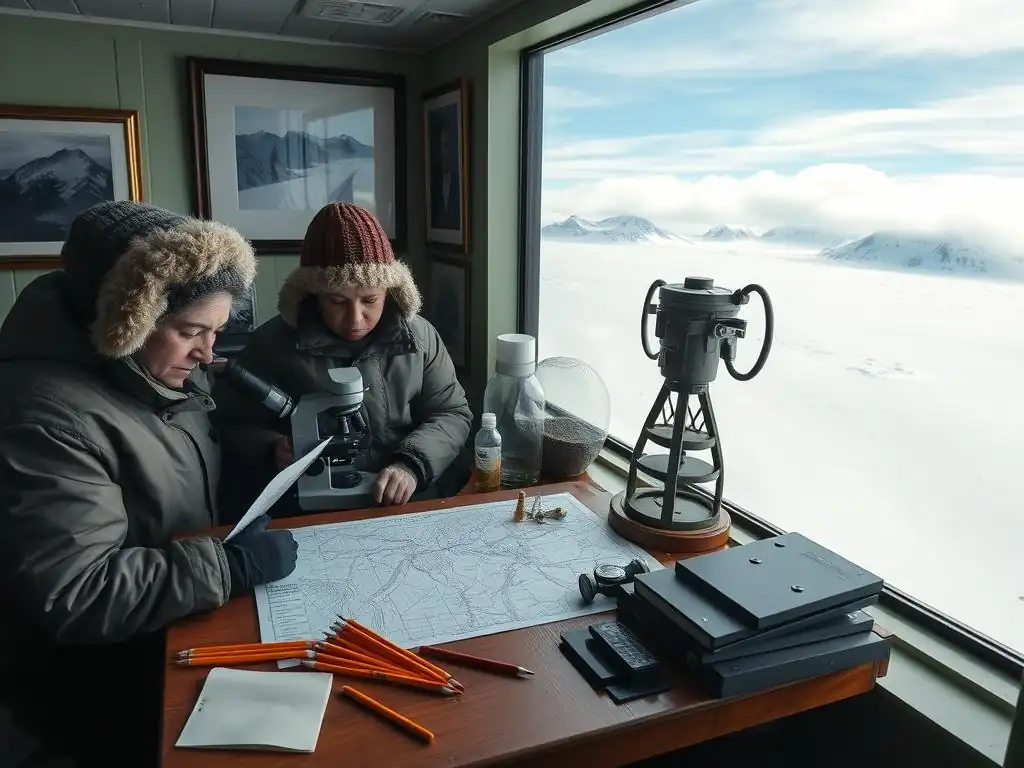
Prepare to be inspired by the untold stories of extraordinary women who braved the icy landscapes of the Antarctic to push the boundaries of scientific understanding. This article delves into the remarkable contributions of women scientists in Antarctic research history between 1950 and 2000, revealing their groundbreaking discoveries and the formidable obstacles they overcame in the process. What secrets did the frozen continent hold, and how did these pioneering women unlock them? Discover the answers and much more within!
- Introduction: Unveiling the History of Women Scientists in Antarctic Research
- Early Explorations: Pioneering Women in Antarctic Science Before 1970
- The Rise of Women in Antarctic Research: 1970-1990
- Notable Women Scientists in Antarctic Research (1950-2000): A Biographical Overview
- Impact and Legacy: The Influence of Women Scientists on Antarctic Policy and Conservation
- The Future of Women in Antarctic Research: Continuing the Legacy
- Conclusion: Celebrating the Enduring Contributions of Women Scientists to Antarctic Knowledge
-
Frequently Asked Questions
- What specific historical period does the article "The Antarctic Pioneers" focus on?
- What challenges did women scientists face in Antarctic research historically?
- What kinds of scientific fields did women contribute to in Antarctic research during this period?
- Why is it important to highlight the history of women scientists in Antarctic research?
- How does "WomenInScienceHistory.com" aim to promote the stories of women scientists?
- Final Reflection: Echoes of Courage in a Frozen Land
- Ignite Your Inner Explorer: Discover the Antarctic Legacy!
Introduction: Unveiling the History of Women Scientists in Antarctic Research
Highlighting the Overlooked Contributions of Female Scientists in Polar Exploration
For much of the 20th century, the frozen expanse of Antarctica remained a frontier largely explored and dominated by men. Scientific expeditions to this remote continent were arduous, dangerous, and often viewed as unsuitable for women, leading to decades where the contributions of female researchers were either entirely absent or significantly marginalized.
Despite these formidable barriers, a determined cohort of women scientists Antarctic research history began to carve out their place, pushing against societal norms and institutional resistance to conduct groundbreaking work in one of the planet's most extreme environments. Their pioneering efforts not only expanded our understanding of the Antarctic ecosystem but also paved the way for future generations of women in polar science.
These early female trailblazers faced immense scrutiny and skepticism, often having to prove their capabilities far beyond what was expected of their male counterparts. Their presence on research vessels and at remote stations marked a significant shift, challenging long-held prejudices and demonstrating that scientific aptitude knew no gender. The stories of these women reveal not just their scientific acumen but also their extraordinary resilience and dedication, ensuring that their vital contributions to glaciology, marine biology, atmospheric science, and other fields are finally recognized as integral to the rich tapestry of Antarctic exploration.
The Context: Mid-Late 20th Century Environmental Science and Gender Barriers
The mid-to-late 20th century witnessed a significant growth in environmental science, driven by increasing awareness of human impact on the planet and the advent of new research technologies. Antarctica, with its pristine environment and critical role in global climate systems, became a focal point for studies ranging from ozone depletion to ice sheet dynamics. However, this era was also characterized by deep-seated gender inequalities within scientific institutions, where women were often relegated to supportive roles or excluded from fieldwork altogether. Field-based sciences, particularly those requiring remote or arduous conditions, were considered especially male-dominated.
Access to Antarctic research was heavily restricted for women; for instance, the United States Antarctic Program officially prohibited women from overwintering at its stations until the late 1960s, and even then, their integration was slow and fraught with challenges. Many national programs maintained similar "no women" policies, citing reasons from lack of facilities to perceived safety concerns, which effectively barred talented female scientists from participating in crucial expeditions. This systemic exclusion meant that while environmental science was burgeoning, a significant portion of the scientific talent pool was prevented from contributing to the critical understanding of Earth's most southern continent.
Early Explorations: Pioneering Women in Antarctic Science Before 1970
The First Female Researchers: Marie Darby and Her Pioneering Work in Antarctic Marine Biology
While a few women had visited Antarctica in non-scientific capacities before the late 1960s, the official inclusion of women in scientific expeditions to the Antarctic continent was a watershed moment. One of the most notable figures in this early period was Marie Darby, a New Zealand marine biologist.
In the 1969-1970 austral summer, Marie Darby became the first woman to officially join a scientific expedition that landed on the Antarctic mainland, specifically at McMurdo Station, as part of a New Zealand scientific contingent. Her participation was a direct result of changing policies and a growing recognition of the need for diverse scientific expertise.
Darby’s research focused on ichthyology, the study of fish, within the rich marine ecosystems surrounding Antarctica. She meticulously collected and analyzed fish specimens, contributing significantly to the understanding of Antarctic marine biodiversity at a time when much was still unknown about these unique species adapted to extreme cold. Her presence not only advanced marine biology but also served as a powerful symbol, demonstrating that women were capable of enduring the rigors of Antarctic fieldwork and contributing equally to scientific discovery. Her journey set a crucial precedent for future women scientists Antarctic research history.
Overcoming Initial Obstacles: Securing Funding and Access to Antarctic Research
For women aspiring to conduct research in Antarctica before the 1970s, securing access was an uphill battle. National Antarctic programs, largely run by military or naval organizations, often had explicit rules or strong informal biases against female participation, citing logistical challenges such as a lack of separate accommodation or the perceived need to maintain a "masculine" expedition environment. This meant that even highly qualified female scientists found it nearly impossible to obtain the necessary funding or berths on research vessels. Many had to rely on unconventional opportunities or non-official capacities to even get close to the continent.
Some pioneering women managed to bypass these restrictions by joining private expeditions, working for non-governmental organizations, or leveraging personal connections. For instance, some women gained access as journalists, artists, or even as wives of expedition members, before slowly transitioning into scientific roles once on the continent. The sheer determination required to overcome these institutional and societal barriers underscored the deep passion these women had for polar science. Their persistence eventually led to a gradual relaxation of "men-only" policies, opening the door for the more significant influx of female researchers in the subsequent decades.
The Rise of Women in Antarctic Research: 1970-1990
Expanding Roles: From Support Staff to Lead Researchers in Antarctic Expeditions
The 1970s marked a pivotal shift in the presence of women in Antarctic science. Following the initial breakthroughs, national programs began to grudgingly allow more female participation, albeit often in limited numbers and initially in roles that were still perceived as less physically demanding or more "suitable" for women, such as laboratory work or data analysis.
However, as more women gained access, their competence and dedication quickly became undeniable, leading to a rapid expansion of their roles. By the 1980s, it was no longer uncommon to find women not just as members of research teams but increasingly as principal investigators, leading their own scientific projects.
This period saw women taking on diverse responsibilities, from navigating treacherous ice fields to operating complex scientific instruments in sub-zero temperatures. The transition from supportive roles to leadership positions was a testament to their scientific expertise and resilience, challenging long-held stereotypes about women's capabilities in extreme environments. Their growing presence normalized the idea of women scientists Antarctic research history, demonstrating that gender was irrelevant to scientific prowess and endurance in the field.
Landmark Studies: Women's Contributions to Antarctic Ecology and Climate Science
The 1970s and 1980s were a period of significant scientific discovery in Antarctica, and women played crucial roles in several landmark studies that reshaped our understanding of the continent's ecology and its influence on global climate. Their contributions spanned various disciplines, providing vital data and insights that informed international environmental policy and conservation efforts.
Marine Biology and Krill Studies
Women marine biologists made substantial contributions to understanding the delicate Antarctic marine ecosystem, particularly focusing on krill, the small crustaceans that form the base of the Antarctic food web. Researchers like Dr. Valerie Loeb, who conducted extensive studies on krill populations in the late 1970s and 1980s, provided critical data on their distribution, abundance, and life cycles. Her work, alongside that of other female scientists, was instrumental in understanding the dynamics of this key species and its vulnerability to climate change and commercial fishing. These studies directly informed international conservation efforts and the management of Antarctic marine living resources.
These detailed investigations into krill biology were vital for assessing the health of the broader ecosystem, which relies heavily on krill as a food source for whales, seals, penguins, and seabirds. The meticulous data collected by these women scientists Antarctic research history highlighted the interconnectedness of Antarctic life and underscored the potential cascading effects of environmental changes or overfishing. Their findings were crucial for advocating for sustainable practices and the establishment of protected areas.
Glaciology and Ice Core Analysis
In the field of glaciology, women made significant strides, particularly in the groundbreaking area of ice core analysis, which provides invaluable paleoclimate data stretching back hundreds of thousands of years. Dr. Ellen Mosley-Thompson, a leading glaciologist, began her pioneering work in the 1970s, contributing to the development of techniques for extracting and analyzing ice cores from the Antarctic ice sheet. Her research involved meticulously studying trapped air bubbles and impurities within the ice, which revealed historical atmospheric compositions, temperature records, and evidence of past climate events.
Dr. Mosley-Thompson’s work, often conducted in incredibly challenging conditions at remote ice camps, was instrumental in establishing long-term climate records that demonstrated clear links between greenhouse gas concentrations and global temperatures. These findings provided compelling evidence for anthropogenic climate change, influencing global scientific consensus and policy discussions. The precision and dedication required for such work highlighted the profound impact of women scientists Antarctic research history on our understanding of Earth's climate system.
Battling Gender Bias: Challenges Faced by Female Scientists in the Field
Despite their increasing presence and undeniable scientific contributions, women in Antarctic research during this period continued to face significant gender bias and discrimination. Overt sexism, while diminishing, still existed, often manifesting as skepticism about their physical endurance or intellectual capabilities in a traditionally male-dominated environment. Women frequently encountered microaggressions, condescending attitudes, and unequal access to resources or opportunities compared to their male colleagues.
Beyond direct discrimination, female scientists also grappled with subtle institutional biases. They often had to work harder to gain recognition, secure promotions, or be appointed to leadership roles. The isolated and close-knit nature of Antarctic stations could also amplify social challenges, where a lack of diverse perspectives or understanding could lead to feelings of alienation. Despite these persistent obstacles, the resilience and camaraderie among these pioneering women scientists Antarctic research history allowed them to persevere, build support networks, and gradually dismantle the entrenched prejudices within the polar scientific community.
Notable Women Scientists in Antarctic Research (1950-2000): A Biographical Overview
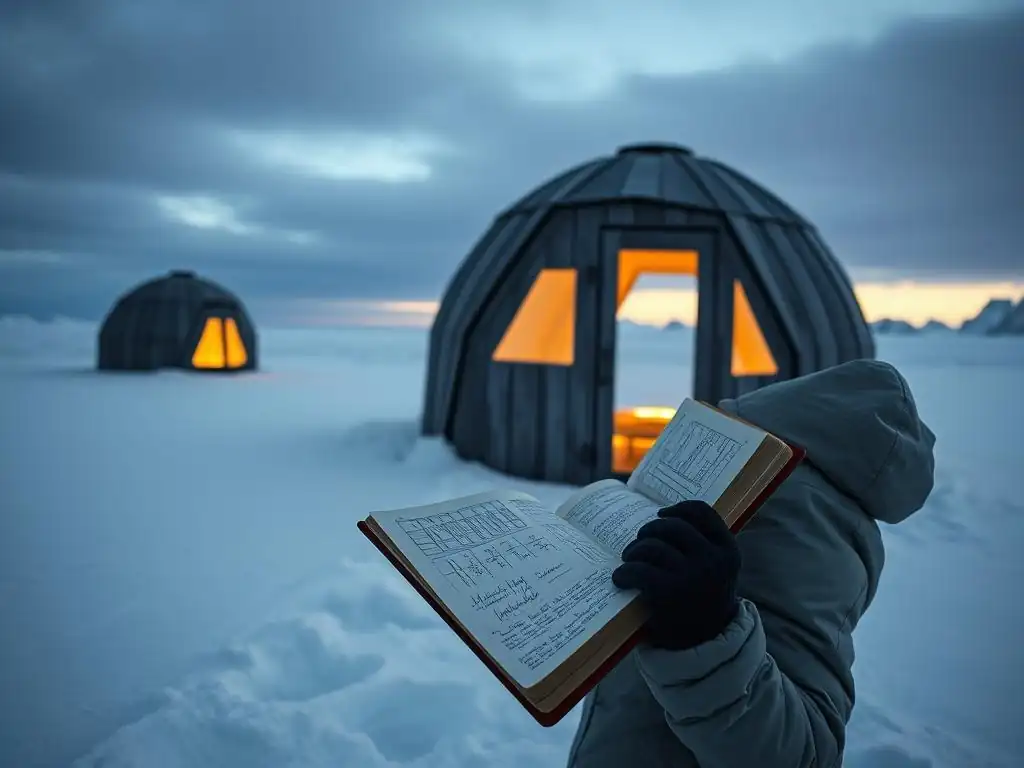
Catherine Ritz: Contributions to Antarctic Glaciology and Climate Modeling
Dr. Catherine Ritz, a highly distinguished French glaciologist, made profound contributions to Antarctic science from the 1980s onwards, particularly in the field of ice sheet modeling and glaciology. Her work has been pivotal in understanding the dynamics of the Antarctic ice sheet and its response to climate change. Ritz developed sophisticated numerical models that simulate ice flow, crucial for predicting future sea-level rise scenarios. Her research, often based on data collected from various Antarctic expeditions, provided critical insights into the stability of the West Antarctic Ice Sheet and the potential for rapid ice loss.
Dr. Ritz's scientific rigor and leadership in glaciology have been recognized internationally, including her significant involvement with the Intergovernmental Panel on Climate Change (IPCC), where her expertise on polar ice sheets directly informed global climate assessments. Her work underscored the urgency of addressing climate change by quantifying the potential impact of Antarctic ice melt on global sea levels. Through her meticulous research and leadership, Dr. Ritz exemplified the significant impact of women scientists Antarctic research history on informing global environmental policy.
Jill Micklem: Pioneering Work in Antarctic Microbiology and Adaptation
Dr. Jill Micklem, a British microbiologist, made significant contributions to the nascent field of Antarctic microbiology during the 1980s. Her research focused on understanding how microbial life thrives in the extreme conditions of Antarctica, from the frigid waters of the Southern Ocean to the frozen soils of the continent. Micklem explored the unique metabolic strategies and biochemical adaptations that allow bacteria and other microorganisms to survive and flourish in sub-zero temperatures, high salinity, and limited nutrient availability.
Her work provided foundational knowledge about the biodiversity and ecological roles of Antarctic microbes, which are crucial for nutrient cycling in these cold environments. Dr. Micklem's investigations helped to reveal the incredible resilience of life in extreme conditions, opening up new avenues for bioprospecting and understanding the limits of life on Earth. Her detailed studies contributed significantly to the understanding of extremophiles and the unique microbial ecosystems of the Antarctic, enriching the women scientists Antarctic research history.
Diana Wall: Her Role in Advancing Antarctic Soil Ecology and Nematode Research
Dr. Diana Wall is an internationally renowned American soil ecologist whose groundbreaking work in Antarctica, beginning in the late 1980s, revolutionized our understanding of polar soil ecosystems. Focusing primarily on the dry valleys of Antarctica, one of Earth's most extreme deserts, Dr. Wall meticulously studied the microscopic life forms, particularly nematodes (roundworms), that inhabit these seemingly barren soils. Her research demonstrated that these tiny organisms play crucial roles in nutrient cycling and energy flow, despite the harsh conditions.
Dr. Wall's long-term ecological research in the Antarctic Dry Valleys provided invaluable insights into how these simple food webs respond to environmental changes, including subtle shifts in temperature and moisture. Her findings have been instrumental in understanding the potential impacts of climate change on fragile polar ecosystems and have informed conservation strategies for these unique environments. Dr. Wall's sustained dedication and leadership have made her a towering figure in Antarctic soil ecology, profoundly shaping women scientists Antarctic research history and inspiring countless others.
Impact and Legacy: The Influence of Women Scientists on Antarctic Policy and Conservation
Shaping Environmental Regulations: The Role of Female Scientists in Protecting Antarctica
The scientific findings generated by women scientists Antarctic research history have played a critical role in shaping international environmental regulations and conservation policies for the continent. Their detailed studies on marine ecosystems, ice sheet dynamics, and terrestrial biodiversity provided the empirical evidence necessary to highlight the fragility of Antarctica and the urgent need for its protection. For example, research on krill populations and their vulnerability directly contributed to the establishment of the Convention on the Conservation of Antarctic Marine Living Resources (CCAMLR), which aims to manage fisheries sustainably and protect the broader ecosystem.
Furthermore, the work of female glaciologists and climate scientists provided irrefutable data on the impacts of climate change, influencing the global discourse on environmental protection and underscoring the importance of the Antarctic Treaty System. Their collective voice, often amplified through participation in international scientific committees and advisory bodies, helped to advocate for stronger environmental protocols, such as the Protocol on Environmental Protection to the Antarctic Treaty (Madrid Protocol), which designates Antarctica as a natural reserve, devoted to peace and science.
Inspiring Future Generations: The Impact of Female Role Models in Polar Science
The visible success and perseverance of pioneering women scientists Antarctic research history had a profound ripple effect, inspiring countless young women to pursue careers in polar science and other STEM fields. By demonstrating that women could not only survive but also excel in the demanding conditions of Antarctic fieldwork, these trailblazers dismantled long-standing stereotypes and opened up new possibilities. Their stories, often shared through publications, lectures, and mentorship, provided tangible role models at a time when female representation in senior scientific positions was still scarce.
The increasing number of women entering Antarctic research in the latter part of the 20th century is a direct testament to the impact of these early pioneers. Their legacy extends beyond their individual scientific discoveries; it lies in the cultural shift they helped to initiate, fostering a more inclusive and equitable scientific community. This inspiration has been crucial in diversifying the talent pool in polar science, ensuring that a broader range of perspectives contributes to critical research on the planet's most sensitive regions.
The Future of Women in Antarctic Research: Continuing the Legacy
Addressing Ongoing Challenges: Promoting Diversity and Inclusion in Polar Science
While significant progress has been made, women in Antarctic research still face ongoing challenges, albeit often more subtle than the outright prohibitions of earlier decades. Issues such as unconscious bias, disparities in leadership representation, and difficulties in balancing career and family responsibilities persist within polar science. Studies indicate that women are still underrepresented in senior academic and leadership positions, and they may encounter challenges in accessing certain types of fieldwork or equipment.
Addressing these challenges requires continued commitment to promoting diversity, equity, and inclusion within national Antarctic programs and international scientific organizations. Initiatives focusing on mentorship programs, leadership training for women, and explicit policies against harassment and discrimination are crucial. Fostering a truly inclusive environment ensures that all talented scientists, regardless of gender, have equal opportunities to contribute their expertise to critical Antarctic research, building upon the legacy of the women scientists Antarctic research history.
Emerging Research Areas: Opportunities for Women Scientists in 21st Century Antarctic Studies
The 21st century presents exciting new frontiers in Antarctic research, offering ample opportunities for women scientists to lead and innovate. Emerging fields such as molecular biology and genomics are revealing the intricate adaptations of Antarctic life at a genetic level, while advanced remote sensing technologies are providing unprecedented insights into ice sheet dynamics and sea-level change. Interdisciplinary research, integrating climate science, oceanography, and social sciences, is also gaining prominence, offering complex challenges that benefit from diverse perspectives.
Women scientists are at the forefront of these new developments, exploring areas like the biodiversity of subglacial lakes, the impact of microplastics on marine ecosystems, and the intricate connections between polar regions and global climate patterns. The evolving nature of Antarctic science, with its increasing reliance on technology and interdisciplinary collaboration, provides a dynamic environment for women to excel. By continuing to break new ground, female researchers are poised to significantly shape the future of Antarctic knowledge and conservation.
Conclusion: Celebrating the Enduring Contributions of Women Scientists to Antarctic Knowledge
Acknowledging the Trailblazers: Recognizing the Impact of Women in Polar Exploration History
The journey of women scientists Antarctic research history is a compelling narrative of perseverance, scientific brilliance, and quiet revolution. From the initial few who defied long-standing prohibitions to the growing number leading expeditions and major research initiatives today, their contributions have been foundational to our understanding of the Antarctic continent. These trailblazers did not merely participate; they pioneered new fields, developed innovative methodologies, and provided critical data that informed global environmental policy. Their courage in the face of daunting physical and social challenges opened doors and shattered stereotypes, proving that intellect and determination transcend gender.
Their legacy is etched not only in scientific journals and climate models but also in the very fabric of the polar research community, which has become more inclusive and representative thanks to their efforts. Recognizing their profound impact is essential to fully appreciate the rich and complex history of Antarctic exploration and scientific discovery.
The Ongoing Quest: Encouraging Future Female Leadership in Antarctic Science and Research
The quest for a truly equitable and diverse scientific community in Antarctica continues. While significant strides have been made, fostering future female leadership in polar science remains a vital endeavor. This involves actively encouraging young women to pursue STEM careers, providing robust mentorship and support networks, and ensuring that institutional structures are free from bias. As the challenges facing Antarctica—from climate change to biodiversity loss—become increasingly complex, the need for diverse perspectives and innovative solutions from all scientists, regardless of gender, is more critical than ever.
By celebrating the enduring contributions of the pioneers and actively supporting the next generation, we ensure that the legacy of women scientists Antarctic research history continues to inspire, innovate, and lead the way in protecting this unique and vital continent for generations to come. The future of Antarctic science hinges on embracing the full spectrum of human talent and dedication.
Frequently Asked Questions
What specific historical period does the article "The Antarctic Pioneers" focus on?
The article primarily focuses on the period between 1950 and 2000, highlighting the contributions of women scientists to Antarctic research during that time. This era saw increased opportunities, though challenges remained.
What challenges did women scientists face in Antarctic research historically?
Women scientists often faced gender bias, limited access to resources and funding, and societal expectations that hindered their professional advancement in the male-dominated field of Antarctic research.
What kinds of scientific fields did women contribute to in Antarctic research during this period?
Women contributed to diverse fields, including geology, biology, meteorology, and oceanography while conducting crucial Antarctic research. Their work expanded our understanding of the polar environment.
Why is it important to highlight the history of women scientists in Antarctic research?
Highlighting their history corrects historical omissions, inspires future generations of women in STEM, and showcases the significant contributions made by women in Antarctic research.
How does "WomenInScienceHistory.com" aim to promote the stories of women scientists?
"WomenInScienceHistory.com" aims to inspire future generations by featuring biographies, discussing groundbreaking work, and shedding light on the challenges faced by women scientists.
Final Reflection: Echoes of Courage in a Frozen Land
The stories of the Antarctic pioneers, the women scientists who dared to venture into the icy unknown between 1950 and 2000, are not just historical accounts; they are living testaments to resilience and the unwavering pursuit of knowledge. Their struggles and triumphs resonate profoundly today, reminding us that breaking barriers, whether physical or societal, requires both courage and unwavering dedication. Their legacy continues to inspire a new generation of researchers, proving that the pursuit of scientific understanding knows no gender.
The impact of these women extends far beyond the scientific data they collected. They fundamentally reshaped the landscape of polar research, proving that women are not only capable but essential to unlocking the secrets of our planet. Their presence challenged deeply ingrained societal norms and paved the way for greater inclusivity in STEM fields. The only way to do great work is to love what you do.
- Steve Jobs. This quote, though not directly about Antarctic research, perfectly encapsulates the passion that drove these women to overcome immense obstacles and leave an indelible mark on history.
As we reflect on the extraordinary contributions of these Antarctic pioneers, let us not only celebrate their achievements but also commit to continuing their work. Consider how you can support and encourage women in STEM, challenge biases, and create a more equitable and inclusive world for future generations of scientists. Let the echoes of their courage inspire you to pursue your own passions with unwavering determination, knowing that even the most formidable ice ceilings can be shattered with perseverance and a belief in the power of human potential.
Ignite Your Inner Explorer: Discover the Antarctic Legacy!
Thank you for joining us on this inspiring journey through the groundbreaking contributions of women scientists in Antarctic research. We hope you've gained a newfound appreciation for their resilience and pioneering spirit. Now, let's turn that inspiration into action:
- Dive deeper: Research one of the featured scientists and share her story with your network to amplify her legacy.
- Explore related fields: Investigate current opportunities for women in polar research and consider supporting relevant initiatives.
- Join the conversation: Share your own stories of overcoming challenges in STEM fields or tag a woman who inspires you!
What small step will you take today to honor these Antarctic pioneers and champion women in science?