
The Legacy of the "Seaweed Ladies": Victorian Women and Early Phycology

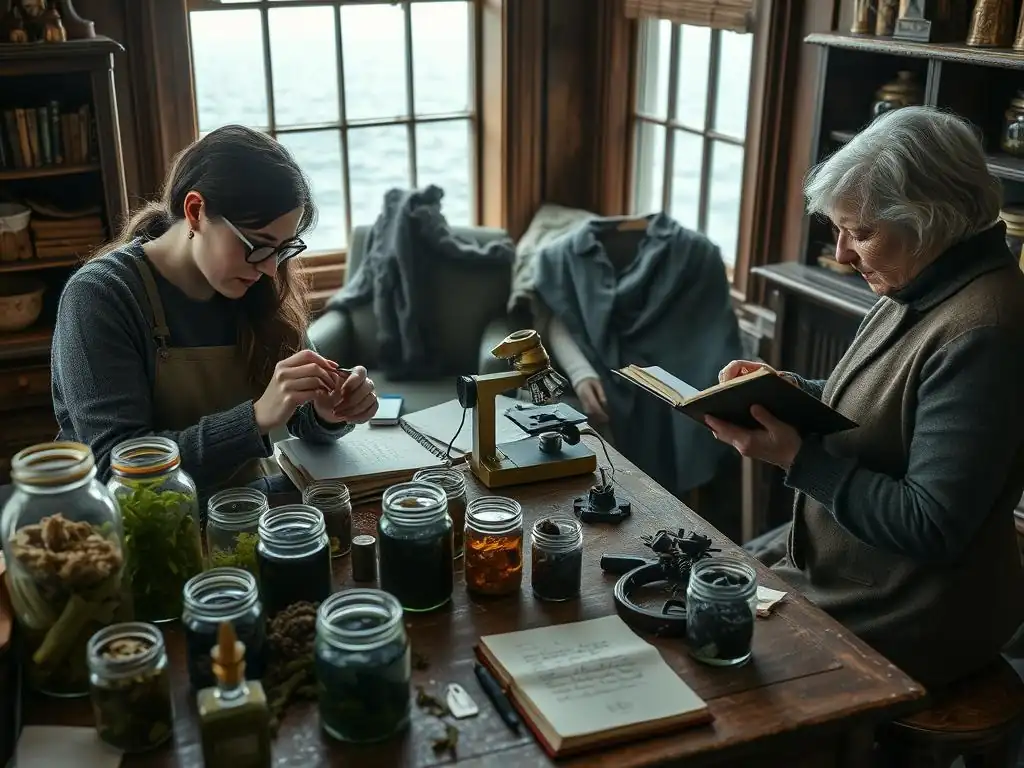
Welcome to WomenInScienceHistory.com!
Dive into the fascinating world of scientific discovery and uncover the untold stories of brilliant women who shaped our understanding of the universe. Today, we explore the often-overlooked contributions of Victorian women to early phycology research, revealing how these "Seaweed Ladies" defied societal expectations to make groundbreaking advancements. Curious to learn about their legacy and the challenges they faced? Keep reading to discover the remarkable impact of these pioneering women in the field of environmental science.
- Introduction: Unveiling Victorian Women's Contributions to Phycology
- The Rise of Phycology in the Victorian Era
- "Seaweed Ladies": Pioneers in Victorian Women Phycology Research
- Victorian Women's Methods and Contributions to Algal Research
- Challenges Faced by Victorian Women in Scientific Fields
- The Scientific Impact of Victorian Women's Phycological Work
- The Enduring Legacy of Victorian Women in Phycology
- Conclusion: Celebrating the "Seaweed Ladies" and Their Lasting Impact
-
Frequently Asked Questions
- What is "phycology" and why is it relevant to Victorian women?
- Why were Victorian women drawn to studying seaweed?
- What challenges did Victorian women face in pursuing phycology research?
- Can you name a famous Victorian woman involved in phycology research?
- How did the work of Victorian women in phycology impact modern science?
- Final Reflection: Echoes of the Shoreline
- Unveil Your Inner Explorer: Dive Deeper into the World of Seaweed!
Introduction: Unveiling Victorian Women's Contributions to Phycology
Women in Marine Biology: A Historical Overview
The narrative of marine biology, like many scientific disciplines, has historically been dominated by male figures. Yet, closer examination reveals a rich tapestry of contributions from women who, despite societal limitations and lack of formal recognition, played crucial roles in the nascent stages of understanding ocean life. From early naturalists who meticulously cataloged coastal flora and fauna to pioneering researchers, women's involvement in marine studies often began at the fringes of mainstream science, but their dedication laid important groundwork.
Their early efforts, often conducted independently or within informal networks, provided vital observational data and specimen collections that were indispensable for the developing field. These women were driven by an insatiable curiosity about the natural world, particularly the mysteries of the marine environment, which offered accessible avenues for scientific exploration even without institutional affiliation.
The Undervalued Role of Victorian Women in Science
During the Victorian era, societal norms largely confined women to the domestic sphere, making formal scientific pursuits a rare and often discouraged endeavor. Despite these formidable barriers, a significant number of women engaged in scientific activities, particularly in fields like botany, entomology, and natural history, which were deemed "suitable" for their perceived delicate nature. Their contributions, however, were frequently overlooked, uncredited, or attributed to male relatives.
This systemic undervaluation meant that much of the groundbreaking work performed by Victorian women, including substantial Victorian women phycology research, remained on the periphery of official scientific discourse. Their diligent observations, detailed illustrations, and extensive collections, while often published in popular science journals or privately circulated, rarely received the academic recognition they deserved, obscuring their true impact on scientific knowledge.
The Rise of Phycology in the Victorian Era
Defining Phycology: The Study of Algae
Phycology is the scientific study of algae, a diverse group of photosynthetic organisms ranging from microscopic single-celled forms to large seaweeds. This field encompasses the study of their morphology, physiology, ecology, reproduction, and classification. Algae are foundational to aquatic ecosystems, acting as primary producers and supporting complex food webs, making their understanding crucial for comprehending marine environments.
During the Victorian era, phycology began to emerge as a distinct branch of botany, fueled by an increasing fascination with natural history and advancements in microscopy. Early phycologists sought to classify and understand the vast array of algal forms found along coastlines and in freshwater habitats, moving beyond simple description to more systematic scientific inquiry.
Victorian Scientific Interests: Natural History and the Coastline
The Victorian era was characterized by an explosion of interest in natural history, driven by a combination of scientific curiosity, religious fervor, and the growing popularity of seaside holidays. Collecting specimens, from fossils and shells to ferns and seaweeds, became a widespread pastime for both amateurs and professionals. This enthusiasm was particularly pronounced along the British coastline, where the rich biodiversity of tidal pools and shores offered a readily accessible "natural laboratory."
The allure of the seaside, combined with the relative ease of collecting seaweed specimens during low tide, made phycology an appealing pursuit for many, including women. This accessibility, coupled with the aesthetic appeal of pressed seaweeds, made Victorian women phycology research a particularly suitable and popular scientific endeavor within acceptable social boundaries for women of the time.
"Seaweed Ladies": Pioneers in Victorian Women Phycology Research
Who Were the "Seaweed Ladies"? Identifying Key Figures
The term "Seaweed Ladies" affectionately refers to the numerous Victorian women who passionately dedicated themselves to the study and collection of marine algae. These were often educated women from middle to upper-class backgrounds who, despite lacking formal scientific training or institutional affiliations, became highly skilled amateur phycologists. Their ranks included notable figures such as Anna Atkins, Isabella Gifford, Margaret Gatty, and Mary Wyatt, among many others.
These women meticulously explored coastlines, meticulously collected specimens, and often produced highly accurate and beautifully illustrated works on algae. Their collective efforts significantly expanded the knowledge base of British and global algal flora, demonstrating a profound commitment to Victorian women phycology research that transcended the limitations imposed by their gender.
Margaret Gatty: A Pioneer in Popularizing Phycology
Margaret Gatty (1809–1873) stands out as one of the most influential "Seaweed Ladies" of her time. A prolific writer and naturalist, Gatty's magnum opus, British Sea-Weeds: An Introduction to the Study of the Marine Algae of Great Britain, Ireland, and the Channel Islands (1863), was a landmark publication. This comprehensive work, comprising two volumes with eighty hand-colored plates, became a standard reference for both amateur and professional phycologists for decades.
Gatty's contribution extended beyond mere classification; she made phycology accessible to a wider audience, including countless other women, through her engaging prose and meticulous descriptions. Her work not only cataloged species but also offered insights into their habitats and characteristics, significantly advancing Victorian women phycology research and inspiring a generation of naturalists to delve into the underwater world.
Victorian society, while progressive in some industrial and technological aspects, maintained strict gender roles that largely excluded women from formal scientific institutions and professions. However, natural history was often deemed an acceptable "lady's pursuit," allowing women to engage in scientific observation and collection without overtly challenging social conventions. This informal acceptance provided a crucial avenue for women to pursue intellectual curiosity.
Within this context, the study of phycology, which could be undertaken from home or during seaside excursions, became a particularly appealing and permissible scientific endeavor for women. The ability to combine artistic skill with scientific observation in creating pressed seaweed albums and detailed illustrations further integrated Victorian women phycology research into a socially acceptable framework, despite the informal nature of their scientific roles.
Victorian Women's Methods and Contributions to Algal Research
Collecting and Classifying Seaweed: Early Phycological Techniques
Victorian women phycologists employed a range of practical techniques for collecting and studying seaweed, often venturing out during low tides to explore rock pools and shorelines. They used simple tools like baskets, buckets, and sometimes long-handled nets or grappling hooks to retrieve specimens from deeper waters. The collected algae were then carefully transported home, often in seawater-filled jars, to prevent deterioration.
Once back in their studies, these women meticulously sorted, identified, and categorized their finds. Their classification methods relied heavily on macroscopic features such as color, texture, branching patterns, and habitat, along with the aid of early microscopes for finer details. This systematic approach, though sometimes informal, contributed significantly to the growing body of knowledge in Victorian women phycology research by documenting the diversity of algal species.
Victorian Era Seaweed Pressing and Art: A Scientific and Artistic Pursuit
A hallmark of Victorian women phycology research was the widespread practice of pressing seaweed, which served both scientific and artistic purposes. Freshly collected seaweed specimens were carefully arranged on paper, often with meticulous attention to their natural form, and then pressed between sheets of blotting paper under heavy weights to dry. This process preserved the specimens, creating durable records for study and display.
These pressed seaweed albums, often bound beautifully, were not merely scientific collections but also exquisite works of art. The delicate structures and vibrant colors of the algae, when carefully mounted, created visually stunning compositions. This fusion of scientific documentation with aesthetic expression allowed Victorian women to engage deeply with natural history in a way that aligned with prevailing social expectations regarding female artistic accomplishments.
The Importance of Illustration in Victorian Women's Phycology Studies
Before the widespread adoption of photography, accurate illustration was paramount in scientific documentation, and many Victorian women phycologists were exceptionally skilled artists. Their detailed drawings and watercolors of algae were crucial for identifying and classifying species, capturing nuances of form and color that written descriptions alone could not convey. These illustrations often accompanied their published works, making the scientific content more accessible and informative.
Perhaps the most iconic example is Anna Atkins (1799–1871), who produced Photographs of British Algae: Cyanotype Impressions (1843-1853). This groundbreaking work is widely considered the first book ever illustrated with photographic images, predating Fox Talbot's The Pencil of Nature. Atkins' monumental achievement in using the cyanotype process to create detailed, permanent images of seaweed specimens was a revolutionary contribution to both phycology and the history of photography, profoundly influencing Victorian women phycology research and scientific communication.
Challenges Faced by Victorian Women in Scientific Fields
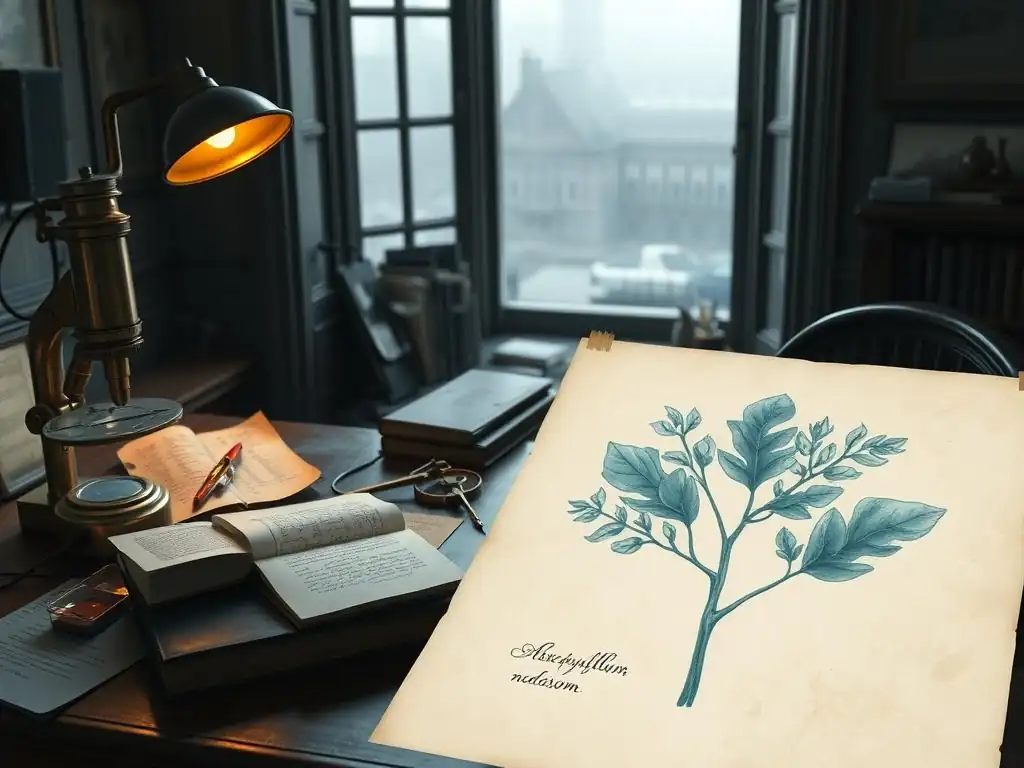
Gender Bias in Victorian Scientific Institutions
Victorian women faced systemic gender bias that severely limited their participation in formal scientific institutions. Universities generally did not admit women, and prestigious scientific societies like the Royal Society or the Linnean Society of London excluded them from membership. This meant women could not obtain formal degrees, attend lectures, access well-equipped laboratories, or participate in the crucial networks of professional scientists.
Their work, even when meticulously executed and significant, often lacked the official imprimatur of academic institutions. Consequently, their contributions, including valuable Victorian women phycology research, were frequently published under male relatives' names, anonymously, or relegated to footnotes in larger works, diminishing their visibility and formal recognition within the male-dominated scientific establishment.
Limited Access to Education and Resources for Women Researchers
Beyond institutional exclusion, Victorian women aspiring to scientific pursuits encountered significant barriers to education and resources. Formal scientific training was largely unavailable to them, forcing many to be self-taught or rely on private tutors. Access to specialized scientific literature was often limited to private libraries, and expensive equipment like high-quality microscopes was a luxury few could afford.
The lack of funding for research, travel, and publication further hampered their ability to conduct extensive studies or disseminate their findings widely. Despite these considerable limitations, the resilience and intellectual drive of these women were remarkable, as they found innovative ways to conduct their Victorian women phycology research and contribute to scientific knowledge.
Overcoming Obstacles: The Resilience of Victorian Women Phycologists
Despite the pervasive challenges, Victorian women phycologists demonstrated remarkable resilience and ingenuity in pursuing their scientific passions. They leveraged informal networks, collaborating with sympathetic male botanists who sometimes facilitated their access to specimens or helped publish their work. They also utilized popular science journals and private publishing ventures, which offered avenues for disseminating their findings outside traditional academic channels.
Their dedication to meticulous observation and documentation, often undertaken in their homes or during family holidays, allowed them to make significant contributions to phycology. By transforming hobbies into serious scientific endeavors, these women carved out a vital space for themselves in the scientific landscape, proving that passion and persistence could overcome even formidable societal and institutional barriers in Victorian women phycology research.
The Scientific Impact of Victorian Women's Phycological Work
Discoveries and Contributions to Algal Taxonomy
The meticulous work of Victorian women phycologists led to significant advancements in algal taxonomy. Through their extensive collecting efforts and detailed observations, they identified numerous new species and contributed to the classification of existing ones. For instance, Isabella Gifford's The Marine Botanist (1853) was a comprehensive catalog of British marine algae, detailing many species she and her contemporaries had observed and classified.
Their detailed descriptions and accurate illustrations provided crucial baseline data that helped establish the foundational understanding of algal diversity. This rigorous, descriptive phase of Victorian women phycology research was essential for the subsequent development of more complex taxonomic systems and phylogenetic studies in marine botany.
Advancements in Understanding Algal Life Cycles
While the intricate, often microscopic details of complex algal life cycles were largely elucidated by later scientists with more advanced tools, Victorian women phycologists laid important groundwork through their prolonged and systematic observations. Their seasonal collections and careful documentation of algal growth patterns, reproductive structures (where visible), and habitat preferences provided initial clues about the life histories of various species.
These detailed observations, often spanning years, contributed to a broader understanding of algal ecology and distribution. The extensive specimen collections amassed through Victorian women phycology research served as invaluable repositories of data, enabling future generations of scientists to build upon these foundations and unravel the complexities of algal reproduction and development.
Mary Wyatt's Contributions to Algal Classification in Devon
Mary Wyatt (1788–1871) made a particularly notable contribution to Victorian women phycology research through her extensive work on the algae of Torquay, Devon. Her four-volume set, Algae Danmonienses, published between 1833 and 1840, contained meticulously prepared and mounted specimens of marine algae collected from the Devon coast. Each volume included 50 species, with detailed locality data and sometimes accompanying descriptive notes.
Wyatt's work was highly regarded by leading phycologists of her time, including William Henry Harvey, a prominent Irish algologist, who frequently cited her specimens and observations in his own authoritative publications. Algae Danmonienses served as a critical regional flora, providing an invaluable resource for the study of British algae and demonstrating the high scientific standard achievable by dedicated "amateur" phycologists.
The Enduring Legacy of Victorian Women in Phycology
Inspiring Future Generations of Women in Marine Biology
The stories of the "Seaweed Ladies" serve as powerful and enduring inspirations for future generations of women in marine biology and other scientific fields. Their perseverance in the face of societal and institutional barriers demonstrates that passion, intellect, and dedication can transcend limitations. By highlighting their often-overlooked contributions, we empower young women to pursue their scientific curiosities and challenge existing norms.
Their legacy encourages a broader understanding of who can be a scientist, emphasizing that scientific inquiry is not confined to formal laboratories or male-dominated institutions. The pioneering spirit of these Victorian women phycology research figures continues to motivate and shape the aspirations of aspiring female scientists, reminding them of the rich history of women's contributions to marine science.
Recognizing the Importance of Historical Contributions
It is crucial to continually recognize and celebrate the historical contributions of women like the "Seaweed Ladies" to the scientific canon. For too long, their work was marginalized or simply forgotten, creating an incomplete and biased narrative of scientific progress. Acknowledging their achievements is not merely about historical accuracy but about enriching our understanding of how scientific knowledge truly accumulates.
By integrating their stories into the mainstream history of science, we gain a more nuanced perspective on the challenges and opportunities that shaped scientific discovery. The diligent Victorian women phycology research conducted by these individuals provides invaluable context for understanding the evolution of marine biology and the broader environmental sciences.
Victorian Women's Phycology Research: A Foundation for Modern Marine Science
The comprehensive collections, detailed classifications, and meticulous illustrations produced by Victorian women phycologists formed a foundational bedrock for modern marine science. Their descriptive work provided the initial taxonomic framework and baseline data necessary for subsequent ecological, physiological, and molecular studies of algae. Many of their specimens remain invaluable resources in herbarium collections worldwide.
While their methods were limited by the technology of their era, the accuracy and sheer volume of their observations provided a critical starting point. The Victorian women phycology research of the "Seaweed Ladies" continues to inform contemporary studies on algal biodiversity, distribution, and environmental changes, demonstrating the long-lasting impact of their pioneering efforts on marine science.
Conclusion: Celebrating the "Seaweed Ladies" and Their Lasting Impact
The Ongoing Importance of Recognizing Women in Science History
The legacy of the "Seaweed Ladies" underscores the ongoing importance of recognizing and celebrating the often-hidden contributions of women throughout science history. Their stories are not merely anecdotes; they are integral parts of the scientific narrative, demonstrating intellectual rigor and dedication in the face of significant societal constraints. By bringing these contributions to light, we foster a more inclusive and accurate understanding of scientific progress.
Acknowledging the Victorian women phycology research helps to dismantle historical biases and inspires a new generation to appreciate the diverse pathways through which scientific knowledge is built. It reinforces the message that scientific curiosity and capability are universal, regardless of gender or historical context.
Further Research and Exploration of Victorian Women in Phycology
Despite increased recognition, there is still much to uncover about the lives and scientific endeavors of Victorian women phycologists. Further research into their personal papers, correspondence, and privately published works can reveal deeper insights into their methodologies, collaborations, and the full extent of their scientific impact. Many "amateur" contributions may still be hidden in regional collections or personal archives.
Continued exploration of Victorian women phycology research can illuminate the broader landscape of informal science networks, the role of domestic life in scientific pursuit, and the unique challenges faced by women scientists in the 19th century. This ongoing scholarly effort ensures that the remarkable legacy of the "Seaweed Ladies" continues to inspire and educate.
Frequently Asked Questions
What is "phycology" and why is it relevant to Victorian women?
Phycology is the study of algae (seaweed). Victorian women were instrumental in early phycology research, often collecting and classifying specimens, contributing to the understanding of marine biodiversity at the time.
Why were Victorian women drawn to studying seaweed?
Studying seaweed was considered a respectable and suitable pursuit for women during the Victorian era. It allowed them to engage with science without directly challenging traditional gender roles in more "serious" scientific fields.
What challenges did Victorian women face in pursuing phycology research?
Victorian women faced numerous challenges, including a lack of formal education, limited access to scientific resources, and social prejudice. Their contributions were often undervalued or attributed to male colleagues.
Can you name a famous Victorian woman involved in phycology research?
While many names are lesser-known, Margaret Gatty is a notable example. She was a popular author of books on seaweed and other natural history topics, helping to popularize the field among the general public.
How did the work of Victorian women in phycology impact modern science?
Their meticulous observations and collections provided valuable data for future generations of scientists. Their work laid the groundwork for modern understanding of algal diversity and the importance of marine ecosystems.
Final Reflection: Echoes of the Shoreline
The journey through the lives and work of the "Seaweed Ladies" reveals a powerful truth: scientific curiosity knows no gender. Their contributions, often overlooked in traditional historical narratives, resonate profoundly today, reminding us that access and recognition are crucial for fostering innovation and ensuring a more equitable scientific landscape. Their dedication to phycology, despite societal constraints, serves as a potent example of resilience and the enduring human spirit of discovery.
The impact of these Victorian women extends far beyond the dusty pages of forgotten journals. Their meticulous observations and groundbreaking research laid the foundation for modern marine biology and continue to inspire a deeper appreciation for the intricate beauty and vital importance of our oceans. The sea, once it casts its spell, holds one in its net of wonder forever.
- Jacques Cousteau. This quote encapsulates the enduring allure that drew these women to the shore and fueled their scientific pursuits, an allure that continues to captivate and motivate researchers today.
Now, consider the legacy of the "Seaweed Ladies" and ask yourself: what hidden passions lie dormant within you, waiting to be explored? What seemingly insurmountable barriers can you overcome to pursue your own intellectual curiosity? Let their story be a beacon, illuminating the path towards a future where every voice is heard, and every contribution is valued, regardless of gender or background. Embrace the spirit of these pioneering women, and let your own unique perspective enrich the world around you.
Unveil Your Inner Explorer: Dive Deeper into the World of Seaweed!
Thank you for exploring the fascinating story of the "Seaweed Ladies" and their contribution to early phycology! Now that you've discovered their remarkable legacy, it's time to embrace the spirit of exploration and connection they embodied.
Here are a few ways you can continue their journey:
- Become a Citizen Scientist: Identify local seaweed species and contribute your findings to online databases like iNaturalist.
- Share this article and help preserve the memory of the Seaweed Ladies' inspiring work with others who are interested in the history of women's contribution to science.
- Try your hand at creating a Victorian-inspired seaweed art project.
What unexpected connection did you make with the "Seaweed Ladies" and how might their story inspire your own journey of scientific discovery?