
Echoes of Radium: A Visitor's Guide to Marie Curie's Transformative Historical Sites

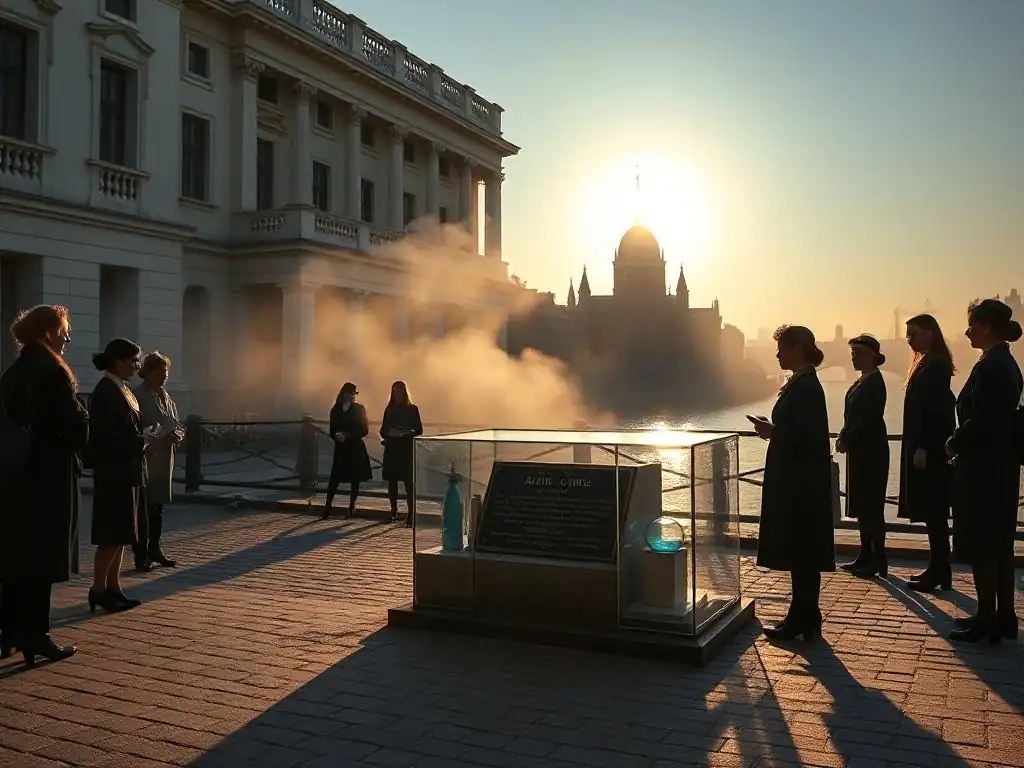
Welcome to WomenInScienceHistory.com!
Step back in time and trace the footsteps of scientific giants. This month, we delve into the enduring legacy of Marie Curie, not just through her groundbreaking discoveries, but through the very spaces where she revolutionized our understanding of the world. Curious about experiencing her world firsthand? Join us as we explore a detailed guide to the Marie Curie historical site tour, uncovering the stories embedded within the walls and laboratories that shaped her extraordinary life. Discover the hidden gems and transformative moments awaiting you... and prepare to be inspired.
- Planning Your Marie Curie Historical Site Tour: A Step-by-Step Guide
- Exploring Marie Curie's World: Key Historical Sites and Experiences
- Enhancing Your Marie Curie Historical Site Tour: Tools and Resources
-
Frequently Asked Questions
- What historical sites are most closely associated with Marie Curie's life and work?
- What can visitors expect to see at the Curie Museum in Paris?
- What challenges did Marie Curie face as a woman in science?
- Are there tours available to visit Marie Curie's birthplace in Warsaw?
- How does visiting these historical sites enhance our understanding of Marie Curie's impact?
- Final Reflection: Illuminating Legacies Through Time
- Ignite Your Inner Scientist: Explore Curie's Legacy!
Planning Your Marie Curie Historical Site Tour: A Step-by-Step Guide
1. Researching Key Marie Curie Landmarks: Unveiling Her Journey
Embarking on a Marie Curie historical site tour begins with meticulous research to truly unveil the layers of her extraordinary journey. Understanding the pivotal locations that shaped her life, from her early education in Warsaw to her groundbreaking discoveries in Paris, is crucial for a meaningful experience. This initial phase involves identifying authentic sites, distinguishing between places she merely visited and those where she lived, studied, or conducted her pioneering scientific work, such as the laboratories where radium and polonium were isolated.
This research should extend beyond mere addresses to grasp the historical context of each location. For instance, knowing that the "Scholars' House" in Warsaw, now the Marie Skłodowska Curie Museum, was indeed her childhood home provides a deeper connection than simply visiting a building. Similarly, understanding the original layout and purpose of the Radium Institute in Paris, where she spent her most productive scientific years, enriches the appreciation of her immense contributions and the challenges she overcame in a male-dominated scientific landscape.
2. Creating Your Marie Curie Pilgrimage Itinerary: From Poland to France
A comprehensive Marie Curie historical site tour logically spans two primary nations: Poland, her homeland, and France, the country where she achieved her greatest scientific triumphs. An effective itinerary often begins in Warsaw, allowing visitors to connect with the young Maria Skłodowska and her formative years, before transitioning to Paris to explore the heart of her revolutionary research and Nobel Prize-winning work. This chronological approach provides a narrative flow, tracing her evolution from an aspiring student to a world-renowned scientist.
When crafting your itinerary, consider allocating sufficient time for each key location. For Warsaw, a full day or two might be ideal to explore the Marie Skłodowska Curie Museum and other related sites. Paris, with its concentration of significant landmarks like the Curie Museum and the Sorbonne, often requires three to four days to fully immerse oneself in her legacy. Factor in travel time between cities and within each urban area, ensuring a comfortable pace that allows for genuine reflection at each site, rather than a rushed checklist approach.
3. Booking Accommodations Near Marie Curie's Legacy: Hotels & More
Securing appropriate accommodations is a practical yet vital step in planning your Marie Curie historical site tour, enhancing both convenience and the overall immersive experience. In Paris, opting for lodging in the Latin Quarter or near the 5th arrondissement places you within easy walking distance or a short metro ride of the Curie Museum, the Sorbonne, and the Pantheon. This area, historically rich with academic and scientific institutions, allows visitors to feel truly connected to the intellectual environment Marie Curie inhabited.
For your stay in Warsaw, consider hotels or guesthouses in the Old Town or Śródmieście districts. These areas offer excellent access to public transport for reaching the Marie Skłodowska Curie Museum on Freta Street and other points of interest. Booking well in advance, particularly if your Marie Curie historical site tour coincides with peak tourist seasons (typically spring and summer), is highly recommended to secure preferred locations and rates, ensuring a comfortable base for your explorations.
Exploring Marie Curie's World: Key Historical Sites and Experiences
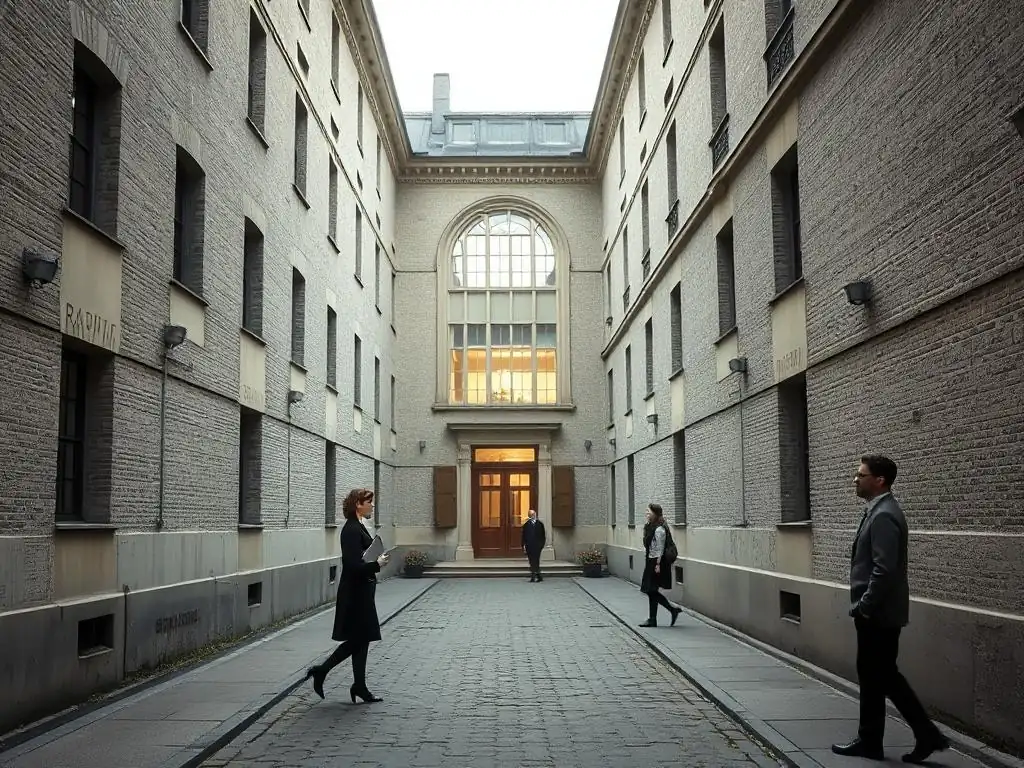
1. Warsaw, Poland: Marie Skłodowska Curie's Roots
The journey into Marie Curie's past invariably begins in Warsaw, Poland, where Maria Skłodowska was born on November 7, 1867. The most significant landmark here is the Marie Skłodowska Curie Museum, located in a charming 18th-century building at Freta Street 16, which was her actual birthplace. This museum meticulously preserves artifacts from her childhood, including family photographs, personal letters, and scientific instruments, offering an intimate glimpse into the early life of the future Nobel laureate and the intellectual atmosphere fostered by her parents, both educators.
Beyond her birthplace, Warsaw holds other echoes of her early life. While many original structures from her youth were destroyed during World War II, the spirit of her educational pursuits can be felt near the University of Warsaw, where her father taught physics and mathematics. Though she was barred from formal higher education in Poland due to her gender, Maria attended the clandestine "Flying University," an underground institution, highlighting her immense determination and intellectual hunger that would later define her groundbreaking scientific career.
2. Paris, France: The Heart of Curie's Scientific Breakthroughs
Paris stands as the epicenter of Marie Curie's most profound scientific achievements, where she conducted the research that earned her two Nobel Prizes. The most compelling site is the Curie Museum (Musée Curie), nestled within the former Radium Institute at 1 Rue Pierre et Marie Curie.
This museum allows visitors to step directly into her laboratory and office, preserved much as they were, offering a tangible connection to the space where she and Pierre Curie isolated radium and polonium. Exhibits showcase original scientific apparatus, personal items, and a detailed history of radioactivity, providing a powerful narrative of her relentless pursuit of knowledge.
Further immersing visitors in her Parisian life, a Marie Curie historical site tour often includes the Sorbonne University, where she became the first woman to teach as a professor, taking over her late husband's physics chair in 1906. Her presence transformed the academic landscape. A short walk from the Sorbonne, the Pantheon serves as her final resting place, a monumental testament to her enduring legacy; she was interred there in 1995, the first woman to be honored for her own merits. These sites collectively illuminate the intellectual vibrancy of early 20th-century Paris and Marie Curie's pivotal role within it.
3. Other Notable Locations: Spotlighting Marie Curie's Impact
While Warsaw and Paris are central to any Marie Curie historical site tour, her impact extended beyond these two cities, particularly during World War I. Marie Curie spearheaded the development of mobile radiography units, famously known as "petites Curies," which brought X-ray technology to battlefield hospitals, significantly improving the treatment of wounded soldiers. Although these units were mobile and not fixed historical sites, the concept of their deployment across the French front lines, facilitated by Marie Curie herself driving and operating them, speaks volumes about her practical application of science in times of crisis.
Moreover, the influence of Marie Curie's discoveries resonated globally, shaping medical and scientific institutions far beyond her direct sphere of work. The establishment of numerous radium institutes and cancer research centers worldwide in the decades following her breakthroughs directly stems from her pioneering work on radioactivity. While these are not direct Marie Curie historical site tour stops in the traditional sense, understanding this broader impact enriches the travel experience, highlighting how her legacy continues to inform modern medicine and scientific inquiry, a true testament to her enduring global footprint.
Enhancing Your Marie Curie Historical Site Tour: Tools and Resources
1. Essential Travel Gear for Your Scientific Pilgrimage
To fully enjoy your Marie Curie historical site tour, packing the right gear is essential for comfort and practicality. Given that many historical sites, especially in urban environments like Paris and Warsaw, involve significant walking between locations or within museum complexes, comfortable and supportive walking shoes are paramount. Additionally, a lightweight, versatile backpack is ideal for carrying essentials such as a water bottle, a portable power bank for electronic devices, and a travel guide detailing the specific Marie Curie landmarks.
Considering the varying European weather, layers of clothing are advisable, allowing for adaptability to indoor climate-controlled museums versus outdoor exploration. A good quality, compact camera, separate from a phone, can also enhance your ability to capture the intricate details of exhibits without quickly draining your phone's battery. These thoughtful inclusions ensure that your focus remains on the rich historical and scientific narratives unfolding before you, rather than on minor discomforts.
2. Documenting Your Marie Curie Journey: Photography and Storytelling
Documenting your Marie Curie historical site tour is a wonderful way to preserve memories and share the inspiration gleaned from her story. While museum policies on photography vary, where permitted, focus on capturing the essence of the exhibits: the preserved laboratory equipment, handwritten notes, or personal artifacts that truly convey her dedication. Pay attention to the subtle details that tell a deeper story, such as the wear on a workbench or the specific design of an early scientific instrument, rather than just wide shots.
Beyond photography, consider maintaining a travel journal or a digital blog to record your observations, reflections, and personal connections to Marie Curie's journey. Writing about the experience of standing in her laboratory, or walking the streets she once traversed, can deepen your appreciation and help articulate the profound impact of her work and the challenges she overcame. Sharing these narratives can also inspire others to embark on their own Marie Curie historical site tour, fostering a broader appreciation for women in science history.
3. Learning More About Radium and Radioactivity: Educational Resources
To truly enrich your Marie Curie historical site tour, delve deeper into the scientific principles of radium and radioactivity, both before and after your visit. Reading comprehensive biographies, such as Eve Curie's "Madame Curie," provides invaluable context to her scientific pursuits and personal life. Complementary resources might include scientific documentaries or online lectures from reputable universities that explain the complex concepts of radiation, its discovery, and its practical applications in medicine and other fields.
Consider exploring academic articles or public science resources that detail the long-term impact of radioactivity, both beneficial and hazardous, to fully grasp the weight of Marie Curie's findings. Understanding the scientific backdrop not only enhances your appreciation for the exhibits at the Curie Museum but also provides a more holistic view of her profound contributions. This continuous learning ensures that your Marie Curie historical site tour is not merely a sightseeing trip but a deeply educational and transformative pilgrimage into the heart of scientific discovery.
Frequently Asked Questions
What historical sites are most closely associated with Marie Curie's life and work?
Significant sites include the Curie Museum in Paris (formerly the Radium Institute), her birthplace in Warsaw, and the Panthéon in Paris where she is interred.
What can visitors expect to see at the Curie Museum in Paris?
The museum showcases Marie Curie's laboratory, original research equipment, personal artifacts, and detailed exhibits on her groundbreaking research on radioactivity.
What challenges did Marie Curie face as a woman in science?
She faced significant gender bias in a male-dominated field, struggling to gain recognition and funding for her research, despite her scientific brilliance.
Are there tours available to visit Marie Curie's birthplace in Warsaw?
Yes, the Maria Skłodowska Curie Museum in Warsaw offers tours focusing on her early life, education, and the cultural context that shaped her scientific aspirations.
How does visiting these historical sites enhance our understanding of Marie Curie's impact?
These sites provide a tangible connection to her life, work, and the historical period, allowing visitors to appreciate the magnitude of her discoveries and the obstacles she overcame.
Final Reflection: Illuminating Legacies Through Time
The journey through Marie Curie's historical sites, as explored in this guide, is more than just a sightseeing tour; it's an immersion into the life and work of a scientific pioneer. The enduring relevance of Curie's discoveries and her unwavering dedication to science continue to inspire generations, particularly in a world grappling with complex scientific challenges. Her legacy serves as a powerful reminder of the potential for human ingenuity and the transformative impact of relentless curiosity.
The echoes of Radium resonate far beyond the walls of laboratories and museums. They have profoundly shaped our understanding of the universe and continue to influence the fields of medicine, physics, and chemistry. Visiting these sites allows us to connect with Curie's story on a deeper, more personal level, understanding the sacrifices and triumphs that paved the way for countless advancements. Nothing in life is to be feared, it is only to be understood. Now is the time to understand more, so that we may fear less.
This quote encapsulates Curie's spirit, urging us to embrace knowledge and confront the unknown with courage.
As you embark on your own "Marie Curie historical site tour," remember that you are not just a tourist; you are a pilgrim tracing the footsteps of a legend. Let Curie's unwavering pursuit of knowledge ignite your own passion for discovery. Embrace the spirit of inquiry, challenge conventional wisdom, and strive to leave your own indelible mark on the world. Let the echoes of Radium inspire you to illuminate the path forward, just as Marie Curie illuminated the mysteries of the atom.
Ignite Your Inner Scientist: Explore Curie's Legacy!
Thank you for delving into the remarkable journey of Marie Curie! We hope you've found inspiration in her groundbreaking work and the enduring impact of her discoveries. Now, let's translate that inspiration into action and connect with her legacy in a tangible way.
Here are a few steps you can take to honor Marie Curie's contributions and deepen your understanding:
- Plan a pilgrimage to one of the Curie museums in Paris or Warsaw! Immerse yourself in the atmosphere where her discoveries unfolded.
- Dive deeper:Explore related stories of unsung female scientists on WomenInScienceHistory.com to broaden your perspective.
- Share this article with three friends and spark a conversation about the importance of women in STEM.
What small act of scientific curiosity will you pursue this week, inspired by Curie's example?