
Mentorship Myths & MustHaves: Finding the Right Guide for Your STEM Ascent


Welcome to WomenInScienceHistory.com, a space dedicated to illuminating the remarkable achievements of women who have shaped the scientific landscape. Ever wondered how mentorship can truly unlock your potential in STEM? Dive into "Mentorship Myths & MustHaves: Finding the Right Guide for Your STEM Ascent" and discover the essential strategies for navigating the world of Women STEM mentorship guidance. Uncover the secrets to forging impactful connections and accelerating your journey in science, technology, engineering, and mathematics. What are the unspoken rules of finding the perfect mentor? Let's explore!
- Introduction: The Power of Effective STEM Mentorship
- Debunking Common STEM Mentorship Myths
- Must-Haves for Effective STEM Mentorship
- Cultivating a Successful Mentorship Relationship
- Overcoming Challenges in Mentorship
- The Long-Term Benefits of STEM Mentorship
- Finding Your Ideal Mentor: A Checklist
- Conclusion: Empowering Individuals Through Strategic Mentorship
-
Frequently Asked Questions
- What is the primary goal of WomenInScienceHistory.com?
- Why is mentorship important for women in STEM fields?
- What are some common "mentorship myths" that WomenInScienceHistory.com aims to debunk?
- How can WomenInScienceHistory.com help women find the right STEM mentor?
- What is "Women STEM mentorship guidance", and how does WomenInScienceHistory.com provide it?
- Final Reflection: Empowering Women in STEM Through Mentorship
- Ignite Your STEM Journey: Connect & Thrive!
Introduction: The Power of Effective STEM Mentorship
The journey through science, technology, engineering, and mathematics (STEM) fields is often challenging, marked by rigorous academic demands, complex research, and competitive professional landscapes. For women, this path has historically been fraught with additional hurdles, including systemic biases and a lack of visible female role models. In this demanding environment, effective mentorship emerges not merely as a beneficial resource but as a critical catalyst for success, offering invaluable Women STEM mentorship guidance. A well-chosen mentor can illuminate pathways, provide crucial insights, and help navigate the unique obstacles that women in STEM may encounter.
Mentorship transcends simple advice-giving; it fosters a relationship built on trust, shared experience, and a commitment to the mentee's growth. For aspiring and current women in STEM, strategic mentorship can be the difference between perseverance and premature departure from the field. It provides a personalized framework for professional development, allowing individuals to learn from the experiences of those who have successfully navigated similar trajectories, thereby accelerating their own ascent in STEM.
Debunking Common STEM Mentorship Myths
In the pursuit of meaningful STEM mentorship, several misconceptions can hinder individuals from seeking or maximizing these vital relationships. Understanding and dispelling these myths is the first step toward embracing the true potential of Women STEM mentorship guidance.
Myth #1: Any Mentor is a Good Mentor
This common misconception suggests that simply having a mentor, regardless of their suitability or the quality of the relationship, is inherently beneficial. However, the reality is far more nuanced. An ill-suited mentor, perhaps one who lacks relevant experience, offers unhelpful advice, or possesses a negative outlook, can be detrimental to a mentee's development and confidence. For instance, a mentor who consistently discourages ambitious projects or downplays a mentee's achievements can inadvertently stunt career growth, leading to frustration and disillusionment.
Effective Women STEM mentorship guidance necessitates a careful alignment of personalities, professional goals, and communication styles. Just as a poorly fitted tool can impede progress, a mismatched mentor can lead to wasted time and missed opportunities. The emphasis should always be on quality over quantity, ensuring that the mentor's expertise and approach genuinely serve the mentee's specific needs and aspirations within the STEM landscape.
Myth #2: Mentorship is Only for Those Struggling
The idea that mentorship is a last resort for individuals facing significant challenges or underperforming is a pervasive myth that limits its widespread adoption. On the contrary, mentorship is a powerful tool for continuous growth and optimization, benefiting individuals at all career stages, from budding scientists to seasoned professionals. Even high-achievers seek STEM mentorship to refine their skills, explore new avenues, and gain strategic perspectives that propel them further.
Consider the case of a highly successful biomedical researcher who seeks a mentor not because she's struggling, but because she aims to transition into a leadership role within her institution. Her mentor, a veteran academic administrator, provides insights into grant acquisition strategies, team management, and navigating institutional politics – areas where even top researchers may lack direct experience. This proactive engagement in Women STEM mentorship guidance demonstrates that it is a resource for ambition and strategic advancement, not merely a remedial measure.
Myth #3: Mentorship Relationships Must Last Forever
The notion that a mentorship relationship, once established, must endure indefinitely is another common misconception. In reality, STEM mentorship can be dynamic and fluid, evolving or concluding as needs change. Some mentorships are intense and short-term, focused on achieving a specific goal like completing a complex project or preparing for a job interview. Others might last for years, adapting as the mentee's career trajectory shifts.
It is perfectly normal for a mentorship to naturally conclude when the mentee has achieved their objectives or when the mentor's expertise no longer aligns with the mentee's evolving needs. For example, a young engineer might have a mentor for her initial years in the industry, focusing on technical skills and workplace integration. Later, as she eyes management, she might seek a new mentor specializing in leadership development. Recognizing the episodic nature of many Women STEM mentorship guidance relationships allows individuals to cultivate a diverse network of mentors throughout their careers, each contributing value at different junctures.
Myth #4: Seeking Mentorship Shows Weakness
This myth, often rooted in outdated professional norms, suggests that asking for help or guidance is a sign of incompetence or a lack of self-sufficiency. In demanding fields like STEM, where independent problem-solving is highly valued, some individuals may hesitate to seek out a mentor for fear of appearing less capable. However, the opposite is true: proactively seeking STEM mentorship is a hallmark of strong leadership potential and a commitment to lifelong learning.
Successful professionals across all industries, particularly in STEM, frequently credit their mentors for pivotal career advancements and personal development. According to a 2016 study by the National Center for Women & Information Technology (NCWIT), women in computing who had mentors reported higher job satisfaction and lower rates of attrition. This data underscores that engaging in Women STEM mentorship guidance is a strategic move, demonstrating self-awareness, humility, and a keen understanding of how to leverage external expertise for personal and professional growth.
Myth #5: Mentors Must Be Senior Leaders to Be Effective
While traditional mentorship often involves a seasoned professional guiding a junior one, the idea that only high-ranking senior leaders can be effective mentors is a limiting belief. Valuable STEM mentorship can come from various sources, including near-peer mentors, colleagues at similar career stages, or even individuals junior to you who possess specialized knowledge (reverse mentorship). The most effective mentor is not necessarily the most senior, but the one whose experience, insights, and guidance are most relevant to your current needs.
For example, a graduate student struggling with a specific computational method might find invaluable Women STEM mentorship guidance from a postdoctoral researcher who recently mastered that technique, rather than a tenured professor whose expertise lies elsewhere. Similarly, peer mentorship groups, where individuals facing similar challenges support and advise each other, have proven highly effective in fostering resilience and professional development within STEM. Diversifying your mentorship network to include individuals at different career stages and with varied expertise can provide a richer and more comprehensive support system.
Must-Haves for Effective STEM Mentorship

Beyond debunking myths, understanding the essential components for successful STEM mentorship is crucial. These "must-haves" lay the groundwork for a productive and mutually beneficial relationship, ensuring that the Women STEM mentorship guidance received is targeted, relevant, and impactful.
Must-Have #1: Clearly Defined Career Goals
Before seeking a mentor, it is paramount for a mentee to have a clear understanding of their own career aspirations. Without well-defined goals, the mentorship relationship can lack direction and focus, becoming a series of vague conversations rather than targeted guidance. Whether the goal is to develop a specific technical skill, transition into a new industry sector, or advance into a leadership position, articulating these objectives provides a roadmap for both the mentee and potential mentor.
This clarity enables the mentee to identify the type of expertise and support they truly need, making the search for a suitable mentor much more efficient. For instance, if a young female physicist aims to secure a tenure-track position in academia within five years, her Women STEM mentorship guidance would ideally come from someone who has successfully navigated that specific career path, offering insights into publishing, grant writing, and academic politics. This intentionality ensures that the mentor's time and advice are utilized effectively towards tangible outcomes.
Must-Have #2: Identifying Specific Needs and Areas for Growth
Beyond broad career goals, pinpointing specific areas where guidance is needed is critical for effective STEM mentorship. This requires a degree of self-awareness and an honest assessment of one's strengths, weaknesses, and knowledge gaps. Do you need help with public speaking, project management, networking, or navigating workplace politics? Perhaps you need advice on balancing research demands with personal life, a common challenge for women in demanding STEM careers.
For example, a female software engineer might identify a need to improve her negotiation skills for salary reviews, or a biologist might seek guidance on securing competitive research grants. Communicating these specific needs to a potential mentor allows them to assess whether their experience aligns with what you require. This precision in identifying growth areas ensures that the Women STEM mentorship guidance provided is highly relevant and actionable, leading to tangible improvements in professional capabilities and confidence.
Must-Have #3: Understanding Different Types of Mentorship
Not all mentorship is created equal, and recognizing the various forms it can take is essential for finding the most suitable support. Each type offers distinct advantages and caters to different needs and preferences, contributing to a holistic approach to STEM mentorship.
Formal Mentorship Programs
Formal mentorship programs are structured initiatives, often organized by academic institutions, professional organizations, or corporations, that systematically pair mentees with mentors. These programs typically have defined timelines, objectives, and sometimes even specific curricula or meeting frequencies. For instance, many large tech companies or research institutions have programs designed to support early-career professionals, with a particular focus on increasing representation for women and underrepresented groups in their workforce.
The primary benefit of formal programs is the pre-vetted nature of mentors and the established framework, which can reduce the initial effort of finding a suitable guide. They often include training for both mentors and mentees on how to foster a productive relationship, providing a solid foundation for Women STEM mentorship guidance. However, the structured nature can sometimes lead to less organic connections, and the initial match might not always be a perfect fit, requiring adaptability from both parties.
Informal Mentorship Networks
Informal mentorship arises organically through professional networking, personal connections, or chance encounters. These relationships are often less structured, without predefined goals or timelines, and can evolve naturally over time. An informal mentor might be a former professor, a senior colleague you admire, or even someone you met at a conference who offered valuable advice.
The strength of informal STEM mentorship lies in its flexibility and authenticity. These relationships are often driven by genuine mutual interest and can provide highly personalized Women STEM mentorship guidance tailored to immediate, evolving needs. While they require more proactive effort from the mentee to initiate and maintain, the organic nature often fosters deeper connections and a broader network of support, allowing for multiple mentors for different aspects of one's career.
Peer Mentorship
Peer mentorship involves individuals at similar career stages or with comparable experiences providing guidance and support to one another. This can take the form of one-on-one relationships or, more commonly, peer groups or communities where members share challenges, offer advice, and provide mutual encouragement. For example, a group of female graduate students in engineering might meet regularly to discuss research progress, funding applications, and work-life balance strategies.
The key advantage of peer mentorship is the shared lived experience, which can make advice feel more relatable and less intimidating. It fosters a sense of solidarity and can be particularly empowering for women in STEM who might feel isolated in male-dominated environments. This form of Women STEM mentorship guidance builds strong networks for mutual support, shared learning, and collective problem-solving, contributing significantly to professional resilience and advancement.
Must-Have #4: Proactively Seeking Out Potential Mentors
While some mentorship opportunities may arise organically, the most effective approach to securing valuable STEM mentorship is often proactive. Waiting for a mentor to appear is rarely a successful strategy; instead, individuals must actively seek out and cultivate these relationships.
Leveraging Professional Organizations
Joining and actively participating in professional organizations is one of the most effective ways to find potential mentors. Organizations like the Society of Women Engineers (SWE), the Association for Women in Science (AWIS), or Women in Machine Learning (WiML) offer extensive networking opportunities, often including formal mentorship programs or informal channels for connection. These organizations frequently host events, conferences, and online forums where individuals can connect with established professionals who are often eager to share their expertise.
For example, attending a regional AWIS chapter meeting can provide a direct pathway to meeting senior female scientists or engineers who are specifically committed to providing Women STEM mentorship guidance. Engaging in committees or volunteer roles within these organizations further increases visibility and opportunities for meaningful interactions, laying the groundwork for mentorship relationships.
Utilizing Online Platforms
In the digital age, online platforms have become powerful tools for connecting with potential mentors. LinkedIn, for instance, allows individuals to identify professionals in their desired field and reach out with a concise, respectful message expressing interest in their work and seeking advice. Specialized platforms dedicated to STEM mentorship, such as MentorNet (though now part of STEMconnector), or university alumni networks often facilitate connections between aspiring and established professionals.
When reaching out online, it is crucial to be specific about what you admire about their work and what type of guidance you are seeking. A well-crafted message demonstrating research and genuine interest is far more likely to elicit a positive response than a generic request for "a mentor." This proactive online engagement can open doors to Women STEM mentorship guidance from individuals across geographical boundaries.
Attending Conferences and Workshops
Conferences, symposia, and professional workshops are invaluable venues for networking and identifying potential mentors. These events bring together experts and practitioners in specific STEM fields, creating a fertile ground for informal interactions. Beyond formal presentations, networking breaks, poster sessions, and social events provide opportunities to engage in meaningful conversations.
Making the most of these events involves being prepared to articulate your interests and goals concisely, and approaching individuals whose work or career path aligns with your aspirations. A brief, genuine conversation at a conference can often be the spark that ignites a long-term STEM mentorship relationship. Many successful female scientists recall meeting pivotal mentors at professional gatherings, where shared scientific passion became the foundation for enduring Women STEM mentorship guidance.
Must-Have #5: Assessing Mentor Compatibility and Expertise
Once potential mentors are identified, the next crucial step is to assess their compatibility and ensure their expertise aligns with your needs. A good fit is paramount for a productive and rewarding STEM mentorship relationship.
Finding a Mentor with Relevant Experience
The most effective mentors are those who have navigated challenges similar to what the mentee is currently facing or aspires to overcome. If you are a young female engineer aiming to break into aerospace, a mentor with a background in that specific industry will offer far more pertinent Women STEM mentorship guidance than one from, say, pharmaceuticals. Their insights into industry trends, specific technical challenges, and networking within that sector will be invaluable.
This relevance extends beyond technical skills to include soft skills and career trajectory. For instance, if you are seeking advice on balancing a demanding research career with family life, a mentor who has successfully managed similar complexities will provide more empathetic and practical guidance. Prioritizing relevant experience ensures that the advice received is actionable and directly applicable to your specific career context.
Evaluating Communication Style
A mentor's communication style significantly impacts the effectiveness of the relationship. Some mentees thrive with direct, no-nonsense feedback, while others prefer a more supportive and encouraging approach. During initial conversations, pay attention to how the potential mentor communicates: Are they good listeners? Do they ask probing questions? Do they offer constructive criticism in a way that feels empowering rather than discouraging?
A mismatch in communication styles can lead to misunderstandings, frustration, and a less productive relationship. For example, if a mentee prefers detailed explanations and a mentor offers only brief directives, the mentee might feel unsupported. Establishing a comfortable and effective communication dynamic from the outset is vital for sustained and beneficial Women STEM mentorship guidance.
Considering Values and Approach
Beyond experience and communication, shared values and a compatible approach to work and life are critical for a strong mentorship bond. Does the potential mentor embody the professional ethics you admire? Do they prioritize work-life balance in a way that resonates with your own aspirations? Do they encourage risk-taking and innovation, or do they advocate for a more cautious, incremental approach?
While mentors don't need to be identical to their mentees, a fundamental alignment in professional philosophy can foster deeper trust and understanding. For a woman navigating a STEM career, finding a mentor who understands and values the importance of diversity, inclusion, and equitable practices can be particularly empowering. This alignment ensures that the STEM mentorship provided is not just about career advancement, but also about personal and professional fulfillment aligned with your core beliefs.
Cultivating a Successful Mentorship Relationship
Once a mentor has been found, the work of cultivating a successful relationship begins. This ongoing effort, largely driven by the mentee, ensures that the Women STEM mentorship guidance remains valuable and sustainable over time.
Setting Expectations and Boundaries
At the outset of any mentorship, it is crucial to have an open conversation about expectations and boundaries. This discussion should cover the frequency and mode of communication (e.g., monthly video calls, occasional emails, in-person meetings), the anticipated duration of the relationship, and the types of topics to be discussed. For example, a mentee might clarify that they are seeking career advice and networking opportunities, but not necessarily direct job placement.
Setting clear boundaries helps manage both parties' time and ensures that the relationship remains productive and respectful. It prevents misunderstandings and potential burnout for the mentor, who is often volunteering their valuable time. This proactive approach to defining the scope of STEM mentorship lays a solid foundation for a mutually beneficial and long-lasting connection.
Regular Communication and Feedback
Consistency is key to nurturing a mentorship relationship. Regular communication, even if brief, demonstrates commitment and keeps the mentee's progress top of mind for the mentor. This doesn't necessarily mean weekly meetings; it could be a monthly check-in, an email update on a project, or a quick question when a specific challenge arises. The mentee should be prepared for these interactions, perhaps by sending an agenda or specific questions in advance.
Furthermore, the relationship should be a two-way street regarding feedback. While the mentor provides guidance, the mentee should also be open to sharing how the advice is working and what challenges they are still facing. This feedback loop allows the mentor to adjust their approach and ensures the Women STEM mentorship guidance remains relevant and effective.
Actively Participating in the Process
The onus of driving the mentorship relationship largely falls on the mentee. This means being proactive in scheduling meetings, preparing discussion points, taking notes, and following through on agreed-upon actions. A mentee who consistently cancels, comes unprepared, or fails to implement advice is unlikely to sustain a productive relationship.
Active participation also involves being receptive to feedback, even when it's challenging, and being willing to step outside one's comfort zone based on the mentor's suggestions. For example, if a mentor advises a mentee to present at a conference, the mentee should actively pursue that opportunity. This level of engagement demonstrates respect for the mentor's time and expertise, reinforcing their commitment to providing STEM mentorship.
Showing Gratitude and Appreciation
Acknowledging and appreciating a mentor's time, effort, and insights is vital for maintaining a positive relationship. A simple "thank you" after a meeting, an email update on how their advice helped, or even a small token of appreciation during the holidays can go a long way. Mentors often volunteer their time out of a genuine desire to help others succeed, and knowing their efforts are valued reinforces their willingness to continue providing Women STEM mentorship guidance.
Sharing successes that were influenced by their advice is also a powerful way to show appreciation. For instance, informing a mentor that you secured a promotion or published a paper due to their guidance not only expresses gratitude but also provides them with a sense of fulfillment and validates their investment in your growth.
Overcoming Challenges in Mentorship
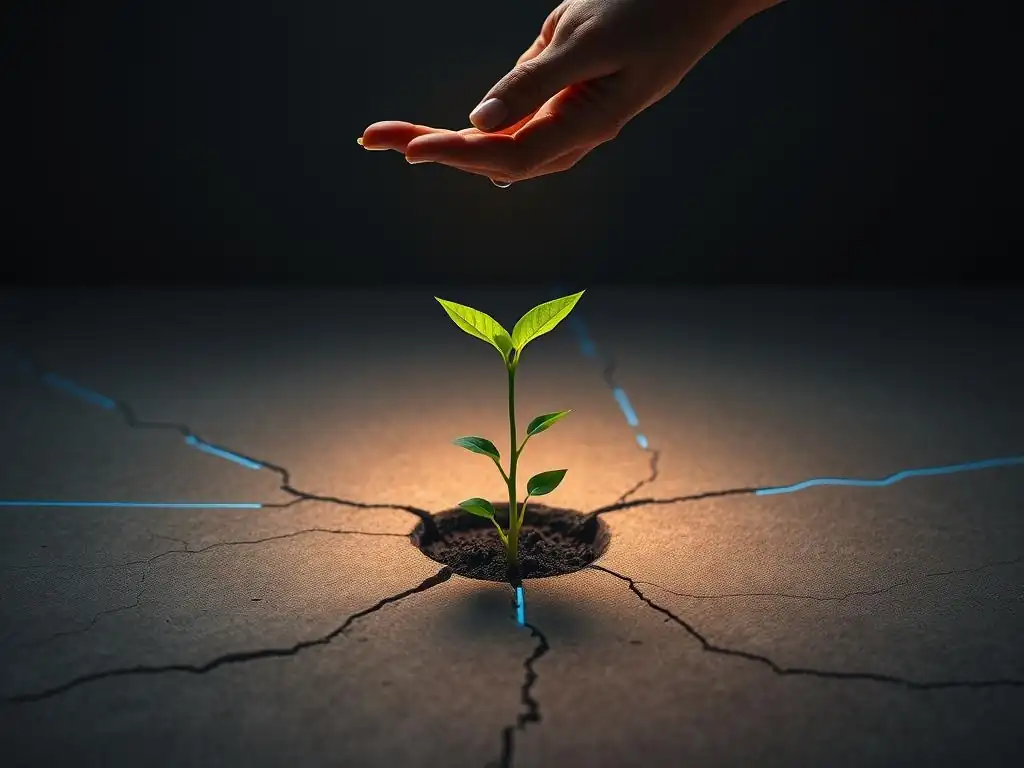
Even the most promising mentorship relationships can encounter challenges. Recognizing and addressing these issues proactively is essential for sustaining effective STEM mentorship, particularly for women navigating often complex professional landscapes.
Addressing Bias in Mentorship
One significant challenge, especially for women in STEM, is the presence of unconscious bias in mentorship dynamics. Studies suggest that women and underrepresented minorities in STEM may receive less direct career advice or sponsorship compared to their male counterparts.
For example, a 2019 report by the National Academies of Sciences, Engineering, and Medicine highlighted that implicit bias can affect mentor selection and the quality of mentorship received, sometimes leading to mentors subconsciously providing less robust support or sponsorship to mentees who don't fit a traditional mold. This can manifest as less challenging assignments, fewer introductions to key networks, or less encouragement for leadership roles.
Addressing this requires both awareness and proactive steps. Mentees should seek mentors who are demonstrably committed to diversity and inclusion, or who have a track record of successfully mentoring diverse individuals. If bias is suspected, a mentee might gently bring it up, or seek additional Women STEM mentorship guidance from a different mentor or a diversity and inclusion resource. Mentors, too, must be self-aware of their own biases and actively work to provide equitable support and opportunities to all their mentees.
Mentorship inherently involves a power dynamic, given the mentor's experience and often higher professional standing. While this is necessary for guidance, it can sometimes lead to challenges such as a mentee feeling unable to voice disagreements, or a mentor inadvertently imposing their own career path on the mentee. Mentees might also struggle with feeling intimidated or hesitant to ask "basic" questions, fearing they might appear unintelligent.
To navigate this, open communication is paramount. Mentees should feel empowered to respectfully challenge advice or express differing opinions, while mentors should foster an environment of psychological safety where the mentee feels comfortable being vulnerable. If a power imbalance becomes stifling, seeking an additional mentor for a different perspective or discussing the issue directly with the current mentor can be beneficial. Understanding that the goal of STEM mentorship is the mentee's growth, not conformity, is key to managing these dynamics effectively.
Handling Difficult Conversations
Inevitably, difficult conversations may arise in a mentorship relationship. This could involve a mentee needing to provide feedback to their mentor, disagreeing with a mentor's advice, or even deciding to conclude the mentorship. For example, a mentee might need to tell their mentor that their advice on work-life balance is not practical for their specific circumstances, or that they feel the relationship is no longer serving their needs.
Approaching these conversations with professionalism, respect, and a focus on the shared goal of the mentee's development is crucial. Using "I" statements (e.g., "I'm finding it challenging to implement that advice because...") rather than accusatory language can help. If a relationship is no longer effective, it's often best to conclude it gracefully, expressing gratitude for the time and effort invested. Navigating these moments with maturity can even strengthen the relationship, or at least ensure a respectful parting, leaving the door open for future informal connections and demonstrating the resilience needed for successful Women STEM mentorship guidance.
The Long-Term Benefits of STEM Mentorship
The investment in seeking, cultivating, and nurturing STEM mentorship yields substantial and lasting benefits that extend far beyond immediate career challenges. For women in STEM, these long-term advantages are particularly impactful, shaping not only individual careers but also contributing to a more inclusive scientific community.
Career Advancement and Leadership Opportunities
One of the most tangible long-term benefits of effective mentorship is accelerated career advancement. Mentors often act as sponsors, advocating for their mentees, recommending them for promotions, or connecting them with high-visibility projects. Data from organizations like Catalyst consistently show that individuals with mentors, especially women, report higher rates of promotion and career satisfaction. For example, a 2010 study published in the Journal of Vocational Behavior found that mentees were promoted five times more often than those without mentors.
Moreover, Women STEM mentorship guidance provides invaluable insights into leadership development. Mentors can share strategies for managing teams, navigating organizational politics, and making strategic decisions, preparing mentees for future leadership roles. This proactive guidance can significantly shorten the learning curve for aspiring leaders, enabling them to step into influential positions with greater confidence and competence.
Increased Confidence and Self-Advocacy
Navigating STEM fields can be intimidating, especially for women who may face imposter syndrome or subtle biases. Mentorship plays a crucial role in building a mentee's confidence and fostering self-advocacy. A mentor's belief in their mentee's potential can be incredibly empowering, validating their skills and encouraging them to pursue ambitious goals. They can provide constructive feedback that hones skills while affirming strengths.
Through STEM mentorship, mentees learn to articulate their value, negotiate effectively, and champion their own ideas and contributions. This increased self-assurance translates into greater resilience in the face of setbacks and a stronger voice in professional settings. For example, a female physicist who received consistent Women STEM mentorship guidance might feel more confident in presenting her research at international conferences or negotiating for better resources for her lab.
Expanding Your Professional Network
A mentor's professional network often becomes an extended network for the mentee. Mentors can introduce mentees to key contacts in their field, including potential collaborators, employers, or industry leaders. These introductions can open doors to opportunities that might otherwise be inaccessible, from research collaborations to job prospects.
This expansion of professional connections is particularly vital in STEM, where collaboration and interdisciplinary work are increasingly important. A strong network, facilitated by Women STEM mentorship guidance, provides access to diverse perspectives, potential partnerships, and a broader understanding of the professional landscape, significantly enhancing career mobility and impact.
Contributing to a More Inclusive Community
Perhaps one of the most profound long-term benefits of STEM mentorship is its ripple effect on the broader scientific community. As mentees achieve success and ascend in their careers, they often pay it forward by becoming mentors themselves. This creates a virtuous cycle, fostering a culture of support, collaboration, and inclusion.
By receiving effective Women STEM mentorship guidance, women in STEM are better equipped to thrive and, in turn, inspire and guide the next generation of female scientists and engineers. This continuous cycle of mentorship helps to dismantle barriers, increase diversity, and create a more equitable and welcoming environment for all individuals pursuing careers in science and technology. It’s an investment not just in individual success, but in the future of STEM itself.
Finding Your Ideal Mentor: A Checklist
Embarking on the search for a mentor can feel daunting, but a structured approach can simplify the process. This checklist provides key questions to guide your self-reflection and help you assess potential mentors, ensuring you find the best Women STEM mentorship guidance for your journey.
Checklist: Key Questions to Ask Yourself and Potential Mentors
- [ ] Self-Reflection: What are my career goals?
- [ ] Am I aiming for a specific role (e.g., principal investigator, senior engineer)?
- [ ] Do I want to transition to a new industry or research area?
- [ ] What professional milestones do I hope to achieve in the next 1-5 years?
- [ ] Self-Reflection: What specific skills or areas do I need to develop?
- [ ] Is it technical expertise (e.g., data analysis, coding language)?
- [ ] Is it a soft skill (e.g., public speaking, negotiation, leadership)?
- [ ] Do I need help with work-life integration or navigating workplace culture?
- [ ] Self-Reflection: What type of mentorship relationship am I seeking?
- [ ] Do I prefer a formal program or an informal connection?
- [ ] Am I open to peer mentorship or prefer a more senior guide?
- [ ] What is my preferred communication frequency (e.g., monthly, quarterly)?
- [ ] For Potential Mentors: Do they have relevant experience?
- [ ] Does their career path align with my aspirations?
- [ ] Do they possess expertise in the specific areas where I need guidance?
- [ ] Have they successfully navigated challenges similar to mine?
- [ ] For Potential Mentors: What is their communication style?
- [ ] Do they seem approachable and open to questions?
- [ ] Do they offer constructive criticism effectively?
- [ ] Is their preferred communication method (email, call, in-person) compatible with mine?
- [ ] For Potential Mentors: Do their values and approach align with mine?
- [ ] Do they demonstrate professional ethics and integrity?
- [ ] Do they champion diversity and inclusion in STEM?
- [ ] Do their views on work-life balance or professional development resonate with me?
- [ ] For Potential Mentors: Are they available and committed?
- [ ] Do they have the capacity to dedicate time to mentorship?
- [ ] Are they genuinely interested in helping others grow?
- [ ] Are they clear about their boundaries and availability?
- [ ] For Potential Mentors: What is their network like?
- [ ] Could they connect me with other valuable professionals in my field?
- [ ] Do they have a reputation for being a good connector?
Conclusion: Empowering Individuals Through Strategic Mentorship
The journey of women in STEM is a testament to resilience, intellect, and groundbreaking contributions. While historical figures like Marie Curie and Rosalind Franklin navigated their paths with limited formal support, contemporary women in science have the opportunity to leverage the immense power of STEM mentorship. This article has aimed to dismantle common myths surrounding mentorship, highlighting instead the essential elements that foster truly effective and transformative relationships.
From clearly defining one's goals and understanding diverse mentorship models to proactively seeking out compatible guides and nurturing the relationship with gratitude, strategic Women STEM mentorship guidance is a cornerstone for professional success. It is not merely about receiving advice; it is about building confidence, expanding networks, and ultimately contributing to a more inclusive and equitable scientific community for future generations. By embracing mentorship with intentionality and commitment, women in STEM can unlock their full potential, ascend to leadership, and continue to shape the world with their invaluable scientific contributions.
Frequently Asked Questions
What is the primary goal of WomenInScienceHistory.com?
The site aims to celebrate the contributions of women in science throughout history, highlighting their groundbreaking work and the challenges they faced. It seeks to inspire future generations and shed light on overlooked narratives.
Why is mentorship important for women in STEM fields?
Mentorship provides crucial guidance and support navigating the male-dominated STEM landscape. It helps women overcome challenges and advance their careers effectively.
What are some common "mentorship myths" that WomenInScienceHistory.com aims to debunk?
The site addresses myths such as believing mentors must be senior in rank, or that mentorship is solely about career advancement. It emphasizes the importance of mutual learning and growth.
How can WomenInScienceHistory.com help women find the right STEM mentor?
The platform offers resources and guidance on identifying potential mentors, understanding different mentorship styles, and establishing clear goals and expectations for the relationship.
What is "Women STEM mentorship guidance", and how does WomenInScienceHistory.com provide it?
Women STEM mentorship guidance refers to providing support and advice tailored to the unique experiences of women in science, technology, engineering, and mathematics. The site offers biographies of successful women, discussions on challenges, and tools to find compatible mentors.
Final Reflection: Empowering Women in STEM Through Mentorship
The journey through the landscape of STEM mentorship, as explored in this article, reveals that effective guidance is not a matter of chance, but a deliberate process of connection and cultivation. The enduring need for robust and accessible mentorship programs for women in STEM is more critical than ever, as we strive to bridge the gender gap and unlock the full potential of a diverse workforce. The insights shared aim to dismantle common misconceptions and highlight the essential elements that make mentorship truly impactful.
This exploration has underscored the profound influence mentorship has on shaping not only individual careers but also the broader cultural narrative within STEM fields. Witnessing the transformative power of guidance firsthand reinforces the importance of fostering environments where women feel supported, empowered, and inspired to reach their full potential. You can't be what you can't see.
This quote perfectly encapsulates the necessity of visible role models and supportive mentors who can illuminate the path forward for aspiring women in STEM.
As we conclude, I invite you to reflect on your own experiences – both as a mentee and perhaps as a mentor. Consider how you can actively contribute to building a more inclusive and supportive STEM community. Whether it's offering guidance, seeking mentorship, or advocating for equitable opportunities, your actions can make a tangible difference. Embrace the power of mentorship to empower the next generation of women in STEM and create a future where talent knows no gender.
Ignite Your STEM Journey: Connect & Thrive!
Thank you for exploring the world of mentorship and its vital role in STEM. You've gained valuable insights into finding the right guide to elevate your career. Now it's time to put that knowledge into action.
Here are some immediate steps you can take to unlock your potential:
- Identify your top mentorship needs and actively seek out individuals whose expertise aligns with your goals. Don't be afraid to reach out!
- Explore our "Success Stories" section for inspiration and real-world examples of impactful mentorship relationships.
- Share this article with a fellow woman in STEM who might benefit from these insights and start a conversation about building a supportive network.
What specific skills or guidance are you actively seeking from a mentor right now? Share your aspirations in the comments below!