
Guardians of Gaia: Indigenous Women and the Ancient Art of Environmental Stewardship

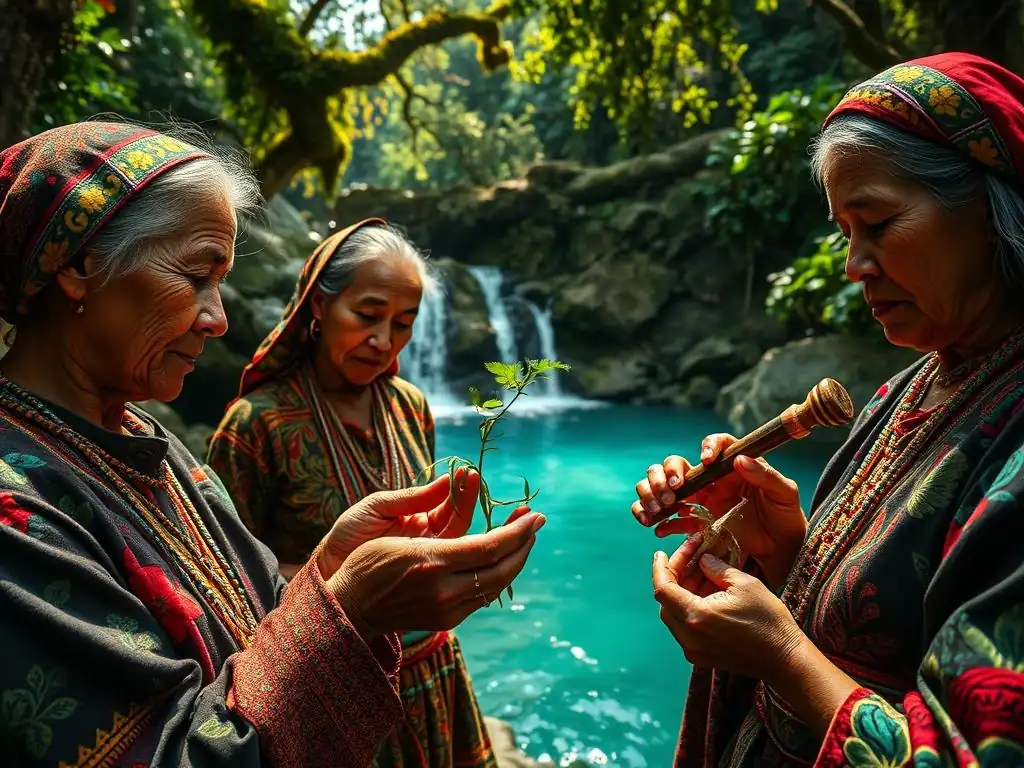
Welcome to WomenInScienceHistory.com, where we illuminate the untold stories of remarkable women who shaped the world of science. Did you know that for centuries, Indigenous women have been at the forefront of environmental stewardship, safeguarding our planet with ancient wisdom and profound connection to the land? Delve into our latest article, "Guardians of Gaia," and discover how these unsung heroes continue to inspire and lead the way in protecting our environment. Prepare to be amazed by their resilience, knowledge, and unwavering dedication. What secrets of sustainable living can we learn from their ancestral practices? Read on to find out!
Introduction: Honoring Indigenous Women's Role in Environmental Protection
For millennia, Indigenous women have stood as the unwavering guardians of Mother Earth, embodying a profound connection to the land that transcends mere resource management. Their roles as knowledge keepers, healers, and community leaders have intrinsically linked them to the health and vitality of ecosystems. This deep-seated bond positions them as crucial figures in the ongoing global effort towards environmental sustainability, making their contributions to Indigenous women environmental stewardship not just significant, but foundational.
This article delves into the invaluable wisdom and active contributions of Indigenous women, exploring how their traditional ecological knowledge and inherent spiritual connection to nature have shaped sustainable practices for generations. It highlights their leadership in safeguarding biodiversity, combating climate change, and championing the rights of their lands and communities, while also acknowledging the formidable challenges they face as frontline defenders.
The Deep Roots of Indigenous Women's Environmental Knowledge
The environmental knowledge held by Indigenous women is not merely academic; it is lived, intergenerational, and deeply embedded in their cultural fabric. Passed down through oral traditions, ceremonies, and hands-on practices, this wisdom encompasses intricate understanding of local flora, fauna, water systems, and seasonal cycles. They are often the primary cultivators, gatherers, and water protectors, directly interacting with and managing their local environments.
This intimate relationship with the land fosters a holistic perspective where humans are seen as an integral part of the ecosystem, not separate from it. Indigenous women understand the delicate balance required for sustained ecological health, recognizing that the well-being of their communities is directly tied to the well-being of the natural world around them. This inherent understanding forms the bedrock of their powerful Indigenous women environmental stewardship.
Ancient Wisdom: Traditional Ecological Knowledge (TEK) Passed Down Through Generations
Traditional Ecological Knowledge (TEK) represents a cumulative body of knowledge, practices, and beliefs about the relationship of living beings (including humans) with their environment, which is adaptively evolved and handed down through generations by cultural transmission. For Indigenous women, TEK is a dynamic system, continuously refined through observation, experimentation, and spiritual reflection. It informs sustainable harvesting techniques, such as knowing precisely when and how much to gather to ensure regeneration, or how to cultivate diverse crops that enhance soil health without synthetic inputs.
For instance, many Indigenous communities practice rotational farming or controlled burns to manage forests, techniques that have been scientifically proven to enhance biodiversity and prevent catastrophic wildfires. This ancient wisdom, often dismissed by colonial systems, is increasingly recognized by Western science as vital for addressing contemporary environmental crises, underscoring the enduring relevance of Indigenous women's insights.
The Interconnectedness of Culture, Spirituality, and Environmental Responsibility
For Indigenous peoples globally, the land is not merely property or a resource; it is often considered sacred, imbued with spiritual significance, and regarded as a living entity or an ancestor. This worldview fundamentally shapes their relationship with the environment, fostering a profound sense of responsibility and reciprocity. Indigenous women, often the spiritual leaders and ceremonial practitioners within their communities, play a crucial role in maintaining these connections.
Their spiritual practices and cultural ceremonies frequently revolve around honoring the land, water, and all living beings, reinforcing a collective commitment to environmental responsibility. For example, many Indigenous cultures have specific rituals for giving thanks before harvesting, or ceremonies to honor rivers and mountains, thereby instilling a deep respect for nature from childhood. This spiritual framework is a driving force behind the exemplary Indigenous women environmental stewardship observed globally.
- Introduction: Honoring Indigenous Women's Role in Environmental Protection
- The Deep Roots of Indigenous Women's Environmental Knowledge
- Ancient Wisdom: Traditional Ecological Knowledge (TEK) Passed Down Through Generations
- The Interconnectedness of Culture, Spirituality, and Environmental Responsibility
- What is environmental stewardship, and how does it relate to Indigenous women?
- Why is it important to highlight the role of Indigenous women in environmental stewardship?
- What challenges do Indigenous women face in their roles as environmental stewards?
- How can we support Indigenous women in their environmental stewardship efforts?
- What are some examples of traditional ecological knowledge held by Indigenous women?
Indigenous Women on the Frontlines of Environmental Conservation
Protecting Biodiversity: Indigenous Women as Environmental Defenders
Indigenous women are often at the forefront of protecting biodiversity, acting as vigilant guardians of the diverse ecosystems within their ancestral territories. Their traditional land management practices frequently lead to higher rates of biodiversity compared to areas managed by non-Indigenous communities. Approximately 80% of the world's remaining biodiversity is found in Indigenous territories, a testament to their effective stewardship.
They actively resist destructive industries such as logging, mining, and large-scale agriculture that threaten pristine forests, vital water sources, and critical habitats. From the Amazon rainforest to the Arctic tundra, Indigenous women organize, protest, and advocate for the protection of unique species and fragile ecosystems, often putting their lives at risk to preserve these precious natural legacies for future generations.
Combating Climate Change: Indigenous Women's Sustainable Practices
The sustainable practices championed by Indigenous women offer powerful, climate-resilient solutions that are rooted in centuries of adaptation and observation. Their traditional agricultural methods, such as polyculture farming and seed saving, promote food security and reduce reliance on energy-intensive industrial agriculture. Furthermore, their knowledge of forest management, including selective harvesting and fire prevention techniques, contributes significantly to carbon sequestration and ecosystem health.
In coastal communities, Indigenous women are key in maintaining mangrove forests and coral reefs, which act as natural barriers against rising sea levels and extreme weather events. Their low-carbon lifestyles and deep understanding of local climate patterns provide invaluable insights into building resilience against the impacts of climate change, making their Indigenous women environmental stewardship a global model.
Case Studies: Indigenous Women's Environmental Leadership in Action
Secwepemc Women and the Protection of the Fraser River Salmon
In British Columbia, Canada, Secwepemc women have demonstrated extraordinary leadership in protecting the Fraser River, a lifeline for wild salmon populations and a critical ecosystem. Facing threats from proposed pipeline expansions and industrial development, Secwepemc matriarchs and community members have organized robust resistance movements. They have established protest camps, engaged in legal challenges, and mobilized widespread public support, drawing attention to the potential devastation of their ancestral lands and waters.
Their efforts are rooted in the Secwepemc traditional law, which mandates the protection of the land and all its inhabitants. Through their persistent advocacy, these women have highlighted the interconnectedness of salmon health, river integrity, and the cultural survival of their people, embodying a powerful form of Indigenous women environmental stewardship that transcends local boundaries.
Maasai Women and Sustainable Pastoralism in East Africa
Maasai women in Kenya and Tanzania play a pivotal role in maintaining sustainable pastoralism, a traditional livelihood that has shaped the East African savannas for centuries. Despite facing increasing pressures from land privatization and climate change, Maasai women continue to uphold practices that promote grassland health, conserve water resources, and support biodiversity. They are often responsible for managing water points, caring for livestock, and gathering traditional medicinal plants, all of which require intimate knowledge of the local environment.
Many Maasai women are also leading initiatives to diversify livelihoods, such as developing eco-tourism ventures or producing sustainable crafts, which reduce reliance on traditional grazing while still promoting environmental conservation. Their adaptive strategies and deep respect for the land ensure the long-term viability of their communities and the ecosystems they inhabit.
Challenges Faced by Indigenous Women Environmental Stewards
Systemic Barriers: Land Rights, Discrimination, and Lack of Recognition
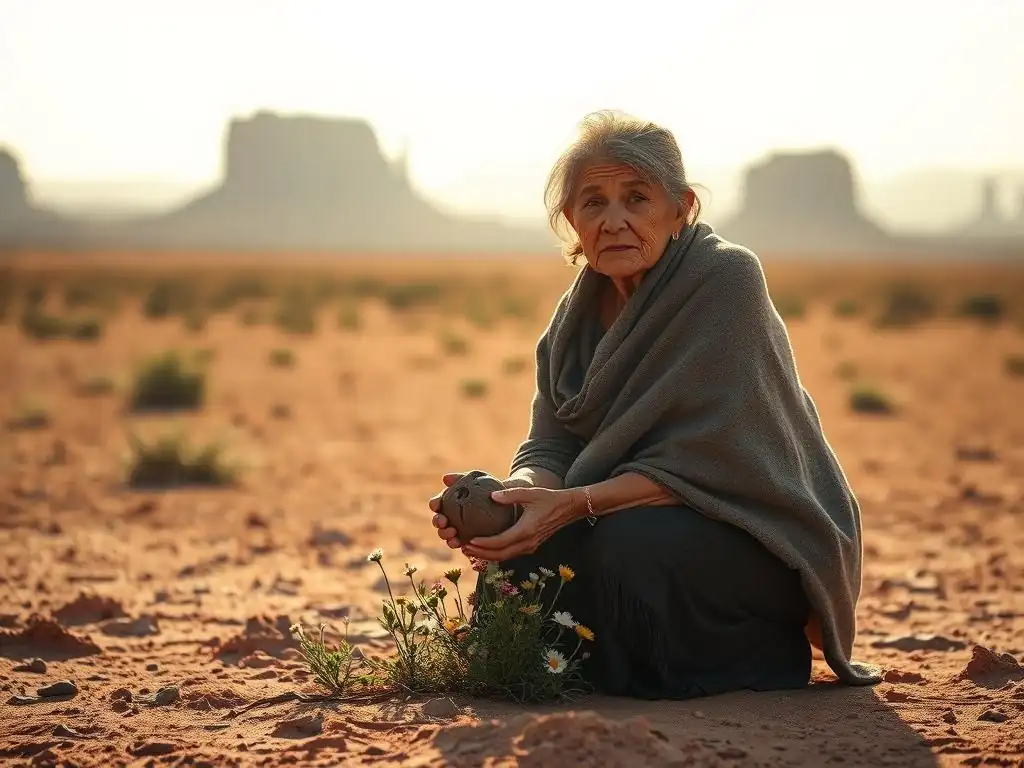
Indigenous women environmental stewards frequently encounter formidable systemic barriers that undermine their efforts. A pervasive issue is the lack of secure land tenure and recognition of their customary land rights, leaving their ancestral territories vulnerable to exploitation by extractive industries, agricultural expansion, and infrastructure projects. This insecurity is often compounded by deeply entrenched discrimination based on both gender and ethnicity, leading to their knowledge and leadership being undervalued or entirely dismissed by mainstream governance structures and scientific institutions.
Moreover, inadequate legal protections and slow justice systems often mean that violations against their lands and communities go unaddressed, further disempowering them. This systemic marginalization makes their work in Indigenous women environmental stewardship even more challenging, as they must continuously fight for their fundamental rights to land and self-determination.
Violence and Threats: Protecting Their Lands and Communities
Perhaps the most harrowing challenge faced by Indigenous women environmental stewards is the pervasive threat of violence, harassment, and criminalization. As frontline defenders of their lands against powerful corporate and state interests, they are disproportionately targeted. Reports indicate that Indigenous women are at an elevated risk of physical assault, sexual violence, intimidation, and even murder. These threats often come from private security forces, illegal loggers, miners, or even state actors seeking to silence dissent and facilitate resource extraction.
The bravery required to persist in their environmental work in the face of such dangers is immense. Their commitment to protecting their communities and ecosystems, driven by a profound sense of responsibility, compels them forward despite the severe personal risks involved, making their Indigenous women environmental stewardship a testament to extraordinary courage.
Empowering Indigenous Women for a Sustainable Future
Supporting Indigenous Women's Leadership: Education, Training, and Funding
Empowering Indigenous women for a sustainable future requires direct and sustained support for their leadership roles. This includes investing in culturally appropriate education and training programs that strengthen their traditional knowledge while also providing access to modern tools and skills in areas like environmental monitoring, legal advocacy, and community organizing. Such initiatives ensure that their unique perspectives and solutions are amplified and effectively integrated into broader conservation efforts.
Furthermore, direct funding to Indigenous women-led organizations and grassroots initiatives is crucial. These groups often have the most direct impact at the local level, understanding the specific needs and challenges of their communities. By providing financial resources, we enable them to implement their own environmental projects, build capacity, and respond effectively to immediate threats, thereby bolstering Indigenous women environmental stewardship from the ground up.
Amplifying Indigenous Voices: Sharing Knowledge and Promoting Collaboration
To truly leverage the wisdom of Indigenous women, it is essential to actively amplify their voices and create platforms for knowledge sharing and collaboration. This means ensuring their meaningful participation in environmental policy-making, scientific research, and international climate negotiations, where their traditional ecological knowledge can offer invaluable insights and innovative solutions. It also involves fostering partnerships between Indigenous communities, academic institutions, non-governmental organizations, and governments.
By promoting respectful dialogue and mutual learning, non-Indigenous allies can support Indigenous women in sharing their centuries-old wisdom with a wider audience, breaking down historical barriers and fostering a more inclusive approach to environmental conservation. Recognizing and celebrating their contributions is not only an act of justice but a strategic imperative for achieving a truly sustainable and equitable future.
Conclusion: Celebrating and Learning from Indigenous Women's Environmental Stewardship
The story of Indigenous women is inextricably woven with the narrative of environmental guardianship. From ancient times to the present day, they have demonstrated an unparalleled dedication to the health and vitality of our planet, embodying a profound Indigenous women environmental stewardship that is both deeply traditional and remarkably forward-thinking. Their traditional ecological knowledge, intertwined with cultural and spiritual practices, offers a holistic blueprint for living in harmony with nature.
As we confront pressing global environmental crises, the wisdom, resilience, and unwavering commitment of Indigenous women offer not just hope, but tangible pathways towards a sustainable future. It is imperative that we recognize, celebrate, and actively support their leadership, learning from their enduring legacy of protecting the Earth for generations to come. Their guardianship of Gaia is a gift to us all, and their voices must be heard and honored as we collectively strive for a more balanced and thriving world.
Frequently Asked Questions
What is environmental stewardship, and how does it relate to Indigenous women?
Environmental stewardship refers to the responsible use and protection of the natural environment through conservation and sustainable practices. Indigenous women often hold traditional ecological knowledge and play a crucial role in preserving biodiversity within their communities.
Why is it important to highlight the role of Indigenous women in environmental stewardship?
For centuries, Indigenous women have been custodians of the land, holding vital knowledge about sustainable resource management. Highlighting their role is important to recognize their contributions, challenge historical erasure, and promote culturally appropriate conservation strategies.
What challenges do Indigenous women face in their roles as environmental stewards?
Indigenous women often face systemic barriers such as land dispossession, lack of access to resources, and limited representation in decision-making processes. They also experience gender-based discrimination within and outside their communities.
How can we support Indigenous women in their environmental stewardship efforts?
Supporting Indigenous women involves respecting their sovereignty, providing access to funding and resources, and amplifying their voices in environmental policy discussions. It also requires addressing the root causes of environmental degradation and social injustice.
What are some examples of traditional ecological knowledge held by Indigenous women?
Examples include knowledge of plant-based medicines, sustainable harvesting techniques, and traditional farming practices that promote soil health. They also possess deep understanding of animal behavior and migration patterns, crucial for conservation efforts.
Final Reflection: Echoes of Ancient Wisdom
The narratives woven throughout this article underscore a profound truth: Indigenous women's environmental stewardship is not a relic of the past, but a vital lifeline for our future. Their ancestral knowledge, honed over generations of intimate connection with the land, offers invaluable solutions to the ecological crises we face today. Ignoring their voices is not only a moral failing but a strategic blunder, jeopardizing the very ecosystems upon which we all depend.
The enduring power of Indigenous women's leadership in environmental protection continues to reshape our understanding of sustainability. Their deep-rooted connection to the land, often dismissed as 'primitive,' is, in reality, a sophisticated and nuanced understanding of ecological balance. This perspective is crucial in a world increasingly disconnected from the natural world. We do not inherit the earth from our ancestors; we borrow it from our children.
This ancient proverb, echoed in countless Indigenous cultures, reminds us of our responsibility to future generations and the urgent need to learn from those who have always lived in harmony with nature.
As you reflect on the stories shared within these pages, consider how you can amplify the voices of Indigenous women and support their tireless efforts to protect our planet. Embrace the wisdom they offer, challenge the systems that marginalize them, and actively participate in creating a more just and sustainable world for all. The future of Gaia, our Earth, depends on it.
Answer the Call: Become a Guardian of Our Planet!
Thank you for exploring the inspiring stories of these Indigenous women and their vital contributions to environmental stewardship. You've gained a deeper understanding of the ancient wisdom protecting our planet, and now it's your turn to act.
Here’s how you can join the movement:
- Amplify Indigenous voices: Share this article to illuminate the work of Indigenous women on social media, using the hashtag #IndigenousWisdom.
- Learn more about traditional ecological knowledge and how it can inform sustainable practices in your local community. Seek out resources and connect with local Indigenous leaders and groups.
- Commit to one eco-conscious change this week that honors the Earth's resources.
What small, sustainable action will you take today to honor the wisdom of the Earth and support the legacy of these women?