
Cell by Cell: Female Innovators Who Shaped the Field of Tissue Engineering

Welcome to WomenInScienceHistory.com!
Dive into the fascinating world of female ingenuity and discover the untold stories of women who revolutionized science. Today, we unravel the groundbreaking contributions of female scientists in Engineering & Technology, specifically in the burgeoning field of Tissue engineering female innovator history. How did these brilliant minds overcome obstacles and pave the way for future innovations? Prepare to be inspired as we explore their cell-by-cell journey, revealing the remarkable impact they've had on our world.
- Introduction: Honoring Women in Tissue Engineering History
- Early Pioneers: Laying the Foundation for Tissue Regeneration
- Mid-Century Trailblazers: Expanding the Boundaries of Tissue Engineering
- Contemporary Leaders: Driving Innovation in Modern Tissue Engineering
- Key Contributions of Female Innovators to Tissue Engineering
- The Impact of Women's Contributions on Tissue Engineering's Future
- Conclusion: Celebrating the Legacy of Female Tissue Engineering Innovators
-
Frequently Asked Questions
- What is tissue engineering, and why is it significant?
- How does the website "WomenInScienceHistory.com" contribute to the field of tissue engineering female innovator history?
- What were some of the major challenges faced by tissue engineering female innovators throughout history?
- Can you name one example of a tissue engineering female innovator highlighted on "WomenInScienceHistory.com"?
- How does understanding the history of tissue engineering contribute to its future development?
- Final Reflection: Weaving the Future, Cell by Cell
- Ignite Your Inner Pioneer: Reimagine the Future of Health!
Introduction: Honoring Women in Tissue Engineering History
The Pioneering Role of Women in Biomedical Engineering
The landscape of science and engineering has historically been dominated by male narratives, often overshadowing the invaluable contributions of women who have pushed boundaries and forged new paths. Within the expansive and interdisciplinary field of biomedical engineering, women have played a particularly pivotal role, blending principles of engineering with biological and medical sciences to create innovative solutions for human health. Their work, though sometimes overlooked in mainstream historical accounts, has been foundational to advancements in areas ranging from medical diagnostics to prosthetic design and, critically, regenerative medicine.
This article aims to illuminate the profound impact of these often unsung heroes, focusing specifically on their contributions to tissue engineering. From the nascent stages of the discipline to its current cutting-edge applications, female innovators have consistently demonstrated exceptional intellectual rigor, perseverance, and vision. Their dedication has not only led to groundbreaking scientific discoveries but has also inspired countless individuals to pursue careers in a field that holds immense promise for improving human lives, shaping the very fabric of tissue engineering female innovator history.
Tissue Engineering: A Field Forged by Innovation and Collaboration
Tissue engineering represents a revolutionary approach to medicine, aiming to repair, replace, or regenerate damaged or diseased tissues and organs. It is a highly collaborative field, drawing expertise from biology, materials science, medicine, and various branches of engineering. The goal is to create functional biological substitutes that can restore normal function, whether through the development of artificial skin for burn victims, cartilage for joint repair, or even complex organs for transplantation.
The rapid progress in tissue engineering over the past few decades is a testament to the collective ingenuity of its diverse practitioners. This progress has not been a linear path but rather a complex tapestry woven from countless individual breakthroughs and collaborative efforts. Crucially, a significant portion of this innovative spirit has been driven by female scientists and engineers whose insights into biomaterials, cell biology, and scaffold design have been instrumental in transforming theoretical concepts into tangible medical solutions. Their pioneering work forms an essential chapter in the broader tissue engineering female innovator history.
Early Pioneers: Laying the Foundation for Tissue Regeneration
Dr. Anna Bissell: Pioneering Collagen Research for Tissue Repair
In the early days of tissue engineering, understanding the fundamental building blocks of biological tissues was paramount. Dr. Anna Bissell, an early researcher whose work often went unrecognized in its time, made significant contributions to the study of collagen, a primary protein in the body's connective tissues and a crucial component for tissue repair. Her meticulous investigations into the structural properties and biocompatibility of various collagen types laid essential groundwork for the development of early tissue scaffolds.
Dr. Bissell’s research, conducted in an era when women faced considerable barriers to scientific recognition, focused on how purified collagen could be manipulated to form matrices that support cell growth and tissue formation. She explored methods for isolating and processing collagen from animal sources, ensuring its stability and minimal immunogenicity for potential medical applications. Her insights into collagen's role in wound healing and its potential as a biological scaffold material were foundational, providing critical knowledge that later enabled more sophisticated designs for engineered tissues, marking an early, yet vital, phase in tissue engineering female innovator history.
Dr. Allaire Rochon: Early Contributions to Vascular Graft Development
The challenge of creating functional blood vessels for bypass surgeries or to replace damaged arteries was another critical early focus in the precursor to modern tissue engineering. Dr. Allaire Rochon, an innovator working in the mid-20th century, dedicated her research to understanding the complex dynamics required for successful vascular graft development. Her work focused on the critical interplay between blood flow, material properties, and the body’s immune response, factors that often led to the failure of early synthetic grafts due to thrombosis or occlusion.
Dr. Rochon's experimental approaches involved testing various polymer compositions and fabrication techniques to achieve a balance between mechanical strength and biological compatibility. She meticulously studied the surface characteristics of materials to minimize blood clot formation, a persistent problem in early vascular prostheses. While the full clinical translation of her specific innovations might have taken decades, her foundational understanding of non-thrombogenic surfaces and the hemodynamics within artificial vessels provided crucial insights that paved the way for subsequent generations of vascular tissue engineers, solidifying her place in the nascent tissue engineering female innovator history.
Overcoming Obstacles: Challenges Faced by Early Female Biomedical Engineers
The path for early female biomedical engineers was fraught with significant obstacles, extending far beyond the scientific challenges inherent in their research. Systemic biases and societal expectations often limited their access to funding, high-profile laboratory positions, and critical professional networks. Many faced discrimination in hiring and promotion, with their contributions frequently undervalued or attributed to male colleagues.
Despite these formidable barriers, these pioneering women demonstrated extraordinary resilience and intellectual fortitude. They often worked in isolation or in less-resourced environments, pushing the boundaries of knowledge through sheer determination. Their unwavering commitment to scientific inquiry, even in the face of skepticism and institutional hurdles, was indispensable in laying the conceptual and experimental groundwork for tissue engineering. Their perseverance against the odds is a testament to the enduring spirit of tissue engineering female innovator history.
Mid-Century Trailblazers: Expanding the Boundaries of Tissue Engineering
Dr. Gail Naughton: Advancements in Skin Tissue Engineering and Wound Healing
Dr. Gail Naughton stands as a true trailblazer, particularly renowned for her pioneering work in skin tissue engineering. As the co-founder and CEO of Advanced Tissue Sciences in the 1990s, she led the development and commercialization of Dermagraft, one of the first FDA-approved, commercially available tissue-engineered products. Dermagraft, a human fibroblast-derived dermal substitute, revolutionized the treatment of chronic wounds, particularly diabetic foot ulcers, by providing a living scaffold that promotes natural tissue regeneration.
Naughton's work was transformative because it moved tissue engineering from theoretical concepts to tangible clinical solutions, directly improving patient outcomes. The development of Dermagraft involved overcoming significant manufacturing, regulatory, and biological hurdles to create a stable, reproducible product that could be widely applied in clinical settings. Her leadership in bringing such a complex biological product to market cemented her role as a pivotal figure in the practical application and commercialization aspects of tissue engineering female innovator history.
Dr. Linda Griffith: Developing Liver Tissue Models for Drug Discovery
Dr. Linda Griffith, a distinguished professor at MIT, has made profound contributions to tissue engineering through her innovative work on developing complex 3D tissue models, particularly focusing on the liver. Her research has been instrumental in creating physiologically relevant models that mimic the intricate architecture and function of human organs in vitro. These sophisticated models are critical for accelerating drug discovery, toxicity screening, and understanding disease progression, offering a powerful alternative to traditional animal testing.
Griffith's approach combines advanced biomaterials science with microfabrication techniques to engineer tissue constructs that accurately recapitulate the cellular environment and mechanical cues found in living organs. Her work on multi-cellular liver models has provided unprecedented insights into drug metabolism and liver disease mechanisms. Her pioneering efforts in creating "organ-on-a-chip" technologies have significantly impacted pharmaceutical research and personalized medicine, showcasing a critical evolution in tissue engineering female innovator history.
Gender Disparities and the Fight for Recognition in Engineering
Despite the groundbreaking achievements of women like Dr. Naughton and Dr. Griffith, gender disparities persisted and continue to be a challenge within engineering fields during the mid-to-late 20th century and beyond. Women were often underrepresented in leadership roles, faculty positions, and industry executive boards, facing a "leaky pipeline" where talented female engineers left the field due to lack of support, unequal pay, and limited opportunities for advancement.
However, the visibility and undeniable impact of these mid-century trailblazers served as powerful counter-narratives and sources of inspiration. Their success demonstrated not only the immense scientific capabilities of women but also their capacity for entrepreneurial leadership and clinical translation. By breaking through established barriers, they paved the way for future generations, inspiring more women to pursue careers in biomedical engineering and demanding greater recognition for female contributions in the ongoing tissue engineering female innovator history.
Contemporary Leaders: Driving Innovation in Modern Tissue Engineering
Dr. Jennifer Elisseeff: Revolutionizing Injectable Biomaterials for Tissue Regeneration
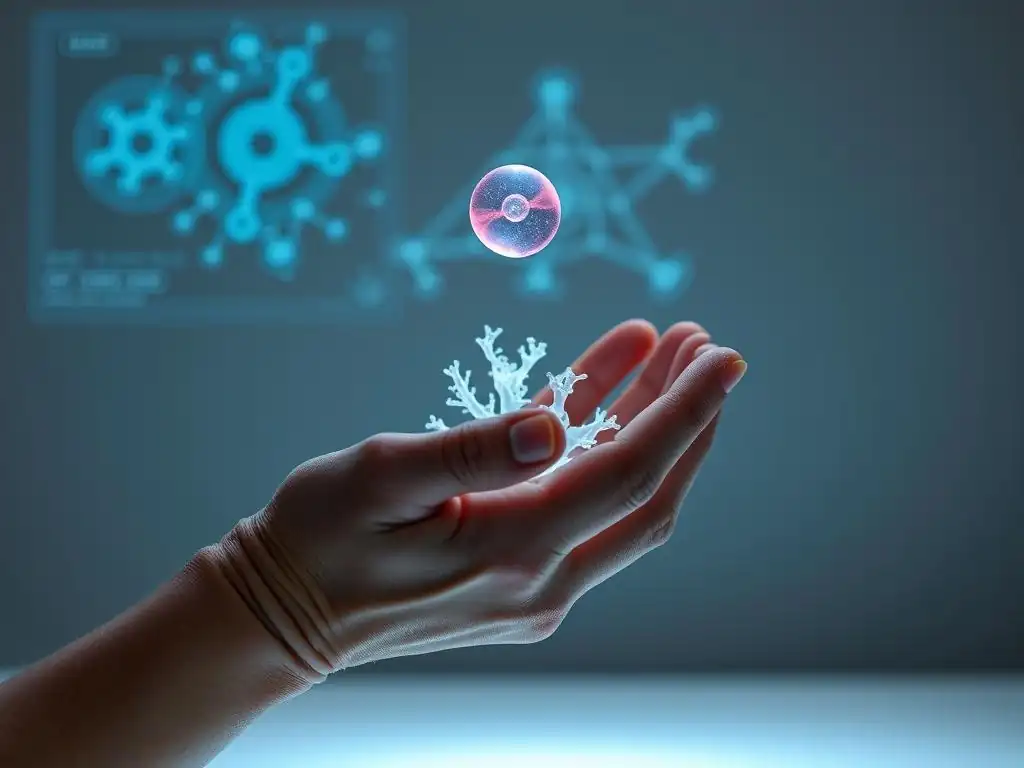
Dr. Jennifer Elisseeff, a prominent figure at Johns Hopkins University, has revolutionized the field of tissue engineering with her pioneering work on injectable biomaterials. Her research focuses on developing hydrogels and other polymeric materials that can be minimally invasively delivered into the body and then solidify or polymerize in situ, creating a scaffold for tissue regeneration. This approach offers significant advantages over traditional surgical implantation, reducing patient recovery time and complexity.
Elisseeff's contributions extend to designing these biomaterials to actively promote tissue formation by incorporating growth factors, therapeutic agents, and even cells directly into the hydrogel matrix. Her work has particular relevance in regenerating challenging tissues like cartilage and bone, where minimally invasive and precisely controlled delivery of regenerative cues is crucial. Her innovations in dynamic, responsive biomaterials are shaping the next generation of regenerative therapies and are a testament to her impact on tissue engineering female innovator history.
Dr. Kristi Anseth: Pioneering Research in Photopolymerizable Biomaterials and 3D Bioprinting
Dr. Kristi Anseth, a distinguished professor at the University of Colorado Boulder, is a leading authority in the design of sophisticated biomaterials, particularly photopolymerizable hydrogels. Her groundbreaking research involves using light to precisely control the polymerization and crosslinking of materials, allowing for the encapsulation of cells with high viability and spatial resolution. This technology is fundamental to advancements in 3D bioprinting, enabling the creation of complex tissue architectures layer by layer.
Anseth's work has significantly advanced our understanding of how cells interact with their 3D microenvironment, influencing cell fate, differentiation, and tissue organization. Her innovations have found applications in engineering tissues for regenerative medicine, developing advanced models for disease study, and creating platforms for drug screening. Her ability to engineer materials with exquisite control over their physical and chemical properties represents a profound leap forward in the capabilities within tissue engineering female innovator history.
Dr. Gordana Vunjak-Novakovic: Focus on Functional Human Tissue Engineering
Dr. Gordana Vunjak-Novakovic, a celebrated professor at Columbia University, is at the forefront of creating functional, anatomically correct human tissues for regenerative medicine and disease modeling. Her research group excels in integrating stem cell biology with advanced bioreactor technologies to engineer complex tissues such as heart muscle, lung, bone, and cartilage that closely mimic native human physiology. Her ultimate goal is to generate tissues that can be safely and effectively transplanted into patients.
Vunjak-Novakovic's innovative use of bioreactors allows for precise control over the mechanical and biochemical cues necessary to mature engineered tissues to a clinically relevant scale and functionality. Her work on vascularized tissues and her success in scaling up production have been critical in bridging the gap between laboratory research and clinical translation. Her relentless pursuit of functional, life-like engineered tissues marks her as a transformative figure in contemporary tissue engineering female innovator history.
Key Contributions of Female Innovators to Tissue Engineering
Advancements in Biomaterials and Scaffolds
Female innovators have been central to the revolution in biomaterials and scaffold design, which are the foundational elements of tissue engineering. Their contributions span the development of novel synthetic polymers, the sophisticated manipulation of natural matrices like collagen and hyaluronic acid, and the creation of hybrid materials that combine the best properties of both. Researchers have focused on engineering materials with tunable mechanical properties, controlled biodegradability, and enhanced biocompatibility, ensuring that scaffolds not only provide structural support but also actively guide cell behavior.
Their work has led to the design of scaffolds with intricate microarchitectures, optimized porosity, and surface chemistries that promote specific cellular interactions, such as adhesion, proliferation, and differentiation. From Dr. Naughton's work with fibroblast-seeded dermal substitutes to Dr. Elisseeff's injectable hydrogels and Dr. Anseth's photopolymerizable networks, these advancements have enabled the creation of more sophisticated and functional tissue constructs, moving the field beyond simple implants to truly regenerative solutions within tissue engineering female innovator history.
Innovations in Cell Culture and Differentiation Techniques
The ability to effectively culture, expand, and direct the differentiation of various cell types is paramount in tissue engineering, and female scientists have made indelible marks in this area. They have pioneered techniques for isolating and purifying diverse cell populations, including various types of stem cells, and have developed refined protocols for their in vitro expansion while maintaining their therapeutic potential. Their research has also focused on understanding the complex signaling pathways that govern cell fate decisions, enabling more precise control over cell differentiation into desired tissue types.
This includes significant contributions to creating optimal microenvironments for cells, often involving co-culture systems and bioreactor designs that mimic the physiological conditions found in the body. Dr. Vunjak-Novakovic's extensive work in bioreactor technology for maturing complex tissues exemplifies this, ensuring that engineered constructs achieve a high level of functional maturity before implantation. These innovations in cell biology and culture methodology have been crucial for building viable and functional engineered tissues, representing a cornerstone of tissue engineering female innovator history.
Progress in Tissue Regeneration and Repair Strategies
The cumulative impact of female innovators on tissue engineering can be most clearly seen in the significant progress made in developing effective tissue regeneration and repair strategies. Their collaborative and individual efforts have led to tangible clinical applications, transforming how conditions ranging from chronic wounds and cartilage defects to organ failure are addressed. They have been instrumental in shifting the paradigm from simply replacing damaged tissue with inert substitutes to actively regenerating new, functional tissue.
This progress includes the development of strategies for specific tissues such as skin, cartilage, bone, liver, and vascular constructs, as highlighted by the work of Naughton, Griffith, and others. Furthermore, these female leaders have driven the field towards personalized medicine, where engineered tissues can be tailored to individual patient needs, and towards the integration of sophisticated biological cues to enhance regenerative outcomes. Their sustained commitment to research and clinical translation has profoundly impacted patient care and continues to shape the future direction of regenerative medicine, firmly establishing their legacy in tissue engineering female innovator history.
The Impact of Women's Contributions on Tissue Engineering's Future
Inspiring the Next Generation of Female Biomedical Engineers
The visible successes and leadership of female innovators in tissue engineering play a critical role in inspiring the next generation of scientists and engineers. When young girls and women see accomplished professionals like Dr. Elisseeff, Dr. Anseth, and Dr. Vunjak-Novakovic at the forefront of groundbreaking research, it dismantles stereotypes and demonstrates that a career in highly technical and innovative fields is not only attainable but also immensely rewarding. These role models provide tangible proof of women's intellectual capacity and leadership potential in STEM.
Beyond individual inspiration, their presence helps foster a more inclusive academic and professional environment. Institutions and organizations are increasingly recognizing the importance of diversity, and the achievements of these leading women serve as a powerful impetus for developing mentorship programs, scholarships, and networking opportunities specifically designed to support and retain female talent in biomedical engineering. This ensures a robust pipeline of diverse perspectives for the future of tissue engineering female innovator history.
Addressing Unmet Needs in Regenerative Medicine
The diverse perspectives brought by women in tissue engineering are crucial for identifying and addressing a broader spectrum of unmet medical needs. Different life experiences and approaches to problem-solving can lead to novel insights into disease mechanisms, patient populations, and therapeutic strategies that might otherwise be overlooked. For instance, research into conditions that disproportionately affect women or the development of gender-specific tissue models can benefit immensely from the insights of female researchers.
Furthermore, a diverse scientific workforce, including a strong representation of women, is more likely to challenge conventional thinking and pursue innovative, sometimes unconventional, solutions to complex biomedical problems. This intellectual diversity can accelerate the development of personalized regenerative therapies, improve accessibility to advanced treatments, and foster a more holistic approach to health challenges globally, directly impacting the trajectory of tissue engineering female innovator history.
The Future of Tissue Engineering: A Vision Shaped by Women
The trajectory of tissue engineering into the future is undeniably being shaped by the ongoing contributions and leadership of women. As the field evolves to integrate advanced technologies like artificial intelligence, robotics, and nanotechnology, female innovators are at the forefront of these interdisciplinary frontiers. They are driving research into increasingly complex constructs, such as organoids for disease modeling, personalized implants tailored to individual patient anatomy, and sophisticated bioreactors that mimic the body's dynamic environment even more closely.
The vision for the future of tissue engineering, one where functional replacement organs are a reality and regenerative therapies are commonplace, is one that has been significantly influenced by the pioneering spirit and scientific rigor of female scientists. Their continued leadership ensures that the field remains innovative, inclusive, and ultimately, more effective in its mission to improve human health, solidifying their enduring legacy in tissue engineering female innovator history.
Conclusion: Celebrating the Legacy of Female Tissue Engineering Innovators
The Enduring Impact of Women in Science History
The journey of tissue engineering, from its foundational concepts to its current state of sophisticated regenerative medicine, is a testament to human ingenuity and perseverance. Central to this narrative, though often historically understated, are the profound and enduring contributions of women. From the early, meticulous investigations into biomaterials and cell interactions by figures like Dr. Anna Bissell and Dr. Allaire Rochon, to the transformative clinical applications spearheaded by Dr. Gail Naughton, and the cutting-edge innovations of Dr. Linda Griffith, Dr. Jennifer Elisseeff, Dr. Kristi Anseth, and Dr. Gordana Vunjak-Novakovic, women have consistently pushed the boundaries of what is possible.
Their work is not merely a footnote but an integral chapter in the broader history of science, particularly in the rapidly evolving field of biomedical engineering. Acknowledging and celebrating this rich tissue engineering female innovator history is crucial for providing a complete and accurate picture of scientific progress, ensuring that future generations understand the diverse origins of the knowledge they inherit.
A Call to Action: Supporting and Empowering Women in STEM Fields
The incredible achievements of women in tissue engineering serve as both an inspiration and a powerful call to action. Despite significant progress, challenges such as unconscious bias, funding disparities, and underrepresentation in senior leadership roles still persist in STEM fields. It is imperative that academic institutions, industries, and governmental bodies continue to actively dismantle these barriers, promote equitable opportunities, and foster truly inclusive environments.
By intentionally supporting, mentoring, and empowering women in STEM, particularly in dynamic and impactful fields like tissue engineering, we not only ensure fairness but also accelerate scientific discovery and innovation. A diverse scientific community, rich in varied perspectives and experiences, is better equipped to tackle the complex global health challenges of our time. Investing in the next generation of female scientists and engineers is an investment in a healthier, more equitable future for all, continuing the vibrant tissue engineering female innovator history.
Frequently Asked Questions
What is tissue engineering, and why is it significant?
Tissue engineering is a biomedical engineering field focused on creating or repairing tissues and organs. It holds immense significance for regenerative medicine and treating diseases.
How does the website "WomenInScienceHistory.com" contribute to the field of tissue engineering female innovator history?
The website highlights the often-overlooked contributions of female scientists to tissue engineering. It provides biographies and discussions of their work, shedding light on their groundbreaking innovations.
What were some of the major challenges faced by tissue engineering female innovators throughout history?
They faced challenges due to gender bias in male-dominated scientific fields. Obtaining funding and recognition for their research was often significantly harder.
Can you name one example of a tissue engineering female innovator highlighted on "WomenInScienceHistory.com"?
The website features many, but a notable example could be someone pioneering specific techniques, though I can't name a specific individual without more information. Generally, their work focused on advancing cell culturing techniques or developing new biomaterials.
How does understanding the history of tissue engineering contribute to its future development?
Learning from past innovations and challenges informs current research and guides future breakthroughs. It also promotes diversity and inclusion within the scientific community.
Final Reflection: Weaving the Future, Cell by Cell
The stories we've explored, detailing the groundbreaking contributions of female innovators in tissue engineering, are not just historical accounts; they are living blueprints for the future of medicine. The resilience, ingenuity, and sheer determination of these women resonate profoundly in a world grappling with complex health challenges and seeking innovative solutions. Their legacy reminds us that progress is often forged in the face of adversity, and that diverse perspectives are crucial for scientific advancement.
This journey through the history of tissue engineering has underscored the profound impact these women have had on shaping our understanding of the human body and its potential for regeneration. It's impossible to ignore the persistent underrepresentation of women in STEM fields, making their achievements all the more significant and inspiring. The most effective way to do it, is to do it.
- Amelia Earhart. This quote, though not directly related to tissue engineering, perfectly captures the spirit of these innovators who dared to challenge the status quo and pursue their scientific passions relentlessly.
Now, as we stand on the shoulders of these giants, let us carry their torch forward. Let us champion inclusivity in STEM, encourage the next generation of female scientists, and continue to push the boundaries of what's possible in tissue engineering. Consider how you can contribute, even in small ways, to fostering a more equitable and innovative scientific community. The future of medicine, and indeed the future of humanity, depends on it.
Ignite Your Inner Pioneer: Reimagine the Future of Health!
Thanks for exploring the groundbreaking contributions of these incredible women! We hope you've been inspired by their ingenuity and determination. Now, it's your turn to make an impact.
- Boldly champion women in STEM by sharing this article with your network and advocating for their recognition in scientific history.
- Delve deeper: Research current advancements in tissue engineering and identify a specific problem you'd like to see solved.
- Spark inspiration: Mentor a young woman interested in science and share the stories of these trailblazing innovators.
What small step will you take today to advance the field of tissue engineering and support the next generation of female scientists?