
Florence Parpart's Street Sweeper: Cleaning Up Urban Life in the Early 20th Century


Welcome to WomenInScienceHistory.com! Ever heard of a woman revolutionizing street cleaning? Prepare to be amazed. This intriguing biography unveils the story of Florence Parpart, a name you should know for her innovative street sweeper design. But her accomplishments extend far beyond just cleaning up urban landscapes. Dive in to discover her life, her inventions, and the obstacles she overcame in a world that often overlooked the brilliance of women in Engineering & Technology. What propelled her to such innovation and how did she navigate a male-dominated field? Let's find out...
- Florence Parpart's Street Sweeper: Revolutionizing Urban Sanitation in the Early 20th Century
- Introduction: Florence Parpart - A Pioneering Engineer and Advocate for Public Health
- The Context: Urban Growth and the Pressing Need for Effective Street Cleaning (1900-1930)
- Florence Parpart's Street Sweeper: Design, Functionality, and Innovation
- Florence Parpart: Inventor, Entrepreneur, and Advocate for Sanitation
- The Impact of Parpart's Street Sweeper on Urban Sanitation and Public Health
- Overcoming Barriers: Gender Inequality and the Challenges Faced by Female Inventors
- Legacy and Recognition: Honoring Florence Parpart's Enduring Contributions
- Conclusion: Florence Parpart - A Visionary Who Transformed Urban Sanitation
-
Frequently Asked Questions
- What was Florence Parpart's most notable invention?
- What challenges did Florence Parpart likely face as a female inventor in the early 1900s?
- Why is Florence Parpart's street sweeper invention considered important?
- Where can I find more detailed information about Florence Parpart's life and inventions?
- How does Florence Parpart's story inspire future generations in science?
- Final Reflection: The Enduring Legacy of Innovation
- Ignite Your Inner Inventor: Transform Your Community!
Florence Parpart's Street Sweeper: Revolutionizing Urban Sanitation in the Early 20th Century
Introduction: Florence Parpart - A Pioneering Engineer and Advocate for Public Health
Rediscovering a Forgotten Innovator: Florence Parpart's Impact on Urban Life
Florence Parpart stands as a testament to the ingenuity and perseverance of women in science and engineering, particularly in an era that largely overlooked their contributions. Her groundbreaking invention, the motorized street sweeper, patented in 1900, marked a pivotal moment in urban development, transforming the way cities managed waste and public health. This innovative machine moved beyond rudimentary manual methods, offering a more efficient and hygienic solution to the mounting sanitation challenges of rapidly growing metropolises.
Her work had a profound, if often unsung, impact on daily life, directly contributing to cleaner streets, improved air quality, and a significant reduction in urban disease vectors. The story of her pioneering Florence Parpart street sweeper biography is a crucial reminder of how individual brilliance can shape collective well-being, even when the inventor herself remains outside the mainstream historical narrative.
Women in Engineering History: Acknowledging Parpart's Groundbreaking Contributions
In the early 20th century, the field of engineering was overwhelmingly dominated by men, making Florence Parpart's achievements all the more remarkable. Women faced immense societal and professional barriers, from limited access to formal education in technical fields to skepticism regarding their capacity for mechanical innovation. Despite these formidable obstacles, Parpart not only conceived of a complex mechanical solution but also successfully patented and commercialized it.
Her street sweeper was not merely a clever gadget; it was a robust engineering solution addressing a critical public health crisis. By designing a machine that could effectively clean urban thoroughfares, Parpart demonstrated a sophisticated understanding of mechanics, urban planning, and public health needs. Her contribution underscores the vital, yet often unacknowledged, role women have played in shaping technological progress and improving societal infrastructure.
The Context: Urban Growth and the Pressing Need for Effective Street Cleaning (1900-1930)
The Challenges of Rapid Urbanization: Waste Management and Public Health
The turn of the 20th century witnessed an unprecedented surge in urban populations across the United States and Europe. Cities like New York, Chicago, and London swelled with new residents, industries, and, consequently, an overwhelming amount of waste.
Horse-drawn transportation filled streets with tons of manure daily – a single horse could produce an average of 15 to 20 pounds of manure per day, accumulating to hundreds of thousands of pounds in a large city like New York, which had over 100,000 horses by 1900. This, combined with industrial refuse, domestic garbage, and general litter, created unsanitary conditions ripe for disease.
These burgeoning urban centers faced a constant battle against epidemics of typhoid, cholera, and tuberculosis, which thrived in environments lacking proper sanitation. The decaying organic matter and accumulated filth not only produced noxious odors but also served as breeding grounds for flies, rats, and other disease vectors, directly contributing to higher mortality rates in urban areas compared to their rural counterparts. The need for efficient waste management was not just about aesthetics; it was a matter of life and death for millions.
Pre-Automated Street Cleaning Methods: Limitations and Public Health Concerns
Prior to the advent of mechanized solutions like the Florence Parpart street sweeper, urban sanitation relied heavily on manual labor. Crews of "white wings" — street sweepers equipped with brooms, shovels, and pushcarts — would laboriously clear streets. While dedicated, these manual methods were inherently inefficient and struggled to keep pace with the sheer volume of waste generated by rapidly expanding populations and burgeoning industries. A single manual laborer could cover only a limited area per day, and the thoroughness of their work was often inconsistent.
The limitations of these methods extended beyond mere inefficiency. Manual sweeping often stirred up significant amounts of dust, which, laden with dried manure and other particulate matter, contributed to respiratory illnesses and poor air quality. Furthermore, the incomplete removal of waste meant that disease-carrying pests continued to thrive. The constant presence of filth on city streets was a visible reminder of the inadequate public health infrastructure, highlighting a critical gap that innovative solutions were desperately needed to fill.
Florence Parpart's Street Sweeper: Design, Functionality, and Innovation
Engineering Principles Behind Parpart's Street Sweeping Machine: Efficiency and Effectiveness
Florence Parpart's street sweeper represented a significant leap forward in municipal engineering, moving beyond the brute force of manual labor to a more systematic and efficient mechanical process. While precise blueprints of her original 1900 patented design are not widely detailed, the core principle involved automating the sweeping and collection of debris. Her design likely integrated rotating brushes, similar to those found in later models, designed to dislodge and collect refuse, channeling it into a storage compartment on the vehicle. This represented a fundamental shift from individual, localized sweeping to a continuous, wide-path cleaning operation.
The engineering challenge was to create a durable, reliable machine capable of handling varied urban debris, from fine dust to larger refuse, across uneven street surfaces. Parpart's innovation lay in optimizing the mechanical interaction between the brushes, the collection mechanism, and the vehicle's propulsion system to ensure maximum debris removal with minimal oversight. This focus on efficiency and thoroughness was a hallmark of her inventive approach.
Key Features and Advantages: Addressing the Shortcomings of Existing Street Cleaning Technologies
The key advantages of Parpart's motorized street sweeper over existing manual methods were manifold. Foremost was its vastly superior speed and coverage. Where a crew of dozens of manual sweepers might take hours to clear a few blocks, a single machine could cover many miles in a fraction of the time. This increased efficiency meant that larger areas could be cleaned more frequently and thoroughly, a critical factor for maintaining sanitation in sprawling cities.
Furthermore, the machine's design aimed for a more complete removal of debris, including fine dust particles that manual brooms often simply displaced. This improved hygiene by reducing the amount of airborne particulate matter and residual organic waste, thereby mitigating the breeding grounds for pests and the spread of disease. The ability to mechanize this arduous task also reduced the physical strain and labor costs associated with large manual cleaning teams, making it a more sustainable and effective long-term solution for urban sanitation.
A Technological Advancement: Efficiency, Hygiene, and Cost-Effectiveness Compared to Manual Labor
The introduction of Florence Parpart's street sweeper was a significant technological advancement that promised a new era of urban cleanliness. From an efficiency standpoint, one motorized sweeper could effectively replace the work of numerous manual laborers, completing tasks faster and with greater consistency. While exact cost-saving figures from her era are difficult to pinpoint, the reduction in wages for large cleaning crews, combined with the ability to clean more extensively, would have yielded substantial economic benefits for municipalities.
Beyond economic considerations, the machine offered unparalleled improvements in public hygiene. By collecting more debris and dust, it directly contributed to a reduction in airborne pathogens and the overall cleanliness of the urban environment. This meant fewer disease vectors like flies and rats, and a more pleasant living environment for city dwellers. The combination of increased efficiency, superior hygiene, and potential cost-effectiveness positioned the Florence Parpart street sweeper biography as a pivotal moment in the evolution of urban infrastructure and public health.
Florence Parpart: Inventor, Entrepreneur, and Advocate for Sanitation
Early Life and Inventive Inclinations: Shaping a Path Towards Engineering
Details about Florence Parpart's early life are scarce, a common challenge when researching the biographies of pioneering women whose contributions were often overlooked or poorly documented. However, her inventive spirit and practical approach to problem-solving are clearly evident in her later achievements. Her patent application for the street sweeper in 1900 suggests a sustained interest in mechanical innovation and an astute observation of societal needs. It's plausible that growing up in a rapidly industrializing nation, she witnessed firsthand the unsanitary conditions of cities and recognized the urgent demand for more effective sanitation methods.
This inclination towards identifying and solving real-world problems through mechanical means is a hallmark of an engineering mindset. While formal engineering education was largely inaccessible to women at the time, Parpart's ability to conceptualize, design, and patent complex machinery demonstrates an innate talent for engineering and a drive to contribute tangible solutions to public challenges. Her path towards invention was likely self-driven, fueled by a desire to improve daily life.
Diverse Inventions: From Household Appliances to Large-Scale Sanitation Solutions
While the street sweeper remains her most recognized invention, Florence Parpart's inventive portfolio was not limited to large-scale municipal equipment. Her broader inventive inclinations are evidenced by other patents she secured, such as a patent for a refrigerator in 1914. This range of innovation, from essential household appliances to critical public infrastructure, underscores her versatility as an inventor and her consistent focus on improving daily living through practical technological solutions.
This diversity highlights her entrepreneurial spirit and her keen eye for identifying unmet needs across various sectors. Whether it was preserving food in homes or cleaning city streets, Parpart approached challenges with an inventive and pragmatic mindset. Her ability to transition between different scales of invention, from individual household use to large-scale urban sanitation, further solidifies her Florence Parpart street sweeper biography as an example of a truly multifaceted and impactful innovator.
The Impact of Parpart's Street Sweeper on Urban Sanitation and Public Health
Reducing Disease and Improving Air Quality Through Effective Waste Removal
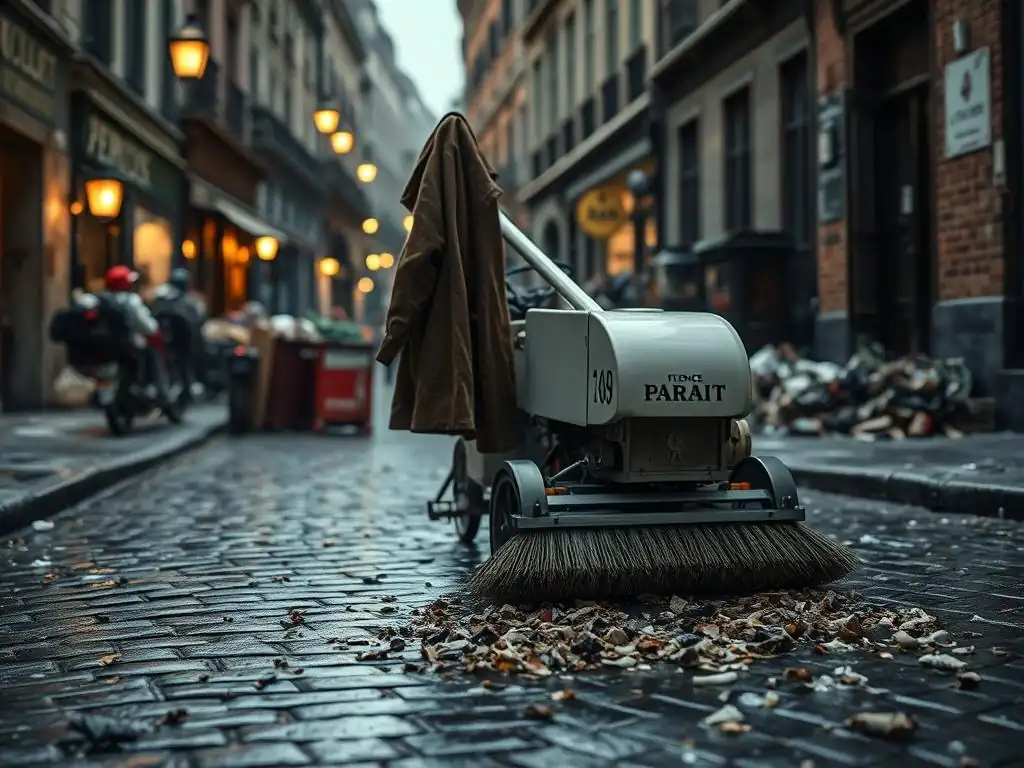
The adoption of mechanized street sweeping, pioneered by inventions like Florence Parpart's, had a profound and direct impact on public health in urban centers. By efficiently removing accumulated debris, horse manure, and general waste, these machines significantly reduced the breeding grounds for disease-carrying pests such as flies and rats. This contributed to a measurable decline in the incidence of infectious diseases like typhoid fever and cholera, which were historically linked to poor sanitation and contaminated environments.
Furthermore, the mechanical sweeping process helped to control the pervasive dust that characterized early 20th-century cities. This dust, often a mixture of dried manure, industrial soot, and soil, was a major source of respiratory irritation and a carrier of airborne pathogens. Cleaner streets meant improved air quality, contributing to better respiratory health for urban residents and a noticeable reduction in the overall burden of disease in densely populated areas.
Economic Benefits: Cost Savings and Increased Efficiency in Municipal Operations
Beyond the health benefits, Parpart's street sweeper offered significant economic advantages to municipalities. Manual street cleaning was incredibly labor-intensive, requiring large crews and substantial payrolls. By replacing dozens of manual laborers with a single machine and its operator, cities could achieve substantial cost savings in terms of wages and benefits. For instance, while a manual crew might clean a few blocks in a day, a motorized sweeper could cover several miles, drastically increasing the efficiency of municipal sanitation departments.
This increased efficiency translated into more ground covered in less time, allowing cities to maintain higher standards of cleanliness across larger areas without a proportional increase in expenditure. The operational advantages, such as consistent cleaning schedules and the ability to respond more rapidly to accumulating waste, further bolstered urban infrastructure and contributed to a more functional and appealing public environment, making the Florence Parpart street sweeper biography a case study in practical urban innovation.
The Evolution of Urban Sanitation: Parpart's Contribution to Modern Waste Management
Florence Parpart's street sweeper was a critical step in the evolution of urban sanitation, marking a decisive shift from rudimentary manual methods to mechanized, systematic waste management. Her invention laid foundational principles for the automated street cleaning technologies that are commonplace today. Before her innovation, the idea of a single machine efficiently cleaning vast stretches of urban roads was revolutionary; afterwards, it became an aspiration that shaped municipal planning.
Her work contributed to a broader paradigm shift in how cities approached public health and cleanliness, recognizing that effective waste removal was not just a chore but a vital component of modern urban living. The concepts of efficiency, thoroughness, and mechanical assistance embedded in her design continue to influence the development of contemporary waste management solutions, from advanced street sweepers to integrated municipal cleaning systems. Her pioneering efforts truly helped pave the way for the sophisticated urban sanitation infrastructure we rely on today.
Overcoming Barriers: Gender Inequality and the Challenges Faced by Female Inventors
Florence Parpart pursued her inventive aspirations in an era where gender inequality was deeply entrenched in both society and professional fields, particularly engineering. In the early 20th century, women were largely excluded from technical education and professional networks, with fewer than 1% of engineers in the United States being female during this period. This meant that women inventors often lacked access to the same resources, mentorship, and opportunities as their male counterparts, including funding, manufacturing connections, and industry recognition.
Societal norms often relegated women to domestic roles, and inventions by women, especially in industrial or mechanical fields, were frequently met with skepticism or outright dismissal. The prevailing perception was that women lacked the technical aptitude for such complex endeavors, forcing innovators like Parpart to navigate an environment where their intelligence and capabilities were constantly underestimated and challenged.
Securing Patents and Recognition: Perseverance and Advocacy in a Biased System
Securing a patent for an invention was, and remains, a rigorous process. For a woman like Florence Parpart in 1900, this undertaking was compounded by the systemic biases of the time. Not only did she need to have a truly novel and functional invention, but she also had to navigate legal and professional systems that were not designed to accommodate or encourage female inventors. The sheer determination required to successfully file and obtain a patent speaks volumes about her resolve and belief in her own work.
Despite these hurdles, Parpart's success in obtaining a patent for her street sweeper underscores her remarkable perseverance and her active advocacy for her own intellectual property. This achievement, in an environment where women's contributions were often appropriated or ignored, highlights her strength as an inventor and entrepreneur. Her Florence Parpart street sweeper biography serves as a powerful illustration of the resilience required to make an impact in a male-dominated field.
Legacy and Recognition: Honoring Florence Parpart's Enduring Contributions
Parpart's Place in the History of Women in STEM: Inspiring Future Generations
Florence Parpart holds a significant, albeit often understated, place in the history of women in STEM. Her invention of the motorized street sweeper demonstrates that women were actively engaged in groundbreaking engineering and technological innovation long before they gained widespread recognition in these fields. Her story serves as a powerful example of female ingenuity and tenacity in an era that provided minimal support or encouragement for women in scientific and technical pursuits.
By highlighting the achievements of figures like Parpart, we provide crucial role models for future generations. Her legacy inspires young women today to pursue careers in engineering, invention, and public service, demonstrating that passion and intellect can overcome societal barriers. Recognizing her contributions ensures that the full tapestry of human innovation, including the invaluable threads woven by women, is accurately represented and celebrated.
Promoting Innovation and Diversity: Recognizing the Importance of Female Ingenuity
The ongoing effort to bring stories like Florence Parpart's to light is vital for promoting innovation and diversity in contemporary STEM fields. By actively seeking out and celebrating the contributions of forgotten female inventors, we not only correct historical oversights but also reinforce the critical importance of diverse perspectives in problem-solving. When a wider range of experiences and viewpoints are included in scientific and engineering endeavors, the solutions developed are often more comprehensive, creative, and effective for society as a whole.
Recognizing the pioneering work of women like Parpart encourages a more inclusive approach to STEM education and career paths, fostering environments where female ingenuity is not just tolerated but actively sought out and valued. Her Florence Parpart street sweeper biography is more than just a historical account; it's a call to action for continued support and recognition of women's invaluable contributions to science, technology, engineering, and mathematics.
Conclusion: Florence Parpart - A Visionary Who Transformed Urban Sanitation
Reflecting on Parpart's Lasting Impact on Urban Environments and Public Health
Florence Parpart's invention of the motorized street sweeper stands as a monumental, yet often unsung, achievement in the history of urban development and public health. Her innovative machine fundamentally transformed the way cities managed waste, moving beyond inefficient manual methods to a more systematic, efficient, and hygienic approach.
This shift was critical in an era of rapid urbanization, directly contributing to cleaner streets, improved air quality, and a significant reduction in the spread of urban diseases. Her foresight in addressing such a pressing societal need laid essential groundwork for the modern sanitation practices that continue to shape healthy, livable urban environments today.
Her work underscores the profound impact an individual inventor can have on collective well-being, demonstrating how a single, well-engineered solution can ripple through society, improving daily life for millions. The legacy of her street sweeper is not just in the machine itself, but in the enduring principle of using technology to create healthier and more sustainable cities.
Celebrating Female Inventors: Recognizing and Supporting Women in STEM Fields
The story of Florence Parpart is a powerful reminder of the countless women whose contributions to science, technology, engineering, and mathematics have been historically overlooked. By celebrating her Florence Parpart street sweeper biography, we not only honor her individual ingenuity and perseverance but also highlight the broader narrative of female innovation against significant odds. Recognizing these forgotten pioneers is essential for a complete and accurate understanding of scientific progress.
More importantly, it serves to inspire future generations of women and girls, encouraging them to pursue their passions in STEM fields, knowing that their contributions are vital and their ingenuity can change the world. Supporting and recognizing women in STEM is not just about historical correction; it's about fostering a more equitable and innovative future for all.
Frequently Asked Questions
What was Florence Parpart's most notable invention?
Florence Parpart is most famously known for her improved street sweeper design, which greatly contributed to urban sanitation in the early 20th century. While she had other patents, this one stands out.
What challenges did Florence Parpart likely face as a female inventor in the early 1900s?
As a woman in a male-dominated field, Parpart likely encountered difficulty securing funding, recognition, and access to resources compared to her male counterparts. She had to overcome societal biases.
Why is Florence Parpart's street sweeper invention considered important?
Her improved street sweeper significantly enhanced urban cleanliness and public health by efficiently removing debris and reducing the spread of disease. This improved the quality of life for many city dwellers.
Where can I find more detailed information about Florence Parpart's life and inventions?
Resources such as WomenInScienceHistory.com can provide deeper insights into her biography, patents, and the historical context surrounding her contributions. Additional research may be needed.
How does Florence Parpart's story inspire future generations in science?
Parpart's story demonstrates the power of female innovation and perseverance in overcoming obstacles to make a significant impact on society, encouraging young women to pursue STEM careers. She serves as a role model.
Final Reflection: The Enduring Legacy of Innovation
The story of Florence Parpart and her street sweeper is more than just a historical anecdote; it's a testament to the power of ingenuity and determination in shaping our urban landscapes. The echoes of her invention resonate today in the efficient and clean cities we often take for granted, reminding us that even seemingly mundane aspects of modern life are built upon the foundations of groundbreaking ideas.
The impact of Parpart's innovation extends beyond mere cleanliness. It speaks to a broader narrative of women's contributions to technological advancement, often overlooked in historical accounts. Her story serves as a crucial reminder to actively seek out and celebrate the diverse voices that have shaped our world. The most common way people give up their power is by thinking they don't have any.
- Alice Walker. This quote encapsulates the spirit of Parpart's work, demonstrating the potential for individual action to create significant change.
As we navigate our own complex challenges, let us draw inspiration from Florence Parpart's unwavering commitment to improving her community. Consider how you, too, can identify problems and leverage your unique skills to create innovative solutions. Embrace the spirit of ingenuity, and dare to imagine a better future, one innovation at a time.
Ignite Your Inner Inventor: Transform Your Community!
Thanks for delving into the story of Florence Parpart and her ingenious street sweeper! We hope you've found inspiration in her ability to identify a problem and develop a practical, innovative solution. Now, it's your turn to make a difference.
Here's how you can channel your own inner inventor and impact your community:
- Brainstorm: Identify a pressing issue in your local area and dedicate 30 minutes to generate at least five potential solutions.
- Share the article about Florence with your network to inspire others with her story of ingenuity.
- Research local initiatives that address similar challenges and find out how you can contribute your time or skills.
What small innovation could you champion in your own neighborhood to create a cleaner, healthier, and more vibrant community?