
Dr. Sara Josephine Baker: Public Health Pioneer Who Revolutionized Child Hygiene in New York

Welcome to WomenInScienceHistory.com!
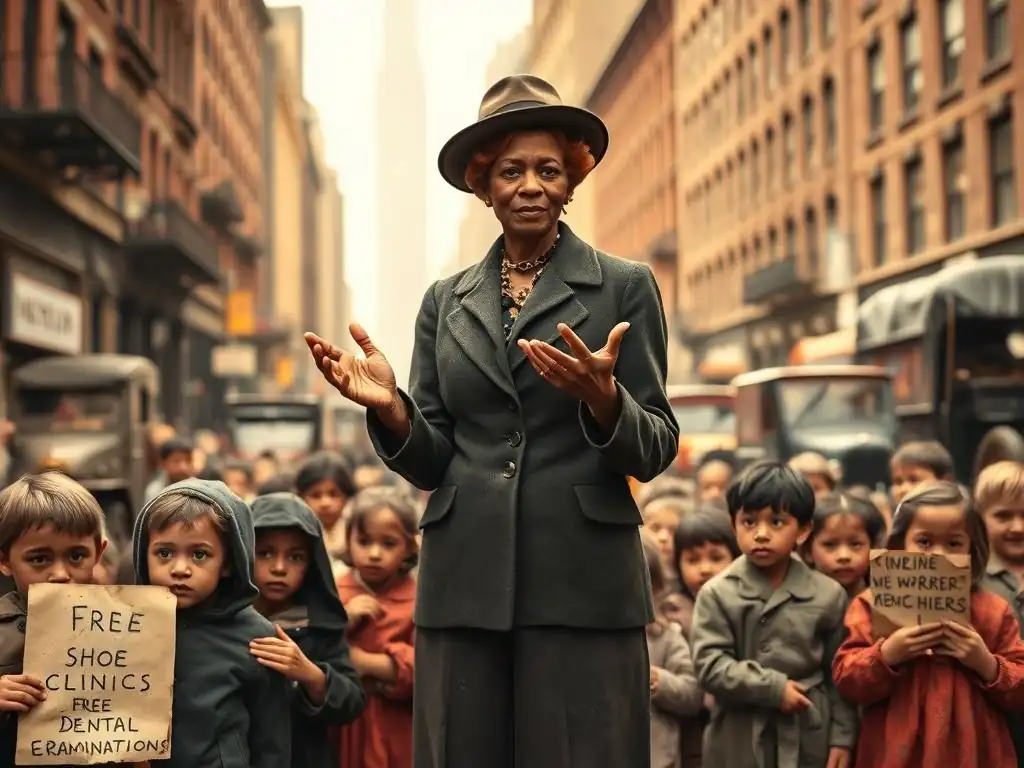
Delve into the remarkable legacy of women who defied expectations and shaped the course of scientific progress. Imagine a world where infant mortality rates were shockingly high... This week, we shine a light on Dr. Sara Josephine Baker, a true visionary whose groundbreaking work in child hygiene transformed public health in New York City. Prepare to be inspired by her unwavering dedication and the profound impact she had on countless lives. Intrigued? Let's uncover the story of a pioneer who dared to challenge the status quo and revolutionize the well-being of children.
- Introduction: Celebrating Dr. Sara Josephine Baker's Legacy in Public Health
- Early Life and Education: Forging a Path in Medicine
- Revolutionizing Child Hygiene in New York City
- The Bureau of Child Hygiene: A Groundbreaking Initiative
- Pioneering Contributions to Preventative Medicine
- Challenges and Triumphs: Navigating a Male-Dominated Field
- Later Life and Continued Advocacy for Women and Children
- Sara Josephine Baker's Enduring Impact on Child Welfare
-
Frequently Asked Questions
- What were Dr. Sara Josephine Baker's primary contributions to public health?
- How did Dr. Baker combat infant mortality in New York City?
- What obstacles did Dr. Baker face as a woman in the scientific field?
- Why is Dr. Sara Josephine Baker considered a pioneer in child hygiene?
- What is the significance of highlighting Dr. Baker's story in WomenInScienceHistory.com?
- Final Reflection: Legacy of Lifesaving
- Ignite Change: Championing a Healthier Future for All!
Introduction: Celebrating Dr. Sara Josephine Baker's Legacy in Public Health
Women in Biology & Medicine: Honoring a Pioneer
Dr. Sara Josephine Baker stands as an extraordinary figure in the annals of public health, a true pioneer whose work fundamentally reshaped the landscape of child welfare in early 20th-century America. Her remarkable achievements are even more significant when viewed through the lens of her era, a time when professional opportunities for women, especially in demanding fields like medicine and public administration, were severely limited. Dr. Baker not only carved out a distinguished career but also rose to a position of unprecedented authority, demonstrating the profound impact women can have in biology and medicine.
Her story is a testament to the resilience and groundbreaking contributions of women who defied societal norms to pursue scientific endeavors. By highlighting the narratives of figures like Dr. Baker, WomenInScienceHistory.com aims to bring to light the often-overlooked achievements that laid the groundwork for modern scientific and medical practices, inspiring future generations to break barriers and pursue their passions in science.
Sara Josephine Baker: A Name Synonymous with Child Welfare
Sara Josephine Baker's name is inextricably linked with the dramatic improvements in child welfare and public health, particularly in the bustling, often unsanitary, environment of New York City. Her innovative strategies moved beyond traditional medical treatment, focusing instead on comprehensive preventative measures and community education. This forward-thinking approach made her a leading voice in public health reform, establishing new standards for infant and child care.
Her dedication to Sara Josephine Baker child hygiene initiatives effectively transformed how cities approached the health of their youngest citizens. Through relentless advocacy and the implementation of practical, scalable programs, she proved that systematic public health interventions could dramatically reduce suffering and save countless lives, solidifying her legacy as a champion of children's health.
Early Life and Education: Forging a Path in Medicine
Overcoming Obstacles: Baker's Journey to Becoming a Physician
Born in Poughkeepsie, New York, in 1873, Sara Josephine Baker's early life took an unexpected turn with the sudden death of her father and brother when she was sixteen. This tragic event necessitated a shift in the family's financial stability, prompting Baker to abandon her initial plans for a literary career and instead pursue a more lucrative path in medicine. This decision was a significant departure from societal expectations for women of her time, who were typically confined to domestic roles or limited professional avenues.
Despite the prevailing skepticism and gender bias within the medical profession, Baker enrolled in the Women's Medical College of the New York Infirmary for Women and Children in 1894. This institution, founded by pioneering female physicians Elizabeth and Emily Blackwell, provided a crucial space for women to receive rigorous medical training. Baker's journey through medical school was marked by intense dedication, as she absorbed the knowledge that would later form the bedrock of her transformative public health career.
Medical Training and Early Career: Laying the Foundation for Public Health Work
After graduating second in her class in 1898, Dr. Baker embarked on an internship at the New England Hospital for Women and Children in Boston. This practical experience exposed her to the grim realities of illness and poverty, particularly among urban populations. Upon returning to New York, she opened a private practice, but it quickly became clear that individual treatment was merely a band-aid for systemic public health crises.
In 1901, Dr. Baker joined the New York City Department of Health as a medical inspector. This role placed her directly in the heart of the city's most impoverished neighborhoods, where she witnessed firsthand the devastating effects of poor sanitation, inadequate nutrition, and rampant infectious diseases on children. These early experiences were pivotal, shifting her focus from curative medicine to a revolutionary approach centered on prevention and public health education, laying the crucial foundation for her future work in Sara Josephine Baker child hygiene.
Revolutionizing Child Hygiene in New York City
The Tenements of New York: Confronting Infant Mortality
At the turn of the 20th century, New York City was a sprawling metropolis grappling with immense public health challenges, none more pressing than the alarmingly high infant mortality rate. In the densely packed tenement districts, where impoverished immigrant families often lived in overcrowded, unsanitary conditions, infant deaths were tragically common.
Diseases like cholera, typhoid, and diarrheal illnesses, exacerbated by contaminated milk and a lack of basic hygiene, claimed the lives of thousands of infants annually. In 1900, the infant mortality rate in New York City hovered around 150 deaths per 1,000 live births, a stark indicator of the dire situation.
Dr. Baker, through her work as a medical inspector, regularly visited these squalid homes, observing the grim reality faced by mothers and their newborns. She recognized that treating individual sick children was futile without addressing the root causes of illness: poverty, lack of education, and unsanitary living conditions. This direct exposure to the crisis fueled her conviction that a systemic, preventative approach was urgently needed to tackle the pervasive issues impacting Sara Josephine Baker child hygiene.
Dr. Baker's Innovative Approach to Child Health: A Public Health Revolution
Dr. Baker’s vision for child health was revolutionary for its time. Instead of merely reacting to illness, she championed a proactive, educational, and community-based public health model. She understood that empowering mothers with knowledge was the most effective way to prevent disease. Her early initiatives included teaching mothers about proper infant feeding, the importance of breastfeeding, basic sanitation, and the necessity of fresh air for healthy development. She famously advocated for simple, yet impactful, measures like boiling milk and airing out rooms.
Her approach was holistic, recognizing that a child's health was inextricably linked to their environment and the knowledge of their caregivers. This shift from clinical treatment to widespread public education and preventative care marked a significant departure from traditional medical practice, igniting a public health revolution that would fundamentally transform Sara Josephine Baker child hygiene practices across the nation and beyond.
The Little Mothers' Leagues: Empowering Young Girls to Improve Child Care
Among Dr. Baker's most innovative and impactful programs was the establishment of the "Little Mothers' Leagues." Recognizing that older sisters often bore significant responsibility for the care of younger siblings in tenement households, Baker devised a brilliant strategy to leverage this existing dynamic for public health improvement. The leagues, first established in 1908, were essentially health education clubs for girls aged 10 to 14.
These young girls received practical lessons on infant care, including demonstrations on how to bathe a baby safely, prepare formula hygienically (using pasteurized milk), and recognize signs of illness. The curriculum also covered basic hygiene, nutrition, and the importance of fresh air. By empowering these "little mothers" with vital knowledge, Dr. Baker created a ripple effect, disseminating crucial Sara Josephine Baker child hygiene practices directly into homes where they were most needed, thereby contributing significantly to the reduction of infant mortality rates.
The Bureau of Child Hygiene: A Groundbreaking Initiative
Establishing the Bureau: A Milestone in Public Health History
Dr. Sara Josephine Baker's relentless advocacy and proven success in early child health initiatives culminated in a monumental achievement: the establishment of the Bureau of Child Hygiene within the New York City Department of Health in 1908. This was a groundbreaking moment in public health history, as New York became the first municipality in the world to create a dedicated governmental agency focused solely on the health and welfare of children.
Her appointment as the Bureau's first director was equally historic, making her the first woman to hold such a high-ranking administrative position in any major American city's health department. This appointment was a testament to her vision, competence, and unwavering dedication to improving Sara Josephine Baker child hygiene. The Bureau's creation signaled a paradigm shift, recognizing that children's health was not merely a private family matter but a critical public responsibility.
Key Initiatives of the Bureau of Child Hygiene Under Baker's Leadership
Under Dr. Baker's astute leadership, the Bureau of Child Hygiene implemented a comprehensive array of programs that revolutionized public health for children. These initiatives included:
- Milk Stations: Establishing centers across the city to provide clean, pasteurized milk to infants, especially crucial in combating diarrheal diseases caused by contaminated milk. These stations also served as educational hubs for mothers.
- Infant Care Education: Dispatching public health nurses to conduct home visits, teaching mothers about proper feeding, hygiene, and basic childcare practices. This direct, personalized education was incredibly effective.
- School Health Inspections: Implementing systematic health screenings in schools to identify and address issues like vision and hearing impairments, dental problems, and early signs of infectious diseases, ensuring children received timely medical attention.
- Midwife Supervision: Regulating and educating midwives to ensure safer birthing practices and proper neonatal care, significantly reducing maternal and infant mortality during childbirth.
These multifaceted efforts, all championed by Sara Josephine Baker child hygiene philosophy, created a safety net for children from birth through their school years, significantly improving their chances of survival and healthy development.
Reducing Infant Mortality Rates: Measurable Impact of Baker's Work
The impact of the Bureau of Child Hygiene under Dr. Baker's leadership was nothing short of miraculous, translating directly into a dramatic reduction in infant mortality rates. When the Bureau was established in 1908, New York City's infant mortality rate stood at approximately 140 deaths per 1,000 live births. This alarming figure reflected the devastating toll of preventable diseases and poor living conditions.
Through the Bureau's systematic implementation of clean milk distribution, widespread health education, home nursing visits, and school health programs, these numbers saw an unprecedented decline. By 1923, the year Dr. Baker retired, the infant mortality rate in New York City had plummeted to approximately 66 deaths per 1,000 live births. This more than 50% reduction in infant deaths within a decade and a half is a powerful testament to the effectiveness and foresight of Sara Josephine Baker child hygiene strategies, saving the lives of nearly 90,000 babies during her tenure.
Pioneering Contributions to Preventative Medicine
Combating Infectious Diseases: Baker's Focus on Prevention
Dr. Sara Josephine Baker was a fervent advocate for preventative medicine, believing that preventing illness was far more effective and humane than merely treating it. Her work at the Bureau of Child Hygiene was largely predicated on this principle, particularly in the fight against rampant infectious diseases that plagued children in early 20th-century New York. She recognized that diseases like diphtheria, scarlet fever, and measles, while often devastating, were largely preventable through public education, improved sanitation, and early intervention.
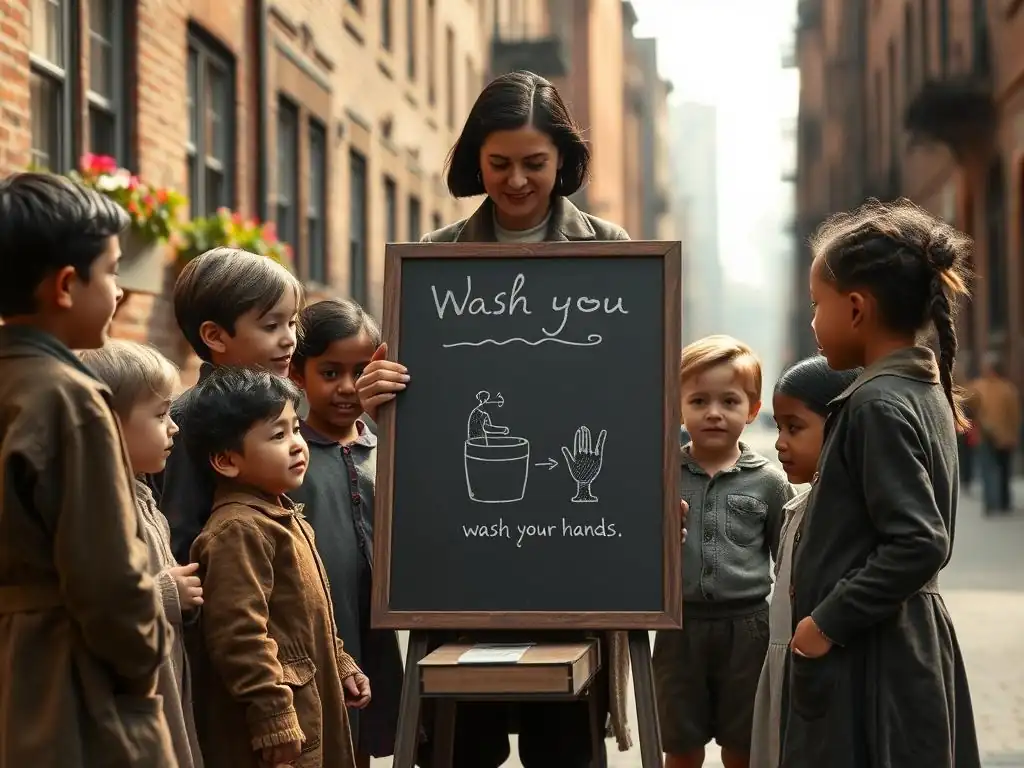
Her strategies included educating families on the importance of isolation for sick children, promoting handwashing, and ensuring proper ventilation in crowded living spaces. She also spearheaded efforts to identify disease carriers and implement measures to prevent further spread. This proactive approach, a cornerstone of Sara Josephine Baker child hygiene, marked a significant shift in public health, moving away from a reactive model to one focused on safeguarding community health through foresight and education.
Typhoid Mary and Dr. Baker: A Complex Case Study in Public Health Ethics
One of the most famous and challenging cases in Dr. Baker's career involved Mary Mallon, infamously known as "Typhoid Mary." Mallon was an asymptomatic carrier of typhoid fever who had unwittingly infected dozens of people through her work as a cook. When Mallon, who believed she was healthy, resisted isolation, Dr. Baker was instrumental in tracking her down and ensuring her containment to prevent further outbreaks. This complex case, spanning several years from 1907, pitted individual liberty against the collective good of public health.
Dr. Baker’s involvement in the Typhoid Mary case highlighted the difficult ethical dilemmas inherent in public health work. While controversial, Baker's actions were driven by her unwavering commitment to protecting the wider community from a known source of infection. This episode underscored her pragmatic and decisive leadership, demonstrating her willingness to make tough decisions to safeguard public health, even when faced with significant public and legal challenges, all in the service of broader public health and Sara Josephine Baker child hygiene.
Vaccination Programs: Protecting Children from Preventable Diseases
Beyond hygiene and education, Dr. Baker was a staunch proponent of vaccination as a critical tool in preventative medicine. She actively championed and implemented widespread vaccination programs, particularly for smallpox and diphtheria, which were leading causes of childhood morbidity and mortality at the time. Despite public skepticism and, at times, outright resistance to mandatory vaccinations, Baker understood their immense potential to eradicate or severely limit the spread of these devastating diseases.
Her efforts involved organizing mass vaccination campaigns and educating the public on the safety and efficacy of vaccines. For instance, the diphtheria antitoxin, introduced in the late 19th century, was widely promoted by her bureau. These sustained vaccination initiatives were instrumental in significantly reducing the incidence of these diseases among New York City's children, solidifying her legacy as a visionary leader whose work in Sara Josephine Baker child hygiene saved countless lives through scientific prevention.
Gender Bias in Medicine: Overcoming Societal Barriers
Throughout her illustrious career, Dr. Sara Josephine Baker consistently faced the pervasive gender bias inherent in the medical and public health fields of her era. As one of the few women in a position of significant administrative authority, she often encountered skepticism, dismissiveness, and outright discrimination from male colleagues and the broader patriarchal society. Her appointment as director of the Bureau of Child Hygiene was revolutionary not only for public health but also for women in leadership, yet it did not erase the daily struggles of being a woman in a male-dominated professional landscape.
Baker navigated these societal barriers with a combination of exceptional competence, unwavering determination, and a sharp wit. She often recounted instances of being underestimated or having her authority questioned simply because of her gender. However, her undeniable success in dramatically reducing infant mortality rates and improving public health outcomes served as irrefutable proof of her capabilities, ultimately earning her grudging respect and demonstrating that merit could, to some extent, overcome ingrained prejudice, especially in the practical realm of Sara Josephine Baker child hygiene.
Recognition and Awards: Acknowledging Baker's Groundbreaking Achievements
Despite the initial resistance and gender-based challenges she faced, Dr. Sara Josephine Baker's groundbreaking achievements eventually garnered significant recognition and numerous accolades. Her innovative methods and measurable successes in improving child health quickly established her as a leading authority in public health, not just in New York City but nationally and internationally.
Among her many distinctions, she was appointed as a consultant to the U.S. Public Health Service, lending her expertise to national health policy. She also represented the United States at the League of Nations' Health Committee, contributing to global health initiatives. Her work was widely cited and emulated by other cities and nations seeking to replicate New York's success in child welfare. These acknowledgments underscored her profound impact and cemented her status as a true pioneer whose dedication to Sara Josephine Baker child hygiene transcended local boundaries, earning her widespread admiration and respect.
Later Life and Continued Advocacy for Women and Children
Retirement and Continued Involvement in Public Health
Dr. Sara Josephine Baker retired from her directorship of the Bureau of Child Hygiene in 1923, after nearly two decades of transformative service. However, retirement did not signify an end to her deep involvement in public health or her advocacy for women and children. She continued to be an active voice in the field, serving as a consultant, lecturer, and prolific writer. Her expertise was highly sought after, and she remained a prominent figure in various national and international health organizations.
She lectured extensively at institutions such as the New York University and the Post Graduate Medical School, sharing her invaluable experience and insights with future generations of public health professionals. Her continued contributions ensured that her pioneering principles of preventative medicine and community-based health education continued to influence policy and practice long after her official retirement, extending the reach of Sara Josephine Baker child hygiene strategies.
Baker's Autobiography: "Fighting for Life"
In 1939, Dr. Sara Josephine Baker published her autobiography, "Fighting for Life." This remarkable book offers a candid and compelling account of her extraordinary career, providing invaluable insights into the challenges and triumphs she experienced as a pioneering woman in medicine and public health. The memoir details her early struggles, her innovative public health programs, and the battles she fought against disease, poverty, and gender discrimination.
"Fighting for Life" serves as a vital historical document, offering a personal perspective on the evolution of public health in the early 20th century. It vividly portrays the conditions in New York City's tenements and the revolutionary methods she employed to combat infant mortality. The autobiography is not just a personal narrative but a testament to her unwavering dedication and a detailed record of her groundbreaking work in Sara Josephine Baker child hygiene, making it a significant contribution to the history of medicine and women's studies.
Legacy: Inspiring Future Generations of Public Health Professionals
Dr. Sara Josephine Baker's legacy extends far beyond the impressive statistics of reduced infant mortality rates. Her innovative methods and unwavering commitment to preventative medicine continue to inspire countless public health professionals today. She demonstrated the profound impact that a focus on community health, education, and systematic intervention can have on societal well-being. Her model of combining scientific rigor with compassionate, practical action remains a cornerstone of modern public health practice, particularly in maternal and child health.
Moreover, her life story serves as a powerful testament to the breaking of gender barriers. As a woman who achieved unprecedented leadership in a male-dominated field, she paved the way for future generations of women in science, medicine, and public service. Her courage, intelligence, and dedication ensure that the principles of Sara Josephine Baker child hygiene continue to resonate, inspiring new leaders to tackle contemporary health challenges with similar vision and tenacity.
Sara Josephine Baker's Enduring Impact on Child Welfare
Key Takeaways from Baker's Public Health Strategies
Dr. Sara Josephine Baker's groundbreaking work in New York City offers several enduring lessons that remain foundational to modern public health. Firstly, her unwavering focus on prevention over cure demonstrated that systematic interventions to prevent illness are far more effective and cost-efficient than simply treating diseases after they occur. Secondly, she championed community-based interventions, recognizing that health improvements must involve and empower the very communities they aim to serve, as exemplified by the Little Mothers' Leagues.
Thirdly, Baker underscored the critical importance of health education for caregivers, understanding that informed mothers were the first line of defense against childhood diseases. Finally, her work highlighted the necessity of systematic data collection and analysis to identify problems, measure impact, and justify public health initiatives. These core principles, all central to Sara Josephine Baker child hygiene efforts, continue to guide public health professionals worldwide.
Lessons for Modern Public Health from a Pioneer
The pioneering spirit of Dr. Sara Josephine Baker continues to offer invaluable lessons for modern public health. Her emphasis on addressing the social determinants of health, such as poverty, sanitation, and access to clean resources like milk, resonates strongly with contemporary efforts to reduce health disparities. In an era where infectious diseases remain a global concern, Baker's proactive approach to disease prevention, including vaccination advocacy, serves as a timeless reminder of its critical role.
Furthermore, her ability to navigate complex ethical dilemmas, as seen in the "Typhoid Mary" case, highlights the ongoing need for public health leaders to balance individual rights with collective well-being. Dr. Baker's legacy reminds us that effective public health requires not only scientific knowledge but also strong leadership, community engagement, and a relentless pursuit of equity, all principles deeply embedded in her Sara Josephine Baker child hygiene philosophy.
Honoring Dr. Sara Josephine Baker: A True Champion of Child Hygiene
Dr. Sara Josephine Baker was, without a doubt, a true champion of child hygiene and a visionary leader whose contributions fundamentally transformed public health. Her tireless efforts in New York City saved countless lives, dramatically reduced infant mortality rates, and established a blueprint for child welfare that was emulated globally. She demonstrated that public health is not merely about treating the sick but about creating conditions that allow everyone, especially the most vulnerable, to thrive.
Her story, celebrated on platforms like WomenInScienceHistory.com, is a powerful reminder of the immense impact one determined individual can have on society. Dr. Baker's enduring legacy continues to inspire, proving that courage, innovation, and an unwavering commitment to public well-being can overcome even the most formidable obstacles. Her pioneering work in Sara Josephine Baker child hygiene stands as a beacon for all who strive to improve the health and lives of children around the world.
Frequently Asked Questions
What were Dr. Sara Josephine Baker's primary contributions to public health?
Dr. Baker is most recognized for her groundbreaking work in child hygiene. She significantly reduced infant mortality rates in New York City through innovative public health programs.
How did Dr. Baker combat infant mortality in New York City?
She established the Little Mothers' Leagues to educate young girls in childcare. Baker also created a system of visiting nurses to provide in-home care and education to mothers.
What obstacles did Dr. Baker face as a woman in the scientific field?
Baker encountered significant gender bias and resistance in a male-dominated profession. She had to overcome societal expectations and prove her competence constantly.
Why is Dr. Sara Josephine Baker considered a pioneer in child hygiene?
She implemented innovative public health strategies focused on preventative care and education. Her approach dramatically improved child health outcomes and served as a model for other cities.
What is the significance of highlighting Dr. Baker's story in WomenInScienceHistory.com?
It brings attention to the overlooked contributions of women in science. Sharing her story inspires future generations and promotes gender equality in STEM fields.
Final Reflection: Legacy of Lifesaving
The story of Dr. Sara Josephine Baker is more than just a historical account; it's a powerful reminder of the transformative impact of public health initiatives on the lives of vulnerable populations. In a world still grappling with health disparities and preventable childhood illnesses, Baker's pioneering work in child hygiene resonates with urgent relevance, demonstrating that dedicated action can drastically improve outcomes.
The enduring influence of Dr. Baker's work is undeniable. Her innovative approaches, from the Little Mothers' Leagues to the deployment of public health nurses, laid the groundwork for modern child welfare programs. Her unwavering commitment to reaching the most marginalized communities continues to inspire public health professionals today. Public health is purchasing future well-being with present effort.
This quote encapsulates Baker's philosophy and serves as a constant reminder that proactive measures are essential for building a healthier future for all children.
Let us all take a moment to reflect on Dr. Baker's extraordinary legacy. Consider how you, in your own sphere of influence, can champion the health and well-being of children. Whether it's through supporting local initiatives, advocating for policy changes, or simply educating yourself and others, remember that every action, no matter how small, contributes to a world where every child has the opportunity to thrive.
Ignite Change: Championing a Healthier Future for All!
Thank you for diving into the inspiring story of Dr. Sara Josephine Baker. We hope you've gained valuable insights into her pioneering work and its lasting impact on public health. Now, let's turn that inspiration into action!
- Become a Health Advocate: Research local public health initiatives in your community and find a way to contribute – whether it's volunteering time, donating to a relevant cause, or raising awareness through social media.
- Share Dr. Baker's Story: Help spread the word about her incredible contributions by sharing this article with your friends, family, and colleagues.
- Explore the History of Public Health: Delve deeper into the history of public health in your area. You might be surprised by the stories and unsung heroes you uncover!
What simple, yet impactful, change will you champion today to promote better health in your community?