
More Than Just Nature Lovers: Women as Rigorous Ecological Investigators

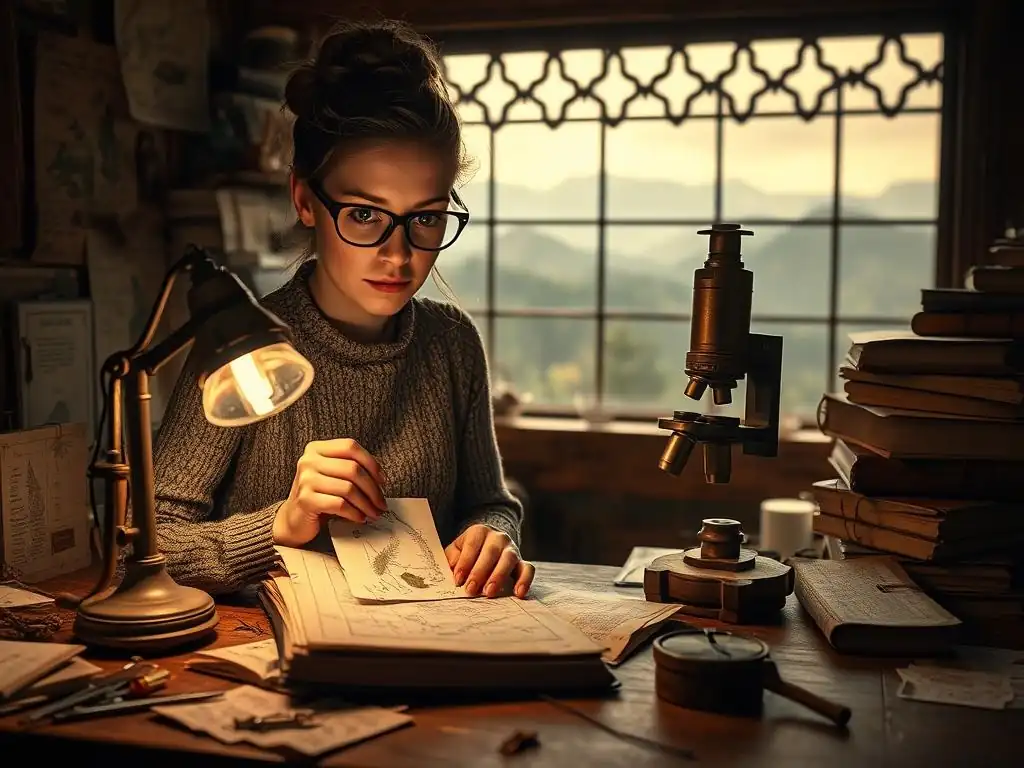
Welcome to WomenInScienceHistory.com!
Discover the untold stories of women who shaped the world of science. In this article, "More Than Just Nature Lovers: Women as Rigorous Ecological Investigators," we delve into the fascinating realm of women ecologists historical research methods, showcasing how these often-overlooked pioneers forged their paths in environmental science. Prepare to be intrigued by their innovative approaches and resilience in the face of adversity. But what groundbreaking discoveries did they truly make, and how did their methods differ from their male counterparts? Read on to uncover the hidden contributions of these remarkable women!
- Introduction: Reframing the Narrative of Women in Early 20th Century Ecology
- Pioneering Women Ecologists: Unveiling Their Research Methods
- Historical Research Methods Employed by Women Ecologists
- Women's Unique Perspective: Shaping Ecological Understanding
- Case Studies: Demonstrating Rigorous Ecological Investigation
- The Lasting Legacy of Women's Historical Research in Ecology
- Conclusion: Celebrating Women Ecologists and Their Scientific Rigor
-
Frequently Asked Questions
- What were some of the biggest obstacles faced by women ecologists in the past?
- How did historical research methods change our understanding of women's roles in ecology?
- Why is it important to study the contributions of women ecologists in history?
- What specific types of research methods were employed by women ecologists historically?
- How does WomenInScienceHistory.com contribute to the field of "Women ecologists historical research methods"?
- Final Reflection: Unearthing Legacies, Cultivating Futures
- Ignite Your Inner Ecologist!
Introduction: Reframing the Narrative of Women in Early 20th Century Ecology
Challenging Stereotypes: Women's Contributions Beyond Observation
For too long, the contributions of women to the natural sciences, particularly in fields like ecology, have been unfairly characterized as mere observational pursuits, akin to nature appreciation rather than rigorous scientific inquiry. This stereotype often overshadows the meticulous, analytical, and often groundbreaking work performed by countless female scientists. In reality, many women in the early 20th century were at the forefront of developing and applying systematic ecological methods, challenging prevailing notions of their intellectual capabilities in the scientific arena.
These pioneering women ecologists historical research methods involved far more than casual observation; they encompassed detailed data collection, experimental design, and sophisticated analysis, often conducted under challenging circumstances. Their work laid foundational elements for modern ecological understanding, demonstrating a commitment to scientific rigor that was on par with, and sometimes even surpassed, their male counterparts. This article aims to illuminate these often-overlooked contributions, showcasing the depth and precision of their scientific endeavors.
The Rise of Women in Environmental Science (1900-1950)
The early 20th century marked a period of nascent growth for ecology as a distinct scientific discipline, and concurrently, a slow but steady increase in women's participation in higher education and scientific fields. Despite significant societal barriers, including limited access to university positions, field opportunities, and funding, women began to carve out niches in environmental science. Many pursued advanced degrees, often in botany, zoology, or geography, which served as gateways to ecological research.
These women frequently found opportunities in botanical gardens, government agencies like the U.S. Department of Agriculture, and newly established research institutions, even if academic professorships remained largely out of reach. Their determination led them to conduct extensive fieldwork and laboratory studies, contributing significantly to the empirical base of ecology. The development and application of robust women ecologists historical research methods during this period were instrumental in solidifying ecology's scientific standing.
Pioneering Women Ecologists: Unveiling Their Research Methods
Early Examples of Female Ecologists and Their Scientific Approaches
Among the trailblazers of early 20th-century ecology were figures like Edith Clements (1874-1971), a plant ecologist and phytogeographer who, alongside her husband Frederic Clements, was instrumental in developing early ecological instrumentation and quantitative methods for studying plant communities. Her work involved systematic surveys, detailed mapping, and the use of early devices to measure environmental factors. Lucy Braun (1889-1971), another prominent botanist and ecologist, dedicated her life to the study of the deciduous forests of eastern North America, meticulously documenting forest composition, succession, and distribution patterns across vast regions.
These scientists employed a range of scientific approaches that were highly rigorous for their time. They conducted extensive field surveys, established long-term observation plots, collected and preserved thousands of specimens, and engaged in early forms of quantitative analysis to understand species distribution and community dynamics. Their scientific rigor and systematic collection of data were critical in shaping the emerging field, demonstrating that women ecologists historical research methods were at the forefront of ecological inquiry.
Overcoming Barriers: Access to Fieldwork and Resources
Women ecologists in the early 20th century faced formidable barriers, including societal expectations that discouraged women from physically demanding fieldwork, a lack of institutional support, and pervasive discrimination in funding and career advancement. Many university departments were hesitant to hire women in research roles, and securing grants for extensive expeditions was often more challenging for female scientists. Despite these obstacles, many persevered, demonstrating remarkable resilience and ingenuity.
Some women financed their own expeditions, while others found opportunities through less conventional avenues, such as working for state geological surveys, museums, or private research foundations that might have been more open to female researchers. Their ability to conduct rigorous fieldwork, often in remote or difficult terrains, speaks volumes about their dedication and the strength of their women ecologists historical research methods. They adapted, innovating ways to access and study environments, proving that their commitment to scientific discovery transcended the limitations imposed upon them.
Historical Research Methods Employed by Women Ecologists
Quantitative Analysis and Data Collection in the Field
The women ecologists historical research methods frequently involved systematic quantitative analysis, even in an era predating modern computing. Researchers meticulously collected data on various ecological parameters. For instance, plant ecologists utilized quadrat sampling to estimate species density and frequency, meticulously counting individual plants within defined areas. Transect lines were employed to study species distribution across environmental gradients, recording presence and abundance at regular intervals.
Beyond plant studies, some women engaged in early forms of animal population surveys, using capture-recapture techniques or systematic counting methods for visible populations. Meteorological data, such as temperature, rainfall, and humidity, were also systematically recorded to understand environmental influences on ecosystems. These quantitative data sets, often compiled over years, provided invaluable baselines for understanding ecological change and were fundamental to the scientific rigor of their work.
Qualitative Observations and the Importance of Detailed Records
Complementing their quantitative efforts, qualitative observations formed a crucial component of women ecologists historical research methods. Detailed field notes, often spanning hundreds of pages, meticulously documented observations on species interactions, phenological patterns (e.g., flowering times, migration dates), animal behaviors, and environmental nuances that quantitative data alone could not capture. These records were frequently accompanied by precise scientific illustrations, sketches, and early photographic documentation.
The importance of these qualitative records cannot be overstated. They provided rich contextual information, allowing ecologists to identify subtle trends, formulate hypotheses, and understand the complex interrelationships within ecosystems. For example, careful notes on pollinator visits to specific plants or the feeding habits of particular bird species often led to profound insights into ecological dynamics, demonstrating the power of integrating descriptive detail with numerical data.
Rachel Carson and Her Integrated Approach to Pesticide Impacts
Rachel Carson (1907-1964), though most famous for Silent Spring (published in 1962), built her career on rigorous scientific inquiry throughout the 1940s and 1950s as a marine biologist and writer. Her methodological approach was characterized by an extraordinary ability to synthesize vast amounts of scientific data from disparate fields—toxicology, entomology, ornithology, public health, and ecology—into a coherent and compelling narrative. Her earlier works, like The Sea Around Us (1951), showcased her meticulous research into oceanography and marine life.
Carson's method involved painstaking literature review, direct consultation with leading scientists, and a deep understanding of ecological principles. She did not conduct original laboratory experiments on pesticides herself for Silent Spring, but rather meticulously compiled, analyzed, and interpreted existing scientific studies, often drawing connections that specialists in isolated fields had missed. This integrated, multi-disciplinary approach to data synthesis and translation represents a powerful form of women ecologists historical research methods, demonstrating how scientific findings can be leveraged for significant societal impact.
Ruth Patrick and Her Use of Diatoms as Bioindicators
Dr. Ruth Patrick (1907-2013) was a groundbreaking limnologist whose work on freshwater ecosystems began in the 1930s. She pioneered the use of diatoms, microscopic algae, as bioindicators of water quality and ecosystem health. Her innovative research focused on how the diversity and abundance of diatom species reflected the environmental conditions of rivers and streams, particularly in relation to pollution.
Patrick developed a systematic method for collecting and analyzing diatom communities, including the invention of the "Diatometer," a specialized device for standardized sampling. She meticulously identified and counted thousands of diatom species from various aquatic environments, creating comprehensive databases that allowed her to correlate specific diatom assemblages with different levels of pollution. This quantitative and highly systematic women ecologists historical research method established a new standard for assessing environmental health and remains a fundamental tool in limnology and environmental monitoring today.
Women's Unique Perspective: Shaping Ecological Understanding
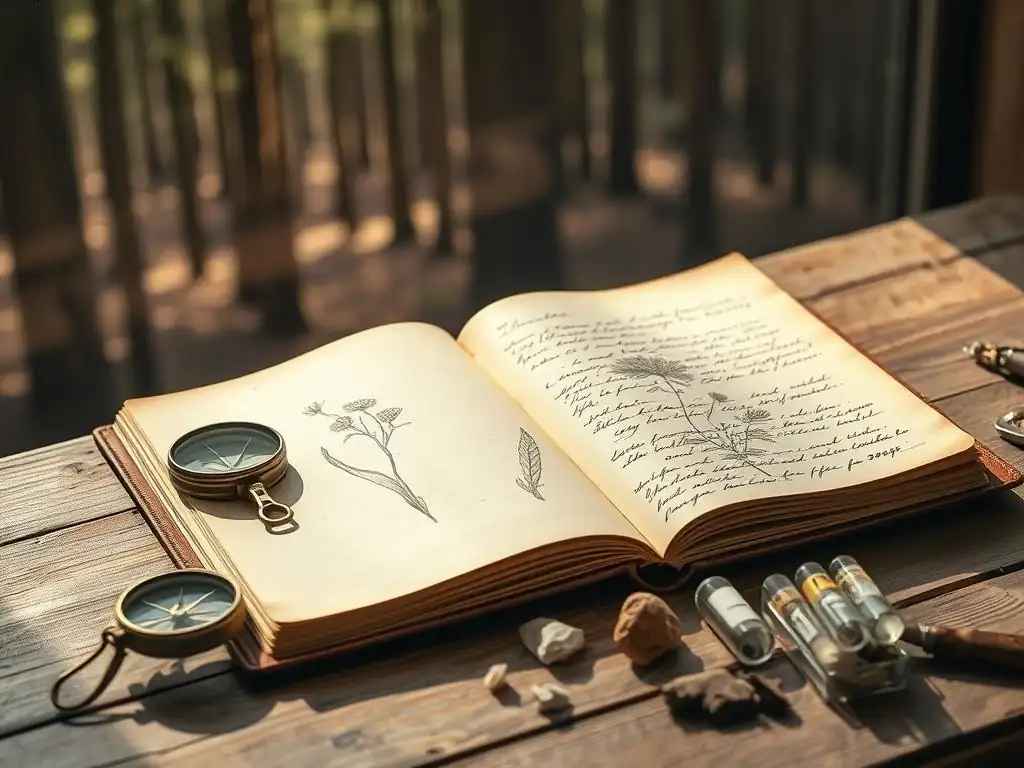
The Influence of Gender on Research Questions and Methodologies
While scientific inquiry strives for objectivity, the lived experiences and societal positioning of researchers can subtly influence the questions they ask and the methodologies they employ. For women in early 20th-century ecology, operating often outside the mainstream academic power structures, this sometimes led to unique approaches. They might have been less constrained by established paradigms or more attuned to interconnectedness within ecosystems, perhaps due to societal expectations that often placed women in roles emphasizing nurturing and holistic understanding.
This is not to suggest inherent biological differences in scientific thought, but rather that diverse perspectives can enrich scientific inquiry. Some female ecologists focused on long-term observational studies, valuing the nuances of natural processes over short-term experimental manipulations. This emphasis often led to a deeper understanding of successional patterns, community dynamics, and the intricate relationships between organisms and their environments, thereby shaping distinct women ecologists historical research methods.
Collaborative Research: Women's Networks and Scientific Advancement
Despite facing isolation in male-dominated fields, many women ecologists actively engaged in collaborative research and fostered informal networks that proved vital for scientific advancement. These networks, often built through professional societies, correspondence, or shared experiences at field stations, provided crucial intellectual exchange, mentorship, and mutual support. Women shared data, discussed methodological challenges, and collectively advanced their understanding of ecological phenomena.
For example, collaborations between female botanists at different institutions facilitated comprehensive floristic surveys across vast geographical areas. These networks not only enriched the scientific output but also strengthened the resolve of individual researchers. The sharing of innovative women ecologists historical research methods within these informal communities helped disseminate best practices and push the boundaries of ecological science in an era when formal recognition was often scarce.
Case Studies: Demonstrating Rigorous Ecological Investigation
Case Study 1: Hubbard Brook Experimental Forest - Analyzing Forest Ecosystems Through Gene Likens's Research
While the Hubbard Brook Experimental Forest study, a landmark in ecosystem ecology, is most famously associated with Gene Likens and began its major work in the mid-1960s, the rigorous, long-term, and quantitative approach to understanding forest ecosystems it championed had important antecedents in the earlier work of women ecologists. Pioneers like Lucy Braun, whose extensive research on the deciduous forests of eastern North America spanned decades (1930s-1950s), exemplified the meticulous methodological approaches that laid conceptual groundwork for such comprehensive ecosystem analyses.
Braun's women ecologists historical research methods involved systematic mapping of forest types, detailed plant community surveys across vast geographical areas, and the establishment of long-term observation plots to track successional changes. Her work provided an unparalleled baseline for understanding forest dynamics, nutrient cycling, and the impact of human activities on forest ecosystems. This rigorous, long-term approach to understanding complex ecological systems, exemplified by Braun's detailed floristic and ecological inventories, was a crucial precursor to the watershed-level nutrient cycling studies later conducted at sites like Hubbard Brook.
Key Findings and Methodological Approaches
Lucy Braun's comprehensive study, "Deciduous Forests of Eastern North America" (1950), was a monumental achievement in forest ecology, synthesizing decades of fieldwork. Her methodological approaches included intensive field sampling using quadrats and transects, detailed soil analyses to correlate with vegetation patterns, and the meticulous collection and identification of thousands of plant specimens. She meticulously mapped forest types, such as the Mixed Mesophytic Forest, and documented their distribution, composition, and successional pathways.
Her key findings provided a definitive classification of eastern North American forests, highlighting their complexity and historical development. Braun's work demonstrated the power of systematic, long-term ecological surveys in understanding large-scale ecosystem processes. Her rigorous application of women ecologists historical research methods established a benchmark for descriptive and analytical forest ecology, providing the empirical foundation upon which later, more experimentally focused ecosystem studies could build.
Case Study 2: Plant-Pollinator Interactions - Women's Contributions to Coevolutionary Theory
The study of plant-pollinator interactions is a cornerstone of ecological and evolutionary biology, and women naturalists and botanists made significant, though often uncredited, contributions to this field in the early 20th century. Their work involved meticulous observation and systematic data collection on the intricate relationships between flowering plants and their animal visitors, laying crucial empirical groundwork for the later development of coevolutionary theory.
These researchers often conducted controlled observations in botanical gardens, field stations, or natural environments, systematically recording which insects visited which flowers, the duration of visits, and the specific behaviors involved in nectar or pollen collection. They also performed morphological measurements of both flowers and insects to understand adaptations for pollination. These detailed studies were often published in botanical or entomological journals, contributing to a growing body of knowledge on pollination ecology.
Data Interpretation and Scientific Impact
The women ecologists historical research methods in plant-pollinator research involved not just observation but also sophisticated data interpretation. They analyzed patterns of visitation, identified key pollinator species for particular plants, and inferred the evolutionary pressures shaping floral morphology and pollinator behavior. For example, some studies meticulously documented the timing of floral anthesis (opening) relative to pollinator activity, revealing complex temporal dynamics.
Their scientific impact, though often diffused across numerous smaller publications, was collectively profound. The empirical data collected by these women provided critical evidence for the specificity of certain plant-pollinator relationships and the reciprocal evolutionary changes that occur between interacting species. Their meticulous work contributed significantly to the understanding of ecological networks and the foundational concepts that underpin modern coevolutionary theory, demonstrating the depth of their scientific contributions.
The Lasting Legacy of Women's Historical Research in Ecology
Influencing Future Generations of Environmental Scientists
The pioneering work of early 20th-century women ecologists, though often marginalized in historical accounts, laid crucial groundwork that profoundly influenced subsequent generations of environmental scientists. Their meticulous data collection, innovative methodological approaches, and deep ecological insights provided invaluable baselines and conceptual frameworks for later research. Even when their direct influence was not immediately recognized, their scientific contributions became an integral part of the collective body of ecological knowledge.
Their resilience in the face of societal and institutional barriers also served as a powerful, albeit often quiet, inspiration. By demonstrating that rigorous, impactful scientific careers were possible for women in ecology, they helped to pave the way for future generations. The enduring legacy of their women ecologists historical research methods continues to shape how ecological studies are conducted and understood today.
Recognizing the Unsung Contributions of Women in Science History
It is imperative to actively recognize and celebrate the often-unsung contributions of women in science history, particularly in fields like ecology where their work was foundational but frequently overlooked. Historical narratives have too often focused exclusively on male figures, creating an incomplete and inaccurate picture of scientific progress. Acknowledging the full scope of women's participation enriches our understanding of scientific development and corrects these historical omissions.
By highlighting the specific women ecologists historical research methods and their significant findings, we not only give these pioneering scientists the recognition they deserve but also provide a more nuanced and inclusive history of science. This ongoing effort ensures that their intellectual legacies are properly documented, appreciated, and integrated into the mainstream narrative of ecological science.
Conclusion: Celebrating Women Ecologists and Their Scientific Rigor
A Call for Continued Research on Women's Contributions to Ecology
The evidence is clear: women in the early 20th century were not merely passive observers of nature but rigorous scientific investigators who developed and applied sophisticated ecological methods. Their contributions spanned quantitative analysis, meticulous qualitative observation, and innovative approaches to understanding complex environmental problems. This article has merely scratched the surface of their profound impact, and there is a compelling need for continued, in-depth historical research to uncover further examples and nuances of their work.
Understanding the full scope of women ecologists historical research methods is essential for a complete and accurate history of science. Such research can reveal additional unsung heroes, illuminate previously unknown collaborative networks, and provide a more comprehensive picture of how ecological knowledge evolved. This ongoing inquiry is vital for truly appreciating the intellectual richness of the field's past.
Women Ecologists Historical Research Methods: A Vital Part of Scientific History
The scientific methods employed by women ecologists, from systematic field surveys and quantitative data collection to innovative bioindicator techniques and comprehensive synthesis, are an indispensable part of the tapestry of ecological knowledge. Their work demonstrated profound scientific rigor, contributing significantly to the empirical foundations and conceptual frameworks of modern ecology. These women, often against tremendous odds, pushed the boundaries of scientific understanding.
Their enduring impact extends beyond the specific discoveries they made; it lies in the very methodologies they pioneered and refined, which continue to inform ecological research today. Celebrating women ecologists historical research methods is not just about historical accuracy; it is about recognizing the diverse intellectual power that has always driven scientific progress and inspiring future generations to pursue environmental science with passion and precision.
Frequently Asked Questions
What were some of the biggest obstacles faced by women ecologists in the past?
Women often faced discrimination in academia and fieldwork, limiting their access to funding and resources. Societal expectations and gender biases also hindered their career advancement.
How did historical research methods change our understanding of women's roles in ecology?
Using historical research methods revealed that women were active participants in ecological research, even when their contributions were unacknowledged or minimized. It highlighted their crucial roles in data collection, analysis, and conservation.
Why is it important to study the contributions of women ecologists in history?
Studying these contributions challenges historical narratives, provides role models for future generations, and acknowledges the diverse perspectives that women bring to ecological research.
What specific types of research methods were employed by women ecologists historically?
They utilized a variety of methods, including field observation, data analysis, and experimental design, often adapting them to overcome limitations and pursue groundbreaking discoveries.
How does WomenInScienceHistory.com contribute to the field of "Women ecologists historical research methods"?
The website provides a dedicated platform for disseminating information about women ecologists, highlighting their research, and inspiring further investigation into their historical contributions.
Okay, here's a final reflection designed to close your article, "More Than Just Nature Lovers: Women as Rigorous Ecological Investigators," optimized for the keyword "Women ecologists historical research methods," and following the structure you outlined:
Final Reflection: Unearthing Legacies, Cultivating Futures
The historical narrative often overlooks the significant contributions of women in ecological research, but as we've explored, their meticulous observations and innovative methodologies were instrumental in shaping our understanding of the natural world. Reclaiming these forgotten legacies is not merely an act of historical correction; it's a vital step in inspiring future generations of ecologists and diversifying the perspectives that drive ecological innovation. By recognizing the rigor and depth of their work, we empower a more inclusive and comprehensive approach to environmental stewardship.
The impact of these pioneering women ecologists extends far beyond the scientific realm. Their dedication to rigorous research, often conducted against societal constraints, continues to resonate, influencing how we approach ecological challenges today. Their stories remind us that passion, coupled with meticulous methodology, can overcome systemic barriers and lead to groundbreaking discoveries. Look deep into nature, and then you will understand everything better.
- Albert Einstein. This quote, while not specifically about women ecologists, perfectly encapsulates the spirit of inquiry and deep connection to the natural world that characterized their work and continues to inspire us.
As we reflect on the historical research methods employed by these remarkable women, let us be inspired to embrace a more inclusive and nuanced understanding of ecological history. Consider how their dedication to rigorous observation and innovative problem-solving can inform your own approach to environmental challenges. Let us honor their legacy by continuing to unearth hidden stories, amplify diverse voices, and cultivate a future where all contributions to ecological knowledge are recognized and celebrated.
Ignite Your Inner Ecologist!
Thank you for diving into the world of women in ecological research! We hope you’ve found inspiration in their stories of dedication and discovery. Now, let's translate that inspiration into action.
- Take the first step towards rigorous ecological investigation in your own backyard:start a simple observation journal to document the flora and fauna you encounter daily.
- Share this article with other budding scientists and history enthusiasts to spread awareness of these remarkable women's contributions.
- Explore the resources at your local library or online databases to uncover even more untold stories of women in science.
What surprising ecological interaction have you observed recently, and how did it spark your curiosity?