
Keepers of Ancient Wisdom: Indigenous Women & Ecological Knowledge (Early 20th C.)

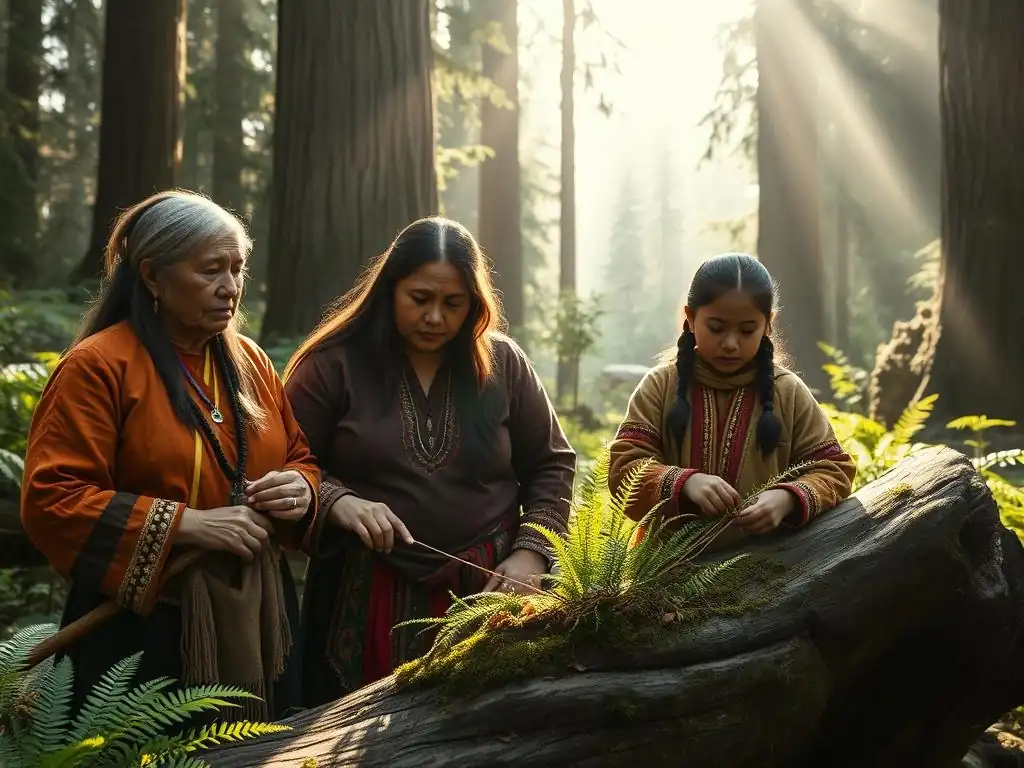
Welcome to WomenInScienceHistory.com, where we illuminate the untold stories of groundbreaking women in science! Prepare to be inspired as we delve into the fascinating world of female pioneers. Today, we explore a crucial yet often marginalized perspective within Environmental Science: the invaluable ecological knowledge held by Indigenous women. Uncover the wisdom passed down through generations and the vital role these women played in understanding and preserving our natural world. What secrets do they hold, and what can we learn from their deep connection to the land? Let's journey back to the early 20th century and find out!
- Keepers of Ancient Wisdom: Indigenous Women & Ecological Knowledge in the Early 20th Century
- The Deep Roots of Indigenous Women's Ecological Knowledge
- Early 20th Century: Documenting and Recognizing Indigenous Women's Environmental Expertise
- Case Studies: Indigenous Women's Ecological Practices (Early 20th C.)
- The Impact of Colonialism and Western Science
- The Significance of Indigenous Women's Ecological Knowledge
- Preserving and Promoting Indigenous Women's Environmental Wisdom
- Conclusion: Honoring Indigenous Women as Pioneers
-
Frequently Asked Questions
- How did Indigenous women's ecological knowledge contribute to early 20th-century science?
- What were some of the challenges Indigenous women faced in sharing their ecological knowledge with the wider scientific community?
- How is "Indigenous women's ecological knowledge" defined in the context of this historical period?
- Why is it important to highlight the contributions of Indigenous women to ecological knowledge?
- In what ways can we better acknowledge and preserve Indigenous women's ecological knowledge today?
- Final Reflection: Echoes of Ancestral Harmony
- Amplify Her Voice: Reclaim Ecological Wisdom!
Keepers of Ancient Wisdom: Indigenous Women & Ecological Knowledge in the Early 20th Century
Introduction: Recognizing Indigenous Women's Contributions to Environmental Science (1900-1950)
In the early 20th century, as Western scientific disciplines like ecology and conservation began to formalize, a profound and often overlooked body of environmental wisdom continued to thrive within Indigenous communities worldwide. This invaluable knowledge, deeply rooted in centuries of observation and sustainable practice, was frequently stewarded and transmitted by Indigenous women. Their intricate understanding of ecosystems, plant life, animal behavior, and resource management represented a sophisticated form of environmental science, though it rarely received recognition within prevailing academic or colonial frameworks of the time.
This article delves into the critical role of Indigenous women in maintaining and applying their unique "Indigenous women ecological knowledge" during the period of 1900 to 1950. We will explore how their contributions, though often uncredited or suppressed, were fundamental to the resilience and well-being of their communities. By highlighting their expertise, we aim to acknowledge these women as true pioneers whose environmental insights offer enduring lessons for contemporary ecological challenges.
The Deep Roots of Indigenous Women's Ecological Knowledge
Understanding Traditional Ecological Knowledge (TEK)
Traditional Ecological Knowledge (TEK) is a cumulative body of knowledge, practices, and beliefs about the relationship of living beings, including humans, with their environment. Developed over countless generations through direct observation, experimentation, and spiritual connection to the land, TEK is inherently holistic, intergenerational, and deeply embedded in specific places. Unlike Western science, which often compartmentalizes knowledge, TEK integrates ecological understanding with social, cultural, and spiritual dimensions, viewing the environment as an interconnected web of relationships.
This complex system of "Indigenous women ecological knowledge" is dynamic, constantly adapting to environmental changes and new experiences, yet it maintains core principles of sustainability and reciprocity. It encompasses detailed information on plant and animal life cycles, soil health, water systems, weather patterns, and the intricate balance of ecosystems. Passed down through oral traditions, ceremonies, and practical apprenticeships, TEK provides a blueprint for living harmoniously and sustainably within a given bioregion.
Women as Transmitters of TEK
Within Indigenous societies, women often held primary responsibilities for activities that naturally fostered profound "Indigenous women ecological knowledge." Their roles as gatherers of wild foods, medicinal plants, and fibers; cultivators of crops; food processors; and nurturers of families and communities placed them at the forefront of daily interactions with the natural world. This intimate engagement cultivated an unparalleled understanding of botanical properties, animal behaviors, seasonal cycles, and the dynamics of local ecosystems.
The transmission of this ecological wisdom was largely an intergenerational process, flowing from elder women to younger generations through direct instruction, storytelling, and shared daily tasks. A grandmother might teach her granddaughter how to identify edible berries, distinguish medicinal herbs from poisonous look-alikes, or recognize the signs of a healthy watershed. This practical, experiential learning ensured that "Indigenous women ecological knowledge" was not just theoretical but deeply embedded in practical skills and cultural practices, vital for community survival and well-being.
Early 20th Century: Documenting and Recognizing Indigenous Women's Environmental Expertise
Anthropology and Ethnobotany: Early Studies
The early 20th century saw the nascent fields of anthropology and ethnobotany begin to document aspects of Indigenous cultures, occasionally touching upon their environmental practices. Researchers, often from Western universities or museums, collected plant specimens, recorded traditional uses, and sometimes interviewed Indigenous informants. While these early studies were often framed within a colonial context and sometimes misinterpreted the depth of Indigenous knowledge, they inadvertently captured glimpses of "Indigenous women ecological knowledge." For instance, publications from the Bureau of American Ethnology might list medicinal plants used by specific tribes, often gleaned from female healers or gatherers.
Despite the inherent biases, these ethnographic efforts sometimes highlighted the sophisticated plant knowledge possessed by Indigenous women. For example, accounts from this period might detail the precise timing for harvesting wild rice by Anishinaabe women or the elaborate processes of preparing diverse agave species for food and fiber by women in the Southwest. Though the full scope of their ecological expertise was rarely appreciated, these fragmented records offer early, albeit limited, insights into the practical applications of "Indigenous women ecological knowledge."
Challenges in Documentation and Preservation
The early 20th century presented immense challenges to the documentation and preservation of "Indigenous women ecological knowledge." Colonial policies, such as forced assimilation, the establishment of residential schools, and widespread land dispossession, actively disrupted traditional lifeways. For example, in the United States, the Dawes Act (1887) continued to fragment tribal lands, severing Indigenous peoples from the specific territories where their ecological knowledge was rooted. This disruption made it incredibly difficult for women to practice and transmit their traditional skills and understanding.
Furthermore, Western researchers often faced significant language barriers and cultural misunderstandings, leading to incomplete or inaccurate documentation. A pervasive gender bias also meant that male researchers predominantly interviewed male elders, frequently overlooking the specialized "Indigenous women ecological knowledge" related to gathering, cultivation, and medicinal practices. As a result, much of this invaluable environmental wisdom was either lost, went undocumented, or was devalued, contributing to a significant gap in historical records concerning women's contributions to environmental science.
Case Studies: Indigenous Women's Ecological Practices (Early 20th C.)
Great Basin: Paiute Women and Water Management
The Great Basin, a vast, arid region of North America, presented formidable environmental challenges to its inhabitants. Receiving an average of less than 10 inches of precipitation annually in many areas, survival for the Paiute people was inextricably linked to their profound "Indigenous women ecological knowledge" of water management. During the early 20th century, Paiute women continued to play a central role in locating, conserving, and managing the scarce water resources essential for their communities.
Their deep understanding of the land's hydrology, developed over millennia, allowed them to identify subtle indicators of water sources. This knowledge was not merely observational; it was a practical science applied daily to ensure the sustenance of their families and communities in one of the continent's most challenging environments.
Plant Knowledge for Water Source Identification
Paiute women possessed an intricate botanical knowledge that extended to identifying indicator plants for water sources. They knew that the presence and health of certain species, such as saltgrass (Distichlis spicata) or various species of willow (Salix spp.) and cottonwood (Populus spp.), even in seemingly parched landscapes, signaled the proximity of subsurface water or perennial springs. This ability was critical for navigating the vast, dry expanses of the Great Basin during seasonal migrations or resource gathering expeditions.
This specialized "Indigenous women ecological knowledge" allowed them to pinpoint hidden springs, seeps, and reliable water pockets, ensuring access to vital hydration for their communities. Their understanding went beyond simple identification; it included knowing which plants thrived in specific moisture regimes, providing a sophisticated mapping system for water availability.
Traditional Irrigation Techniques
While often nomadic, some Paiute communities practiced limited agriculture, and women were instrumental in developing and maintaining ingenious micro-irrigation techniques. For example, historical accounts describe Paiute groups in areas like Owens Valley or along the Humboldt River diverting small streams or spring runoff using carefully constructed earthen ditches to irrigate wild seeds like Chenopodium (goosefoot) or Amaranthus (amaranth). These systems were typically small-scale but highly efficient, minimizing water loss.
Paiute women were often responsible for the precise management of these small-scale water diversions, ensuring that water was distributed equitably and efficiently to cultivated patches. Their expertise in soil dynamics and water flow prevented erosion and maximized the productivity of these vital food sources, showcasing a remarkable application of their "Indigenous women ecological knowledge" in arid land management.
Amazon Rainforest: Indigenous Women and Agroforestry
The Amazon Rainforest, a global biodiversity hotspot covering approximately 6.7 million square kilometers, has been sustained for millennia through the intricate stewardship of Indigenous peoples. During the early 20th century, as today, "Indigenous women ecological knowledge" remained crucial to maintaining the health of the forest and ensuring food security within Amazonian communities. These women were often the primary cultivators and managers of complex agroforestry systems that mimicked the forest's natural structure.
Their practices demonstrated a profound understanding of ecological succession, nutrient cycling, and biodiversity conservation. This deep connection to the land and its resources allowed them to cultivate diverse food sources while simultaneously enhancing the forest's overall resilience and productivity.
Seed Selection and Biodiversity Conservation
Indigenous women in the Amazon were master horticulturists, meticulously selecting and preserving seeds from the most resilient, productive, and nutritious plant varieties. This centuries-old practice, passed down through generations, resulted in the development of highly adapted local varieties of staple crops such as manioc (Manihot esculenta), maize, and various fruit trees. For instance, specific manioc cultivars were known for their resistance to particular pests or their ability to thrive in certain soil types, a testament to careful observation and selection.
Their continuous seed saving and exchange practices were vital for maintaining genetic diversity within cultivated crops, acting as living seed banks. This foresight provided critical resilience against environmental fluctuations, pest outbreaks, or diseases, ensuring long-term food security for their communities. This ongoing commitment to biodiversity conservation is a cornerstone of "Indigenous women ecological knowledge" in the Amazon.
Soil Enrichment Through Forest Management
Amazonian Indigenous women significantly contributed to soil fertility and sustainable land use through their deep understanding of forest dynamics. While terra preta (dark earth) formation was a communal effort, women often played key roles in incorporating organic waste, charcoal, and pottery shards into the soil, transforming nutrient-poor forest soils into incredibly fertile patches that remain productive for centuries. This innovative practice demonstrates an early understanding of soil biology and nutrient cycling.
Beyond terra preta, Indigenous women managed forest succession, promoting the growth of useful species and ensuring nutrient replenishment through careful harvesting and replanting. Their practices minimized soil degradation and maintained the overall health of the agroecosystem, demonstrating a sophisticated form of land management that ensured long-term productivity without depleting natural resources.
Arctic Regions: Inuit Women and Wildlife Stewardship
In the vast and challenging Arctic regions, the Inuit people's survival was, and remains, intimately tied to their profound knowledge of marine and terrestrial ecosystems. During the early 20th century, Inuit women held critical roles in the stewardship of wildlife, ensuring the sustainable harvesting and efficient utilization of vital resources. Their "Indigenous women ecological knowledge" was essential for community well-being in an environment where temperatures could drop below -40°C, demanding precise environmental understanding.
Their expertise encompassed not only the practical processing of resources but also keen observation of animal behavior and environmental cues, which directly informed sustainable hunting practices and resource management strategies.
Sustainable Harvesting of Marine Mammals
Inuit women were integral to the processing and distribution of marine mammals, such as seals (Phoca hispida) and walruses (Odobenus rosmarus), which formed the backbone of the Inuit diet and economy. Their meticulous knowledge ensured that every part of the animal was utilized for food, clothing, tools, and fuel, embodying a zero-waste philosophy. Beyond processing, their observations of seasonal movements, health, and population dynamics of these animals informed hunting decisions, preventing overexploitation.
This detailed "Indigenous women ecological knowledge" of animal anatomy, physiology, and behavior, passed down through generations, was crucial for sustainable resource use. Their practices ensured that vital food sources were not depleted, allowing communities to thrive for millennia in an environment with limited resources.
Predicting and Adapting to Changing Ice Conditions
Inuit women, often responsible for preparing for journeys and managing community supplies, possessed an unparalleled understanding of ice conditions. They could interpret subtle signs in the ice, snow, and sky to predict weather changes and assess the safety of travel and hunting grounds. This included recognizing different types of ice, such as siku (sea ice) and qinu (slush ice), and understanding their stability and navigability at different times of the year.
This predictive "Indigenous women ecological knowledge" was essential for community safety and successful resource acquisition. Their ability to forecast ice breakup or formation patterns, and to adapt quickly to unexpected shifts, demonstrated an incredible resilience and environmental acumen in a dynamic and often dangerous environment.
The Impact of Colonialism and Western Science
Displacement and Resource Loss
The early 20th century saw the intensification of colonial policies that profoundly impacted Indigenous communities and their "Indigenous women ecological knowledge." Forced assimilation, the establishment of reservations, and the imposition of Western land ownership models severed Indigenous peoples, including women, from their traditional territories. For instance, the creation of national parks or resource extraction zones often displaced communities from ancestral lands, directly disrupting their ability to practice and transmit ecological knowledge tied to specific landscapes and resources.
This displacement led to a catastrophic loss of access to traditional plant and animal resources, forcing communities to abandon time-tested practices of sustainable harvesting and cultivation. The erosion of traditional diets and resource management systems contributed to a decline in community health and a forced reliance on external, often unsustainable, food systems, further dismantling centuries of "Indigenous women ecological knowledge."
Undermining of TEK Systems
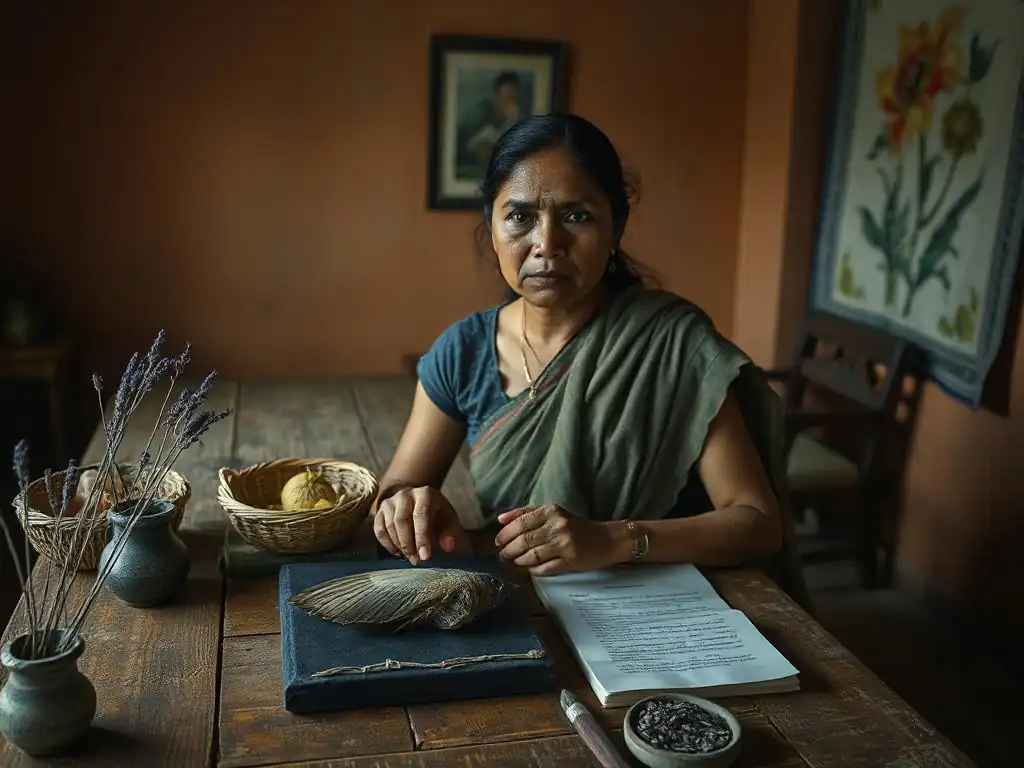
Western scientific paradigms, frequently accompanied by missionary efforts and the pervasive influence of residential schools, actively devalued and suppressed "Indigenous women ecological knowledge." Traditional practices were often dismissed as primitive, superstitious, or unscientific, leading to a profound loss of prestige for those who held and practiced this wisdom. Children were often forbidden to speak their Indigenous languages or practice cultural traditions in schools, directly severing the intergenerational transmission of TEK.
This systematic undermining created a "knowledge gap" where invaluable, time-tested ecological wisdom was marginalized. Indigenous women, who were often the primary holders of this knowledge, faced immense pressure to abandon their traditional roles and practices. The consequence was not only a loss of cultural heritage but also the replacement of sustainable Indigenous practices with less appropriate or environmentally damaging Western methods.
Resistance and Resilience
Despite immense pressure and systematic attempts at suppression, Indigenous women demonstrated remarkable resistance and resilience in preserving their ecological wisdom. They continued to practice and transmit "Indigenous women ecological knowledge" covertly, within the confines of their families and homes, or through adapted cultural forms. For example, grandmothers continued to teach their granddaughters about medicinal plants during quiet walks in the woods or shared traditional stories that embedded ecological lessons.
This enduring resilience is a testament to the profound practical value and deep cultural significance of their ecological wisdom. Even in the face of widespread disruption and attempts at assimilation, Indigenous women found ways to ensure the survival of their knowledge, which proved vital for community survival, cultural continuity, and maintaining a connection to their ancestral lands.
The Significance of Indigenous Women's Ecological Knowledge
Lessons for Sustainability and Conservation
The "Indigenous women ecological knowledge" cultivated over millennia offers invaluable lessons for contemporary sustainability and conservation efforts. Their long-term, holistic, and adaptive approaches, often centered on principles of reciprocity, respect, and balance with nature, stand in stark contrast to the often extractive and short-sighted industrial models that have dominated recent centuries. Indigenous women's practices demonstrate how human societies can thrive in harmony with their environment.
Specific examples of their wisdom, such as selective harvesting, polyculture (growing multiple crops together), and traditional fire management, promote biodiversity, enhance soil health, and build ecosystem resilience—principles now increasingly recognized as crucial by Western science. Their deep understanding of interconnectedness provides a powerful framework for addressing complex environmental challenges like climate change and biodiversity loss.
Bridging Traditional Knowledge and Western Science
There is a growing global recognition of the critical need to integrate "Indigenous women ecological knowledge" with Western scientific approaches. This involves moving beyond mere documentation to genuine collaboration, co-management of protected areas, and respectful dialogue between knowledge systems. For instance, Indigenous women's insights into local climate patterns or migratory routes can complement scientific data, leading to more comprehensive environmental assessments and more effective conservation strategies.
Such integration fosters a more nuanced understanding of ecosystems and can lead to culturally appropriate and socially just conservation solutions. By valuing both empirical observation and experiential wisdom, we can unlock innovative approaches to environmental management that are more effective and equitable than either system alone.
Indigenous Women's Voices in Environmental Policy
Empowering Indigenous women to participate in environmental policy-making at local, national, and international levels is increasingly recognized as vital. Their direct experience, deep understanding of local ecosystems, and "Indigenous women ecological knowledge" provide unique and essential perspectives on climate change adaptation, biodiversity loss, and resource management. For example, Indigenous women leaders are at the forefront of advocating for traditional fire management practices to mitigate wildfires in areas like California or Australia.
Their advocacy ensures that environmental policies are not only scientifically sound but also culturally relevant and socially just. By amplifying their voices, decision-makers can develop more equitable and effective environmental governance that truly serves both people and the planet.
Preserving and Promoting Indigenous Women's Environmental Wisdom
Supporting Indigenous-led Initiatives
To effectively preserve and promote "Indigenous women ecological knowledge," it is crucial to support initiatives led by Indigenous communities and women themselves. This includes supporting land back movements, which restore ancestral lands to Indigenous stewardship, thereby enabling the revitalization of traditional practices. It also encompasses funding cultural revitalization programs and community-based conservation projects that directly empower Indigenous women to reclaim, practice, and apply their environmental wisdom.
Financial and logistical support for these grassroots initiatives is paramount. It ensures that knowledge transmission can continue within Indigenous communities, fostering a new generation of environmental stewards rooted in their ancestral traditions and equipped to navigate contemporary challenges.
Empowering Indigenous Women as Leaders
Fostering leadership opportunities for Indigenous women in environmental science, management, and advocacy is essential. This involves creating accessible educational pathways, establishing mentorship programs, and providing platforms for them to share their expertise on a global stage. For example, supporting Indigenous women to pursue higher education in environmental fields while retaining their traditional knowledge creates powerful bridges between systems.
Recognizing and valuing their leadership ensures that their unique "Indigenous women ecological knowledge" is at the forefront of global environmental discussions and solutions. Empowering them as leaders acknowledges their historical contributions and secures their vital role in shaping a sustainable future.
Relevance of TEK
The enduring and increasing relevance of Traditional Ecological Knowledge, particularly that held by Indigenous women, cannot be overstated in the face of global environmental crises like climate change, biodiversity loss, and resource depletion. This ancient wisdom provides a proven framework for sustainable living that has fostered human well-being and ecological balance over millennia. It offers practical, time-tested solutions for adapting to changing environments and managing resources wisely.
Moreover, "Indigenous women ecological knowledge" offers a profound philosophical approach to humanity's relationship with the natural world—one based on respect, reciprocity, and stewardship rather than extraction and domination. This holistic perspective is desperately needed in the 21st century to guide humanity towards a more sustainable and equitable future.
Conclusion: Honoring Indigenous Women as Pioneers
Acknowledging the Enduring Legacy
Indigenous women are unheralded pioneers of environmental science, whose "Indigenous women ecological knowledge" has sustained communities and ecosystems for generations. Even during the early 20th century, a period marked by intense colonial pressure and the rise of Western scientific paradigms, these women continued to be the quiet keepers of ancient wisdom, demonstrating sophisticated ecological understanding and practices. Their contributions, though often unrecognized in formal historical accounts, were fundamental to the resilience and survival of their peoples.
Their enduring legacy is a powerful testament to the value of traditional knowledge and a beacon for future generations of environmental stewards. By acknowledging and celebrating Indigenous women as vital contributors to environmental science throughout history, we not only correct historical omissions but also gain invaluable insights essential for navigating the complex ecological challenges of our present and future.
Frequently Asked Questions
How did Indigenous women's ecological knowledge contribute to early 20th-century science?
Indigenous women possessed and transmitted deep understanding of local ecosystems, vital for resource management and adaptation to environmental changes. Their knowledge often provided crucial insights that were overlooked or dismissed by Western scientific approaches.
What were some of the challenges Indigenous women faced in sharing their ecological knowledge with the wider scientific community?
They faced cultural barriers, language differences, and prejudice against traditional knowledge systems. Their contributions were often marginalized or appropriated without proper recognition or credit.
How is "Indigenous women's ecological knowledge" defined in the context of this historical period?
It refers to the accumulated knowledge and practices passed down through generations within Indigenous communities, concerning plants, animals, weather patterns, and sustainable resource use. It's a holistic and interconnected understanding of the natural world.
Why is it important to highlight the contributions of Indigenous women to ecological knowledge?
Their contributions are often underrepresented in historical accounts of science, perpetuating a biased view of scientific progress. Recognizing their expertise helps to decolonize science and promote more inclusive research practices.
In what ways can we better acknowledge and preserve Indigenous women's ecological knowledge today?
By respecting Indigenous intellectual property rights, supporting community-led research initiatives, and promoting cross-cultural dialogue and collaboration between Indigenous knowledge holders and Western scientists. This ensures knowledge transfer is ethical and beneficial to the communities.
Final Reflection: Echoes of Ancestral Harmony
The stories shared within this article, though rooted in the early 20th century, resonate with profound urgency today. The ecological knowledge held by Indigenous women is not a relic of the past, but a vital compass guiding us towards a sustainable future. Their deep connection to the land, their understanding of intricate ecosystems, and their commitment to stewardship offer invaluable lessons in a world grappling with environmental crisis.
This enduring wisdom has shaped and continues to shape our understanding of ecological balance, often overlooked in modern approaches. The resilience and resourcefulness of these women, passed down through generations, serve as a powerful reminder of the interconnectedness of all living things. We do not inherit the earth from our ancestors; we borrow it from our children.
This ancient proverb encapsulates the profound responsibility Indigenous cultures feel towards future generations, a responsibility we must all embrace.
As we close this chapter, let us not simply admire the past, but actively learn from it. Consider how you can incorporate the principles of respect, reciprocity, and sustainability into your own life. How can you amplify the voices of Indigenous women and support their efforts to protect our planet? The answers lie within each of us, waiting to be awakened by the echoes of ancestral harmony.
Amplify Her Voice: Reclaim Ecological Wisdom!
Thank you for exploring the invaluable role of Indigenous women in shaping our understanding of ecological knowledge. Now, let's translate that appreciation into action!
- Center Indigenous voices: Seek out and share contemporary work by Indigenous women in ecology and environmental science.
- Dive deeper: Explore the archives and resources mentioned in the article to uncover more untold stories of women's contributions.
- Start a conversation: Discuss these historical perspectives with your friends, family, or in your online community to spark greater awareness.
How will you ensure the wisdom of these ecological keepers resonates in our modern world?