
From Mars Rovers to Moon Missions: Women Engineers Driving 21st Century Space Exploration


Welcome to WomenInScienceHistory.com!
Delve into the untold stories of brilliance and resilience. Ever wondered about the pivotal role women have played in reaching for the stars? Our latest feature, " From Mars Rovers to Moon Missions: Women Engineers Driving 21st Century Space Exploration," uncovers the groundbreaking contributions of women in engineering, shaping the very future of Space Science & Astronomy. Prepare to be inspired by their innovation, their determination, and the challenges they overcame to leave their indelible mark on space exploration history. What discoveries await within these pages? Let's explore!
- Introduction: The Rise of Women Engineers in Space Exploration
- Pioneering Women Engineers Shaping Mars Rover Missions
- Women Engineers Leading the Charge in Moon Missions
- Key Engineering Disciplines Where Women are Making a Difference in Space Exploration
- Breaking Barriers: Challenges and Triumphs of Women Engineers in Space
- The Future of Women Engineers in Space Exploration
- Conclusion: Celebrating the Legacy of Women Engineers in 21st Century Space Exploration
-
Frequently Asked Questions
- What role have women engineers played in 21st-century space exploration?
- What are some of the challenges women engineers in space exploration have historically faced?
- How does WomenInScienceHistory.com contribute to the recognition of women engineers in space exploration history?
- Can you provide an example of a woman engineer who has made significant contributions to space exploration?
- Why is it important to learn about the history of women engineers in space exploration?
- Final Reflection: Inspiring the Next Generation of Space Explorers
- Ignite Your Space Dream: Become a Cosmic Trailblazer!
Introduction: The Rise of Women Engineers in Space Exploration
Highlighting the Contributions of Women Engineers to Modern Space Missions
The 21st century has witnessed an unprecedented surge in space exploration, marked by ambitious missions to Mars, renewed lunar endeavors, and the burgeoning commercial space industry. Central to these groundbreaking achievements are the invaluable contributions of women engineers, whose expertise and innovation are now more visible and critical than ever before. From designing intricate spacecraft systems to leading complex mission operations, these dedicated professionals are shaping the future of humanity's reach beyond Earth. Their work underscores a significant evolution in the space sector, where diverse perspectives are increasingly recognized as essential for tackling the monumental challenges of space travel.
These women engineers are not merely participants; they are pivotal drivers of progress, ensuring the success of missions that push the boundaries of human knowledge and technological capability. Their meticulous attention to detail, problem-solving prowess, and collaborative spirit are evident in every facet of modern space endeavors, from the development of advanced robotics for planetary exploration to the sophisticated propulsion systems that power deep-space probes. This era marks a definitive chapter in the women engineers space exploration history, showcasing their indispensable role in humanity's quest for discovery.
Women in Space Science: A Historical Overview and 21st Century Context
Historically, the contributions of women to space science and engineering were often overlooked or confined to less visible roles, such as the "human computers" at NASA who performed complex calculations for early spaceflights. Trailblazers like Katherine Johnson, Dorothy Vaughan, and Mary Jackson laid foundational groundwork, but overt engineering leadership roles were scarce. The narrative of women in space science has steadily evolved, moving from these uncredited, behind-the-scenes roles to positions of direct influence and command.
In the 21st century, this landscape has dramatically transformed. Today, women are not only integral to every engineering discipline within space exploration but are also ascending to senior leadership and project management positions. This shift reflects a growing recognition of talent regardless of gender, fostering an environment where the full spectrum of human ingenuity can be harnessed. The current era is actively forging a new chapter in women engineers space exploration history, characterized by direct leadership and profound technical contributions to the most ambitious missions.
Pioneering Women Engineers Shaping Mars Rover Missions
Jennifer Trosper and the Mars 2020 Perseverance Rover: A Case Study
Jennifer Trosper stands as a prime example of female leadership in contemporary space exploration, serving as the Project Manager for NASA's Mars 2020 Perseverance Rover mission at the Jet Propulsion Laboratory (JPL). Her role involved overseeing the entire lifecycle of the mission, from its initial design and development to its historic launch in July 2020 and its successful landing on Mars in February 2021.
Trosper's leadership was instrumental in navigating the myriad technical and logistical challenges inherent in such a complex interplanetary endeavor, including the precise execution of the "seven minutes of terror" landing sequence, a fully autonomous descent and landing procedure.
Under Trosper's guidance, the Perseverance rover has embarked on its primary mission to search for signs of ancient microbial life, collect Martian rock and regolith samples, and test technologies for future human exploration. Her strategic oversight ensured the seamless integration of cutting-edge instruments like the Mastcam-Z, PIXL, and SHERLOC, all vital for the rover's scientific objectives. Her work powerfully demonstrates the critical impact of women engineers in space exploration, particularly in managing missions of unprecedented complexity and scientific ambition.
Diana Trujillo's Innovative Solutions for Martian Challenges
Diana Trujillo, a Colombian-American aerospace engineer at JPL, has made significant contributions to the Mars Perseverance Rover mission, particularly in her role as the flight director and surface sampling lead. Her innovative solutions were crucial for the development and operation of the rover's robotic arm and its intricate sample collection system, which is designed to hermetically seal Martian samples for eventual return to Earth. Trujillo's expertise ensured the precision and reliability required for manipulating sensitive scientific instruments and extracting geological samples from the Martian surface, a task fraught with technical difficulties due to the harsh extraterrestrial environment.
Beyond her technical contributions, Trujillo has been a passionate advocate for STEM education and diversity, inspiring countless individuals from underrepresented backgrounds. Her journey from immigrating to the U.S. at 17 to becoming a leading engineer at NASA embodies resilience and dedication. Her work on the Perseverance mission highlights how women engineers are not only solving complex Martian challenges but also serving as powerful role models, enriching the broader narrative of women engineers space exploration.
The Impact of Female Leadership on Mars Rover Project Success
The successes of Mars Rover missions, particularly the Perseverance mission, owe a great deal to the diverse perspectives and leadership styles brought by women engineers. Leaders like Jennifer Trosper and Diana Trujillo have demonstrated that inclusive leadership fosters environments where creativity flourishes and complex problems are approached with a broader range of solutions. Their ability to manage large, multidisciplinary teams, maintain focus under immense pressure, and champion innovative approaches has been consistently proven.
Female leaders often emphasize collaborative problem-solving and open communication, which are vital for projects involving thousands of components and hundreds of engineers. This approach has led to more robust designs, more efficient operational strategies, and a higher probability of mission success. The profound impact of these women engineers on space exploration has not only advanced scientific understanding of Mars but also cultivated a more inclusive and effective engineering culture within leading space agencies.
Women Engineers Leading the Charge in Moon Missions
Bhavya Lal and the Artemis Program: Paving the Way for Lunar Exploration
Bhavya Lal, a distinguished American technology and policy expert, currently serves as the Associate Administrator for Technology, Policy, and Strategy at NASA, playing a pivotal role in shaping the agency's future, particularly concerning the Artemis program. Her strategic insights and policy acumen are instrumental in guiding NASA's ambitious plan to return humans to the Moon, including landing the first woman and first person of color on the lunar surface. Lal's work involves navigating complex international partnerships, commercial collaborations, and technological roadmaps to ensure the program's long-term viability and success.
Her influence extends to critical decisions regarding lunar infrastructure, resource utilization, and the establishment of a sustainable human presence on the Moon. Lal's unique blend of engineering background and policy expertise positions her as a key architect of humanity's lunar future. Her contributions exemplify how women engineers are not only involved in the technical execution but also in the high-level strategic planning that defines the next era of women engineers space exploration.
Overcoming Engineering Obstacles: Women's Contributions to Lunar Lander Design
Designing lunar landers presents a unique set of engineering obstacles, from ensuring a soft, precise landing on an airless body to developing robust life support systems for crewed missions. Women engineers are making profound contributions across these challenges, particularly within the Human Landing System (HLS) development under the Artemis program. For example, engineers are tackling issues like plume-surface interaction, where rocket exhaust can kick up large amounts of lunar dust, potentially damaging the spacecraft or obscuring vision.
Their work involves intricate designs for propulsion systems that allow for controlled descent, advanced materials for lightweight yet durable structures, and sophisticated autonomous landing technologies. Women engineers are central to developing the next generation of lunar landers, contributing to critical components that manage extreme temperature swings, radiation shielding, and efficient power generation. Their innovative solutions are essential for the safe and successful return of humans to the Moon and the establishment of a sustained lunar presence.
The Future of Moon Missions: Women Engineers as Key Innovators
As humanity sets its sights on establishing a sustained presence on the Moon, women engineers are poised to be key innovators in developing the necessary infrastructure and technologies. Future moon missions will require advancements in lunar habitats, in-situ resource utilization (ISRU) for extracting water ice and other resources, and sophisticated robotics for construction and exploration. Women engineers are already leading projects in these areas, from designing inflatable lunar modules to developing systems for converting lunar regolith into building materials.
Their expertise will be crucial in creating self-sustaining lunar outposts, enabling longer duration missions and serving as a stepping stone for future deep-space exploration to Mars and beyond. The ingenuity and problem-solving skills of these women engineers will drive the innovation required to make lunar living a reality, further cementing their indispensable role in shaping the future of women engineers space exploration.
Key Engineering Disciplines Where Women are Making a Difference in Space Exploration
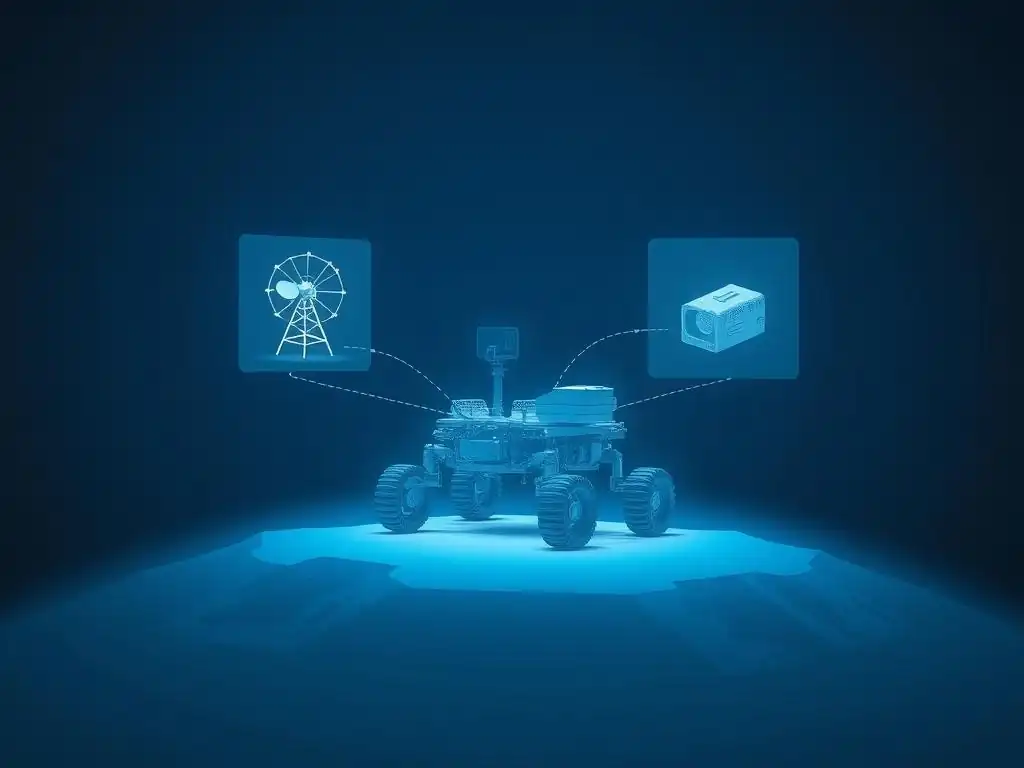
Aerospace Engineering and the Role of Women in Spacecraft Design
Aerospace engineering forms the bedrock of space exploration, encompassing the design, development, and testing of spacecraft, rockets, and satellites. Women aerospace engineers are increasingly at the forefront of this field, contributing to every stage of mission architecture. They are instrumental in designing advanced propulsion systems, optimizing orbital mechanics for efficient trajectories, and developing lightweight yet resilient structures capable of withstanding the harsh conditions of launch and space.
For instance, women are working on the structural integrity of next-generation launch vehicles like the Space Launch System (SLS) or designing the aerodynamic components of crew capsules. Their analytical rigor and innovative approaches ensure the safety and performance of complex space vehicles, directly influencing the success of missions like the James Webb Space Telescope or the upcoming Europa Clipper. These contributions are profoundly shaping the trajectory of women engineers space exploration.
Software Engineering: Women Coders Behind Space Mission Success
In the era of increasingly autonomous and data-driven space missions, software engineering has become an absolutely critical discipline. Women software engineers are the unsung heroes behind the complex algorithms that guide spacecraft, manage sophisticated scientific instruments, and process vast amounts of telemetry data. They develop the flight software that controls everything from a rover's movements on Mars to the precise attitude control of an orbiting satellite.
Their work also extends to ground control systems, mission simulations, and data analysis pipelines that translate raw telemetry into actionable insights for scientists. The precision, reliability, and innovation brought by women coders ensure that missions can operate flawlessly, adapt to unforeseen challenges, and deliver groundbreaking scientific returns. Their expertise is fundamental to the digital backbone of modern space exploration, solidifying their place in women engineers space exploration history.
Mechanical Engineering: Designing and Building the Hardware for Space Travel
Mechanical engineering provides the physical framework for all space endeavors, focusing on the design, analysis, manufacturing, and maintenance of mechanical systems. Women mechanical engineers are vital in creating the tangible hardware that makes space travel possible. They design robotic arms for planetary rovers, deployable mechanisms for solar arrays and antennas, and life support systems that sustain astronauts in extreme environments.
Their contributions ensure that components can withstand the immense forces of launch, the vacuum of space, and extreme temperature fluctuations. From designing the intricate gears of a Martian drill to fabricating the precise components of a deep-space probe, their meticulous work ensures the structural integrity and operational functionality of every piece of space-faring hardware. This hands-on involvement highlights the foundational role of women engineers in space exploration.
Electrical Engineering: Powering Space Exploration with Female Expertise
Electrical engineering is indispensable for powering every aspect of a space mission, from communication systems to scientific instruments and life support. Women electrical engineers are designing the sophisticated power generation and distribution networks that keep spacecraft operational for years in deep space. This includes developing high-efficiency solar arrays, designing robust power management units, and integrating complex avionic systems that control onboard electronics.
They also contribute to the advanced communication systems that transmit data across millions of miles, ensuring that mission control can communicate with distant probes and receive vital scientific information. Their expertise in ensuring reliable power and signal integrity is critical for mission longevity and success, enabling instruments to collect data and spacecraft to navigate autonomously. The critical work of these women engineers is literally powering the advancements in women engineers space exploration.
Breaking Barriers: Challenges and Triumphs of Women Engineers in Space
Overcoming Gender Bias in STEM Fields: Stories of Resilience
Despite significant progress, women engineers in STEM fields, including space, have historically faced and continue to navigate various forms of gender bias, from subtle microaggressions to overt skepticism about their capabilities. Stories of resilience abound, where women have had to consistently prove their worth in environments traditionally dominated by men. For instance, some pioneering female engineers in the 1980s and 90s recounted being mistaken for administrative staff or having their technical contributions initially underestimated in meetings.
These women persevered through sheer determination, exceptional competence, and an unwavering passion for space. Their triumphs are not just about individual career progression but about breaking down systemic barriers, demonstrating that talent and innovation know no gender. Their steadfastness in overcoming these challenges has paved a smoother path for the next generation of women engineers space exploration enthusiasts.
Creating Inclusive Environments: Initiatives Supporting Women in Space Engineering
Recognizing the immense value of diversity, leading space agencies and private companies have launched various initiatives to foster more inclusive environments for women in engineering. NASA, for example, has implemented programs focused on recruiting more female talent, ensuring equitable promotion opportunities, and providing professional development resources. Companies like SpaceX and Blue Origin are also actively working to diversify their engineering teams, understanding that varied perspectives lead to better problem-solving and innovation.
These initiatives often include unconscious bias training for hiring managers, establishing employee resource groups for women in STEM, and creating mentorship programs. The goal is to build workplace cultures where women feel supported, valued, and empowered to contribute their best work. Such efforts are crucial for sustaining the momentum of women engineers in space and ensuring their continued growth and leadership.
Mentorship and Role Models: Inspiring the Next Generation of Female Space Pioneers
The presence of strong female role models and effective mentorship programs is crucial for inspiring and retaining the next generation of women in space engineering. Seeing successful women in leadership and technical roles, such as Jennifer Trosper or Diana Trujillo, demonstrates to young girls and aspiring engineers that a career in space is not only possible but achievable. These role models often share their journeys, challenges, and successes, providing tangible proof of what can be accomplished.
Mentorship programs, both formal and informal, offer invaluable guidance, career advice, and networking opportunities. Experienced women engineers can help navigate career paths, overcome obstacles, and build confidence. Initiatives like "Girls in STEM" events and university outreach programs, often led by current female engineers, directly engage young girls with hands-on space-related activities, igniting their interest and encouraging them to pursue STEM fields, thus securing the pipeline for future women engineers space exploration leaders.
The Future of Women Engineers in Space Exploration
Emerging Technologies and Opportunities for Women in Space Engineering
The landscape of space exploration is rapidly evolving with the advent of disruptive technologies, opening new frontiers and creating unprecedented opportunities for women engineers. Fields such as artificial intelligence and machine learning are revolutionizing autonomous spacecraft operations and data analysis, providing avenues for women to develop intelligent systems for future missions. Additive manufacturing (3D printing in space) is transforming how components are built and repaired, creating new roles for mechanical and materials engineers.
Furthermore, the growth of the commercial space sector, encompassing satellite mega-constellations, space tourism, and asteroid mining, offers diverse career paths. Women engineers are at the forefront of developing advanced robotics for in-space assembly, quantum computing for enhanced communication, and sustainable propulsion systems. These emerging technologies will be shaped by the innovative minds of women engineers, further diversifying and enriching the field of women engineers space exploration.
The Importance of STEM Education for Girls and Women
To ensure a continuous pipeline of talented women engineers for the future of space exploration, robust and equitable STEM education for girls and women is paramount. Early exposure to science, technology, engineering, and mathematics, coupled with hands-on learning experiences, can ignite a lifelong passion. Challenging gender stereotypes in classrooms and encouraging girls to pursue traditionally male-dominated subjects are critical steps.
Initiatives that provide access to quality STEM resources, coding camps, robotics competitions, and mentorship from female professionals can significantly impact interest and retention. Fostering a supportive educational environment that celebrates curiosity and problem-solving skills will empower more young women to pursue degrees in aerospace, electrical, software, and mechanical engineering, thereby strengthening the foundation for future women engineers space exploration.
Women Engineers: Shaping the Future of Space Travel and Discovery
The future of space travel and discovery will undoubtedly be shaped by the ingenuity, leadership, and diverse perspectives of women engineers. As humanity contemplates interplanetary travel to Mars, the establishment of permanent lunar bases, and the search for exoplanetary life, the complex challenges demand the fullest spectrum of human talent. Women engineers are increasingly taking on leading roles in designing the next generation of spacecraft, developing advanced life support systems for long-duration missions, and pioneering technologies for deep-space resource utilization.
Their contributions are not just about technical solutions; they are about fostering a more collaborative, innovative, and inclusive approach to space exploration. As the human footprint expands across the solar system, women engineers will be indispensable in pushing the boundaries of what is possible, ensuring that the future of space is one of shared discovery and boundless potential. Their ongoing work will continue to write the compelling narrative of women engineers space exploration.
Conclusion: Celebrating the Legacy of Women Engineers in 21st Century Space Exploration
Recognizing the Invaluable Contributions of Women to Space Innovation
The 21st century has undeniably marked a pivotal era in space exploration, largely propelled by the invaluable contributions of women engineers. From the meticulous design of Mars rovers like Perseverance to the strategic planning and technical execution of the Artemis Moon missions, women have demonstrated exceptional leadership, technical prowess, and unwavering dedication. Their expertise in aerospace, software, mechanical, and electrical engineering has been critical to overcoming the monumental challenges inherent in venturing beyond Earth.
These trailblazers have not only advanced scientific understanding and technological capabilities but have also profoundly influenced the culture of space agencies and private companies, fostering more inclusive and diverse environments. Their innovative solutions and collaborative spirit have directly translated into mission successes, proving that diversity is a powerful catalyst for innovation in the complex world of space exploration.
Inspiring Future Generations of Women in Space Science and Engineering
The visible successes and inspiring journeys of 21st-century women engineers in space exploration serve as a powerful beacon for future generations. By highlighting the achievements of individuals like Jennifer Trosper, Diana Trujillo, and Bhavya Lal, we provide tangible role models who can ignite a passion for STEM in young girls and aspiring engineers worldwide. Their stories underscore that the sky is no longer the limit, and that a career in space science and engineering is not only attainable but offers boundless opportunities for impact.
Continuing to support STEM education for girls, fostering inclusive workplaces, and celebrating these pioneering women engineers are essential steps to ensure that the next wave of innovators is diverse and fully equipped to tackle the grand challenges of deep space. The legacy being built by these remarkable women engineers in space exploration history will continue to inspire and propel humanity's reach further into the cosmos.
Frequently Asked Questions
What role have women engineers played in 21st-century space exploration?
Women engineers have played a crucial and increasingly prominent role. They are involved in designing, building, and operating everything from Mars rovers to systems for future Moon missions.
What are some of the challenges women engineers in space exploration have historically faced?
Historically, women faced significant barriers including gender bias, limited access to education and opportunities, and a lack of recognition for their contributions in the male-dominated field.
How does WomenInScienceHistory.com contribute to the recognition of women engineers in space exploration history?
The site highlights the stories of pioneering female scientists and engineers, providing biographies and discussions of their work to inspire future generations and shed light on overlooked narratives.
Can you provide an example of a woman engineer who has made significant contributions to space exploration?
While the site features many, examples include engineers involved in the design of spacecraft, the development of robotic systems for planetary exploration, and the planning of lunar missions.
Why is it important to learn about the history of women engineers in space exploration?
Understanding their history helps to address historical injustices, inspire future generations of female engineers, and promote diversity and inclusion within STEM fields, leading to more innovative solutions.
Final Reflection: Inspiring the Next Generation of Space Explorers
The journey through the history of women engineers in space exploration reveals a powerful truth: their contributions have been pivotal, yet often overlooked, shaping the very trajectory of our cosmic endeavors. From the early pioneers breaking barriers to the modern-day leaders pushing the boundaries of what's possible, their stories are a testament to resilience, ingenuity, and unwavering dedication. This legacy is not just a historical footnote; it's a vibrant force actively shaping the future of space exploration today.
The impact of these women extends far beyond the technical specifications of rovers and rockets. Their presence has fundamentally altered the cultural landscape of STEM, inspiring countless young girls to dream bigger and challenge the status quo. Witnessing their achievements firsthand, and understanding the obstacles they overcame, instills a profound sense of possibility and encourages a more inclusive and equitable future for space exploration. You can't be what you can't see.
This simple yet powerful statement underscores the critical importance of representation and the transformative effect of showcasing the accomplishments of women in traditionally male-dominated fields.
As we look toward the future, let us not only celebrate the achievements of these remarkable women but also actively champion the next generation of female engineers and scientists. Consider how you can contribute to creating a more inclusive and supportive environment within your own sphere of influence. Let their stories ignite your own passion for innovation and inspire you to break down barriers, challenge assumptions, and strive for a future where the boundless potential of every individual can contribute to pushing the boundaries of human knowledge and exploration.
Ignite Your Space Dream: Become a Cosmic Trailblazer!
Thanks for joining us on this journey through the incredible contributions of women shaping space exploration! We hope you've been inspired by their stories and are eager to contribute to the future of science. What’s next?
Here's how you can fuel your passion:
- Dive deep into the world of STEM: Research scholarship opportunities for women in STEM fields. Make a tangible step towards your own engineering journey!
- Share this article with your network and spark conversations about the importance of diversity in STEM.
- Explore local STEM initiatives or online forums dedicated to space exploration and connect with fellow enthusiasts. Consider attending an outreach event for girls in STEM.
What actionable step will you take this week to honor these pioneers and contribute to the future of space exploration?