
The Hidden Web: Uncovering Collaboration Among Women in Early Ecology

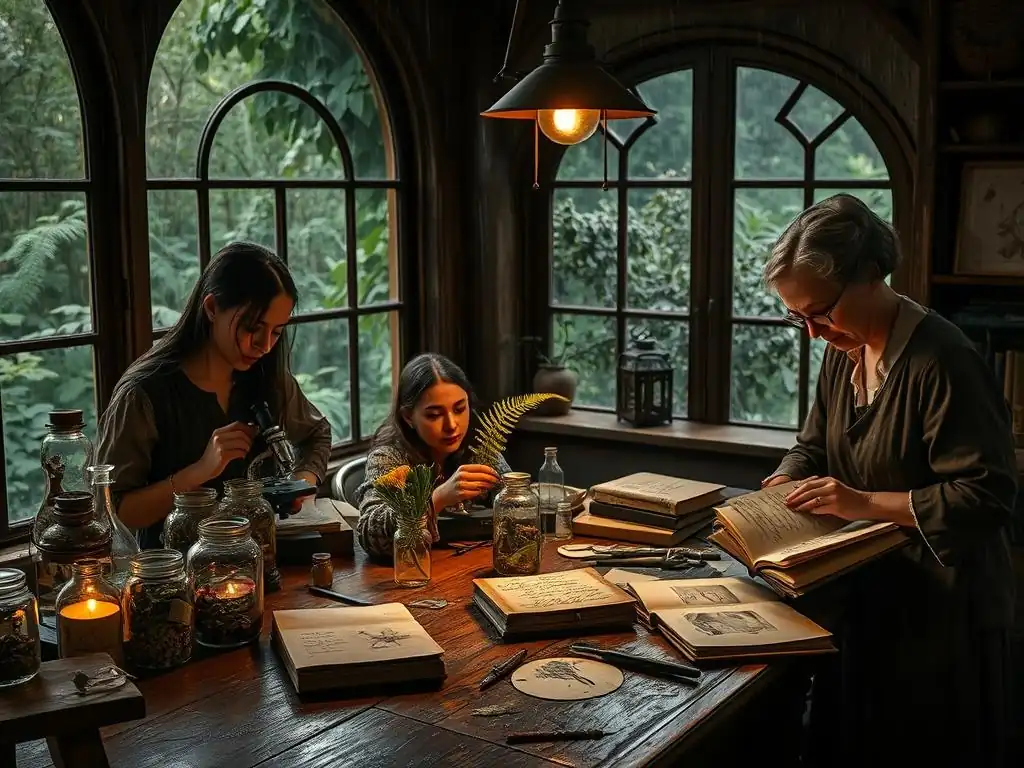
Welcome to WomenInScienceHistory.com!
Delve into the untold stories of brilliant minds and groundbreaking discoveries. Did you know that the foundations of modern ecology were, in part, laid by a network of unsung women? Prepare to be amazed as we uncover the hidden web of collaboration among women in early ecology, revealing their vital contributions and the challenges they overcame in a field traditionally dominated by men. Explore their fascinating work and discover how they shaped our understanding of the natural world. What secrets does this hidden network hold? Read on to find out!
- Unveiling the Hidden Web: Collaboration Among Women in Early Ecology (1900-1950)
- The Invisible Network: How Women Supported Each Other in Ecological Research
- Case Studies: Examples of Successful Collaboration Among Women Ecologists
- The Legacy of Female Collaboration in Environmental Science
- Conclusion: Celebrating Women's Collaborative Spirit in Early Ecological Studies
-
Frequently Asked Questions
- What does "early ecology" refer to in the context of WomenInScienceHistory.com?
- Why is it important to highlight the contributions of women in early ecology?
- What types of challenges did women in early ecology commonly face?
- How did women collaborate in early ecology, and why was collaboration important?
- How does WomenInScienceHistory.com aim to inspire future generations through these stories?
- Final Reflection: Weaving a Legacy of Collaboration
- Ignite Your Inner Ecologist: Connect & Contribute!
Introduction: Recognizing the Unsung Heroines of Early Ecological Studies
The history of science often spotlights individual genius, particularly in fields like ecology where groundbreaking theories emerged in the early 20th century. However, this narrative frequently overlooks the substantial contributions of women, whose work was often marginalized, uncredited, or attributed to male colleagues. These pioneering women in early ecology faced immense societal and institutional barriers, from limited access to higher education and research funding to outright discrimination in professional settings. Their scientific endeavors, though critical, remained largely unsung, obscuring a vital part of ecological history.
Beyond individual achievements, a closer look reveals an intricate, often informal, network of collaboration and mutual support among women in early ecology. This "hidden web" provided a crucial lifeline, enabling these female scientists to share knowledge, resources, and encouragement in an otherwise isolating and challenging environment. By examining these collaborative efforts, we gain a more complete understanding of how significant ecological research was conducted during this formative period, highlighting the resilience and collective spirit of women in environmental science.
The Invisible Network: How Women Supported Each Other in Ecological Research
Overcoming Barriers: Societal and Institutional Obstacles for Female Ecologists
The early 20th century presented formidable obstacles for women aspiring to careers in science, particularly in field-intensive disciplines like ecology. Societal norms often dictated that women's primary roles were domestic, discouraging their pursuit of higher education or demanding professional lives. Those who did manage to enter scientific fields frequently encountered institutional resistance, such as university departments reluctant to grant them faculty positions, access to laboratories, or adequate funding for their research. For instance, many academic institutions offered women only teaching roles or assistantships, rarely principal investigator positions, limiting their ability to lead independent ecological studies.
Furthermore, female ecologists often struggled to gain recognition in professional societies, were excluded from informal scientific networks, and faced skepticism regarding their capabilities in the field. Fieldwork, a cornerstone of ecological research, was particularly challenging for women due to prevailing safety concerns, lack of appropriate gear, and societal expectations. These pervasive barriers meant that women in early ecology frequently had to forge their own paths, relying on ingenuity and, crucially, on one another to advance their scientific work and navigate a predominantly male-dominated landscape.
Building Bridges: The Importance of Collaboration and Mentorship
In the face of systemic exclusion, collaboration and mentorship became indispensable tools for women in early ecology. These informal partnerships provided intellectual camaraderie, allowing for the exchange of ideas, critiques, and methodologies that might otherwise have been stifled. Sharing limited resources, such as access to research sites, specimen collections, or even typewriters, was a common form of collaboration that circumvented institutional bottlenecks. Such relationships fostered a sense of community and validated their scientific pursuits, which were often undervalued by the broader academic establishment.
Mentorship, both formal and informal, also played a pivotal role. More established women in science, despite their own struggles, often extended a hand to younger or less experienced female colleagues. This could involve guiding them through the complexities of scientific publication, connecting them with scarce funding opportunities, or simply offering moral support during periods of professional frustration. These intergenerational links were vital in sustaining the careers of many women in environmental science, ensuring that knowledge and experience were passed down, thereby strengthening the collective impact of women in early ecology.
Case Studies: Examples of Successful Collaboration Among Women Ecologists
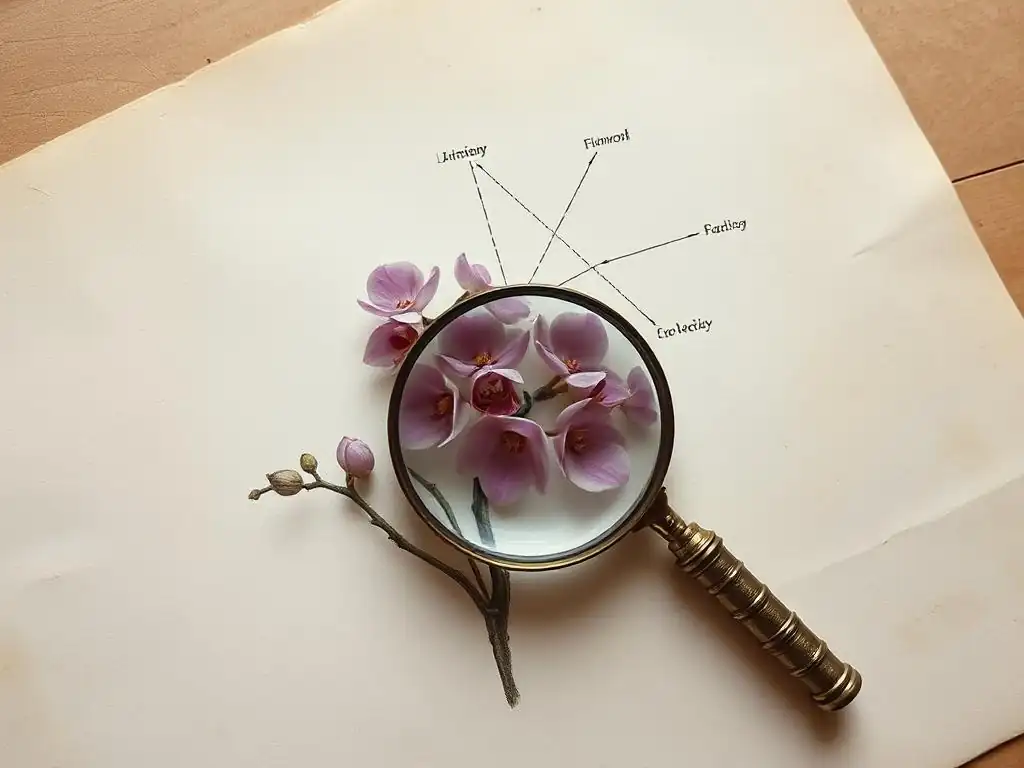
Rachel Carson and Shirley Briggs: Collaborative Conservation Efforts
Rachel Carson, a marine biologist and conservationist, is renowned for her seminal work, Silent Spring (1962), which exposed the devastating ecological impacts of pesticides. While Silent Spring is often seen as Carson's individual triumph, her work was bolstered by key collaborative relationships, including her long-standing professional association with Shirley Briggs. Briggs, an accomplished artist and conservationist, served as a scientific illustrator for the U.S. Fish and Wildlife Service, where Carson also worked. Their shared passion for nature and environmental protection formed the bedrock of their interaction.
Briggs was not only an illustrator for Carson's earlier works but also became a staunch ally and advocate during the immense backlash against Silent Spring. She helped to visually communicate Carson's ecological messages and later served as the executive director of the Rachel Carson Council, tirelessly working to disseminate Carson's findings and defend her legacy in the face of chemical industry opposition. This deep, supportive collaboration between two women in early ecology was instrumental in transforming scientific data into a powerful public movement, significantly shaping the future of environmental policy and conservation.
Emma Lucy Braun (1889-1971) stands as a monumental figure in North American forest ecology, particularly known for her definitive work, Deciduous Forests of Eastern North America (1950). Her rigorous field studies and detailed mapping of forest communities were groundbreaking. Crucially, Emma Lucy's scientific journey was profoundly supported by her sister, Annette F. Braun (1881-1968), a distinguished entomologist specializing in microlepidoptera. While their fields were distinct, their shared home environment in Cincinnati, Ohio, fostered an unparalleled intellectual partnership.
The sisters maintained a shared scientific library and specimen collections, providing a rich resource for their respective research. They frequently accompanied each other on field expeditions, offering mutual support and insights, even if their specific scientific observations differed. This unique familial collaboration provided a stable and intellectually stimulating foundation that enabled both women to pursue highly successful and independent scientific careers during a period when formal opportunities for women in science were scarce. Their shared commitment to natural history exemplifies a powerful, informal network among women in early ecology.
Mary Agnes Chase and Her Advocacy for Women in Science: Shaping a Legacy
Mary Agnes Chase (1869-1963) was a self-taught botanist who rose to become a world authority on grasses at the Smithsonian Institution, despite never having received a formal college degree. Her expertise in grass taxonomy and her prolific publications, including First Book of Grasses (1922) and Manual of the Grasses of the United States (1951), were invaluable contributions to botany and, by extension, to early ecological understanding. Chase's remarkable career paved the way for many, but her influence extended beyond her scientific output to her active advocacy for women in science.
Chase was a fervent suffragist and a vocal proponent for the professional recognition of women scientists. She understood the systemic barriers facing women in early ecology and actively worked to dismantle them. Informally, she mentored numerous younger botanists, both male and female, by providing access to the vast Smithsonian collections, sharing her unparalleled knowledge, and encouraging their research and publication efforts. Her dedication to fostering scientific talent and her commitment to women's rights created a legacy of support that significantly shaped the environment for subsequent generations of women in environmental science.
The Legacy of Female Collaboration in Environmental Science
Shaping the Future: How Early Collaborations Influenced Subsequent Ecological Research
The often-overlooked collaborative efforts of women in early ecology laid foundational groundwork that significantly influenced subsequent ecological research. These informal networks, whether through shared fieldwork, intellectual discussions, or the exchange of specimens and data, facilitated the development of more comprehensive and robust ecological principles. For example, detailed botanical surveys conducted through collaborative efforts contributed to a deeper understanding of plant communities and succession, informing later ecosystem studies. The meticulous work of women in fields like botany and ornithology provided essential baseline data that became crucial for understanding long-term environmental changes.
Furthermore, the advocacy and conservation efforts stemming from these collaborations had a tangible impact on environmental policy and the nascent conservation movement. The collective voice of women in early ecology, amplified through their mutual support, helped raise public awareness about critical environmental issues. Their pioneering work in documenting biodiversity and advocating for its protection directly informed the establishment of national parks and protected areas, demonstrating how their interwoven efforts shaped the very landscape of environmental science and conservation for decades to come.
Reclaiming Their Place: Acknowledging the Contributions of Women in Early Ecology
For too long, the history of environmental science has been presented as a series of individual male achievements, often overlooking the profound and collective contributions of women. Actively researching and highlighting the "hidden webs" of collaboration among women in early ecology is not merely an act of historical correction; it is essential for a more complete and accurate understanding of scientific progress. Recognizing these networks provides a nuanced perspective on how science truly advances, often through shared struggles and mutual support, rather than solely through isolated brilliance.
Acknowledging the collaborative spirit of these pioneering women not only gives them the long-overdue credit they deserve but also serves as a powerful source of inspiration for future generations. It demonstrates that despite formidable systemic barriers, women in early ecology found strength, resilience, and success through their ability to connect, support, and collaborate with one another. Their stories underscore the enduring truth that scientific discovery is often a collective endeavor, and that diverse perspectives and collaborative approaches are vital for addressing complex environmental challenges.
Conclusion: Celebrating Women's Collaborative Spirit in Early Ecological Studies
The Enduring Power of Collaboration in Scientific Discovery.
The journey of women in early ecology was marked by immense challenges, from societal expectations to institutional discrimination. Yet, within this restrictive environment, an invisible network of collaboration and mentorship emerged, proving to be an indispensable force in their scientific endeavors. This "hidden web" allowed pioneering women in environmental science to share knowledge, resources, and emotional support, enabling them to overcome barriers and make significant contributions to the understanding of the natural world. Their collective efforts, whether through shared research, advocacy, or informal guidance, underscore the profound impact of mutual aid in scientific progress.
The legacy of these collaborative women in early ecology extends far beyond their individual discoveries. It highlights the enduring power of unity in the face of adversity and serves as a powerful reminder that scientific advancement is often a shared journey.
Their stories teach us that fostering an environment of support and collaboration is crucial for innovation and for ensuring that all voices, especially those historically marginalized, are heard and valued in the pursuit of knowledge. The spirit of collaboration that defined these early female ecologists continues to inspire and offers a timeless model for scientific discovery in any era.
Frequently Asked Questions
What does "early ecology" refer to in the context of WomenInScienceHistory.com?
Early ecology refers to the foundational period of ecological science, roughly spanning the late 19th and early 20th centuries. During this time, the core principles of ecosystem interaction and species relationships were being established.
Why is it important to highlight the contributions of women in early ecology?
Historically, the contributions of women in science, including early ecology, have been significantly underrepresented. Highlighting their work helps correct the historical record and recognize their often-unacknowledged influence.
What types of challenges did women in early ecology commonly face?
Women faced challenges such as limited access to formal education, research funding, and academic positions. They also often experienced gender bias and were excluded from networks dominated by men.
How did women collaborate in early ecology, and why was collaboration important?
Women often collaborated through informal networks, supporting each other's research and sharing knowledge. This collaboration was crucial for overcoming barriers and advancing ecological understanding despite limited resources.
How does WomenInScienceHistory.com aim to inspire future generations through these stories?
By showcasing the resilience and achievements of women in early ecology, the website provides powerful role models for aspiring scientists. It demonstrates that women have always been integral to scientific progress, encouraging future generations to pursue STEM fields.
Final Reflection: Weaving a Legacy of Collaboration
The stories unearthed in exploring the hidden web of collaboration among women in early ecology resonate profoundly today. While scientific narratives often spotlight individual achievement, our exploration reveals the vital, interconnected networks that fostered groundbreaking research, networks often obscured by historical biases. Recognizing these collaborative efforts is not just about correcting the record; it's about understanding the true engine of scientific progress.
This journey into the past has illuminated the enduring power of community and mentorship, particularly for those historically marginalized. It reminds us that progress is rarely a solitary endeavor, and that acknowledging the contributions of all participants is crucial for a more equitable and accurate understanding of scientific history. If I have seen further it is by standing on the shoulders of giants.
- Isaac Newton. This quote, often used to celebrate individual brilliance, takes on a new meaning when we consider the unseen shoulders of countless women who supported and propelled ecological understanding forward.
As we close this chapter on uncovering the hidden web, I invite you to consider the collaborative networks that shape your own life and work. Who are the unsung heroes in your field? How can you actively foster a more inclusive and collaborative environment, ensuring that all voices are heard and valued? Let us honor the legacy of these pioneering women in early ecology by building a future where collaboration is celebrated, and every contribution is recognized, creating a richer and more vibrant scientific landscape for generations to come.
Ignite Your Inner Ecologist: Connect & Contribute!
Thank you for exploring the untold stories of women who shaped early ecology! We hope you've been inspired by their collaborative spirit and pioneering work. Now, it's your turn to keep their legacy alive.
Here's how you can get involved:
- Share a Story: Do you know of other women who made vital contributions to ecology and haven't received the recognition they deserve? Submit their stories to WomenInScienceHistory.com!
- Explore Further: Delve deeper into the scientific papers and publications cited in this article – what groundbreaking ideas can you uncover?
- Discuss & Discover: Start a conversation about the challenges and triumphs of women in ecology on social media using #WomenInEcologyHistory – let's amplify their voices!
What unexpected connections did you discover between these pioneering women, and how can we use their example to foster collaboration in science today?