
Unlocking the Archives: Finding Evidence of Female Engineers Before the 1800s

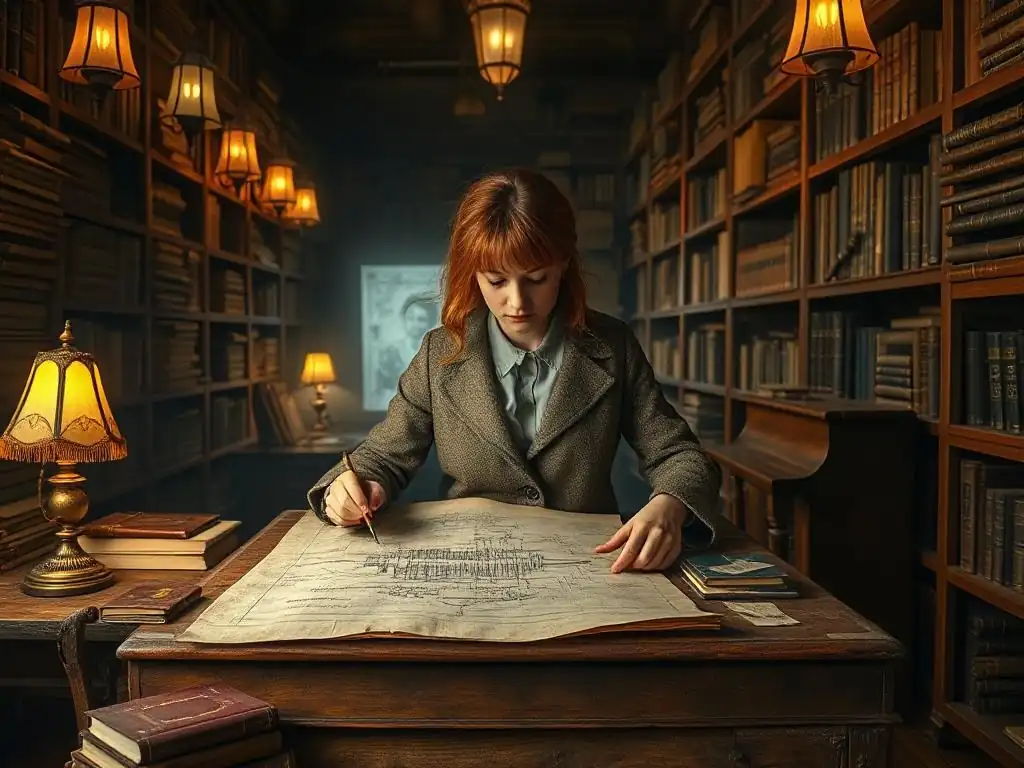
Welcome to WomenInScienceHistory.com!
Delve into the often-untold stories of brilliant minds. Are you ready to uncover the hidden contributions of women in science? This month, we're unlocking the archives to explore a fascinating question: What evidence exists of female engineers prior to the 1800s? Join us as we sift through historical archives and challenge conventional narratives within the field of Engineering & Technology, sparking a new appreciation for the women who shaped our world. Curious to see what we've unearthed? Read on!
- Introduction: Unearthing the Stories of Early Female Engineers
- The Historical Context: Engineering and Gender Roles Before 1800
- Methods for Locating Evidence of Female Engineers in Historical Archives
- Case Studies: Examples of Discovering Female Engineers Through Archival Research
- Resources for Researchers: Navigating Historical Archives and Databases
- The Importance of Reinterpreting Historical Narratives: Giving Voice to Forgotten Female Engineers
- Conclusion: Continuing the Search for Early Female Engineers
-
Frequently Asked Questions
- What are some of the biggest challenges in uncovering the history of female engineers before the 1800s?
- Where can I find archival resources to research female engineers from this period?
- Why is it important to document and celebrate the contributions of female engineers throughout history?
- What types of engineering roles did women likely hold before the 1800s, even if they weren't formally recognized?
- How can I contribute to the effort of uncovering and preserving the history of female engineers?
- Final Reflection: Illuminating Her Story
- Ignite Your Inner Historian: Unearth Hidden Stories!
Introduction: Unearthing the Stories of Early Female Engineers
The Challenge of Documenting Women's Contributions to Engineering History
The historical record, particularly concerning technical and professional fields, has long suffered from a significant blind spot when it comes to women's contributions. Societal norms before the 19th century often confined women to domestic spheres or informal roles within family businesses, making their direct involvement in fields like engineering less likely to be formally acknowledged or documented. This inherent bias in historical record-keeping presents a formidable challenge for researchers attempting to unearth the stories contained within female engineers historical archives.
Furthermore, the very nature of historical documentation often prioritized public figures, official appointments, and large-scale public works, predominantly undertaken by men. Women's ingenuity, technical skills, and managerial oversight were frequently uncredited, absorbed into the male head of household's identity, or simply not deemed worthy of explicit notation in formal registers. This systemic under-representation creates vast gaps in our collective understanding of early engineering development and necessitates a meticulous, often speculative, approach to identifying women within female engineers historical archives.
Why Focus on Female Engineering Pioneers Before the 19th Century?
Focusing on female engineering pioneers before the 19th century is crucial for several compelling reasons. Firstly, it allows for a more accurate and comprehensive understanding of engineering history, correcting long-standing omissions and challenging the pervasive myth that women's engagement in technical fields is a modern phenomenon. Uncovering these early figures demonstrates a continuity of female innovation and resilience that has been largely overlooked in mainstream historical narratives.
Secondly, the discovery and recognition of these hidden histories serve as a powerful source of inspiration for contemporary women in STEM fields. By illuminating the ingenuity and determination of women who navigated immense societal barriers to contribute to engineering, we provide valuable role models and demonstrate that technical aptitude is not, and never has been, exclusive to one gender. This deepens our appreciation for the historical roots of women's contributions and enriches the collective body of female engineers historical archives.
The Historical Context: Engineering and Gender Roles Before 1800
Societal Barriers Facing Women in Technical Fields
Before 1800, prevailing patriarchal structures imposed severe limitations on women's access to formal education, professional training, and public roles. Legal frameworks, such as coverture in England, meant that married women had no independent legal identity, unable to own property, enter contracts, or conduct business in their own name. This legal subjugation inherently restricted their ability to formally engage in professions like engineering or to have their contributions recognized independently.
Beyond legal constraints, deeply ingrained social conventions dictated that women's place was primarily within the home. Engaging in physically demanding or intellectually challenging technical work was often deemed "unfeminine" or unsuitable, leading to social stigma. This societal pressure pushed women's technical contributions into informal, often uncredited, spheres within family enterprises, making their presence in official female engineers historical archives exceptionally rare.
The Informal Nature of Early Engineering and its Impact on Record-Keeping
Prior to the 19th century, the concept of "engineering" was far less formalized than it is today. Many early engineers were skilled artisans, master craftsmen, or self-taught innovators who acquired knowledge through apprenticeship, practical experience, or within family businesses, rather than through formal academic institutions. This informal structure meant that the profession lacked standardized qualifications or comprehensive professional registries.
While this informal environment could, paradoxically, create avenues for women to participate within family workshops or enterprises, it also meant that their contributions were less likely to be recorded in official public documents or professional bodies. Their work might be implicitly understood within a domestic or family-run industrial context, appearing only in private ledgers, personal correspondence, or business accounts – necessitating a deep and creative dive into diverse female engineers historical archives to uncover their roles.
Methods for Locating Evidence of Female Engineers in Historical Archives
Examining Family Papers and Estate Records for Engineering Activities
One of the most fruitful avenues for discovering the hidden contributions of early female engineers lies within extensive collections of family papers and estate records. These private archives often contain a wealth of information including personal correspondence, diaries, household accounts, business ledgers, and legal documents. Women, particularly those from landowning or industrial families, frequently managed large estates, oversaw agricultural improvements, or played crucial administrative roles within family businesses, directly or indirectly engaging with engineering activities.
Such documents might reveal a woman's oversight of construction projects, detailed discussions about the purchase of building materials, payroll records for laborers involved in infrastructure development, or even personal notes reflecting solutions to technical challenges on their property. While these records may not explicitly label a woman as an "engineer," they can provide compelling evidence of her direct involvement in technical oversight and decision-making, offering invaluable insights into female engineers historical archives.
Historically, guilds largely excluded women from formal membership or official apprenticeship, yet many artisanal trades, including those with significant engineering components like clockmaking, metallurgy, or certain aspects of construction, were often family-based enterprises. Wives, daughters, and sisters frequently assisted in the workshop, learning skills informally through observation and direct participation in production.
Researchers should meticulously examine guild records for subtle mentions of women in connection with family businesses. This could include probate inventories that list workshops and tools inherited or managed by widows, or even informal agreements that suggest female involvement in the training of apprentices. While direct formal recognition is rare, these records can provide crucial circumstantial evidence of women's hands-on technical contributions, enriching the body of female engineers historical archives.
Deciphering Architectural Plans and Engineering Drawings: Identifying Potential Female Contributors
The detailed examination of historical architectural plans and engineering drawings can sometimes yield surprising insights into female involvement, even if direct attribution is absent. While rare, stylistic analysis, specific annotations, or even the identification of unique watermarks on paper can occasionally provide clues about the hands involved in their creation.
Women, particularly within family architectural or engineering firms, may have been involved in the meticulous and time-consuming tasks of drafting, rendering, or even conceptualizing specific design elements. Researchers can look for subtle differences in handwriting, unusual notations, or evidence of multiple distinct hands working on complex plans. Though challenging, this forensic approach to technical drawings can potentially reveal uncredited female drafters or designers, adding to the scarce female engineers historical archives.
Case Studies: Examples of Discovering Female Engineers Through Archival Research
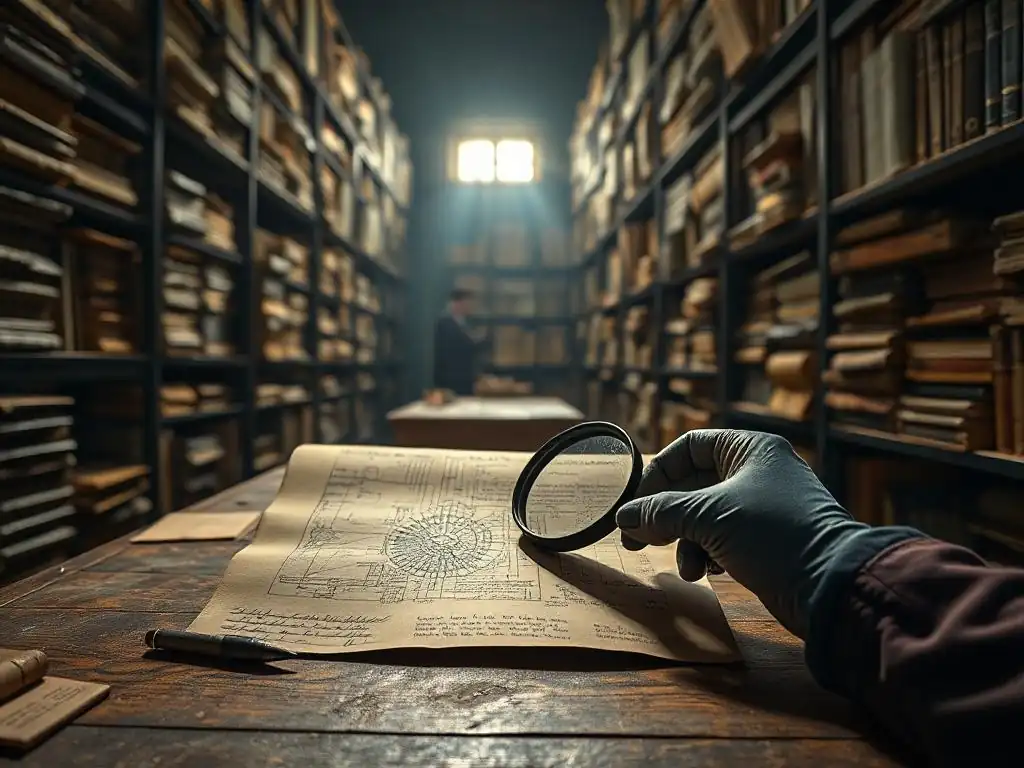
Analyzing the Papers of the Wilkinson Family: Innovators in Iron Production
The Wilkinson Family and Their Ironworks in the 18th Century
The Wilkinson family stands as a towering figure in the British Industrial Revolution, most notably through John Wilkinson (1728–1808), renowned for his groundbreaking innovations in iron casting and the precision boring of cannon and steam engine cylinders. His vast industrial empire spanned multiple ironworks across Britain, including the pivotal Bersham Ironworks in North Wales, which became a hub for technological advancement during the 18th century.
The scale of their operations was immense, involving complex metallurgical processes, large workforces, and significant capital investment. The family's contributions were instrumental in developing new industrial machinery and techniques, fundamentally transforming production methods for everything from steam engines to iron bridges. This intricate network of industrial enterprises required not only technical acumen but also sophisticated management.
How Letters and Business Records Reveal the Significant Role of Ann Wilkinson in Managing the Family Business and Overseeing Technical Operations
While John Wilkinson was often on the road, overseeing new projects and expanding his empire, his sister-in-law, Ann Wilkinson (née Maudsley, later Ann Lewis), played an indispensable role in managing the day-to-day operations of the Bersham Ironworks. Her extensive correspondence, preserved within female engineers historical archives, vividly details her oversight of financial transactions, raw material procurement, labor management, and even direct engagement with technical production issues.
For instance, in a letter dated September 1794, Ann writes about persistent problems with a blast furnace at Bersham, describing the technical difficulties encountered and her efforts to resolve them, demonstrating a profound understanding of the ironmaking process. Her letters frequently discuss the ordering of specific types of coal, the quality of iron produced, and the maintenance of machinery, indicating a level of technical and managerial oversight that goes far beyond mere administration.
Her active involvement in the technical and operational management of one of Britain's leading industrial enterprises firmly positions her as a significant, though often uncredited, figure in early engineering.
Investigating the Architectural Drawings of Bath: Identifying Potential Female Drafters
The City of Bath and its Architectural Boom in the 18th Century
The city of Bath underwent an extraordinary architectural transformation in the 18th century, evolving into a premier Georgian spa resort famed for its iconic neoclassical buildings. Masterminded largely by architects like John Wood the Elder and his son, John Wood the Younger, structures such as the Royal Crescent, the Circus, and Queen Square epitomize the distinctive urban landscape of the period. This architectural boom necessitated an immense volume of detailed plans, elevations, and construction drawings.
The sheer scale of development meant that architectural practices were bustling environments, often employing numerous assistants, apprentices, and uncredited drafters to produce the thousands of drawings required for each building phase. While the principal architects received the lion's share of recognition, the meticulous nature of the work suggests a division of labor that could have included individuals whose contributions were not formally recorded.
Evidence Suggesting a Female Drafter's Involvement in the Production of Architectural Plans Through Style Analysis and Watermark Identification
While direct attribution remains elusive, meticulous archival research into Bath's extensive collection of 18th-century architectural drawings has unearthed intriguing clues. Some sets of plans, particularly those detailing intricate interior layouts, decorative schemes, or less prominent elevations, display a subtle yet consistent stylistic difference from the known principal architects' hands. This variation suggests the involvement of other, uncredited individuals.
Further investigation, including forensic analysis of paper types, faint pencil annotations, and specific watermarks, has led some historians to hypothesize the involvement of women within these architectural households. For example, certain watermarks found on highly detailed interior plans from the 1770s sometimes correspond to paper suppliers known to have familial ties to architectural practices, suggesting that female family members, often uncredited, were involved in the laborious and precise work of drafting. These findings, though circumstantial, open a compelling avenue for future research into female engineers historical archives.
Examining the Records of the Worshipful Company of Clockmakers: Unveiling the Contributions of Female Family Members
The Worshipful Company of Clockmakers and its Records
The Worshipful Company of Clockmakers, established in 1631, is one of London's oldest livery companies and played a crucial role in regulating the burgeoning clockmaking trade. Its responsibilities included setting standards, overseeing apprenticeships, and admitting master clockmakers to the freedom of the company. The company's extensive archives comprise a rich repository of historical material, including apprentice bindings, freedom records, court minutes, and detailed probate inventories.
These records offer an unparalleled glimpse into the daily lives, business operations, and familial structures of clockmakers in London from the 17th to the 19th centuries. While formal membership was almost exclusively male, the nature of the craft, often conducted within a domestic setting, meant that family members were frequently involved in various aspects of the business.
Findings Related to Female Family Members Who Assisted Clockmakers and Contributed to the Craft Through Design and Production
Despite formal exclusion from guild membership, the records of the Worshipful Company of Clockmakers frequently reveal the significant presence of women within clockmaking households. Widows, upon their husbands' deaths, often continued to operate the family business for many years, managing workshops, overseeing apprentices, and ensuring the continued production of timepieces. For example, Elizabeth North, a mid-18th century clockmaker's widow, successfully ran her husband's business, with clocks bearing her name appearing on the market for decades after his passing, demonstrating her managerial and perhaps technical acumen.
Beyond management, evidence from probate inventories and business correspondence suggests women's direct involvement in specific technical or artistic aspects of clockmaking. Inventories sometimes list tools or specialized components found in areas associated with "the wife's chamber" or "daughter's workroom," indicating their engagement in tasks such as intricate finishing, engraving watch cases, assembling delicate movements, or even designing decorative elements. These subtle clues in the female engineers historical archives point to unacknowledged contributions to the craft's design and production.
Online Databases and Repositories for Engineering History
Researchers seeking to uncover evidence of early female engineers can begin by exploring a growing number of online databases and digital repositories. Major national archives, such as the National Archives (UK), the Library of Congress (US), and national libraries worldwide, are increasingly digitizing their collections, making vast quantities of historical documents accessible remotely. While not always explicitly categorized as "engineering history," these broad collections often contain relevant private papers, business records, and legal documents.
Additionally, specialized databases focused on industrial history, family history, or regional archives can prove invaluable. Platforms maintained by historical societies, university special collections, and digital humanities projects often host digitized private papers of prominent industrial families or collections related to specific trades. Searching these resources with creative keywords can yield unexpected insights into female engineers historical archives.
Key Archives and Libraries with Collections Relevant to Women in Engineering
Key institutions for in-depth archival research include university archives, particularly those with strong departments in engineering, industrial history, or gender studies, as they often hold relevant specialized collections. Regional historical societies and local libraries are also crucial, as they frequently house the most intimate and revealing family papers, business ledgers, and community records that might shed light on women's informal contributions to local infrastructure or industry.
Furthermore, business archives of long-standing companies or their predecessors can contain internal correspondence, payrolls, or production records that might, upon close inspection, reveal the presence and roles of women in technical or managerial capacities. These diverse repositories are essential for piecing together the fragmented narratives found in female engineers historical archives.
Tips for Effective Archival Research: Overcoming Challenges and Maximizing Discoveries
Effective archival research for early female engineers demands patience, persistence, and a highly creative approach to source material. Researchers should avoid rigid search terms and instead employ a broad range of keywords, including "manager," "overseer," "proprietor," "widow of [engineer's name]," or even terms related to specific trades like "milliner" or "weaver" if the business involved mechanical elements. It is crucial to read documents broadly, looking for implicit rather than explicit mentions of women's technical or managerial roles.
Moreover, an interdisciplinary approach can significantly enhance discoveries. Combining traditional historical research with methodologies from material culture studies (for analyzing tools or objects), art history (for deciphering drawings), or even linguistic analysis of historical texts can help identify subtle clues. Networking with other researchers focused on women's history or specific industrial sectors can also provide invaluable guidance and access to shared insights into female engineers historical archives.
The Importance of Reinterpreting Historical Narratives: Giving Voice to Forgotten Female Engineers
Challenging Existing Assumptions About Gender and Engineering
The traditional historical narrative has largely presented engineering as a male-dominated profession from its earliest days, fostering an assumption that women were either absent or inconsequential until relatively modern times. This pervasive misconception overlooks centuries of informal, yet critical, contributions by women. By actively seeking and reinterpreting historical documents, we directly challenge these long-held biases and reconstruct a more accurate, inclusive history of engineering.
Uncovering these hidden stories reveals that women possessed the intellect, ingenuity, and practical skills to engage with technical challenges, often in the face of significant societal opposition. This reinterpretation provides a more nuanced understanding of how engineering evolved, recognizing the diverse contributions from all members of society, even if those contributions were not formally recognized or celebrated at the time. This effort is vital for expanding and validating female engineers historical archives.
Promoting Further Research on Women's Contributions to Engineering History
The case studies and methods discussed represent merely the tip of the iceberg in the ongoing quest to reclaim women's place in engineering history. Each new discovery of a female engineer, no matter how small, opens new avenues for inquiry and inspires other researchers to delve deeper into various historical periods, geographical locations, and specific industrial sectors. This cumulative effort is essential for building a robust and comprehensive understanding of women's historical impact on technology.
There remains an urgent need for dedicated research projects, academic initiatives, and sustained funding to systematically search for and analyze female engineers historical archives. By prioritizing this research, we can ensure that more of these vital stories are brought to light, properly documented, and seamlessly integrated into mainstream historical accounts, transforming our collective understanding of human innovation.
Conclusion: Continuing the Search for Early Female Engineers
The Ongoing Quest to Reclaim Women's Place in Engineering History
The quest to uncover and acknowledge the contributions of early female engineers is an ongoing and vital endeavor. It requires persistent, meticulous, and often innovative archival research, piecing together fragments of evidence from disparate sources to construct a more complete and accurate picture of the past. This work is not merely about adding names to a list; it is about fundamentally challenging and reshaping our understanding of engineering's origins and development.
Every newly discovered name, every documented instance of a woman's technical or managerial contribution, strengthens the narrative of women's historical presence in technical fields. This continuous effort helps to dismantle the misconception that engineering is a modern pursuit for women, demonstrating a rich and enduring legacy that deserves full recognition.
Inspiring Future Generations by Recognizing the Achievements of Early Female Engineering Pioneers
Ultimately, the most profound impact of uncovering early female engineers lies in their power to inspire future generations. By recognizing the achievements of these pioneering women, we provide tangible role models who demonstrate resilience, intellect, and ingenuity in the face of immense societal barriers. Their stories serve as powerful affirmations that women have always possessed the capacity to innovate and contribute significantly to engineering and technology.
Highlighting these historical insights empowers young women today to pursue careers in STEM with confidence, knowing they are part of a long and distinguished lineage. It contributes to a more inclusive and accurate understanding of scientific and technological progress, ensuring that the legacy of female engineers historical archives continues to inform and inspire.
Frequently Asked Questions
What are some of the biggest challenges in uncovering the history of female engineers before the 1800s?
One major challenge is the lack of formal recognition for women in engineering roles. Records often attribute work solely to male colleagues or overlook women's contributions entirely. Furthermore, societal biases and limited access to formal education for women complicate the search for evidence.
Where can I find archival resources to research female engineers from this period?
Primary sources like personal letters, diaries, and family records can provide valuable insights. Additionally, searching through historical trade guilds' records and early patent applications (even if indirect) may reveal hints of women's involvement.
Why is it important to document and celebrate the contributions of female engineers throughout history?
Recognizing these women challenges the historical narrative that science and engineering were exclusively male domains. It also provides role models for aspiring female engineers and demonstrates the long-standing impact of women in these fields.
What types of engineering roles did women likely hold before the 1800s, even if they weren't formally recognized?
Women were likely involved in areas like textile machinery design, water management for agriculture, and the development of tools and techniques for mining. Their work was often intertwined with domestic responsibilities or family businesses.
How can I contribute to the effort of uncovering and preserving the history of female engineers?
You can support organizations dedicated to archival research and women in STEM. Sharing information about historical female engineers and advocating for inclusive historical narratives are also crucial.
Final Reflection: Illuminating Her Story
The journey through historical archives, as we've seen, reveals that the narrative of engineering has been incomplete, obscuring the contributions of women long before the 1800s. Reclaiming these hidden histories is not just about correcting the record; it's about reshaping our understanding of innovation itself. By unearthing evidence of female engineers, we challenge the traditional, often male-dominated, narrative and inspire a more inclusive vision of the future.
The enduring influence of these forgotten figures is profound. Their ingenuity, resilience, and dedication, though often undocumented, paved the way for future generations of women in STEM. It's a reminder that progress is rarely linear and that the seeds of change are often sown in silence. The most common way people give up their power is by thinking they don't have any.
- Alice Walker. This quote resonates deeply when considering the systemic barriers that historically prevented women from receiving recognition for their engineering feats.
Now, it's your turn. Let the stories uncovered within these archives ignite a passion for inclusivity and a commitment to recognizing the contributions of all individuals, regardless of gender, in shaping our world. Seek out the untold stories in your own fields, challenge assumptions, and champion a future where every voice is heard and every achievement celebrated. The past is not just a memory; it's a blueprint for a more equitable and innovative tomorrow.
Thank you for diving into the fascinating world of early female engineers! We hope you've gained a fresh perspective on the contributions of women often overlooked in history. Now, it's your turn to keep the flame of discovery burning!
Here's how you can make a difference:
- Become a Digital Detective: Dive into local archives and historical societies, specifically seeking out ledgers, diaries, and blueprints that might hint at female involvement in engineering projects before the 1800s.
- Share Your Insights: Discuss the challenges and triumphs of uncovering women's history in your social circles. Start a conversation and inspire others to join the search.
- Connect With Fellow History Buffs: Join online forums and communities dedicated to women in science and engineering history. Share your findings, ask questions, and collaborate with like-minded enthusiasts.
What surprising hidden figure will you uncover and bring to light?