
The Gender Equation: Navigating Sexism and Success in 20th Century Physics

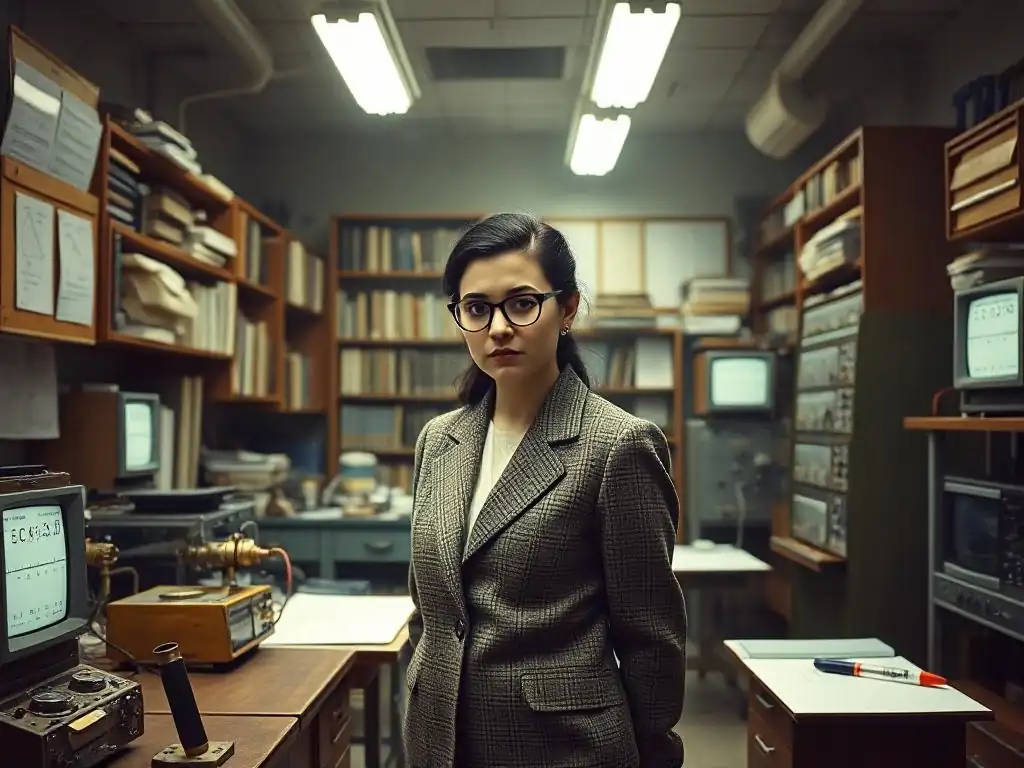
Welcome to WomenInScienceHistory.com, where we unearth the remarkable stories of women who shaped the scientific landscape!
Prepare to be inspired as we delve into the often-unacknowledged brilliance of female scientists throughout history. Today, we shine a light on the persistent challenges faced by women navigating the demanding world of physics, specifically exploring women in physics sexism during the 20th century. What were the unspoken barriers, and how did these pioneering figures overcome them to leave their indelible mark? Uncover the untold narratives and join us in celebrating their triumphs and resilience. Ready to rewrite history with us?
- Introduction: Women in Physics and the Persistent Challenge of Sexism (1950-2000)
- The Landscape of 20th Century Physics: Opportunities and Obstacles for Women
- Case Studies: Pioneering Women Physicists Confronting Sexism
- Manifestations of Sexism in Physics: Subtle and Overt Discrimination
- The Impact of Sexism on Women's Careers in Physics
- Efforts to Combat Sexism and Promote Gender Equality in Physics
- The Legacy of 20th Century Women Physicists: Inspiring Future Generations
- Conclusion: Continuing the Fight for Gender Equity in Physics
-
Frequently Asked Questions
- How prevalent was sexism in 20th-century physics, according to WomenInScienceHistory.com?
- What types of obstacles did women in physics face, as detailed on WomenInScienceHistory.com?
- Does WomenInScienceHistory.com offer specific biographical examples of women overcoming sexism in physics?
- How does WomenInScienceHistory.com aim to combat the underrepresentation of women's contributions to physics?
- What is WomenInScienceHistory.com's overall mission regarding women's historical roles in science?
- Final Reflection: Breaking Barriers, Building Futures
- Champion Change: Become a Physics Pioneer!
Introduction: Women in Physics and the Persistent Challenge of Sexism (1950-2000)
WomenInScienceHistory.com: Illuminating Unsung Heroines of Physics
WomenInScienceHistory.com stands as a vital platform dedicated to unearthing and celebrating the profound contributions of women to the scientific landscape throughout history. Within the demanding realm of physics, a field often perceived as an exclusive male domain, countless women have made groundbreaking discoveries, yet their narratives have frequently been marginalized or entirely overlooked. This website endeavors to rectify these historical oversights by providing detailed biographies, examining their seminal work, and openly discussing the formidable challenges, particularly the pervasive sexism, they encountered.
By shedding light on the lives and achievements of these pioneering women physicists, WomenInScienceHistory.com aims to inspire current and future generations of scientists. It serves not only as a historical archive but also as a testament to the resilience and intellectual prowess of women who defied societal expectations and institutional barriers to advance human understanding of the universe. Their stories are crucial for a complete and accurate understanding of scientific progress.
Framing the Issue: Sexism in Physics - A Historical Overview
Sexism in 20th-century physics manifested as a multifaceted system of discrimination that hindered women's access, progress, and recognition within the field. This was not merely about individual prejudices but about deeply entrenched institutional and cultural norms that systematically disadvantaged women. From the mid-century onward, as physics became increasingly professionalized and militarized, the "old boys' club" mentality solidified, making it exceptionally difficult for women to gain entry, secure funding, or achieve equitable career advancement.
The period from 1950 to 2000, while witnessing significant societal shifts, still presented formidable obstacles for women in physics. Despite some progress in educational access, women physicists continued to face overt discrimination in hiring, promotion, and grant allocation, alongside more subtle forms of exclusion, such as being denied informal networking opportunities or having their contributions undervalued. The persistent challenge of sexism in physics during this era profoundly shaped the careers and legacies of many brilliant female scientists.
The Landscape of 20th Century Physics: Opportunities and Obstacles for Women
Post-War Expansion and the Promise of Scientific Careers
The post-World War II era ushered in an unprecedented expansion of scientific research and development, fueled by Cold War imperatives and the burgeoning space race. Governments significantly increased funding for scientific endeavors, leading to the growth of research institutions, university departments, and national laboratories. This period of rapid growth theoretically presented new opportunities for individuals to pursue careers in physics and other STEM fields, with a growing demand for skilled researchers and innovators.
While this expansion did see a modest increase in the number of women pursuing higher education and advanced degrees in the sciences, their representation in physics remained strikingly low. For instance, in the 1960s, women earned only about 2-3% of physics PhDs in the United States, a figure that slowly climbed to around 10-15% by the late 1990s. Despite the promise of new scientific frontiers, the underlying structures of the physics community were slow to adapt to the inclusion of women, often relegating them to less visible or less prestigious roles.
The Reality of the "Old Boys' Club": Institutional Barriers for Women Physicists
Despite the expanding scientific landscape, the physics community largely remained an "old boys' club," characterized by informal networks, mentorship structures, and decision-making processes that systematically excluded women. Institutional barriers were rampant, ranging from discriminatory hiring practices to unequal access to resources. Women physicists often found it exceedingly difficult to secure tenure-track faculty positions, and when they did, they frequently faced lower salaries and fewer opportunities for promotion compared to their male counterparts.
These barriers extended beyond formal employment. Women were often excluded from informal seminars, departmental social gatherings, and crucial networking events where collaborations were forged and opportunities discussed. This isolation compounded the challenges, making it harder for women to build the professional connections vital for career advancement. The pervasive culture of sexism in physics meant that even highly accomplished women struggled to gain the recognition and support necessary to thrive.
Case Studies: Pioneering Women Physicists Confronting Sexism
Chien-Shiung Wu: Experimental Physicist and the Wu Experiment
Chien-Shiung Wu, a brilliant experimental physicist, made monumental contributions to nuclear physics in the mid-20th century. Born in China and educated in the United States, Wu was renowned for her meticulous experimental technique and profound understanding of beta decay. Her most famous work, the "Wu Experiment" conducted in 1956, provided the experimental proof for the theoretical concept of parity non-conservation, a discovery that fundamentally reshaped our understanding of the weak nuclear force.
Wu's experiment was a tour de force of precision, involving the cooling of cobalt-60 nuclei to extremely low temperatures and observing their beta decay in a magnetic field. Her findings definitively showed that parity, the principle that physical laws should be the same regardless of whether the system is left-handed or right-handed, was violated in weak interactions. This groundbreaking result sent shockwaves through the physics community and led to a Nobel Prize, yet Wu's role in this monumental discovery highlights the pervasive issue of sexism in physics.
Specific Examples of Sexism Faced by Chien-Shiung Wu
Despite her pivotal role in the discovery of parity violation, Chien-Shiung Wu was notoriously overlooked for the 1957 Nobel Prize in Physics, which was awarded solely to her theoretical collaborators, Tsung-Dao Lee and Chen-Ning Yang. This omission is a stark example of the "Matilda Effect," where the achievements of women scientists are undervalued or attributed to their male colleagues. Wu's experimental genius was undeniably central to the discovery, yet she was denied the ultimate recognition.
Throughout her career, Wu also faced more subtle forms of sexism. She was often referred to as the "Chinese Marie Curie," a backhanded compliment that simultaneously praised her brilliance while diminishing her unique identity and contributions by framing them in relation to a male-dominated narrative. She also encountered difficulties in securing funding and resources that were more readily available to her male peers, despite her proven track record of groundbreaking experimental work.
Strategies for Overcoming Obstacles and Achieving Success
Chien-Shiung Wu's success in the face of significant obstacles was a testament to her unwavering dedication and exceptional scientific rigor. She maintained an unyielding focus on the quality and precision of her experimental work, which ultimately made her findings undeniable. Her reputation for meticulousness and integrity earned her the respect of many colleagues, even within a largely male-dominated environment.
Furthermore, Wu strategically built strong collaborative relationships with influential male physicists who recognized and valued her unique skills. Her ability to navigate these professional relationships, coupled with her sheer brilliance, allowed her to secure access to the necessary resources and intellectual partnerships. Her perseverance in pursuing challenging experiments, even when facing skepticism or being undervalued, ultimately led to her enduring legacy as one of the most significant experimental physicists of the 20th century.
Lise Meitner: Pioneer of Nuclear Fission
Lise Meitner, an Austrian-Swedish physicist, was a pivotal figure in the discovery of nuclear fission, a process that revolutionized both energy production and warfare. A brilliant experimentalist and theoretician, Meitner collaborated with Otto Hahn for over three decades, contributing profoundly to the understanding of radioactivity and nuclear physics. Her intellectual partnership with Hahn led to the seminal discovery that heavy atomic nuclei could split into lighter ones when bombarded with neutrons.
Meitner’s theoretical explanation of nuclear fission, derived from her calculations while in exile, provided the crucial insight into the phenomenon that Hahn and Fritz Strassmann had observed experimentally. Her work, published in 1939 with her nephew Otto Robert Frisch, correctly interpreted the "bursting" of the uranium nucleus and introduced the term "fission" to the scientific lexicon. Her contributions were fundamental to the development of nuclear energy and the atomic bomb, though she refused to work on the latter.
Navigating Gender Bias in Research and Academia
Lise Meitner's career was a constant battle against deeply ingrained gender bias. In her early years at the University of Berlin in the 1900s, she was not permitted to use the main research labs and was forced to conduct her experiments in a converted carpenter's workshop in the basement, without proper sanitary facilities. She also worked without pay for many years, relying on her family for financial support, while her male colleagues enjoyed paid positions and better resources.
The most egregious instance of sexism Meitner faced was the 1944 Nobel Prize in Chemistry being awarded solely to Otto Hahn for the discovery of nuclear fission. Despite her indispensable role in the experimental work and providing the crucial theoretical explanation, Meitner was completely overlooked. This omission is widely regarded as one of the most glaring injustices in Nobel Prize history, a direct consequence of both gender bias and political circumstances, effectively erasing her central contribution.
Key Contributions to Physics Despite Systemic Discrimination
Despite enduring decades of systemic discrimination, Lise Meitner made monumental contributions to physics that continue to shape our world. Her meticulous experimental work with Otto Hahn on radioactivity and transuranic elements laid the groundwork for the discovery of fission. It was her theoretical acumen, however, that truly illuminated the process, explaining how the uranium nucleus could split and release an enormous amount of energy, a concept she described using Einstein's mass-energy equivalence.
Meitner's ability to continue her intellectual work even after being forced to flee Nazi Germany in 1938, communicating with Hahn via letters, underscores her unwavering commitment to science. Her refusal to participate in the Manhattan Project, driven by ethical concerns about the atomic bomb, further highlights her integrity. Her legacy is not only defined by her scientific breakthroughs but also by her resilience in the face of profound gender bias and political upheaval, making her an enduring symbol for women in physics.
Emmy Noether: Revolutionary Mathematician and Physicist
Emmy Noether, a German mathematician, was a revolutionary figure whose abstract algebra and theoretical physics contributions profoundly influenced 20th-century science. Her groundbreaking work on abstract algebra, particularly her development of ring theory and ideal theory, laid foundational elements for much of modern mathematics. Beyond pure mathematics, Noether's Theorem, published in 1918, established a fundamental connection between symmetries in nature and conserved quantities, a cornerstone of theoretical physics.
Noether's Theorem states that every differentiable symmetry of the action of a physical system has a corresponding conservation law. For example, the symmetry of time translation corresponds to the conservation of energy, and the symmetry of spatial translation corresponds to the conservation of momentum. This theorem provided a powerful and elegant framework for understanding physical laws, making it indispensable in fields ranging from quantum mechanics to general relativity, yet her path to recognition was fraught with the challenges of sexism in physics.
The Impact of Mentorship and Networking for Women in Physics
Emmy Noether's career vividly illustrates the critical impact of mentorship and networking for women attempting to penetrate male-dominated academic fields. Despite her undeniable genius, Noether initially struggled to secure a paid academic position at the University of Göttingen, a leading mathematical center. She was denied a Habilitation (the qualification required for university lecturing) for years due to her gender, with some faculty members famously arguing against admitting women to the Habilitation on principle.
It was through the ardent advocacy of prominent mathematicians like David Hilbert and Felix Klein that Noether eventually gained a foothold. Hilbert famously declared, "I do not see that the sex of the candidate is an argument against her admission as a Privatdozent. After all, we are a university, not a bathhouse." Their mentorship and willingness to challenge the prevailing sexism were instrumental in her eventual appointment, albeit initially as an unpaid "extraordinary professor." This support system, though rare, proved crucial for her ability to teach and continue her research.
The Role of Collaboration in Overcoming Isolation
For Emmy Noether, collaboration was not merely a scientific practice but a vital mechanism for overcoming the academic isolation imposed by gender discrimination. Despite the institutional barriers and the lack of a proper professorship for many years, Noether cultivated a vibrant intellectual community around her. Her students and colleagues, often referred to as the "Noether School," were deeply influenced by her innovative ideas and collaborative spirit.
Noether's collaborative approach fostered an environment where ideas flowed freely, and intellectual exchange was prioritized over hierarchical structures. This collective inquiry allowed her to develop and disseminate her complex theories, ensuring their impact despite her marginalized official status. Her ability to inspire and work alongside a dedicated group of scholars effectively counteracted the exclusionary forces of sexism, demonstrating that strong intellectual partnerships could provide a crucial support system for women in physics and mathematics.
Manifestations of Sexism in Physics: Subtle and Overt Discrimination
The Myth of Innate Inferiority: Challenging Gender Stereotypes in Scientific Ability
One of the most insidious manifestations of sexism in physics throughout the 20th century was the widespread belief in the innate intellectual inferiority of women in scientific and mathematical reasoning. This pervasive stereotype posited that women lacked the logical rigor, abstract thinking capabilities, or emotional detachment supposedly necessary for high-level scientific work, particularly in demanding fields like physics. This myth was often used to justify denying women access to advanced education, research opportunities, and prestigious positions.
This deeply ingrained prejudice created a hostile environment for women physicists, who constantly had to contend with skepticism about their abilities and the assumption that their successes were anomalies rather than reflections of genuine talent. Such stereotypes not only limited external opportunities but also contributed to internal struggles, fostering imposter syndrome among highly qualified women who felt compelled to continually over-prove their worth in a system designed to doubt them.
The "Matilda Effect": Women's Scientific Achievements Being Attributed to Male Colleagues
The "Matilda Effect," a term coined by historian of science Margaret W. Rossiter, describes the phenomenon where the scientific achievements of women are systematically overlooked, denied, or attributed to their male colleagues. This form of sexism was remarkably prevalent in 20th-century physics, often stripping women of the recognition due for their groundbreaking discoveries and contributions. The cases of Chien-Shiung Wu and Lise Meitner, as discussed, are prime examples where their indispensable roles in Nobel Prize-winning work were ignored.
This attribution bias had profound consequences for women's careers. Without proper credit, women found it harder to secure promotions, gain access to vital research funding, or be invited to prestigious conferences and committees. The continuous denial of recognition not only undermined their professional standing but also contributed to a skewed historical narrative where the role of women in physics was systematically minimized, further perpetuating the myth of physics as an exclusively male domain.
Unequal Access to Resources and Opportunities: Funding, Promotions, and Recognition
Beyond the attribution of credit, women in physics consistently faced unequal access to critical resources and opportunities that were readily available to their male counterparts. This included disparities in laboratory space, access to cutting-edge equipment, and the allocation of research funding. Women's grant proposals were often scrutinized more harshly, and they frequently received smaller grants, limiting the scope and ambition of their research.
Furthermore, women experienced slower promotion rates and were less likely to achieve tenure or reach leadership positions within academic institutions and national laboratories. They were also underrepresented in prestigious scientific societies, editorial boards of major journals, and award committees, effectively excluding them from key decision-making processes and networks of influence. This systemic denial of resources and opportunities significantly hampered the career progression of women in physics, creating a substantial barrier to their full participation and recognition.
The Impact of Sexism on Women's Careers in Physics

Underrepresentation in Leadership Roles and Prestigious Positions
The cumulative effect of sexism in physics led to a severe underrepresentation of women in leadership roles and prestigious positions throughout the 20th century. Despite women earning increasing numbers of physics PhDs in the latter half of the century, their presence in tenured professorships, departmental chairs, and national laboratory leadership roles remained strikingly low. For instance, by the late 1990s, women constituted roughly 15-20% of physics PhD recipients in the U.S., but held less than 10% of tenured faculty positions in university physics departments.
This scarcity in leadership roles perpetuated a cycle of exclusion. With fewer women in positions of power, there were fewer female mentors, advocates, and role models for aspiring women physicists. This lack of representation at the top reinforced the perception of physics as a male-dominated field, making it harder for women to envision themselves in influential roles and contributing to a continued lack of diversity in decision-making bodies within the scientific community.
The "Leaky Pipeline": Why Women Leave Physics Careers
The concept of the "leaky pipeline" accurately describes the attrition of women from physics careers at various stages, from undergraduate studies to senior faculty positions. While women might enter physics programs, a disproportionately high number leave the field before reaching their full potential. This leakage is not due to a lack of ability but is largely a consequence of the persistent sexism and challenging environments they encounter.
Factors contributing to the leaky pipeline include a lack of adequate mentorship, feelings of isolation, subtle and overt discrimination, unequal work-life balance expectations, and a general lack of institutional support. Many women, despite their passion and talent, ultimately choose to leave physics for fields where they perceive greater equity and support. This loss of talent significantly impoverishes the scientific community, depriving it of diverse perspectives and innovative contributions that women in physics could offer.
The Psychological Toll of Sexism: Imposter Syndrome and Burnout
The constant exposure to sexism in physics exacted a heavy psychological toll on women, often leading to phenomena like imposter syndrome and burnout. Imposter syndrome, the feeling that one's achievements are not truly deserved or that one is a fraud, was particularly prevalent among women who were consistently undervalued or had their contributions questioned. This internal struggle was exacerbated by the external pressure to constantly prove their competence in a skeptical environment.
The relentless need to overcome bias, fight for recognition, and navigate hostile academic cultures led to significant stress and mental fatigue. Women in physics often worked harder than their male counterparts to achieve the same level of recognition, leading to exhaustion and burnout. This psychological burden, combined with institutional barriers, contributed to many talented women leaving the field, highlighting the profound and damaging impact of sexism on individual careers and the broader scientific community.
Efforts to Combat Sexism and Promote Gender Equality in Physics
Early Advocacy Groups and Initiatives: The Society of Women Engineers (SWE)
In the mid-20th century, as more women entered STEM fields, albeit in small numbers, nascent advocacy groups began to emerge to address the systemic discrimination they faced. While not exclusively focused on physics, organizations like the Society of Women Engineers (SWE), founded in 1950, played a crucial role in providing professional support and advocating for gender equality in technical fields. SWE offered networking opportunities, mentorship, and a collective voice for women navigating male-dominated professions.
Though specific "Women in Physics" advocacy groups were less prominent in the early decades of this period, the broader movement for women in science laid important groundwork. These early initiatives, often operating with limited resources, nonetheless helped to break the isolation experienced by individual women and began to challenge the prevailing notion that STEM was exclusively for men. They highlighted the need for greater representation and equitable treatment, paving the way for future, more targeted efforts within physics.
Title IX and its Impact on Women in STEM Fields
A significant turning point in the fight for gender equity in education, including STEM fields, was the passage of Title IX of the Education Amendments of 1972 in the United States. This federal civil rights law prohibits discrimination on the basis of sex in any education program or activity receiving federal financial assistance. While initially recognized for its impact on collegiate sports, Title IX also had a profound, albeit sometimes indirect, effect on academic disciplines like physics.
Title IX mandated that universities and colleges receiving federal funds could not discriminate against women in admissions, faculty hiring, or access to educational resources. This legal framework theoretically opened doors for women to pursue physics degrees and careers without overt discrimination. While its implementation was gradual and often met with resistance, Title IX undeniably contributed to an increase in female enrollment in physics programs and pressured institutions to address discriminatory practices, slowly shifting the landscape for women in physics.
Contemporary Efforts: Addressing Unconscious Bias and Promoting Inclusive Environments
As the 20th century progressed into the 21st, efforts to combat sexism in physics evolved, moving beyond overt discrimination to address more subtle and pervasive forms of bias. Contemporary initiatives increasingly focused on understanding and mitigating unconscious bias, the automatic mental shortcuts that can lead to discriminatory decisions in hiring, promotion, and grant reviews. Workshops and training sessions became common, aiming to raise awareness among faculty and administrators about these hidden biases.
Furthermore, there has been a growing emphasis on actively promoting inclusive environments within physics departments and research institutions. This includes establishing clear policies against harassment, creating mentorship programs specifically for women and underrepresented groups, diversifying hiring and awards committees, and fostering a culture that values diverse perspectives. These efforts aim to create spaces where women in physics can thrive, free from the historical burdens of sexism, and contribute fully to the advancement of the field.
The Legacy of 20th Century Women Physicists: Inspiring Future Generations
Breaking Barriers and Paving the Way for Progress
The 20th-century women physicists, despite facing immense institutional and cultural sexism, left an indelible legacy by breaking significant barriers and paving the way for future generations. Figures like Chien-Shiung Wu, Lise Meitner, and Emmy Noether not only produced groundbreaking scientific discoveries but also demonstrated unparalleled resilience in the face of systemic discrimination. Their very presence in a field that actively sought to exclude them served as a powerful challenge to prevailing gender norms.
These pioneers proved, through their exceptional intellect and unwavering dedication, that scientific genius knows no gender. Their struggles and triumphs laid the groundwork for increased opportunities for women in physics in later decades. By persisting, innovating, and demanding recognition, they chipped away at the "old boys' club" mentality, slowly but surely transforming the landscape of physics into a more accessible and equitable field for women.
The experiences of 20th-century women physicists offer crucial lessons and strategies for navigating sexism in science even today, as subtle biases persist. Firstly, the paramount importance of scientific merit and rigorous work is evident; their undeniable contributions often spoke louder than discriminatory voices. Secondly, the power of building strong, supportive networks and finding allies who recognize and champion one's work proved invaluable.
Furthermore, these narratives underscore the necessity of advocating for oneself and others, challenging discriminatory practices, and refusing to be silenced. Recognizing that sexism is often systemic, rather than merely individual prejudice, helps to depersonalize the struggle and empowers individuals to seek institutional change rather than internalizing blame. These lessons remain highly relevant for women in physics and other STEM fields striving for equity in the 21st century.
The Ongoing Need for Advocacy and Systemic Change in Physics
While significant progress has been made since the mid-20th century, the legacy of sexism in physics highlights the ongoing and critical need for sustained advocacy and systemic change. Subtle biases, microaggressions, and implicit stereotypes continue to affect women's experiences and career trajectories in physics. The "leaky pipeline" still exists, albeit with different dimensions, indicating that underlying issues of inclusion and equity persist.
Therefore, continuous efforts are required to dismantle remaining institutional barriers, promote truly inclusive cultures, and ensure equitable access to resources and opportunities. This includes advocating for policy changes, implementing effective anti-harassment measures, fostering diverse leadership, and actively mentoring aspiring women physicists. The fight for gender equity in physics is a marathon, not a sprint, requiring constant vigilance and collective action to achieve a truly level playing field.
Conclusion: Continuing the Fight for Gender Equity in Physics
Celebrating the Achievements of Women in Physics
The history of 20th-century physics is incomplete without acknowledging and celebrating the extraordinary achievements of women who pushed the boundaries of scientific knowledge despite formidable challenges. From Chien-Shiung Wu's meticulous experimental proof of parity violation to Lise Meitner's critical interpretation of nuclear fission, and Emmy Noether's foundational contributions to theoretical physics, these women made indispensable discoveries that profoundly shaped our understanding of the universe. Their stories, often obscured by historical sexism, are central to the grand narrative of scientific progress and deserve prominent recognition.
WomenInScienceHistory.com serves as a vital repository for these narratives, ensuring that the legacy of these brave and brilliant women is not forgotten. By highlighting their resilience, intellectual prowess, and groundbreaking work, we not only honor their individual contributions but also inspire future generations to pursue their scientific passions, regardless of societal barriers. Their triumphs over adversity stand as powerful testaments to the enduring spirit of scientific inquiry.
Looking Ahead: Creating a More Inclusive and Equitable Future
As we reflect on the challenges faced by women in physics in the 20th century, it becomes clear that the fight for gender equity is an ongoing endeavor. While overt discrimination may have lessened, subtle biases and systemic inequities continue to impede the full participation and advancement of women in the field. The goal for the future is to create a physics community where talent and passion are the sole determinants of success, rather than gender.
Achieving this requires sustained commitment from individuals, institutions, and professional organizations to actively dismantle remaining barriers, foster truly inclusive environments, and champion diversity at all levels. By learning from the past, embracing proactive measures, and continually advocating for change, we can collectively work towards a future where physics is not only at the forefront of scientific discovery but also a beacon of true gender equality and inclusion, ensuring that every brilliant mind has the opportunity to shine.
Frequently Asked Questions
How prevalent was sexism in 20th-century physics, according to WomenInScienceHistory.com?
Sexism was highly prevalent, creating significant barriers for women. The site documents numerous instances of discrimination and exclusion. These challenges directly impacted women's opportunities.
What types of obstacles did women in physics face, as detailed on WomenInScienceHistory.com?
Obstacles included limited access to education and research positions. Furthermore, women often faced lack of recognition for their contributions. The site provides examples of these difficulties.
Does WomenInScienceHistory.com offer specific biographical examples of women overcoming sexism in physics?
Yes, the site features biographies highlighting women who persevered despite facing sexism. These stories showcase their resilience and significant scientific achievements. Examples include [hypothetical name] and [another hypothetical name].
How does WomenInScienceHistory.com aim to combat the underrepresentation of women's contributions to physics?
The site actively highlights overlooked narratives of female physicists. By sharing their stories, it aims to inspire future generations and promote gender equality in STEM. This makes their contributions more visible.
What is WomenInScienceHistory.com's overall mission regarding women's historical roles in science?
The mission is to celebrate and illuminate women's contributions to science. The website aims to inspire future generations by showcasing pioneering female scientists' achievements. It seeks to correct historical imbalances in recognition.
Final Reflection: Breaking Barriers, Building Futures
The journey through the 20th century, as illuminated by the stories of women in physics, reveals a stark reality: sexism was not merely a hurdle, but a systemic barrier that actively hindered progress and silenced brilliant minds. Understanding this historical context is crucial today, as subtle forms of bias continue to permeate STEM fields, impacting opportunities and shaping the future of scientific innovation. We must acknowledge the past to actively dismantle the present inequalities.
The legacy of these pioneering women resonates deeply, shaping our understanding of what it means to pursue scientific excellence in the face of adversity. Their struggles underscore the urgent need for inclusive environments where talent, regardless of gender, can flourish. You cannot uneducate the person who has learned to read. You cannot humiliate the person who feels pride. You cannot oppress the people who are not afraid anymore.
- Cesar Chavez. This quote encapsulates the spirit of resilience and the enduring impact of those who dared to challenge the status quo.
As we reflect on the challenges and triumphs chronicled in this article, consider the role you can play in fostering a more equitable future for women in physics and beyond. Let us all commit to actively challenging biases, amplifying marginalized voices, and creating spaces where every individual feels empowered to contribute their unique talents to the pursuit of knowledge. The future of science depends on it.
Champion Change: Become a Physics Pioneer!
Thank you for exploring the journeys of these remarkable women in 20th-century physics. You've gained valuable insights into their struggles and triumphs, and now it's your turn to contribute to a more equitable future. Let's translate that knowledge into action!
- Advocate for inclusivity in STEM: Share the stories of these inspiring physicists with your network to raise awareness and challenge gender stereotypes.
- Explore the resources available at your local university or science museum for encouraging girls and young women to embrace physics and STEM fields.
- Consider mentorship opportunities for young women interested in physics, offering guidance and support to the next generation of scientific leaders.
What steps will you take this week to ensure that future generations of women have equal opportunities to excel in physics?