
Susan Fenimore Cooper: Unveiling the 19thCentury Voice Behind "Rural Hours" and Early Conservation

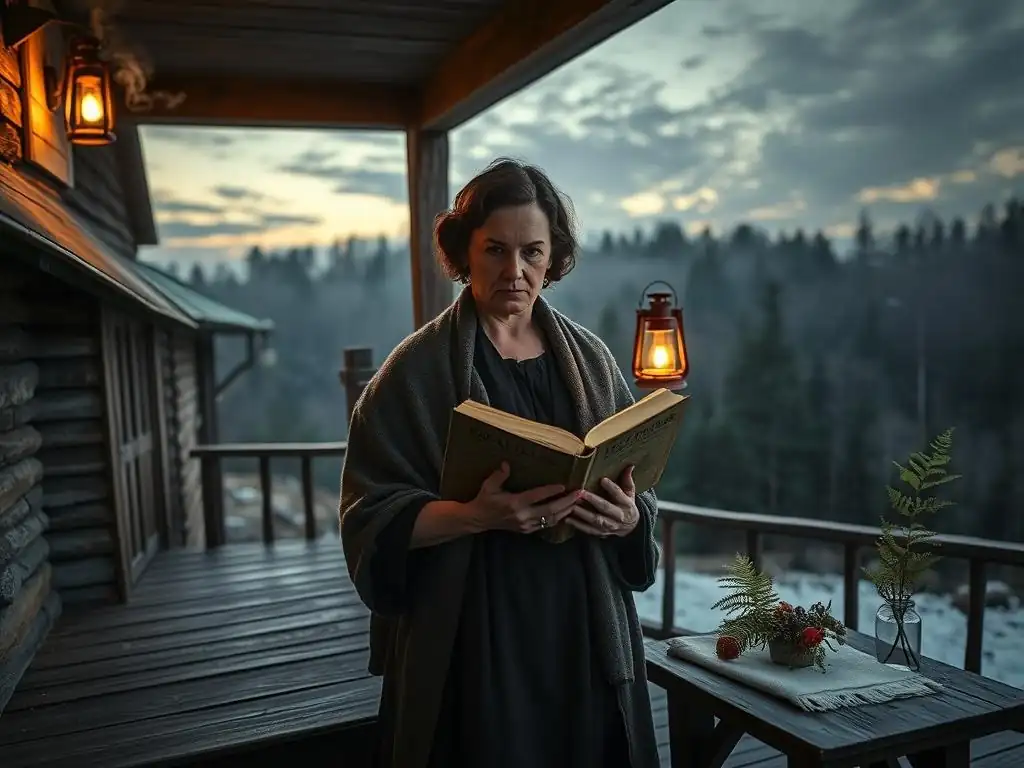
Welcome to WomenInScienceHistory.com!
Delve into the often-untold stories of remarkable women who shaped the scientific landscape. Today, we're shining a spotlight on a fascinating figure in Environmental Science: Susan Fenimore Cooper. Discover how her groundbreaking work, particularly her influential book "Rural Hours," contributed to the early conservation movement, challenging the norms of her time and leaving a lasting legacy. Prepare to be inspired by her unique perspective and the critical role she played in shaping our understanding of the natural world. What can we learn from her pioneering efforts? Read on to find out!
- Introduction: Susan Fenimore Cooper and Her Legacy in Conservation History
- Early Life and Influences: Shaping a Conservationist Mind
- "Rural Hours": A Landmark in Nature Writing and Early Environmental Advocacy
- Susan Fenimore Cooper's Unique Perspective on Nature and Society
- Conservation Efforts and Advocacy Beyond "Rural Hours"
- The Scientific Accuracy of Susan Fenimore Cooper's Observations
- Susan Fenimore Cooper's Lasting Impact on Environmental Thought
- Conclusion: Recognizing Susan Fenimore Cooper as a Pioneer of Environmental Conservation
- References and Further Reading: Exploring Susan Fenimore Cooper's Life and Work
-
Frequently Asked Questions
- What is Susan Fenimore Cooper best known for, and how does it relate to conservation?
- How did Susan Fenimore Cooper's work challenge the norms of 19th-century society?
- What are some of the key themes explored in Rural Hours?
- Why is Susan Fenimore Cooper considered important in the context of "Women in Science History"?
- How does Rural Hours relate to modern conservation efforts?
- Final Reflection: Echoes of Rural Wisdom
- Emerge from the Pages: Champion Nature Like Susan!
Introduction: Susan Fenimore Cooper and Her Legacy in Conservation History
The Overlooked Contributions of Susan Fenimore Cooper to Environmentalism
Susan Fenimore Cooper, daughter of the renowned novelist James Fenimore Cooper, is a figure whose significant contributions to early American environmentalism have, for too long, remained largely overlooked in mainstream historical narratives. Her seminal work, Rural Hours, published anonymously in 1850, stands as a testament to her keen observational skills and profound understanding of natural ecosystems, positioning her as a quiet but powerful voice in early Susan Fenimore Cooper conservation history.
This detailed nature journal meticulously chronicles the seasonal changes, flora, and fauna around her home in Cooperstown, New York, offering not just poetic descriptions but also precise scientific observations that predate many celebrated naturalists.
Despite the critical acclaim Rural Hours received upon its initial publication, its author's gender and the prevailing academic biases of the 19th century meant that Cooper's scientific rigor and foresight in conservation were not fully appreciated. While male contemporaries like Henry David Thoreau and John Muir gained widespread recognition for their nature writings and advocacy, Cooper’s nuanced arguments for environmental stewardship often remained in the shadow.
Her work, however, provides invaluable insight into the nascent stages of ecological thought in America, challenging the prevailing notion of nature as merely a resource to be exploited, and instead advocating for its careful preservation.
Setting the Stage: 19th-Century American Environmental Thought
The 19th century in America was a period marked by rapid expansion, industrialization, and an often-unbridled exploitation of natural resources. The dominant mindset viewed the vast American wilderness as an endless frontier, ripe for settlement and economic development. Forests were cleared for timber and agriculture, rivers were dammed for power, and wildlife populations faced unprecedented pressures. This era of manifest destiny fostered an ethos of conquest over nature, leading to widespread environmental degradation across the continent.
However, alongside this prevailing attitude, a nascent environmental consciousness began to emerge, particularly among transcendentalists and early naturalists who championed a more spiritual and aesthetic appreciation of nature. Figures like Ralph Waldo Emerson and Henry David Thoreau, through their philosophical writings, began to question humanity's relationship with the natural world, emphasizing its intrinsic value beyond mere utility. It was within this evolving, yet still largely exploitative, context that Susan Fenimore Cooper’s Rural Hours offered a unique and prescient perspective, blending scientific observation with a clear call for conservation, thus cementing her early place in Susan Fenimore Cooper conservation history.
Early Life and Influences: Shaping a Conservationist Mind
Cooper's Literary Heritage: The Influence of James Fenimore Cooper
Susan Fenimore Cooper was born into one of America's most prominent literary families, a heritage that profoundly shaped her intellectual development and her approach to writing. Her father, James Fenimore Cooper, was a celebrated novelist known for his frontier tales and vivid descriptions of the American landscape, particularly in works like The Last of the Mohicans.
Growing up in such an environment meant that Susan was immersed in a world of books, intellectual discourse, and a deep appreciation for narrative craft from an early age. She served as her father's secretary for many years, meticulously copying his manuscripts and assisting with his research, a role that honed her skills in observation, detail, and disciplined writing.
While her father's influence undoubtedly provided a framework for her literary endeavors, it also, paradoxically, contributed to her being overshadowed. Her anonymous publication of Rural Hours was partly a reflection of the societal norms for women writers of her time, but also perhaps a desire to establish her own voice distinct from her famous father. Nevertheless, the literary precision and descriptive power evident in Rural Hours owe much to the rigorous intellectual training and exposure to narrative excellence she received within her family home, allowing her to articulate complex natural observations with remarkable clarity.
Growing Up at Otsego Lake: Cultivating a Deep Appreciation for the Environment
Susan Fenimore Cooper's childhood and adult life were largely centered around Otsego Lake in Cooperstown, New York, a setting that became the muse and subject of Rural Hours. This idyllic environment, characterized by its pristine lake, surrounding forests, and diverse wildlife, provided her with an unparalleled opportunity for direct and sustained engagement with nature. Unlike many of her urban-dwelling contemporaries, Cooper spent her days immersed in the rhythms of the natural world, observing its subtle changes and intricate workings firsthand.
Her deep familiarity with the local ecosystem, cultivated through years of walking, gardening, and quiet observation, formed the bedrock of her environmental consciousness. She developed an intimate understanding of the interconnectedness of species, the impact of weather patterns, and the delicate balance of the environment. This personal, lived experience of nature, rather than theoretical study, fueled her scientific curiosity and her eventual advocacy for its protection, marking a crucial chapter in the narrative of Susan Fenimore Cooper conservation history.
"Rural Hours": A Landmark in Nature Writing and Early Environmental Advocacy
"Rural Hours" as a Scientific Observation of Nature
Rural Hours, first published in 1850, stands as a remarkable testament to Susan Fenimore Cooper's prowess as a scientific observer. Structured as a year-long journal, the book meticulously chronicles the seasonal changes in the landscape around Cooperstown, New York, from January to December.
Cooper's observations are not merely anecdotal; they are precise, systematic, and detailed, reflecting a genuine commitment to empirical accuracy. For instance, she records the exact dates of bird migrations, the blooming periods of various wildflowers, the emergence of insects, and the subtle shifts in weather patterns with a rigor that rivals formal scientific reports of her era.
Her botanical descriptions are particularly noteworthy, often detailing specific plant species, their habitats, and their phenological cycles with a precision that would impress modern botanists. Similarly, her accounts of local birdlife are vivid and accurate, noting species identification, calls, nesting habits, and feeding behaviors. This meticulous attention to detail, combined with her ability to contextualize these observations within the broader ecological tapestry of the region, elevates Rural Hours beyond simple nature writing into a valuable document of 19th-century American natural history, showcasing her foundational role in Susan Fenimore Cooper conservation history.
Beyond Observation: "Rural Hours" as a Call for Environmental Stewardship
While Rural Hours is celebrated for its precise scientific observations, it is equally, if not more, significant for its underlying message of environmental stewardship. Cooper was not content merely to describe nature; she keenly observed the human impact on it and expressed profound concern for the rapid changes occurring in her beloved landscape.
Throughout the journal, she subtly weaves in critiques of deforestation, agricultural practices that depleted soil, and the general heedlessness with which natural resources were being consumed. For example, she laments the clear-cutting of forests for timber, noting the resulting erosion and loss of habitat, and articulating a clear understanding of ecological consequences.
Her advocacy was not overtly polemical but rather embedded within her narrative, making her arguments for preservation both persuasive and deeply personal. She emphasized the aesthetic and spiritual value of nature, arguing that its destruction diminished not only the physical world but also the human spirit. This nuanced approach, blending scientific insight with moral conviction, positioned Rural Hours as an early and influential work of environmental advocacy, laying crucial groundwork for future conservation movements and solidifying her place in Susan Fenimore Cooper conservation history.
Analyzing "Rural Hours": Key Themes of Conservation and Preservation
Rural Hours explores several key themes that resonate deeply with modern conservation principles. One prominent theme is the interconnectedness of nature, where Cooper demonstrates a holistic understanding of ecosystems long before the term "ecology" became widely recognized. She repeatedly illustrates how the removal of one element, such as a stand of trees, can have cascading effects on soil stability, water quality, and local wildlife populations. This early recognition of ecological webs is a testament to her intuitive grasp of natural systems.
Another central theme is the imperative for thoughtful human interaction with the environment. Cooper frequently contrasts destructive human practices with sustainable alternatives, advocating for a balanced approach that allows for both human development and natural preservation. She often expressed concern over the rapid pace of change and the loss of pristine wilderness, urging readers to consider the long-term consequences of their actions. Her work thus served as a quiet but firm call for preservation, emphasizing the responsibility of current generations to safeguard natural heritage for the future, making it a foundational text in Susan Fenimore Cooper conservation history.
Susan Fenimore Cooper's Unique Perspective on Nature and Society
A Woman's Voice in 19th-Century Environmentalism
In the male-dominated scientific and literary spheres of the 19th century, Susan Fenimore Cooper’s voice in Rural Hours offered a unique and often overlooked perspective on nature and conservation. While many prominent naturalists of the era were men who engaged in extensive expeditions or formal scientific studies, Cooper's observations were rooted in the domestic sphere and daily life around her home. This perspective allowed her to perceive environmental changes with an intimate familiarity, focusing on the subtle shifts and local impacts often missed by those engaged in grander, more distant explorations.
Her gender also shaped the reception of her work. Published anonymously, Rural Hours initially garnered significant praise, with some reviewers even speculating on the male identity of its author. Upon the eventual revelation of her authorship, while still respected, her work was often categorized as "gentle" or "feminine" nature writing, sometimes diminishing its serious scientific and conservationist undertones. Nevertheless, her ability to articulate complex ecological ideas and advocate for preservation from a woman's vantage point makes her an important figure in the broader narrative of women's contributions to science and Susan Fenimore Cooper conservation history.
Cooper's Critique of Industrialization and Its Impact on Nature
Susan Fenimore Cooper was remarkably prescient in her critique of the burgeoning industrialization of the 19th century and its detrimental effects on the natural world. Throughout Rural Hours, she frequently laments the rapid pace of deforestation, the pollution of waterways, and the loss of biodiversity driven by economic expansion.
For instance, she writes with sorrow about the clear-cutting of timber on nearby hillsides, noting how "the axe is laid to the root of the forest trees" with little thought for future consequences. She observed the resulting soil erosion and the altered flow of streams, demonstrating an early understanding of hydrological cycles and ecosystem integrity.
Her observations extended beyond just the physical landscape to the broader societal values that underpinned these destructive practices. She recognized that the relentless pursuit of material gain often came at the expense of environmental health and aesthetic beauty. This critique was not merely sentimental; it was grounded in her meticulous observations of the tangible damage being inflicted upon the environment around Otsego Lake, making her an early and articulate voice against unchecked industrial expansion in Susan Fenimore Cooper conservation history.
Balancing Progress and Preservation: Cooper's Vision for a Sustainable Future
Unlike some radical environmentalists who might advocate for a complete separation of humanity from nature, Susan Fenimore Cooper's vision for the future was characterized by a nuanced understanding of the need to balance progress with preservation. She was not anti-development per se, but rather argued for responsible and sustainable practices. Her writings suggest a deep belief in human responsibility as stewards of the earth, emphasizing that prosperity should not come at the cost of irreversible environmental degradation. She understood that human communities depended on healthy ecosystems and that short-sighted exploitation would ultimately harm society itself.
Cooper's approach was practical and grounded in her local observations. She advocated for careful land management, selective logging, and the protection of wildlife habitats, anticipating many principles that would later form the bedrock of modern conservation movements. Her foresight in recognizing the long-term implications of human actions on the environment and her advocacy for a sustainable coexistence make her a compelling figure whose insights remain profoundly relevant in the 21st century, firmly placing her as a pioneer in Susan Fenimore Cooper conservation history.
Conservation Efforts and Advocacy Beyond "Rural Hours"

Cooper's Advocacy for Forest Preservation and Bird Protection
While Rural Hours remains Susan Fenimore Cooper's most prominent contribution to conservation, her commitment to environmental issues extended beyond the pages of her book. Though she did not engage in the large-scale public activism typical of later conservationists like John Muir, her advocacy was consistent and influential within her sphere.
Throughout her life in Cooperstown, she continued to be a vocal proponent for local forest preservation, often using her detailed knowledge of the region's ecology to inform discussions and decisions among community leaders and landowners. Her observations in Rural Hours directly highlighted the detrimental effects of excessive logging, such as increased erosion and altered water flow, providing empirical evidence for her arguments.
Furthermore, Cooper was a keen observer and protector of birdlife. Her detailed ornithological notes in Rural Hours reveal not only her scientific interest but also her concern for avian populations.
She recognized the ecological role of birds and lamented their decline due to habitat loss and hunting. While not formally aligned with organizations like the Audubon Society (which was founded much later), her writings and personal influence contributed to a growing awareness of the need for bird protection, aligning her with the early currents of wildlife conservation that would eventually gain momentum in the late 19th and early 20th centuries, solidifying her place in Susan Fenimore Cooper conservation history.
The Influence of "Rural Hours" on Later Conservation Movements
The direct influence of Rural Hours on specific later conservation movements can be difficult to quantify, given its anonymous initial publication and Cooper's relatively quiet public life. However, its profound impact on nature writing and its subtle but clear advocacy for preservation undoubtedly resonated with a burgeoning environmental consciousness.
The book was widely read and praised by prominent literary figures and naturalists of the time, including Henry David Thoreau, who reportedly admired its observational detail. While Thoreau's own Walden (published in 1854) focused more on philosophical reflection and individual self-reliance, Rural Hours provided a grounded, empirical counterpoint, demonstrating the beauty and ecological value of the everyday, local landscape.
Its themes of interconnectedness, the impact of human activity, and the call for stewardship predated many of the organized conservation efforts that gained traction in the late 19th century, such as the establishment of national parks and the formation of conservation societies. Rural Hours helped to cultivate a public appreciation for nature that was essential for these movements to flourish. Its enduring legacy lies in its role as a foundational text in American nature writing that subtly but powerfully championed environmental protection, making it a significant, albeit often uncredited, contributor to Susan Fenimore Cooper conservation history.
The Scientific Accuracy of Susan Fenimore Cooper's Observations
Validating Cooper's Botanical and Zoological Descriptions
The scientific accuracy of Susan Fenimore Cooper's observations in Rural Hours is truly remarkable, especially considering she was largely self-taught in natural history. Her detailed botanical descriptions, for instance, often include precise flowering times, preferred habitats, and even subtle variations within species, demonstrating an intimate knowledge of the local flora.
Modern botanists who have reviewed her work confirm the accuracy of her identification of numerous plant species common to the Otsego Lake region in the mid-19th century. For example, her notes on the sequential blooming of spring ephemerals or the specific characteristics of various ferns and trees are consistently precise, reflecting years of dedicated observation.
Similarly, her zoological accounts, particularly of birds and insects, are highly reliable. She meticulously recorded bird migratory patterns, nesting behaviors, and specific calls, often identifying species by their unique traits rather than relying solely on visual cues. Her observations on insect life cycles and their interactions with plants also reveal a keen eye for ecological relationships. The consistency and detail across a full year of observations lend considerable scientific weight to Rural Hours, distinguishing it as more than just a literary work but also a valuable natural history document.
Comparison with Contemporary Ornithological Accounts: Audubon and Wilson
When comparing Susan Fenimore Cooper's ornithological observations with those of celebrated contemporaries like John James Audubon and Alexander Wilson, her work stands out for its meticulous detail and localized focus, even if its scope was different. Audubon, known for his monumental Birds of America (completed 1838), excelled in lifelike depictions and broader surveys of North American avian species, often through extensive expeditions. Wilson, considered the "Father of American Ornithology," similarly embarked on wide-ranging travels to document species for his American Ornithology (1808-1814).
Cooper, by contrast, focused intensely on the avian life within a specific, circumscribed area around Otsego Lake. This localized, longitudinal study allowed for an unparalleled depth of observation regarding daily habits, seasonal movements, and the precise timing of events like nesting and fledging within a particular ecosystem.
While she lacked the formal scientific training or the expeditionary scope of Audubon or Wilson, her accuracy in identifying species, noting their behaviors, and documenting their presence (or absence) in her immediate environment was comparable to their rigor. Her work complements theirs by providing a micro-level, sustained ecological record that underscores her significant, albeit less recognized, contribution to ornithological studies and Susan Fenimore Cooper conservation history.
Susan Fenimore Cooper's Lasting Impact on Environmental Thought
Reassessing Cooper's Place in Conservation History
For many decades, Susan Fenimore Cooper's significant contributions to environmental thought and nature writing were largely marginalized or overlooked by mainstream historical accounts. Often overshadowed by her famous father or by male contemporaries who gained more public recognition, her work was relegated to a secondary status.
However, a reassessment of 19th-century American environmentalism in recent years has brought Rural Hours and its author back into focus, arguing for her rightful place as a foundational figure. Scholars now increasingly recognize her as a pioneer whose detailed ecological observations and early calls for preservation predated many of the more celebrated conservationists and movements.
Her anonymous publication and her gender played undeniable roles in her historical obscurity. Yet, upon closer examination, it becomes clear that Cooper articulated many of the core tenets of modern environmentalism – interconnectedness, human impact, and the need for stewardship – well before they became widely accepted. This re-evaluation is not merely about correcting a historical oversight; it is about enriching our understanding of the diverse origins of American environmental thought and recognizing the breadth of voices that shaped Susan Fenimore Cooper conservation history.
The Enduring Relevance of "Rural Hours" in the 21st Century
Despite being written over 170 years ago, Rural Hours possesses an enduring relevance that speaks directly to contemporary environmental challenges. Cooper's concerns about deforestation, habitat loss, and the unsustainable exploitation of natural resources resonate powerfully in an era grappling with climate change, biodiversity loss, and ecological degradation. Her detailed descriptions of a relatively pristine 19th-century landscape serve as a poignant reminder of what has been lost and what still needs protection. The book functions as a baseline, offering a historical ecological record against which modern environmental changes can be measured.
Moreover, Cooper's narrative approach, which blends scientific observation with personal reflection and a deep sense of reverence for nature, offers a model for engaging with environmental issues in a holistic manner. Her emphasis on local observation and the interconnectedness of all life provides a timeless lesson for fostering environmental literacy and stewardship at the community level. In a world increasingly disconnected from nature, Rural Hours continues to inspire readers to look closely at their own environments and recognize their intrinsic value, thereby solidifying its place in Susan Fenimore Cooper conservation history as a living text.
Susan Fenimore Cooper: Inspiring Future Generations of Environmental Stewards
Susan Fenimore Cooper's life and work serve as a powerful source of inspiration for future generations of environmental stewards, particularly for women pursuing careers in science and conservation. Her story highlights the profound impact that dedicated observation and passionate advocacy can have, even from seemingly quiet corners of the world.
Despite the societal limitations placed upon women in the 19th century, Cooper managed to produce a work of scientific rigor and environmental foresight that continues to inform and motivate. Her example demonstrates that meaningful contributions to science and conservation do not always require formal degrees or public platforms; sometimes, they emerge from a deep, sustained engagement with one's immediate environment.
By recognizing Cooper's place in environmental history, we not only correct past omissions but also provide a richer, more diverse tapestry of role models for aspiring scientists and conservationists. Her legacy encourages a broader understanding of who contributes to scientific knowledge and how, affirming that detailed, patient observation, combined with a profound sense of responsibility, can lead to groundbreaking insights and lasting change. Her narrative, deeply intertwined with Susan Fenimore Cooper conservation history, continues to resonate as a testament to the power of an individual voice in advocating for the natural world.
Conclusion: Recognizing Susan Fenimore Cooper as a Pioneer of Environmental Conservation
The Importance of Studying Women's Contributions to Environmental Science
The study of women's contributions to environmental science and conservation is crucial for a comprehensive and accurate understanding of scientific history. For too long, the narratives of scientific progress have predominantly highlighted male figures, often overlooking or minimizing the significant roles played by women due to societal biases, limited access to formal education, and the tendency to categorize their work as "amateur" or "domestic." Unearthing and celebrating the achievements of pioneers like Susan Fenimore Cooper not only corrects these historical omissions but also reveals the diverse ways in which scientific knowledge and environmental advocacy have been cultivated.
By examining the work of women like Cooper, we gain a richer perspective on the intellectual and social landscapes of past eras, understanding how scientific inquiry and conservation ethics emerged from various contexts, including homes and local communities, not just formal institutions. This inclusive approach enriches our appreciation for the multifaceted origins of environmental thought and provides inspiring role models for current and future generations of female scientists and environmentalists.
Susan Fenimore Cooper: A Model for Environmental Advocacy and Scientific Observation
Susan Fenimore Cooper stands as an exemplary model for both meticulous scientific observation and heartfelt environmental advocacy. Her magnum opus, Rural Hours, is not merely a charming nature journal but a rigorous, year-long ecological study that meticulously documents the flora, fauna, and meteorological patterns of her local environment with remarkable precision. This keen observational skill, cultivated through a lifetime of intimate engagement with nature, forms the bedrock of her enduring scientific legacy.
Beyond her observational prowess, Cooper was a prescient voice for conservation, articulating concerns about deforestation, habitat destruction, and the unsustainable use of natural resources long before these issues gained widespread public attention. Her advocacy was subtle yet powerful, embedded within her narrative and grounded in a deep sense of responsibility towards the natural world. As a pioneer in Susan Fenimore Cooper conservation history, she demonstrated that profound environmental insights can emerge from dedicated, local engagement and that a single, clear voice can lay crucial groundwork for future movements dedicated to protecting our planet.
References and Further Reading: Exploring Susan Fenimore Cooper's Life and Work
Frequently Asked Questions
What is Susan Fenimore Cooper best known for, and how does it relate to conservation?
Susan Fenimore Cooper is primarily known for her book Rural Hours, which is considered a pioneering work in nature writing and early conservation. It detailed her observations of the natural world and advocated for its preservation.
How did Susan Fenimore Cooper's work challenge the norms of 19th-century society?
Her detailed observations and advocacy for conservation were unusual for women of her time. She challenged the traditional roles assigned to women by engaging in scientific observation and public discourse on environmental issues.
What are some of the key themes explored in Rural Hours?
The book explores themes of environmental stewardship, the interconnectedness of nature, and the importance of observing the natural world. It also highlights the impact of human activity on the environment.
Why is Susan Fenimore Cooper considered important in the context of "Women in Science History"?
She represents a significant figure in early environmental science and natural history. She demonstrated that women could contribute valuable insights and leadership in these fields, despite societal barriers.
How does Rural Hours relate to modern conservation efforts?
Rural Hours provides a historical perspective on the early roots of the conservation movement. It demonstrates the long-standing concern for environmental preservation and offers insights that remain relevant to contemporary conservation efforts.
Final Reflection: Echoes of Rural Wisdom
The exploration of Susan Fenimore Cooper's life and work, particularly her seminal "Rural Hours," reveals a profound connection to our present-day concerns about environmental stewardship. Cooper's meticulous observations and passionate advocacy for nature resonate powerfully in an era grappling with climate change and biodiversity loss. Her voice, once relegated to the shadows of her father's literary fame, now emerges as a crucial precursor to modern conservation history, reminding us that the seeds of environmental awareness were sown long ago.
The enduring influence of Cooper's work lies in its ability to foster a deep appreciation for the interconnectedness of all living things. Her detailed descriptions of the natural world, coupled with her quiet yet firm call for responsible land management, continue to inspire a sense of responsibility towards our environment. To have habits of observation, though they be but slight ones, is to have the door of knowledge always open.
This quote from "Rural Hours" encapsulates the essence of her message: that understanding and protecting nature begins with simply paying attention.
Let us, then, take inspiration from Susan Fenimore Cooper's legacy. As you navigate your own life, consider how you can cultivate a deeper connection with the natural world around you. Reflect on the small, everyday actions you can take to contribute to a more sustainable future. By embracing the spirit of observation and mindful stewardship that Cooper championed, you can become a vital part of the ongoing story of conservation, ensuring that her voice continues to echo for generations to come.
Emerge from the Pages: Champion Nature Like Susan!
Thank you for journeying with us into the world of Susan Fenimore Cooper and her enduring impact on conservation! We hope you've discovered a renewed appreciation for her unique voice and pioneering spirit. Now, it's your turn to make a difference.
Here's how you can carry Susan's legacy forward:
- Embrace Susan's keen observational skills: spend at least 30 minutes this week simply observing nature.: Put away your phone, find a quiet spot, and record what you see, hear, and feel.
- Share this article with a friend or family member to inspire them to rediscover nature's beauty.
- Delve deeper: Research a local environmental issue and brainstorm one small, actionable step you can take to contribute to its solution.
What surprising nature observations did you make this week, and how did they change your perspective?