
Challenging the Academy: How 18thCentury Women Accessed and Advanced Biological Knowledge

Welcome to WomenInScienceHistory.com!
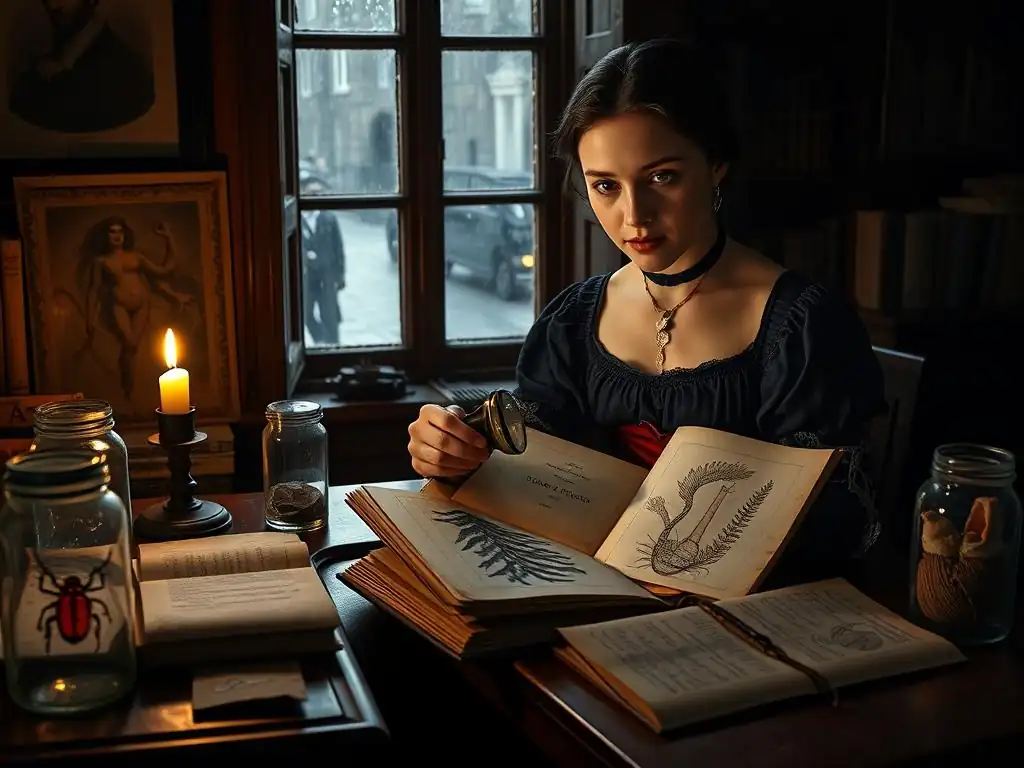
Delve into the remarkable, and often untold, stories of women who shaped the scientific landscape. Are you ready to uncover the hidden figures who defied expectations and pushed the boundaries of knowledge? This month, we're exploring the fascinating world of 18th Century women in biology. Discover how these pioneering minds navigated a male-dominated world to access and advance biological understanding, and prepare to be inspired by their ingenuity and resilience. Read on to begin your journey!
- Introduction: 18th-Century Women in Biology - Beyond the Academy's Walls
- Circumventing Barriers: Alternative Avenues for Biological Knowledge
- Key Figures: 18th-Century Women Pioneers in Biological Fields
- Contributions to Biological Understanding: Specific Examples
- The Challenges Faced by 18th-Century Women in Biology
- The Legacy of 18th-Century Women Biologists
- Conclusion: Celebrating the Resilience and Ingenuity of 18th-Century Women in Biology
-
Frequently Asked Questions
- What were some of the main obstacles preventing 18th-century women from formally studying biology?
- How did women in the 18th century circumvent these obstacles to contribute to biological knowledge?
- What types of biological studies were 18th-century women most often involved in?
- Can you name a prominent 18th-century woman who significantly contributed to biology?
- Why is it important to highlight the contributions of 18th-century women in biology today?
- Final Reflection: Seeds of Scientific Rebellion
- Unleash Your Inner Biologist!
Introduction: 18th-Century Women in Biology - Beyond the Academy's Walls
The Limited Access of Women to Formal Biological Education in the 1700s
During the 18th century, formal education in scientific disciplines, particularly biology and medicine, was almost exclusively reserved for men. Universities across Europe, such as the University of Leiden or the University of Edinburgh, which were burgeoning centers for medical and botanical studies, strictly prohibited women from enrolling in degree programs or even attending lectures. This systemic exclusion meant that 18th-century women were denied the foundational knowledge, laboratory access, and mentorship that male counterparts received, severely limiting their pathways into recognized scientific careers.
Beyond university walls, prestigious scientific societies like the Royal Society in London or the French Academy of Sciences also maintained strict male-only memberships, effectively barring 18th-century women from presenting their research, accessing shared resources, or participating in the formal discourse of the scientific community. These institutions were the gatekeepers of scientific legitimacy and publication, and their exclusionary policies meant that even highly talented and knowledgeable women struggled to gain recognition or formal platforms for their biological insights.
The Rise of Natural History and its Appeal to Women
Despite these significant barriers, the burgeoning field of natural history offered a unique, albeit informal, entry point for 18th-century women to engage with biological knowledge. Unlike disciplines requiring expensive laboratory equipment or formal dissections, natural history primarily involved observation, collection, and classification of plants, insects, and animals in their natural environments. This pursuit could be undertaken in gardens, domestic settings, or during leisurely walks, making it more accessible to women confined by societal norms.
Natural history was often framed as a genteel and morally uplifting hobby, particularly botany, which was deemed suitable for female sensibilities. This perception allowed 18th-century women to pursue detailed studies of flora and fauna without directly challenging prevailing gender roles. Consequently, many women became skilled amateur naturalists, contributing significantly to the collection, illustration, and preliminary classification of species, laying groundwork for more formal biological understanding.
Circumventing Barriers: Alternative Avenues for Biological Knowledge
Domestic Science and the Study of Botany for 18th-Century Women
The domestic sphere, traditionally seen as a constraint for 18th-century women, ironically became a fertile ground for biological study, particularly botany. Women managed household gardens, cultivated medicinal plants, and often oversaw the family's health, which necessitated a practical understanding of herbal remedies and plant properties. This hands-on engagement with plants fostered keen observational skills and a deep knowledge of botanical characteristics, allowing many 18th-century women to delve into systematic botanical inquiry.
Examples abound of women like Mrs. Delany (Mary Delany, 1700–1788) who, in her later life, created nearly 1,000 exquisite paper "mosaicks" of plants, demonstrating an intricate understanding of botanical structure and classification. These were not merely artistic endeavors but highly accurate scientific representations, reflecting a profound engagement with botany. Such activities, though often framed as domestic accomplishments, were vital contributions to the broader biological knowledge base, showcasing how 18th-century women advanced biology through their immediate environments.
The Role of Salons and Intellectual Circles in Disseminating Biological Ideas
In major European cities, particularly Paris, salons served as crucial informal intellectual hubs where 18th-century women could engage with scientific ideas, including those related to biology. Hosted often by prominent women like Madame du Châtelet (Gabrielle Émilie Le Tonnelier de Breteuil, marquise du Châtelet, 1706–1749), these gatherings brought together philosophers, writers, and naturalists, providing a platform for discussions on new scientific discoveries, theories, and observations. While not formal educational institutions, salons offered women a rare opportunity to participate in cutting-edge scientific discourse.
These intellectual circles allowed 18th-century women to network with leading scientists, access new publications, and contribute their own perspectives. For instance, discussions might range from Linnaean taxonomy to emerging theories on reproduction or the classification of newly discovered species from colonial expeditions. This informal yet dynamic environment was instrumental in disseminating biological ideas and fostering a sense of intellectual community among women who were otherwise excluded from formal academic institutions.
Correspondence Networks: Sharing Scientific Observations and Discoveries Among Women
Denied access to formal scientific publications and societies, 18th-century women often relied on extensive correspondence networks to share their biological observations and discoveries. Letters served as a vital medium for exchanging specimens, detailed descriptions of new species, findings from experiments, and even theoretical discussions on natural history. These epistolary exchanges created a parallel scientific community that transcended geographical boundaries and academic exclusions.
Notable examples include the correspondence between British naturalists, where 18th-century women like Anna Blackburne meticulously documented their entomological findings and exchanged notes with male colleagues and other female enthusiasts. These letters were not merely social pleasantries; they were rigorous scientific communications, often containing precise data, sketches, and inquiries that contributed significantly to the collective understanding of the natural world. This informal yet robust system allowed 18th-century women to contribute directly to the advancement of biological knowledge.
Key Figures: 18th-Century Women Pioneers in Biological Fields
Anna Blackburne: A Case Study in Entomology and Specimen Collection
Anna Blackburne (1726–1793) stands as a prominent example of an 18th-century woman who made significant contributions to entomology. Residing in Lancashire, England, Blackburne dedicated herself to the meticulous study and collection of insects, particularly moths and butterflies. Her home became a hub for naturalists, and she amassed an extensive collection of specimens, often providing crucial data and rare examples to leading entomologists of the era, such as Thomas Pennant and Johann Reinhold Forster.
Blackburne's detailed observations and systematic collection methods were highly valued by her male counterparts, who frequently cited her contributions in their own publications, though often without full attribution of her independent scientific acumen. Her work exemplifies how 18th-century women, through dedicated amateur research and extensive networks, could become invaluable sources of biological information, expanding the known catalogue of species and refining understanding of insect life cycles.
Elizabeth Blackwell: Pioneering Botanical Illustration and Observation
Elizabeth Blackwell (c. 1707–1758) made an indelible mark on 18th-century botany through her monumental work, "A Curious Herbal" (1737-1739). Faced with dire financial circumstances due to her husband's debts, Blackwell undertook the arduous task of illustrating and engraving 500 plates of medicinal plants, each accompanied by detailed descriptions. She personally drew, engraved, and colored each plate, often working from specimens cultivated in the Chelsea Physic Garden, where she gained access through the Apothecaries' Society who vouched for her project.
Her "Curious Herbal" was not merely an artistic endeavor but a significant scientific contribution. The plates were renowned for their accuracy and detail, making the complex world of medicinal botany accessible and understandable. This work was critical for apothecaries and physicians of the time, serving as a practical guide to identifying and utilizing plants for medical purposes. Blackwell's dedication and skill demonstrated how 18th-century women could, through a combination of artistic talent and scientific precision, advance biological knowledge and contribute to public health.
Jane Colden: American Botanist and Her Contributions to Plant Classification
Jane Colden (1724–1766) is recognized as the first female botanist in America and a significant figure among 18th-century women in biology. Living in New York, Colden was educated in botany by her father, Cadwallader Colden, a physician and naturalist who was a correspondent of Carl Linnaeus. Jane meticulously documented and classified over 300 species of plants native to the New York region, creating detailed descriptions and illustrations.
Her most notable work is a manuscript flora, "Plantae Coldenghamiae," which utilized Linnaeus's binomial nomenclature system, a relatively new method at the time. Colden's work was highly systematic and precise, earning her recognition from prominent European botanists like Peter Collinson and Alexander Garden, with whom she corresponded. Although her work was not formally published during her lifetime, her detailed observations and accurate classifications significantly contributed to the understanding of North American flora, solidifying her place as a pioneering 18th-century woman in biology.
Contributions to Biological Understanding: Specific Examples
Women's Role in Plant Taxonomy and Classification
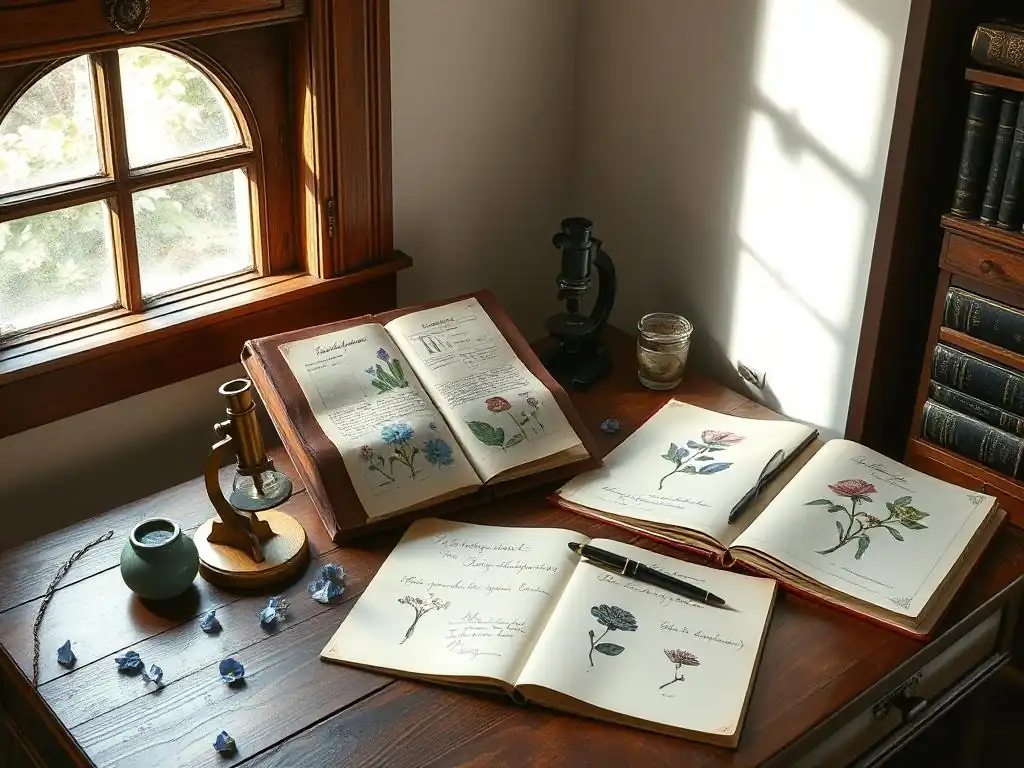
18th-century women played a crucial, albeit often unacknowledged, role in the development and popularization of plant taxonomy, particularly in the context of Linnaeus's new system. Many women meticulously collected, cultivated, and illustrated plants, often creating extensive herbaria and botanical gardens that served as living laboratories for classification. Their dedication to accuracy in observation and representation was instrumental in documenting new species and refining existing classifications.
For instance, the detailed botanical illustrations produced by women like Elizabeth Blackwell or the systematic collections of Jane Colden provided essential visual and descriptive data that complemented the theoretical frameworks of male botanists. Their work often involved the precise identification of floral parts crucial for Linnaean classification, demonstrating a deep understanding of botanical morphology. These contributions by 18th-century women were fundamental to mapping the botanical world and advancing systematic biology.
Advances in Understanding Animal Behavior and Anatomy Led by Women
While botany was more accessible, some 18th-century women also ventured into zoological studies, contributing to the understanding of animal behavior and, to a lesser extent, anatomy. These contributions often stemmed from observations of domestic animals, insects, or specimens acquired through networks. Their work was characterized by meticulous observation, often documented through detailed drawings and written notes.
Anna Blackburne's extensive entomological work, for example, involved not only collecting but also observing the life cycles and behaviors of various insect species, enriching the empirical data available to entomologists. Similarly, other unnamed 18th-century women might have kept detailed journals of bird migrations, insect metamorphoses, or the habits of small mammals in their gardens, providing valuable, if often anecdotal, insights that contributed to the nascent field of zoology and ethology.
The Impact of Women's Observations on Medical Practices
18th-century women, particularly those in roles such as midwives, nurses, or household managers, often possessed a profound practical knowledge of human anatomy, physiology, and herbal medicine. This knowledge was accumulated through direct experience, observation, and inherited traditions, making them informal but crucial contributors to medical understanding. Their observations on symptoms, disease progression, and the efficacy of various treatments, particularly botanical remedies, had a direct impact on domestic medical practices.
While not formally recognized as physicians, these 18th-century women compiled extensive knowledge of medicinal plants and their applications, often creating household recipe books that served as rudimentary pharmacopoeias. This practical biological knowledge, passed down through generations, informed everyday healthcare and sometimes influenced the practices of formal medical practitioners who might consult with experienced female healers regarding specific conditions or remedies.
The Challenges Faced by 18th-Century Women in Biology
Societal Expectations and the Dismissal of Women's Intellectual Pursuits
18th-century women pursuing biological knowledge faced immense societal pressure to conform to traditional gender roles that confined them to the domestic sphere. Intellectual pursuits, especially in science, were often deemed unfeminine, disruptive to household duties, or even detrimental to women's health and morality. This pervasive attitude led to the dismissal or ridicule of women's scientific interests, making it difficult for them to be taken seriously as legitimate contributors to biology.
Public opinion, reinforced by prominent male figures, frequently portrayed women as intellectually inferior or emotionally unfit for rigorous scientific inquiry. This societal expectation created a chilling effect, discouraging many potential 18th-century women from pursuing their scientific curiosities beyond a superficial hobby and ensuring that those who did faced constant skepticism and societal disapproval.
Lack of Recognition and Attribution for Scientific Contributions
A significant challenge for 18th-century women in biology was the pervasive lack of recognition and proper attribution for their scientific work. Even when their contributions were substantial and directly utilized by male colleagues, their names were often omitted from publications, relegated to footnotes, or their work was published under a male relative's name. This systemic erasure minimized their impact and made it difficult for their contributions to be formally acknowledged within the scientific community.
For example, while Anna Blackburne's entomological specimens and observations were integral to the work of leading naturalists, her independent scientific standing was rarely celebrated. This pattern of unacknowledged labor meant that the historical record often underrepresented the true breadth and depth of contributions made by 18th-century women to biological understanding, making the recovery of their stories a crucial task for historians today.
The Struggle for Access to Scientific Resources and Publications
Beyond formal education, 18th-century women faced significant hurdles in accessing essential scientific resources and publications. Libraries, laboratories, and private collections of specimens were largely male domains, making it difficult for women to consult foundational texts, examine rare specimens, or conduct experiments that required specialized equipment. This limited access severely hampered their ability to conduct comprehensive research.
Furthermore, the dissemination of new scientific discoveries often occurred through male-dominated networks, such as scientific societies, academic journals, and informal gatherings from which women were excluded. This meant that 18th-century women often had to rely on second-hand information, personal correspondence, or the goodwill of male relatives to stay abreast of the latest developments in biology, putting them at a distinct disadvantage compared to their male counterparts.
The Legacy of 18th-Century Women Biologists
Inspiring Future Generations of Female Scientists
The stories of 18th-century women in biology, though often obscured by historical oversight, are powerful sources of inspiration for future generations of female scientists. Their resilience in the face of overwhelming societal and institutional barriers demonstrates an unwavering dedication to intellectual curiosity and a passion for understanding the natural world. By highlighting figures like Jane Colden or Elizabeth Blackwell, we showcase that scientific pursuit knows no gender, even in the most restrictive of eras.
These narratives serve as tangible proof that women have always been active participants in scientific discovery, quietly laying groundwork even when denied formal recognition. For young women today considering careers in STEM, learning about these pioneering 18th-century women provides a historical lineage and a sense of belonging within the scientific community, encouraging them to overcome modern challenges and pursue their own scientific ambitions.
The Importance of Recovering and Recognizing Women's Contributions to Science History
The ongoing effort to recover and recognize the contributions of 18th-century women to biology is crucial for creating a more accurate and inclusive history of science. For centuries, traditional historical narratives have largely focused on male figures, resulting in a skewed and incomplete understanding of how scientific knowledge truly developed. By actively unearthing and celebrating the work of these overlooked women, we correct historical omissions and provide a more balanced perspective.
This process involves delving into personal letters, botanical collections, and obscure publications to piece together their stories and credit them for their often-unacknowledged work. Recognizing these 18th-century women is not just about historical accuracy; it's about acknowledging the diverse pathways and contributions that shaped scientific thought, enriching our collective understanding of human ingenuity and discovery.
Expanding Our Understanding of the History of Biology
Incorporating the contributions of 18th-century women significantly expands and enriches our understanding of the history of biology itself. It reveals that scientific progress was not solely confined to formal institutions or elite male scientists but also flourished in domestic settings, through informal networks, and via the dedicated efforts of individuals operating outside the traditional academic structure. This broader perspective challenges conventional narratives and demonstrates the multifaceted nature of scientific development.
By examining how 18th-century women accessed and advanced biological knowledge, we gain insights into the social dynamics of science, the impact of gender roles on intellectual pursuit, and the diverse methodologies employed in an era before highly specialized scientific fields. This approach provides a more nuanced and comprehensive account of biology's evolution, highlighting the ingenuity and perseverance required to pursue scientific truth under challenging circumstances.
Conclusion: Celebrating the Resilience and Ingenuity of 18th-Century Women in Biology
Frequently Asked Questions
What were some of the main obstacles preventing 18th-century women from formally studying biology?
Access to formal education was severely limited for women. They were often excluded from universities and scientific societies, hindering their ability to engage in structured learning and research. Social expectations also restricted their opportunities.
How did women in the 18th century circumvent these obstacles to contribute to biological knowledge?
Women often participated through informal channels, such as private tutoring, correspondence with male scientists, and involvement in family-run estates where they could observe and document nature. Some also published anonymously or under male pseudonyms.
What types of biological studies were 18th-century women most often involved in?
Many women contributed to botany and natural history. Their work often involved plant classification, illustration, and cultivation, reflecting the accessibility of these fields and their connection to domestic life.
Can you name a prominent 18th-century woman who significantly contributed to biology?
While many names are lesser-known, figures like Maria Merian, though earlier, influenced 18th-century approaches. Her work on insect metamorphosis and meticulous illustrations set a precedent for detailed observation and documentation in natural history.
Why is it important to highlight the contributions of 18th-century women in biology today?
Recognizing their achievements helps to challenge historical biases and provides a more complete picture of scientific progress. It also serves to inspire future generations of women to pursue careers in STEM fields.
Final Reflection: Seeds of Scientific Rebellion
The narratives explored within this article, highlighting the remarkable contributions of 18th-century women to biological knowledge, resonate powerfully today. In a world still grappling with gender disparities in STEM fields, these historical accounts serve as a potent reminder of the intellectual capacity and unwavering determination that can flourish even in the face of systemic barriers. Their stories are not just historical anecdotes; they are blueprints for challenging the status quo and demanding equitable access to knowledge and opportunity.
The impact of these pioneering women extends far beyond their individual discoveries. Their collective defiance of societal expectations helped to subtly, yet irrevocably, shift the cultural landscape, paving the way for future generations of female scientists. Their legacy reminds us that progress is not linear, but rather a tapestry woven from countless acts of courage and perseverance. The mind has no gender, and knowledge knows no bounds.
This sentiment, though not explicitly uttered in the 18th century, encapsulates the spirit of these women and their enduring influence on our understanding of both science and society.
As we reflect on the challenges and triumphs of these 18th-century women in biology, let us be inspired to cultivate our own intellectual curiosity and to actively dismantle the barriers that still prevent full participation in scientific endeavors. Consider how you can champion inclusivity and equity in your own sphere of influence, ensuring that future generations have the opportunity to cultivate their scientific passions without the constraints of prejudice or limitation. The seeds of scientific rebellion they sowed continue to blossom; let us nurture them with our own commitment to a more just and equitable future.
Unleash Your Inner Biologist!
Thanks for diving into the fascinating world of 18th-century women in science! We hope you found inspiration in their determination and ingenuity. Now, it's your turn to carry on their legacy.
Here are some ways you can explore your own scientific curiosity and connect with women's contributions to biology:
- Delve Deeper: Research a lesser-known woman scientist from the 18th or 19th century and share your findings online!
- Visit a local museum or historical society to uncover artifacts or documents related to early women in science.
- Join or start a book club focused on reading biographies of women in STEM fields.
What small step will you take this week to honor these pioneering women and further your own biological understanding?