
The Seaweed Collectors: Unveiling 19thCentury Women's Vital Role in Early Marine Environmental Studies

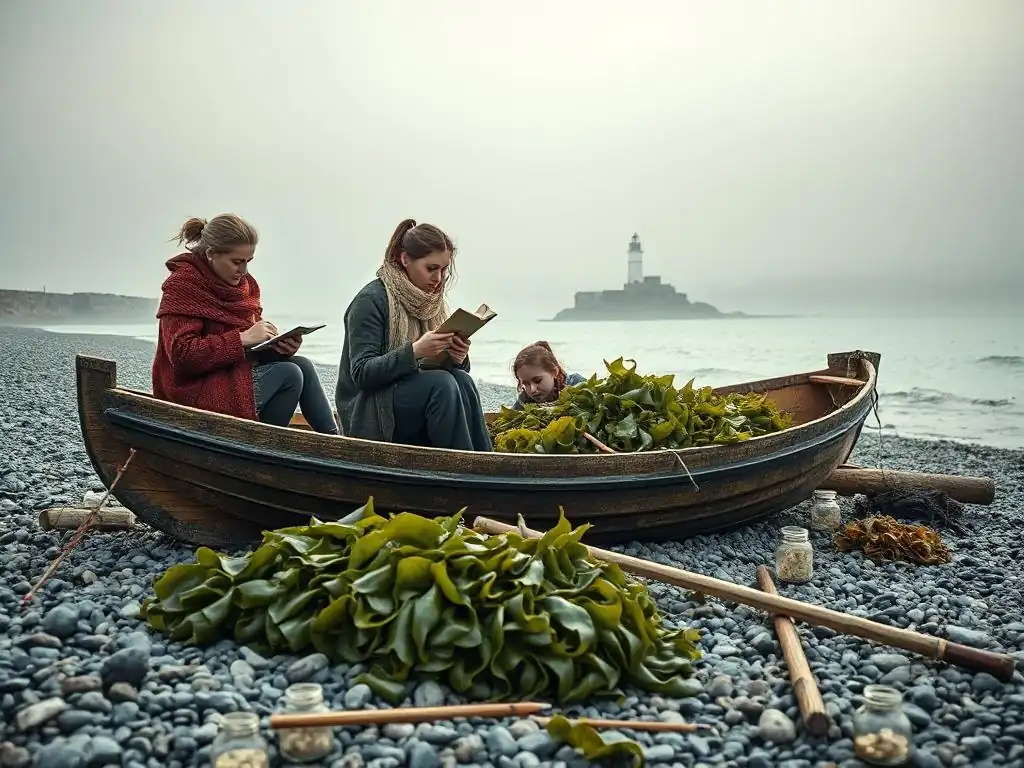
Welcome to WomenInScienceHistory.com!
Dive into the fascinating world of 19th-century seaweed marine studies and discover the unsung heroines who meticulously explored the ocean's depths. Their contributions, often overshadowed, were vital to our understanding of marine environments. Curious to learn how these pioneering women defied societal norms and left their indelible mark on environmental science? Read on to uncover their story...
- Introduction: Reclaiming the Narrative of Women in 19th Century Marine Science
- The Rise of Seaweed Collecting as a Scientific Pursuit in the 1800s
- Prominent Female Seaweed Collectors of the 19th Century: Pioneers in Marine Botany
- Women's Contributions to 19th Century Seaweed Marine Studies: Beyond Collection
- The Challenges Faced by Women in 19th Century Marine Studies
- The Impact of 19th Century Female Seaweed Collectors on Modern Marine Environmental Studies
- Seaweed Collecting as a Gateway to Environmental Awareness and Conservation
- Legacy: Celebrating the Enduring Contributions of 19th Century Women in Marine Science
- Conclusion: The Unsung Heroines of 19th Century Marine Environmental Research
-
Frequently Asked Questions
- What was the primary focus of 19th-century women involved in seaweed studies?
- Why is it important to highlight the contributions of women in 19th-century seaweed marine studies?
- What were some of the challenges faced by women engaged in seaweed studies during the 19th century?
- How did 19th-century women contribute to the field of marine environmental studies through their work with seaweed?
- Where can I learn more about specific women who were prominent in 19th-century seaweed marine studies?
- Final Reflection: Echoes of the Shore: Seaweed, Science, and the Women Who Shaped It
- Rediscover the Unsung Heroines of the Shores!
Introduction: Reclaiming the Narrative of Women in 19th Century Marine Science
Highlighting Overlooked Contributions to Early Marine Environmental Studies
The history of science, particularly in the 19th century, often features a narrative dominated by male figures, leaving the significant contributions of women largely unacknowledged. This oversight is particularly pronounced in fields like marine science, where women played a crucial, albeit often informal, role in foundational research. Their diligent work in collecting, classifying, and documenting marine flora, specifically seaweed, laid essential groundwork for what would become modern marine environmental studies.
These pioneering women, operating outside the confines of formal institutions, engaged in rigorous scientific inquiry through their personal collections and extensive correspondence. Their meticulous observations and detailed records of marine life were not merely hobbies but serious scientific endeavors that provided invaluable data on biodiversity and ecological patterns. The emphasis on uncovering these contributions helps to complete a more accurate and inclusive history of 19th Century seaweed marine studies.
The Significance of Seaweed Collection in 19th Century Scientific Advancements
Seaweed collection, far from being a quaint pastime, was a highly significant scientific pursuit in the 19th century. Marine algae, or seaweeds, were seen as key indicators of marine health and biodiversity, offering insights into the complex ecosystems of the world's oceans. The systematic gathering and preservation of these specimens contributed directly to the burgeoning fields of botany, natural history, and eventually, marine environmental science.
The meticulous process of collecting, pressing, mounting, and labeling seaweed specimens was akin to laboratory work of the era, requiring precision and dedication. This activity generated vast amounts of empirical data that enabled scientists to identify new species, map their distributions, and understand their ecological roles. Thus, the pursuit of 19th Century seaweed marine studies through collection was a cornerstone of scientific advancement, providing tangible evidence for a deeper understanding of the marine world.
The Rise of Seaweed Collecting as a Scientific Pursuit in the 1800s
Victorian Era Fascination with Natural History and Marine Life
The Victorian era witnessed an unprecedented surge in public fascination with natural history, transforming scientific inquiry from an exclusive pursuit into a widespread cultural phenomenon. The burgeoning interest in the natural world was fueled by popular publications, public lectures, and the affordability of travel, particularly to coastal areas. Collecting natural specimens, from ferns to fossils, became a fashionable and intellectually stimulating hobby for people of all social classes, including women.
This era saw the rise of the domestic aquarium, bringing marine life directly into Victorian homes and further sparking curiosity about underwater ecosystems. Seaside holidays became increasingly popular, offering direct access to the rich biodiversity of tidal zones. This societal context provided a fertile ground for women, who were often restricted from formal scientific education, to engage in scientific observation and contribute to 19th-century marine studies through accessible activities like seaweed collecting.
Seaweed as a Subject of Scientific Study and Artistic Expression
Seaweed held a unique position in 19th-century society, serving simultaneously as a subject of rigorous scientific study and a medium for artistic expression. Scientifically, algologists meticulously classified and documented thousands of species, contributing to the foundational understanding of marine botany. The intricate structures and diverse forms of algae presented a rich field for taxonomic investigation, driving significant advancements in the understanding of marine biodiversity.
Beyond its scientific utility, seaweed also captivated Victorians with its aesthetic beauty. The delicate forms and varied colors of marine algae made them ideal for pressing into elaborate albums, often referred to as "algariums" or "phycothecae." These albums, while often beautiful works of art, also served as invaluable scientific records, complete with collection dates, locations, and species identifications. This blend of scientific precision and artistic sensibility made 19th Century seaweed marine studies particularly appealing and accessible to women, allowing them to merge domestic pursuits with intellectual endeavors.
Prominent Female Seaweed Collectors of the 19th Century: Pioneers in Marine Botany
Margaret Gatty (1809–1873) stands as a monumental figure in 19th-century marine studies, particularly for her groundbreaking work in algology. Though primarily known as a children's author, her passion for marine botany led her to produce one of the most comprehensive and influential works of her time, British Sea-Weeds: An Introduction to the Study of the Marine Algae of Great Britain, Ireland, and the Channel Islands (1863). This two-volume treatise was not only meticulously researched but also beautifully illustrated, often with her own drawings, making complex scientific information accessible to a wider audience.
Gatty's scientific contributions extended beyond her published works; she maintained an extensive network of correspondence with leading botanists and collectors across Britain and beyond. She meticulously collected, identified, and exchanged thousands of seaweed specimens, building a personal herbarium that was renowned for its breadth and accuracy. Her detailed observations and rigorous approach to classification significantly advanced the understanding of marine flora and cemented her legacy as a pioneering algologist in 19th Century seaweed marine studies.
Mary Philadelphia Merrifield (1804–1889) was another formidable contributor to 19th-century marine studies, particularly through her expertise in natural history and her significant linguistic abilities. While perhaps best known for her work on the history of art, Merrifield possessed a profound interest in marine biology, which she channeled into her scientific writings. Her Sketch of the Natural History of Brighton and Its Vicinity (1860) included detailed sections on marine algae, showcasing her meticulous observations and deep understanding of local marine ecosystems.
Beyond her original compositions, Merrifield played a crucial role in disseminating scientific knowledge through translation. She translated several important botanical texts from German and Italian into English, thereby making cutting-edge European research accessible to English-speaking scientists and enthusiasts. Her precise scientific drawings and comprehensive descriptions of marine specimens further solidified her reputation as a serious scholar, contributing significantly to the growing body of knowledge in 19th Century seaweed marine studies.
Amelia Griffiths: Renowned Seaweed Expert and Correspondent
Amelia Griffiths (1768–1858) earned a reputation as one of the most esteemed algologists of the 19th century, despite lacking formal scientific training and operating primarily from her home in Torquay, Devon. Her extraordinary dedication and keen observational skills led her to amass one of the most extensive and well-documented collections of marine algae in Britain. This collection became an invaluable resource for leading botanists of the era, who frequently consulted her and relied on her unparalleled knowledge of seaweed species.
Griffiths engaged in prolific correspondence with prominent male botanists such as William Henry Harvey, Dawson Turner, and Sir William Jackson Hooker, often providing them with rare specimens, detailed descriptions, and crucial insights that aided their own research. Her expertise was so highly regarded that numerous species of algae were named in her honor, including Griffithsia and Amelia. Her collaborative spirit and unparalleled field knowledge underscore her vital, yet often unsung, role in shaping 19th Century seaweed marine studies.
Women's Contributions to 19th Century Seaweed Marine Studies: Beyond Collection
Illustration and Documentation: Preserving Marine Biodiversity
Beyond the physical act of collecting, 19th-century women played an indispensable role in the illustration and detailed documentation of marine biodiversity. Their artistic talents, often cultivated in domestic settings, were channeled into creating highly accurate and aesthetically beautiful renditions of seaweed specimens. These illustrations, whether hand-drawn, painted, or meticulously arranged pressed specimens, served as critical visual records, capturing the intricate details of marine algae that photographs of the era could not.
These visual documentations were not merely decorative; they were essential scientific tools. They allowed for precise identification, comparison, and the long-term preservation of morphological data, crucial for understanding species variation and distribution. Many published works on marine botany relied heavily on these female-produced illustrations, effectively preserving invaluable information about 19th Century seaweed marine studies and the biodiversity of coastal ecosystems for future generations.
Classification and Taxonomy: Advancing Marine Botanical Knowledge
The rigorous intellectual work of classification and taxonomy was another area where women made significant, often overlooked, contributions to 19th Century seaweed marine studies. While formal taxonomic roles were largely held by men, women collectors meticulously observed, compared, and identified hundreds of marine algae species. Their keen eyes and systematic approach allowed them to distinguish subtle differences between species and identify new ones, thereby enriching the existing body of botanical knowledge.
Their personal herbaria, often comprising thousands of carefully mounted and labeled specimens, served as private research libraries. These collections were frequently consulted by leading male botanists who recognized the unparalleled expertise and diligent work involved in their creation. The detailed annotations and careful organization within these collections provided foundational data that directly advanced the scientific understanding of marine botanical classification, contributing to the development of systematic botany.
Scientific Correspondence and Networking: Shaping the Field of Marine Science
In an era when women were largely excluded from formal scientific societies and university laboratories, they ingeniously created their own vibrant networks through extensive scientific correspondence. These letter-writing exchanges were far more than social pleasantries; they were vital conduits for scientific discourse, allowing women to share observations, exchange specimens, discuss findings, and collaborate on research. This informal, yet highly effective, system of networking was crucial for advancing 19th Century seaweed marine studies.
These correspondence networks connected women with each other, as well as with prominent male botanists and naturalists across continents. Through these letters, women sought advice, offered insights, debated classifications, and facilitated the exchange of rare or newly discovered specimens. This collaborative environment ensured that their individual contributions were integrated into the broader scientific dialogue, effectively shaping the nascent field of marine science and ensuring their observations reached a wider scientific audience.
The Challenges Faced by Women in 19th Century Marine Studies
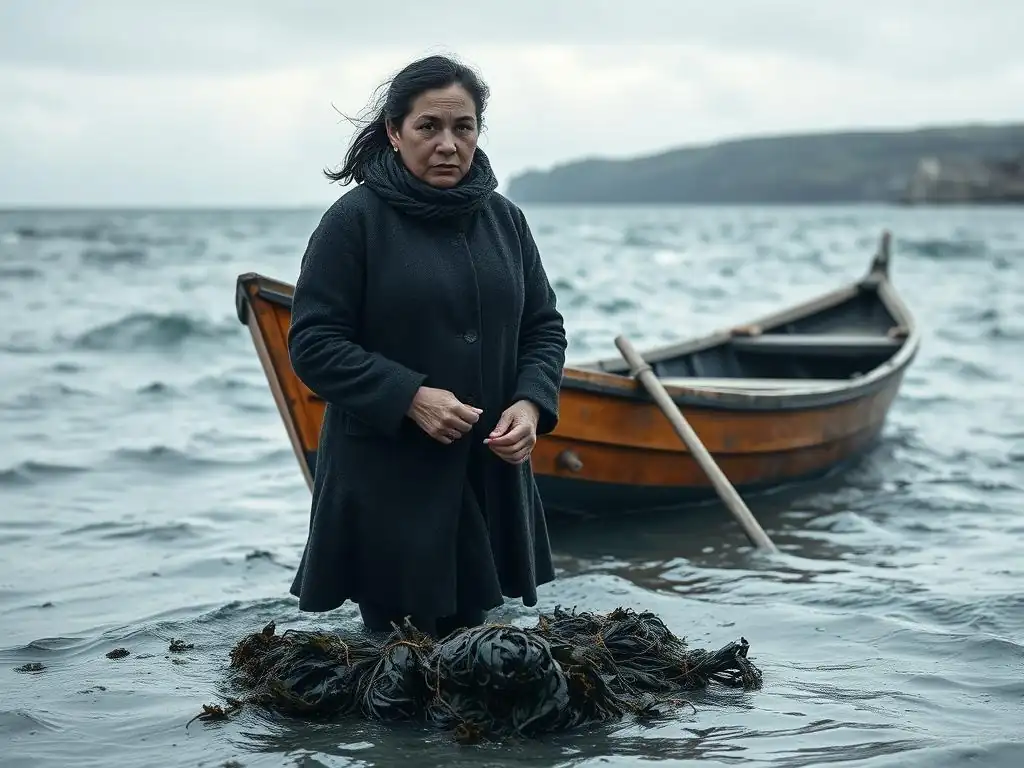
Limited Access to Formal Education and Scientific Institutions
One of the most significant hurdles faced by women pursuing 19th Century seaweed marine studies was their severely limited access to formal education and established scientific institutions. Universities were largely closed to women, denying them the opportunity to pursue degrees in botany, zoology, or other scientific disciplines. Similarly, scientific societies, which served as crucial forums for presenting research and networking, typically excluded female members, often until the very late 19th or early 20th century.
This systemic exclusion meant that women interested in science had to pursue their passions through self-education, private tutors, or informal apprenticeships. They relied on personal libraries, fieldwork, and their own meticulous observations to build their expertise. The lack of access to institutional resources, such as laboratories, specialized equipment, or funding, forced these women to be incredibly resourceful, conducting their groundbreaking 19th Century seaweed marine studies from their homes and local coastlines.
Gender Bias and Exclusion from Male-Dominated Scientific Circles
Beyond institutional barriers, women in 19th-century marine studies frequently encountered overt gender bias and exclusion from the male-dominated scientific circles of the era. Their contributions were often dismissed as "amateur" or "hobbyist" pursuits, regardless of their scientific rigor or significance. While some male scientists acknowledged and valued the work of their female counterparts, many others hesitated to grant them full recognition or status as professional researchers.
This bias manifested in various ways: women were rarely invited to present their findings at scientific meetings, their publications might be attributed to male collaborators or family members, or their work might be published under anonymous or masculine pseudonyms. The prevailing societal view that a woman's place was in the domestic sphere often overshadowed their intellectual achievements, making it a constant battle for these women to have their serious 19th Century seaweed marine studies taken seriously within the scientific community.
Overcoming Societal Expectations and Prejudices
The decision for women to engage in scientific pursuits in the 19th century was often an act of quiet rebellion against deeply entrenched societal expectations and prejudices. Victorian society largely confined women to roles within the home, emphasizing domesticity, piety, and submissiveness. Intellectual pursuits, especially those outside of traditionally feminine subjects, were often viewed with suspicion or as unfitting for women, potentially undermining their perceived delicacy or domestic duties.
Despite these immense pressures, many women passionately pursued their interests in 19th Century seaweed marine studies, demonstrating remarkable resilience and determination. They skillfully navigated societal norms by integrating their scientific work into their domestic lives, often combining fieldwork with family outings or using their drawing skills for both scientific illustration and leisure. Their ability to persevere and produce significant scientific output in the face of such pervasive societal resistance highlights their extraordinary commitment to expanding knowledge.
The Impact of 19th Century Female Seaweed Collectors on Modern Marine Environmental Studies
Laying the Foundation for Current Marine Botanical Research
The extensive collections and detailed observations made by 19th-century female seaweed collectors laid an indispensable foundation for current marine botanical research. Their meticulously preserved specimens and comprehensive documentation provide invaluable historical baseline data, allowing modern scientists to track changes in species distribution, abundance, and even morphology over more than a century. This historical perspective is crucial for understanding long-term environmental shifts and the impacts of climate change or pollution.
These early 19th Century seaweed marine studies created extensive floras and catalogs that are still referenced today for taxonomic clarity and historical ecological context. Without the diligent efforts of these women to systematically record marine biodiversity, contemporary marine biologists would lack critical historical benchmarks needed for comparative studies, conservation assessments, and understanding the dynamic nature of marine ecosystems. Their work remains a vital resource for modern marine science.
Inspiring Future Generations of Women in Science
The stories of 19th-century female seaweed collectors serve as powerful sources of inspiration for future generations of women in science. By highlighting their perseverance, intellectual rigor, and significant contributions despite formidable societal barriers, these narratives demonstrate that scientific inquiry is not limited by gender. Recognizing their achievements helps to dismantle historical biases and encourages young women to pursue careers in STEM fields, particularly marine science and environmental studies.
The rediscovery and celebration of these unsung heroines underscore the importance of diversity in scientific endeavors, showing that unique perspectives and experiences can lead to profound breakthroughs. Their legacy encourages contemporary efforts to promote inclusivity in science, ensuring that all voices and talents are recognized and nurtured. Their passion for 19th Century seaweed marine studies continues to resonate, motivating new generations to explore the wonders of the marine world.
Raising Awareness of Marine Conservation and Environmental Protection
While the concept of "marine conservation" as a formal movement was nascent in the 19th century, the work of female seaweed collectors implicitly contributed to raising awareness of marine environmental protection. Their enthusiastic popularization of marine life through accessible publications, detailed illustrations, and public lectures fostered a deeper appreciation for the beauty and complexity of coastal ecosystems among the general public. This widespread interest was a precursor to modern environmental consciousness.
By meticulously documenting the species found in various coastal habitats, these women inadvertently created a historical record that now helps us understand changes in marine environments over time. Their detailed observations of species presence and absence provide crucial data for assessing biodiversity loss or habitat degradation. Their dedication to 19th Century seaweed marine studies, therefore, served as an early, albeit indirect, form of environmental advocacy, highlighting the richness of marine life that needed to be understood and eventually protected.
Seaweed Collecting as a Gateway to Environmental Awareness and Conservation
The Role of Victorian Women in Early Marine Conservation Efforts
Victorian women, through their extensive engagement in 19th Century seaweed marine studies, played an often-underestimated role in laying the groundwork for early marine conservation efforts. While not explicit activists in the modern sense, their profound connection to and detailed observation of marine environments fostered an inherent understanding of ecological fragility. Their popular writings and public displays of collected specimens educated a broad audience about the wonders of the underwater world, creating a public appreciation that was vital for future conservation movements.
Moreover, the sheer volume of their collecting, while sometimes impactful on local populations, also highlighted the finite nature of marine resources and the potential for over-collection. This awareness, coupled with their detailed documentation of species, provided baseline data that would later prove invaluable for identifying declines in biodiversity. Their meticulous scientific approach to 19th Century seaweed marine studies, therefore, helped cultivate a nascent environmental ethic, emphasizing the need to understand and ultimately protect these natural resources.
Connecting Scientific Study with Environmental Advocacy
For many 19th-century female seaweed collectors, their scientific study of marine algae was inherently linked to a growing, albeit informal, sense of environmental advocacy. The act of deeply observing and classifying marine life led to profound insights into the interconnectedness of ecosystems and the delicate balance of nature. This firsthand experience with the marine environment often instilled a protective instinct, driving a desire to share knowledge and foster respect for these fragile habitats.
Their popular books, articles, and lectures, while primarily educational, subtly conveyed messages about the beauty and vulnerability of marine life. By making complex scientific information accessible and engaging, these women inspired a generation to explore and appreciate the coastlines, subtly influencing public opinion towards a greater environmental consciousness. Their dedicated 19th Century seaweed marine studies, therefore, served as a powerful, if quiet, form of environmental communication, bridging the gap between scientific discovery and public awareness.
Legacy: Celebrating the Enduring Contributions of 19th Century Women in Marine Science
Recognizing the Importance of Their Work in Historical Context
Recognizing the importance of 19th-century women's work in marine science within its historical context is crucial for a complete understanding of scientific progress. These women operated in an era of immense societal constraints, where formal scientific training and professional roles were largely inaccessible to them. Despite these formidable barriers, they conducted rigorous research, made significant discoveries, and contributed substantially to the burgeoning fields of marine botany and natural history.
Their meticulous collections, detailed illustrations, and extensive scientific correspondence were not merely amateur pursuits but vital components of the scientific enterprise of the time. By acknowledging their intellectual rigor and the profound impact of their 19th Century seaweed marine studies, we gain a more accurate and inclusive historical narrative, one that celebrates the diverse pathways through which scientific knowledge has been advanced. This recognition ensures that their ingenuity and perseverance are not overlooked.
Ensuring Their Stories Are Told and Remembered
Ensuring that the stories of these pioneering 19th-century female seaweed collectors are told and remembered is a critical ongoing endeavor. For too long, their contributions have been marginalized or entirely omitted from mainstream scientific histories, perpetuating an incomplete and biased view of who contributes to scientific discovery. Websites like WomenInScienceHistory.com play an essential role in unearthing these narratives, bringing them to a wider audience, and giving these women the recognition they rightfully deserve.
By actively sharing their biographies, detailing their scientific achievements, and highlighting the challenges they overcame, we not only honor their legacy but also inspire future generations. These stories serve as powerful examples of resilience, intellectual curiosity, and dedication to knowledge, demonstrating that passion for science transcends societal limitations. Celebrating their 19th Century seaweed marine studies ensures that their profound impact on our understanding of the marine world continues to resonate and inform.
Conclusion: The Unsung Heroines of 19th Century Marine Environmental Research
Affirming the Vital Role of Women in Shaping Scientific Understanding
The narrative of 19th-century marine environmental research is incomplete without a resounding affirmation of the vital role played by women. Through their dedicated 19th Century seaweed marine studies, often conducted from their homes or during seaside excursions, these women were not merely peripheral observers but central figures in the advancement of marine botany and natural history. They meticulously collected, classified, illustrated, and documented marine algae, laying critical groundwork for the scientific understanding of marine ecosystems.
Their contributions extended beyond mere collection, encompassing sophisticated taxonomic work, the establishment of extensive scientific networks through correspondence, and the popularization of marine science to a broad public. Despite facing significant societal and institutional barriers, their intellectual rigor and unwavering commitment profoundly shaped the nascent field of marine environmental studies. Their legacy underscores that scientific progress thrives on diverse contributions, regardless of formal recognition or societal standing.
Inspiring Continued Research into Their Contributions and Legacy
The remarkable achievements of 19th-century female seaweed collectors compel and inspire continued research into their often-unrecognized contributions and enduring legacy. There remains a wealth of archival material—personal letters, unpublished notes, and private collections—that can shed further light on their methodologies, intellectual networks, and specific scientific insights. Further academic inquiry into these women can provide a richer, more nuanced understanding of the social history of science and the complex interplay of gender, class, and scientific endeavor.
By continuing to unearth and analyze their profound impact on 19th Century seaweed marine studies, we not only ensure their rightful place in scientific history but also enrich our contemporary understanding of marine environmental change. Their baseline data on biodiversity and their pioneering spirit serve as a beacon for current and future generations of scientists, particularly women, demonstrating the enduring power of curiosity, perseverance, and a deep connection to the natural world.
Frequently Asked Questions
What was the primary focus of 19th-century women involved in seaweed studies?
Their focus was primarily on collecting, classifying, and illustrating various species of seaweed. This work contributed significantly to early marine environmental studies and botanical knowledge.
Why is it important to highlight the contributions of women in 19th-century seaweed marine studies?
It's crucial because their contributions were often overlooked or minimized in the male-dominated scientific community. Recognizing their work helps to correct historical inaccuracies and inspire future generations.
What were some of the challenges faced by women engaged in seaweed studies during the 19th century?
Women faced challenges such as limited access to formal education, research funding, and scientific publications. They also encountered social biases that questioned their abilities and contributions.
How did 19th-century women contribute to the field of marine environmental studies through their work with seaweed?
They provided detailed observations and documentation of seaweed species and their habitats. This laid the groundwork for understanding marine ecosystems and the impact of environmental changes.
Where can I learn more about specific women who were prominent in 19th-century seaweed marine studies?
Websites like WomenInScienceHistory.com offer biographies and discussions on the work of pioneering female scientists. Many historical archives and libraries also hold valuable information on this topic.
Final Reflection: Echoes of the Shore: Seaweed, Science, and the Women Who Shaped It
The whispers of the past, carried on the tide of history, reveal a truth often submerged: the pivotal role of 19th-century women in the nascent field of marine environmental studies. Their dedication to collecting, classifying, and understanding seaweed wasn't merely a pastime; it was a vital contribution that laid the groundwork for our modern understanding of marine ecosystems. The legacy of these unsung heroines resonates today, reminding us that scientific progress is rarely a solitary endeavor, but rather a collective effort built upon the curiosity and perseverance of many.
The impact of these women extends far beyond the dusty pages of historical records. Their meticulous observations and artistic renderings not only advanced scientific knowledge but also fostered a deeper appreciation for the beauty and complexity of the natural world. Their work challenged societal norms and carved out a space for women in a field traditionally dominated by men. As the marine biologist Rachel Carson eloquently stated, The more clearly we can focus our attention on the wonders and realities of the universe about us, the less taste we shall have for destruction.
This sentiment echoes the spirit of the seaweed collectors, who sought to understand and celebrate the ocean's bounty, rather than exploit it.
Let us, then, draw inspiration from these pioneering women. Consider the power of observation, the importance of collaboration, and the enduring value of curiosity. What seemingly small contributions can you make to understanding and protecting our planet? The ocean's future, like the scientific progress of the past, depends on the collective efforts of those who dare to look closely, to question assumptions, and to champion the wonders of the natural world. Embrace your inner seaweed collector, and let your curiosity guide you towards a deeper understanding of the world around you.
Rediscover the Unsung Heroines of the Shores!
Thank you for diving into the fascinating world of 19th-century seaweed collectors and their crucial contributions to marine science. Now, let's celebrate their legacy and continue their work in our own way:
- Dive Deeper: Embark on your own seaweed adventure! Explore your local coastline, identify different species, and document your findings. Share your discoveries with us on social media using #WomenInMarineScience.
- Share this article with fellow history buffs and science enthusiasts to spread awareness about these remarkable women.
- Research other women in natural history from the 19th century - who knows what other hidden stories you might find?
What hidden gem of marine life did you discover on your last beach walk, and how did it spark your curiosity?