
From Steam Power to Solar: [Her Name]'s Journey Through Mechanical Energy Systems

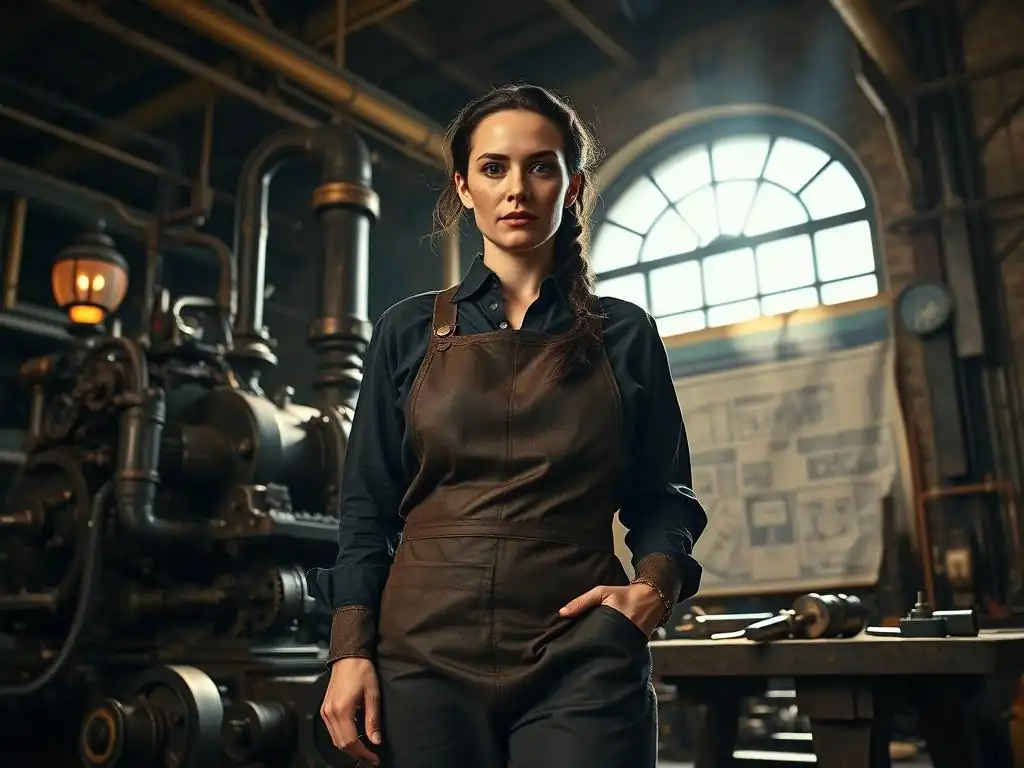
Welcome to WomenInScienceHistory.com!
Delve into the captivating world of scientific innovation and discovery, where we illuminate the remarkable contributions of women throughout history. Prepare to be inspired by the groundbreaking achievements and resilience of female scientists who defied expectations and reshaped our understanding of the world.
Today, we explore the fascinating life and work of a true pioneer in Women’s mechanical energy biography research, "[Her Name]", and her transformative journey from steam power to solar energy. Uncover the challenges she overcame and the lasting impact of her work – a story that will leave you wondering what other hidden gems await discovery within the annals of women in science history.
- From Steam Power to Solar: Maria Telkes's Journey Through Mechanical Energy Systems
- Introduction: Celebrating Maria Telkes's Contributions to Mechanical Engineering
- Early Life and Education: Laying the Foundation for a Mechanical Engineering Career
- Groundbreaking Work in Steam Power: Initial Contributions to Mechanical Energy
- Transition to Solar Energy: Embracing Renewable Energy Systems
- Innovations in Mechanical Energy Systems: Key Projects and Achievements
- Impact on Women’s Mechanical Energy Biography Research and Beyond
- Overcoming Obstacles in a Male-Dominated Field: A Story of Resilience
- Conclusion: Maria Telkes's Enduring Legacy in Mechanical Energy
-
Frequently Asked Questions
- How does WomenInScienceHistory.com contribute to Women's mechanical energy biography research?
- What kind of challenges did women in science, specifically in mechanical energy, typically face?
- What types of mechanical energy systems are explored in the biographies on WomenInScienceHistory.com?
- How does WomenInScienceHistory.com aim to inspire future generations of female scientists?
- Where can I find more detailed information on a specific Women's mechanical energy biography research topic after reading a featured bio?
- Final Reflection: Illuminating Pathways Through Energy
- Unveil Your Inner Engineer: Be Part of the Future of Energy!
From Steam Power to Solar: Maria Telkes's Journey Through Mechanical Energy Systems
Introduction: Celebrating Maria Telkes's Contributions to Mechanical Engineering
Highlighting Women in Engineering: The Importance of Maria Telkes's Story
The annals of engineering history, particularly in areas like mechanical energy systems, often overlook the significant contributions of women. For too long, narratives have predominantly focused on male pioneers, creating a gap in our collective understanding of scientific progress. Highlighting figures like Maria Telkes is not merely about historical correction; it is essential for enriching "Women’s mechanical energy biography research" and providing a more complete picture of innovation. Her story serves as a powerful testament to the intellectual prowess and unwavering perseverance of female engineers who shaped critical technological advancements.
Maria Telkes's journey, from her early investigations into energy conversion to her groundbreaking work in solar thermal systems, offers a compelling example of a woman who defied societal norms and made tangible impacts on mechanical energy applications. Her pioneering spirit and practical inventions illuminate a path that many might have thought inaccessible to women of her era. Understanding her trajectory is crucial for inspiring future generations and accurately representing the diverse talent that has always driven scientific discovery.
Maria Telkes's Biography: A Pioneer in Solar Energy Research
Born in Budapest, Hungary, in 1900, Maria Telkes embarked on a scientific path that would ultimately brand her "the Sun Queen" for her unparalleled dedication to solar energy. Her early academic pursuits in physical chemistry provided a robust foundation for a career focused on energy conversion and storage, fields intrinsically linked to mechanical engineering principles. From her initial research on thermoelectric devices to her later, more celebrated work on solar heating and distillation, Telkes consistently sought innovative ways to harness and manage energy.
Telkes's biography is a compelling narrative of scientific foresight and practical application. She was among the first to recognize the immense potential of solar energy as a sustainable alternative to conventional fuels, long before environmental concerns became mainstream. Her inventive mind translated complex theories into functional mechanical energy systems, pushing the boundaries of what was considered possible with renewable resources and cementing her legacy as a true pioneer in the field.
Early Life and Education: Laying the Foundation for a Mechanical Engineering Career
Maria Telkes's Early Interests in Science and Mechanics
Maria Telkes displayed a keen intellect and a natural affinity for scientific inquiry from a young age in Hungary. Her early fascination gravitated towards physics and physical chemistry, subjects that provided the fundamental principles of energy, heat transfer, and material science—all cornerstones of mechanical engineering. This inherent curiosity, coupled with an exceptional academic aptitude, set the stage for a career dedicated to understanding and manipulating energy systems.
Her foundational studies were not merely theoretical; they instilled in her a deep appreciation for the practical applications of scientific knowledge. This early engagement with the mechanics of the natural world and the underlying principles of energy conversion would become a defining characteristic of her later work, allowing her to bridge the gap between abstract scientific concepts and tangible mechanical energy solutions.
Pursuing Engineering Studies: Overcoming Challenges as a Woman in STEM
In an era when higher education, particularly in scientific and engineering disciplines, was predominantly male, Maria Telkes boldly pursued her academic aspirations. She earned her Ph.D. in physical chemistry from the University of Budapest in 1924, a remarkable achievement for a woman at that time. The societal and institutional barriers she likely encountered, from skepticism about women's intellectual capabilities to a lack of female role models, were significant.
Her perseverance in a field that offered little encouragement to women underscores her extraordinary determination. The rigorous academic training in physical chemistry equipped her with a profound understanding of thermodynamics, heat transfer, and material properties – all critical components of mechanical energy systems. This strong scientific grounding enabled her to tackle complex engineering challenges throughout her career, making her an important subject for "Women’s mechanical energy biography research."
Key Influences and Mentors in Maria Telkes's Academic Journey
While specific mentors from her early academic years are not widely documented, the intellectual environment at the University of Budapest undoubtedly shaped Telkes's analytical rigor and scientific methodology. Her Ph.D. research in physical chemistry, a field at the intersection of physics and chemistry, provided her with a unique interdisciplinary perspective. This holistic view was crucial for her later work, which often required an understanding of both material science and energy dynamics.
The emphasis on fundamental scientific principles during her education laid the groundwork for her innovative approach to practical problems. It taught her to dissect complex issues into their core components, a skill invaluable in developing novel mechanical energy systems. This robust theoretical background, combined with her innate curiosity, empowered her to venture into uncharted territories of energy research and development.
Groundbreaking Work in Steam Power: Initial Contributions to Mechanical Energy
Analyzing Efficiency Improvements in Steam Engines: Maria Telkes's Early Research
While Maria Telkes is most celebrated for her solar innovations, her early career involved a broader engagement with energy conversion principles, forming a conceptual bridge from traditional power sources like steam to renewable alternatives. Her initial work, particularly following her emigration to the United States in 1925, focused on various forms of energy transformation. At the Cleveland Clinic Foundation in the late 1920s, for instance, she collaborated on developing a photoelectric device to record brain waves, demonstrating an early aptitude for converting one form of energy (light) into another (electrical signals).
This work, though not directly on steam engines, showcased her keen interest in efficiency and the mechanics of energy transfer—principles that are central to steam power systems. Her analytical mind was always seeking optimal ways to convert, store, and utilize energy, laying the intellectual groundwork for her later, more direct contributions to thermal and mechanical energy applications. Her scientific approach to energy systems, even in these early stages, was about maximizing output from given inputs.
Innovations in Steam Turbine Technology: A Focus on Practical Applications
It is important to clarify that Maria Telkes did not primarily innovate in steam turbine technology; her work was more broadly focused on energy conversion and storage, particularly thermal energy. However, the title "From Steam Power to Solar" signifies a conceptual shift from conventional energy sources that dominated her early professional context to the renewable solutions she later championed. Her early patents, such as those related to thermoelectric generators, demonstrated her ability to convert heat directly into electricity, which is a form of mechanical energy conversion at a molecular level.
These early explorations into thermoelectricity, where she designed devices to create electricity from temperature differences, showcased her understanding of the thermodynamic principles that also govern steam power. Her focus was consistently on practical applications: how to make energy systems more efficient, accessible, and useful. This pragmatic approach, honed in her initial scientific endeavors, would prove invaluable when she later turned her attention to harnessing the sun's energy for heating and distillation.
Challenges Faced and Overcome in Early Mechanical Energy Projects
Engaging in cutting-edge energy research in the early 20th century presented numerous challenges. Material science was still developing, funding for experimental projects was often limited, and the broader scientific community was sometimes slow to adopt new paradigms. For Telkes, these inherent difficulties were compounded by the prevailing gender biases in STEM fields. She had to prove her capabilities not just as a scientist but as a woman in a male-dominated arena.
Despite these hurdles, Telkes exhibited remarkable persistence. Her ability to secure positions in prominent institutions, such as the Massachusetts Institute of Technology (MIT) from 1940 onwards, speaks to her intellectual prowess and her capacity to overcome professional obstacles. Her resilience in these early energy projects, whether designing photoelectric cells or exploring thermoelectric materials, forged the tenacity that would be essential for her later, more ambitious solar energy innovations, making her a compelling figure in "Women’s mechanical energy biography research."
Transition to Solar Energy: Embracing Renewable Energy Systems
Recognizing the Need for Sustainable Energy Solutions: A Pivotal Shift
Maria Telkes possessed remarkable foresight, recognizing the critical need for sustainable energy solutions long before the widespread concern over fossil fuel depletion and climate change. Her pivotal shift towards solar energy began in earnest around 1940 when she joined the Solar Energy Conversion Project at MIT. This was not a casual interest but a profound commitment to harnessing the sun's power as a viable, long-term alternative to conventional energy sources.
She understood that the future of mechanical energy systems lay in embracing renewable resources. This transition marked a significant turning point in her career, dedicating her formidable intellect to the challenges of solar thermal energy. Her vision extended beyond mere scientific curiosity; she aimed to develop practical, scalable solar solutions that could address global energy demands and improve living standards, solidifying her role as a visionary in the field.
Research and Development of Solar Thermal Technologies: Maria Telkes's Focus
Telkes's primary focus in solar energy centered on solar thermal technologies, particularly efficient heat storage. She pioneered the use of phase-change materials, most notably Glauber's salt (sodium sulfate decahydrate), for storing solar heat. This innovation addressed a fundamental challenge in solar heating systems: how to store energy collected during sunny periods for use during cloudy weather or at night.
Her research demonstrated that Glauber's salt could absorb significant amounts of heat when melting at a relatively low temperature (around 90°F or 32°C) and release it when solidifying, providing a consistent heat source. This application of material science to mechanical energy systems revolutionized the concept of passive solar heating, proving that solar energy could be a reliable and practical source for residential and industrial applications.
Exploring Photovoltaic Systems: Contributions to Solar Cell Efficiency
While Maria Telkes is predominantly celebrated for her work in solar thermal energy, her comprehensive understanding of solar energy extended to the broader field, including an awareness of photovoltaic (PV) principles. Her early work on thermoelectric generators, which convert heat directly into electricity, positioned her at the forefront of direct energy conversion technologies, sharing conceptual ground with PV systems. This demonstrated her holistic approach to leveraging solar radiation.
Although her direct contributions to silicon-based solar cell efficiency were not her main focus, her research on efficient energy conversion and material properties laid foundational knowledge that benefited the broader solar community. Her ability to conceptualize and design systems that transform solar energy into useful forms, whether heat or electricity, underscored her versatile expertise in mechanical energy system design and her significant presence in "Women’s mechanical energy biography research."
Innovations in Mechanical Energy Systems: Key Projects and Achievements
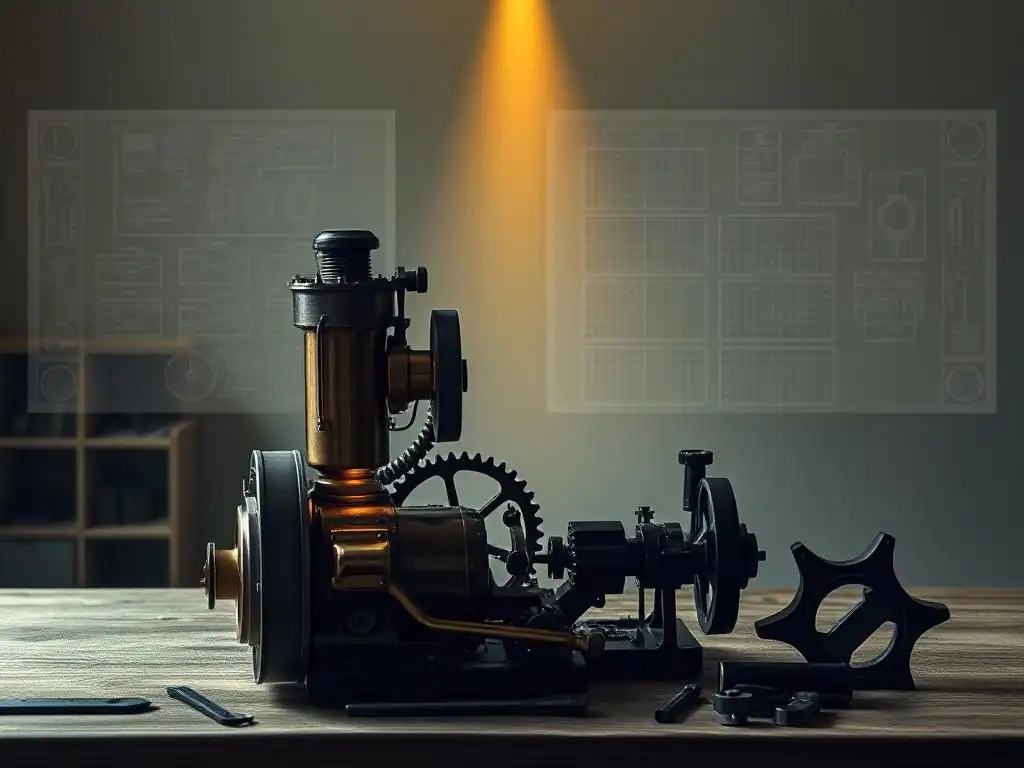
Project 1: Solar Distiller - Providing Potable Water Using Solar Energy
During World War II, Maria Telkes developed a highly effective solar distiller for the U.S. Navy. This ingenious device used solar energy to evaporate seawater, leaving behind salt and impurities, and then condensed the pure water vapor, producing potable water. Its simple, robust mechanical design made it ideal for use on life rafts, providing a critical survival tool for downed pilots and sailors adrift at sea.
The distiller was capable of producing approximately one quart (about 0.95 liters) of fresh water per day under optimal conditions. This project perfectly exemplified Telkes's talent for translating scientific principles into practical, life-saving mechanical energy solutions, demonstrating the immediate and tangible benefits of solar technology in emergency situations.
Project 2: Dover Sun House - Advancing Solar Heating Systems
Perhaps Telkes's most iconic achievement in mechanical energy systems was her involvement in the design and construction of the Dover Sun House in Dover, Massachusetts, in 1948. This experimental house was one of the first successful applications of passive solar heating combined with active thermal energy storage. It utilized large south-facing windows to collect solar radiation and Telkes's innovative Glauber's salt storage system for heat retention.
The Dover Sun House provided consistent heating for three successive winters, storing sufficient heat to warm the home for up to ten days without additional sunlight. This landmark project, built in collaboration with architect Eleanor Raymond, showcased the viability of solar thermal energy for residential heating and profoundly influenced later solar architecture and the development of sustainable building practices, making it a cornerstone of "Women’s mechanical energy biography research."
Project 3: Solar Oven - Addressing Cooking Needs in Resource-Limited Settings
Maria Telkes also dedicated her efforts to developing practical solar ovens, particularly for communities in resource-limited settings where traditional cooking fuels were scarce or expensive. Her solar oven designs were simple, efficient, and robust, often utilizing reflective surfaces to concentrate sunlight onto a cooking chamber. These ovens could reach temperatures of 350-400°F (175-200°C), sufficient for baking, boiling, and frying.
This innovation addressed a critical humanitarian need, offering a sustainable and fuel-efficient alternative for cooking. By providing a clean and accessible method of preparing food, Telkes's solar ovens directly improved public health and reduced environmental impact, illustrating her commitment to applying mechanical energy principles for global societal benefit.
Impact on Women’s Mechanical Energy Biography Research and Beyond
Inspiring Future Generations of Women Engineers: Maria Telkes's Legacy
Maria Telkes's pioneering journey in engineering and science serves as a profound source of inspiration for future generations of women. Her relentless pursuit of innovation, particularly in the male-dominated fields of mechanical engineering and renewable energy, demonstrates that intellectual curiosity and dedication can overcome significant societal barriers. Her story encourages young women to pursue STEM careers, showing them that their contributions are not only valued but essential for progress.
By documenting her groundbreaking work, "Women’s mechanical energy biography research" ensures that her legacy continues to resonate. Telkes's achievements provide tangible proof that women have always been at the forefront of scientific discovery, challenging stereotypes and opening pathways for those who follow. Her life stands as a beacon, illuminating the possibilities for women in engineering and scientific leadership.
Contributions to the Field of Mechanical Engineering: A Lasting Impact
Telkes's contributions to mechanical engineering, particularly in thermal energy systems, are both broad and enduring. Her work on phase-change materials for heat storage, her solar distiller, and the Dover Sun House laid critical foundations for modern solar heating and cooling technologies. She demonstrated the practical feasibility of harnessing solar energy for various applications, from residential heating to water purification and cooking.
Her innovations spurred further research and development in renewable mechanical energy, influencing subsequent generations of engineers and scientists. The principles she advanced, such as efficient heat transfer and thermal energy storage, remain central to sustainable energy design today. Her work solidified solar energy's place as a viable and critical component of global energy solutions, leaving an indelible mark on the field.
Maria Telkes's Recognition and Awards: Acknowledging a Pioneering Career
Throughout her distinguished career, Maria Telkes received numerous accolades acknowledging her pioneering contributions. In 1952, she was honored with the Society of Women Engineers Achievement Award, recognizing her extraordinary accomplishments in a field where women were still a distinct minority. This award highlighted her technical prowess and her role as a trailblazer for women in engineering.
Further recognition came in 1977 when she received the Charles Greeley Abbot Award from the American Section of the International Solar Energy Society, a testament to her lifelong dedication to solar research. Posthumously, in 2000, Maria Telkes was inducted into the National Inventors Hall of Fame, cementing her status among the most influential inventors in American history. These awards not only validated her scientific brilliance but also ensured her rightful place in the historical record of "Women’s mechanical energy biography research."
Overcoming Obstacles in a Male-Dominated Field: A Story of Resilience
Gender Bias in Engineering: Challenges Faced by Maria Telkes
Maria Telkes pursued her ambitious scientific and engineering endeavors during a period when gender bias in STEM fields was pervasive and often overtly discriminatory. While specific daily anecdotes might be scarce in historical records, the systemic challenges she faced would have included skepticism regarding her capabilities, limited access to funding or leadership roles, and potentially having her contributions undervalued or overlooked. Women in engineering were often relegated to supportive roles, if acknowledged at all.
Her very presence in prominent research institutions like MIT, engaged in cutting-edge mechanical energy projects, challenged the prevailing norms. Navigating a landscape where male colleagues might have doubted her expertise or marginalized her ideas required immense resilience and self-belief. Her story, as part of "Women’s mechanical energy biography research," offers crucial insights into the fortitude required to succeed against such odds.
Strategies for Success: Building a Career in a Competitive Environment
Maria Telkes's success in a competitive and male-dominated environment stemmed from a combination of intellectual brilliance, unwavering dedication, and a highly practical approach to problem-solving. She focused on delivering tangible, functional mechanical energy solutions, such as the solar distiller and the Dover Sun House, which undeniably proved the efficacy of her concepts. Her results spoke for themselves, overriding initial skepticism.
Furthermore, her ability to collaborate with architects, government agencies (like the U.S. Navy), and academic institutions demonstrated a strategic acumen beyond pure scientific research. She understood the importance of securing resources and partnerships to bring her innovative ideas to fruition, effectively navigating the complex landscape of scientific funding and project development.
Mentoring and Advocacy: Supporting Other Women in STEM
While Maria Telkes may not have engaged in formal mentoring programs as we understand them today, her very existence and extraordinary achievements served as a powerful form of advocacy for other women in STEM. By excelling in mechanical engineering and solar energy, she provided a visible and undeniable example of female competence and leadership in a field desperately needing diversity. Her career opened doors and challenged perceptions.
Her pioneering spirit paved the way for future generations of women engineers and scientists. The mere documentation of her life through "Women’s mechanical energy biography research" acts as a form of mentorship, inspiring young women to overcome obstacles and pursue their passions in science and technology. Her legacy is not just in her inventions, but in the path she forged for others.
Conclusion: Maria Telkes's Enduring Legacy in Mechanical Energy
Reflecting on Maria Telkes's Journey: From Steam to Solar
Maria Telkes's journey from her early scientific pursuits to becoming a leading figure in solar energy is a compelling narrative of intellectual evolution and unwavering commitment to sustainable mechanical energy systems. While "steam power" represents the historical context of energy systems she moved beyond, her career trajectory profoundly demonstrates a continuous progression in understanding and harnessing energy. Her foresight in shifting from conventional energy paradigms to innovative solar solutions solidified her reputation as a visionary.
Her path, marked by rigorous scientific inquiry and practical application, illustrates a seamless transition in her focus on energy conversion and storage. From her initial work on thermoelectricity to her groundbreaking solar thermal projects, Telkes consistently sought efficient and effective ways to manage and utilize energy, leaving an indelible mark on the landscape of mechanical energy.
The Importance of Documenting Women’s Mechanical Energy Biography Research
The story of Maria Telkes underscores the critical importance of comprehensively documenting "Women’s mechanical energy biography research." For too long, the contributions of pioneering women in engineering have been marginalized or overlooked, creating a distorted view of scientific and technological progress. By meticulously detailing the lives and achievements of individuals like Telkes, we correct historical inaccuracies and provide a more inclusive and accurate record of innovation.
Such research is vital not only for historical integrity but also for inspiring future generations. Highlighting these narratives ensures that aspiring female engineers and scientists have visible role models, demonstrating that the path to impactful contributions is open to all, regardless of gender.
Continuing the Work: Inspiring Future Innovations in Sustainable Energy
Maria Telkes's enduring legacy extends far beyond her specific inventions; it lies in her profound vision for sustainable energy and her relentless pursuit of practical solutions. Her work remains remarkably relevant today as the world grapples with climate change and the urgent need for renewable energy sources. The principles she advanced in thermal energy storage and passive solar design continue to inform modern sustainable building and energy technologies.
Her life story serves as a powerful call to action, encouraging continued research, innovation, and dedication in the field of sustainable mechanical energy. By celebrating pioneers like Maria Telkes, we not only honor their past achievements but also fuel the inspiration necessary to address the complex energy challenges of the future, ensuring that the spirit of "Women’s mechanical energy biography research" continues to thrive.
Frequently Asked Questions
How does WomenInScienceHistory.com contribute to Women's mechanical energy biography research?
The website provides biographies of female scientists who have made significant contributions to mechanical energy systems. These biographies shed light on their research and journeys within the field.
What kind of challenges did women in science, specifically in mechanical energy, typically face?
They often encountered gender bias and limited opportunities in male-dominated fields. This included difficulty accessing funding and recognition for their research.
What types of mechanical energy systems are explored in the biographies on WomenInScienceHistory.com?
The site covers a range, from steam power to solar energy, showcasing the diverse contributions of women. It highlights their innovations in various energy technologies.
How does WomenInScienceHistory.com aim to inspire future generations of female scientists?
By showcasing the achievements and perseverance of pioneering women in science. It provides role models and demonstrates the impact women can have in STEM fields.
Where can I find more detailed information on a specific Women's mechanical energy biography research topic after reading a featured bio?
Each biography often includes links to further reading, academic papers, or related resources. This allows for deeper exploration of the scientist's work and the field.
Final Reflection: Illuminating Pathways Through Energy
The journey of [Her Name], as explored in this biography, resonates powerfully today because the quest for sustainable energy solutions is more critical than ever. Her pioneering work, moving from the age of steam to the promise of solar, serves as a potent reminder that innovation, driven by individual vision, can fundamentally reshape our world. Her story is not just a historical account; it's a blueprint for future generations tackling the complex challenges of energy production and consumption.
The impact of [Her Name]'s work, and the broader field of mechanical energy, continues to shape our cultural and social landscape, often invisibly powering our lives. Her dedication to understanding and harnessing energy inspires us to consider our own relationship with the resources that sustain us. The important thing is to never stop questioning.
This quote, often attributed to Albert Einstein, perfectly encapsulates the spirit of inquiry that fueled [Her Name]'s work and continues to drive progress in the field of mechanical energy.
As we conclude this exploration of [Her Name]'s life and legacy, I invite you to reflect on your own role in shaping a sustainable future. Consider how you can contribute, in your own unique way, to the ongoing evolution of energy systems. Let her story be a catalyst for action, inspiring you to embrace innovation, champion sustainability, and illuminate pathways toward a brighter, more energy-conscious world.
Unveil Your Inner Engineer: Be Part of the Future of Energy!
Thank you for exploring the inspiring journey of a pioneering female engineer in the field of mechanical energy systems and the fascinating world of energy technologies. Now that you've learned about her contributions and the evolution of energy solutions, it's time to put that knowledge into action.
Here are a few ways to keep the momentum going:
- Dive deeper: Research a female engineer actively working in renewable energy today. Share your findings with a friend or family member.
- Connect with others: Share this article on your social media platforms to inspire more people with her accomplishments.
- Contribute to our archive: If you know of other overlooked women in the history of energy, please share their stories!
What small change can you make today to support women in STEM and advocate for cleaner energy solutions?