
Keepers of Knowledge: Indigenous Women's Scientific Traditions Across Continents

Welcome to WomenInScienceHistory.com!
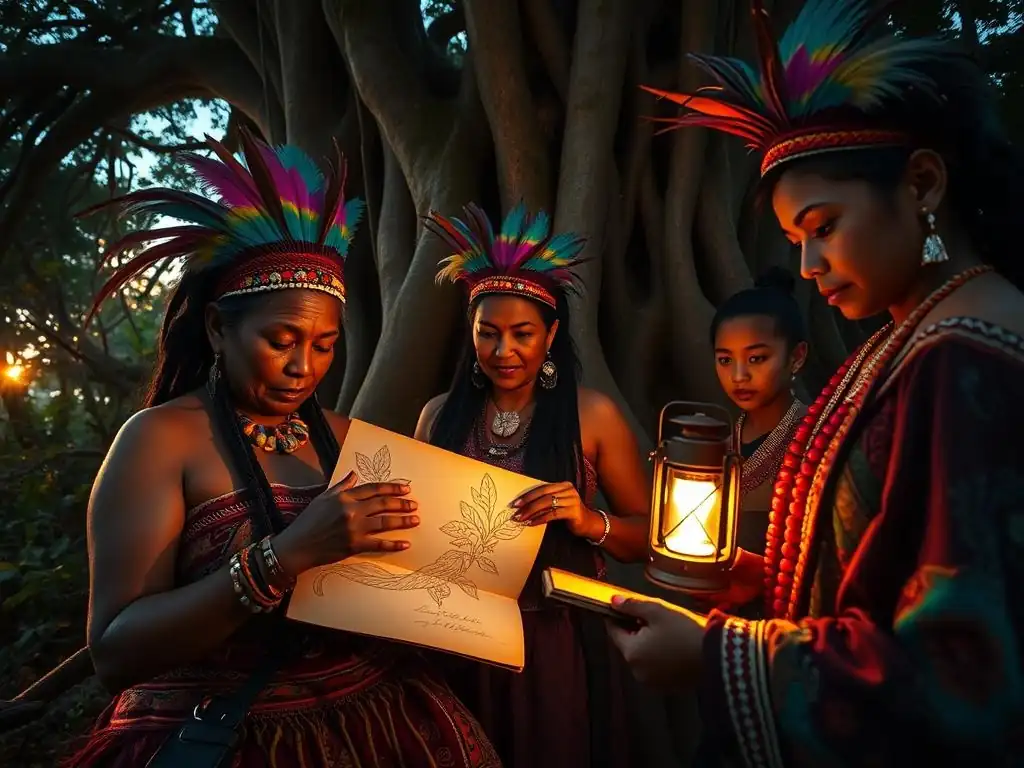
Dive into the fascinating world where scientific discovery meets untold stories. This month, we're exploring the rich tapestry of 'Keepers of Knowledge: Indigenous Women's Scientific Traditions Across Continents'. For centuries, these remarkable women have shaped our understanding of the natural world. But how have their contributions been historically overlooked? Discover the vital role of Indigenous women's scientific knowledge and prepare to be inspired by their enduring legacy. Explore the historical context and uncover the hidden figures who shaped scientific thought.
- Introduction: Honoring Indigenous Women's Scientific Contributions
- Global Perspectives on Indigenous Women's Scientific Traditions
- Traditional Ecological Knowledge (TEK) and Indigenous Women
- Indigenous Women's Expertise in Ethnobotany and Traditional Medicine
- Agricultural Innovations and Food Security Led by Indigenous Women
- Navigation, Astronomy, and Weather Prediction: Indigenous Women's Expertise
- Challenges Faced by Indigenous Women in Maintaining and Sharing Their Scientific Knowledge
- Protecting Indigenous Intellectual Property Rights (IPR)
- Case Studies: Highlighting Specific Examples of Indigenous Women's Scientific Achievements
- The Future of Indigenous Women's Scientific Knowledge
- Conclusion: Celebrating the Legacy of Indigenous Women in Science
-
Frequently Asked Questions
- How does WomenInScienceHistory.com highlight the scientific contributions of Indigenous women?
- What types of scientific knowledge are typically associated with Indigenous women?
- What challenges did Indigenous women face in preserving and sharing their scientific knowledge?
- How does understanding Indigenous women's scientific knowledge benefit modern society?
- How can I learn more about specific Indigenous women who made significant contributions to science?
- Final Reflection: Honoring Indigenous Wisdom
- Empower Change: Amplify Indigenous Women's Science!
Introduction: Honoring Indigenous Women's Scientific Contributions
Recognizing the Unseen Contributions of Indigenous Women in Science History
For centuries, the narratives of scientific discovery have predominantly centered on Western, male figures, often overlooking the profound and enduring contributions of Indigenous peoples, particularly women. This historical oversight has perpetuated a narrow understanding of what constitutes "science," often dismissing traditional ecological knowledge, ethnobotany, and celestial navigation as mere folklore rather than sophisticated systems of understanding the natural world. Yet, across every continent, Indigenous women have been and continue to be the primary custodians and innovators of vast bodies of Indigenous women scientific knowledge.
These contributions, often embedded within cultural practices, oral traditions, and daily life, span diverse fields from sustainable agriculture to advanced healing arts. From the meticulous observation of plant cycles for medicinal purposes to the intricate understanding of celestial patterns for navigation, Indigenous women's scientific traditions have shaped resilient societies and managed complex ecosystems for millennia. Their expertise, though often unacknowledged by mainstream academia, represents a critical, yet largely invisible, chapter in the global history of science.
The Importance of Documenting Indigenous Women's Scientific Knowledge
The urgent need to document and celebrate Indigenous women scientific knowledge cannot be overstated. With the rapid loss of Indigenous languages, territories, and traditional ways of life due to colonialism, climate change, and globalization, invaluable knowledge systems are at risk of disappearing forever. Elder knowledge keepers, particularly women, hold vast repositories of information about biodiversity, sustainable resource management, and holistic health that are irreplaceable.
Documenting these Indigenous women's scientific contributions is not merely an academic exercise; it is an act of cultural preservation, intellectual justice, and a vital step towards addressing contemporary global challenges. Their insights offer innovative solutions to issues such as food insecurity, biodiversity loss, and climate adaptation, providing alternative paradigms to often reductionist Western scientific approaches. By recognizing and integrating this knowledge, humanity gains a richer, more comprehensive understanding of the world and its intricate workings.
Global Perspectives on Indigenous Women's Scientific Traditions
A Cross-Continental View of Indigenous Women's Innovations
The depth and breadth of Indigenous women scientific knowledge are truly global, manifesting in unique ways across diverse geographical and cultural landscapes. From the Arctic Circle to the Amazon rainforest, and from the deserts of Australia to the islands of Oceania, Indigenous women have developed sophisticated systems of knowledge deeply intertwined with their environments.
For instance, Inuit women in the Arctic possess intricate knowledge of ice formations, animal migratory patterns, and weather changes, vital for survival and navigation in extreme conditions. Similarly, Aboriginal women in Australia have mastered the art of "firestick farming," a controlled burning practice that regenerates land and promotes biodiversity.
In South America, Amazonian women are renowned for their profound understanding of the rainforest's pharmacopeia and agroforestry techniques, cultivating diverse food and medicinal plants sustainably for generations. Across Africa, Indigenous women have innovated drought-resistant agricultural methods and preserved vital seed banks, ensuring food security in challenging climates. These examples underscore that Indigenous women's scientific traditions are not static but dynamic, adapting to changing environments while maintaining core principles of reciprocity and sustainability. Their innovations are often holistic, integrating spiritual, social, and ecological dimensions, offering a comprehensive approach to living in harmony with nature.
Traditional Ecological Knowledge (TEK) and Indigenous Women
The Role of Indigenous Women in Preserving Traditional Ecological Knowledge
Traditional Ecological Knowledge (TEK) refers to the cumulative body of knowledge, practices, and beliefs about the relationship of living beings (including humans) with their environment, which is handed down through generations by cultural transmission. Indigenous women are often the primary custodians and transmitters of TEK within their communities, intimately connected to the land, water, and forests through daily practices such as gathering wild foods, tending gardens, and preparing medicines. Their roles as gatherers, farmers, healers, and educators place them at the forefront of understanding and managing natural resources sustainably.
This deep engagement means that Indigenous women scientific knowledge is often empirical, based on thousands of years of observation, experimentation, and adaptation. They possess detailed understanding of plant life cycles, animal behaviors, soil health, and weather patterns, which is critical for community resilience and well-being. For example, many Indigenous women meticulously select and save seeds, ensuring crop diversity and adaptation to local conditions, a practice fundamental to food sovereignty and ecosystem health.
Examples of TEK Practiced by Indigenous Women Worldwide
Across the globe, numerous examples highlight the profound Indigenous women's scientific traditions embedded within TEK. In the Pacific Northwest, Coast Salish women have traditionally managed clam gardens, an ancient aquaculture practice that involves creating rock walls on tidal flats to enhance clam habitats. This sophisticated engineering increases clam productivity by up to 50% compared to unmanaged beaches, demonstrating a deep understanding of marine ecology and sustainable resource management. This knowledge, passed down through matriarchal lines, ensures a consistent food source for their communities.
Another powerful example comes from the Aymara women of the Andean altiplano, who have developed intricate knowledge of potato varieties and their specific adaptations to high-altitude environments. They manage thousands of distinct potato landraces, each suited to different soil types, altitudes, and frost conditions. This meticulous selection and preservation of genetic diversity is a testament to their Indigenous women scientific knowledge in agroecology, ensuring food security and resilience against environmental changes in a harsh climate. Their practices are critical for global food systems, preserving genetic material that could be vital for future crop development.
Indigenous Women's Expertise in Ethnobotany and Traditional Medicine
Healing Practices Passed Down Through Generations of Indigenous Women
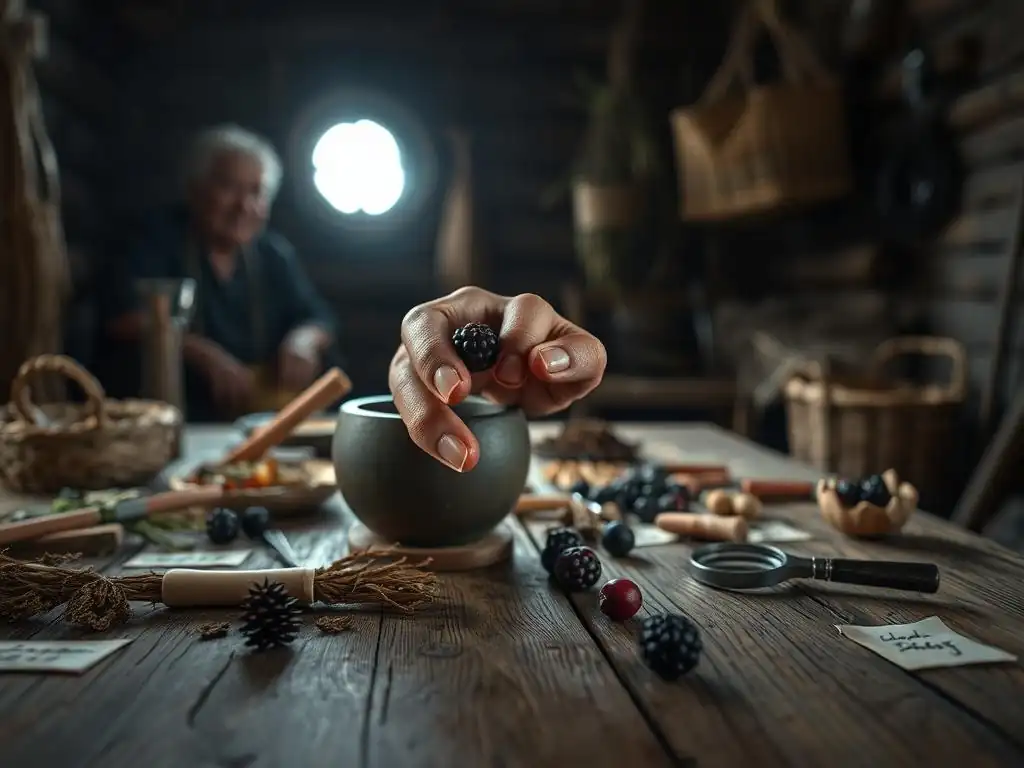
Indigenous women have long been the primary healers, midwives, and herbalists within their communities, holding vast repositories of ethnobotanical and medicinal knowledge. This expertise, often gained through rigorous apprenticeships, spiritual guidance, and a lifetime of empirical observation, is passed down through oral traditions, ceremonies, and practical application. Their understanding of the healing properties of plants extends beyond simple remedies; it encompasses a holistic view of health, integrating physical, mental, emotional, and spiritual well-being.
For instance, many Indigenous women in North America historically utilized willow bark (containing salicin, the precursor to aspirin) for pain relief and fever reduction, a practice documented centuries before its "discovery" by Western science. Similarly, the knowledge of specific plants for childbirth, fertility, and women's health is often exclusively held and practiced by Indigenous midwives and elder women, demonstrating their profound Indigenous women scientific knowledge in human physiology and pharmacology. Their healing practices are deeply rooted in respect for the natural world and a deep connection to ancestral wisdom.
The Scientific Basis of Indigenous Women's Herbal Remedies
The efficacy of many traditional Indigenous herbal remedies is increasingly being validated by modern scientific research, underscoring the sophisticated Indigenous women's scientific expertise in ethnopharmacology. While traditional knowledge systems often do not follow Western scientific methodologies, they are based on empirical observation over vast periods, identifying plants with specific therapeutic effects. This long-term, community-based "experimentation" has yielded a rich pharmacopeia.
A notable example is the use of Uncaria tomentosa, commonly known as Cat's Claw, by Indigenous women in the Amazon for its anti-inflammatory and immune-boosting properties. Scientific studies have since confirmed the presence of alkaloids and other compounds responsible for these effects. Similarly, the use of Echinacea by various North American Indigenous groups for treating infections and enhancing immunity is now widely recognized in mainstream medicine. These instances highlight that Indigenous women scientific knowledge is not merely anecdotal but represents a rigorously tested and refined body of practical science, often predating contemporary pharmaceutical discoveries by centuries.
Agricultural Innovations and Food Security Led by Indigenous Women
Sustainable Farming Techniques Developed by Indigenous Women
Indigenous women have been central to the development and maintenance of highly sustainable and productive agricultural systems that prioritize ecological balance and long-term food security. Their innovations often involve complex understandings of soil dynamics, water management, and plant interactions.
One of the most iconic examples is the "Three Sisters" planting method (corn, beans, and squash) widely practiced by various Indigenous nations across North America. This companion planting technique, primarily managed by women, optimizes nutrient cycling, provides natural pest control, and creates a mutually beneficial ecosystem where each plant supports the others' growth, reflecting profound Indigenous women scientific knowledge in agroecology.
Beyond companion planting, Indigenous women have also innovated sophisticated terracing systems in mountainous regions, such as the Andes, to prevent soil erosion and maximize arable land. They have also perfected methods of intercropping, crop rotation, and natural fertilization, demonstrating a deep understanding of sustainable resource management that contrasts sharply with the monoculture practices of industrial agriculture. These techniques are not only environmentally sound but also yield diverse and nutritious food sources, ensuring community resilience.
Indigenous Women's Contributions to Crop Diversity and Preservation
Perhaps one of the most critical contributions of Indigenous women to global food security is their role as primary preservers of seed diversity. For millennia, women have been the traditional seed keepers, meticulously selecting, saving, and exchanging seeds adapted to local climates, soils, and cultural preferences. This continuous process has resulted in the astonishing genetic diversity of staple crops we rely on today. For example, Indigenous women in the Andes are responsible for maintaining thousands of distinct varieties of potatoes, each with unique characteristics and resistance to various pests and diseases.
Similarly, the myriad varieties of maize found across the Americas are a testament to the dedication of Indigenous women in cultivating and adapting this vital crop. This act of preserving Indigenous women's scientific traditions in agriculture is crucial for humanity's future food supply, especially in the face of climate change and new agricultural challenges. Their knowledge of seed viability, storage techniques, and plant breeding is an invaluable resource, safeguarding biodiversity and offering resilience against potential crop failures.
Across many Indigenous cultures, particularly those with seafaring traditions or nomadic lifestyles, women have held significant knowledge of celestial mechanics and weather prediction. This Indigenous women scientific knowledge was not merely academic but essential for survival, enabling safe passage across vast oceans or accurate timing for seasonal migrations and agricultural cycles. They observed the movements of stars, the moon, and the sun with remarkable precision, charting courses, predicting tides, and understanding the subtle shifts in weather patterns.
This deep understanding was often integrated into complex oral traditions, songs, and intricate weaving patterns that served as mnemonic devices for transmitting crucial information across generations. For example, some Indigenous women, through their detailed observations of cloud formations, wind directions, and animal behaviors, could predict severe weather events with accuracy that often rivaled modern meteorological tools, showcasing their profound empirical understanding of atmospheric phenomena.
Examples of Indigenous Women's Astronomical Observations
The sophisticated Indigenous women's scientific traditions in astronomy are evident in various cultures. In ancient Polynesian societies, while men often undertook the long-distance voyages, women were crucial in maintaining the knowledge of star compasses, wave patterns, and bird migrations that enabled such epic journeys across the Pacific. They taught children the intricate star paths and how to interpret subtle environmental cues for navigation, ensuring the continuity of this vital knowledge. Their understanding of the night sky allowed for precise determination of latitude and direction, guiding canoes over thousands of kilometers without modern instruments.
Another compelling example comes from some Indigenous groups in North America, where women played significant roles in observing and interpreting celestial events for calendrical purposes. They tracked lunar cycles for planting and harvesting, and understood the seasonal appearance of constellations to mark important ceremonial times or resource availability. This Indigenous women scientific knowledge of the cosmos was not abstract but deeply practical, integrating the movements of the heavens with the rhythms of earthly life and ensuring the well-being and prosperity of their communities.
Challenges Faced by Indigenous Women in Maintaining and Sharing Their Scientific Knowledge
Colonialism and the Suppression of Indigenous Women's Knowledge
The arrival of colonial powers brought devastating consequences for Indigenous women scientific knowledge systems. Colonialism systematically devalued, suppressed, and often actively eradicated traditional knowledge, replacing it with Western scientific paradigms deemed superior. This process involved forced assimilation, the imposition of foreign languages and education systems, land dispossession, and the disruption of traditional governance structures where women often held significant roles as knowledge keepers.
The suppression was particularly acute for Indigenous women, whose roles as healers, agricultural innovators, and cultural transmitters were often undermined or criminalized. Traditional healing practices were labeled as superstition, sustainable agricultural methods were replaced by industrial monocultures, and languages carrying generations of scientific wisdom were forbidden. This systematic dismantling broke intergenerational transmission chains, leading to immense loss of invaluable Indigenous women's scientific traditions and intellectual heritage, leaving significant gaps in global understanding.
The Ongoing Fight to Preserve and Promote Indigenous Women's Scientific Traditions
Despite centuries of suppression, Indigenous women continue to lead the ongoing fight to preserve, revitalize, and promote their scientific knowledge. However, they face significant contemporary challenges. Resource extraction projects often destroy ancestral lands, severing the deep connection to the environment that is the foundation of TEK. Climate change disproportionately impacts Indigenous communities, threatening traditional food sources and disrupting ecological cycles that have been understood for millennia.
Furthermore, systemic discrimination, lack of funding, and limited access to culturally appropriate education hinder the ability of Indigenous women to fully transmit and apply their knowledge. Despite these obstacles, Indigenous women are demonstrating incredible resilience, leading initiatives to revitalize Indigenous languages, restore traditional farming practices, and establish Indigenous-led research institutions. Their sustained efforts to ensure the continuity of their Indigenous women's scientific contributions are vital for their communities' self-determination and for the benefit of all humanity.
Protecting Indigenous Intellectual Property Rights (IPR)

Ensuring Indigenous Women Benefit from Their Scientific Knowledge
The protection of Indigenous Intellectual Property Rights (IPR) is paramount to ensuring that Indigenous women and their communities benefit from their Indigenous women scientific knowledge and are not exploited. Historically, traditional knowledge, particularly in areas like ethnobotany and traditional medicine, has been appropriated by pharmaceutical companies, researchers, and industries without consent, recognition, or equitable benefit-sharing. This "biopiracy" has led to significant financial gains for external entities while leaving Indigenous communities, the original innovators, impoverished.
Recognizing IPR for traditional knowledge means acknowledging that this knowledge is a collective asset, often held communally and passed down through generations, rather than belonging to an individual. Legal and ethical frameworks are needed to ensure Free, Prior, and Informed Consent (FPIC) before any research or commercialization of Indigenous knowledge occurs. Furthermore, benefit-sharing agreements must be established to ensure that any profits or advantages derived from Indigenous women scientific knowledge are returned to the originating communities, supporting their self-determination and cultural continuity.
The Importance of Collaboration and Respect in Research Involving Indigenous Communities
Ethical and equitable research involving Indigenous communities, especially concerning Indigenous women scientific knowledge, demands a fundamental shift from extractive practices to genuine collaboration and respect. This means moving beyond simply "consulting" Indigenous peoples to building true partnerships where Indigenous women are recognized as co-researchers, knowledge holders, and decision-makers from the outset. Research questions should be co-developed, methodologies should align with Indigenous worldviews, and outcomes should be mutually beneficial and culturally appropriate.
The principle of "nothing about us without us" is crucial. Researchers must understand and adhere to Indigenous protocols, respect cultural sensitivities, and ensure that research outputs are accessible and useful to the communities involved. This collaborative approach not only upholds the rights and dignity of Indigenous peoples but also enriches the scientific process itself. By valuing Indigenous women's scientific traditions as equally valid and vital forms of knowledge, researchers can foster trust, build capacity within Indigenous communities, and contribute to a more holistic and ethically informed global scientific landscape.
Case Studies: Highlighting Specific Examples of Indigenous Women's Scientific Achievements
Case Study 1: Māori Women's Role in Rongoā Māori (Traditional Healing)
Rongoā Māori is the traditional healing system of the Māori people of Aotearoa (New Zealand), a holistic practice encompassing herbal remedies (rongoā rākau), spiritual healing (karakia), physical therapies (mirimiri), and cultural practices. Māori women, particularly elder women known as tohunga rongoā, have been central to preserving and transmitting this intricate Indigenous women scientific knowledge through generations. They possess profound expertise in identifying, harvesting, and preparing native plants for medicinal purposes, understanding their specific properties and synergistic effects.
For example, the use of Kawakawa (Macropiper excelsum) for its anti-inflammatory and antiseptic properties, or Harakeke (New Zealand flax) for treating wounds and skin conditions, are staple remedies within Rongoā Māori. These women also understand the spiritual dimensions of healing, recognizing the interconnectedness of physical ailments with emotional and spiritual well-being. Their extensive knowledge of the local flora and its medicinal applications is a testament to rigorous observation and empirical testing over centuries, forming a sophisticated system of healthcare rooted in Indigenous women's scientific traditions.
Case Study 2: Amazonian Women's Knowledge of Agroforestry and Soil Management
In the vast Amazon basin, Indigenous women have cultivated an unparalleled understanding of agroforestry and sustainable soil management, vital for living harmoniously within the rainforest ecosystem. They are the primary custodians of knowledge related to "terra preta" (dark earth), a highly fertile anthropogenic soil created over thousands of years through the careful incorporation of biochar, organic matter, and ceramics. This sophisticated soil engineering, largely orchestrated by women, transforms nutrient-poor rainforest soils into rich, carbon-stable agricultural plots that remain fertile for centuries, demonstrating profound Indigenous women scientific expertise.
These women manage complex forest gardens, cultivating a diverse array of food crops, medicinal plants, and timber species within a single area, mimicking the natural biodiversity of the rainforest. Their practices promote ecological resilience, prevent deforestation, and ensure food security for their communities. Their ability to manage intricate ecological relationships, regenerate degraded land, and maintain biodiversity through sustainable practices is a powerful example of Indigenous women's scientific contributions to environmental stewardship and sustainable development, offering vital lessons for global conservation efforts.
The Future of Indigenous Women's Scientific Knowledge
Empowering the Next Generation of Indigenous Women Scientists
Ensuring the continuity and vitality of Indigenous women scientific knowledge requires concerted efforts to empower the next generation of Indigenous women scientists. This involves creating educational pathways that not only encourage Indigenous girls and young women to pursue STEM fields but also deeply value and integrate their traditional knowledge systems. Programs that offer mentorship from both Indigenous elders and Western-trained scientists can bridge these two knowledge worlds, fostering a new generation of innovators who can navigate both.
Culturally relevant curricula that recognize Indigenous science as legitimate and sophisticated are crucial. For example, initiatives that teach mathematics through traditional weaving patterns or physics through canoe-building techniques can make learning more engaging and relevant. By providing scholarships, access to technology, and platforms for knowledge sharing, we can empower young Indigenous women to become leaders who blend ancestral wisdom with contemporary scientific methods, ensuring the enduring legacy of Indigenous women's scientific traditions.
Integrating Indigenous Knowledge into Modern Science and Education
The full potential of Indigenous women scientific knowledge can be realized through its respectful and equitable integration into modern science and education. This integration is not about "validating" Indigenous knowledge through Western lenses but about recognizing its inherent value and distinct contributions. Incorporating Indigenous perspectives into university curricula, scientific research agendas, and policy-making can lead to more holistic, ethical, and sustainable solutions for complex global challenges like climate change, biodiversity loss, and public health.
For instance, climate change modeling can be significantly enhanced by incorporating Indigenous observations of ecological shifts over millennia. Similarly, drug discovery can benefit from the vast ethnobotanical knowledge held by Indigenous healers. This integration fosters a mutual learning environment where Western science gains new insights and perspectives, while Indigenous knowledge systems receive the recognition and respect they deserve. By valuing and utilizing Indigenous women's scientific contributions, we enrich the global scientific landscape and move towards a more inclusive and effective approach to understanding and interacting with the world.
Conclusion: Celebrating the Legacy of Indigenous Women in Science
The Enduring Impact of Indigenous Women's Scientific Knowledge on the World
The legacy of Indigenous women scientific knowledge is profound and far-reaching, shaping human civilization and continuing to offer indispensable solutions to contemporary global challenges. From pioneering sustainable agricultural practices that feed millions, to developing sophisticated healing systems that predate modern medicine, and mastering celestial navigation that charted ancient voyages, Indigenous women have been unacknowledged architects of scientific progress. Their contributions demonstrate a holistic, interconnected understanding of the world, where science is interwoven with culture, spirituality, and community well-being.
This vast body of knowledge, often passed down through oral traditions and practical application, represents millennia of meticulous observation, experimentation, and adaptation to diverse environments. The resilience of these Indigenous women's scientific traditions in the face of immense colonial pressures is a testament to their enduring power and relevance. Their innovations are not merely historical footnotes but living, evolving systems of wisdom that continue to provide vital insights for addressing issues like climate change, biodiversity loss, and public health.
Call to Action: Supporting Indigenous Women in Science and Honoring Their Contributions
To truly honor the legacy of Indigenous women scientific knowledge, a concerted call to action is essential. We must actively seek out, learn from, and support Indigenous women knowledge holders and scientists. This involves advocating for their rights, promoting culturally appropriate education, and ensuring that their voices are heard in scientific and policy-making arenas. Supporting Indigenous-led initiatives that focus on language revitalization, traditional ecological management, and intergenerational knowledge transfer is crucial for preserving this invaluable heritage.
Furthermore, it is imperative to shift away from exploitative practices towards equitable partnerships based on Free, Prior, and Informed Consent, ensuring that Indigenous communities benefit from any research or commercialization of their knowledge. By celebrating and integrating Indigenous women's scientific contributions into mainstream discourse, we not only correct historical injustices but also enrich our collective understanding of the world, fostering a more inclusive, sustainable, and respectful future for all.
Frequently Asked Questions
How does WomenInScienceHistory.com highlight the scientific contributions of Indigenous women?
The site features biographies and articles that focus on the scientific knowledge passed down through generations of Indigenous women. It aims to give them the recognition they deserve.
What types of scientific knowledge are typically associated with Indigenous women?
This often includes knowledge related to botany, medicine, agriculture, and environmental stewardship, developed through centuries of observation and experimentation.
What challenges did Indigenous women face in preserving and sharing their scientific knowledge?
They often faced cultural suppression, colonial interference, and a lack of recognition from mainstream scientific communities, hindering their contributions.
How does understanding Indigenous women's scientific knowledge benefit modern society?
It provides valuable insights into sustainable practices, biodiversity conservation, and traditional medicine, offering alternative solutions to contemporary challenges.
How can I learn more about specific Indigenous women who made significant contributions to science?
WomenInScienceHistory.com provides detailed biographies and resources that highlight the achievements of various Indigenous women scientists across different regions and time periods.
Final Reflection: Honoring Indigenous Wisdom
The journey through the scientific traditions of Indigenous women across continents reveals a profound truth: their knowledge is not just historical, but a vital resource for navigating our present and shaping a sustainable future. The intricate understanding of ecosystems, medicinal plants, and sustainable practices, honed over generations, offers invaluable lessons that are increasingly relevant in a world grappling with environmental crises and seeking holistic solutions.
This exploration underscores the enduring power and resilience of Indigenous women, whose scientific contributions have often been overlooked or marginalized. The recognition and preservation of this knowledge is not merely an act of historical correction, but a crucial step towards creating a more equitable and sustainable world, one where diverse perspectives are valued and integrated. We do not inherit the earth from our ancestors; we borrow it from our children.
This ancient proverb reminds us of our responsibility to safeguard the wisdom of Indigenous communities for future generations.
As we close this chapter, let us carry forward the lessons learned from these keepers of knowledge. Let us actively seek out and amplify Indigenous voices, support their initiatives, and integrate their wisdom into our own lives and practices. Consider how you can contribute to the preservation and revitalization of Indigenous scientific knowledge, ensuring that this invaluable heritage continues to inspire and guide us towards a more harmonious relationship with the Earth.
Empower Change: Amplify Indigenous Women's Science!
Thank you for exploring the rich tapestry of scientific traditions held by Indigenous women across continents. You've uncovered invaluable perspectives and innovations, often overlooked in mainstream narratives. Now, it's time to act!
- Amplify Indigenous voices: Share this article and other resources on Indigenous women in science with your network to broaden awareness and understanding. This is the most important thing you can do right now.
- Delve deeper: Explore the websites and organizations mentioned to discover specific initiatives supporting Indigenous women in STEM and find ways to contribute.
- Challenge perspectives: Intentionally seek out and share stories of Indigenous women's contributions to science in everyday conversations, disrupting stereotypes and promoting inclusivity.
How will you use this newfound knowledge to elevate and celebrate Indigenous women's scientific legacies?